Al Pont de Ferr sits on the Naviglio Grande canal in Milan's Ticinese district, a address that anchors it firmly in the city's most storied aperitivo and dining quarter. The restaurant draws from the serious end of Milanese trattoria tradition while operating in a neighbourhood where canal-side atmosphere and culinary ambition increasingly coexist. Planning ahead is advisable for anyone intending a considered meal here.
- Address
- Ripa di Porta Ticinese, 55, 20143 Milano MI, Italy
- Phone
- +39 02 8940 6277
- Website
- pontdeferr.it
- Directions
- Get directions
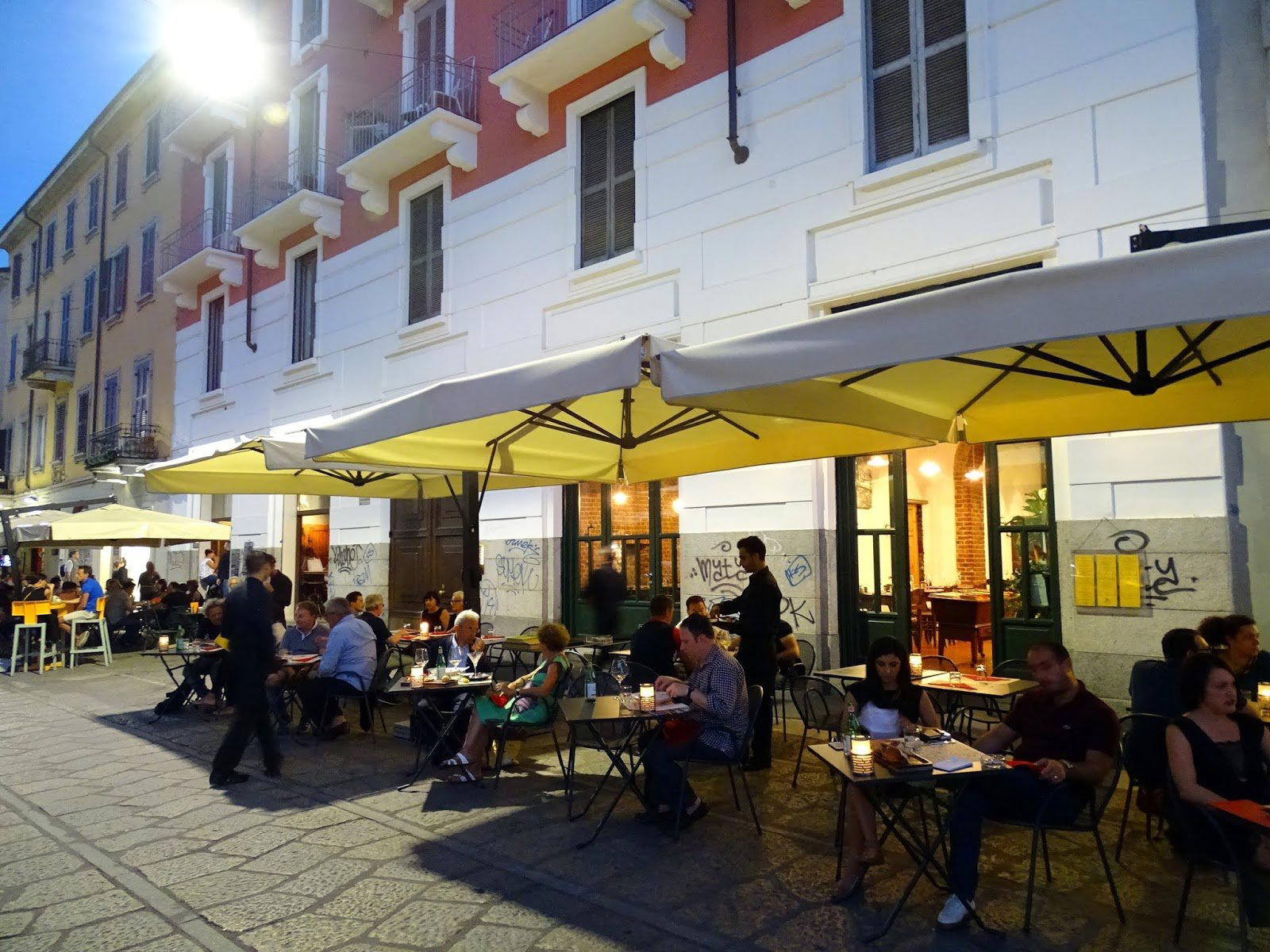
Canal-Side Milan and What It Demands of a Dinner Reservation
The Naviglio Grande in Milan's Ticinese district has an awkward double identity. On weekend evenings, the towpath fills with aperitivo crowds moving between bars, the noise carrying across the water. But the same stretch of Ripa di Porta Ticinese also holds some of the city's more serious dining addresses, establishments that operate at a different pace from the street theatre outside. Al Pont de Ferr sits at number 55 on that canal bank, and the address alone tells you something about the planning calculus involved: this is a restaurant embedded in one of Milan's most animated neighbourhoods, which means reservations are essential.
Milan's dining scene has bifurcated sharply over the past decade. At the formal end, restaurants like Enrico Bartolini, Cracco in Galleria, Andrea Aprea, and Seta operate at the €€€€ tier with tasting menus, Michelin recognition, and booking windows measured in weeks. Below that tier, the city supports a range of neighbourhood-rooted addresses where the proposition is less theatrical but often more honest to the local tradition. Al Pont de Ferr occupies that middle register, where the canal-side setting does part of the work and the kitchen carries the rest.
The Ticinese Quarter as Context
Understanding the Ticinese district helps explain why Al Pont de Ferr functions the way it does. The two Navigli canals, the Grande and the Pavese, form a working-class-turned-creative corridor in Milan's southwest, historically associated with artisans, small workshops, and the kind of unpretentious eating that preceded the city's current design-hotel restaurant boom. The neighbourhood's trattoria culture has survived gentrification better than most, partly because the canal-side foot traffic sustains a year-round clientele that doesn't depend entirely on expense accounts or tourism.
Within Italy's broader restaurant geography, the Navigli district sits far outside the fine-dining constellation that includes Osteria Francescana in Modena, Piazza Duomo in Alba, or Le Calandre in Rubano. It doesn't aspire to compete with those addresses, and that distinction matters when you're calibrating expectations. What the area does well is atmosphere married to substance: the canal view at dusk, the particular rhythms of a neighbourhood that hasn't been entirely smoothed into a luxury product.
What the Booking Experience Tells You
Canal-side addresses in Ticinese are not easy to walk into on a Friday or Saturday evening, particularly during the warmer months when outdoor seating becomes the priority and competition for tables intensifies across the whole strip. Anyone planning a meal here during spring or summer should treat a reservation as a prerequisite rather than a courtesy. The same applies to the autumn design week and fashion week periods, when Milan's restaurant capacity tightens across all price points.
For visitors arriving from outside Italy, the planning framework is worth comparing to other high-demand Italian addresses. Uliassi in Senigallia books months ahead and operates on a strict seasonal calendar. Dal Pescatore in Runate draws destination diners who plan their Lombardy visits around the table. The restaurant operates at neither of those extremes, but the neighbourhood's popularity has pushed its booking dynamic closer to the considered-planning end of the spectrum than a casual trattoria would suggest.
Reservations are essential. Arriving early in the evening, before the aperitivo crowd peaks, tends to improve the experience regardless of which canal-side restaurant you choose. Midweek evenings offer greater flexibility and the leading conditions for the kind of unhurried meal the setting invites.
Milan's Trattoria Tradition and Where Al Pont de Ferr Fits
Milanese restaurant culture has always had a functional, commerce-adjacent character. The city's historical eating culture was built around feeding workers and traders quickly and well, not around ceremony. That tradition evolved into a trattoria format that prioritises seasonal produce, regional wine, and direct service over elaborately constructed tasting menus. The restaurant represents a continuation of that format in a neighbourhood that retains some of its pre-gentrification character, even as the surrounding streets have filled with wine bars, cocktail lounges, and boutique hotels.
Compared to the more self-consciously progressive restaurants operating in Milan's centre, such as Verso Capitaneo with its creative format, the restaurant's appeal rests on positioning rather than innovation. The canal address, the trattoria register, and the neighbourhood texture combine to offer something that the formal dining rooms of central Milan cannot replicate, regardless of their Michelin counts. Whether that trade-off suits a given visitor depends on what they're optimising for.
For those working through Italy's restaurant geography more broadly, that the trattoria-to-fine-dining spectrum plays out differently in Lombardy than elsewhere. Restaurants like Reale in Castel di Sangro, Atelier Moessmer Norbert Niederkofler in Brunico, or Quattro Passi in Marina del Cantone each represent destination-level ambition tied to a specific regional identity. Milan's neighbourhood addresses serve a different function: they are the city's quotidian dining layer, and the restaurant is a representative of that layer in one of the city's most textured districts.
Planning Your Visit
The restaurant is located at Ripa di Porta Ticinese 55, directly on the Naviglio Grande. The Ticinese area is reachable by tram from central Milan, with the P.ta Genova FS metro station (M2, green line) providing one convenient connection for those coming from the city centre or arriving by rail from Malpensa via the Malpensa Express. The canal-side walk from the metro takes under ten minutes and is part of the Navigli experience in its own right. Given the neighbourhood's aperitivo culture, arriving with a reservation and a specific arrival time is wise. For travellers with an appetite for comparison, Enoteca Pinchiorri in Florence and Casa Perbellini 12 Apostoli in Verona represent alternative anchors for a northern Italian dining itinerary that extends beyond Milan, each occupying a different position on the formality spectrum.
Fast Comparison
Comparable venues nearby, for context on price, style, and recognition.
| Venue | Cuisine | Price | Notes |
|---|---|---|---|
| Al Pont de FerrThis venue — the venue you are viewing | Modern Italian Fine Dining | $$$ | Not listed |
| Cormorano Sempione | Italian Seafood Trattoria | $$$ | Sarpi |
| Røst | Modern Italian Bistro with Nordic Influences | $$$ | Buenos Aires - Porta Venezia - Porta Monforte |
| DA NOI IN | Modern Italian Fine Dining | $$$ | Porta Genova |
| Peck | Traditional Milanese Gastronomy | $$$ | Duomo |
| Linfa | Modern Vegan Italian Fine Dining | $$$ | Porta Genova |
Continue exploring
More in Milan
Restaurants in Milan
Browse all →
Bars in Milan
Browse all →
Hotels in Milan
Browse all →

At a Glance
- Rustic
- Elegant
- Cozy
- Intimate
- Date Night
- Special Occasion
- Waterfront
- Local Sourcing
- Waterfront
- Street Scene
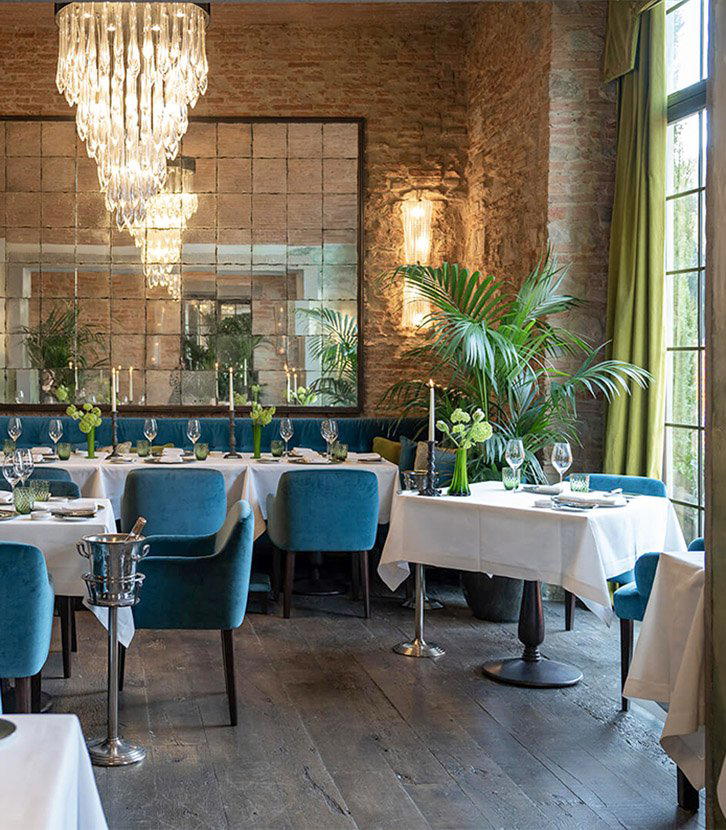
Rustic charm with simple red brick archways, stark white walls, and wood tables evoking a traditional Italian tavern atmosphere.