
Milan's plant-based fine dining conversation has a clear address in Porta Genova. Linfa operates as a 100% plant-based, eco-oriented kitchen whose critical reception frames it as modern, color-forward, and cross-cultural in its references. It sits in a separate register from the city's classical fine dining tier, making it the relevant choice when the question is what serious Italian plant-based cooking looks like in practice.
Pearl is the En Primeur Club membership app — saves, bookings, and concierge access live there. Same editors, same standards.
- Address
- V. Ambrogio Bergognone da Fossano, 24, 20144 Milano MI, Italy
- Phone
- +39 02 4770 9236
- Website
- linfamilano.com
- Directions
- Get directions
 Saves & bookings on Pearl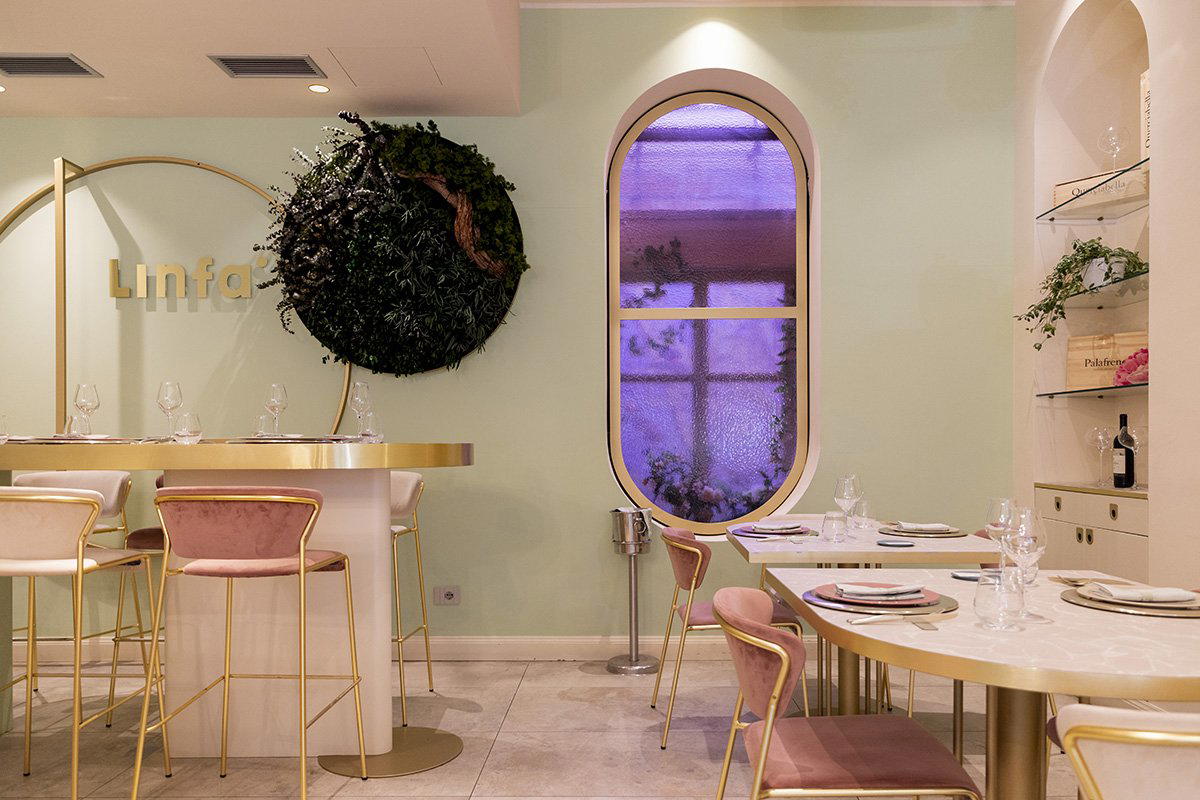
A Different Register in Milan's Dining Scene
Milan's high-end restaurant circuit is dense with tasting menus built around technique, protein, and cellar depth. The city's leading tables, from Enrico Bartolini to Seta and Andrea Aprea, operate in a bracket where luxury ingredients and classical technique provide the scaffolding. Linfa is a restaurant in Milan serving Modern Vegan Italian Fine Dining. Linfa, on Via Ambrogio Bergognone da Fossano in the Navigli-adjacent district of Porta Genova, occupies a distinct position within that map. Its program is 100% plant-based, eco-oriented, and explicitly modern in both its references and its ambitions. In a city where plant-forward dining has historically been treated as a dietary accommodation rather than a serious culinary commitment, that positioning is a statement in itself.
What the Name Signals
The word linfa in Italian derives from the Latin for water, the foundational element in biological systems. The name functions as a kind of editorial frame for everything that follows: freshness, clarity, the absence of heaviness. In restaurant terms, that translates to a kitchen working with vegetables, legumes, and grains as primary subjects rather than supporting cast, applying technique not to transform luxury cuts but to draw complexity out of plant matter. The approach aligns with a broader European movement, visible in kitchens from Copenhagen to Barcelona, where the skills associated with fine dining have been redirected toward ingredient categories that traditional haute cuisine long treated as peripheral. Restaurants in Italy pursuing this line with genuine rigor are fewer than their counterparts in northern Europe, which makes the Milanese example worth attention.
Critical Reception and What It Implies
The recognition attached to Linfa is specific in its language. The venue has been described as representing modernity and freshness, with cuisine that is eco-friendly and entirely plant-based. The critical framing notes colors that are "sometimes carefully selected, sometimes surprising, but also still searching", a phrase worth reading carefully. That qualifier, "still searching," is not a dismissal. In critical vocabulary, it places the kitchen in an active developmental stage rather than a settled one, which for a project working in a category with limited Italian precedent is the honest assessment. Restaurants at the frontier of a category by definition do not yet have a fixed template to execute against. The description also references a fusion of flavors, culinary techniques, and cultures, a signal that the menu draws across geographic and technical references rather than anchoring to a single tradition.
Measured against the Michelin-decorated tier that includes Cracco in Galleria or the progressive ambition of Verso Capitaneo, Linfa sits in a separate competitive set, one defined less by the conventional metrics of Italian fine dining and more by the standards emerging around serious plant-based cooking internationally. For context, restaurants in this category internationally include those that have earned significant critical recognition by treating the vegetable kitchen as an equal discipline to any protein-centered program. In Italy, that conversation is still forming, and Linfa is among the addresses contributing to it in Milan.
The Navigli Quarter and Its Context
The address on Via Bergognone places Linfa in a part of Milan that sits between the canal district's informal energy and the more composed atmosphere of the south-western residential neighborhoods. This is not the white-tablecloth geography of the city center or the Brera quarter. The surrounding streets carry a mix of design studios, light-industrial conversions, and a dining scene that skews toward the independent and the conceptual rather than the traditionally formal. That context is consistent with the kind of project Linfa represents: a kitchen working in a category that requires the audience to meet it partway. Visitors arriving from the city center can reach Porta Genova by metro on the green line, a direct journey from the Duomo or Brera.
For travelers building a broader Italian itinerary, Linfa's positioning in Milan makes an interesting point of comparison with the country's dining scene. The starred houses in northern Italy, including Atelier Moessmer Norbert Niederkofler in Brunico, Dal Pescatore in Runate, Le Calandre in Rubano, and further south, Piazza Duomo in Alba and Osteria Francescana in Modena, all operate within frameworks grounded in Italian product and culinary lineage. Enoteca Pinchiorri in Florence approaches the subject from a wine-first perspective. Linfa approaches Italian dining from a different axis entirely, one that prioritizes ecological coherence and plant matter as the primary mode of expression. These are not competing propositions; they are separate answers to different questions about what a serious kitchen in Italy can be.
Planning a Visit
Reservations are recommended, and the current hours are Tue to Thu 7 to 11 PM, Fri 7 to 11:30 PM, Sat 12 to 3 PM and 7 to 11:30 PM, and Sun 12 to 4 PM and 7 to 11 PM; the restaurant is closed Mondays. Pricing is about $50 per person. The address is Via Ambrogio Bergognone da Fossano, 24, in the 20144 postal district of Milan, accessible from Porta Genova FS metro station. Given the kitchen's focus on fresh, seasonal plant material, the menu will shift with supply and season, meaning no two visits will be identical in composition. For travelers building an itinerary around Milan's broader dining and hospitality offering,
For reference, the plant-based fine dining category has produced particularly discussed restaurant openings globally over the past decade, including conversations that extend to addresses like Le Bernardin in New York City, where the kitchen's technical discipline in a non-meat category has long been the subject of serious critical attention, and through different means at venues like Emeril's in New Orleans, where the conversation around American ingredient diversity has always intersected with technique. Linfa's version of that conversation is Italian and Milanese.
Quick Comparison
Comparable venues nearby, for context on price, style, and recognition.
| Venue | Cuisine | Price | Notes |
|---|---|---|---|
| LinfaThis venue — the venue you are viewing | Modern Vegan Italian Fine Dining | $$$ | Not listed |
| Losko | Modern Italian Grill | $$$ | Buenos Aires - Porta Venezia - Porta Monforte |
| Carlo e Camilla in Segheria | Contemporary Italian | $$$ | Porta Ticinese - Conca Del Naviglio |
| Tannico Wine Bar | Modern Italian Wine Bar | $$$ | Porta Genova |
| Rosso Brera | Traditional Milanese Trattoria | $$$ | Brera |
| Røst | Modern Italian Bistro with Nordic Influences | $$$ | Buenos Aires - Porta Venezia - Porta Monforte |
Recognition history
Dated appearances from independent guides and award organizations, with the underlying list record or original source where available.
We're Smart World 2 Radishes
We're Smart World
Continue exploring
More in Milan
Restaurants in Milan
Browse all →
Bars in Milan
Browse all →
Hotels in Milan
Browse all →
At a Glance
- Elegant
- Modern
- Cozy
- Sophisticated
- Intimate
- Date Night
- Special Occasion
- Business Dinner
- Open Kitchen
- Design Destination
- Extensive Wine List
Current opening hours
- Monday
- Closed
- Tuesday
- 7–11 PM
- Wednesday
- 7–11 PM
- Thursday
- 7–11 PM
- Friday
- 7–11:30 PM
- Saturday
- 12–3 PM, 7–11:30 PM
- Sunday
- 12–4 PM, 7–11 PM
Hours can change for holidays and private events. Last verified .
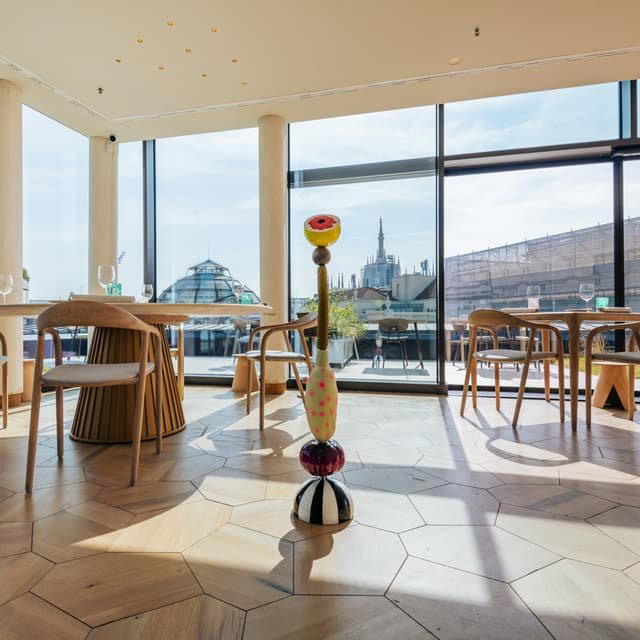
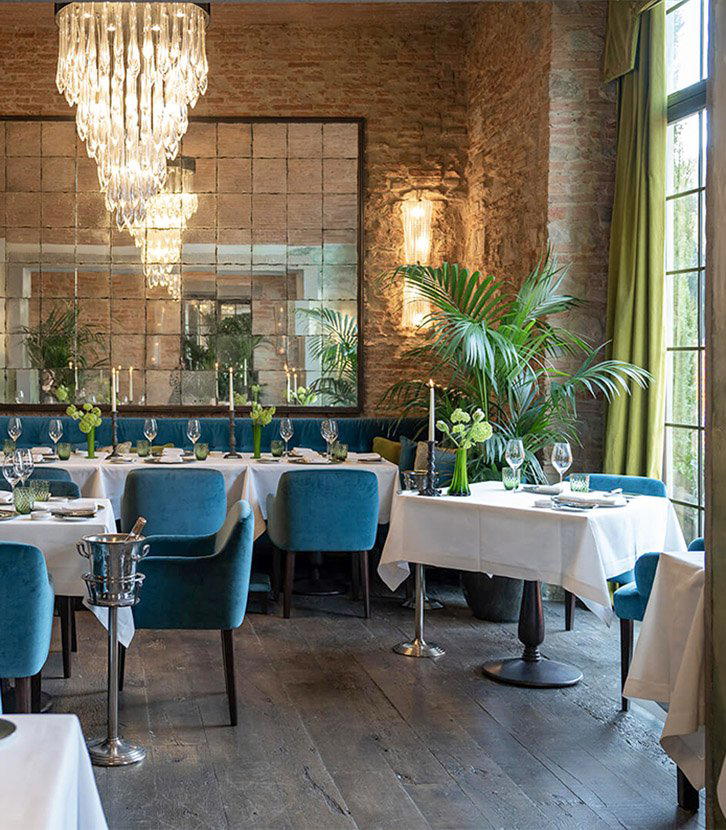
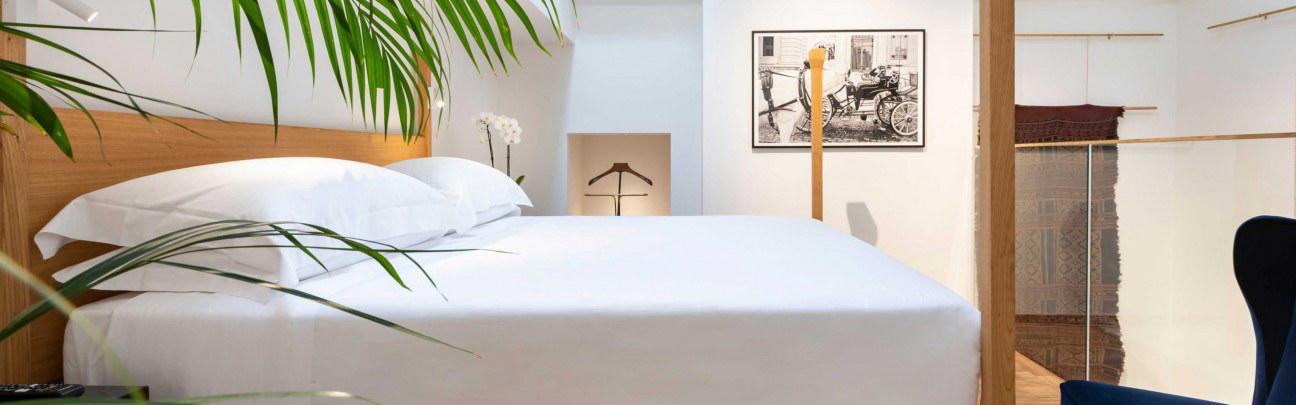
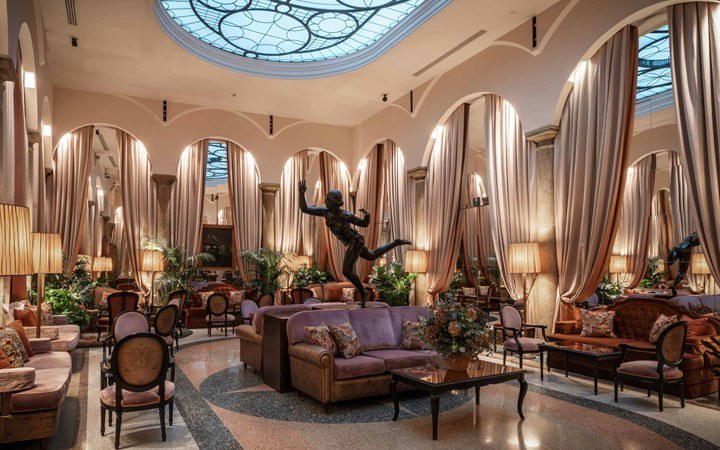
Cozy yet sophisticated with modern minimalist decor, good lighting, stylish design, and an elegant atmosphere.