

Ají sits on Carrer de la Marina in Barcelona's waterfront district, holding a 2025 Michelin Plate for a tasting menu that fuses Japanese technique with Peruvian flavour logic. The name doubles as 'chilli pepper' in Peruvian Spanish and 'taste' in Japanese, a dual etymology that maps the kitchen's actual intentions. At €€ pricing, it occupies a rare position in the city's fusion tier: serious culinary ambition without the three-figure cover charge.
Pearl is the En Primeur Club membership app — saves, bookings, and concierge access live there. Same editors, same standards.
- Address
- Acceso planta inferior, Carrer de la Marina, 19, 08005 Barcelona, Spain
- Phone
- +34 935 11 97 67
- Website
- restaurantaji.com
- Directions
- Get directions
 Saves & bookings on Pearl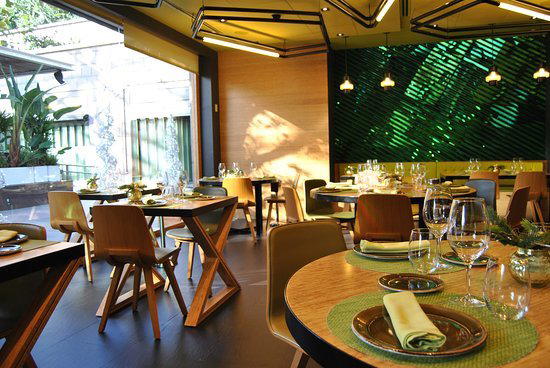
Where Nikkei Cuisine Finds Its Barcelona Address
Barcelona's waterfront has accumulated restaurants at every price point, but the stretch around Carrer de la Marina skews toward volume dining rather than culinary precision. Ají sits at the lower ground floor of that address and operates as an exception to that pattern. The access through the building's lower level creates a transition from street noise to a more contained space, the kind of entry that signals a deliberate separation from the pedestrian churn above. For a city where Japanese-Peruvian fusion still reads as a specialist category rather than a mainstream format, the location is quietly counterintuitive.
Nikkei cuisine, the culinary tradition born from Japanese immigration to Peru in the late 19th century, has produced particularly discussed cooking in both Lima and Tokyo over the past two decades. In Barcelona, the category remains smaller and more fragmented than in London or Paris, where dedicated Nikkei counters have moved from novelty to neighbourhood staple. Ají's tasting menu format places it inside that specialist tier, where the logic of the menu depends on understanding how Japanese texture discipline and Peruvian acidity interact rather than simply coexist.
What the Name Tells You About the Menu
The restaurant's name encodes its culinary position with unusual precision. In Peruvian Spanish, ají means chilli pepper, the foundational heat source in Peruvian cooking and a key modifier in ceviche's tiger's milk. In Japanese, the same romanisation reads as aji, meaning 'taste' or 'flavour.' That bilingual etymology is not decorative branding; it reflects how the kitchen actually operates, using Peruvian flavour architecture as the emotional register and Japanese technique as the structural one.
The 2025 Michelin Plate recognition confirms that the kitchen is executing at a standard the guide considers worth directing diners toward. In Michelin's own framing, the Plate marks restaurants with good cooking, placing Ají in a tier above generic recommendation while remaining accessible in price. That positioning matters in a city where the Michelin-starred table count includes three-star operations like Cocina Hermanos Torres and El Celler de Can Roca in Girona nearby, and two-star houses anchoring premium dining at considerably higher price points.
The Value Equation at €€ Pricing
Barcelona's fine dining tier runs steep. The city's three-Michelin-star rooms and two-star counterparts operate in a price bracket that puts them in direct comparison with leading tables in Madrid, venues like DiverXO in Madrid or Arzak in San Sebastián, where covers run well into triple figures. Ají's €€ classification positions it two full tiers below that ceiling, which is a meaningful gap in both spend and accessibility.
What makes that gap editorially interesting is not just the price difference but what the kitchen is attempting at that price. Tasting menu formats at €€ pricing require genuine discipline in sourcing, labour, and sequence, the format carries production costs that compress margins sharply compared to à la carte. Ají offers a midweek lunchtime menu alongside the main tasting format, which extends the price-to-experience calculation further: lunch access at a Michelin Plate restaurant running a ceviche-and-Japanese-texture program is a different proposition from dinner, both in pacing and in what it costs the kitchen to deliver.
For comparison within Barcelona's mid-market fusion tier, restaurants like Alapar and Kamikaze occupy adjacent creative territory, while SCAPAR and Tunateca Balfegó approach the fish-forward end of Barcelona's mid-range with different format logic. Ají's Nikkei focus gives it a distinct competitive position in that peer group.
Ceviches and Scallops: The Anchor Dishes
The Michelin Plate citation draws specific attention to three ceviches: the Clásico, the Nikkei, and the Carretillero. The Carretillero variant is particularly precise in its reference, carretillero-style preparation in Peruvian cooking involves yellow chilli pepper-based tiger's milk (leche de tigre) and typically includes elements fried for textural contrast. Here that means fried calamari alongside the seafood base, with the yellow ají amarillo providing acidity and heat at a different register than the lime-dominant Clásico. The Nikkei ceviche sits between those two poles, integrating Japanese flavour modifiers into the Peruvian acid-and-protein structure.
The spicy scallops receive separate mention in the citation, a signal that the kitchen is working with heat as a considered variable rather than a background note. In Nikkei cooking, the scallop is a standard canvas for demonstrating how Japanese restraint and Peruvian spice interact: the shellfish's natural sweetness amplifies both the heat and whatever umami modifiers the kitchen applies. That the citation flags this dish by name suggests it is executing that interaction with enough clarity to hold independent attention.
For reference, fusion cooking at comparable ambition levels across Spain includes Ajonegro in Logroño, while internationally the Nikkei format at Arkestra in Istanbul shows how far the tradition has spread from its Lima origins. Closer to home, Aponiente in El Puerto de Santa María and Azurmendi in Larrabetzu map how Spanish kitchens at the upper tier handle the relationship between technique and local ingredient identity, a different set of answers to some of the same underlying questions Ají is working through.
Planning Your Visit
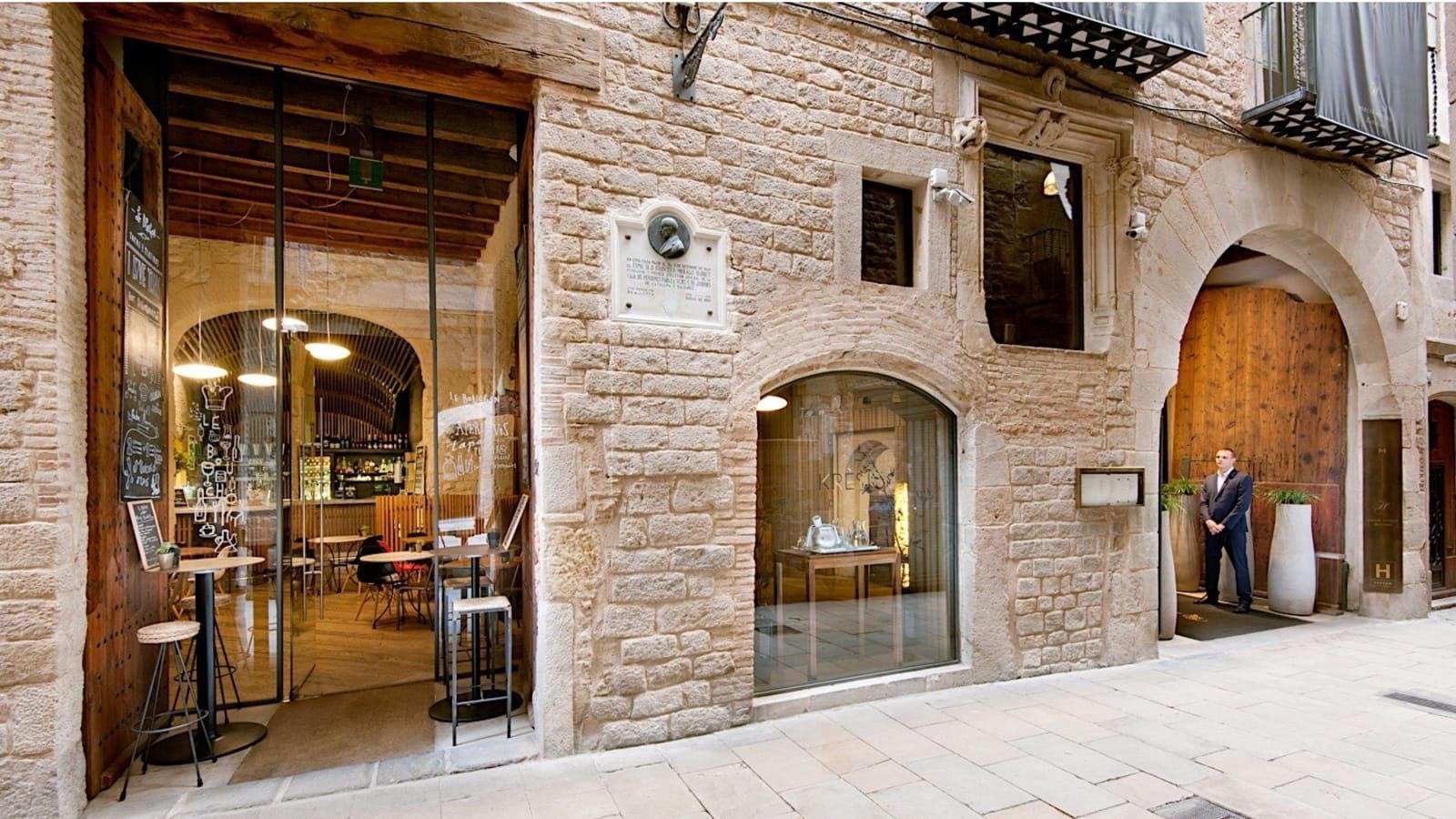
Ají is located at Carrer de la Marina, 19, accessed via the lower ground floor entrance, worth noting for first-time visitors who might pass the street-level frontage without registering the entry point. The address sits in Barcelona's waterfront district, close to the Port Olímpic area, with reasonable public transport access from central Barcelona.
The midweek lunch format represents the lower-commitment entry point into the tasting menu program, useful for those who want to assess the kitchen's approach before committing to a full dinner sequence.
The Martin Berasategui in Lasarte-Oria entry is worth consulting for context on how Basque fine dining compares to what Barcelona's scene is building at the upper end of the market.
Recognition Snapshot
Comparable venues nearby, for context on price, style, and recognition.
| Venue | Cuisine | Price | Awards | Notes |
|---|---|---|---|---|
| AjíThis venue — the venue you are viewing | Nikkei (Peruvian-Japanese Fusion) | $$$ | Michelin Plate | Not listed |
| Maymanta | Peruvian-Mediterranean Fusion | $$$ | Michelin Plate | la Maternitat i Sant Ramon |
| Eldelmar - Hermanos Torres | Modern Mediterranean Seafood | $$$ | Michelin Plate | la Vila Olimpica del Poblenou |
| Brugarol Barcelona | Mediterranean Tapas with Japanese Izakaya Soul | $$$ | Michelin Plate | Barri Gotic |
| Pur | Product-Based Mediterranean Grill | $$$ | Michelin Plate | la Dreta de l'Eixample |
| Can Valles | Traditional Catalan | $$$ | Not listed | la Nova Esquerra de l'Eixample |
Recognition history
Dated appearances from independent guides and award organizations, with the underlying list record or original source where available.
Macarfi 7.5 Food Rating
Macarfi
Michelin Plate
Michelin
Michelin Plate
Michelin
Continue exploring
More in Barcelona
Restaurants in Barcelona
Browse all →
Bars in Barcelona
Browse all →
Hotels in Barcelona
Browse all →
At a Glance
- Modern
- Elegant
- Cozy
- Date Night
- Special Occasion
- Open Kitchen
- Terrace
- Extensive Wine List
- Street Scene
Current opening hours
- Monday
- Closed
- Tuesday
- 1–3:30 PM, 9–11:30 PM
- Wednesday
- 1–3:30 PM, 9–11:30 PM
- Thursday
- 1–3:30 PM, 9–11:30 PM
- Friday
- 1–3:30 PM, 9–11:30 PM
- Saturday
- 1–3:30 PM, 9–11:30 PM
- Sunday
- Closed
Hours can change for holidays and private events. Last verified .
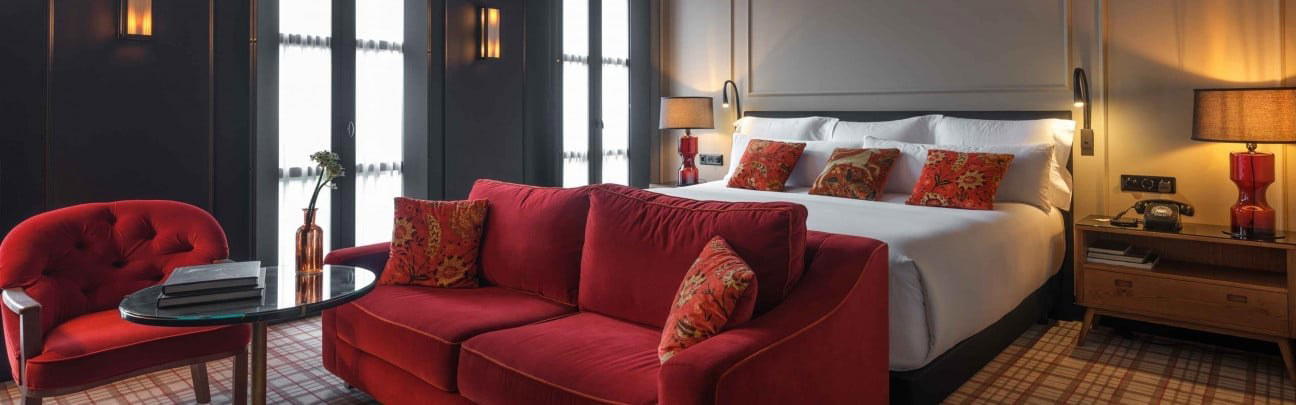
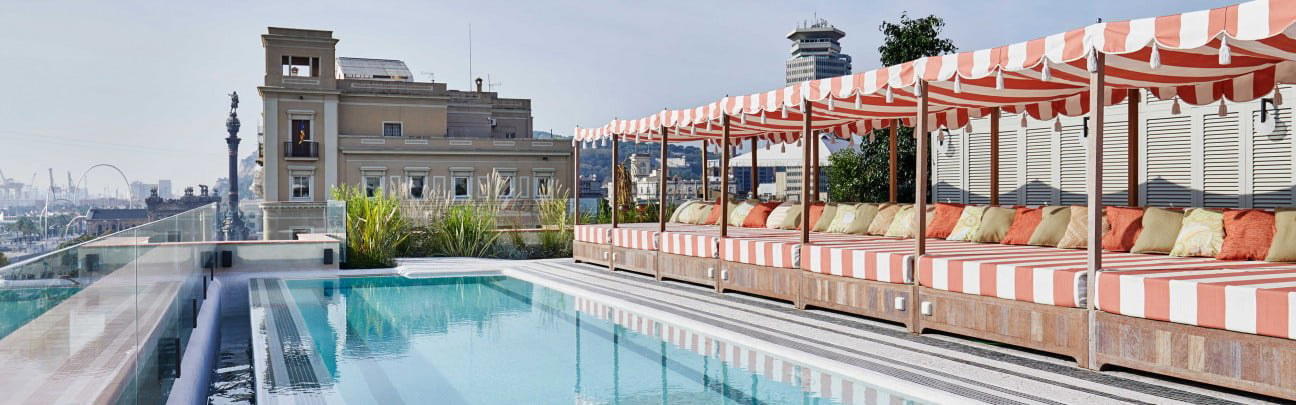
Sleek modern interior with cozy room and terrace under Frank Gehry's Peix sculpture; reviews note loud/casual vibe at times but generally refined and comfortable.