

A Small Luxury Hotels of the World member on Via Laietana in Barcelona's Ciutat Vella, Grand Hotel Central occupies a restored early 20th-century building at the edge of the Gothic Quarter. Its rooftop pool and considered approach to heritage hospitality place it within Barcelona's design-led independent hotel tier, alongside properties competing on character rather than chain scale.
Pearl is the En Primeur Club membership app — saves, bookings, and concierge access live there. Same editors, same standards.
- Address
- Via Laietana, 30, Ciutat Vella, 08003 Barcelona
- Phone
- +34 932 95 79 00
- Website
- grandhotelcentral.com
- Directions
- Get directions
 Saves & bookings on Pearl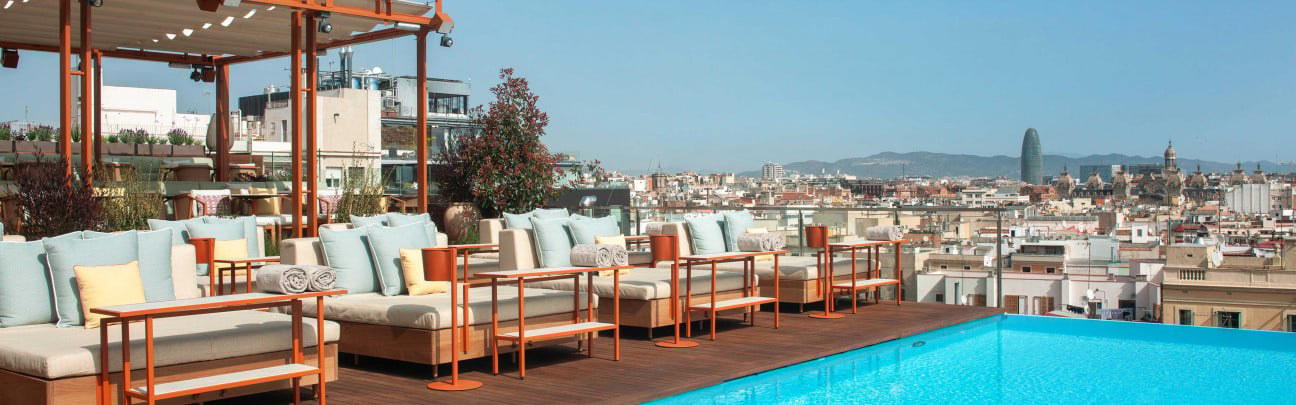
Via Laietana After Dark, and Before It
There is a particular quality to late afternoon on Via Laietana, the broad avenue that cuts through Ciutat Vella toward the waterfront. The Gothic Quarter presses in from the west, El Born from the east, and the street itself carries a mix of commuters, tourists, and residents that feels genuinely municipal rather than curated. Grand Hotel Central occupies a handsome early-twentieth-century building at number 30, and the approach on foot sets the tone for what the hotel does well: it places you inside the city rather than insulating you from it.
Barcelona's hotel market has fractured over the past decade into several distinct tiers. Large international groups, including the Mandarin Oriental Barcelona, anchor the upper end of Passeig de Gràcia with the infrastructure of flagship luxury. Design-led boutiques such as Alma Barcelona and Almanac Barcelona occupy a middle ground where architectural personality does a lot of the positioning work. Grand Hotel Central fits a third category: the historically situated property that uses its address and accumulated character to compete against peers with shinier fitouts. Mercer Hotel, reviewed separately in our Mercer Hotel Barcelona guide, follows a comparable logic inside the Roman walls nearby.
A Day Structured Around the Rooftop
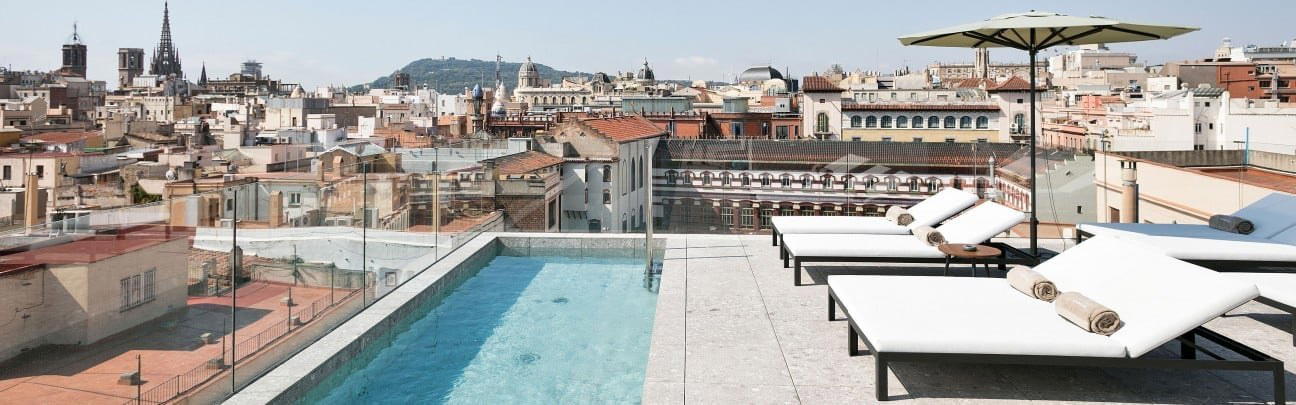
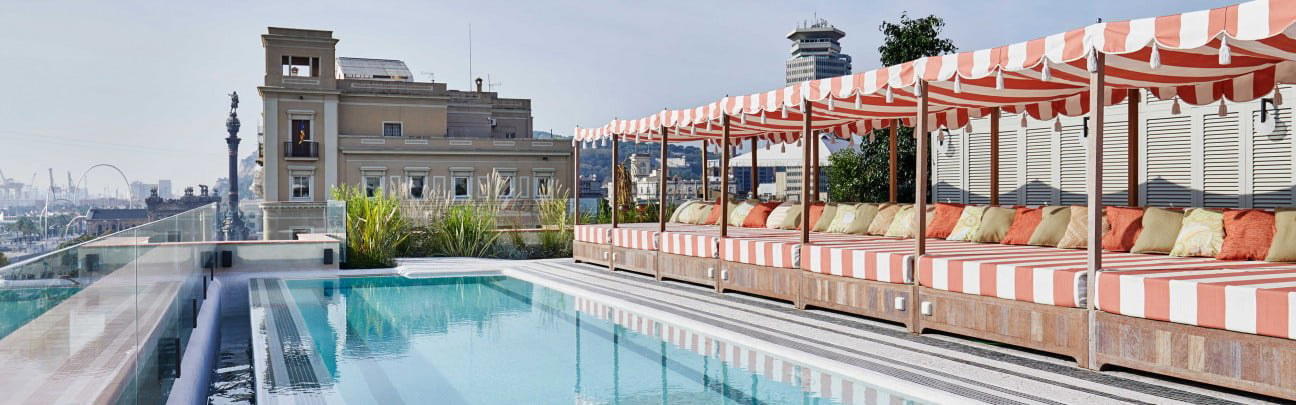
The experiential arc at Grand Hotel Central is, in practice, organised around La Terraza del Central. The rooftop operation is not incidental to the stay but the venue's clearest public-facing offer: an infinity pool, loungers, a cocktail bar, a restaurant, and DJ sessions layered across the day and into the evening. The view takes in the Barcelona skyline at a height that clears the immediate neighbourhood, and the westward exposure makes it a functional sundowner destination. For guests, the rooftop functions as both amenity and social anchor, a rhythm that shapes how the rest of the day organises itself around it.
Hotels in this tier across Spain increasingly use their rooftop or terrace programmes as the primary differentiator rather than the restaurant or spa, and the hotel reflects that shift. Hotel Arts Barcelona, with its waterfront position, approaches the same logic at larger scale. The rooftop here is smaller and more neighbourhood-scaled, which affects the atmosphere: it reads more like a local urban bar that happens to have a strong view than a resort pool deck.
Can Bo and the Streetside Register
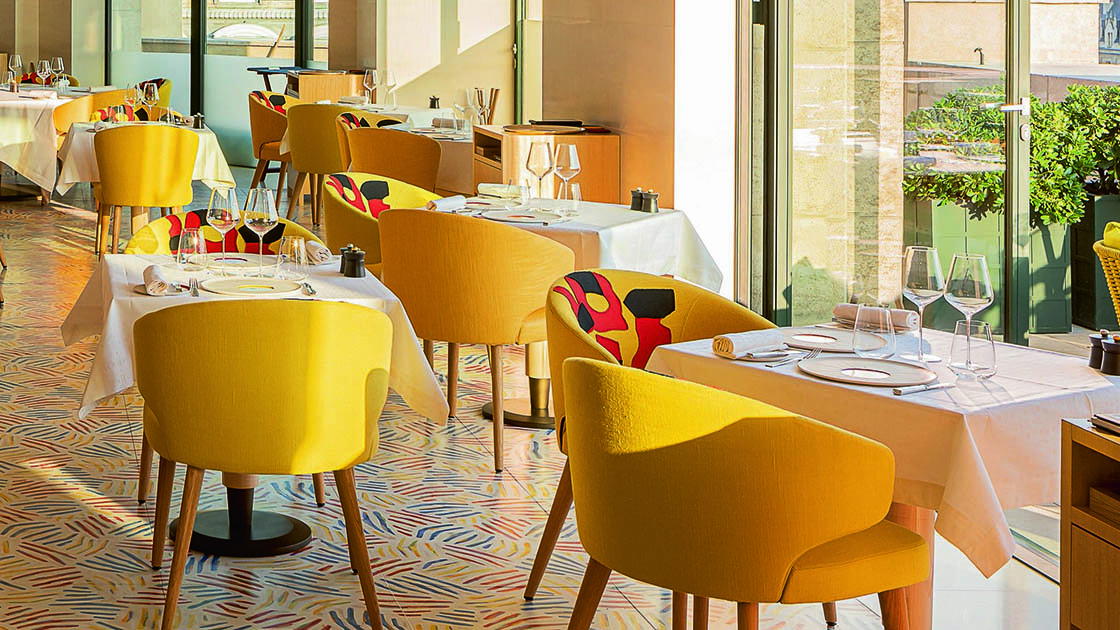
The ground-level offer at Can Bo, the hotel's streetside restaurant and bodega, takes a different register entirely. Sharing plates and local wines position it against the broader Barcelona tradition of convivial, produce-led eating that runs from neighbourhood bars through to more formal Catalan dining rooms. The bodega format, with wine service as a structural element rather than an afterthought, places it in conversation with the city's long relationship with Catalan and Spanish viticulture. For guests who want to eat without leaving the property, Can Bo provides a credible alternative to the neighbourhood's many independent options; for the neighbourhood itself, a streetside bodega that opens onto Via Laietana has built-in foot traffic that keeps it from feeling like a hotel restaurant operating in isolation.
This kind of dual-audience positioning, serving both hotel guests and local walk-ins, is one of the more effective strategies available to city-centre properties competing against purely residential addresses. Hotel Boutique Mirlo and Antiga Casa Buenavista face the same challenge in Barcelona's boutique tier; the bodega format at Can Bo is a reasonable solution to the problem of making hotel dining feel embedded rather than contained.
The Library, the Gallery, and How the Building Works
Between the rooftop and the street restaurant, the interior of the hotel operates as a sequence of distinct spaces rather than a single continuous lobby experience. The wood-panelled library provides a counterpoint to the pool deck's sociability, functioning as a retreat register that many urban hotels omit entirely in favour of maximising bar or event revenue. The entrance hall rotates as a gallery space, featuring works from Catalan artists, which gives the building a genuinely local cultural dimension beyond the usual regional art that hangs in hotel corridors without context.
The programming layer sits on top of the physical spaces: literary talks, workshops, bespoke experiences, and what the hotel describes as historical rituals tied to the building's own past. This approach to cultural programming has become more common among independent properties in European cities that compete against larger chains by offering depth of local connection that a branded hotel cannot replicate at the same specificity. ABaC Restaurant and Hotel pursues a different kind of depth through its Michelin-starred restaurant programme; the hotel distributes that energy across several cultural formats instead of concentrating it in the kitchen.
Where It Sits in the Wider Spanish Context
Barcelona's premium accommodation offer is dense enough that the comparison set extends well beyond the city. Spain's independent luxury tier includes dramatically different propositions: Akelarre in San Sebastián anchors identity in three-Michelin-star dining; Atrio Restaurante Hotel in Cáceres builds around both food and art collection; Abadía Retuerta LeDomaine uses a converted monastery and estate winery as its primary differentiators. Against that range, the hotel occupies the urban-cultural end of the spectrum, where the city itself is the programme and the hotel's role is to deepen access to it.
Elsewhere in Mallorca, properties such as Hotel Can Cera in Palma and La Residencia, A Belmond Hotel, operate on a similar logic of embedded historic buildings, though in quieter island settings. The urban version of that formula, as executed at Via Laietana 30, requires a different kind of operational intensity given that the city rather than a curated estate provides the context.
Price and Recognition
Comparable venues nearby, for context on price, style, and recognition.
| Venue | Price | Awards | Notes |
|---|---|---|---|
| Grand Hotel CentralThis venue — the venue you are viewing | $$$$ | 5-Star | Not listed |
| Hotel Neri | $$$$ | 5-Star | Barri Gotic, Historic boutique hotel in a converted 18th-century aristocratic palace. |
| Sir Victor Hotel | $$$$ | 5-Star | la Dreta de l'Eixample, Cultural design hotel inspired by Catalonian lifestyle with emphasis on comfort, nature, and local art. |
| Mas Salagros Ecoresort | $$$$ | 5-Star | Vallromanes, Eco-luxury resort in a restored Roman villa surrounded by nature. |
| Soho House Barcelona | $$$$ | Michelin 1 Key | Barri Gotic, Historic boutique members' club with modern Catalan interiors |
| Kimpton Vividora Barcelona | $$$$ | 5-Star | Barri Gotic, Luxury boutique hotel inspired by traditional Barcelona apartments in a 19th-century building. |
Recognition history
Dated appearances from independent guides and award organizations, with the underlying list record or original source where available.
Mr & Mrs Smith Smith Seal of Approval
Mr & Mrs Smith
Virtuoso Luxury Hotel Partner
Virtuoso
Michelin Selected
Michelin
Small Luxury Hotels of the World Member
Small Luxury Hotels of the World
Continue exploring
More in Barcelona
Hotels in Barcelona
Browse all →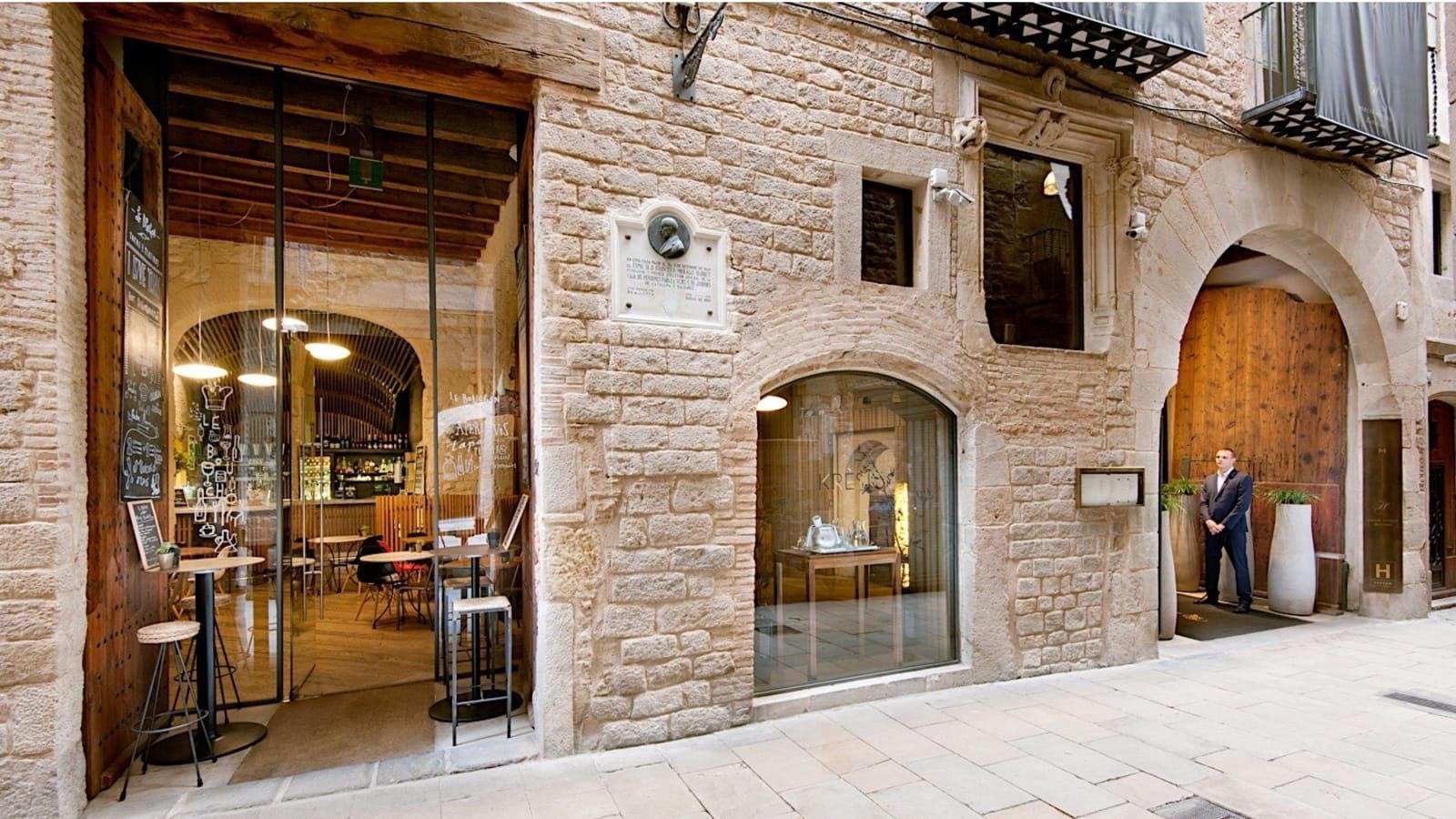
Bars in Barcelona
Browse all →
Restaurants in Barcelona
Browse all →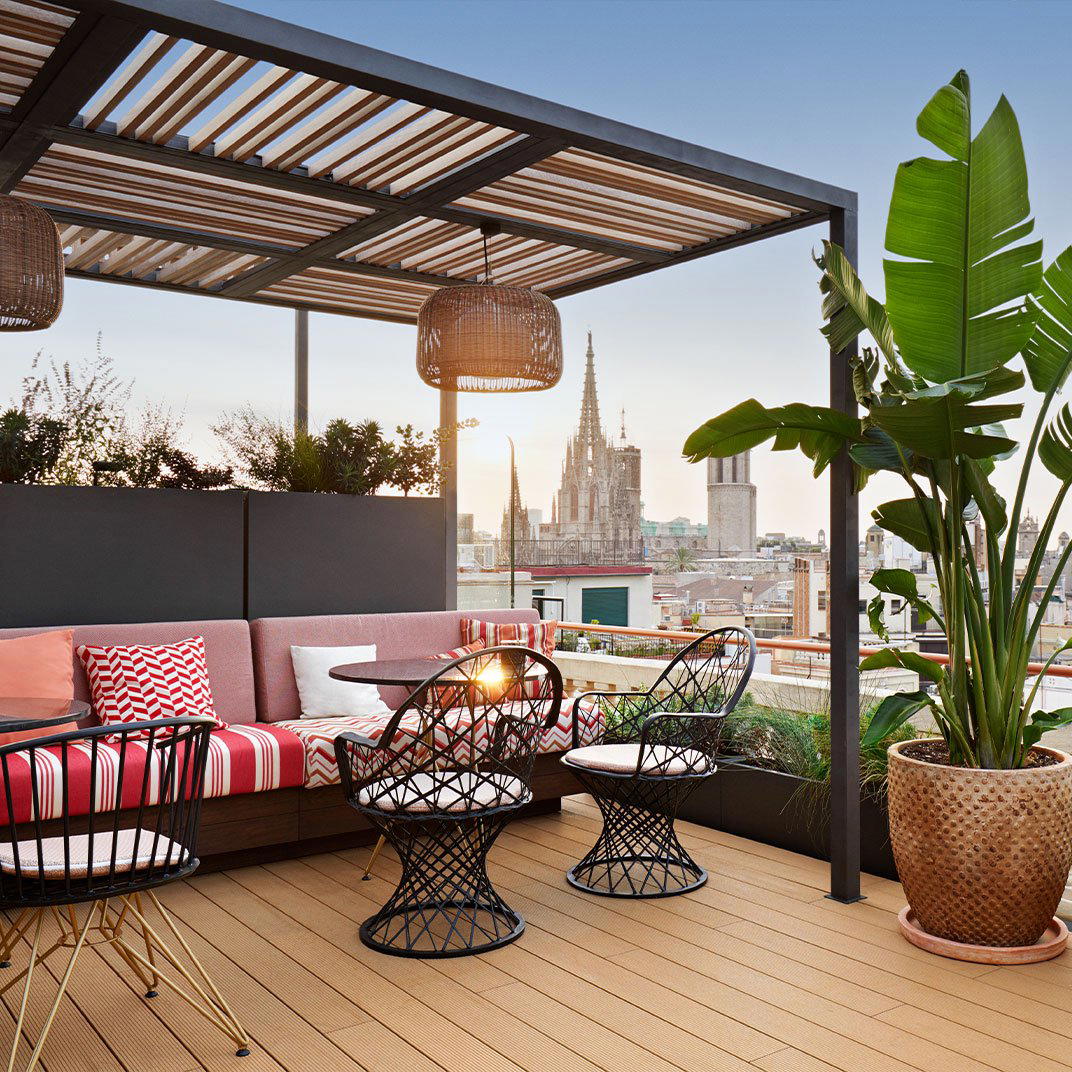
At a Glance
- Modern
- Elegant
- Sophisticated
- Minimalist
- Romantic Getaway
- Business Trip
- Weekend Escape
- Rooftop Pool
- Historic Building
- Panoramic View
- Wi Fi
- Pool
- Spa
- Fitness Center
- Room Service
- Concierge
- Business Center
- Skyline
- Street Scene
- Wi Fi
- Pool
- Spa
- Fitness Center
- Room Service
- Concierge
- Business Center
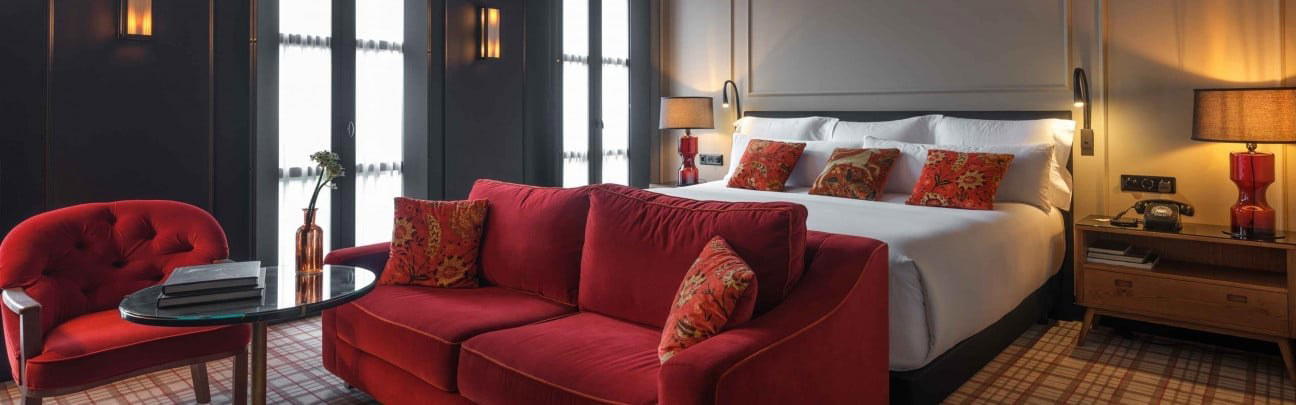
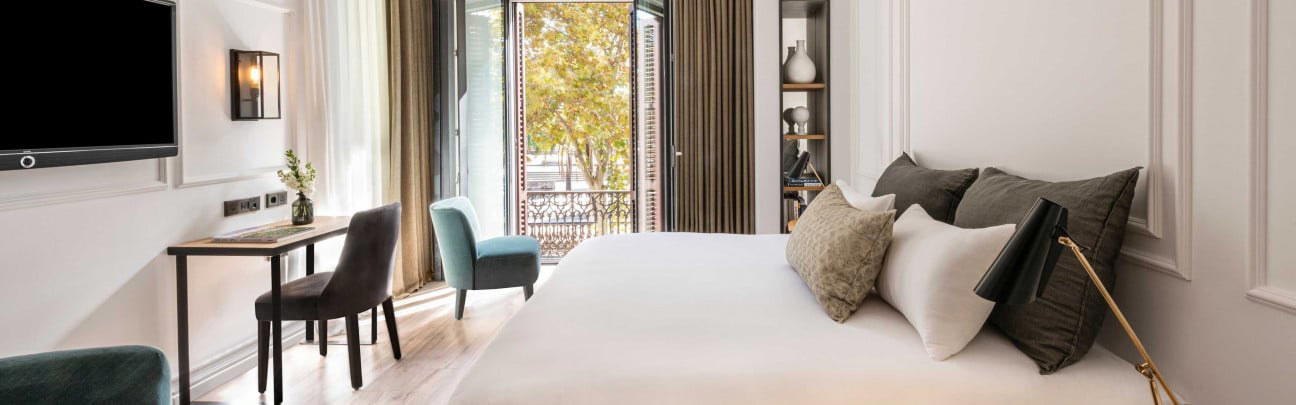
Sophisticated and stylish with natural light, minimalist decor in neutral tones, relaxing earthy palette, and low-lit lounge areas.