
A kaiseki-structured omakase counter in Barcelona's Sant Gervasi district, SCAPAR fuses Japanese cooking discipline with Catalan and Spanish ingredients. Chef Koichi Kuwabara, formerly of Dos Palillos, holds a Michelin Plate (2025) for a surprise menu where tuna is staged as butcher's meat and soya milk pudding challenges Western texture conventions. Advance booking is essential.
Pearl is the En Primeur Club membership app — saves, bookings, and concierge access live there. Same editors, same standards.
- Address
- Rector Ubach 53, Barcelona, 08021, Spain
- Phone
- +34 653 15 83 56
- Directions
- Get directions
 Saves & bookings on Pearl
Where Kaiseki Ritual Meets Catalan Pantry
Rector Ubach is a quiet residential street in Barcelona's Sant Gervasi district, a neighbourhood of wide pavements and unhurried apartment buildings that sit well clear of the tourist circuits around the Gothic Quarter and Barceloneta. Arriving at number 53, there is no theatre of neon or velvet rope. The name itself, SCAPAR, is a compressed signal: the sense of stepping away, of departure from the routine. That framing is deliberate, and the interior follows through with a dining counter format that removes the ambient noise of a conventional restaurant floor and replaces it with proximity to the kitchen and the ingredients.
Counter dining of this kind is now a distinct tier in Barcelona's premium restaurant scene. The city's €€€€ bracket runs from technically ambitious Spanish-creative houses like Cocina Hermanos Torres (Creative) to omakase and fusion formats where the counter is the entire proposition. SCAPAR sits firmly in the latter category: seats are arranged facing the chef, courses arrive without a printed menu, and the experience is structured around the chef's sequencing rather than the guest's selection. That format demands more from the kitchen and more from the guest, and the better counter restaurants in Barcelona have developed a regulars culture that looks more like the Tokyo omakase model than the traditional Catalan family restaurant.
The Fusion Logic at Work
Hybrid kitchens in Spain have often defaulted to surface-level borrowing: a dashi here, a miso glaze there, layered over a fundamentally Spanish base. What distinguishes the more considered approach is structural rather than decorative. At SCAPAR, the architecture of the meal follows kaiseki logic, meaning that courses are sequenced to move through textures, temperatures, and intensities with the same discipline that a Japanese chef applies to a seasonal kaiseki progression. The ingredients filling that structure, however, are rooted in Cataluña and the broader Spanish larder, with occasional French references that reflect the cooking culture of the Pyrenean border zone rather than any generic Eurofusion impulse.
The results can be disorienting in productive sense. A cut of tuna staged to resemble a piece of butcher's meat, served with a ramen reduction, is the kind of cross-reference that works when the execution is precise enough to make the conceptual point land rather than distract. The soya milk pudding that arrives with vanilla, yuba, and grapefruit demonstrates how far the kitchen is willing to go toward unfamiliar textures for a Western guest, and those unfamiliar textures are a feature, not an oversight. This approach places SCAPAR in a peer conversation with fusion-led counter restaurants elsewhere in Spain and Europe, including Ajonegro in Logroño and Arkestra in Istanbul, where the question is always whether the blending produces something coherent or simply adjacent.
The Chef's Credentials in Context
Before SCAPAR opened on Rector Ubach, the chef behind it, Koichi Kuwabara, worked in the kitchen of Dos Palillos, an award-winning Barcelona restaurant that itself sits at the intersection of Spanish and Asian cooking. That lineage matters not as biography but as a signal about the comparable set and the technical formation that informs the counter. Dos Palillos has held consistent recognition in Barcelona's competitive restaurant circuit, and a chef who came through that kitchen arrives with a specific set of skills in cross-cultural technique. The Michelin Plate recognition SCAPAR received in 2025 confirms that the execution meets the threshold for technical seriousness, even if it sits below the star tier occupied by El Celler de Can Roca in Girona or Arzak in San Sebastián.
The ritual of writing the chef's name in Japanese calligraphy on the envelope containing the menu is the kind of detail that could read as affectation but functions here as a closing punctuation mark on the meal's identity. It confirms that the Japanese structural logic is not incidental to the cooking but central to it, in the same way that the choice of a counter format rather than tables signals the chef's relationship to the guest.
Barcelona's Premium Fusion Scene in 2025
Barcelona's upper-end dining scene has been reshaping itself for several years. The city's dominant language at the €€€€ tier has historically been progressive Spanish creative, represented by the kind of technically exacting work at Alapar and in the more established houses. But a secondary tier of counter-led, internationally inflected restaurants has been growing, drawing on the city's position as a port city with deep historical connections to trade routes, immigrant cooking cultures, and a strong tradition of absorbing outside influences into a Catalan frame. Venues like Ají, with its South American orientation, and Kamikaze, further demonstrate the appetite for cooking that reads as local but draws on non-European traditions. SCAPAR belongs to that movement, and the 2025 Michelin Plate recognition signals that the critical establishment has started to engage with this tier on its own terms.
For comparison with the city's tuna-focused counter tradition, Tunateca Balfegó illustrates how a single Spanish ingredient can anchor an entire counter proposition. SCAPAR's version of that, the "sea game" tuna cut that arrives resembling butcher's meat, is making a related but distinct argument: that the same ingredient can be reframed through a different cultural lens without losing its specificity. Spain's broader creative restaurant scene, from Aponiente in El Puerto de Santa María to DiverXO in Madrid and Quique Dacosta in Dénia, has made product recontextualisation a core creative strategy, and SCAPAR is working within that national conversation even as it speaks a partly Japanese dialect.
Planning Your Visit
The counter format and omakase structure mean that booking is the single most important logistical decision. Counter seats in restaurants of this type are finite by design, and demand at Michelin-recognised omakase counters in Spanish cities has been running well ahead of supply since at least 2023. Anyone treating the booking as an afterthought will find the dates unavailable. The advice that applies to comparable counters in Tokyo, where three-month advance booking is standard, transfers reasonably well here: plan the date before you plan anything else around the visit.
The address on Rector Ubach 53 places the restaurant in the upper residential neighbourhood of Sant Gervasi, easily reachable from central Barcelona but outside the immediate orbit of the city's more visited dining streets. That positioning is consistent with the experience-over-scene ambition of the format: guests are not here to see and be seen but to eat. The George Orwell quote about Spanish restaurants being built for eating rather than looking applies with particular force to this category of restaurant.
| Venue | Format | Price Range | Booking Lead Time | Recognition |
|---|---|---|---|---|
| SCAPAR | Omakase counter | €€€€ | Book well in advance | Michelin Plate 2025 |
| Disfrutar | Tasting menu | €€€€ | Months ahead | Michelin starred |
| Cocina Hermanos Torres | Tasting menu | €€€€ | Weeks to months | Michelin starred |
| Cinc Sentits | Tasting menu | €€€€ | Weeks ahead | Michelin starred |
Cuisine Context
Comparable venues nearby, for context on price, style, and recognition.
| Venue | Cuisine | Price | Awards | Notes |
|---|---|---|---|---|
| SCAPARThis venue — the venue you are viewing | Modern Japanese Kaiseki Fusion | $$$$ | Michelin 1 Star | Not listed |
| Suto | Modern Japanese Omakase | $$$$ | Michelin 1 Star | Sants |
| Koy Shunka | Modern Japanese Fine Dining | $$$$ | Michelin 1 Star | Barri Gotic |
| Slow & Low | Avant-garde Fusion Tasting Menus | $$$$ | Michelin 1 Star | Sant Antoni |
| Via Veneto | Classic Mediterranean Fine Dining | $$$$ | Michelin 1 Star | Sant Gervasi - Galvany |
| Dos Palilos | Asian-Catalan Fusion Tapas | $$$ | Michelin 1 Star | el Raval |
Recognition history
Dated appearances from independent guides and award organizations, with the underlying list record or original source where available.
Michelin 1 Star
Michelin
Michelin Plate
Michelin
Continue exploring
More in Barcelona
Restaurants in Barcelona
Browse all →
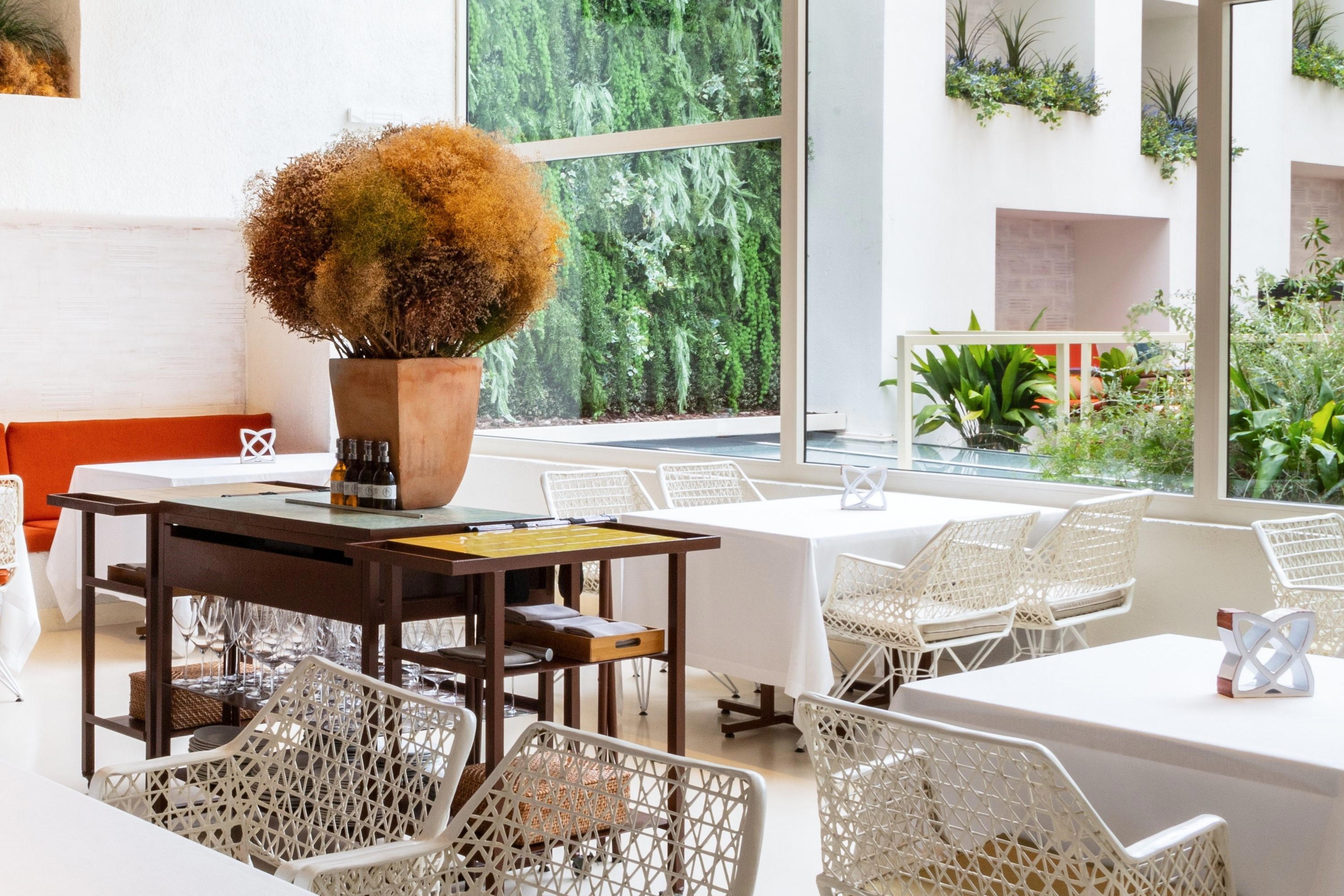
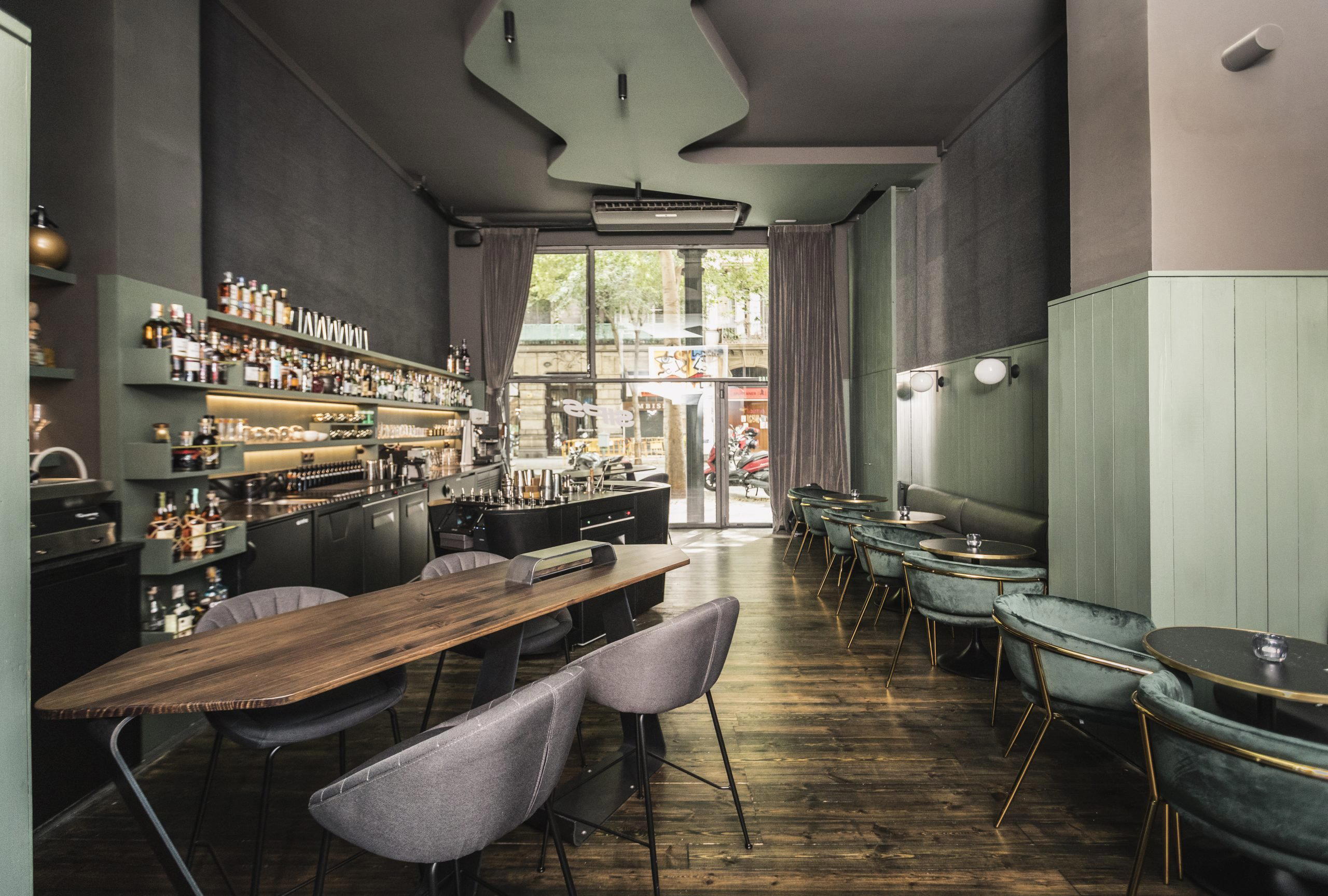
Bars in Barcelona
Browse all →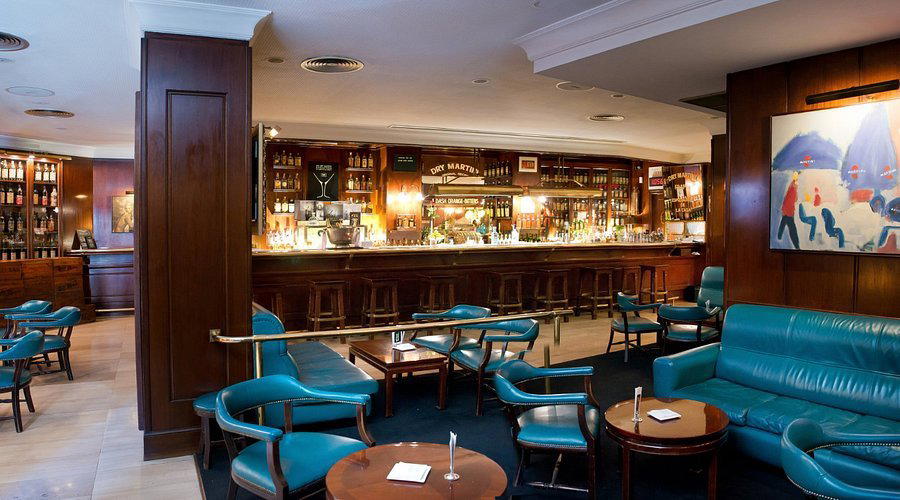
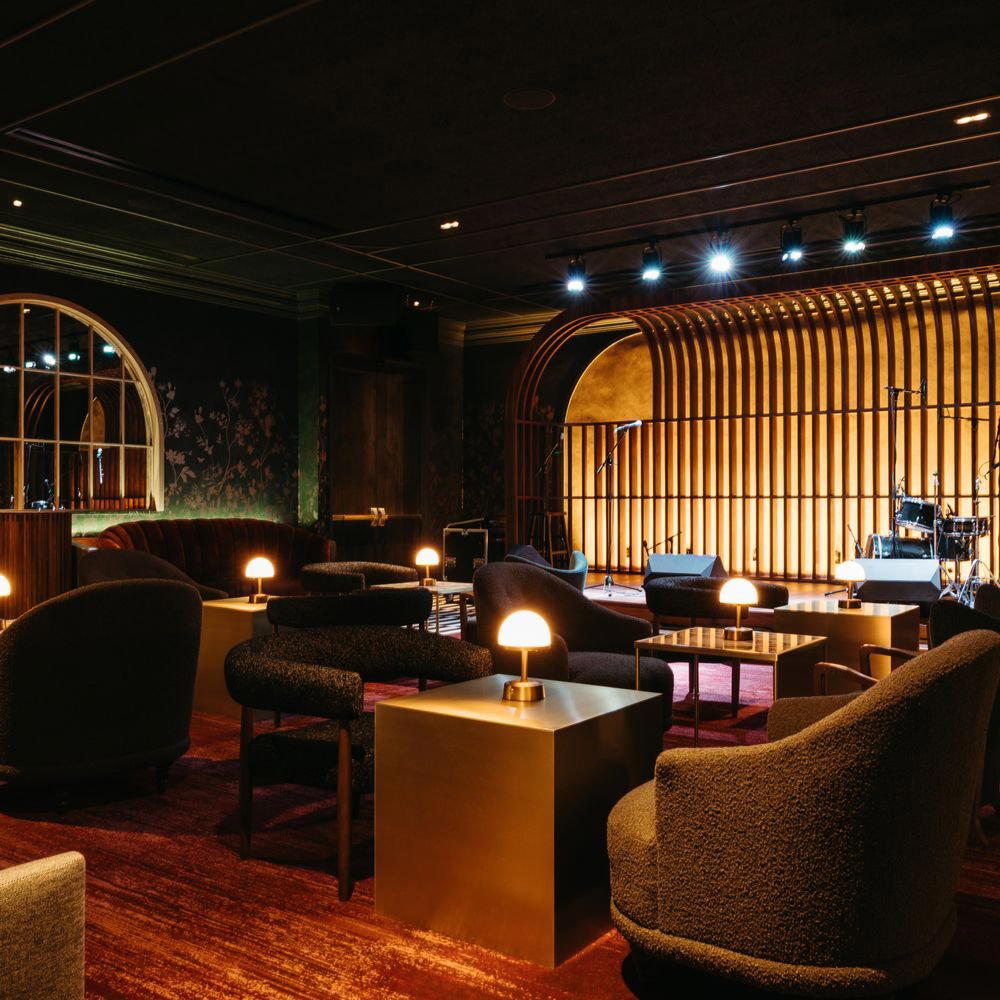
Hotels in Barcelona
Browse all →

At a Glance
- Elegant
- Sophisticated
- Intimate
- Modern
- Date Night
- Special Occasion
- Chefs Counter
- Open Kitchen
- Local Sourcing
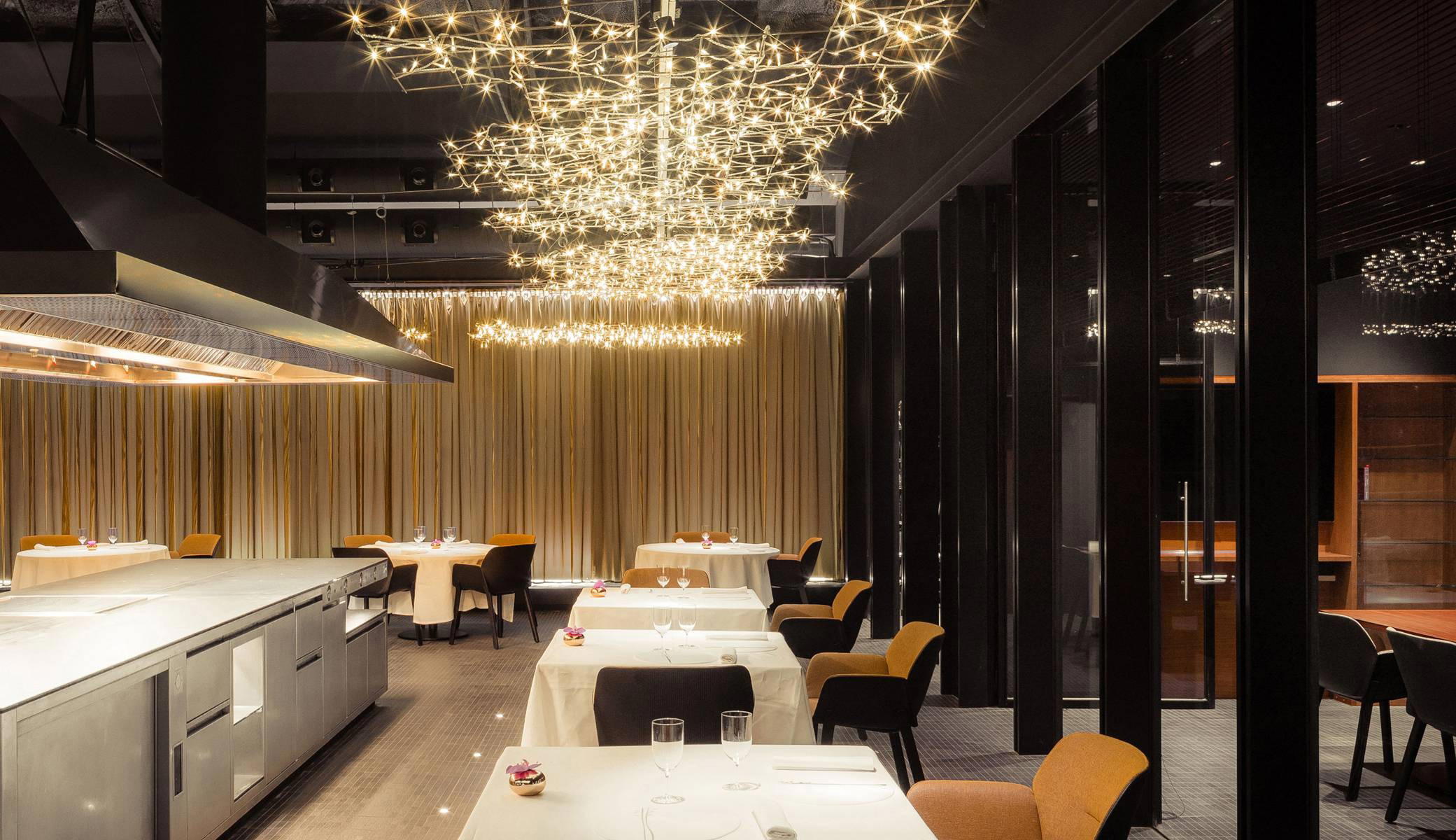
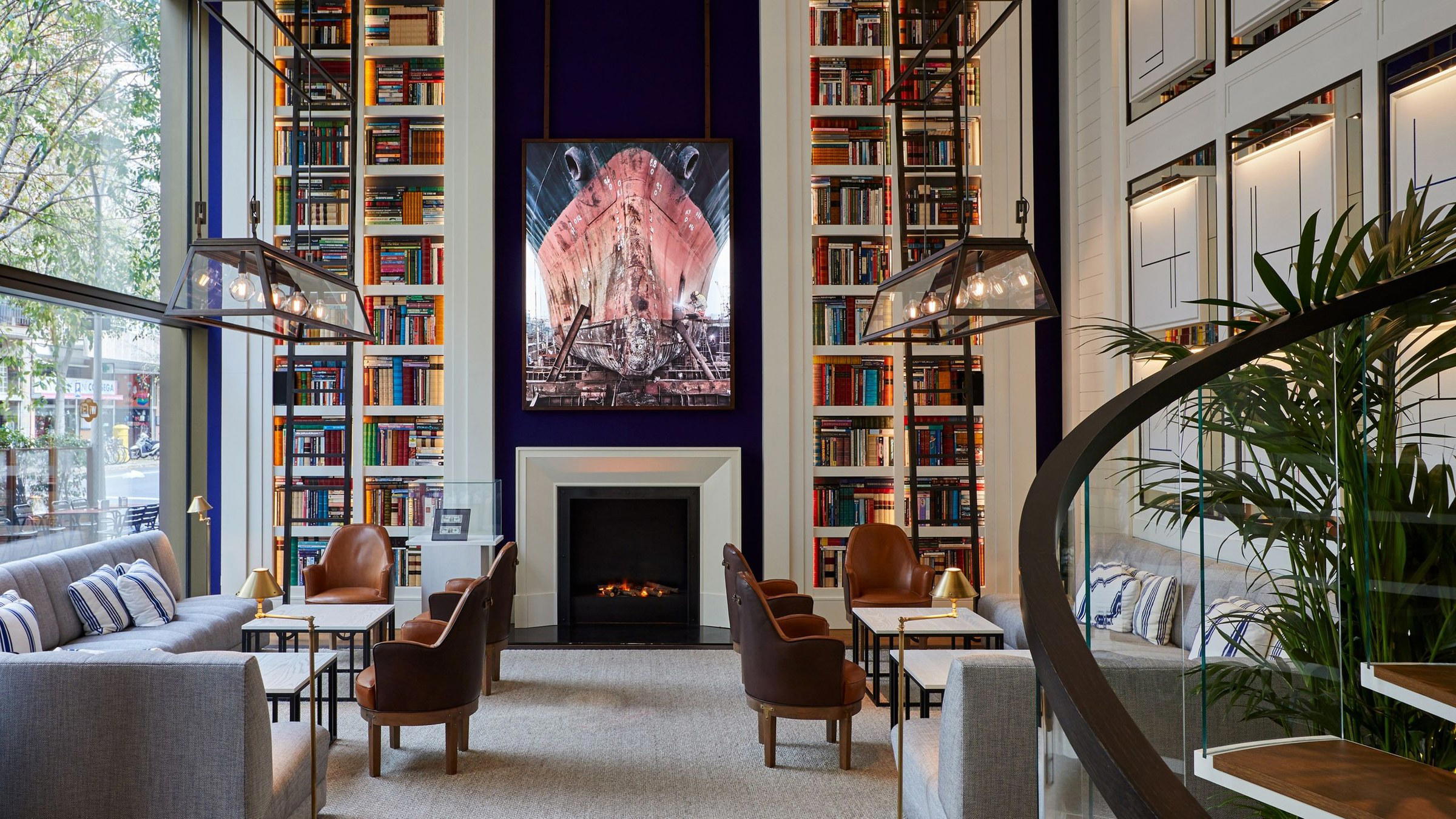
Intimate chef's counter setting with dynamic sensory presentations, soft lighting, and a serene, harmonious atmosphere focused on the culinary performance.