

Tunateca Balfegó on Avinguda Diagonal is Barcelona's most architecturally committed single-ingredient restaurant, built entirely around Balfegó's Atlantic bluefin tuna. The menu splits across two distinct culinary registers, Western à la carte and an Asian-focused nigiri and sashimi format, with tasting menus and occasional kaitai butchering events that move the experience into educational territory. Michelin Plate recognition in both 2024 and 2025 confirms its place in the city's serious mid-to-upper dining tier.
Pearl is the En Primeur Club membership app — saves, bookings, and concierge access live there. Same editors, same standards.
- Address
- Av. Diagonal, 439, Eixample, 08036 Barcelona, Spain
- Phone
- +34 937 97 64 60
- Website
- tunatecabalfego.com
- Directions
- Get directions
 Saves & bookings on Pearl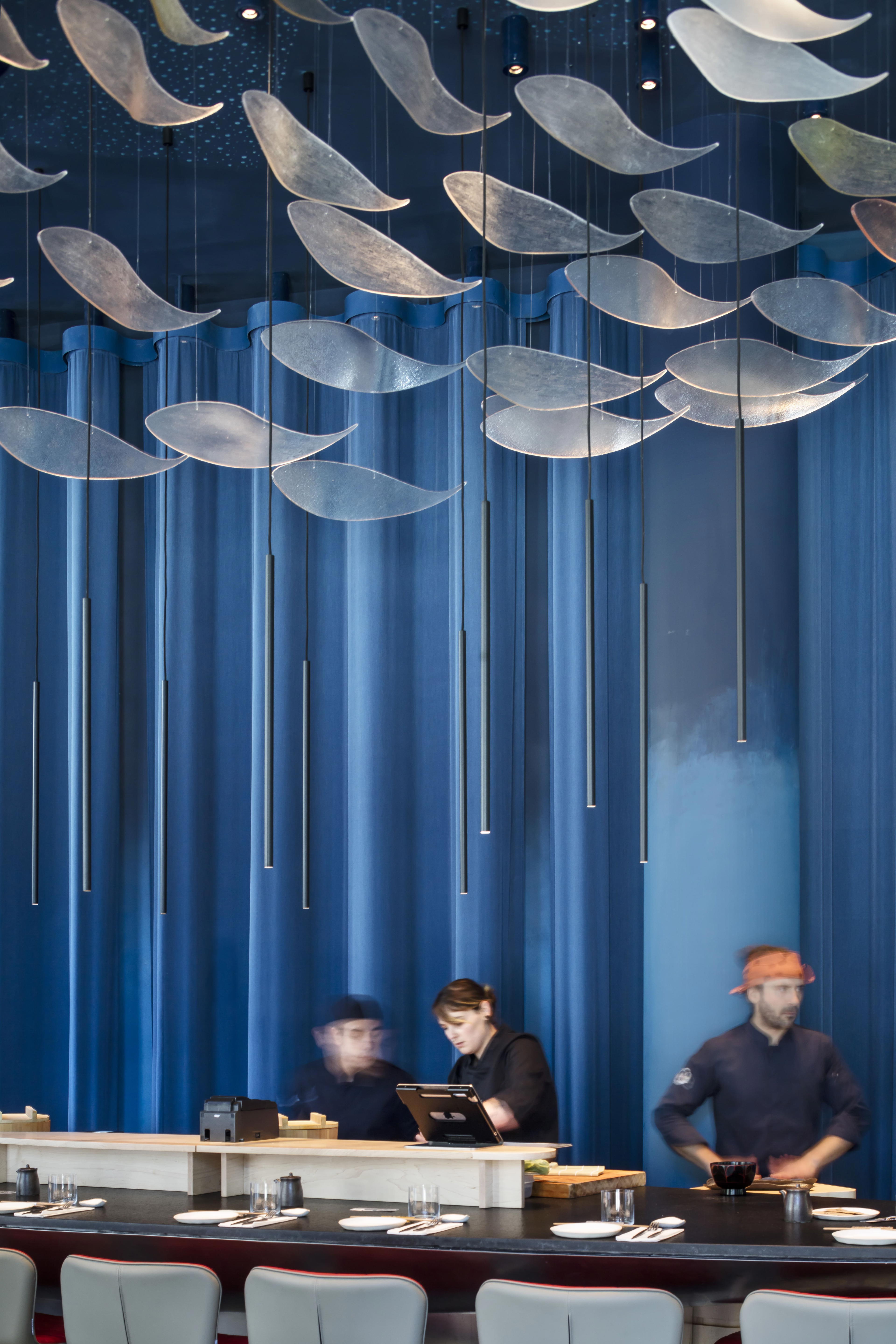
A Ceiling Full of Fish and a Menu Built Around One Ingredient
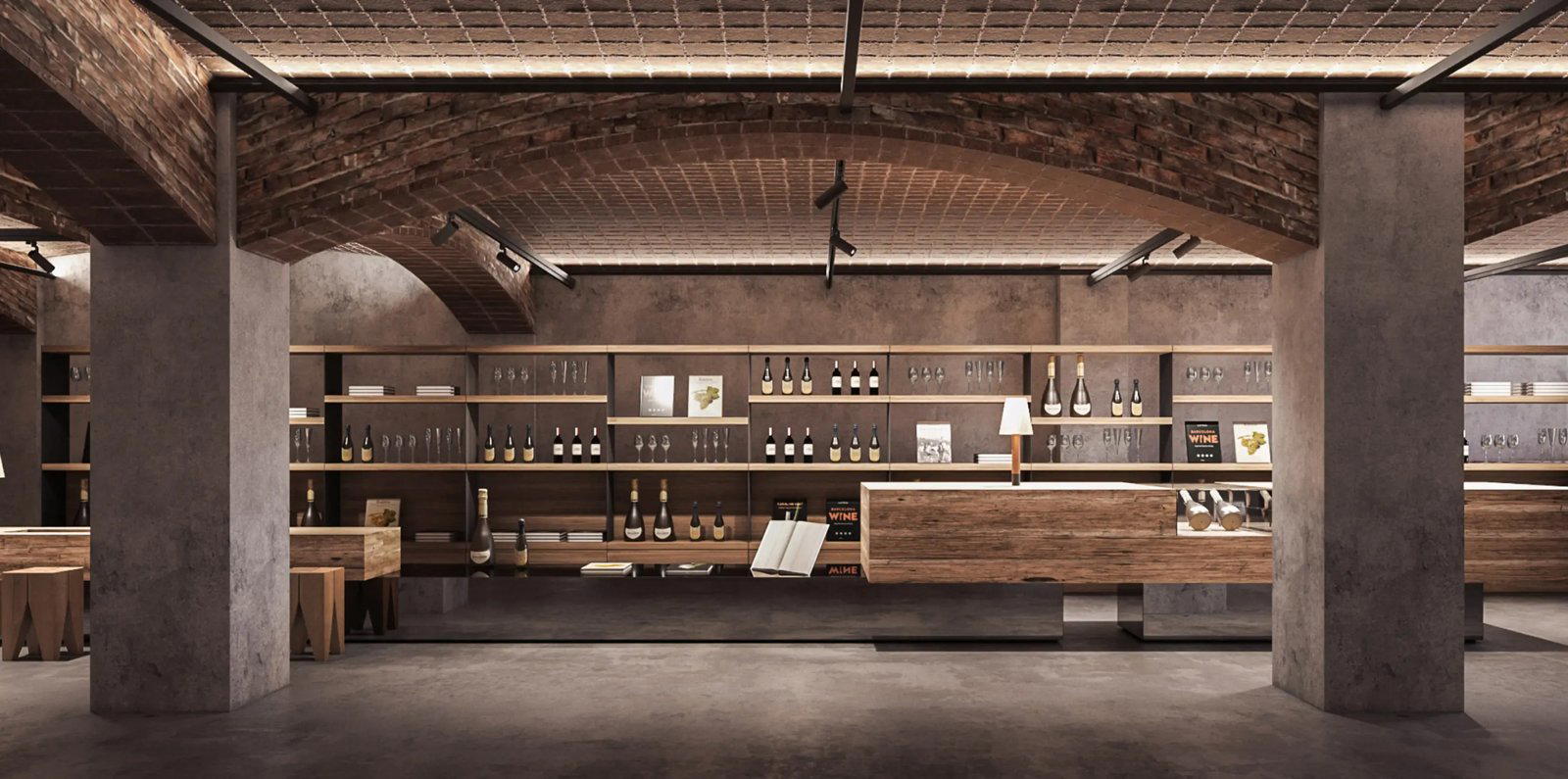
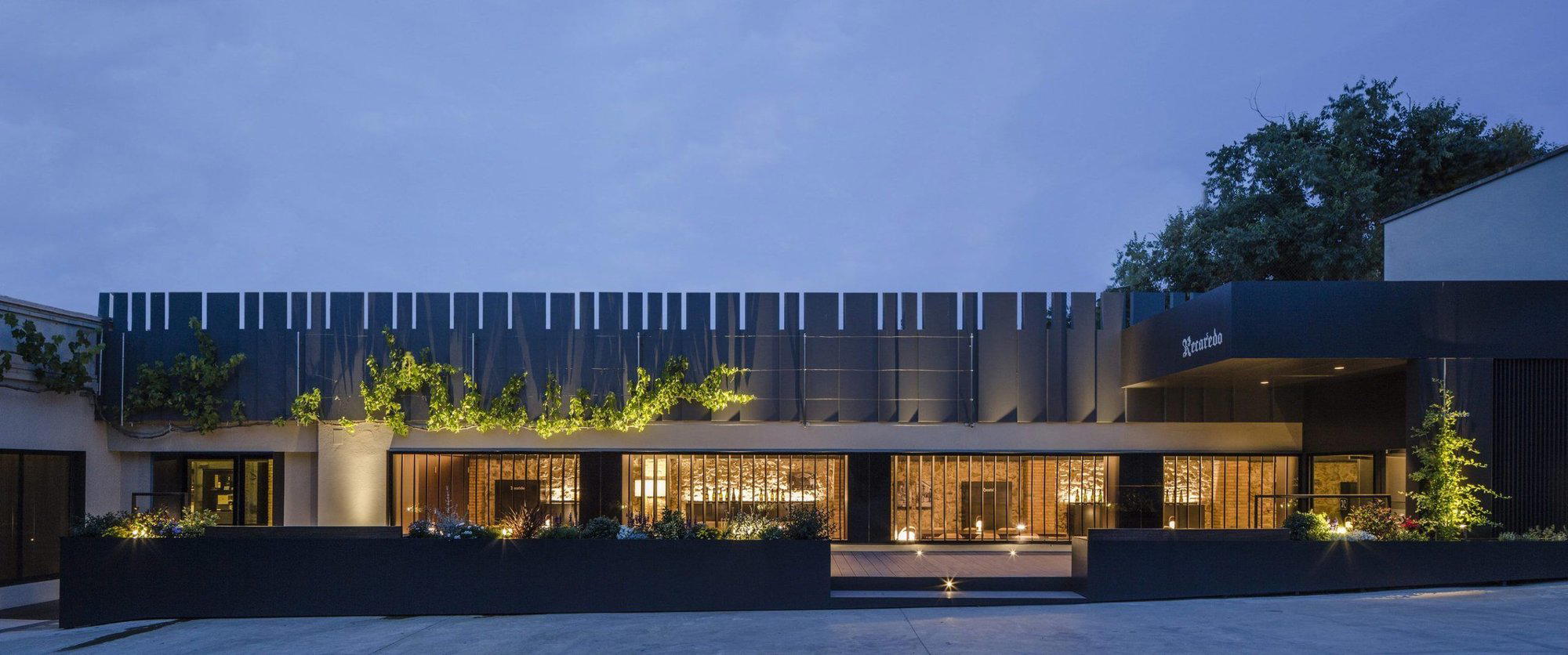
Walking into Tunateca Balfegó on Avinguda Diagonal, the first thing you register is the ceiling. A dense, suspended school of fish fans across the main dining room, while the walls are lined with scale-textured tiles that push the marine reference well past decoration into something closer to spatial argument. The room is making a statement before the menu arrives: this is a restaurant organised entirely around a single ingredient, and it intends that seriousness to be felt in every surface.
How the Menu Is Structured, and What That Structure Reveals
The architecture of Tunateca Balfegó's menu is the clearest expression of what the restaurant is trying to do. Rather than presenting a single unified vision of tuna cookery, the kitchen offers two parallel à la carte registers that sit alongside the tasting menu options. The first is Western in orientation, treating red tuna as the central protein in a European culinary grammar, preparations that frame the fish against familiar reference points for a Barcelona diner. The second is Asian-focused, running through nigiri, sashimi, and uramaki formats that move the same fish into Japanese technique. The two menus are not fusion in the blended sense; they are parallel tracks that invite the same ingredient to be read through two different culinary traditions.
This split structure is an unusual choice and a revealing one. Most single-ingredient restaurants build a singular voice; Tunateca instead positions itself as an argument for the ingredient's versatility across cultural registers. The tasting menus, named Red and Blu, offer a more curated path through that range for diners who prefer the kitchen to make editorial decisions on their behalf. What you get across all formats is a systematic demonstration of what Atlantic bluefin tuna can do when a restaurant is organized specifically around sourcing and preparing it at scale. That sourcing anchor is the Balfegó name itself, a Mediterranean tuna operation with a distinct supply chain that gives the restaurant a verifiable provenance backstory, even if the menu doesn't labour the point at every turn.
In Barcelona's current restaurant tier, this menu format places Tunateca in a niche that few others occupy. The city's most recognized kitchens, Disfrutar, Cocina Hermanos Torres, Lasarte, operate at the €€€€ price tier with creative or progressive Spanish formats where the chef's total vision is the product. Tunateca at €€€ is structured differently: the ingredient is the auteur, and the menu formats are the lenses through which it gets examined. That's a different proposition, and it makes direct comparison with those kitchens less useful than comparing it with a narrower set of single-focus or tuna-specialist formats in Spain.
The Kaitai Dimension
Occasionally, Tunateca organises kaitai experiences, the Japanese tradition of whole-fish breakdown performed as a demonstration, giving participants direct sight of the butchery techniques applied to large-scale tuna. In Japan, kaitai events have a ceremonial register, the public cutting of a large bluefin carrying a weight that goes beyond kitchen instruction. Transporting that format into a Barcelona dining room is an interesting proposition: it converts the restaurant's central premise from a meal into something closer to a craft education, positioning the tuna sourcing relationship as content in its own right rather than background detail. These events aren't a regular fixture, they're periodic, which keeps them from becoming routine, but they represent one complete version of what Tunateca is attempting, where ingredient provenance, preparation technique, and the finished dish are made continuous rather than separated by the kitchen wall.
Eixample Address and Its Implications
The Avinguda Diagonal address places Tunateca in the Eixample, Barcelona's grid district, in a section of the avenue that runs through the upper part of the neighbourhood. This is not the tourist-dense corridor around Las Ramblas, nor the compact dining cluster of El Born or the Gràcia end of the city. Eixample restaurants on this stretch tend to draw a local professional and corporate audience alongside intentional visitors; the format here, structured menus, a concept-driven room, mid-to-upper pricing, fits that demographic logic. For visitors, it sits within reasonable distance of the upper Diagonal design and shopping district, which gives the area a self-contained reason to be in that part of the city rather than a detour from the central tourist circuit.
Single-Ingredient Specialization Across Spain
The single-ingredient-as-concept model has precedents in Spanish fine dining, though most operate through a different lens. Aponiente in El Puerto de Santa María organises its creative program around overlooked marine species and the culture of the sea rather than around a single named product. Quique Dacosta in Dénia uses the Mediterranean as a sourcing frame across a wide creative range. Tunateca is more precise in its constraint: one species, multiple culinary traditions applied to it, a named supply chain backing the sourcing claim. That specificity is both its creative limitation and its clearest differentiator from the broader Spanish fine dining conversation represented by houses like Arzak in San Sebastián, El Celler de Can Roca in Girona, Azurmendi in Larrabetzu, and DiverXO in Madrid.
Within Barcelona itself, fusion-oriented restaurants that work across East-West registers include Ají and Kamikaze, while Alapar and SCAPAR represent different points on the city's creative spectrum. For reference points beyond Spain, Ajonegro in Logroño and Arkestra in Istanbul offer fusion-format comparisons operating in different national contexts.
Planning a Visit
| Detail | Tunateca Balfegó | Comparable Tier (Barcelona €€€€) |
|---|---|---|
| Price tier | €€€ | €€€€ (Disfrutar, Lasarte, Cinc Sentits) |
| Recognition | Michelin Plate 2024, 2025 | Michelin 1 to 3 Stars |
| Format | À la carte (2 menus) + tasting menus; periodic kaitai events | Tasting menu-led |
| Address | Av. |
Quick Comparison
Comparable venues nearby, for context on price, style, and recognition.
| Venue | Cuisine | Price | Awards | Notes |
|---|---|---|---|---|
| Tunateca BalfegóThis venue — the venue you are viewing | Bluefin Tuna Fusion | $$$ | Michelin Plate | Not listed |
| RíasKru | Modern Galician Seafood with Japanese Influences | $$$ | Michelin Plate | el Poble Sec |
| Osmosis | Contemporary Catalan | $$$ | Michelin Plate | l'Antiga Esquerra de l'Eixample |
| Besta | Modern Galician-Catalan Seafood | $$$ | Michelin Plate | l'Antiga Esquerra de l'Eixample |
| Els Pescadors Barcelona | Traditional Catalan Seafood | $$$ | Not listed | el Poblenou |
| O'Peregrino | Galician Seafood | $$$ | Not listed | l'Antiga Esquerra de l'Eixample |
Recognition history
Dated appearances from independent guides and award organizations, with the underlying list record or original source where available.
Macarfi 7.4 Food Rating
Macarfi
Michelin Plate
Michelin
Michelin Plate
Michelin
Michelin Plate
Michelin
Continue exploring
More in Barcelona
Restaurants in Barcelona
Browse all →
Bars in Barcelona
Browse all →
Hotels in Barcelona
Browse all →

At a Glance
- Elegant
- Modern
- Sophisticated
- Trendy
- Date Night
- Special Occasion
- Business Dinner
- Open Kitchen
- Extensive Wine List
- Sustainable Seafood
Current opening hours
- Monday
- Closed
- Tuesday
- 1–4 PM, 8 PM–12 AM
- Wednesday
- 1–4 PM, 8 PM–12 AM
- Thursday
- 1–4 PM, 8 PM–12 AM
- Friday
- 1–4 PM, 8 PM–12 AM
- Saturday
- 1–4 PM, 8 PM–12 AM
- Sunday
- Closed
Hours can change for holidays and private events. Last verified .
Elegant and calm atmosphere with striking Mediterranean-inspired design featuring a school of fish ceiling decor, scale-like walls, and a sushi bar for interactive viewing.