Our verdict
On the Karst plateau above Trieste, Agriturismo Milic operates where farming and hospitality share the same land. The kitchen draws from what the property and its immediate surroundings produce, placing it within a tradition of agriturismo dining that Italian law designed to keep food and its source in the same hands. For travellers moving through Friuli Venezia Giulia, it represents a less mediated encounter with the region's produce than most dining rooms can offer.

Pearl is the En Primeur Club membership app — saves, bookings, and concierge access live there. Same editors, same standards.
- Address
- Frazione Sagrado, 2, 34010 Sgonico TS, Italy
- Phone
- +39400643143
- Website
- miliczagrski.com
- Directions
- Get directions
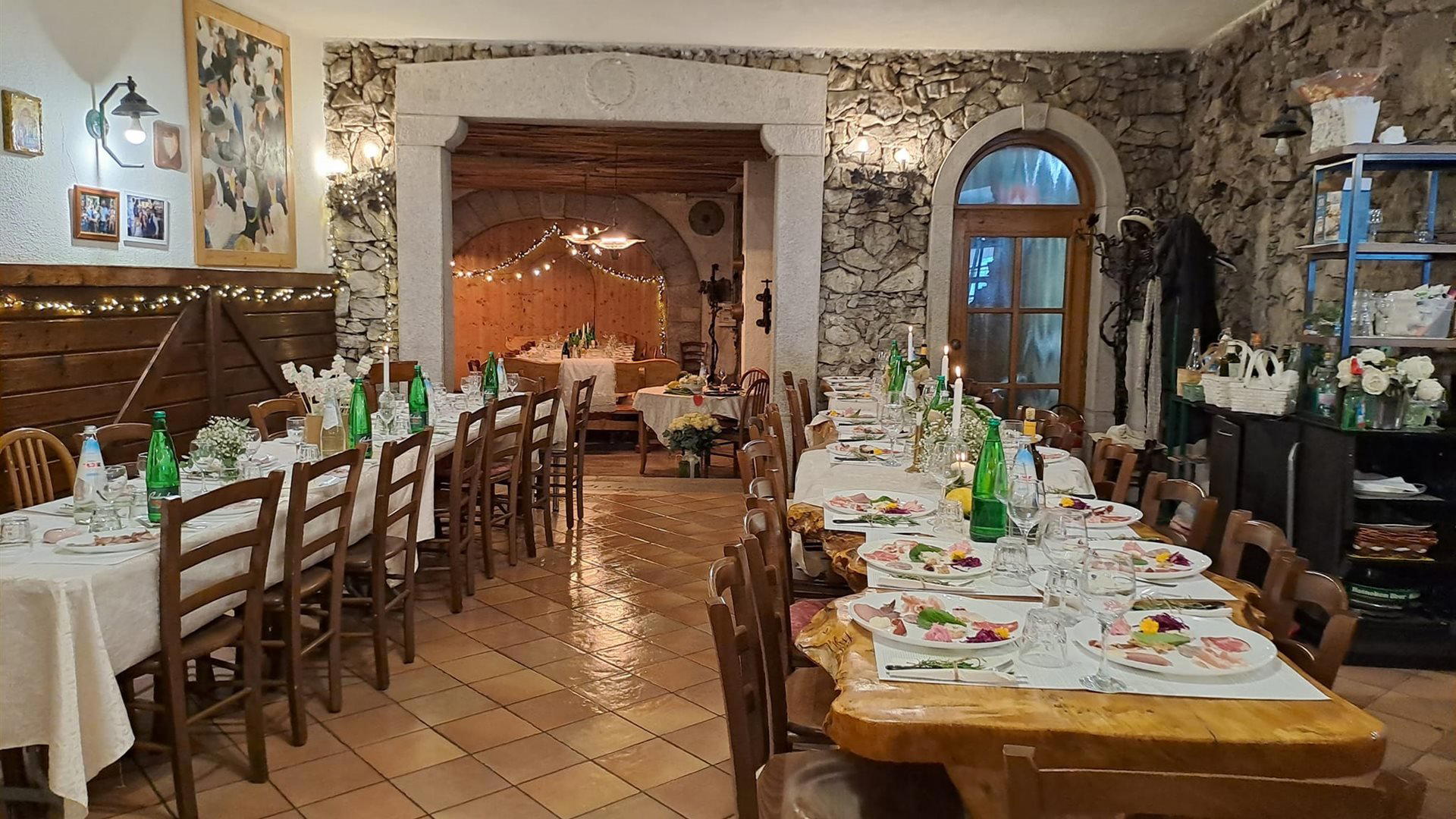
Where the Karst Plateau Sets the Table
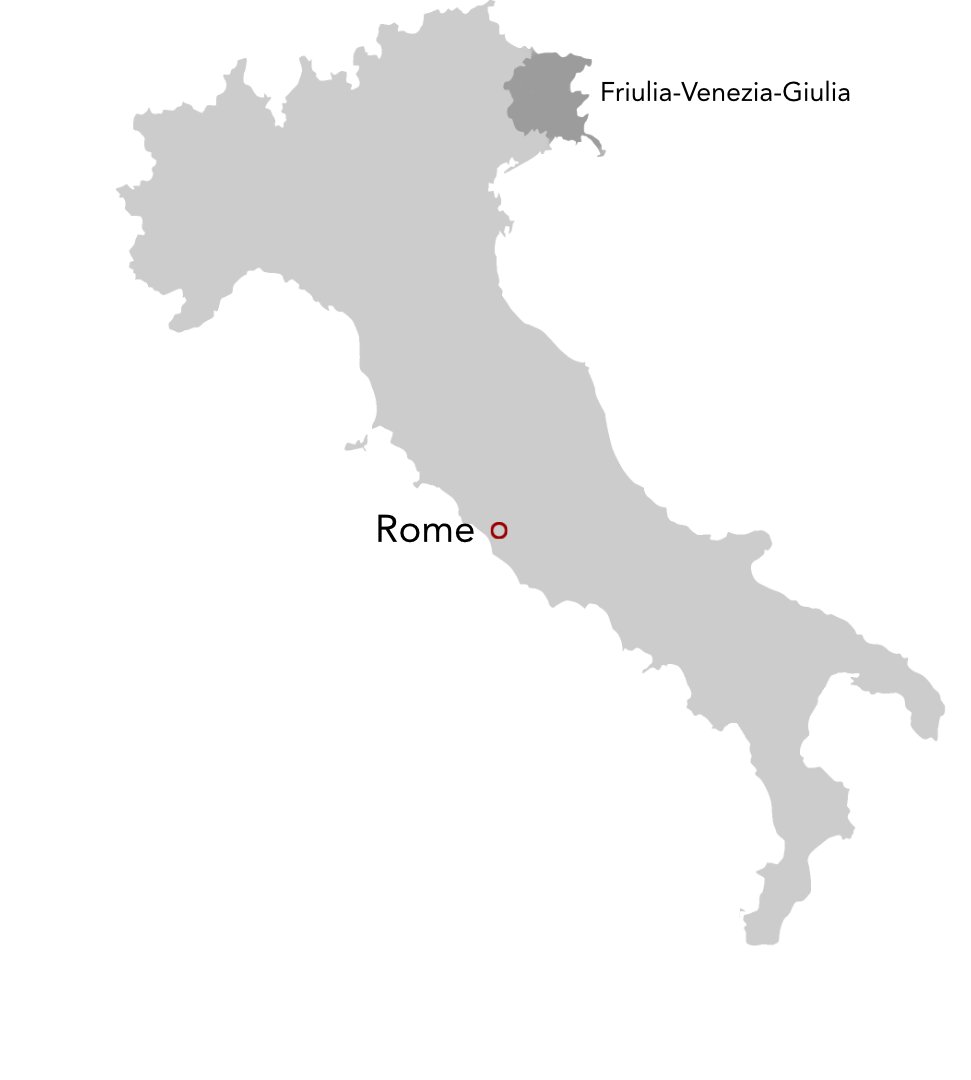
The Carso — the limestone plateau that stretches from Trieste northward toward Slovenia — is one of the more quietly consequential food territories in northeastern Italy. Its thin, iron-rich soil supports a different agricultural rhythm than the Po Valley or the Veneto: smaller operations, older varieties, a shorter growing season shaped by the bora wind that sweeps in from the northeast. Agriturismo Milic, located in Frazione Sagrado outside the village of Sgonico, sits within this territory not as a restaurant that happens to have a view, but as a working property whose dining offer is defined by what the land around it produces.
The agriturismo category itself is worth understanding before arriving. Italian law requires that agriturismi derive the majority of their revenue from agricultural activity, and that the food served comes predominantly from the farm or from neighbouring producers. This is not a marketing framework, it is a legal condition that structurally limits what can appear on the plate. The result is a form of dining where seasonal constraint is built into the model, and where the distance between field and table is measured in metres rather than supply chain stages. At a time when farm-to-table has become shorthand for almost anything, the agriturismo format enforces what that phrase originally implied.
The Karst as Kitchen Garden
Friuli Venezia Giulia's food identity is shaped by layers of Central European, Slavic, and Mediterranean influence that converge nowhere more visibly than on the Carso. The plateau's producers have long worked with ingredients that reflect this confluence: prosciutto from the Karst's specific curing conditions, Teran wine made from the ancient red grape variety that thrives in the region's red soil, wild herbs gathered from the scrubland, and livestock raised on pasture that gives the meat a particular mineral character. Agriturismo dining on the Carso typically engages with some or all of these threads, presenting them in formats that are closer to the farmhouse table than the restaurant counter.
This positions Milic within a specific tier of Italian regional dining that operates largely outside the Michelin orbit. The comparison set here is not Atelier Moessmer Norbert Niederkofler in Brunico or Piazza Duomo in Alba, where tasting menus are built around the intellectual transformation of local ingredients. Nor is it the coastal creative register of Uliassi in Senigallia or the deep-tradition formality of Dal Pescatore in Runate. The agriturismo sits in a different category entirely, one where the sourcing IS the argument, rather than evidence for a chef's broader thesis.
Italy's most ambitious dining rooms, from Osteria Francescana in Modena to Le Calandre in Rubano and Reale in Castel di Sangro, spend considerable effort articulating their relationship with regional producers. The agriturismo model removes the articulation and simply places you in the production context itself. That directness is the point.
What the Sourcing Framework Means in Practice
For a diner arriving at Milic from Trieste, roughly 15 kilometres to the south, the practical implication of the agriturismo structure is that the menu will reflect current agricultural reality rather than a fixed culinary programme. Dishes shift with what is ready to harvest, what livestock have been raised through the season, and what the surrounding Carso foragers and small producers have available. This is not the curated seasonality of a fine dining kitchen sourcing from preferred farms, it is a more literal dependency on what is actually growing or being raised on or near the property.
The Carso's particular agricultural calendar means that spring brings wild asparagus and young greens from the plateau's scrubland, summer produces stone fruits and field vegetables, and autumn sees mushrooms from the surrounding woodland alongside the grape harvest from Teran and Vitovska vines. The cured and preserved preparations that carry through winter reflect a Central European pantry logic that distinguishes this corner of Italy from Tuscany or Campania.
Visitors familiar with the format of agriturismi elsewhere in Italy will recognise the general hospitality register: communal or semi-communal tables, set menus or limited daily choice, wine from the property or immediate locality, and a pace that is determined by the kitchen rather than the dining room. The experience is calibrated for those who read that description as a feature rather than a limitation. For context on other strong dining options in the same area, Enoteca Sgonico represents the alternative register available in the village itself, and our full Sgonico restaurants guide maps the broader local picture.
Planning a Visit
Sgonico is accessible by car from Trieste in approximately 20 to 25 minutes via the SS58, and the Carso plateau is most comfortably reached with private transport given that public connections from the city are infrequent and not well suited to a meal with wine. The agriturismo format typically operates on a reservation basis, and given the farm's production constraints and likely limited covers, contacting Milic in advance is advisable rather than optional. Lunch visits align more naturally with the working rhythm of a farm property than dinner seatings, though the plateau's long summer evenings make both viable in the warmer months. The bora wind, which can arrive without much notice and drop temperatures sharply, is worth factoring into plans from October onward.
Travellers building a broader northeast Italy itinerary around quality dining at different registers might combine Milic with Trieste's urban food culture, the city's fish market and its Austro-Hungarian café tradition are both within easy reach, before moving along the Italian Adriatic toward venues like Quattro Passi in Marina del Cantone or further into Italy's restaurant circuit at Enoteca Pinchiorri in Florence, Enrico Bartolini in Milan, Da Vittorio in Brusaporto, Villa Crespi in Orta San Giulio, La Pergola in Rome, or Casa Perbellini 12 Apostoli in Verona. Internationally, the sourcing-driven format has analogs in venues like Lazy Bear in San Francisco and, at a different scale of ambition, Le Bernardin in New York City, though the agriturismo model operates with a structural simplicity that neither of those parallels.
Frequently asked questions
Where is Agriturismo Milic in Sgonico?
Agriturismo Milic is located at Frazione Sagrado, 2, 34010 Sgonico TS, Italy, Sgonico.
Is Agriturismo Milic a good base for exploring the Carso plateau and the Trieste area?
Sgonico sits at the heart of the Carso plateau, making Milic well-placed for visits to the plateau's limestone terrain, local osmize (seasonal Slovenian-Friulian farmhouse wine bars), and the cave networks that define the region. Trieste itself is roughly 15 kilometres to the south, accessible in about 20 to 25 minutes by car via the SS58. The agriturismo format means the experience is rooted in the farm and its land rather than positioned as a transit hub, so most visitors treat a meal here as a destination in its own right.
What should I eat at Agriturismo Milic?
Agriturismo Milic operates within the agriturismo framework, which in Italy legally ties the menu to produce grown or raised on the property. On the Carso plateau, that means dishes shaped by the convergence of Friulian, Central European, and Slavic culinary traditions — cured meats, aged cheeses, and preparations rooted in the farm's own seasonal output. Specific dishes vary by season and availability, so confirming the current menu directly before visiting is advisable.
How hard is it to get a table at Agriturismo Milic?
Agriturismo Milic is located in Frazione Sagrado, Sgonico — a small settlement on the Carso plateau above Trieste. Agriturismi of this type typically have limited covers and operate on reservation, particularly at weekends when Trieste residents make the 20-to-25-minute drive up the SS58. Contacting the venue directly and booking in advance is the standard approach; walk-in availability is unlikely during peak season.
What has Agriturismo Milic built its reputation on?
Milic's standing comes from its position within the Carso agriturismo tradition, a model where the farm itself functions as the sourcing backbone for the kitchen. The Carso plateau is one of the more quietly consequential food territories in northeast Italy, sitting at the cultural crossroads of Italian, Slovenian, and Central European influences. That convergence gives agriturismi like Milic a specificity of place that straightforward restaurants in Trieste cannot replicate.
Comparable Spots, Quickly
| Venue | Cuisine | Price | Awards | Notes |
|---|---|---|---|---|
| Agriturismo MilicThis venue — the venue you are viewing | Traditional Italian Agriturismo | Not listed | Not listed | Not listed |
| Atelier Moessmer Norbert Niederkofler | Modern Alpine Fine Dining | $300–500 | 3 Michelin Stars · World's 50 Best #20 | Italian, Creative |
| Dal Pescatore | Classic Italian Fine Dining | $200–300 | 3 Michelin Stars · World's 50 Best #38 | Italian, Italian Contemporary |
| Quattro Passi | Modern Mediterranean Fine Dining | $300–500 | 3 Michelin Stars · World's 50 Best #38 | Italian, Mediterranean Cuisine |
| Reale | Modern Italian Fine Dining | $200–300 | 3 Michelin Stars · World's 50 Best #18 | Progressive Italian, Modern Cuisine |
| Uliassi | Modern Adriatic Italian Fine Dining | $300–500 | 3 Michelin Stars · World's 50 Best #43 | Italian Seafood - Marche, Creative |
Continue exploring
More in Sgonico
Restaurants in Sgonico
Browse all →
Bars in Sgonico
Browse all →
Hotels in Sgonico
Browse all →
Details
- Rustic
- Cozy
- Scenic
- Family
- Group Dining
- Casual Hangout
- Garden
- Farm To Table
- Local Sourcing
- Mountain
- A La Carte
- Vegetarian Friendly
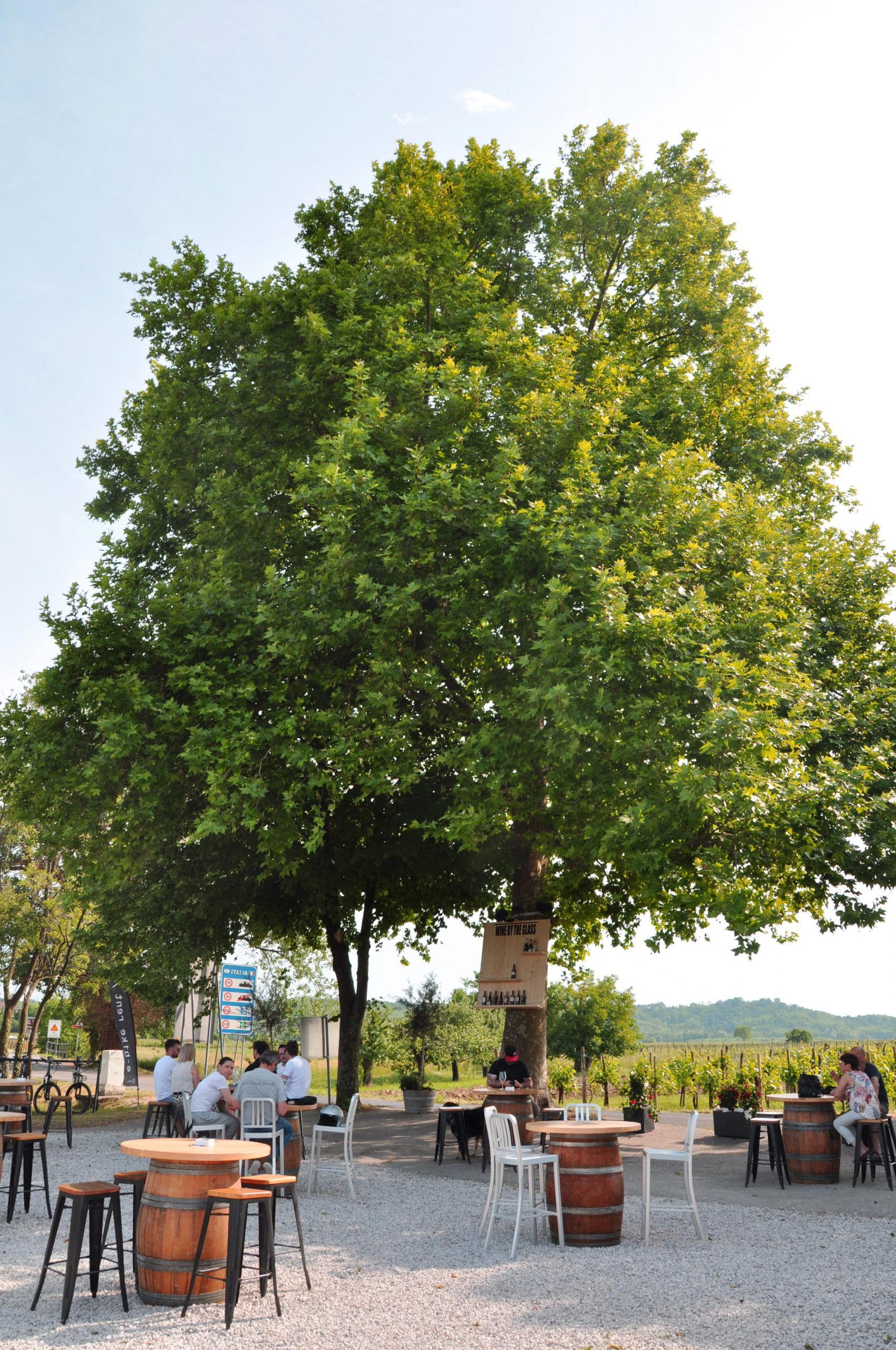
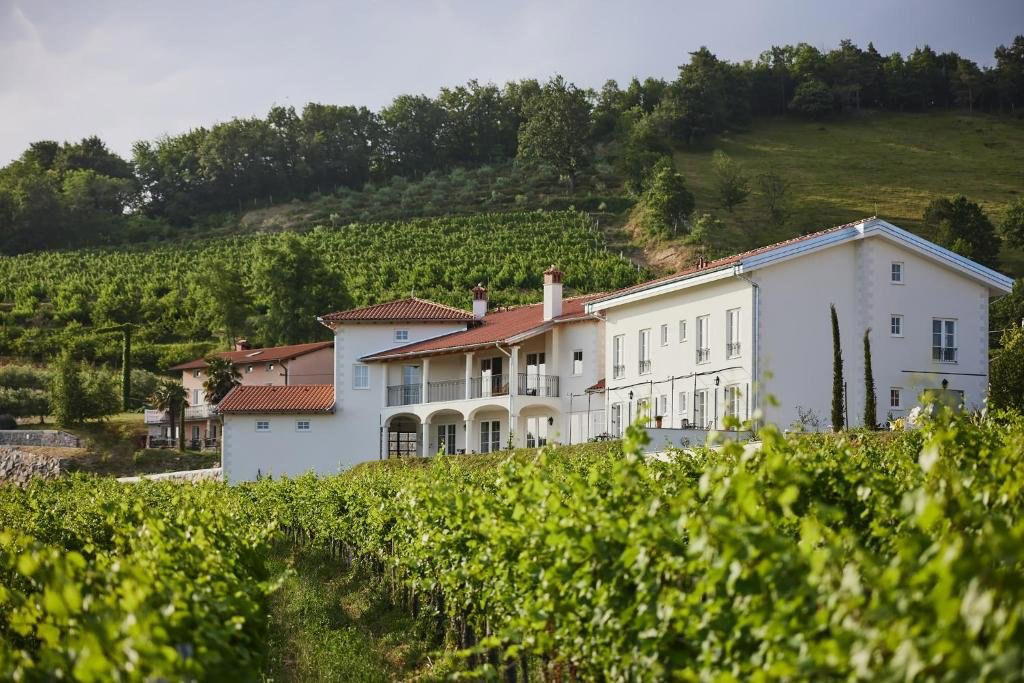
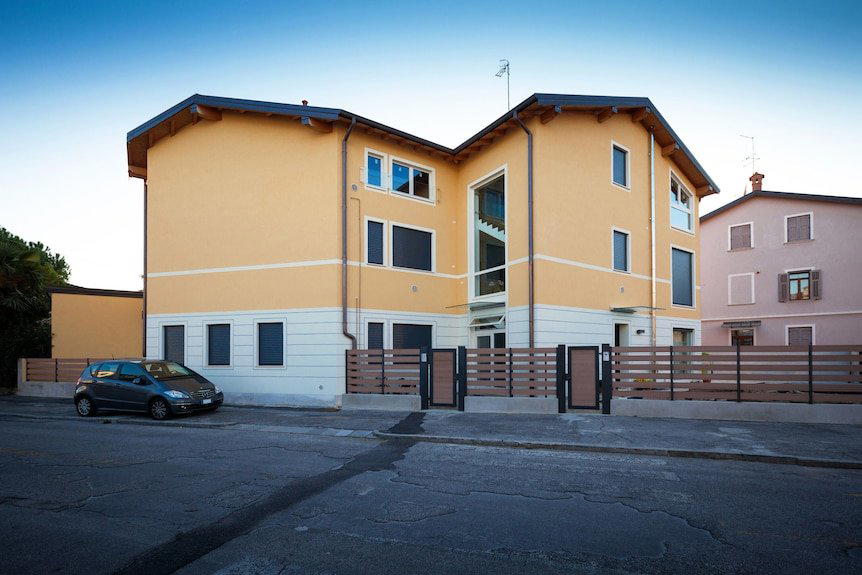
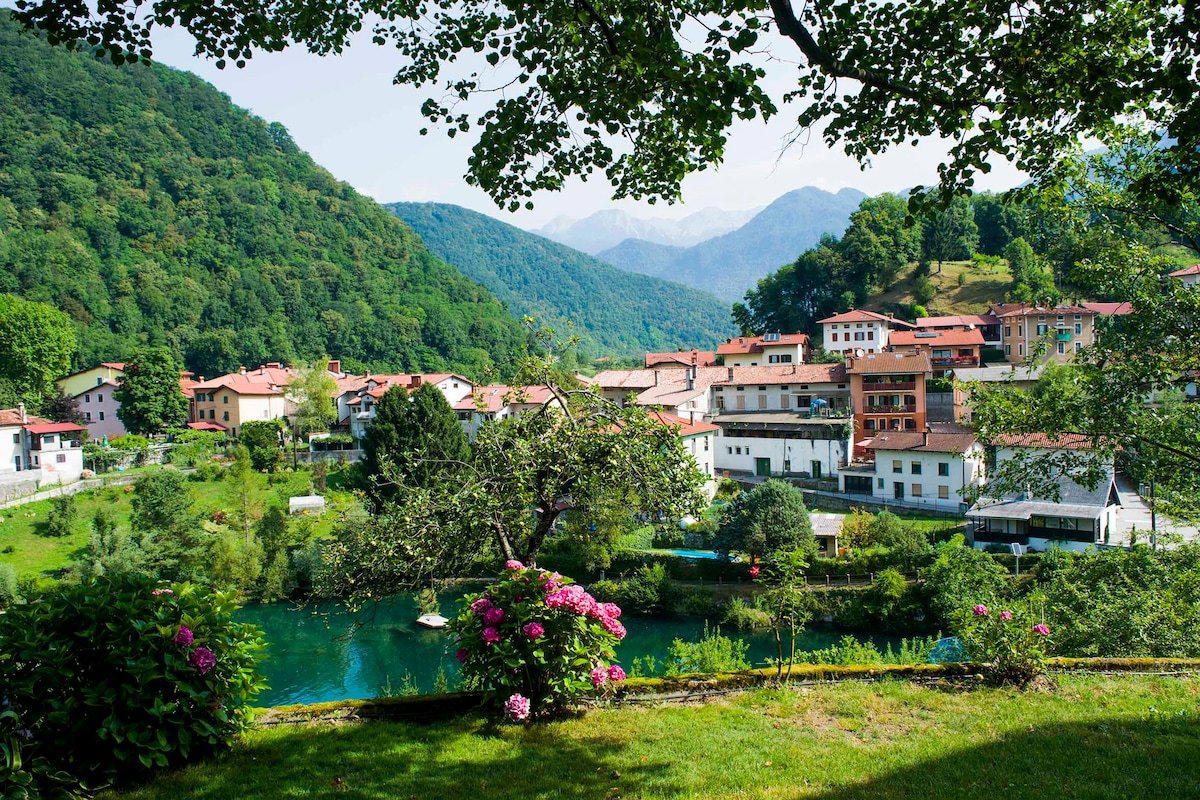
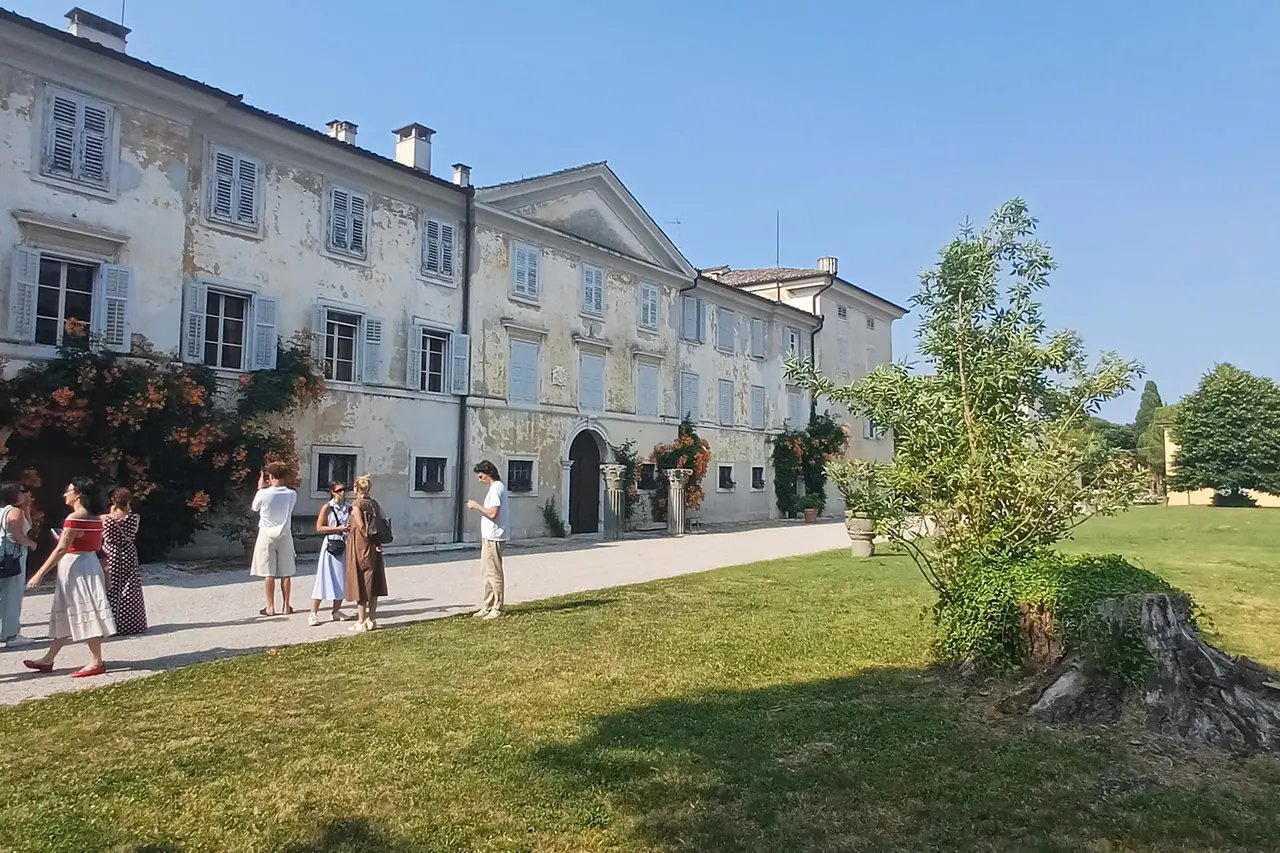
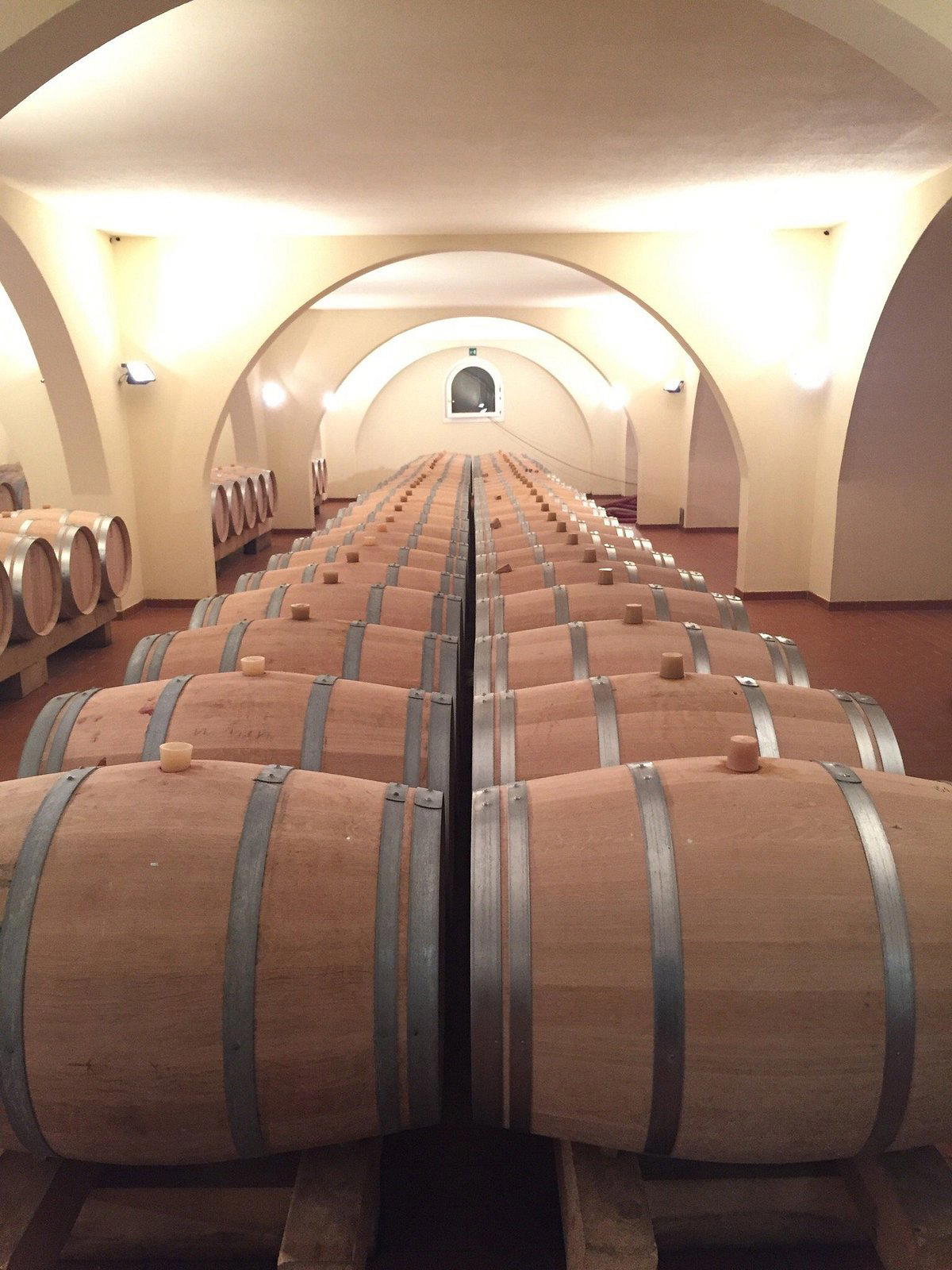
Warm, homely atmosphere in large comfortable rustic rooms surrounded by nature and vineyards with views of the Trieste Gulf.