Enoteca Sgonico occupies a singular position in the Karst plateau village of Sgonico, a small settlement in the Trieste province where the inland wine-and-food tradition of Friuli-Venezia Giulia meets the border cultures of Slovenia and Central Europe. As an enoteca in this context, it sits within a category defined less by fine-dining formality than by serious regional wine curation paired with the kind of kitchen that respects local larder above all else.
Pearl is the En Primeur Club membership app — saves, bookings, and concierge access live there. Same editors, same standards.
- Address
- Località Sgonico, 15, 34010 Sgonico TS, Italy
- Phone
- +393488512625
- Website
- enotecasgonico.com
- Directions
- Get directions
 Saves & bookings on Pearl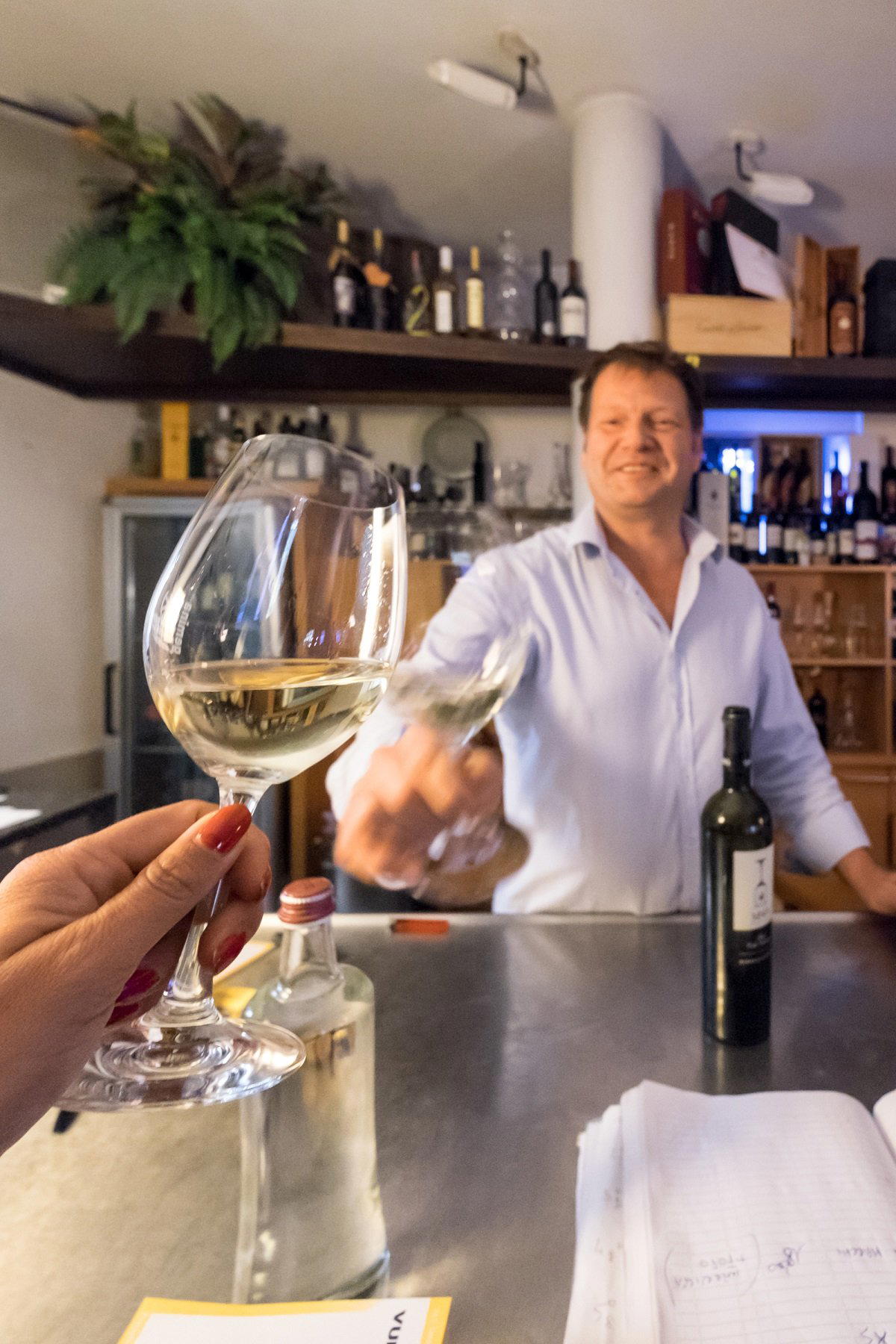
Where the Karst Plateau Shapes What Ends Up on the Table
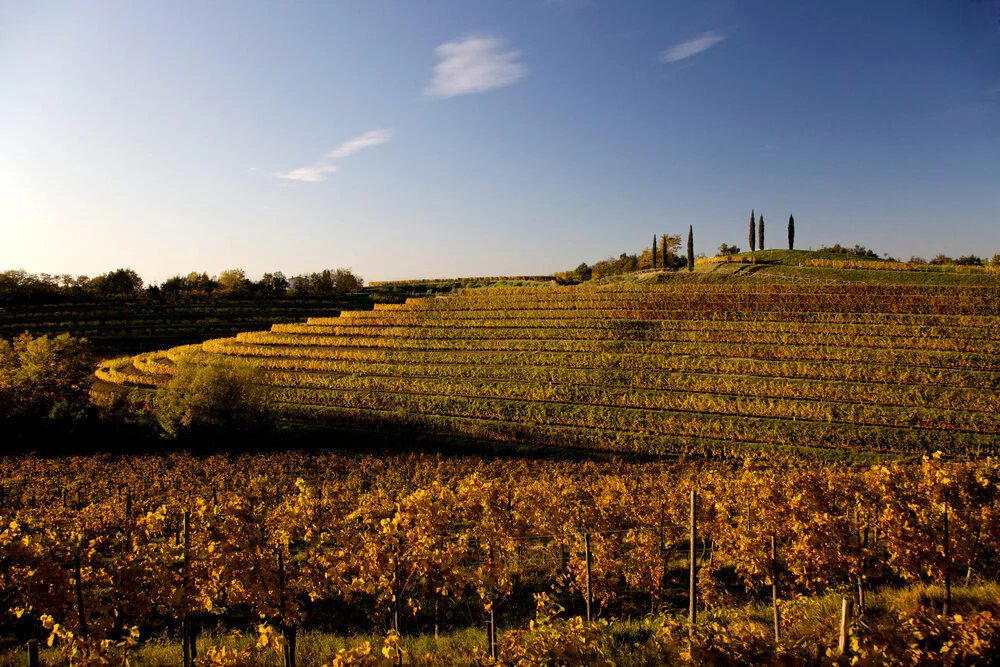
The village of Sgonico sits on the Carso, the limestone plateau that rises sharply behind Trieste and runs into Slovenia, a terrain that has historically been as contested politically as it is distinctive ecologically. Enoteca Sgonico is a restaurant in Sgonico, near Trieste, where Adriatic Raw Fish & Seafood Tasting is served for about $95 per person. The Carso produces wines of a particular austerity: Vitovska and Malvasia Istriana grown in thin, iron-rich soils over limestone bedrock, alongside Terrano, a red with enough tannin and acidity to cut through the cured meats and slow-braised dishes the region has prepared for centuries. An enoteca in this setting is not a wine bar in the metropolitan sense. It is closer to a cultural institution, the kind of place where the bottle selection functions as a reading list for the territory.
Sgonico itself is a small comune in the province of Trieste, sitting at the edge of the Trieste Karst Regional Nature Park. The area draws visitors from Trieste, roughly fifteen kilometres to the south, but it operates largely outside the tourist circuits that run along the Adriatic coast. That detachment from mainstream routes is part of what defines the dining character here. Restaurants and enoteche in villages like Sgonico, and the nearby Agriturismo Milic, tend to serve a local and regional clientele that knows the producers by name, a different pressure and a different standard than a tourist-facing dining room.
The Friuli-Venezia Giulia Wine Tradition and Why It Matters Here
To understand what an enoteca on the Carso represents, it helps to place Friuli-Venezia Giulia in the broader context of Italian wine geography. The region produces a fraction of the national volume but has a disproportionate reputation among serious wine drinkers for the precision of its whites and the individuality of its indigenous varieties. The Carso DOC, which covers the plateau around Sgonico and Trieste, is among the smallest and most particular appellations in this already niche region. Producers here work with a climate that combines Mediterranean influence from the Adriatic with the cold Bora wind that descends from the northeast, a combination that extends the growing season and concentrates flavour without the heat-driven weight of wines from further south.
The orange wine movement, extended skin-contact whites that have become fashionable in international natural wine circles, has deep roots in this part of the world and across the border in Slovenia's Brda region. That tradition predates the trend by decades, and an enoteca on the Carso occupies that history directly. The wine selection in establishments like this one reflects proximity to small producers in Collio, Carso, and cross-border Slovenia, with bottles that rarely appear in urban wine lists. For comparison, the major Italian fine-dining reference points, Enoteca Pinchiorri in Florence, Osteria Francescana in Modena, or Le Calandre in Rubano, operate with cellar depth and national prestige that is not the point in a village enoteca. The point here is specificity of place.
The Broader Italian Enoteca Format in Context
Italy's enoteca tradition sits between a wine shop, a restaurant, and a tavern, and the format has evolved differently by region. In Tuscany, the enoteca has largely become a vehicle for showcasing major names in Chianti Classico and Brunello. In Friuli-Venezia Giulia and the Carso, the format retains more of its original function: a place where local and regional producers sell or pour their wines alongside food that reflects the same territorial logic. This is a meaningful distinction. The kitchen, where it exists, tends toward the repertoire of the osmiza, the traditional Slovenian-Friulian farm hospitality format where cured meats, hard cheeses, boiled eggs, and seasonal pickles accompany whatever the producer is pouring. The more formal enoteca expands on that vocabulary but rarely abandons it entirely.
That regional food tradition is itself a product of the borderland history. Sgonico sits in territory that passed between the Habsburg Empire, Italy, and the postwar Free Territory of Trieste before its current status. The culinary inheritance is layered accordingly: goulash-adjacent braises alongside Venetian-influenced risotti, Central European cured meats alongside Adriatic seafood preparations from Trieste. Dishes that appear on menus at Michelin-recognised restaurants further along the Italian peninsula, at Dal Pescatore in Runate, Uliassi in Senigallia, or Quattro Passi in Marina del Cantone, draw on single, coherent regional traditions. Here, the tradition is plural by nature.
Visiting the Carso: Practical Context
The Carso plateau is accessible from Trieste by car in under thirty minutes, and the drive itself passes through the dramatic limestone range of the regional park. Sgonico is not served by meaningful public transport from Trieste, so arrival by car is the practical approach for most visitors. The village sits at an elevation that provides views toward the Adriatic on clear days, and the surrounding area rewards time spent exploring, the Grotta Gigante, one of the largest tourist caves in the world by volume, is a few kilometres south near Borgo Grotta Gigante.
The dining pattern on the Carso leans toward lunch, consistent with the agricultural and rural rhythm of the area. Piazza Duomo in Alba, Reale in Castel di Sangro, Enrico Bartolini in Milan, Casa Perbellini 12 Apostoli in Verona, Da Vittorio in Brusaporto, Villa Crespi in Orta San Giulio, La Pergola in Rome, Atelier Moessmer Norbert Niederkofler in Brunico, Le Bernardin in New York City, and Lazy Bear in San Francisco,
Budget and Context
Comparable venues nearby, for context on price, style, and recognition.
| Venue | Cuisine | Price | Notes |
|---|---|---|---|
| Enoteca SgonicoThis venue — the venue you are viewing | Not listed | $$$$ | Not listed |
| Agriturismo Milic | Sgonico, Traditional Italian Agriturismo | $$ | Not listed |
| Tavernetta all'Androna | Not listed | $$$$ | Centro Storico, Traditional Adriatic Seafood |
| Alla Speranza | Not listed | $$$ | Centro Storico (Old Town), Refined Seafood Trattoria |
| The Taste & Al Bancut | Not listed | $$$ | Lignano Sabbiadoro, Modern Italian Seafood |
| Pescada | Grado, Italian Seafood | $$ | Not listed |

At a Glance
- Intimate
- Romantic
- Elegant
- Cozy
- Date Night
- Special Occasion
- Celebration
- Private Dining
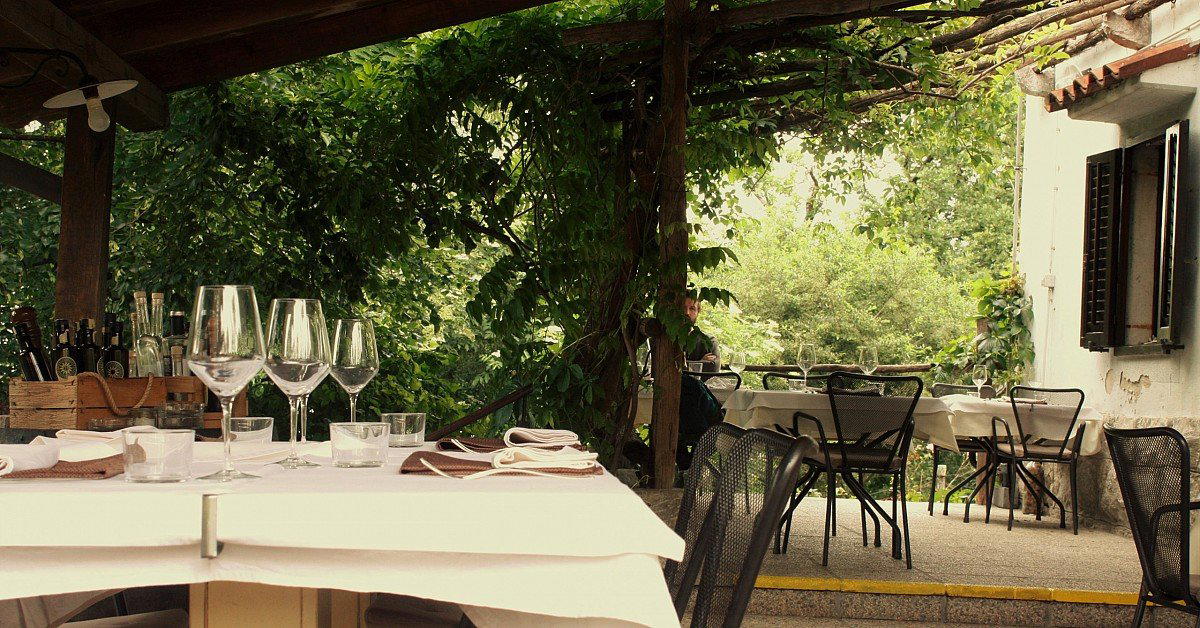
- Garden
- Standalone
- Extensive Wine List
- Sommelier Led
- Local Sourcing
- Sustainable Seafood
- Garden
Current opening hours
- Monday
- Closed
- Tuesday
- 12–3 PM, 7–10 PM
- Wednesday
- 12–3 PM, 7–10 PM
- Thursday
- 12–3 PM, 7–10 PM
- Friday
- 12–3 PM, 7–10 PM
- Saturday
- 12–3 PM, 7–10 PM
- Sunday
- Closed
Hours can change for holidays and private events. Last verified .
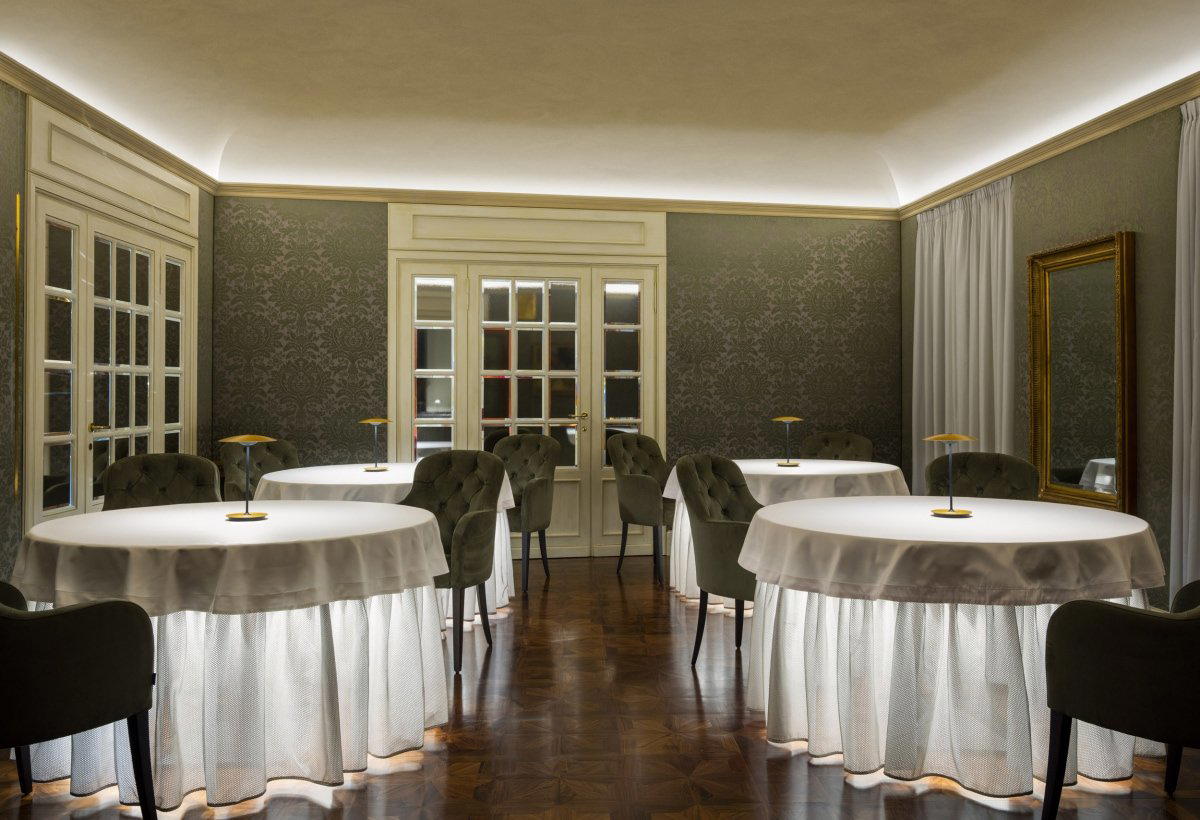
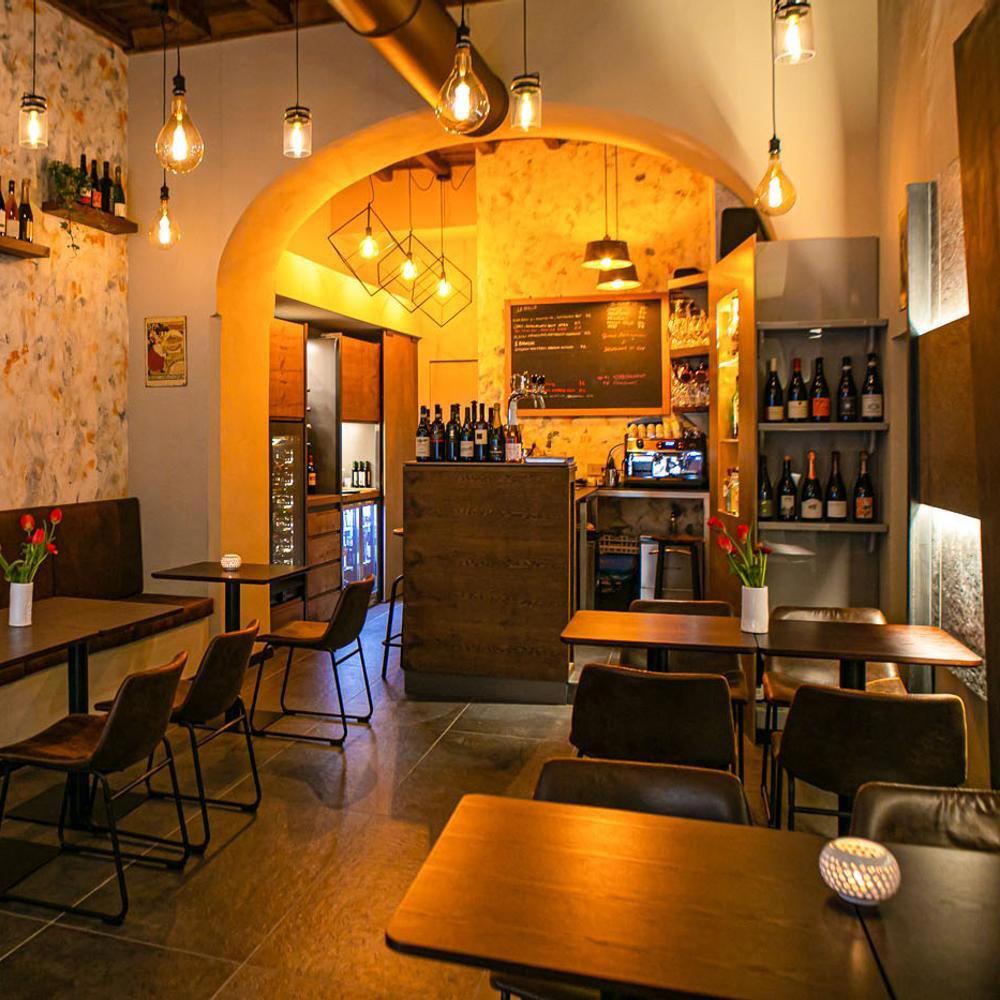
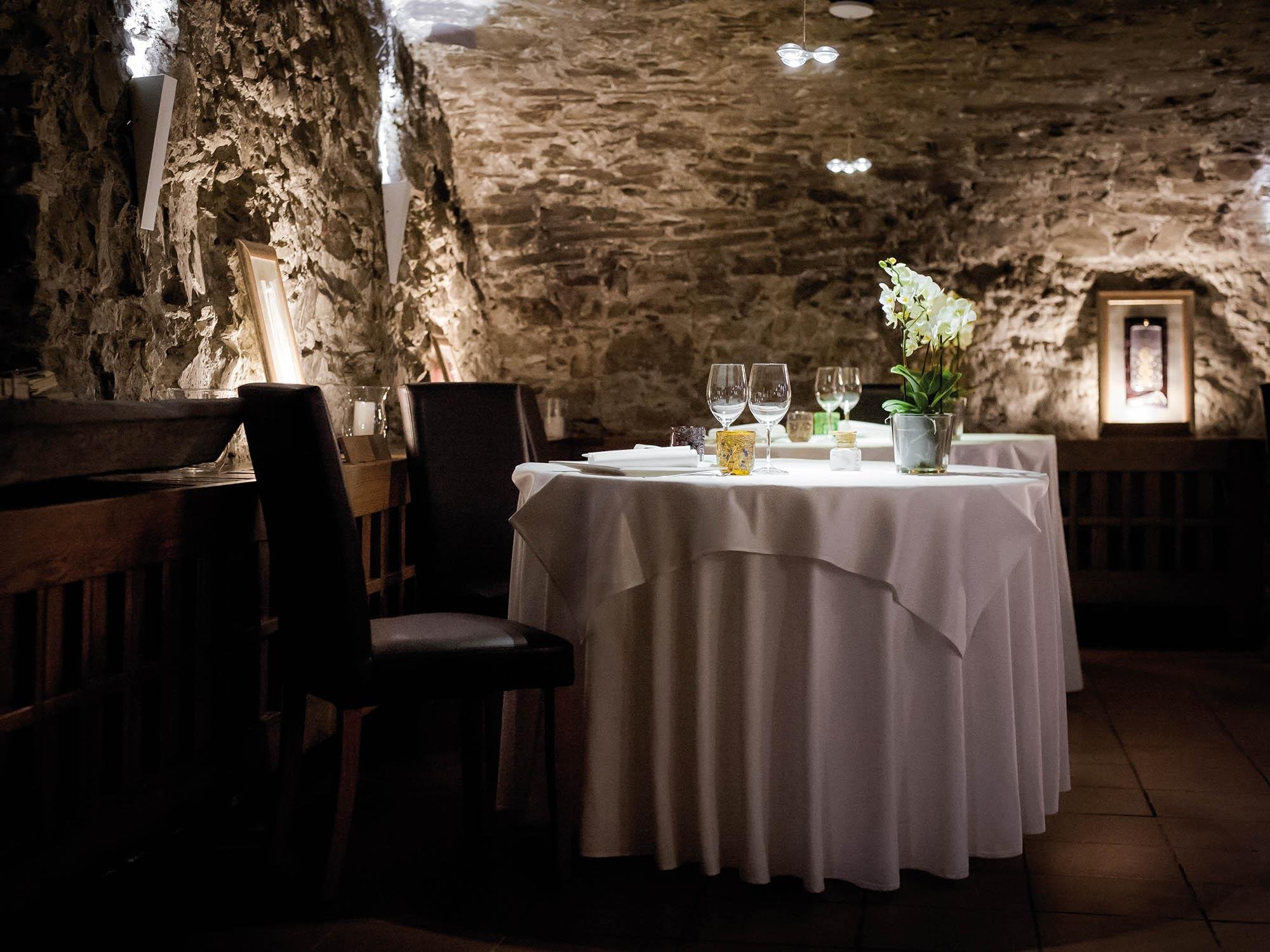
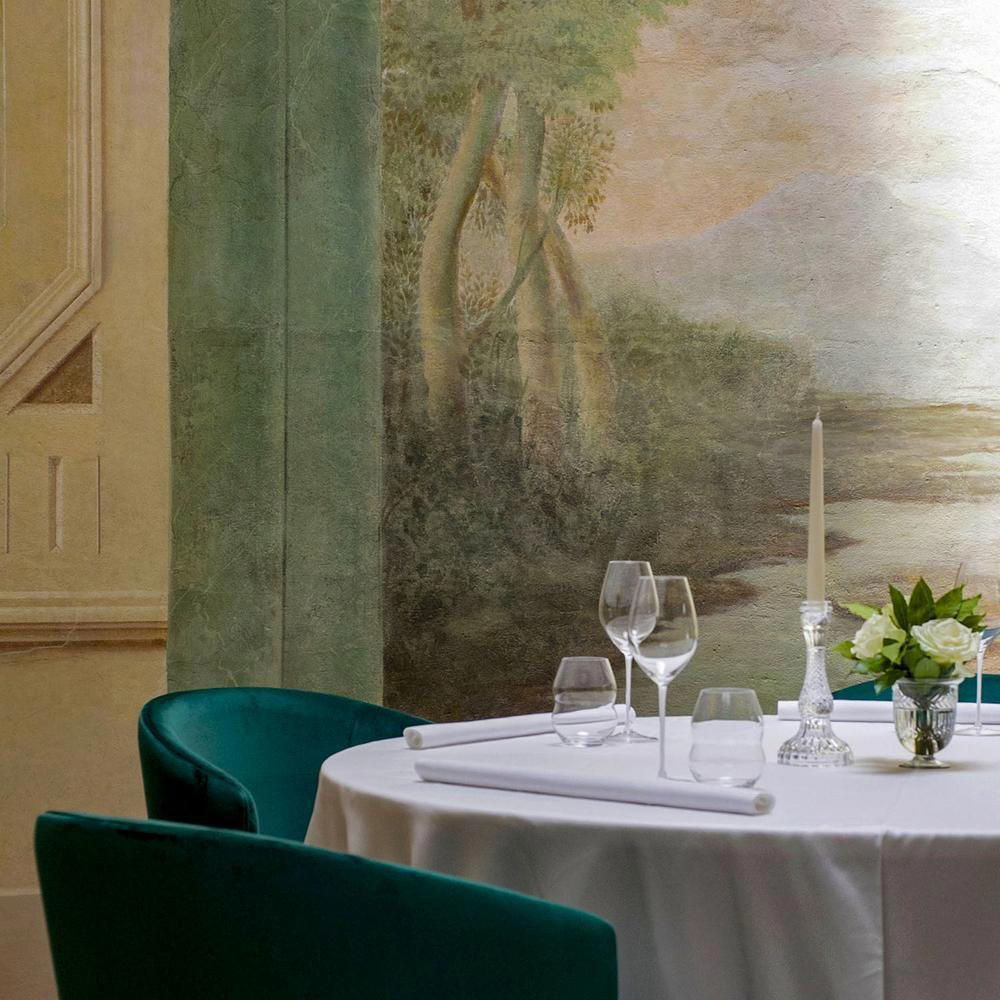
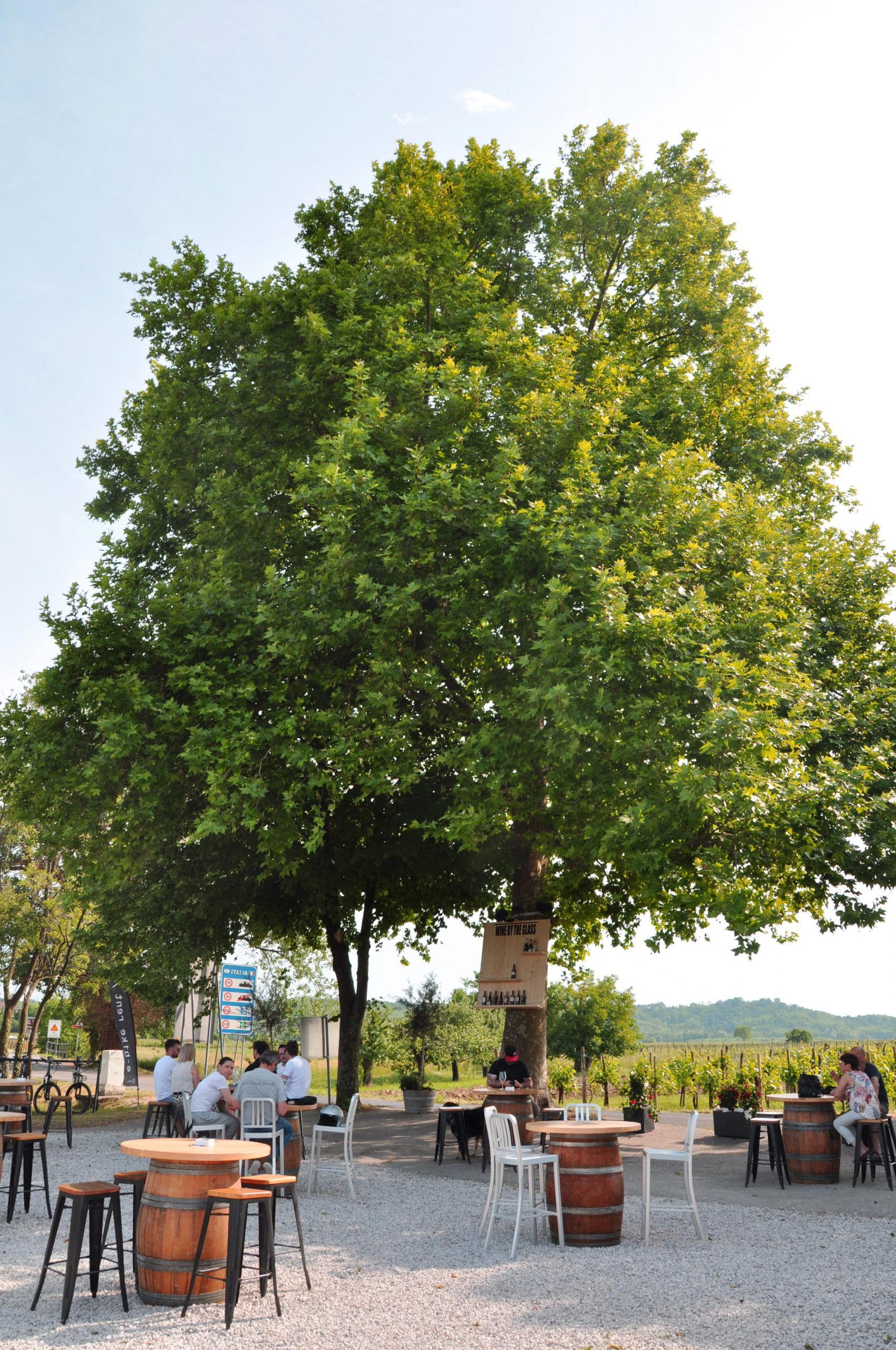
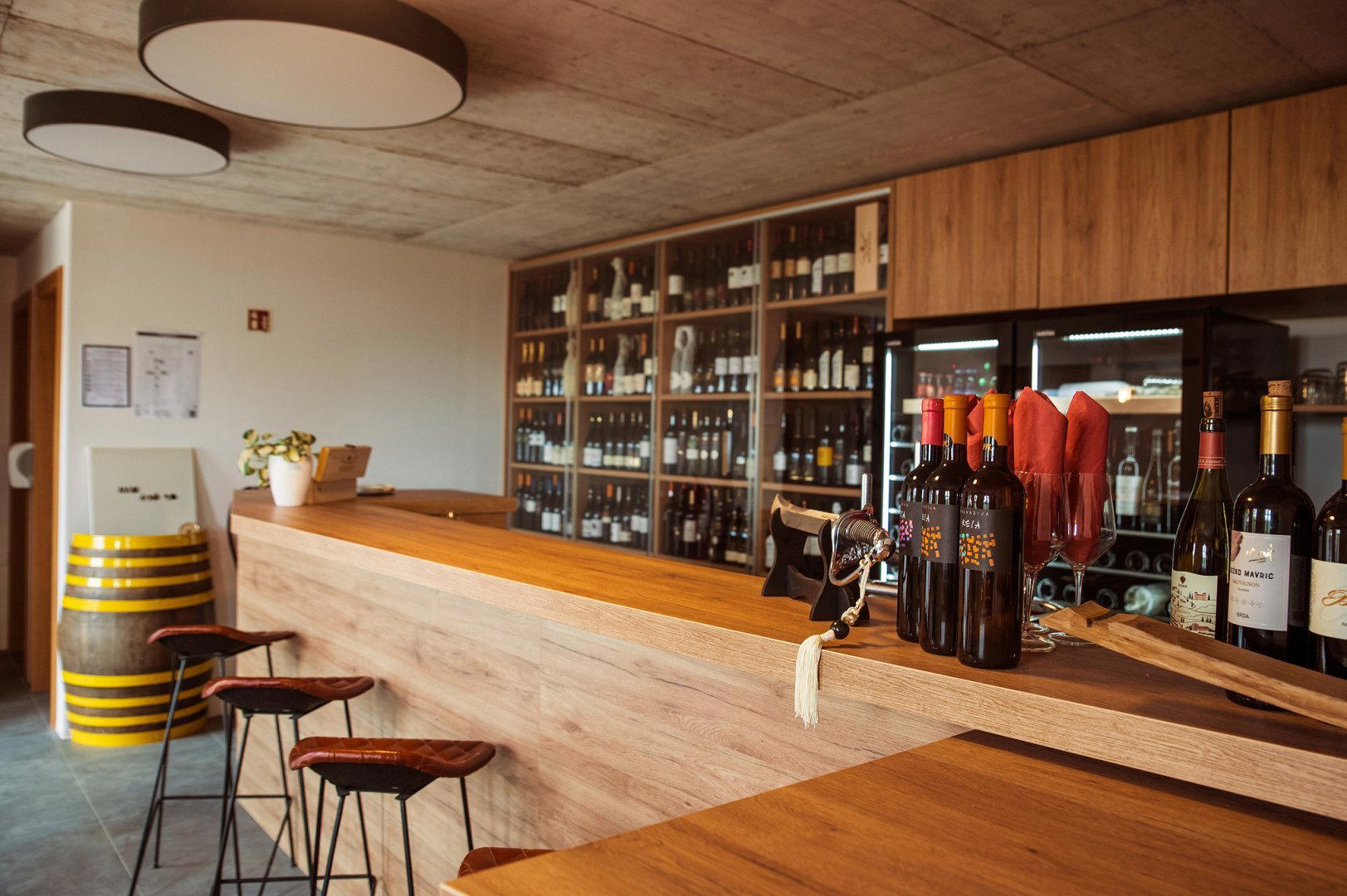
Warm and welcoming intimate dining room with carefully curated decor; spring outdoor seating available in garden space; candlelit and refined atmosphere conducive to romantic dinners and special occasions.