Agnes

1 Michelin Star
Our verdict
Tucked within the cobbled lanes by Sint-Martens-Bodegem Church, Agnes reimagines a former presbytery as a refined sanctuary for epicures. The historic bones breathe with quiet elegance—lime-washed walls, soft wood, and candlelit warmth—while the kitchen courts intrigue with shareable creations that charm and surprise. Expect playful sophistication in dishes like open sushi of river eel with Szechuan pepper, wasabi, and sesame mayonnaise, set alongside a beautifully rendered sweetbread and mushroom vol-au-vent. An impeccably curated wine list, guided by a sommelier with rare intuition, frames each course with precision and grace. For discerning travelers seeking a destination where heritage and haute conviviality meet, Agnes offers an experience at once intimate, memorable, and effortlessly chic.

Pearl is the En Primeur Club membership app — saves, bookings, and concierge access live there. Same editors, same standards.
- Address
- Processiestraat 3, 1700 Dilbeek, Belgium
- Phone
- +32 2 880 74 31
- Hours
- Mon 7–9 PMTue–Fri 12–2 PM, 7–9 PMSat–Sun Closed
- Website
- agnes.restaurant
- Directions
- Get directions
- Booking
- Book on Zenchef
The menu
What to order
- Vol-au-vent with sweetbread and mushrooms
- Open sushi of river eel
- Rijstpap with golden spoon
A Village Setting with Something to Prove
The road through Sint-Martens-Bodegem does not prepare you for Agnes. The Flemish Brabant countryside between Brussels and Aalst is agricultural and quiet, the kind of area where you slow down for tractors and read church notice boards. Processiestraat 3, a Dilbeek address that places Agnes just outside the Brussels ring, sits in that register: no neon, no queue theatre, no design statement on the facade. What the building signals instead is a certain confidence — the confidence of a place that does not need to announce itself, because the people who know, already know.
That assurance is not unfounded. Agnes holds a Michelin Plate recognition for 2025, a signal that Michelin's inspectors consider the kitchen to be producing cooking worthy of attention even if not yet on the starred ladder. In Belgium, that is a competitive space. The country's restaurant culture punches far above its size: Boury in Roeselare operates at three Michelin stars, Castor in Beveren and Cuchara in Lommel at two, and De Jonkman in Sint-Kruis at two as well. A Michelin Plate in this field means the inspector walked away impressed. It means the cooking is consistent enough to recommend without hesitation and worth a detour on its own terms.
Sharing Format as a Culinary Argument
The format at Agnes is sharing, which in 2025 is worth pausing on. Sharing menus have proliferated enough across European dining that the format itself has become a statement of intent, a way a kitchen declares where it positions itself in the broader conversation about how food should be eaten. At the high end of this format — see IGNIV Zürich by Andreas Caminada or AURUM in Gmunden, sharing is used to dismantle the formality of tasting menu progression, replacing the individual plated sequence with something more sociable and ingredient-led. Agnes operates in that territory.
The sharing approach matters here for a specific reason: it shifts emphasis from kitchen showmanship to ingredient quality. When a dish lands in the centre of the table rather than precisely composed on an individual plate, what you notice first is the produce. Colour, texture, smell, the structural integrity of a vegetable that was not stored for a week before service. A kitchen confident enough to present food this way is typically a kitchen confident in what it is starting with. Belgium's proximity to some of Northern Europe's most productive agricultural zones, the polders of coastal Flanders, the sandier soils of Brabant, the market garden culture around the Brussels periphery, means that sourcing well here is achievable, but it still requires the discipline to prioritise ingredient relationships over supplier convenience.
Dilbeek commune itself sits in an area where agricultural land still borders residential streets, and the broader Flemish Brabant region has a long tradition of market gardening that predates the current farm-to-table trend by several centuries. For a restaurant working with a sharing format and a price point in the €€ range, the ingredient argument is not incidental. It is the whole case.
Price Point and What It Means in This Context
Agnes operates at €€, which places it in a different competitive tier from the starred Belgian restaurants that dominate the country's international reputation. Bozar Restaurant in Brussels and L'air du temps in Liernu occupy the kind of price brackets where the occasion shapes the visit. Agnes, at €€, is accessible for a regular Thursday evening without requiring a calendar note three months in advance. That is a meaningful distinction. The sharing format reinforces it: this is a room where the food is serious but the register is not stiff.
For comparison, two-star and three-star Belgian addresses routinely operate at €€€€, with tasting menus that require commitment in both scheduling and budget. A Michelin Plate kitchen at €€ represents a category of restaurant that Belgium does well: technically accomplished, ingredient-focused, unpretentious in atmosphere, and accessible enough to actually visit. That score, held across enough reviews to be statistically meaningful, reflects consistent delivery rather than a single exceptional service.
The Belgian Kitchen Tradition Agnes Belongs To
Flemish cooking at this level sits in a tradition that values product over technique as spectacle. The region's restaurant culture, particularly outside Brussels and Ghent, has long favoured a kind of restrained seriousness: kitchens that do not cook for the photograph, that treat a well-sourced piece of fish or a properly rested piece of meat as the point rather than the platform. Agnes, working in a sharing format at a mid-range price, fits that tradition more naturally than it fits the international fine-dining circuit. It is closer in spirit to the neighbourhood restaurants that have sustained Flemish culinary culture for decades than to the destination addresses that attract international press.
That said, Michelin's attention is not nothing. Willem Hiele in Oudenburg and Bartholomeus in Heist are examples of Belgian kitchens that built reputations through consistent, ingredient-led work in relatively low-profile locations before the recognition caught up. Agnes is at an earlier stage of that trajectory, but the 2025 Michelin Plate suggests the kitchen is being watched.
Planning a Visit
Agnes is at Processiestraat 3 in Dilbeek, a short drive west of Brussels and reachable from the city centre in under twenty minutes by car. The area is not served by convenient public transport from central Brussels, so a car or taxi is the practical option for most visitors. The €€ price range makes it a reasonable choice for a mid-week dinner without requiring special occasion budgeting, and the sharing format means a table of two to four gets more range across the menu than a single-plate order structure would allow. Phone and website details are not currently listed publicly, so checking local directories or Google Maps directly is the most reliable route to a reservation.
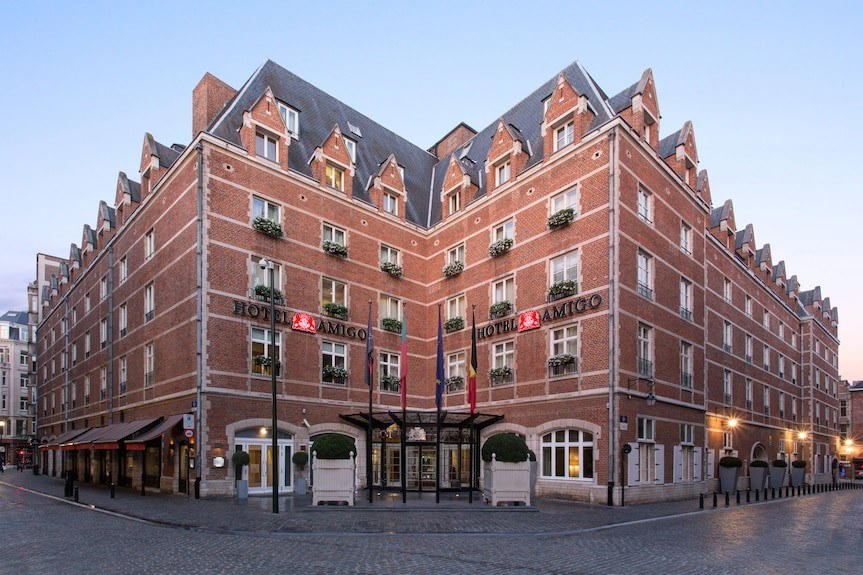
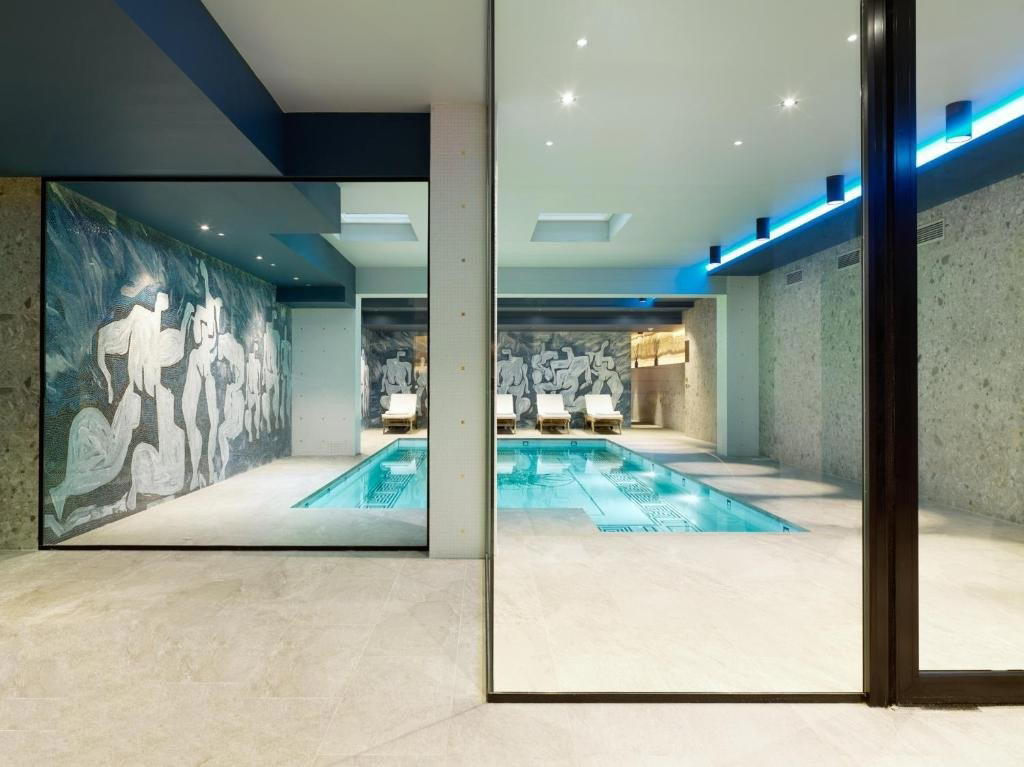
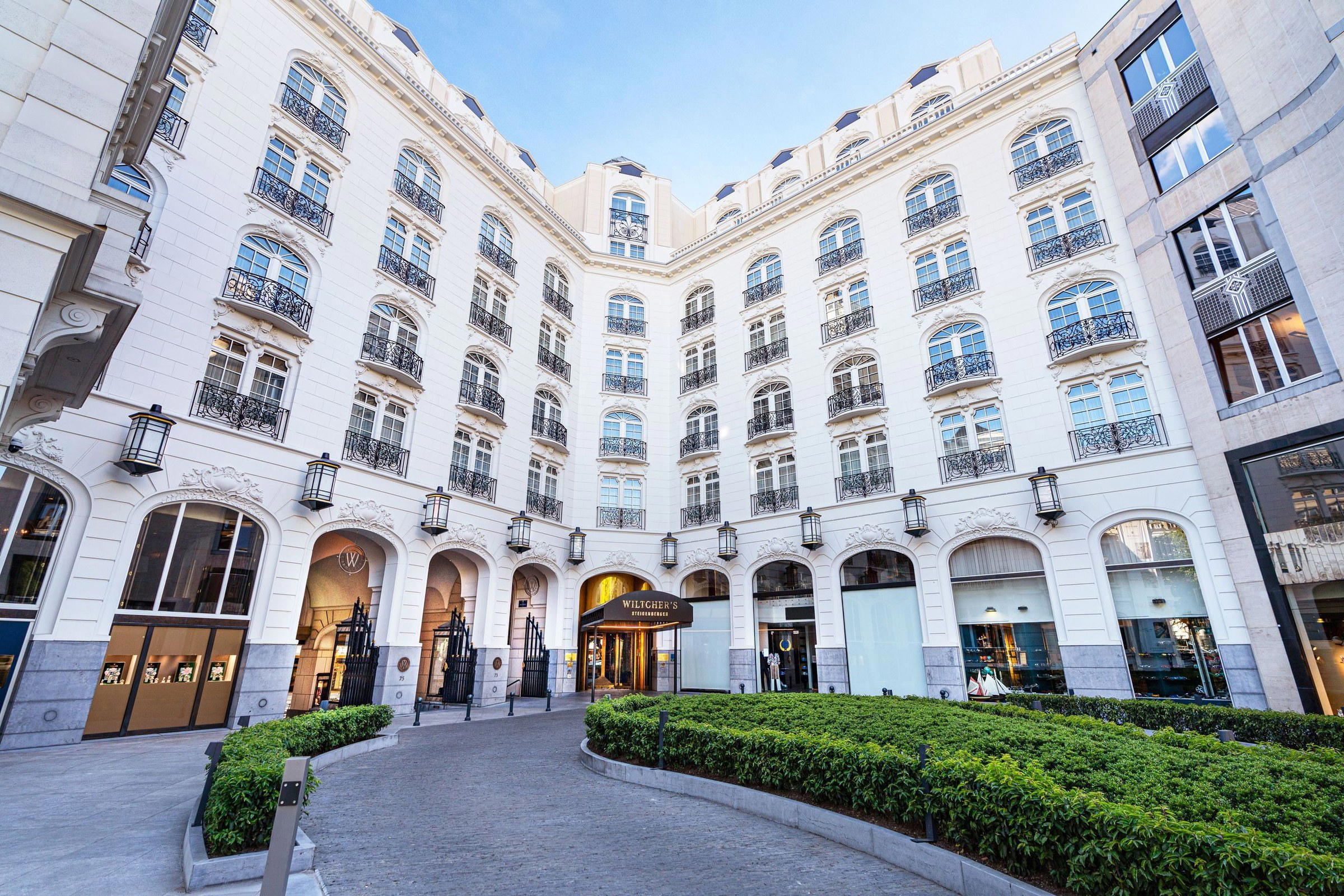
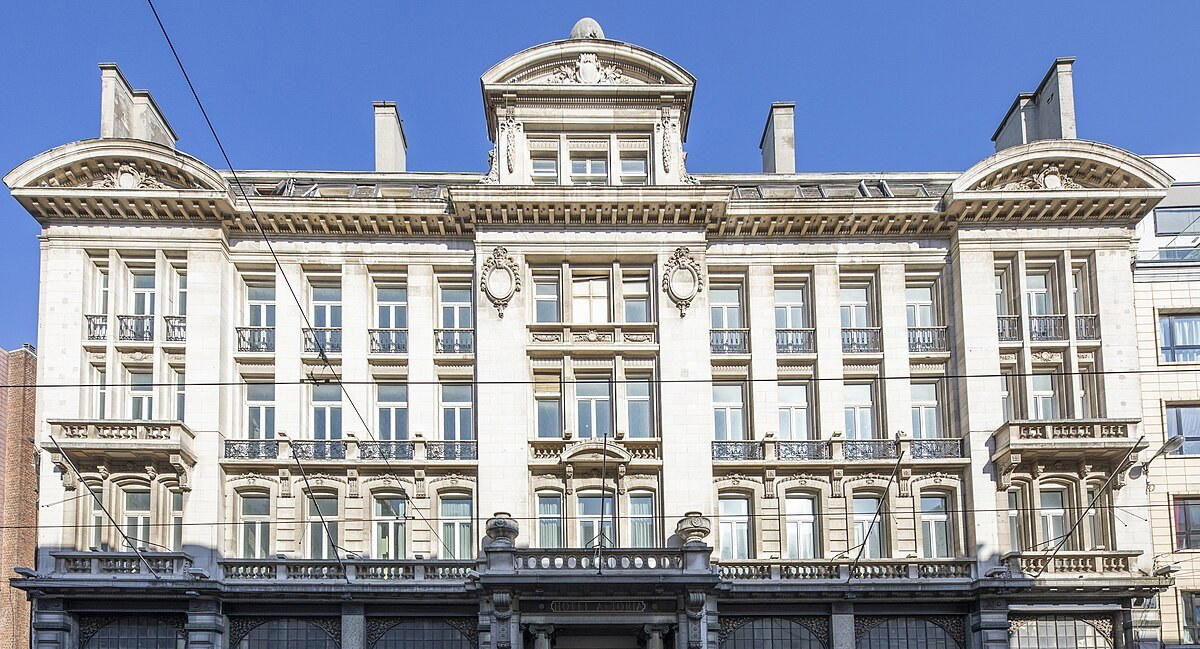
For those building a broader itinerary in the region, [our full Sint-Martens-Bodegem restaurants guide]() maps the surrounding area, and [our Sint-Martens-Bodegem hotels guide](), [bars guide](), [wineries guide](), and experiences guide provide further context for making a full day of the visit. The Brussels proximity also means that d'Eugénie à Emilie in Baudour and Hof van Cleve in Kruishoutem are within a plausible day-trip or weekend-trip radius for those building a more extended Belgian dining circuit. Zilte in Antwerp is another reference point for understanding the upper tier of Flemish fine dining that sits above Agnes in price and formality.
Frequently asked questions
What's the pricing like at Agnes?
Pricing at Agnes is listed as €€.
What part of town is Agnes in?
Agnes is located at Processiestraat 3, 1700 Dilbeek, Belgium, Sint-Martens-Bodegem.
How It Stacks Up
Comparable venues nearby, for context on price, style, and recognition.
| Venue | Cuisine | Price | Awards | Notes |
|---|---|---|---|---|
| AgnesThis venue — the venue you are viewing | Modern French Sharing | $50–100 | 1 Michelin Star | Not listed |
| Brasserie Julie | Home Cooking | Not listed | 1 Michelin Star | Sint-Martens-Bodegem |
| Origine | Modern French | $50–100 | Michelin Plate | Etterbeek |
| Bistro R | Modern French Bistro | $50–100 | Michelin Plate | Nossegem |
| Kokovin | French-Belgian Market Cuisine | $50–100 | Michelin Plate | Sint-Niklaas |
| GLASS | Modern French Wine Bistro | $50–100 | Michelin Plate | Zuid |
Recognition history
Dated appearances from independent guides and award organizations, with the underlying list record or original source where available.
Michelin 1 Star
Michelin
Full recognition history (2 entries)
Michelin Plate
Michelin
Continue exploring
More in Sint-Martens-Bodegem
Restaurants in Sint-Martens-Bodegem
Browse all →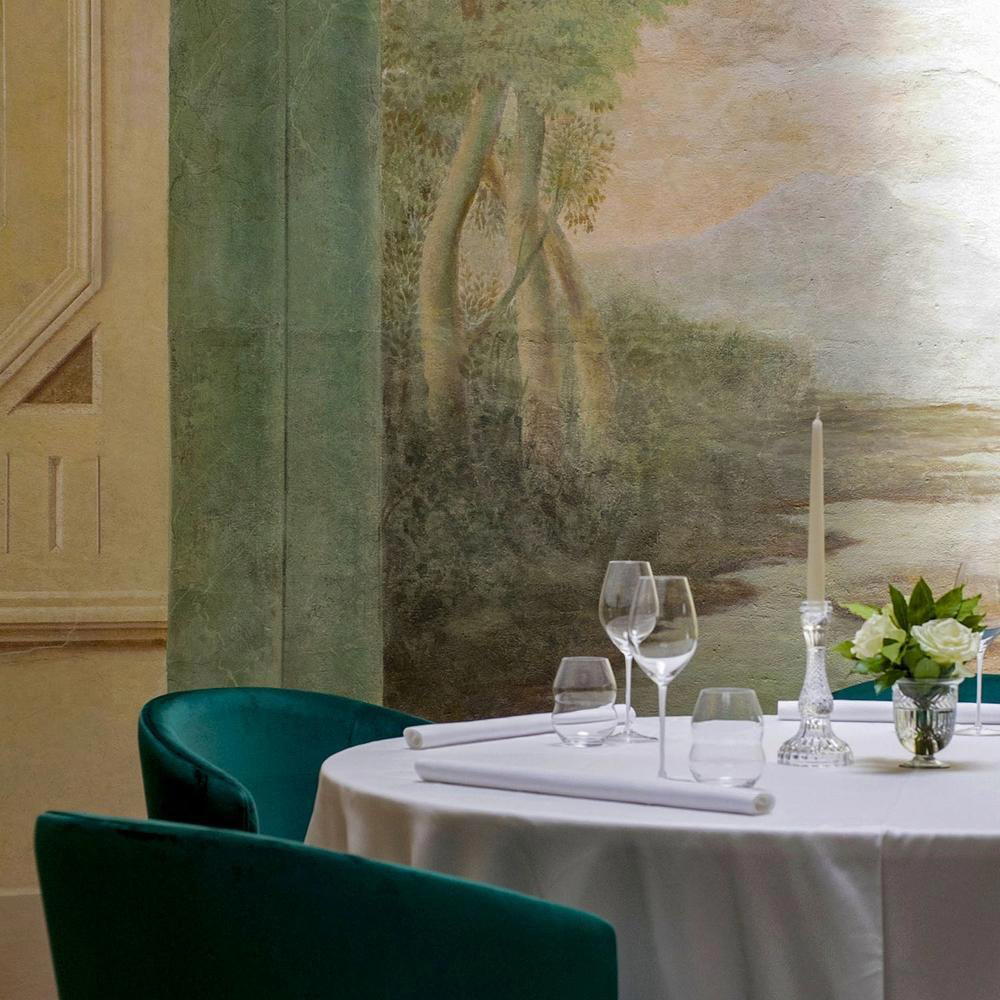
Bars in Sint-Martens-Bodegem
Browse all →
Hotels in Sint-Martens-Bodegem
Browse all →
Wineries in Sint-Martens-Bodegem
Browse all →
Agnes
The wine
- Wine program
- Exceptional wine program
- Extensive wine list
- Sommelier-led
Details
- Romantic
- Cozy
- Elegant
- Intimate
- Charming
- Date Night
- Special Occasion
- Historic Building
- Extensive Wine List
- Sommelier Led
- Small Plates
- A La Carte
- Wine
Current opening hours
- Monday
- 7–9 PM
- Tuesday
- 12–2 PM, 7–9 PM
- Wednesday
- 12–2 PM, 7–9 PM
- Thursday
- 12–2 PM, 7–9 PM
- Friday
- 12–2 PM, 7–9 PM
- Saturday
- Closed
- Sunday
- Closed
Hours can change for holidays and private events. Last verified .
Warm, stylish interior in a minimalist restored presbytery with subtle authentic charm and spacious table arrangement.