Our verdict
Van Dender Chocolates operates from Robert Dansaertlaan in Dilbeek, a quiet Flemish municipality on Brussels' western edge where artisan food producers occupy a different register than the capital's restaurant circuit. The address places it within reach of the broader Belgian chocolate tradition, one of the country's most scrutinised craft categories, and within a short drive of several of Dilbeek's more notable dining addresses.

Pearl is the En Primeur Club membership app — saves, bookings, and concierge access live there. Same editors, same standards.
- Address
- Robert Dansaertlaan 17, 1702 Dilbeek, Belgium
- Phone
- +3224653626
- Website
- vandender.eu
- Directions
- Get directions
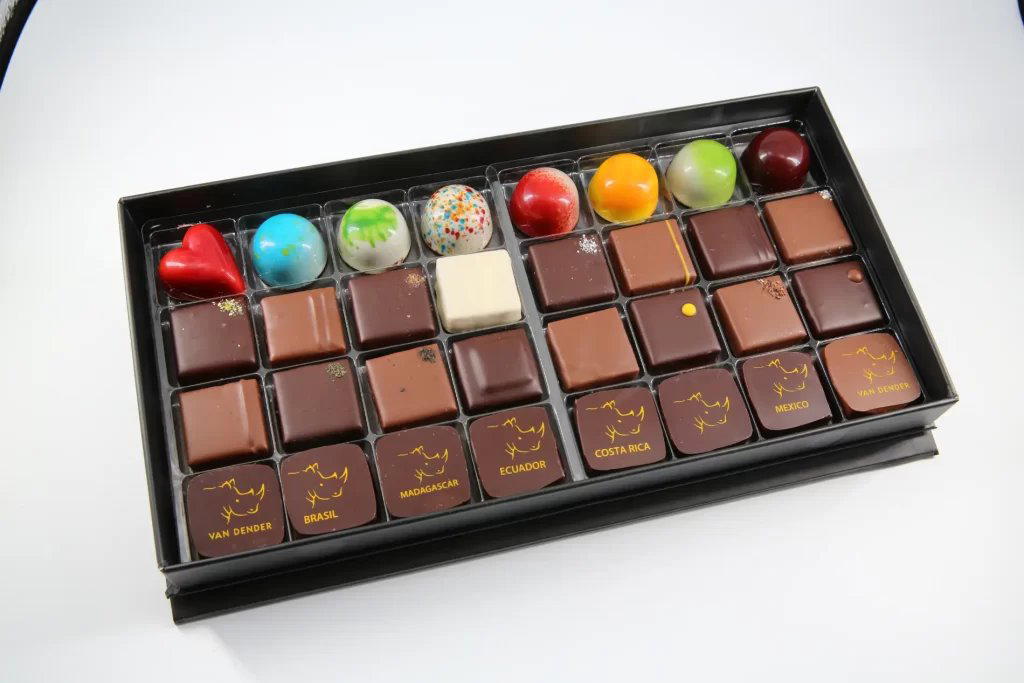
Chocolate Craft on the Brussels Periphery
Belgium's relationship with chocolate is not a marketing construct. It is a documented industrial and artisan history, running from the late nineteenth century through to the current generation of bean-to-bar producers and praline specialists who operate in a category watched as closely by international buyers as by local customers. Dilbeek, a Flemish municipality pressing against Brussels' western boundary, sits at an interesting intersection in that story. The commune lacks the visibility of the capital's chocolate corridors, but that relative quiet is partly what allows producers here to operate at their own pace, sourcing deliberately and working without the footfall pressure that shapes choices in higher-traffic city locations.
Van Dender Chocolates occupies a shopfront on Robert Dansaertlaan 17, a residential-commercial street that reads more like a neighbourhood address than a destination strip. Approaching from the direction of Brussels, the transition from ring-road infrastructure to low-rise Flemish streetscape is abrupt. What follows is the kind of address that requires a specific intention to visit, which, in the context of Belgian artisan chocolate, is often a reliable signal about the quality of what is inside.
Sourcing as the Central Question in Belgian Chocolate
The Belgian chocolate industry has split, over the past two decades, into at least three distinct commercial tiers. The volume tier, dominated by a handful of large producers, operates on commodity cacao and high throughput. A middle tier of praliniers and tablet makers uses quality couverture from named suppliers but stops short of controlling the full chain. A smaller tier, now internationally recognised through forums like the International Chocolate Awards and the Academy of Chocolate, works directly with growers, controls fermentation parameters, and positions cacao origin as the primary flavour variable rather than the recipe.
Each tier operates with a different sourcing logic, and the sourcing logic is what separates the product more than technique alone. Chocolate made from single-origin cacao with transparent fermentation data tastes demonstrably different from chocolate made from blended commodity mass: the acidity structure, the length, and the aromatic profile are functions of the bean's provenance before the chocolatier adds anything. This is why sourcing conversation in the premium tier carries the same weight that terroir discussion carries in wine. The address on a cacao bag matters in the same way the village on a Burgundy label matters, even if the consumer audience for that level of specificity is still relatively small.
The address alone, in a low-overhead Flemish suburban location rather than a Brussels tourist corridor, is consistent with the profile of producers who prioritise product margin over retail footfall. That configuration, common among the more ingredient-focused Belgian makers, typically correlates with a higher reinvestment in raw material quality. It is not a guarantee, but it is a pattern worth noting for visitors who are actively comparing addresses in the greater Brussels area.
Dilbeek in the Context of the Belgian Food Scene
Dilbeek does not operate as a gastronomic destination in the way that cities like Ghent or Bruges do, but it holds a cluster of addresses that reward visitors willing to move beyond the capital. Agnes, De Copain, El Gusto Iberico, and Michel represent the commune's dining range, from casual neighbourhood formats to more considered cooking. A chocolate specialist in this context fills a different role: it anchors a half-day itinerary that might begin with lunch and end with a purchase, rather than functioning as a standalone destination visit.
The broader Belgian dining and artisan food circuit provides useful orientation. In the fine dining tier, addresses like Hof van Cleve in Kruishoutem, Boury in Roeselare, and Zilte in Antwerp represent the country's most recognised cooking, each with documented award credentials. Further afield, Willem Hiele in Oudenburg and Bartholomeus in Heist demonstrate the range of serious Belgian cooking outside the major cities. Artisan chocolate occupies a parallel track: the country's premium chocolate producers attract international buyers and press coverage that rivals what its leading restaurants receive, and the category is subject to as much critical scrutiny as any tasting menu.
For visitors building a day around the Dilbeek area, Bozar Restaurant in Brussels is close enough to factor into a combined itinerary, sitting roughly fifteen minutes east by car depending on traffic through the Brussels periphery.
Planning a Visit
Van Dender Chocolates is located at Robert Dansaertlaan 17, 1702 Dilbeek. Dilbeek is accessible from central Brussels by car in under twenty minutes in normal traffic, and by public transport via the Brussels-Dilbeek bus connections that run along the main arteries. As with most small artisan producers in Flemish municipalities, seasonal closures around summer and the Christmas period are common, and stock availability for gift or bulk purchases can vary. Confirming availability in advance avoids a wasted trip, particularly if the visit is part of a broader itinerary that includes a meal at one of the nearby Dilbeek restaurants.
For readers building a wider Belgian itinerary, our full Dilbeek restaurants guide maps the commune's food addresses in more detail. Those extending further into Wallonia will find useful context at L'air du temps in Liernu and d'Eugénie à Emilie in Baudour. For those who treat artisan chocolate and high-level restaurant cooking as part of the same interest, the sourcing philosophy visible in addresses like Castor in Beveren, De Jonkman in Sint-Kruis, and La Durée in Izegem shares a common logic with what distinguishes ingredient-led chocolate production: the decision to pay more for better raw material, and to let that material speak at the point of service.
Frequently asked questions
Can I bring kids to Van Dender Chocolates?
A Belgian chocolate workshop of this type is generally welcoming territory for children, and Dilbeek's residential character means a relaxed rather than formal atmosphere. That said, confirmed family policies, workshop availability, and age guidelines have not been published in available documentation for Robert Dansaertlaan 17. Contact the shop directly before making it the centrepiece of a family outing.
What's the overall feel of Van Dender Chocolates?
Located in Dilbeek rather than central Brussels, Van Dender operates away from the tourist-facing Belgian chocolate circuit — the kind of address you find through local recommendation rather than a hotel concierge list. The setting at Robert Dansaertlaan 17 reflects a working-craft operation rather than a retail showroom. Expect a focused, product-first environment.
Is Van Dender Chocolates worth visiting if I'm based in Brussels rather than Dilbeek?
Dilbeek sits on the immediate western edge of the Brussels Capital Region, making Van Dender a realistic half-day addition rather than a dedicated long journey. Belgium's artisan chocolate makers are concentrated in Ghent, Bruges, and central Brussels, which makes a Dilbeek address comparatively off the main circuit — a meaningful distinction for anyone tracking independent producers rather than well-documented flagship names. Confirmed transit times should be checked against current public transport schedules from your Brussels departure point.
What should I order at Van Dender Chocolates?
Specific current product lines and seasonal offerings have not been confirmed in available documentation, so a definitive order recommendation would be speculative. Belgian artisan chocolatiers at this scale typically produce pralines, ganaches, and single-origin bars as core lines. Ask staff at the Dilbeek address what is freshest or made in smallest batch — that is reliably the right answer in a craft operation.
Quick Comparison
| Venue | Cuisine | Price | Awards |
|---|---|---|---|
| Van Dender ChocolatesThis venue — the venue you are viewing | Bean-to-Bar Belgian Chocolates | $10–20 | Not listed |
| De Copain | Modern French Bistro | Not listed | Michelin Plate |
| Michel | French-Belgian Fine Dining | Not listed | We're Smart World 1 Radish |
| El Gusto Iberico | Authentic Spanish Tapas & Paella | $30–50 | Not listed |
| Agnes | Modern French Sharing | $50–100 | 1 Michelin Star |
Continue exploring
More in Dilbeek
Restaurants in Dilbeek
Browse all →
Bars in Dilbeek
Browse all →
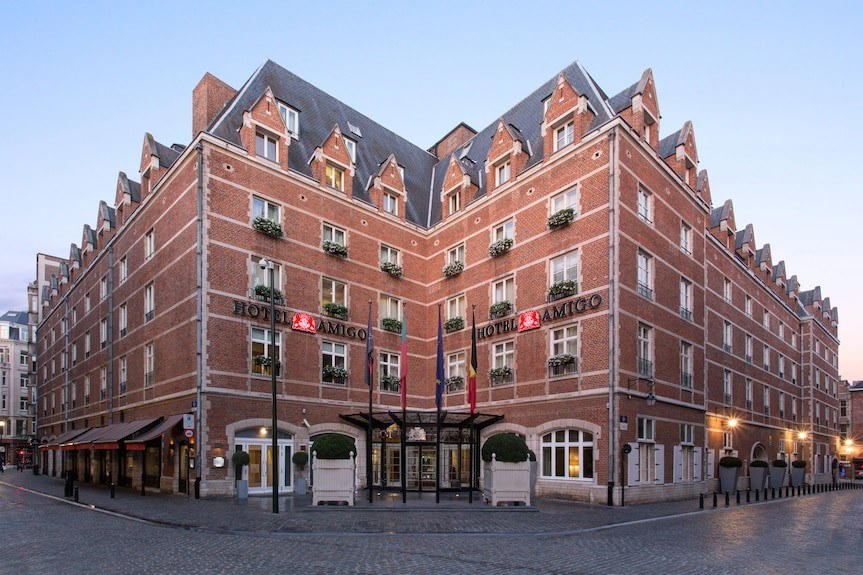
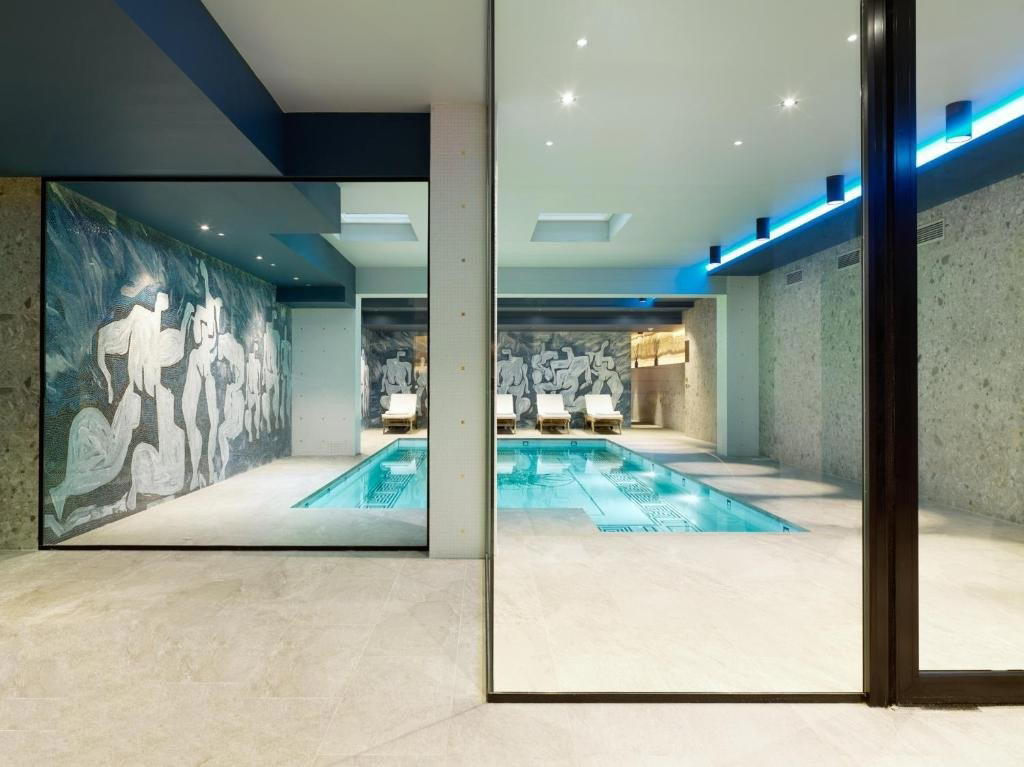
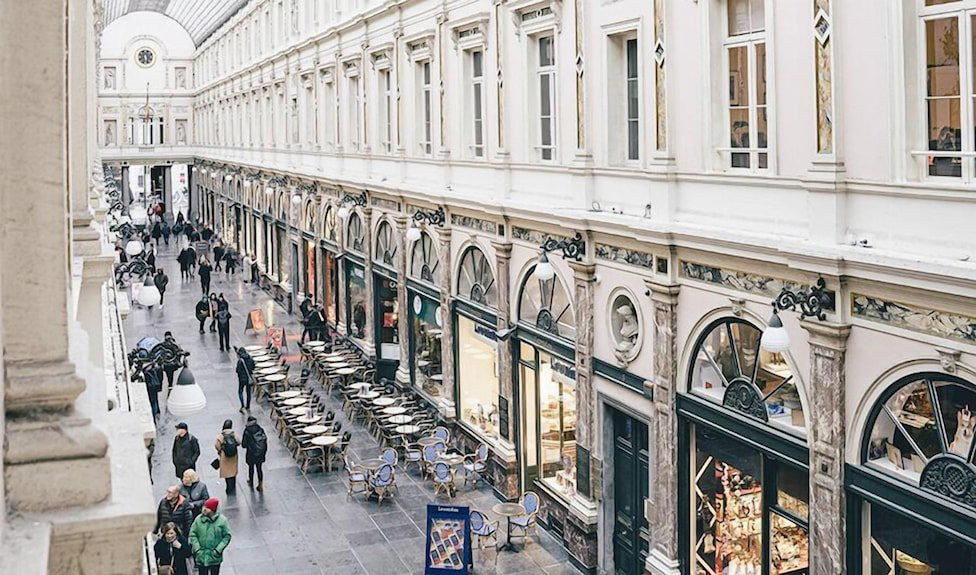
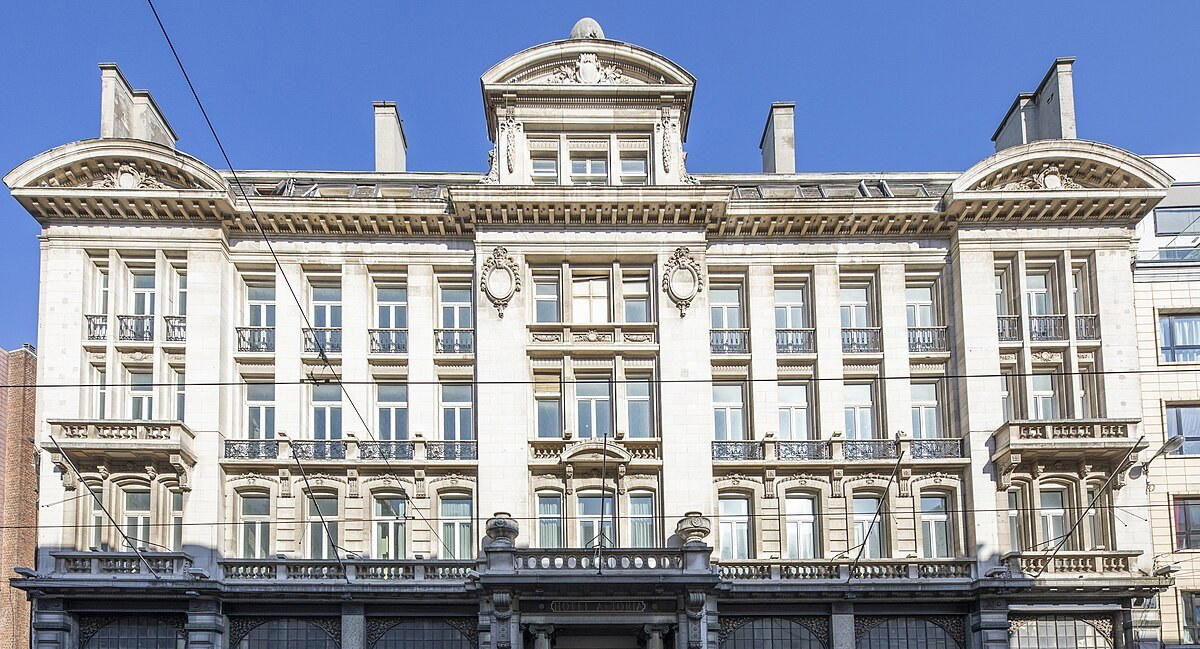
Hotels in Dilbeek
Browse all →
Wineries in Dilbeek
Browse all →
Details
- Classic
- Cozy
- Casual Hangout
- Celebration
- Open Kitchen
- A La Carte
Cozy retail shop atmosphere with a view of the working chocolate factory through glass, offering an intimate artisanal experience.