El Gusto Iberico brings Iberian culinary traditions to Oudesmidsestraat in Dilbeek, a quiet Flemish commune west of Brussels where Spanish-inflected cooking occupies a distinct niche among the area's neighbourhood restaurants. The name signals a specific regional allegiance, the flavours and producers of the Iberian Peninsula, rather than a generic Mediterranean sweep.
Pearl is the En Primeur Club membership app — saves, bookings, and concierge access live there. Same editors, same standards.
- Address
- Oudesmidsestraat 39, 1700 Dilbeek, Belgium
- Phone
- +3224453344
- Website
- elgustoiberico.be
- Directions
- Get directions
 Saves & bookings on Pearl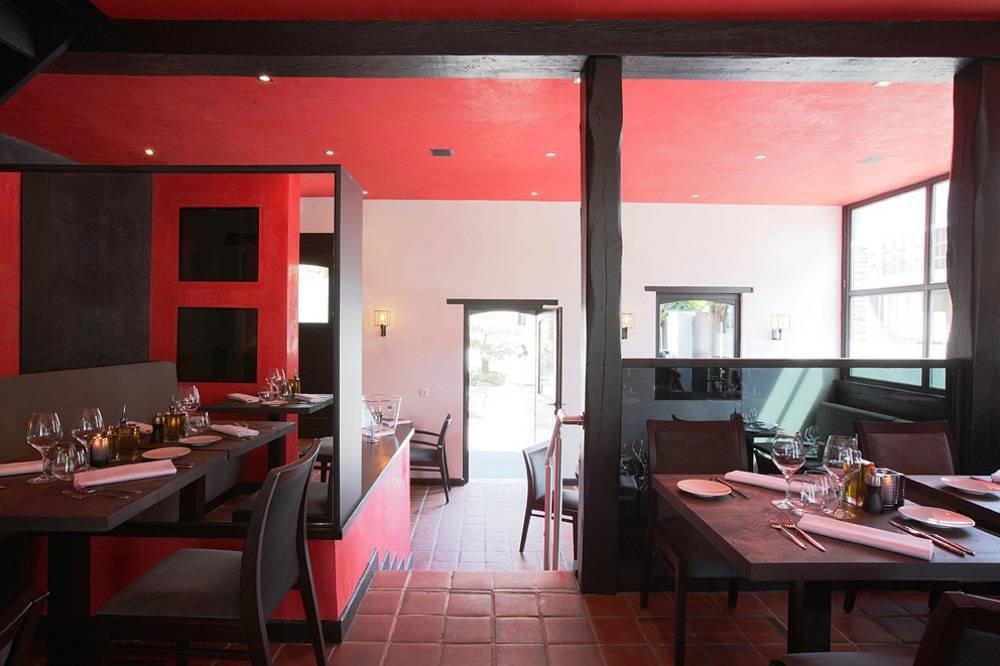
Iberian Cooking in the Flemish Periphery
Dilbeek sits at the western edge of the Brussels metropolitan area, close enough to the capital to draw a sophisticated dining public but far enough that its restaurant scene has developed its own character. The commune's eating culture runs toward neighbourhood institutions rather than destination restaurants, which makes the presence of a dedicated Iberian address on Oudesmidsestraat worth examining. Spanish and Portuguese cooking has carved out a durable niche across Belgium, partly because the Iberian Peninsula's ingredient culture, jamón, pimentón, aged cheeses, olive oil from specific denominaciones, translates well to a northern European public with an appetite for cured and preserved flavours. El Gusto Iberico operates within that tradition, bringing a focused regional identity to a dining strip where French-influenced Belgian cooking tends to set the tone. The restaurant serves authentic Spanish tapas and paella at a price point of about $35 per person.
For context on what surrounds it locally, Dilbeek's restaurant community includes Agnes, De Copain, Michel, and the specialist confectionery of Van Dender Chocolates. Each occupies a distinct lane. An Iberian-focused kitchen sits apart from that group by definition of cuisine, and that separation matters to how a diner should approach the visit. See our full Dilbeek restaurants guide for a broader map of the area.
What Iberian Cooking Actually Means at This Latitude
Iberian cuisine, in its serious expressions, is built on a handful of commitments: the quality of the primary ingredient, the discipline of curing and fermentation traditions, and a relative restraint with sauce and technique that lets those ingredients carry the dish. Jamón ibérico de bellota, acorn-fed, long-aged, with a fat profile that behaves differently from any other cured meat, is the clearest example of how geography, breed, and time combine in Iberian food culture. When a restaurant in Belgium plants a flag around that tradition, the first question is always about sourcing. The Iberian Peninsula's controlled designations (Dehesa de Extremadura, Guijuelo, Jamón de Huelva, Los Pedroches) carry strict production rules, and the difference between a correctly sourced product and a generic Spanish ham is immediately legible on the plate.
Belgium already has a literate audience for these distinctions. Brussels in particular has a well-developed Spanish restaurant culture, with addresses ranging from casual tapas bars to more formal Castilian-focused dining rooms. The outer communes, Dilbeek included, tend toward the neighbourhood end of that spectrum, where the emphasis falls on consistent, accessible versions of the tradition rather than on maximum technical ambition. That positioning is not a criticism, it reflects a different function in the dining ecosystem, closer to the role that a reliable local bistro plays in French culinary culture.
The Broader Belgian Context
Belgium's restaurant culture at its most ambitious operates at a different register entirely. The country holds a concentration of Michelin-starred kitchens that is striking relative to its size: Hof van Cleve in Kruishoutem, Boury in Roeselare, Zilte in Antwerp, and Willem Hiele in Oudenburg represent the kind of destination dining that pulls visitors from across Europe. Closer to Brussels, Bozar Restaurant and Le Chalet de la Forêt in Uccle anchor the capital's upper tier. Further afield, addresses like Vrijmoed in Gent, La Durée in Izegem, d'Eugénie à Emilie in Baudour, and Ralf Berendsen in Neerharen demonstrate how deeply the country's serious dining culture extends beyond its urban centres. Cuchara in Lommel offers an interesting parallel case for Spanish-influenced cooking in a Flemish provincial setting.
El Gusto Iberico belongs to the neighbourhood dining stratum where what matters is whether the kitchen handles its chosen tradition with integrity and whether the room offers a genuinely local eating experience.
Planning a Visit
El Gusto Iberico is located at Oudesmidsestraat 39, 1700 Dilbeek. Dilbeek is accessible by car from Brussels in under twenty minutes; public transport options connect to the centre of Brussels, though the specific address on Oudesmidsestraat is most practically reached by car or taxi from the city. As an Iberian-focused neighbourhood address, it fits naturally into a broader Dilbeek evening that might begin elsewhere in the commune and end here, or a day that includes a Brussels visit followed by a drive west to eat locally. Reservations are recommended, especially for weekend evenings.
Price Lens
Comparable venues nearby, for context on price, style, and recognition.
| Venue | Cuisine | Price | Awards | Notes |
|---|---|---|---|---|
| El Gusto IbericoThis venue — the venue you are viewing | Not listed | $$ | Not listed | Not listed |
| Van Dender Chocolates | Not listed | $$ | Not listed | Groot Bijgaarden, Bean-to-Bar Belgian Chocolates |
| Michel | Not listed | $$$$ | Not listed | Groot-Bijgaarden, French-Belgian Fine Dining |
| Agnes | Not listed | $$$ | Not listed | Sint-Martens-Bodegem, Modern French Sharing |
| De Copain | Dilbeek, Modern French Bistro | $$ | Michelin Plate | Not listed |
| La Cueva de Castilla | Not listed | $$ | Not listed | Schaerbeek, Authentic Spanish Tapas & Paella |

At a Glance
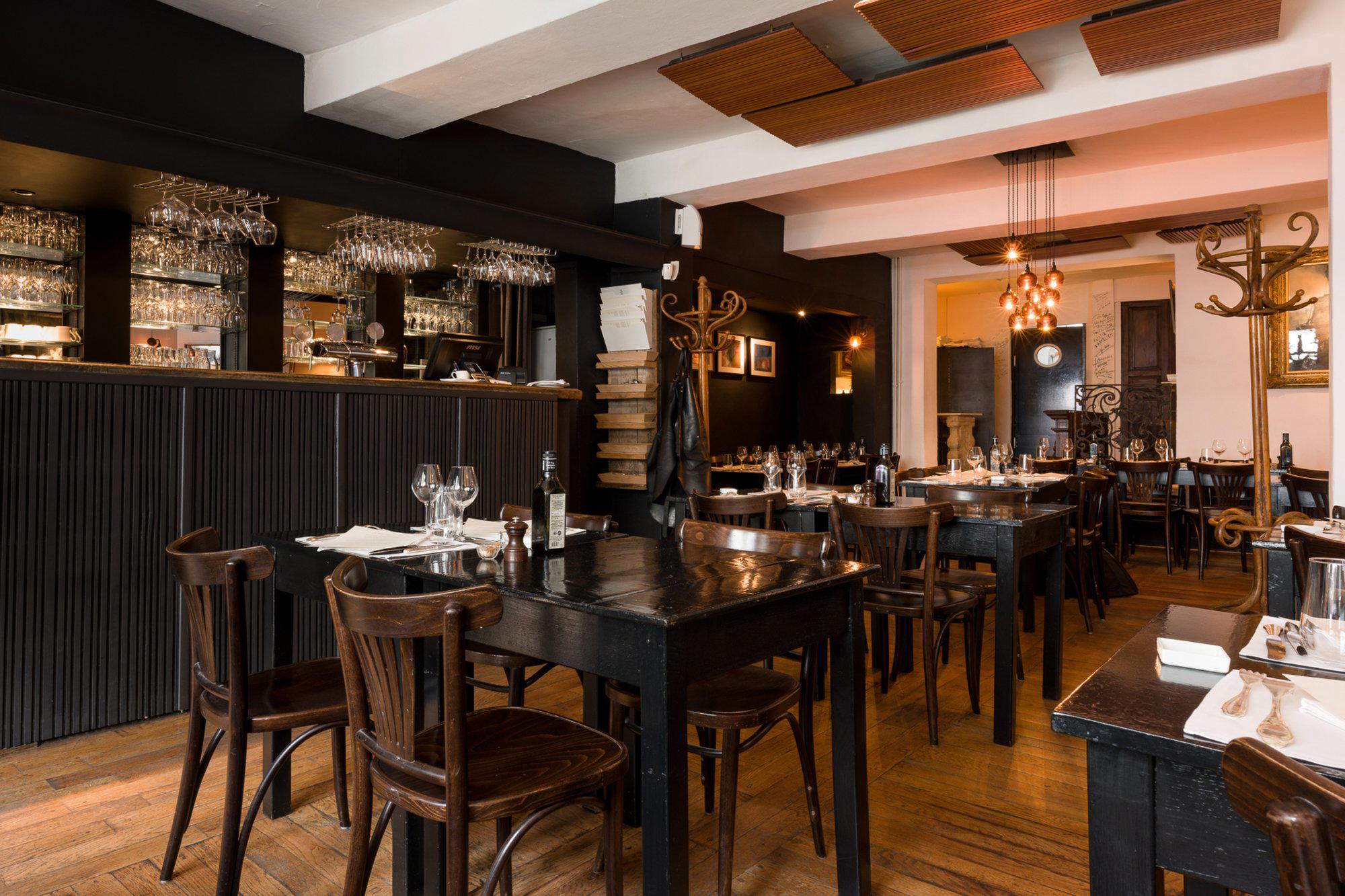
- Cozy
- Rustic
- Date Night
- Family
- Group Dining
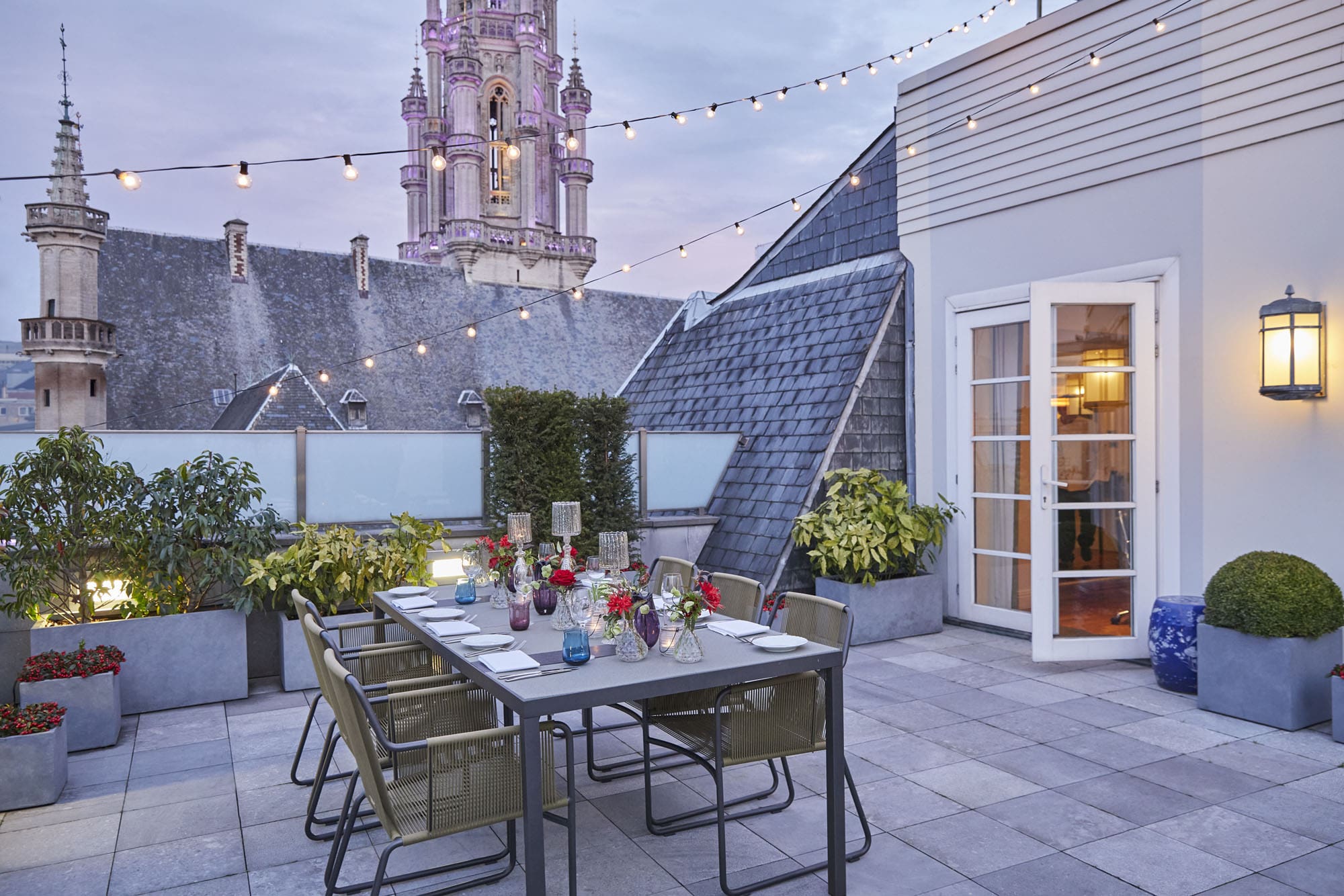
- Terrace
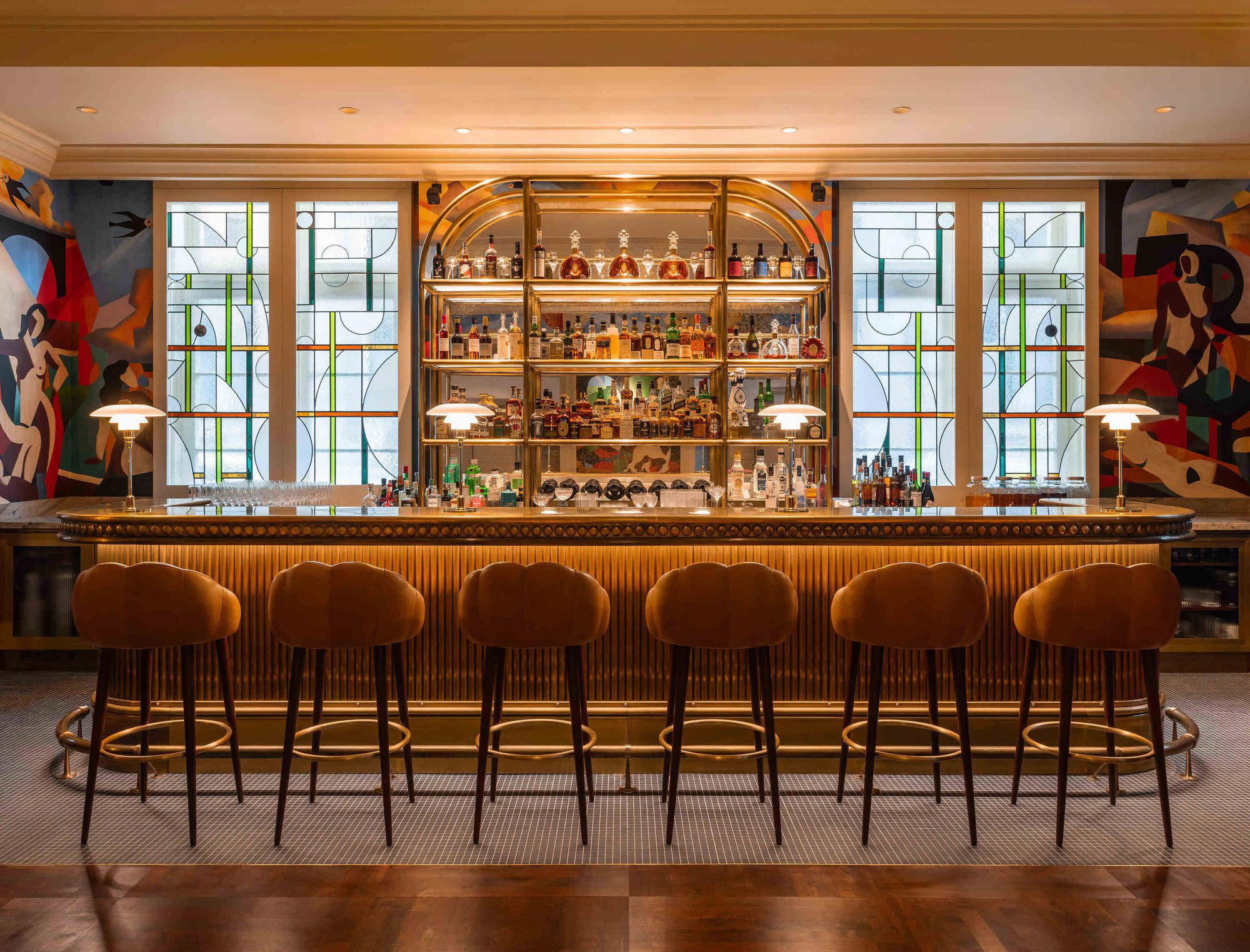
- Extensive Wine List
Current opening hours
- Monday
- Closed
- Tuesday
- Closed
- Wednesday
- 6:30–10 PM
- Thursday
- 6:30–10 PM
- Friday
- 6:30–10 PM
- Saturday
- 6:30–10 PM
- Sunday
- 12:30–2 PM
Hours can change for holidays and private events. Last verified .
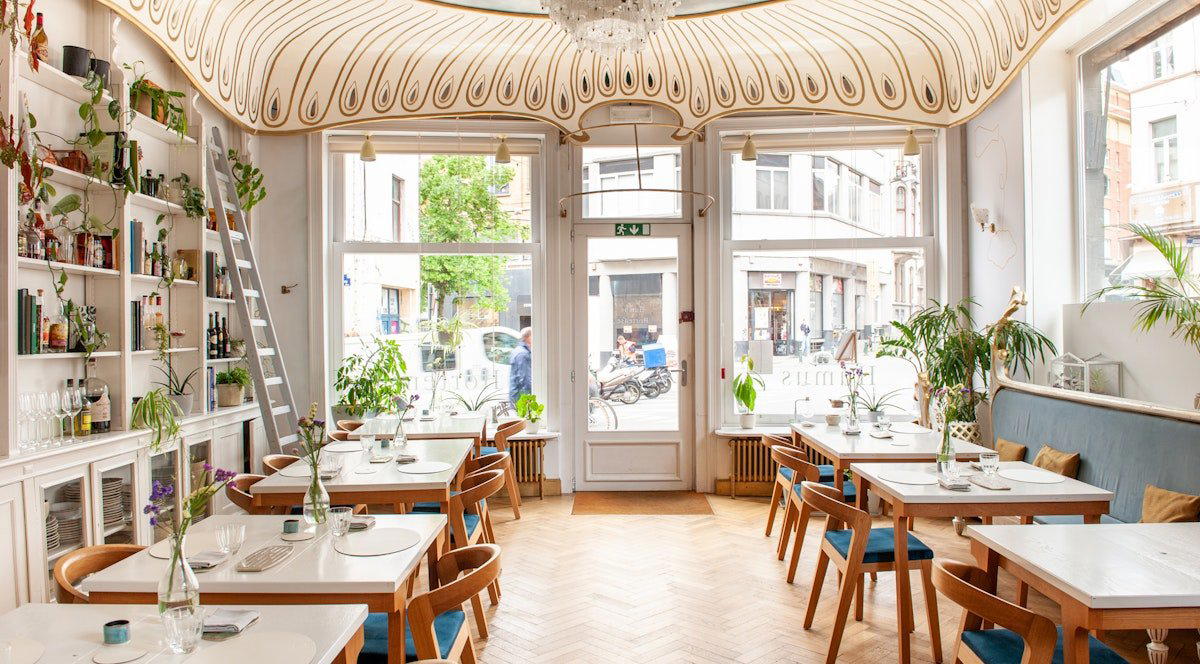
Welcoming and warm atmosphere with terrace seating and attentive service.