
Michelin Plate
Our verdict
A two-man operation in the heart of Dilbeek, De Copain runs on produce-first instincts and genuine hospitality. Michael and Niels source from local market gardeners and the North Sea, turning that raw material into cooking that is complex in thought but unforced on the plate. Add a considered wine list, a garden patio, and service that actually pays attention, and you have one of the more compelling neighbourhood tables in the Brussels periphery.

Pearl is the En Primeur Club membership app — saves, bookings, and concierge access live there. Same editors, same standards.
- Address
- Verheydenstraat 18
- Phone
- +32 479 02 25 73
- Hours
- Mon–Tue ClosedWed 12–2 PM, 6:30–9:30 PMThu 12–2:30 PM, 6:30–10 PMFri 12–2 PM, 6:30–9:30 PMSat 6:30–9:30 PMSun Closed
- Website
- restaurant-decopain.be
- Directions
- Get directions
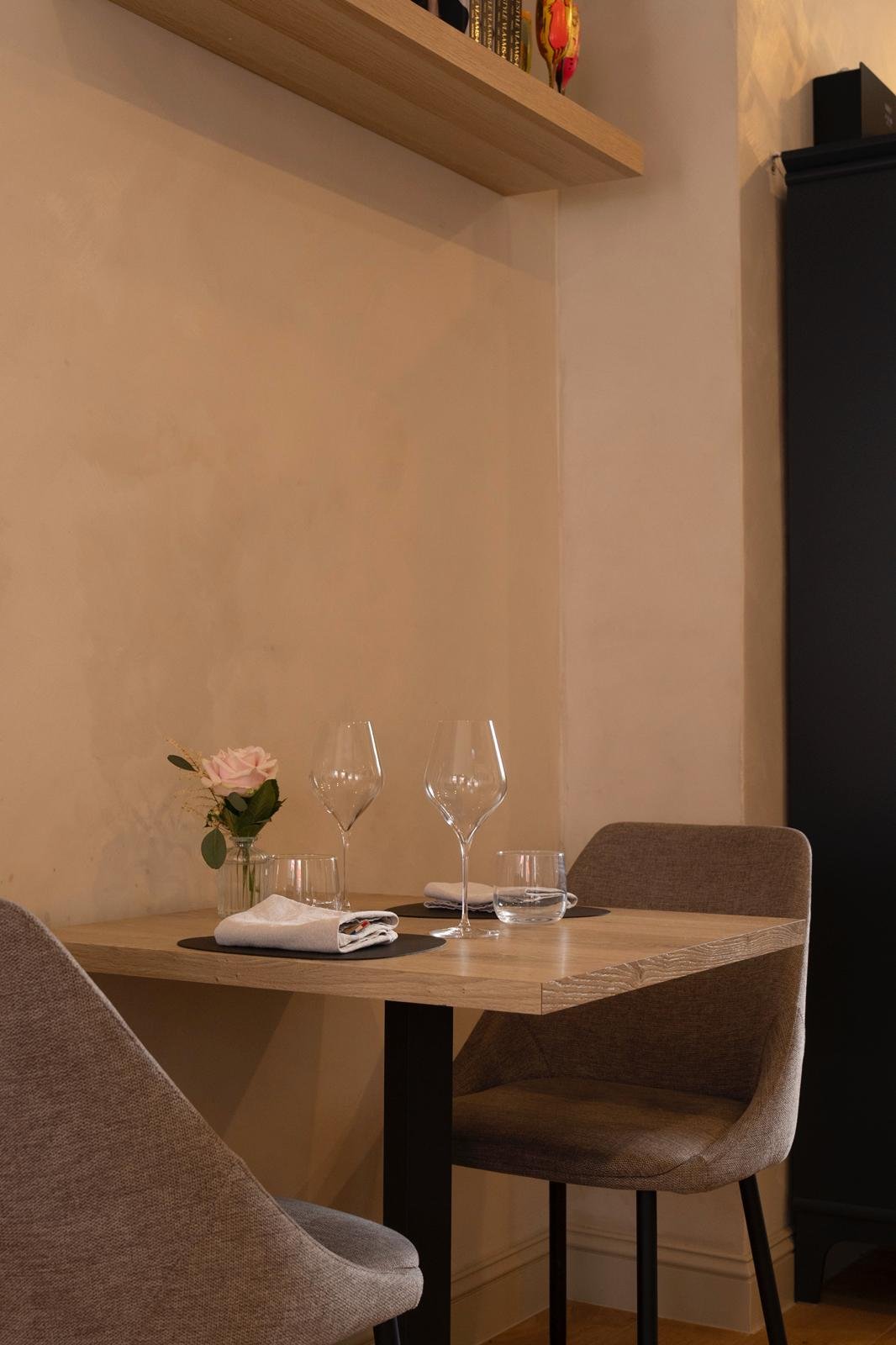
A Garden Table on the Flemish Fringe of Brussels
Verheydenstraat is not the kind of street that appears in Brussels dining roundups. Dilbeek sits just west of the capital's ring road, municipal rather than metropolitan, the sort of address where a restaurant succeeds on reputation alone because there is no passing foot traffic to subsidise a slow week. That geographical reality shapes what De Copain has to be: a place people drive to deliberately, for cooking that earns the detour. The garden patio at the back of the building shifts the register further still — this is a meal that can unspool over an afternoon or a long summer evening, not a hurried city-centre booking with a two-hour turnaround.
That kind of neighbourhood positioning has precedent across Belgium. The country's most serious cooking often happens at a remove from city centres, in villages and small towns where overheads are lower and the kitchen can invest in ingredients rather than location premium. Hof van Cleve - Floris Van Der Veken in Kruishoutem and De Jonkman in Sint-Kruis are both outside major urban centres and carry serious critical standing. De Copain operates at a different scale, but the underlying logic is the same: proximity to producers, a local audience that returns regularly, and cooking driven by what is available rather than what a menu promised three months ago.
Two People, No Brigade
The format at De Copain is deliberately lean. Michael and Niels run the operation themselves, handling both the kitchen and the floor. In practical terms, this means the menu is calibrated to what two people can execute with precision — not a limitation but an editorial decision about scope. Belgium has a cohort of small-team restaurants where the constraints of staffing become the defining feature of the cooking style: focused, seasonal, produce-led, and direct. The two-person format also removes the layering of hands between produce and plate that larger brigade kitchens inevitably introduce.
This operating model places De Copain in a different competitive set from the high-investment creative tasting-menu circuit represented by, say, Boury in Roeselare or Zilte in Antwerp. It is closer in spirit to the kind of serious neighbourhood table that France and Belgium have always produced quietly: a place with a proprietorial relationship to its suppliers, a menu that shifts with the market, and cooking that communicates through restraint rather than spectacle. For a reference point further afield, the produce-first ethos also echoes what Willem Hiele in Oudenburg does with coastal ingredients, though the context and register differ considerably.
Where the Food Comes From
The sourcing at De Copain is specific and local in both directions: vegetables come from market gardeners in the region, fish arrives fresh from the North Sea. That dual axis, agricultural hinterland and coastal supply, is something Belgium's geography makes possible in a way few countries can match. The country sits within reach of both rich Flemish farmland and a short but productive stretch of North Sea coastline, and the leading Belgian kitchens have always known how to work both.
What distinguishes the approach here is that sourcing is not used as marketing shorthand. The produce-centric orientation shows up directly in technique: whole animals cooked in ways that use the full ingredient, fermentation applied to deepen flavour rather than signal trend, textures introduced to illuminate a vegetable or a piece of fish rather than distract from it. The example on record, duck cooked whole, served rare, with a sauce built for gutsy contrast and a cream of red beetroot and raspberries, illustrates the cooking logic clearly. The beetroot-raspberry combination is not decorative; it works with the acidity and earthiness that duck fat and rare meat require. That is produce-led cooking in its most honest form: the ingredient determines the structure of the dish, not the other way around.
Fermented flavours appear with regularity, and the kitchen uses surprising textures as compositional elements rather than garnish. This is technically considered work for a two-person operation, and it signals a kitchen that has thought carefully about what it wants to say with a relatively simple material brief.
The Wine List and the Service
A serious ingredient philosophy without a matching wine list is a common mismatch in this tier of restaurant. De Copain's list is described as enticing, which in context suggests it leans toward producers whose approach mirrors the kitchen's: growers working with minimal intervention, wines that carry terroir rather than manufacture. Belgium's wine culture has grown considerably over the past decade, but the country also draws on the full Loire, Burgundy, and natural wine circuits that supply serious small restaurants across northern Europe.
Service is described as on-the-ball, which in a two-person operation means one of the proprietors is on the floor at any given point. This creates a particular dynamic: the person serving the food is also the person who chose the ingredients and, likely, helped cook them. That compressed chain of custody between kitchen and table is something larger restaurants cannot replicate regardless of training.
How De Copain Sits in the Belgian Dining Picture
Belgium's restaurant culture tends to be assessed through its flagship addresses: Bozar Restaurant in Brussels, the high-end creative tables in the provinces, and the legacy fine-dining houses that anchor the country's critical reputation. But a significant portion of the country's most interesting cooking happens at smaller, less-documented addresses in secondary towns and rural municipalities. Castor in Beveren, Cuchara in Lommel, and d'Eugénie à Emilie in Baudour all operate outside the major urban centres and represent the same structural logic: serious cooking at addresses that require a specific decision to visit.
De Copain fits that cohort. Dilbeek is close enough to Brussels that the restaurant functions as a destination for city residents willing to cross the ring road, but sufficiently removed that it draws a local following rather than relying on tourist or business-travel traffic. That dual audience tends to produce restaurants with a particular character: technically serious but not performatively so, warm rather than formal, and built around return visits as much as first impressions. For context on what a similar ingredient-forward sensibility looks like at higher scale internationally, the produce-and-sourcing philosophy that Bartholomeus in Heist applies to North Sea ingredients offers a useful reference point, albeit in a very different setting.
Planning a Visit
De Copain is at Verheydenstraat 18 in Dilbeek, reachable by car from central Brussels in under twenty minutes outside peak hours. The garden patio makes the restaurant a more compelling proposition in the warmer months, though the interior operates year-round. Given that Michael and Niels run the full operation between two people, booking ahead is advisable: capacity is inherently limited and the restaurant's reputation means tables are not routinely available on short notice. For a broader picture of what Dilbeek offers across dining, accommodation, and leisure, see our full Dilbeek restaurants guide, our full Dilbeek hotels guide, our full Dilbeek bars guide, our full Dilbeek wineries guide, and our full Dilbeek experiences guide. For a nearby alternative with a different register, Michel operates in the same municipality.
Frequently asked questions
Is De Copain a family-friendly restaurant?
The garden patio at Verheydenstraat 18 and the hospitable neighbourhood setting make De Copain more relaxed than a formal tasting-menu address. That said, the kitchen takes produce and technique seriously, so it suits families who are comfortable in a genuine cooking environment rather than a casual eatery.
What should I expect atmosphere-wise at De Copain?
De Copain occupies a neighbourhood house in Dilbeek with a garden patio that draws most of the warm-weather trade. Michael and Niels handle both the kitchen and the floor themselves, which keeps the tone personal and direct rather than formally orchestrated.
What awards or recognition does De Copain have?
De Copain has received recognition including: Two mates, Michael and Niels, welcome guests to their aptly named joint in the heart of Dilbeek complete with a lovely garden patio. The pair, who does everything themselves, shares a devouring passion for produce-centric cooking. They cher….
What should I order at De Copain?
The menu follows available produce, so no dish is fixed. The kitchen's documented approach runs toward whole-animal preparation — duck cooked whole, served rare with a gutsy sauce alongside red beetroot and raspberry cream — alongside fermented flavours and produce sourced from local market gardeners and the North Sea.
Fast Comparison
Comparable venues nearby, for context on price, style, and recognition.
| Venue | Cuisine | Price | Awards | Notes |
|---|---|---|---|---|
| De CopainThis venue — the venue you are viewing | Modern French Bistro | Not listed | Michelin Plate | Not listed |
| Van Dender Chocolates | Bean-to-Bar Belgian Chocolates | $10–20 | Not listed | Groot Bijgaarden |
| Agnes | Modern French Sharing | $50–100 | 1 Michelin Star | Sint-Martens-Bodegem |
| Michel | French-Belgian Fine Dining | Not listed | We're Smart World 1 Radish | Groot-Bijgaarden |
| El Gusto Iberico | Authentic Spanish Tapas & Paella | $30–50 | Not listed | Dilbeek |
| Mamy Louise | Franco-Belgian Brasserie with Italian Influences | $30–50 | Michelin Plate | Wavre |
Recognition history
Dated appearances from independent guides and award organizations, with the underlying list record or original source where available.
Michelin Plate
Michelin
Continue exploring
More in Dilbeek
Restaurants in Dilbeek
Browse all →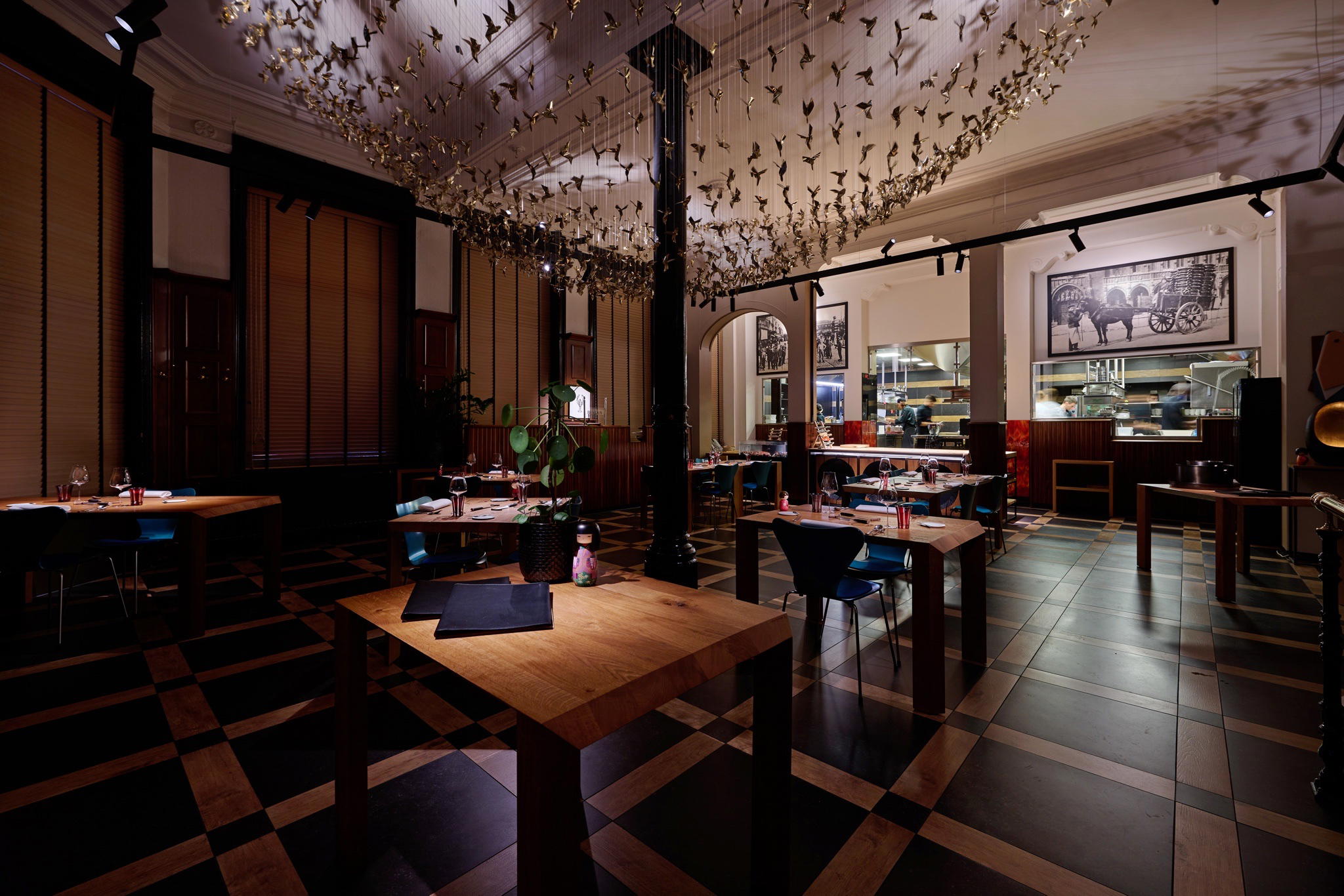
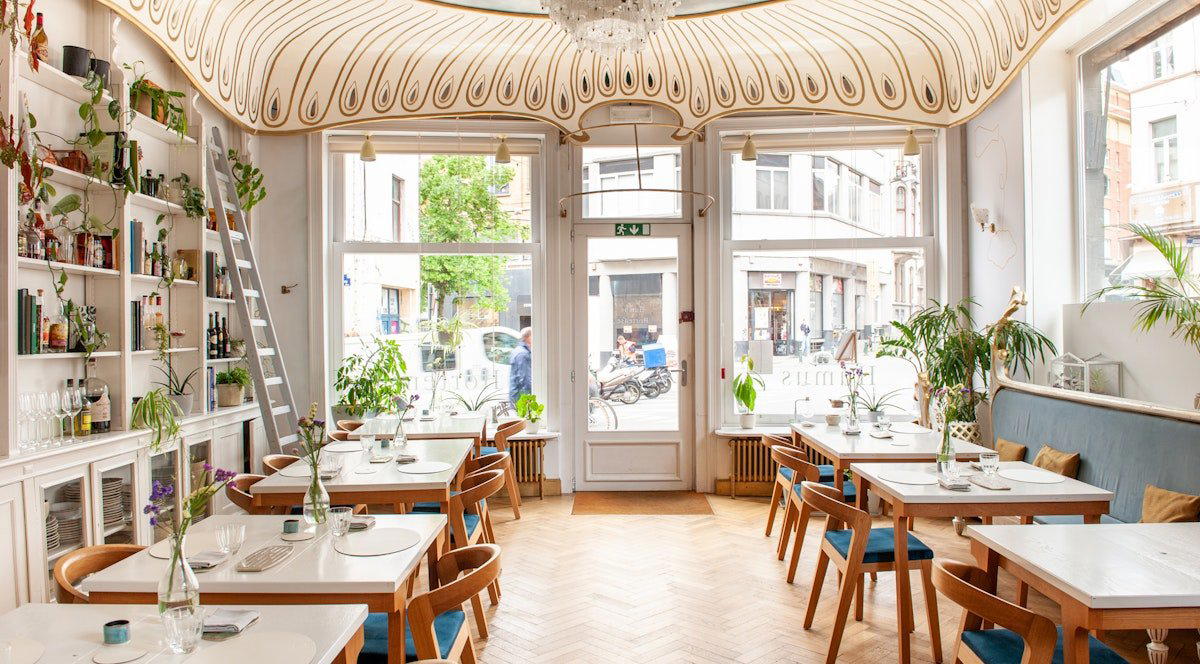
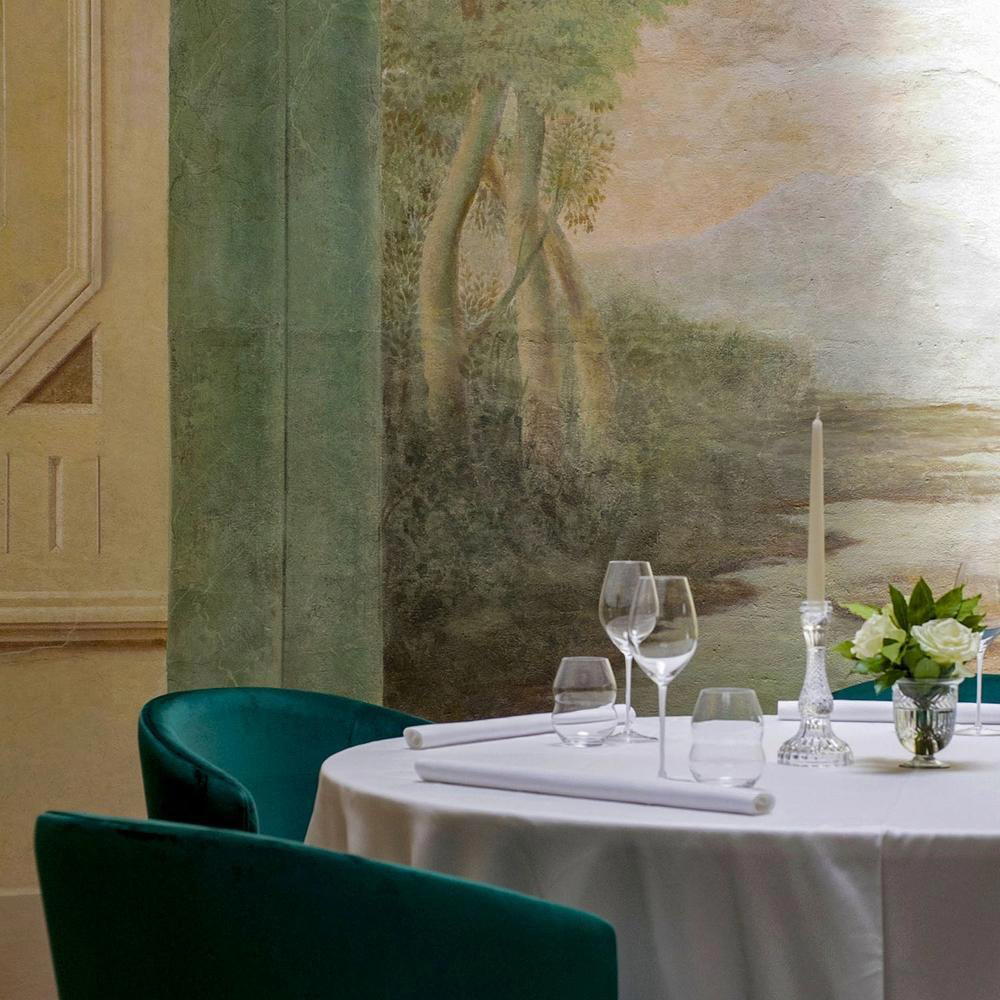
Bars in Dilbeek
Browse all →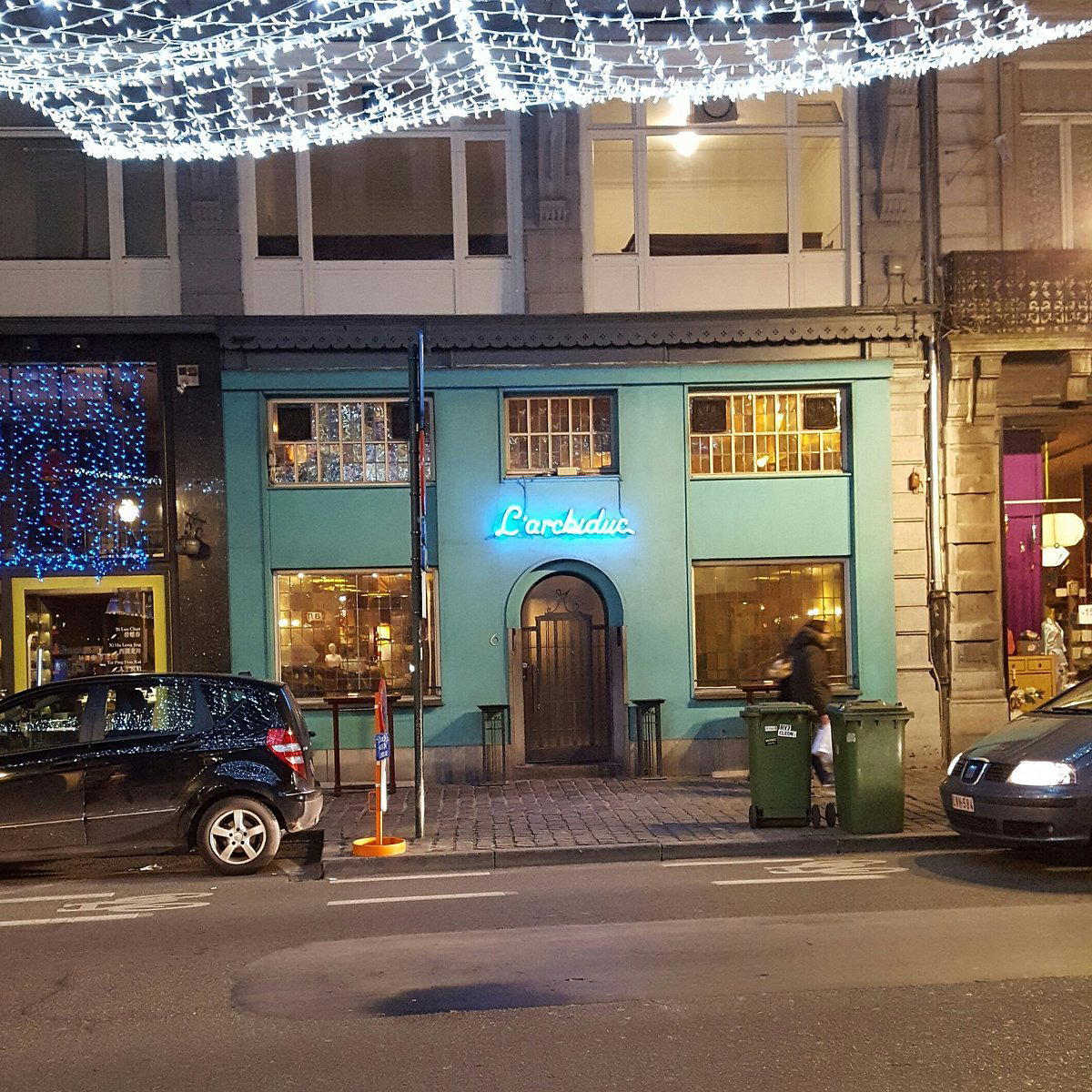
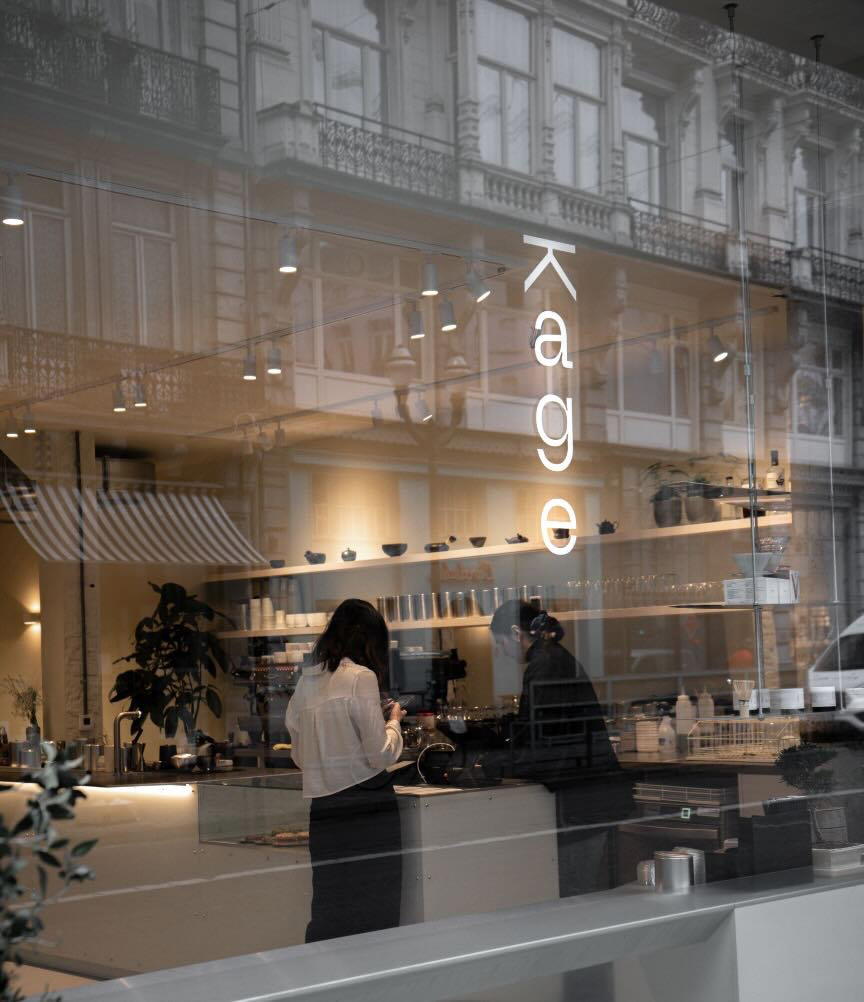
Hotels in Dilbeek
Browse all →
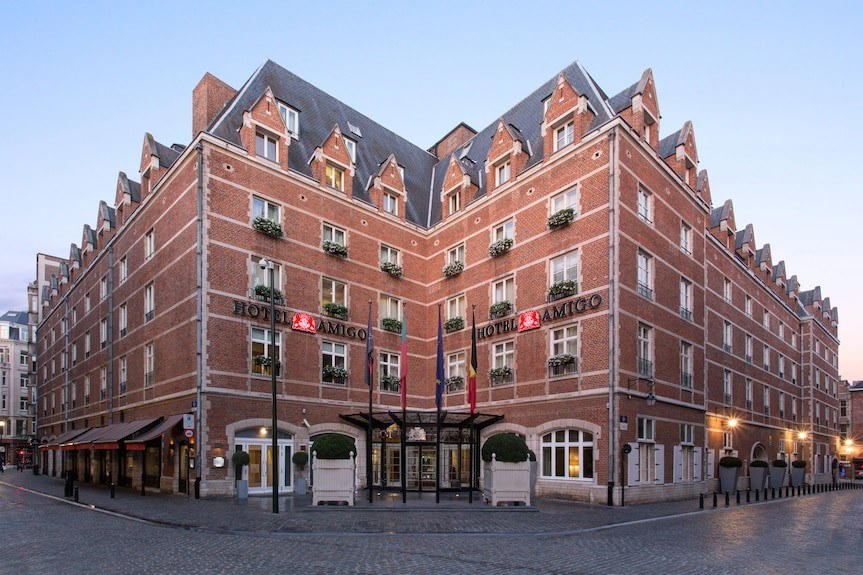
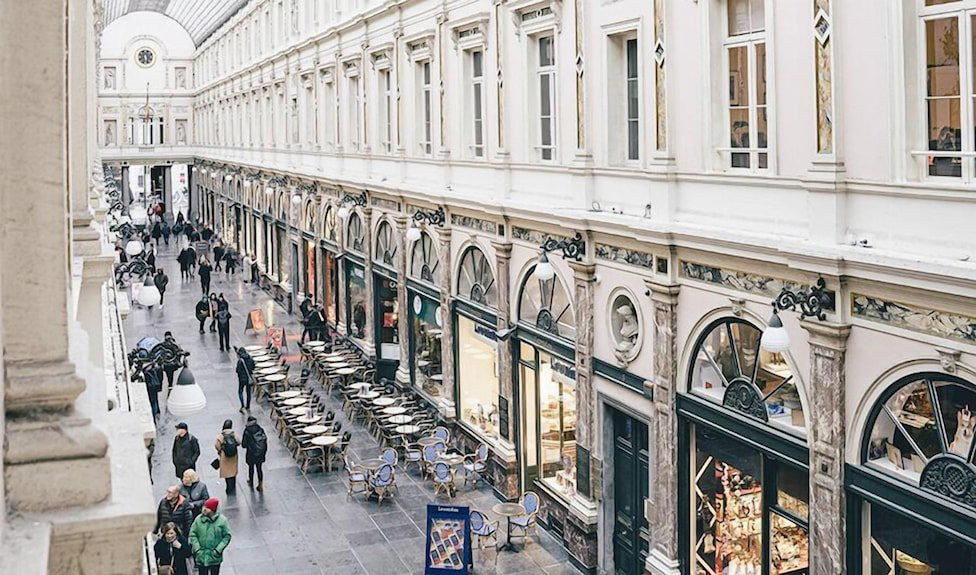
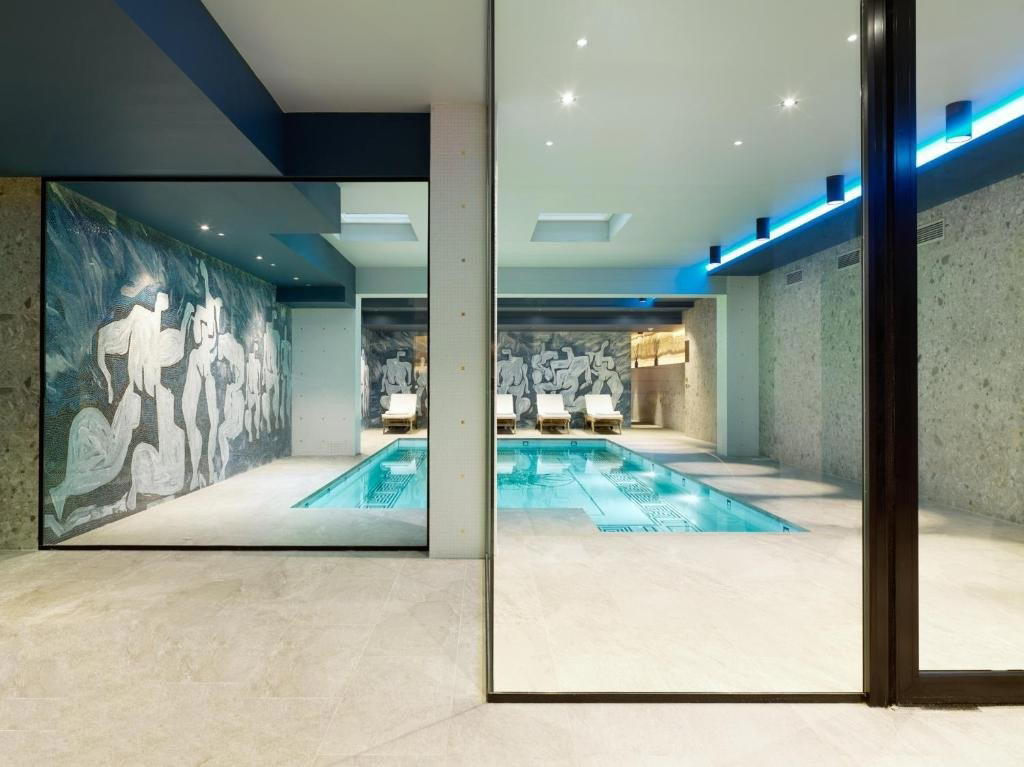
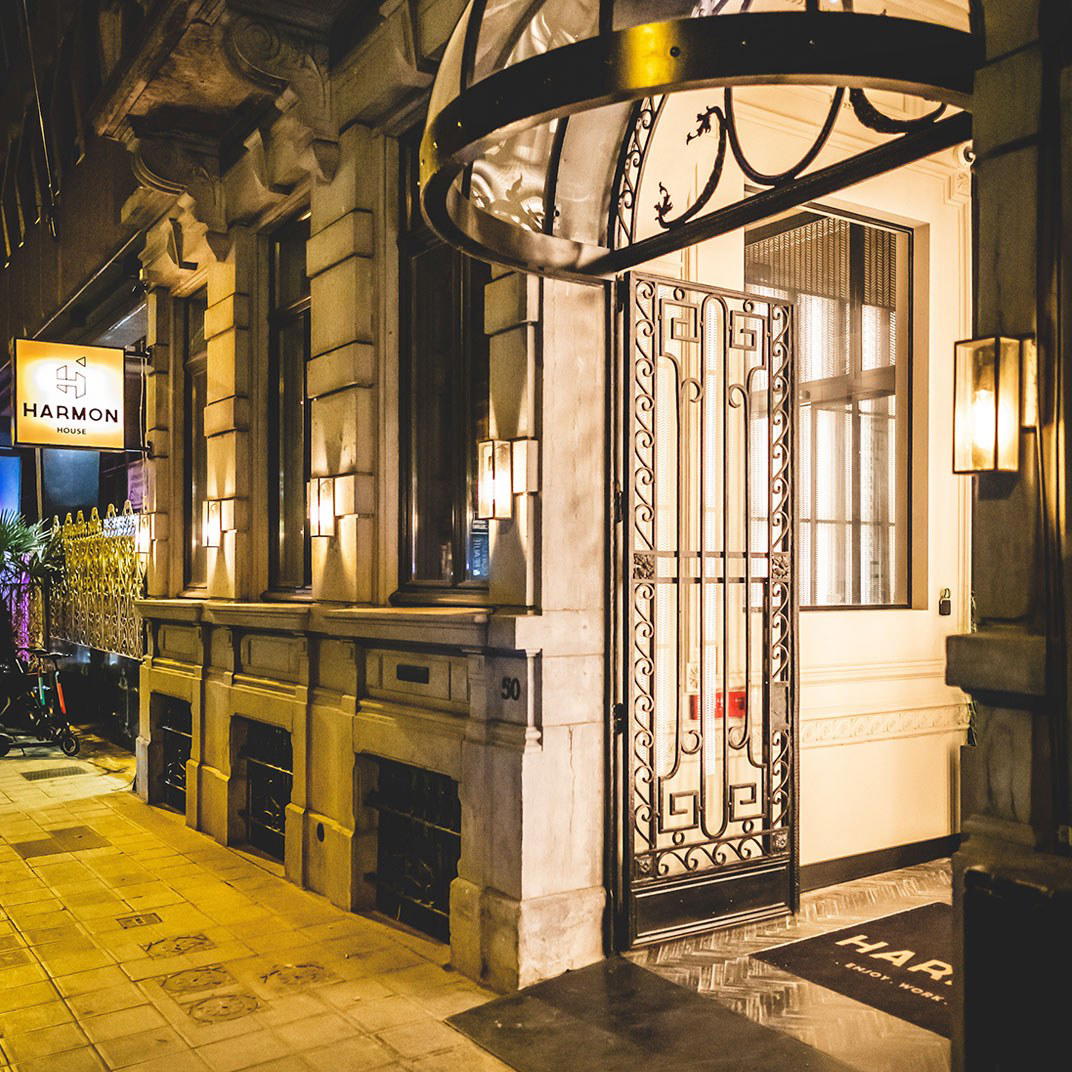
Wineries in Dilbeek
Browse all →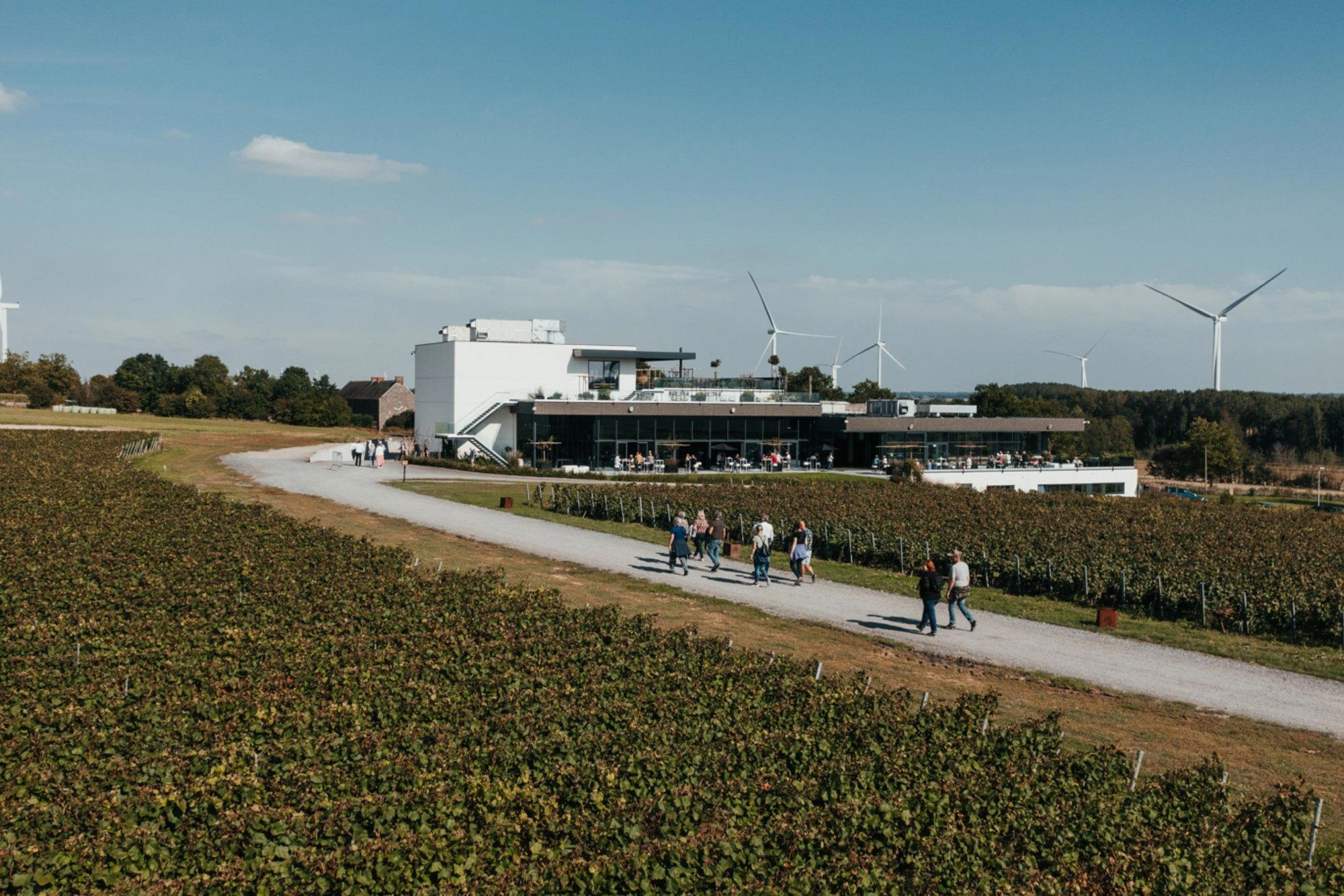
Details
- Cozy
- Elegant
- Intimate
- Special Occasion
- Date Night
- Open Kitchen
- Garden
- Terrace
- Local Sourcing
- Garden
- Set Menu
Current opening hours
- Monday
- Closed
- Tuesday
- Closed
- Wednesday
- 12–2 PM, 6:30–9:30 PM
- Thursday
- 12–2:30 PM, 6:30–10 PM
- Friday
- 12–2 PM, 6:30–9:30 PM
- Saturday
- 6:30–9:30 PM
- Sunday
- Closed
Hours can change for holidays and private events. Last verified .
Warm and welcoming atmosphere in a cozy townhouse with lovely garden patio.