
We're Smart World 1 Radish
Our verdict
Restaurant Michel in Groot-Bijgaarden occupies a particular position in the Flemish dining tradition: a house where generational continuity shapes the kitchen as much as any single creative vision. Robert Van Landeghem's presence grounds the cooking in established practice while a younger generation introduces incremental change, including a growing emphasis on vegetables. Located at Alfons Gossetlaan 31 in Dilbeek, it rewards repeat visits as that evolution unfolds.
- Address
- Alfons Gossetlaan 31, 1702 Dilbeek, Belgium
- Website
- restaurant-michel.be
- Directions
- Get directions
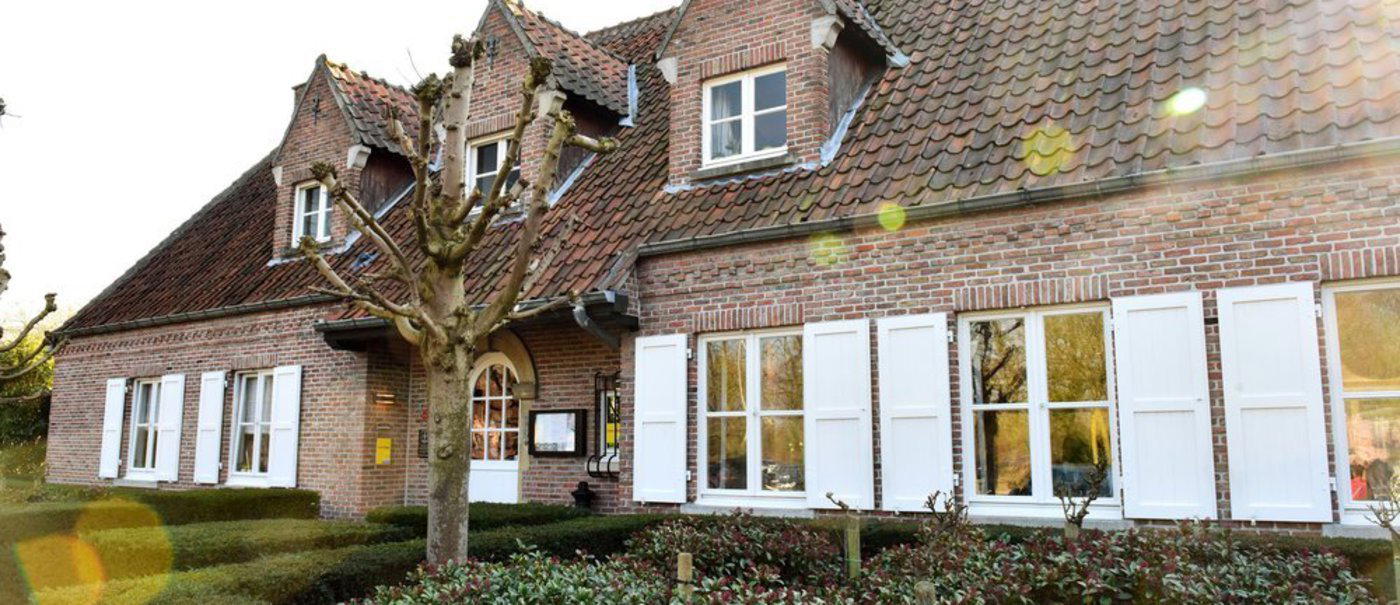
Continuity and Change in the Flemish Kitchen
Belgium's relationship with restaurant dining is not one of fashion cycles and rebrands. In Flanders especially, the most durable dining rooms tend to be houses where a culinary identity accumulates across years, sometimes across generations. The kitchen at Michel in Groot-Bijgaarden, Dilbeek, fits that pattern: quality assurance has been a consistent signal here, and the current moment is one of considered transition rather than rupture. Robert Van Landeghem, who represents what observers describe as the soul of the kitchen, shares the stoves with a younger generation that is gradually assuming greater responsibility. What emerges is a layered cooking culture where accumulated technique and fresh instinct occupy the same space.
This kind of intergenerational transfer is not unique to Michel, but it is relatively rare in practice. Many Belgian restaurants either hold their established register intact as chefs age, or hand over abruptly when leadership changes. The model here, where the founding voice remains present as the next generation finds its footing, produces a different dynamic in the dining room. The cooking carries both the confidence of long practice and the small hesitations and experiments that signal genuine evolution rather than a facsimile of what came before.
The Flemish Table and Its Traditions
To understand what Michel represents in Dilbeek, it helps to situate it within the broader Flemish culinary tradition. Flemish cooking draws on a larder shaped by the North Sea, the Brabant farmland, and centuries of trade through Ghent, Bruges, and Brussels. The results are rarely minimalist: depth of flavour, careful sourcing of regional produce, and a preference for cooking that rewards attention over spectacle have defined the better Flemish kitchens for generations.
Dilbeek sits in Flemish Brabant, directly west of Brussels, and benefits from proximity to the capital's dining culture without being absorbed by it. Restaurants in this corridor have historically served a clientele that values consistency over novelty, and the better houses here tend to occupy a register that prioritises the quality of the ingredient and the integrity of the preparation over the drama of the presentation. Michel's sustained quality signals place it within that tradition.
The current directional note from those who track the kitchen is that vegetables may take on a more prominent role going forward. This is consistent with a wider shift across Flemish fine dining, where chefs trained in classical French-Belgian technique are increasingly applying that rigour to plant-based cookery rather than simply relegating vegetables to a supporting role. At restaurants like Boury in Roeselare and Castor in Beveren, the vegetable course has become a marker of technical ambition rather than a concession to dietary preference. If Michel follows a similar trajectory under its younger cooks, that evolution will be worth tracking.
Belgian fine dining at this level operates in a competitive tier that includes houses with national and international recognition. Hof van Cleve in Kruishoutem and Zilte in Antwerp sit at the very leading of that hierarchy in terms of formal recognition, while De Jonkman in Sint-Kruis and Cuchara in Lommel represent the creative edge of the modern Flemish register. Michel's position is defined less by creative provocation and more by the accumulated authority of a kitchen with a long record and a known identity. That is a different kind of appeal, and for many diners it is the more durable one.
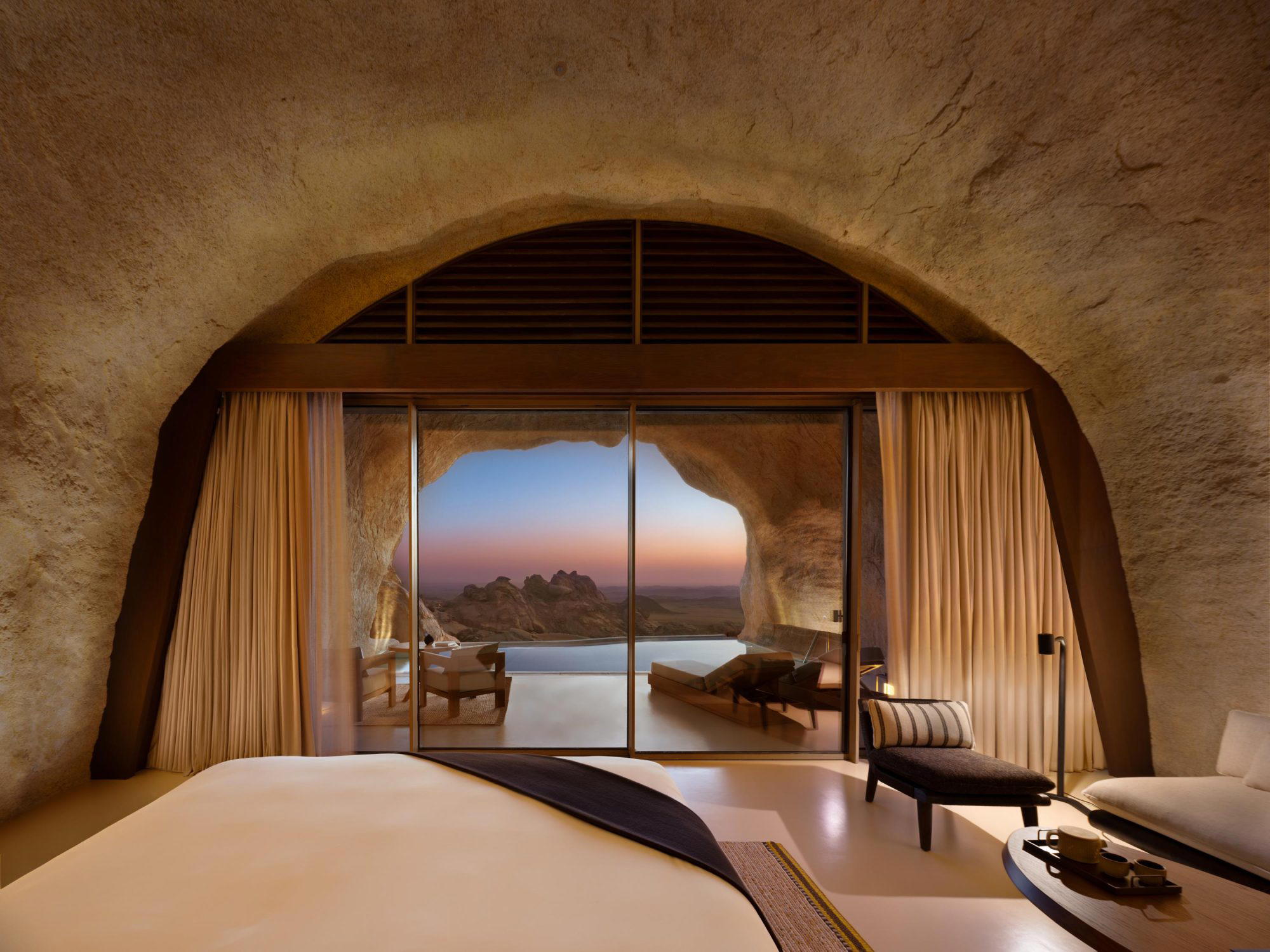
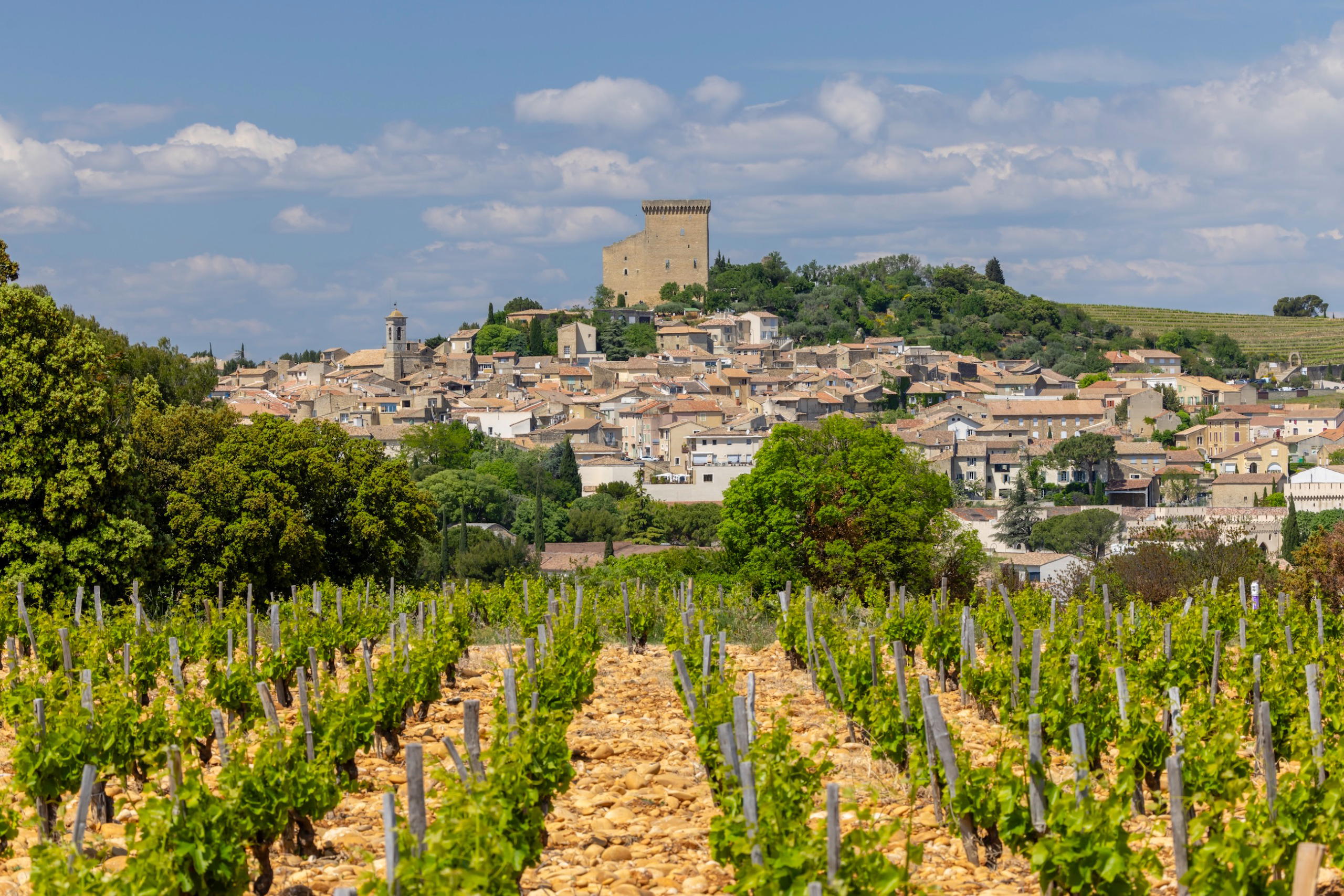
Within Dilbeek specifically, De Copain offers a point of comparison in the local dining scene. For a broader view of what the area offers across categories, our full Dilbeek restaurants guide maps the range. Those interested in extending a visit to the region can also consult our Dilbeek hotels guide, our Dilbeek bars guide, our Dilbeek wineries guide, and our Dilbeek experiences guide.
For context beyond Belgium, the generational-transfer model at Michel echoes dynamics visible at established dining institutions internationally. Houses like Le Bernardin in New York City and even Emeril's in New Orleans have navigated the question of how a kitchen sustains identity across leadership transitions. The Flemish version of that challenge tends to be quieter and less public, but the stakes for the dining room are the same.
What to Expect at the Table
Michel is located at Alfons Gossetlaan 31 in Groot-Bijgaarden, the western municipality of Dilbeek that sits at the edge of Brussels' urban reach. The address is accessible by car from central Brussels, and the area carries the character of prosperous Flemish Brabant suburbia rather than a city dining destination. That setting tends to shape the clientele and the tempo of service: this is not a room geared toward late-night theatre, but toward the kind of meal that takes the table seriously from the first course onward.
The kitchen's quality consistency has been the most durable signal associated with the restaurant, and that consistency is precisely what makes the current generational shift interesting to follow. Evolution here is incremental and grounded in the existing identity rather than a departure from it. Those who have dined here across multiple visits will likely find the changes legible and cumulative rather than jarring.
For comparable quality signals in the broader Belgian context, Bozar Restaurant in Brussels, Willem Hiele in Oudenburg, Bartholomeus in Heist, and d'Eugénie à Emilie in Baudour each represent the range of what serious Flemish and Belgian cooking looks like across different registers and regions.
Planning Your Visit
Given the restaurant's established status and consistent following in the Flemish Brabant area, contacting the restaurant directly at Alfons Gossetlaan 31 in Groot-Bijgaarden is the practical approach for reservations. For a room at this level of quality assurance, booking ahead rather than arriving speculatively is the sensible course, particularly on weekends when the Dilbeek-Brussels corridor draws a consistent dining clientele.
Frequently asked questions
Is Michel award-winning?
Michel has received recognition including: Always a quality assurance here at restaurant Michel in Groot-Bijgaarden! A new generation is gradually taking over the kitchen, but Sam's father Robert Van Landeghem is still there to represent the soul. Young blood also means some evoluti….
Where is Michel in Dilbeek?
Michel is located at Alfons Gossetlaan 31, 1702 Dilbeek, Belgium, Dilbeek.
What should I eat at Michel?
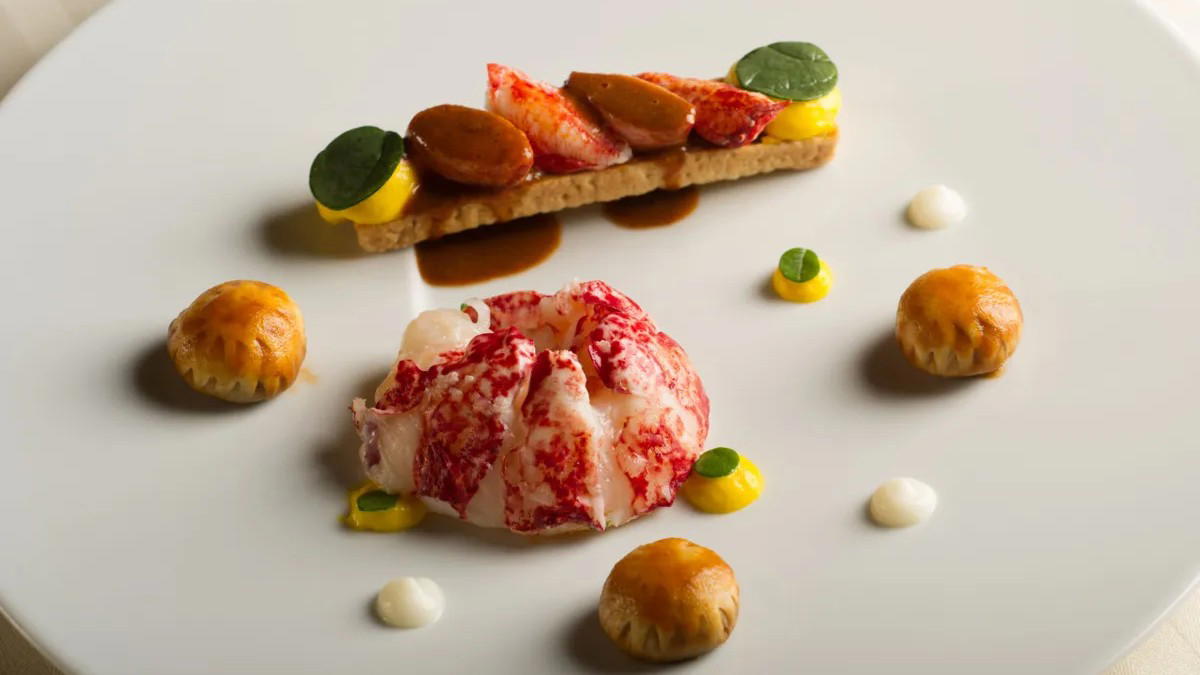
Michel's kitchen has built its reputation on Flemish-Belgian cooking where sourcing and technique take precedence over novelty. The awards note that vegetables may play a growing role as the younger generation takes hold, alongside the classical foundations Robert Van Landeghem established. The safest approach is to follow the kitchen's current direction rather than arriving with a fixed dish in mind.
Do I need a reservation for Michel?
Given Michel's documented quality standing in Flemish Brabant and its location in Groot-Bijgaarden at Alfons Gossetlaan 31, booking ahead is advisable. Restaurants at this level in the Brussels periphery draw both local regulars and destination diners, which means walk-in availability is unreliable. check the venue's official channels to confirm current availability and hours.
Price and Positioning
| Venue | Cuisine | Awards |
|---|---|---|
| MichelThis venue — the venue you are viewing | French-Belgian Fine Dining | We're Smart World 1 Radish |
| Boury | Modern Frlemish, Creative French | Michelin 3 Star |
| Comme chez Soi | French - Belgian, Classic Cuisine | Michelin 1 Star |
| Castor | Modern European, Modern French | Michelin 2 Star |
| Cuchara | Modern European, Creative | Michelin 2 Star |
| De Jonkman | Modern Flemish, Creative | Michelin 2 Star |
Recognition history
Dated appearances from independent guides and award organizations, with the underlying list record or original source where available.
We're Smart World 1 Radish
We're Smart World
Continue exploring
More in Dilbeek
Restaurants in Dilbeek
Browse all →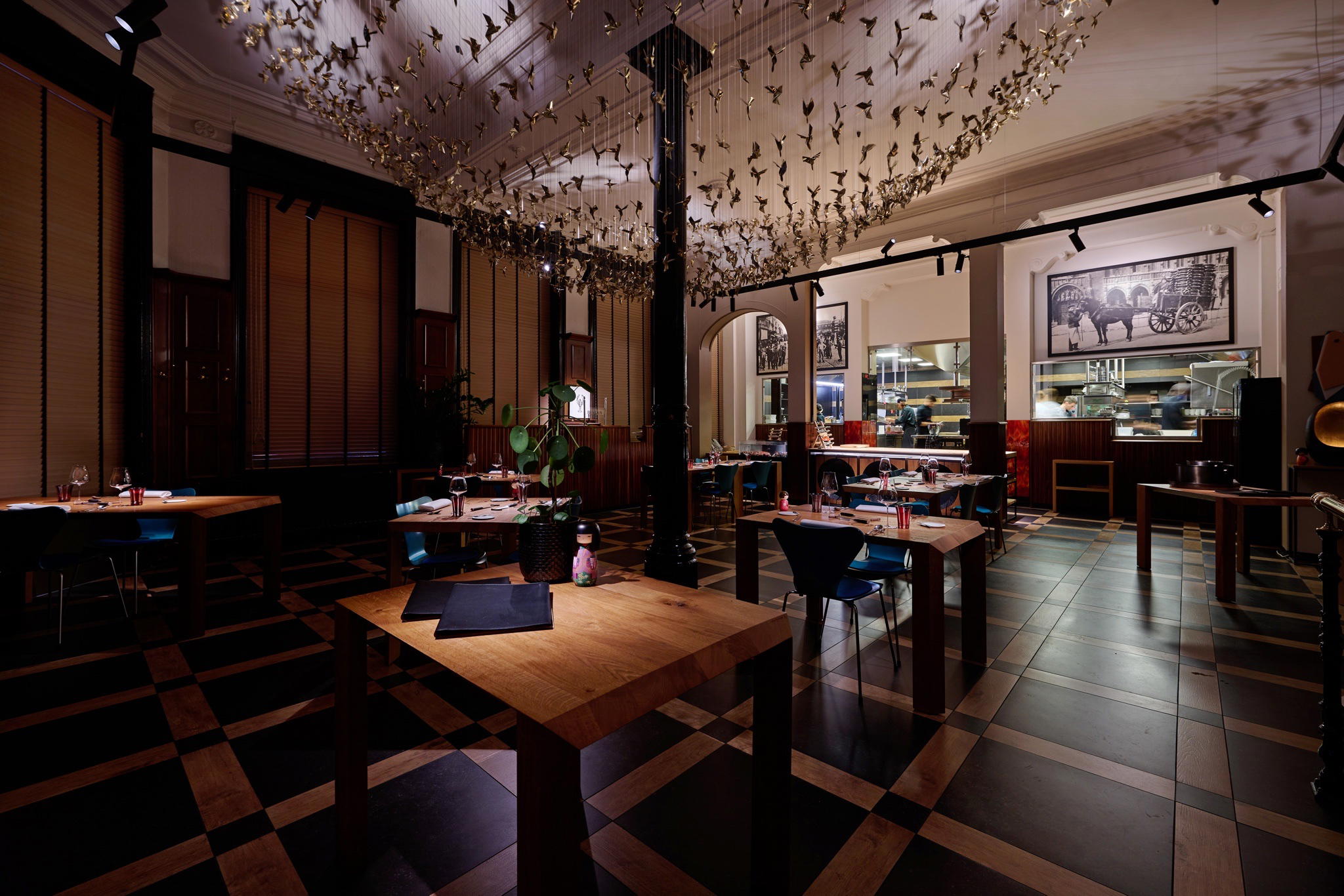
Bars in Dilbeek
Browse all →
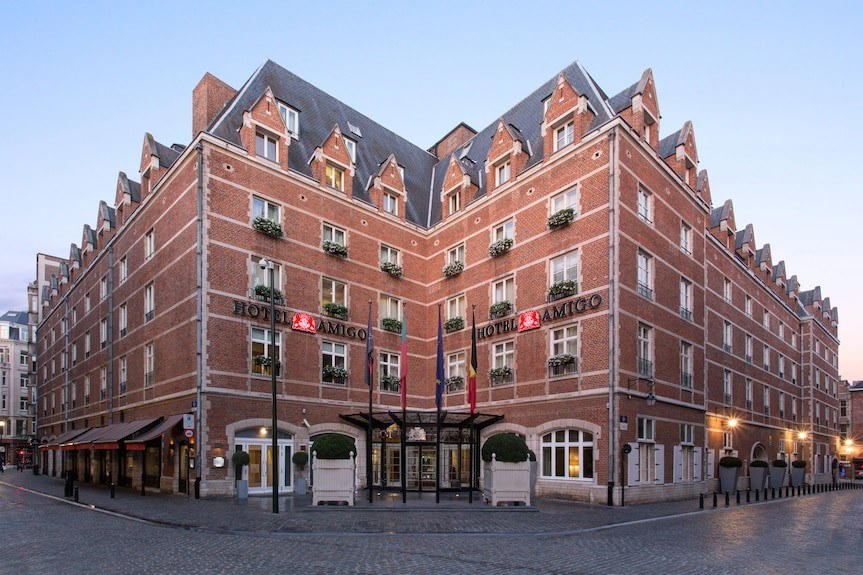
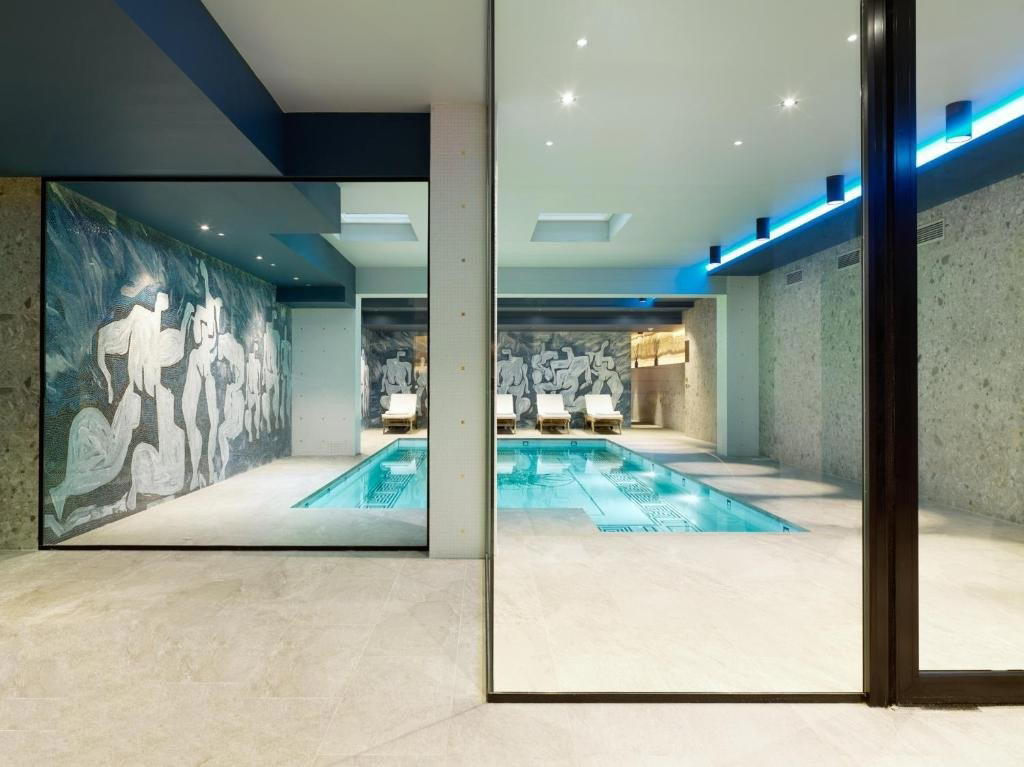
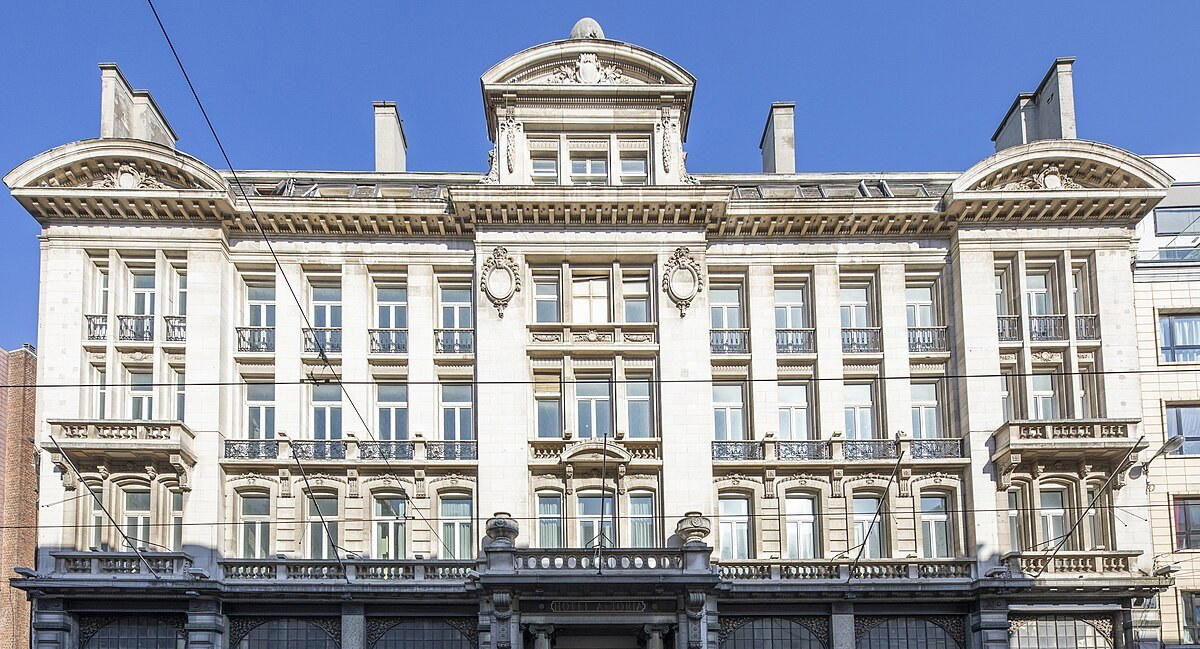
Hotels in Dilbeek
Browse all →
Wineries in Dilbeek
Browse all →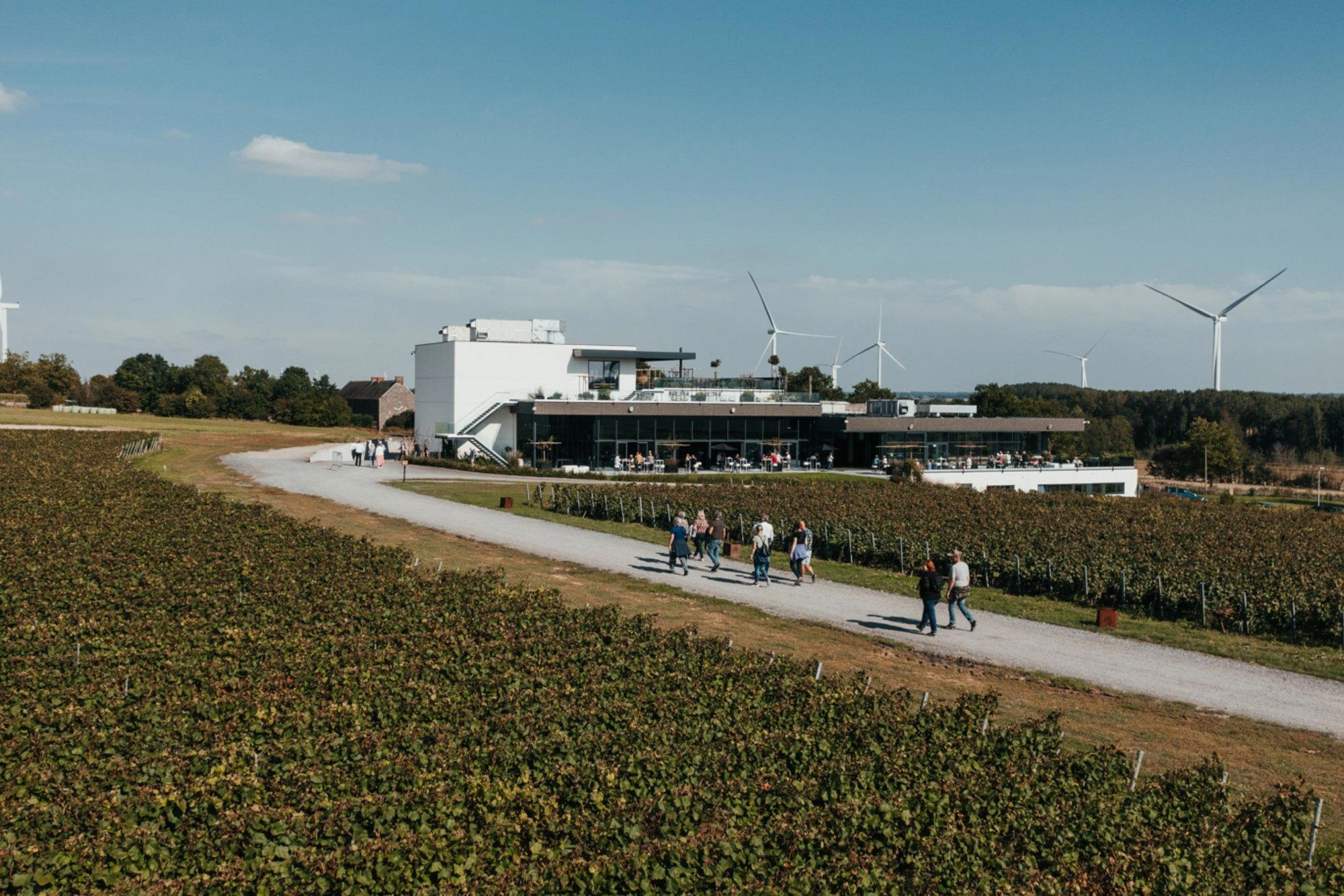
Details
- Elegant
- Cozy
- Sophisticated
- Date Night
- Business Dinner
- Special Occasion
- Terrace
- Extensive Wine List
- A La Carte
Elegant and serene atmosphere with well-spaced tables, pleasant terrace, and warm personal service.