Falafelstern occupies a corner of Schanzenstraße in Hamburg's Schanzenviertel, one of the city's most densely planted streets for casual eating. The address situates it within a neighbourhood that runs from late-night döner counters to wine-forward small-plates rooms, making it a useful reference point for anyone mapping the district's mid-register food scene. Hamburg's falafel offer has grown considerably over the past decade, and Schanzenstraße 111 is a fixed point in that conversation.
Pearl is the En Primeur Club membership app — saves, bookings, and concierge access live there. Same editors, same standards.
- Address
- Schanzenstraße 111, 20357 Hamburg, Germany
- Phone
- +494041544435
- Website
- falafelstern.de
- Directions
- Get directions
 Saves & bookings on Pearl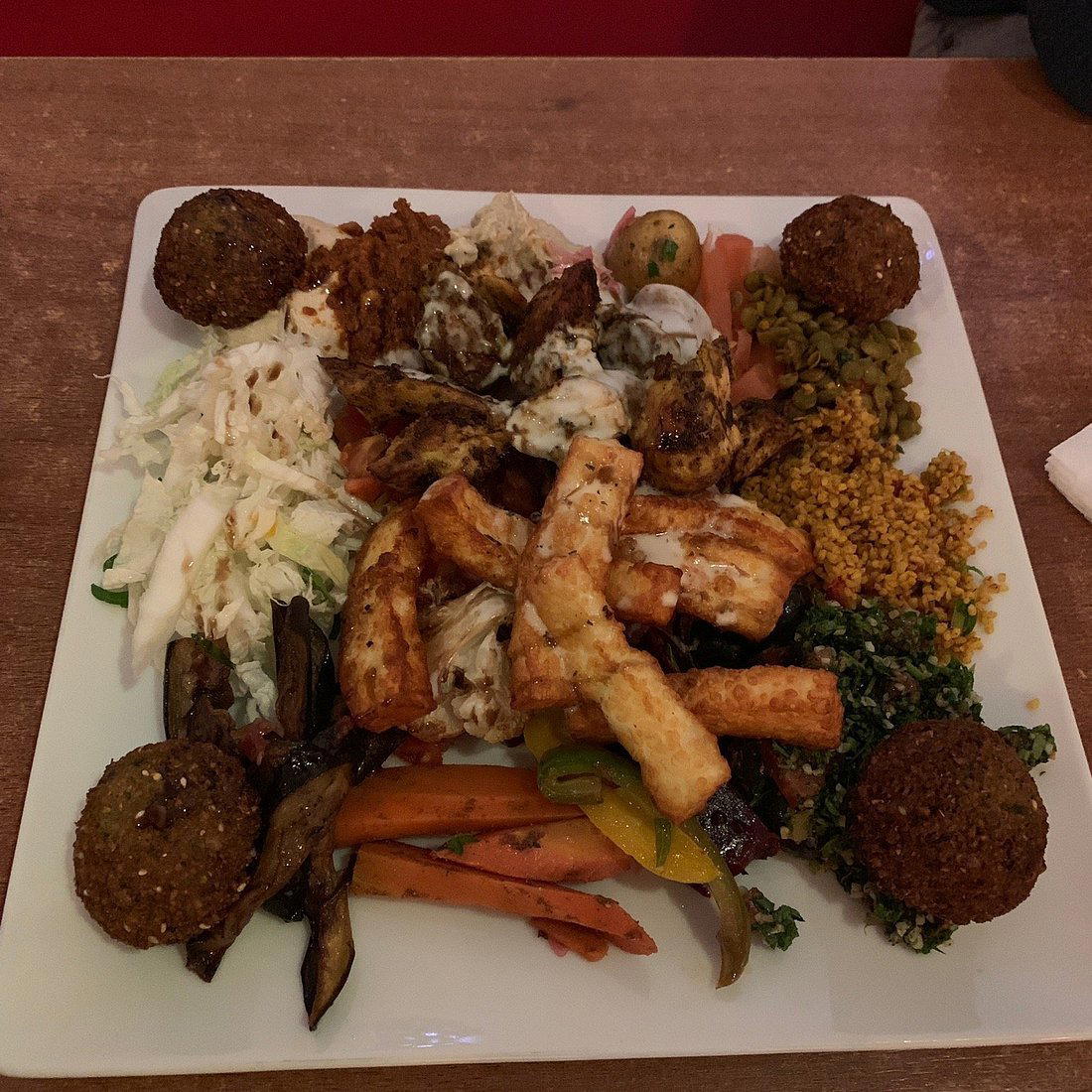
Schanzenviertel and the Street-Food Counter Format
Schanzenstraße is one of Hamburg's more instructive eating streets. Walk its length on a Thursday evening and you pass shawarma windows, Vietnamese canteens, natural-wine bars, and at least two spots doing credible sourdough pizza. The density is not accidental: the Schanzenviertel built its food reputation incrementally over two decades, absorbing student economics and then a more travelled, ingredient-aware clientele without fully surrendering either. Falafelstern sits at number 111, toward the upper end of the street, in a format that fits the neighbourhood's dominant register: walk-in, fast-moving, priced for regularity.
That register matters as a framing device. Hamburg's fine-dining tier, anchored by addresses like Restaurant Haerlin and The Table Kevin Fehling, operates on a completely different logic: advance booking, tasting menus, high per-head spend. Schanzenviertel's casual tier runs on foot traffic, neighbourhood loyalty, and the capacity to feed someone well for around eight euros. Falafelstern positions in that second economy.
The Falafel Tradition and What It Demands
Falafel is one of the more technically unforgiving street foods to execute consistently. The variables that separate a credible version from a mediocre one are narrow: the ratio of dried to soaked chickpeas or broad beans in the mix, frying temperature and oil turnover, the texture of the interior (dense is a failure, crumbly is a failure, the target is a firm crust giving way to a moist, herb-green centre), and the freshness of the condiments alongside. Across Germany's larger cities, the falafel counter format has expanded rapidly since around 2015, partly driven by the growth of plant-forward eating and partly by a generation of operators with direct sourcing knowledge from Levantine food traditions.
Hamburg's falafel scene has developed more slowly than Berlin's, where the density of Middle Eastern grocers and the long-established communities in Neukölln gave the format a deeper infrastructure. Hamburg's strength in this category is concentrated in a handful of neighbourhoods: Altona, St. Pauli, and the Schanzenviertel are the main clusters. Within those areas, the leading counters tend to distinguish themselves not through expansion but through consistency and a stable roster of accompaniments. A well-constructed falafel wrap in this format involves several moving parts arriving simultaneously at the right temperature and proportion, which is harder to maintain at volume than it appears.
Reading the Meal as a Sequence
The tasting-progression framework usually applies to multi-course restaurants, but it is a useful lens for street-food counters too, because even an informal meal has an internal logic. At a counter like Falafelstern, that sequence typically runs from the first sensory cue (the smell of hot oil and cumin as you approach, the visual of herbs in the mix through a display window) through the assembly moment, to the structural elements of the meal itself.
In the Levantine wrap format, that internal arc might look like this: the tahini or garlic sauce acts as the base note, coating the wrap and integrating the other elements; the pickles (turnip or cucumber, depending on the house) cut acidity against the fried protein; the fresh herbs and chopped salad provide brightness at the mid-palate; and the heat element, whether harissa or a chilli paste, arrives at the finish. When this sequence works, you are eating something with actual compositional thought behind it, not just ingredients in proximity. When it does not work, the wrap is either one-dimensional or structurally collapsed by moisture before you reach the halfway point.
Falafelstern operates in a neighbourhood where the clientele is experienced enough to notice the difference. Schanzenviertel regulars eat out frequently and move between formats with ease, comparing a Tuesday falafel against what they had at a small-plates room the previous weekend. That audience creates a useful form of quality pressure.
Placing Falafelstern in Hamburg's Broader Food Map
For visitors using Hamburg as a base for a longer Germany food trip, the city's casual register is worth treating as seriously as its fine-dining one. The Michelin-level addresses, including 100/200 Kitchen, bianc, and Lakeside, tell one story about what Hamburg's kitchen talent can do with budget and time. The Schanzenviertel counter format tells a different but equally real story about how the city eats day-to-day.
Germany's fine-dining circuit extends well beyond Hamburg, of course. Addresses like Schwarzwaldstube in Baiersbronn, Aqua in Wolfsburg, JAN in Munich, and Vendôme in Bergisch Gladbach represent the country's upper register across different regional contexts. Further afield, CODA Dessert Dining in Berlin and Victor's Fine Dining by Christian Bau in Perl occupy specialist niches that Hamburg's scene does not directly replicate. For those building a broader itinerary, ES:SENZ in Grassau, Schanz in Piesport, Waldhotel Sonnora in Dreis, and Bagatelle in Trier are all worth cross-referencing. Internationally, the counter-format dining philosophy finds its most rigorous expression at places like Le Bernardin in New York City and Lazy Bear in San Francisco, which demonstrate how informal formats can carry serious culinary intent at scale.
Know Before You Go
Know Before You Go
- Address: Schanzenstraße 111, 20357 Hamburg, Germany
- Neighbourhood: Schanzenviertel, Hamburg
- Format: Counter-service falafel; walk-in, no reservation typically required for this format
- Price range: about $8 per person
- Booking: walk-in friendly
- Getting there: S-Bahn to Sternschanze (S11, S21, S31) places you within walking distance of Schanzenstraße
Quick Comparison
Comparable venues nearby, for context on price, style, and recognition.
| Venue | Cuisine | Price | Notes |
|---|---|---|---|
| FalafelsternThis venue — the venue you are viewing | Lebanese Falafel & Middle Eastern Street Food | $ | Not listed |
| Falafel Haus | Traditional Lebanese Street Food | $ | Rotherbaum |
| Kebab for Friends | Middle Eastern Kebab Shop | $ | Alstertal |
| Diggi Smalls | Oriental Street Food & Halal Wraps | $ | Rotherbaum |
| Saliba | Authentic Syrian | $$ | Neustadt |
| Restaurant Békaa | Modern Lebanese | $$ | Rotherbaum |
Continue exploring
More in Hamburg
Restaurants in Hamburg
Browse all →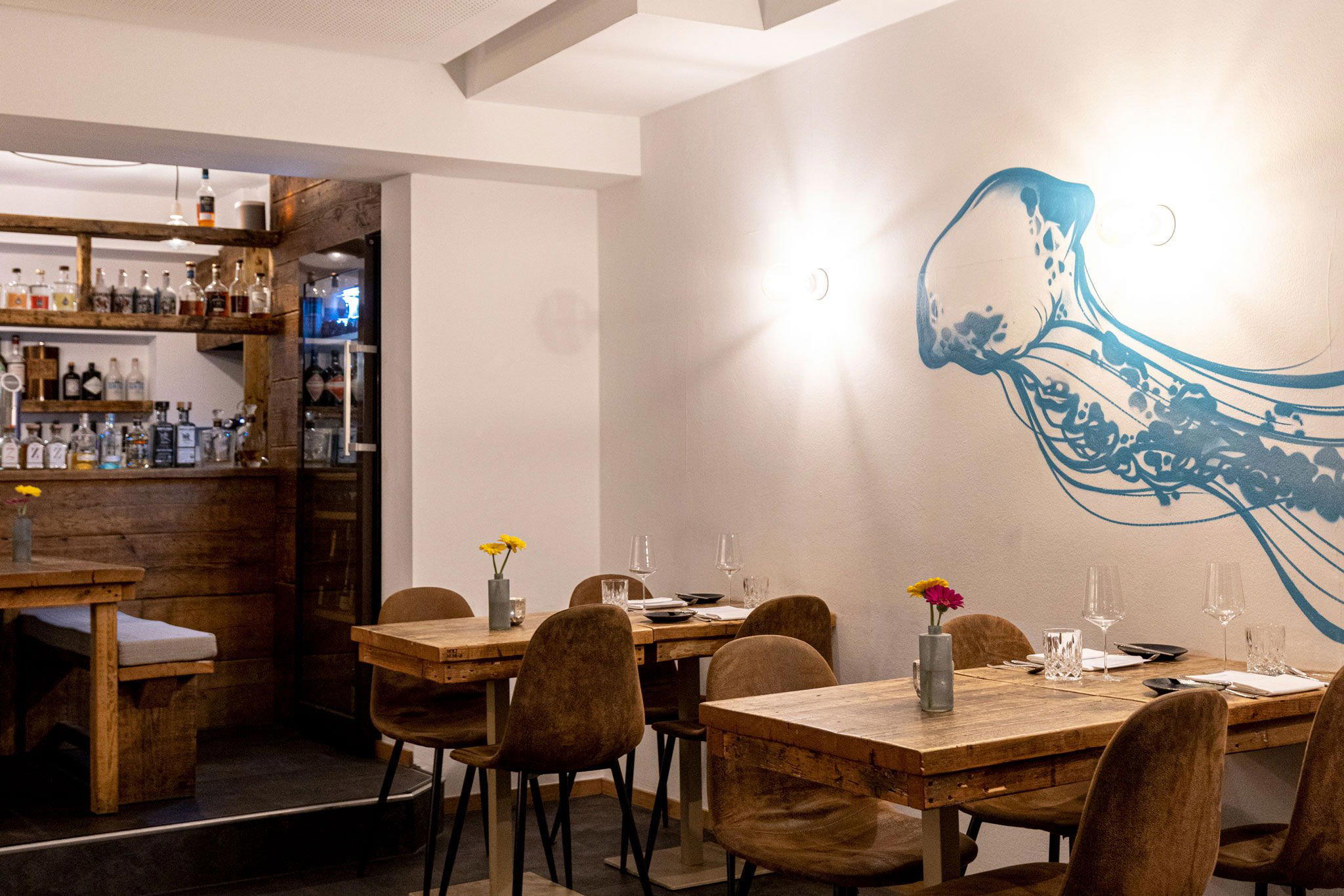
At a Glance
- Casual
- Trendy
- Casual Hangout
- Late Night
- Solo
- Open Kitchen
- Beer Program
- Local Sourcing
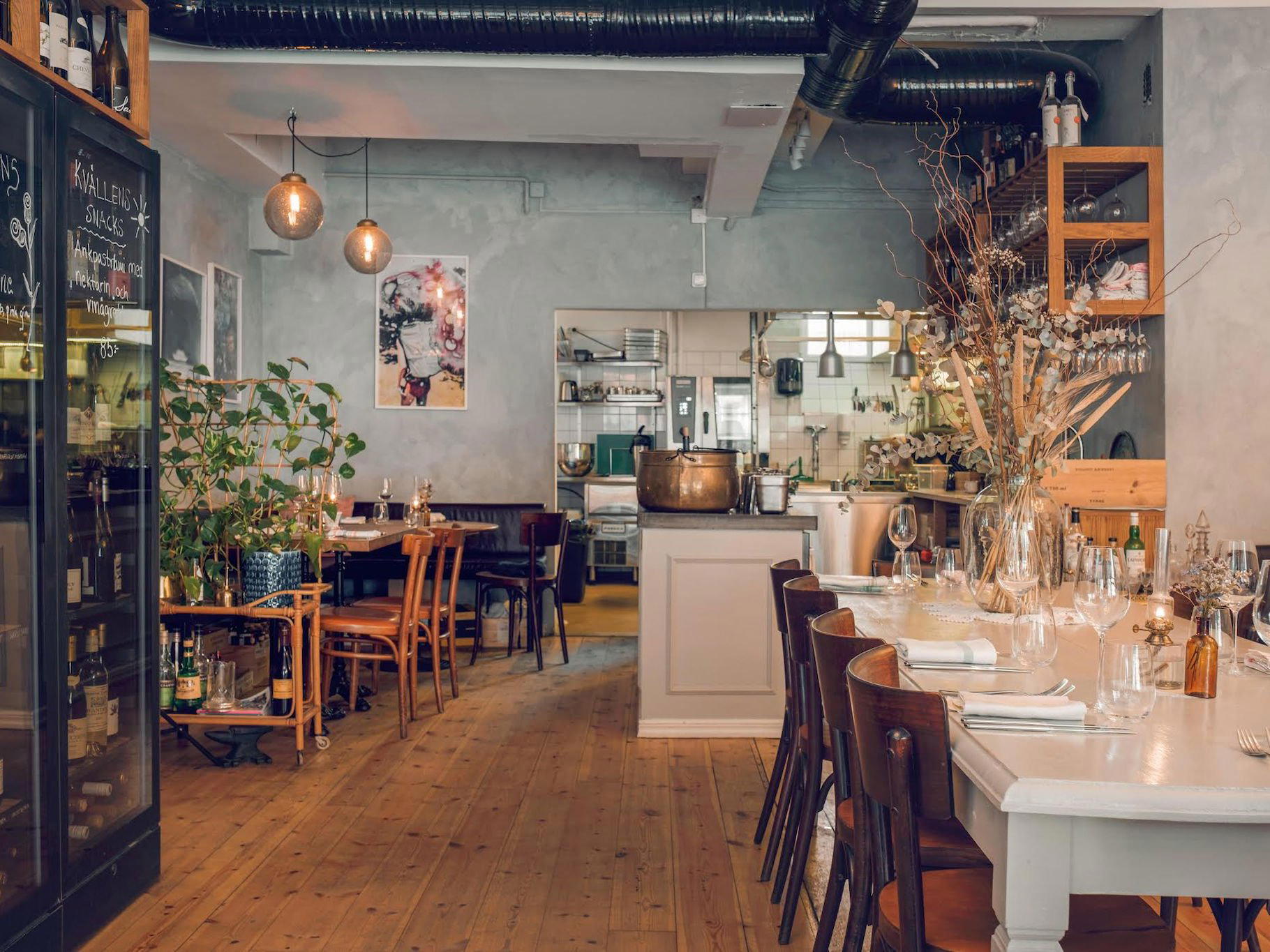
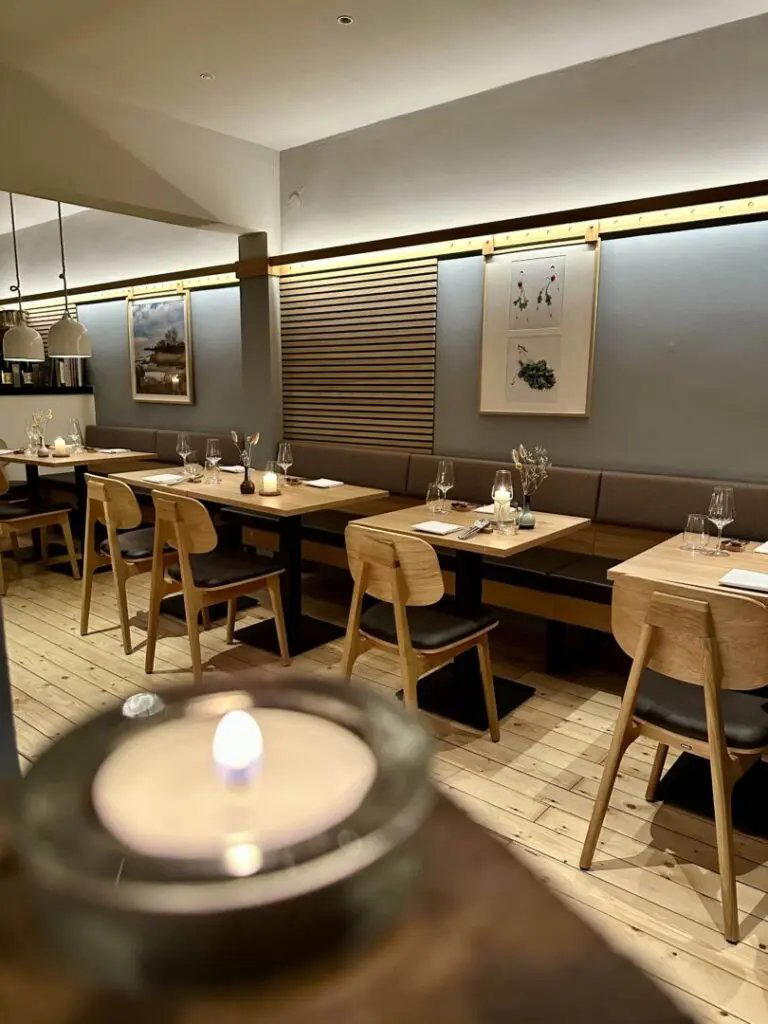
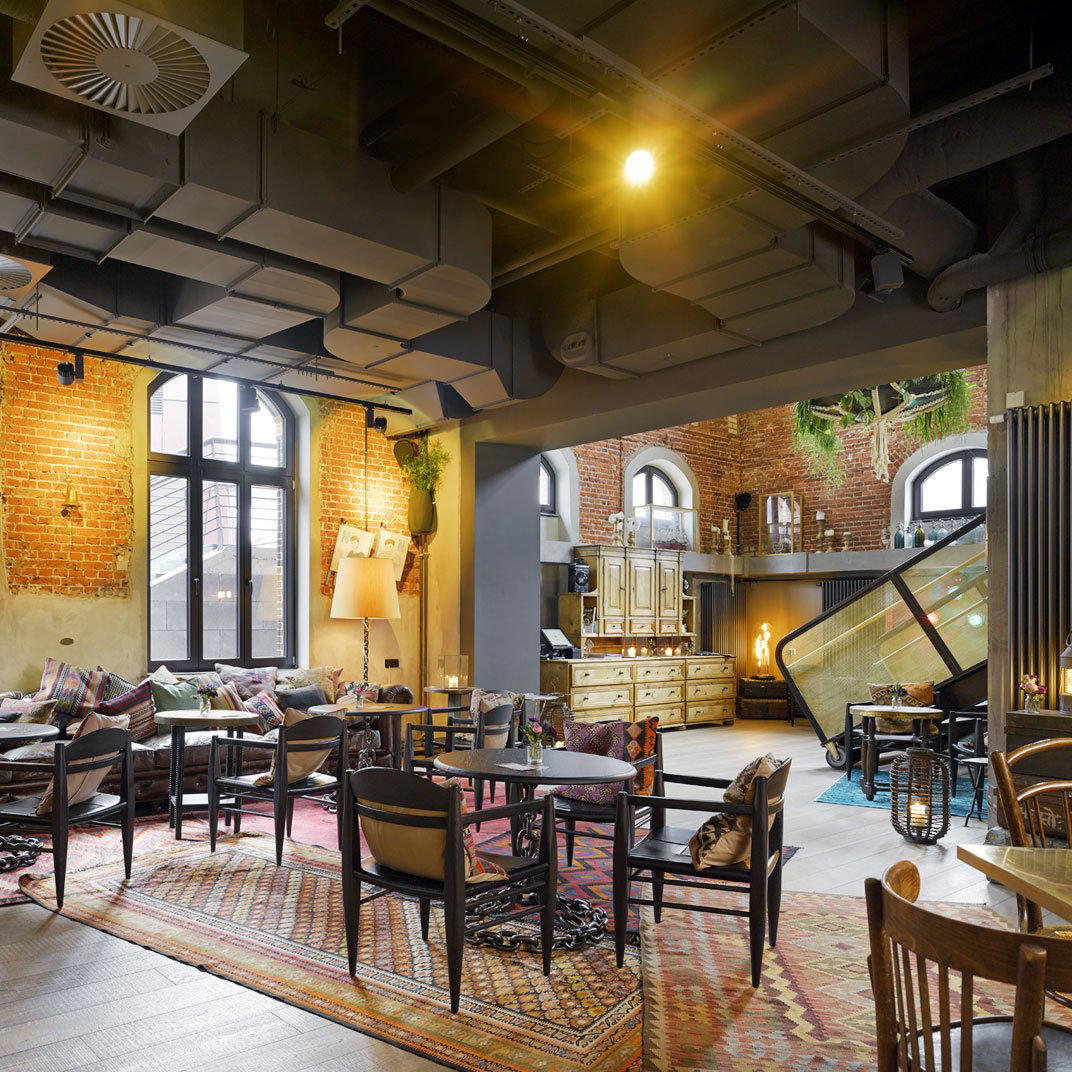
Simple, undecorative snack bar with casual seating; casual and relaxed atmosphere with free Wi-Fi.