Our verdict
Da Tullio sits in Rome's Tridente quarter, holding a 2025 Opinionated About Dining Casual recognition,050 reviews. The kitchen works from the Roman trattoria canon — the kind of cooking that has anchored neighbourhood tables for generations. For a milestone dinner that feels rooted in the city rather than performed for tourists, it occupies a reliable position in that mid-tier casual bracket.

Pearl is the En Primeur Club membership app — saves, bookings, and concierge access live there. Same editors, same standards.
- Address
- Via di S. Nicola da Tolentino, 26, 00187 Roma RM, Italy
- Phone
- +39 06 481 8564
- Hours
- Mon–Sat 12:30–3 PM, 7:30–11 PMSun Closed
- Website
- tullioristorante.it
- Directions
- Get directions
The menu
What to order
- Veal chops
- Osso buco
- Truffle tagliatelle
A Street That Still Means Something
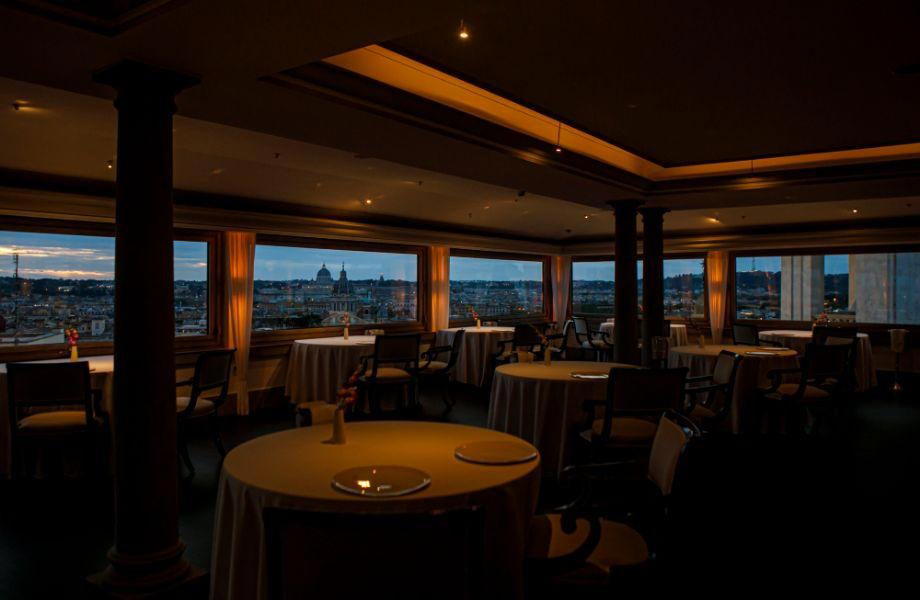
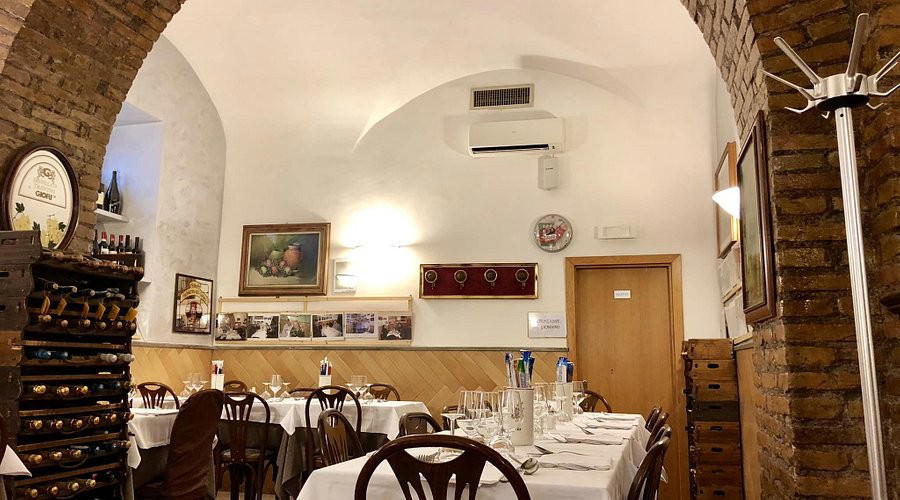
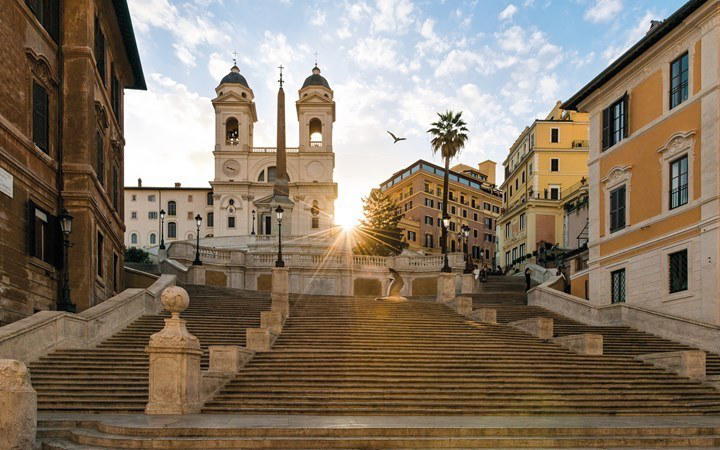
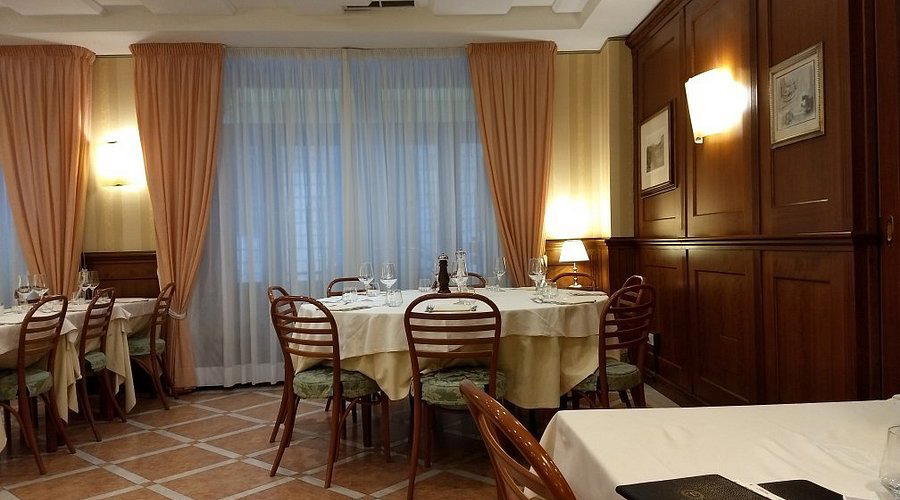
Via di San Nicola da Tolentino runs through the Tridente on Rome's terms, not the tourist map's. The street sits close enough to the Spanish Steps to draw an international crowd, yet far enough from the main drag that the residents of the surrounding palazzi still treat the neighbourhood as their own. In Rome, that distinction matters more than any award. Restaurants that survive here do so on repeat custom, not footfall, and the dining room at Da Tullio reads accordingly: the kind of room where the table arrangement suggests the kitchen has a clear idea of who is coming back and who is coming once.
Rome's casual dining tier has widened considerably in the past decade. At the leading, creative Italian rooms such as Il Pagliaccio and Idylio by Apreda compete on tasting menus and innovation at the €€€€ tier. Below that, the city's trattoria and osteria stock has splintered between tourist-facing operations running on location and a smaller set of address-driven rooms where the cooking stays anchored to the Roman canon. Da Tullio belongs to the latter group, recognised in the 2025 Opinionated About Dining Casual in Europe list — an assessment that signals kitchen consistency and authenticity rather than ambition for the next tier.
The Roman Table as Occasion
The argument for choosing a serious trattoria over a destination tasting room for a milestone dinner is not merely financial. Roman cooking at its finest is occasion cooking by design. Cacio e pepe, carbonara, coda alla vaccinara, abbacchio: these are dishes built for the kind of meal where time is not rationed and wine is ordered by the carafe rather than the glass. The format assumes a table that will sit for two hours at minimum, which is the format that actually fits a birthday dinner, a reunion, or an anniversary in a foreign city where you want to feel the place rather than perform for it.
At scale, ratings compress toward the mean, so a consistent 4.3 across a broad cross-section of diners indicates that the kitchen delivers recognisably, whatever the table's expectations coming in. For a celebration meal where the stakes of a bad experience are higher than on a casual Tuesday, that consistency record is the relevant data point, not the number of stars on the ceiling.
For occasions that call for a deeper dive into Rome's trattoria tradition, the city offers several reference points in the same category. Armando al Pantheon operates with similar Roman discipline near the Pantheon, booking weeks ahead for dinner. Da Danilo in the Esquilino holds its own OAD Casual recognition and draws a loyal local following. Checchino Dal 1887 in Testaccio goes further into Rome's offal tradition with a pedigree that stretches back over a century. Antica Pesa in Trastevere and CiPASSO round out a cohort of addresses where the cooking stays pointedly Roman rather than drifting toward a broader Italian or modern European register.
What OAD Casual Recognition Means in Practice
Opinionated About Dining's Casual in Europe list is compiled from a voter base of frequent travellers and serious eaters, which biases its selections toward places where the cooking is the point regardless of the room's formality or price point. Appearing on the 2025 edition places Da Tullio in company with rooms that have passed a consistency test from an audience unlikely to forgive a kitchen on an off night. That is a more demanding credential than aggregate star ratings from a general public, because the voter pool self-selects for experience and attention.
The distinction matters when you are comparing Da Tullio against the broader Rome casual market. The Tridente and its surrounds contain dozens of rooms marketing themselves as authentic Roman trattorias. Very few hold external recognition from a credible third-party source. OAD Casual status is that external validation, which is why it functions as a trust signal for first-time visitors making a decision from a hotel room the night before a significant dinner.
Roman Cooking in Its Wider Italian Context
Roman cuisine operates at a deliberate remove from the modernist Italian cooking that earns international column inches. Kitchens such as Osteria Francescana in Modena, Le Calandre in Rubano, or Dal Pescatore in Runate define Italian fine dining for an international audience. Enoteca Pinchiorri in Florence, Enrico Bartolini in Milan, and Atelier Moessmer Norbert Niederkofler in Brunico each pursue distinct creative registers. Rome's contribution to that national conversation is not innovation but fidelity. The city's most respected casual rooms are valued precisely because they do not attempt to contemporise dishes that require no intervention. A cacio e pepe that tastes like the tradition rather than a reinterpretation of it is the benchmark, and it is a harder benchmark to hit consistently than it appears.
The same Roman cooking reaches diners outside Italy through addresses such as Il Marchese in Milan and Osteria Romana in Brussels, both of which carry the tradition into other cities. Eating the source material in Rome, at a table that has held OAD recognition, is a different proposition from eating Roman food abroad — and for a milestone dinner, the difference in context is part of the occasion.
Planning the Meal
Da Tullio sits at Via di San Nicola da Tolentino 26 in the 00187 postcode, within walking distance of the Barberini metro stop on Line A. The neighbourhood's restaurant concentration is lower than Trastevere or the historic centre, which means the room draws diners with intent rather than those drifting past. Booking ahead for dinner is the sensible approach, particularly for parties larger than two and on weekends, when the room's appeal to both residents and informed visitors creates genuine demand. For broader planning across the city, our full Rome restaurants guide maps the range from trattoria tier to Michelin-starred rooms, and our Rome hotels guide, bars guide, wineries guide, and experiences guide cover the surrounding infrastructure for a longer stay.
Frequently asked questions
Is Da Tullio focused on a specific cuisine style?
What kind of recognition has Da Tullio received?
Da Tullio has received recognition including: Opinionated About Dining Casual in Europe (2025).
What dish is Da Tullio famous for?
Da Tullio's menu centres on the Roman canon: cacio e pepe, coda alla vaccinara, trippa alla romana, and the broader tradition of offal and slow-cooked cuts that define the city's trattoria culture. No specific signature dish is documented in the public record, but the kitchen's OAD Casual Europe 2025 recognition reflects consistent execution of that repertoire rather than novelty.
What's Da Tullio's location?
Da Tullio is located at Via di S. Nicola da Tolentino, 26, 00187 Roma RM, Italy, Rome.
Who's behind the kitchen at Da Tullio?
The chef associated with Da Tullio is Various.
Do they take walk-ins at Da Tullio?
Walk-in policy is not formally published for Da Tullio, which is standard for established Roman trattorias at this address tier. Given the Via di San Nicola da Tolentino location and the OAD Casual Europe 2025 listing, demand is sufficient to warrant a reservation, particularly at lunch on weekdays and any dinner service.
What has Da Tullio built its reputation on?
Da Tullio's standing rests on straightforward Roman cooking delivered without modernist detours, at a permanent address in the Tridente that has remained off the tourist circuit despite proximity to Barberini and the Spanish Steps. The 2025 OAD Casual in Europe listing, drawn from frequent-traveller voters rather than guidebook committees, confirms the kitchen's consistency in a category where longevity and lack of compromise carry most of the weight.
Reputation First
Comparable venues nearby, for context on price, style, and recognition.
| Venue | Cuisine | Price | Notes |
|---|---|---|---|
| Da TullioThis venue — the venue you are viewing | Classic Roman Trattoria | $50–100 | Not listed |
| Baccano | Traditional Roman Trattoria | $50–100 | Trevi |
| Sora Lalla | Authentic Roman Trattoria | $30–50 | Parione |
| Contempo | Modern Roman Italian | $50–100 | Trastevere |
| Urbana 47 | Modern Roman Locavore | $20–30 | Monti |
| Modius Restaurant | Traditional Roman Cuisine | $50–100 | Pigna |
Recognition history
Dated appearances from independent guides and award organizations, with the underlying list record or original source where available.
Opinionated About Dining Casual in Europe Recommended
Opinionated About Dining
Full recognition history (3 entries)
Opinionated About Dining Newly Added European Restaurants
Opinionated About Dining
Opinionated About Dining Casual in Europe
Opinionated About Dining