Sarkós Roma occupies a corner of Piazza Iside in the Celio district, where Rome's layered culinary tradition meets a more globally inflected approach to technique. The address sits among a cluster of neighbourhood restaurants serving one of the city's quieter historic quarters, placing it in a different register from the tourist corridors near the Colosseum just minutes away.
Pearl is the En Primeur Club membership app — saves, bookings, and concierge access live there. Same editors, same standards.
- Address
- Piazza Iside, 6, 00184 Roma RM, Italy
- Phone
- +393443487113
- Website
- sarkosrestaurant.com
- Directions
- Get directions
 Saves & bookings on Pearl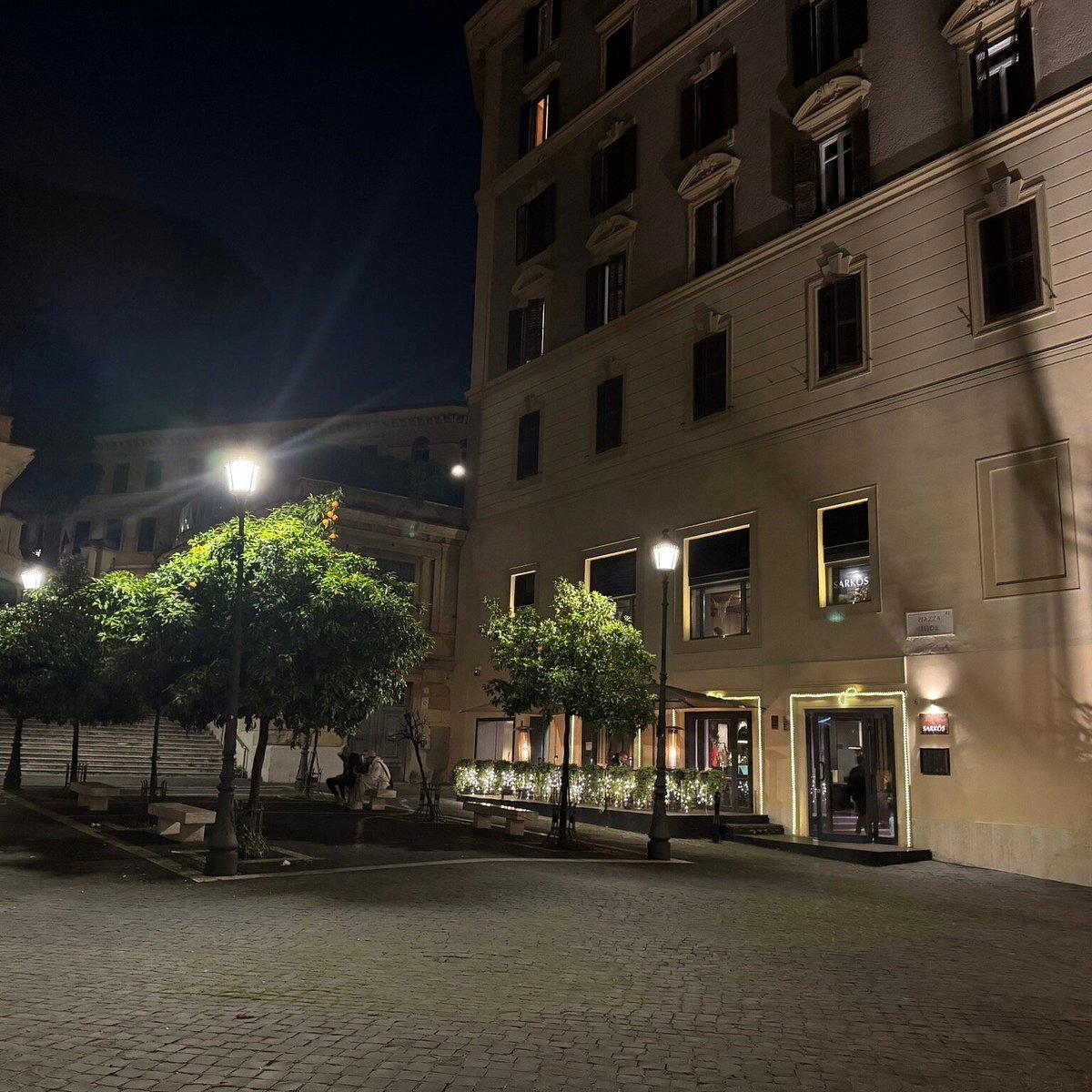
A Quiet Square in Celio, a Less Obvious Rome
Piazza Iside is the kind of address that takes a moment to locate on a map, which is partly the point. The Celio district, spread across the hill south of the Colosseum and east of the Circus Maximus, is one of Rome's more residential quarters: ancient in its bones, unhurried in its pace, and largely absent from the circuits that funnel visitors between landmarks and the trattorias that exist to serve them. Sarkós Roma is a Modern Italian Steakhouse at Piazza Iside, 6, 00184 Roma RM, Italy.
That geography matters for how restaurants in this part of Rome position themselves.
Where Imported Technique Meets Roman Product
Across Italy's better restaurant kitchens, the past two decades have produced a recognisable tension: the pull of classical French and contemporary international technique against an equally strong imperative to remain rooted in regional ingredient identity. In Rome, that tension plays out differently than it does in the north. The city's pantry is assertive, guanciale, pecorino, offal, field greens from the Castelli Romani, coastal fish from Anzio and Fiumicino, and its culinary culture has historically resisted elaborate mediation between producer and plate.
The more ambitious Roman restaurants of the current generation are working through a different answer to that question. Tables at the upper end of the market, such as Il Pagliaccio and Enoteca La Torre, have built menus where Japanese precision, Nordic restraint, or French sauce-craft appear as tools applied to Central Italian raw material rather than as departures from it. Acquolina applies similar logic to seafood, and Achilli al Parlamento filters the same approach through a wine-centred lens. Sarkós Roma sits within this broader shift, operating in a neighbourhood where the conversation between place and technique can proceed without constant calibration against tourist expectation.
This is the editorial space that defines the more interesting tier of contemporary Roman dining: not a repudiation of local product, but a reframing of how global method can make local ingredients more legible, more precisely expressed.
Rome's Creative Restaurant Tier: Where Sarkós Roma Fits
The upper bracket of Rome dining has a clear Michelin-anchored summit in La Pergola. Below that, the creative-leaning tier occupies a range of formats and price points. Several of the more serious addresses in this mid-to-upper bracket run at the €€€€ level, matching the positioning of peers like Enoteca La Torre and Il Pagliaccio. The category rewards technical ambition applied to ingredient quality, and it draws a diner who is less interested in recreating a Roman grandmother's kitchen and more interested in what a serious modern kitchen can do with the same pantry.
Comparison with Italian kitchens operating at a similar conceptual register beyond Rome is instructive. Uliassi in Senigallia and Quattro Passi in Marina del Cantone both demonstrate how Italian coastal kitchens absorb technique without losing a sense of place. Reale in Castel di Sangro and Atelier Moessmer Norbert Niederkofler in Brunico take a more philosophically committed position on localism and territory. Internationally, Le Bernardin in New York and Atomix represent the poles of ingredient-first French classicism and Korean-inflected contemporary precision. The restaurant operates closer to the Italian end of that continuum, in a city where the pressure to defer to tradition is constant and the decision to engage with technique is always a considered one.
Within Italy's broader fine dining geography, the contrast with Enrico Bartolini in Milan or Enoteca Pinchiorri in Florence is also worth making: those northern addresses operate with different market pressures and a different relationship to classical European tradition than Rome's more idiosyncratic creative tier. A kitchen like Dal Pescatore in Runate reminds you how long Italy has been comfortable with this balancing act at the highest level.
Cuisine and Recognition
Comparable venues nearby, for context on price, style, and recognition.
| Venue | Cuisine | Price | Notes |
|---|---|---|---|
| Sarkós RomaThis venue — the venue you are viewing | Modern Italian Steakhouse | $$$ | Not listed |
| Doney Restaurant & Café | Modern Italian Mediterranean | $$$ | Ludovisi |
| Il Piccolo Mondo | Traditional Roman Italian with Seafood | $$$ | Ludovisi |
| Collegio Bistrot | Roman & Amatrice Trattoria | $$$ | Colonna |
| Contempo | Modern Roman Italian | $$$ | Trastevere |
| Enoteca L’antidoto | Modern Italian Small Plates with Natural Wines | $$$ | Trastevere |

At a Glance
- Modern
- Elegant
- Cozy
- Date Night
- Group Dining
- Special Occasion
- Open Kitchen
- Extensive Wine List
- Street Scene
Current opening hours
- Monday
- 7 PM–1 AM
- Tuesday
- 7 PM–1 AM
- Wednesday
- 7 PM–1 AM
- Thursday
- 7 PM–1 AM
- Friday
- 7 PM–1 AM
- Saturday
- 7 PM–1 AM
- Sunday
- 7 PM–1 AM
Hours can change for holidays and private events. Last verified .
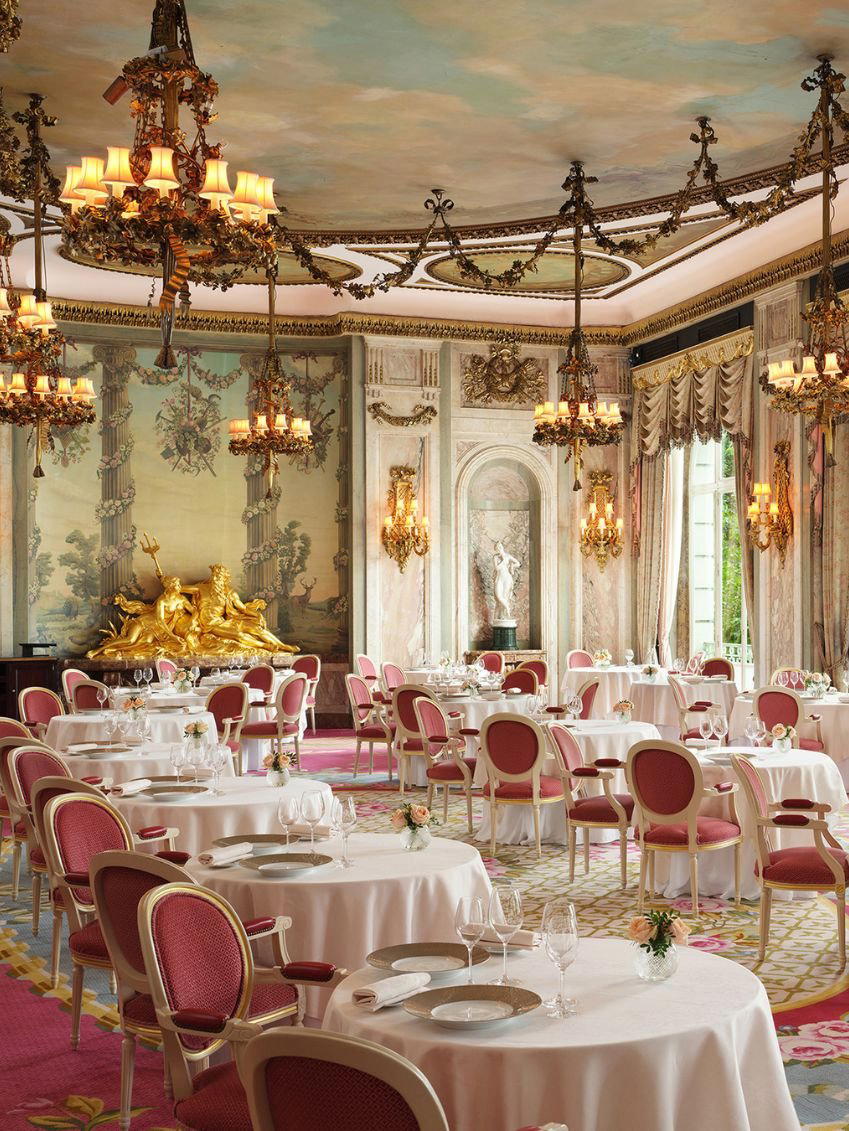
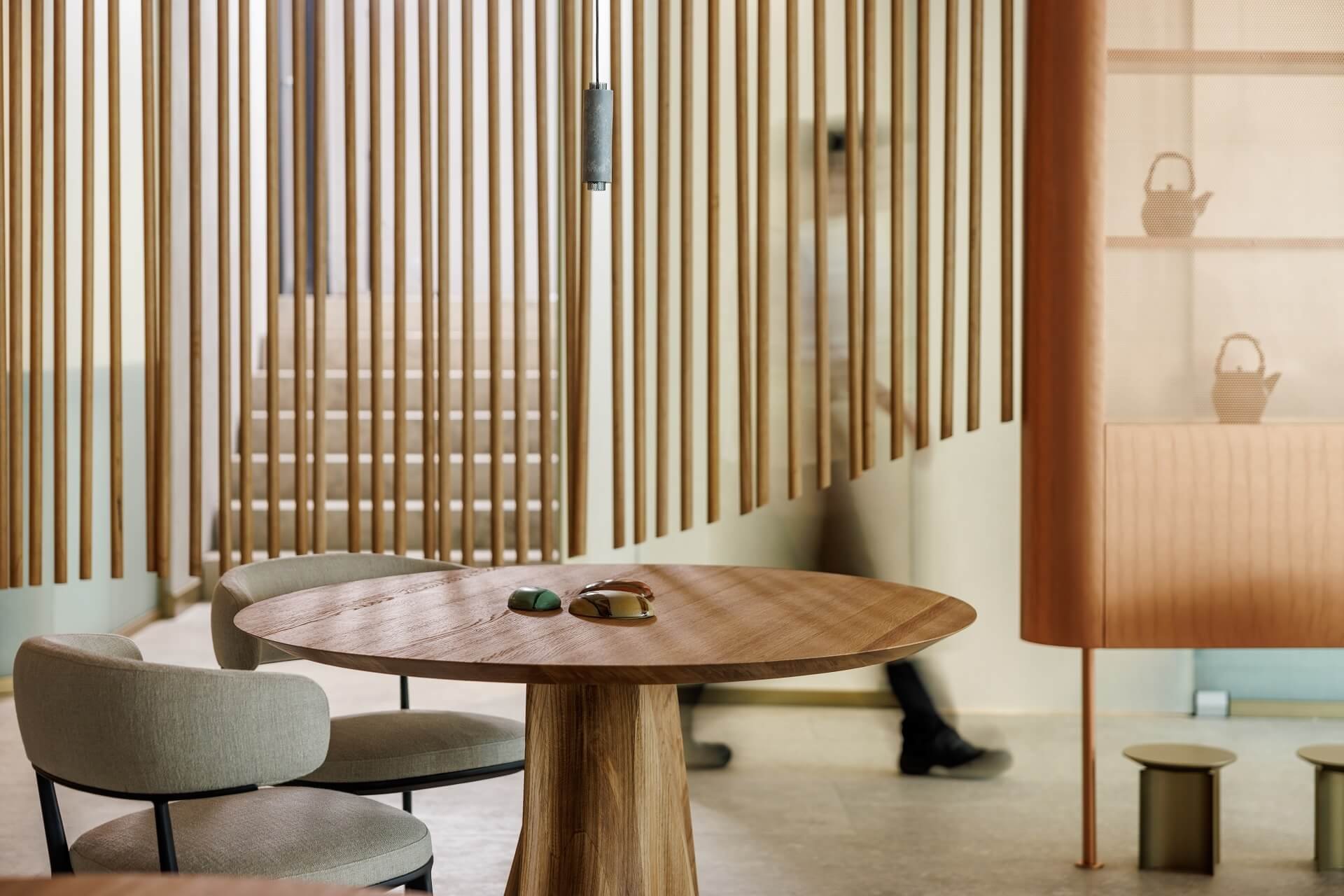
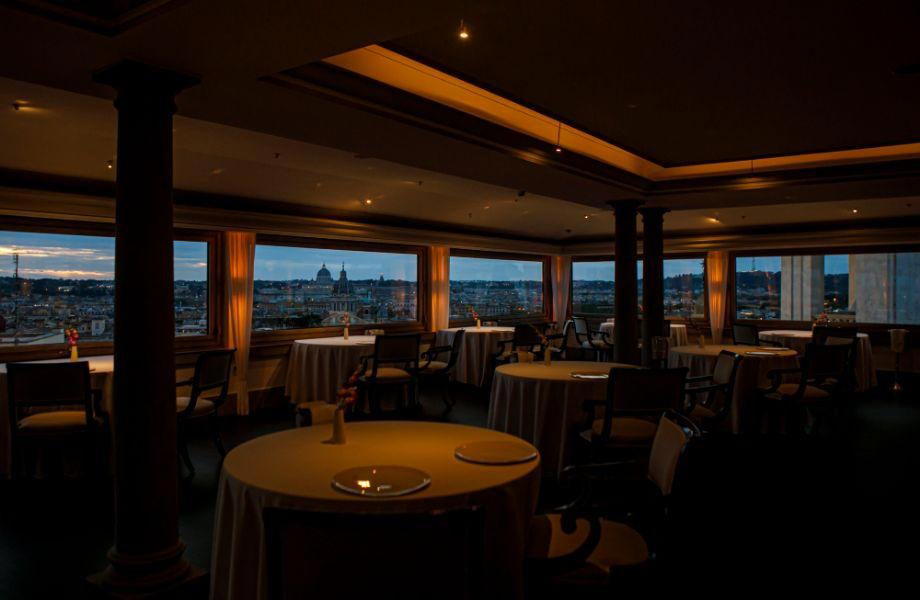
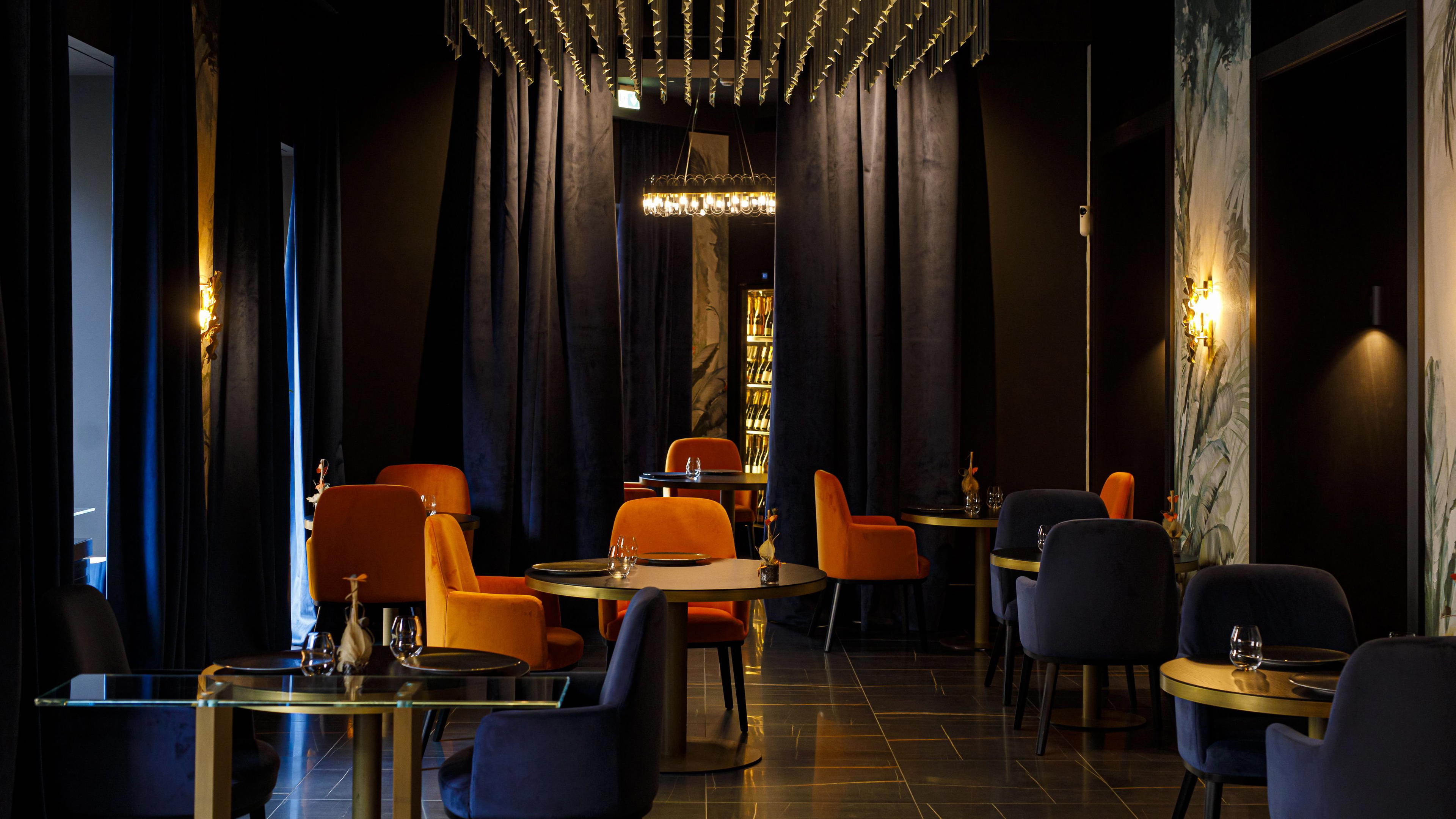
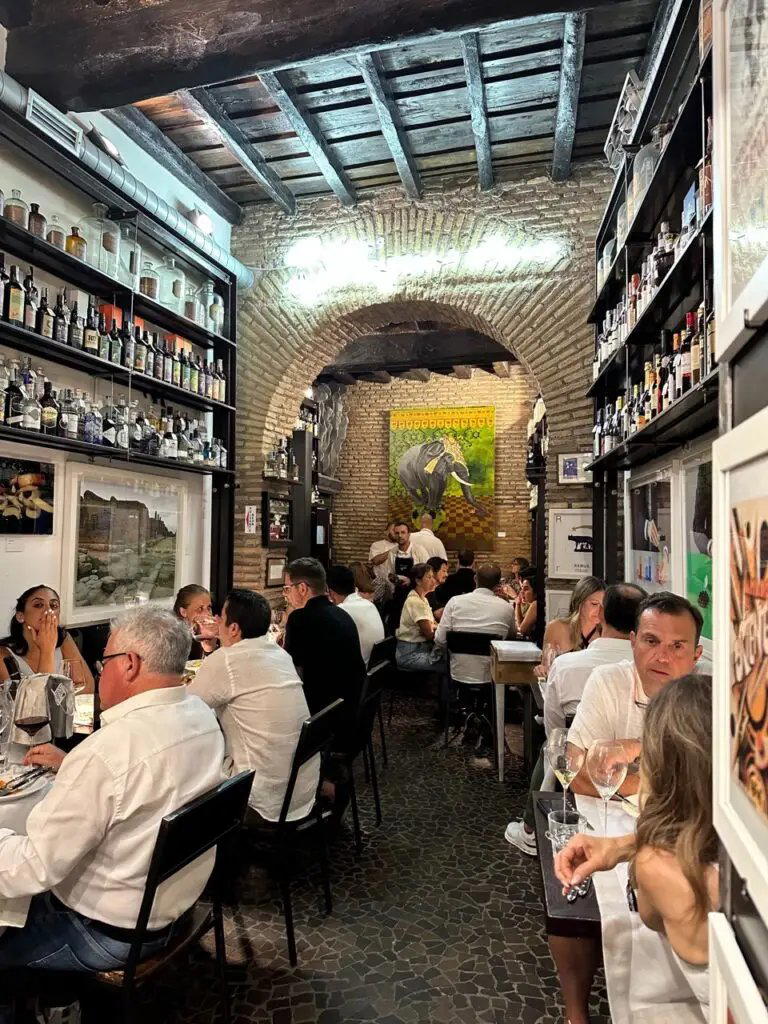
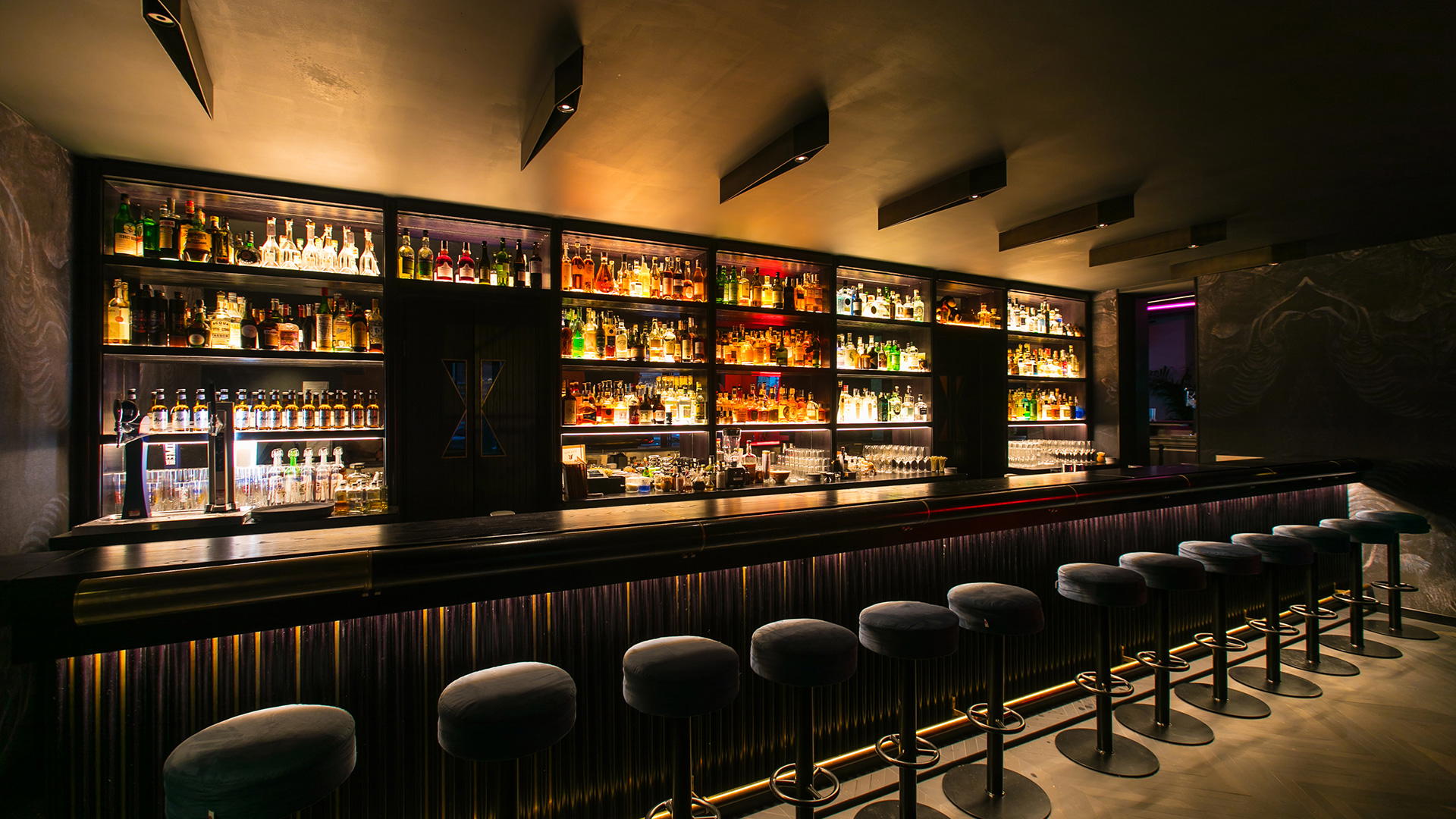
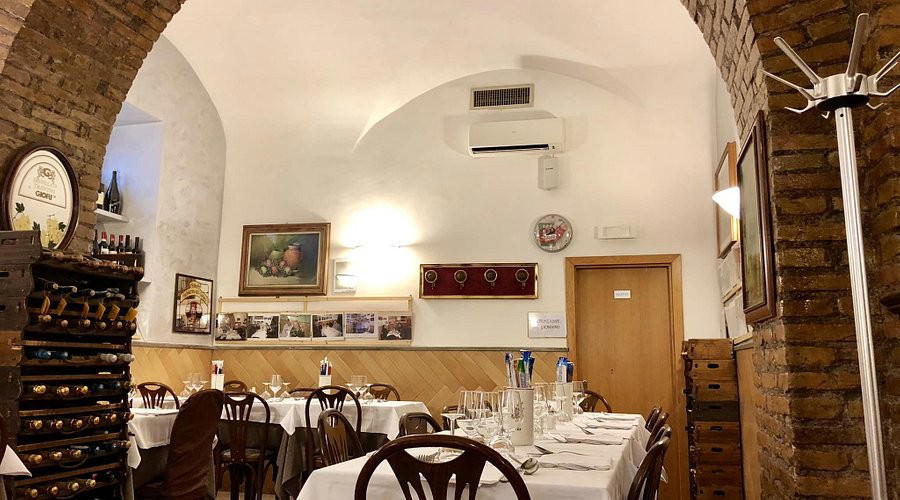
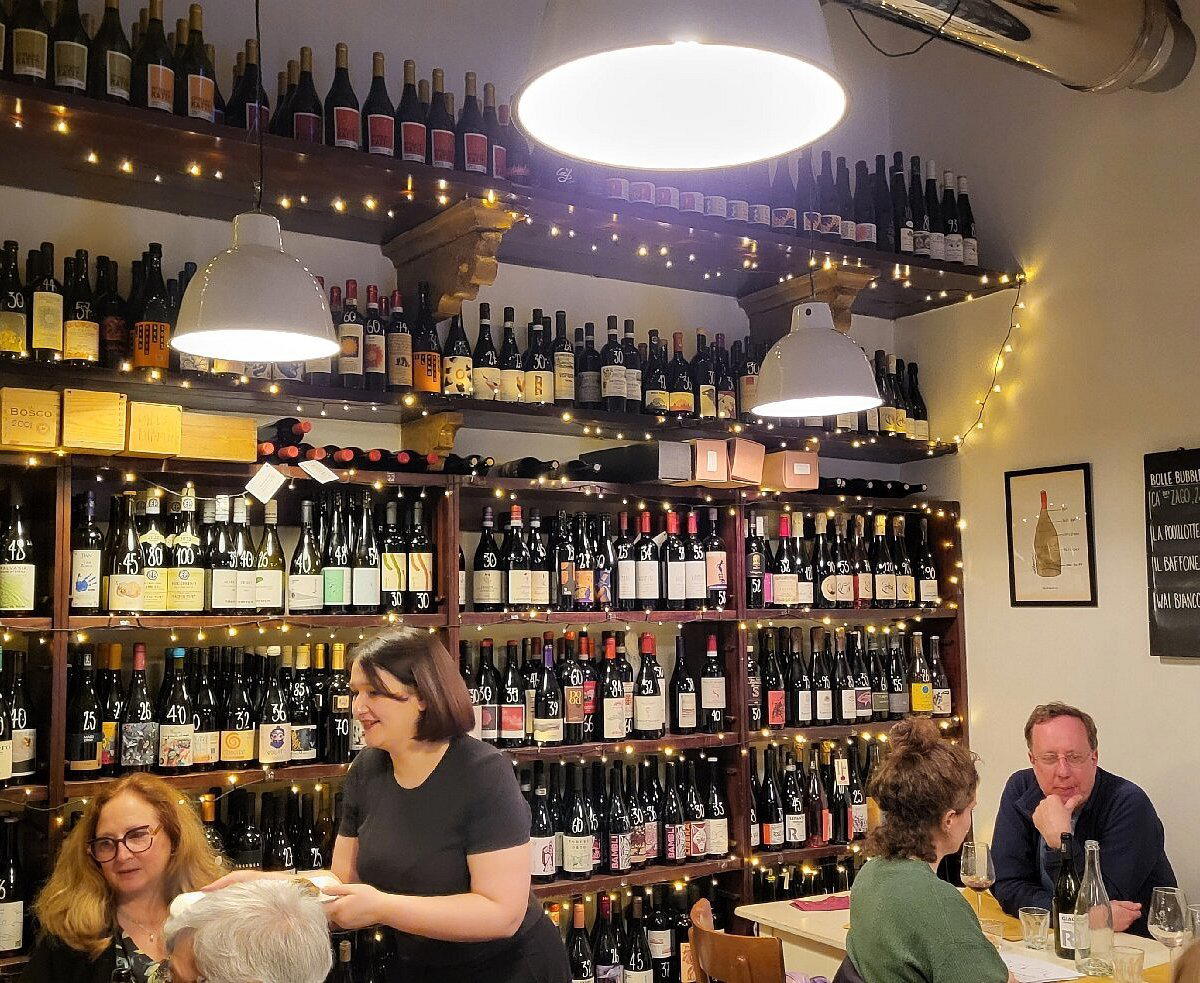
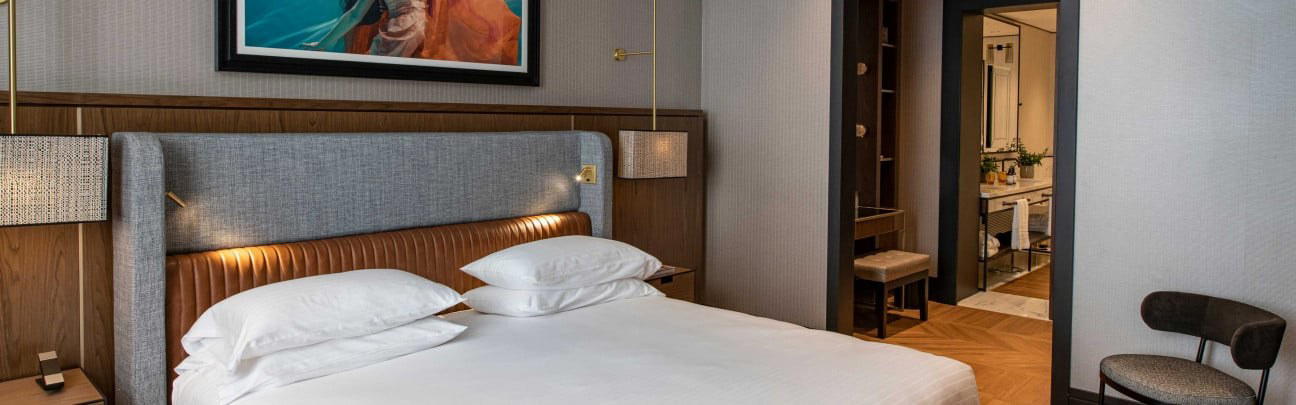
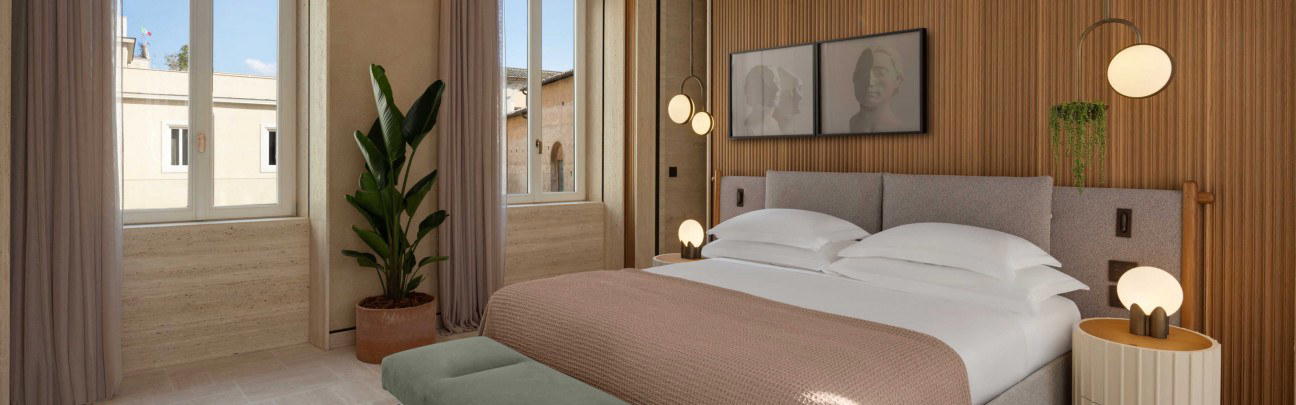
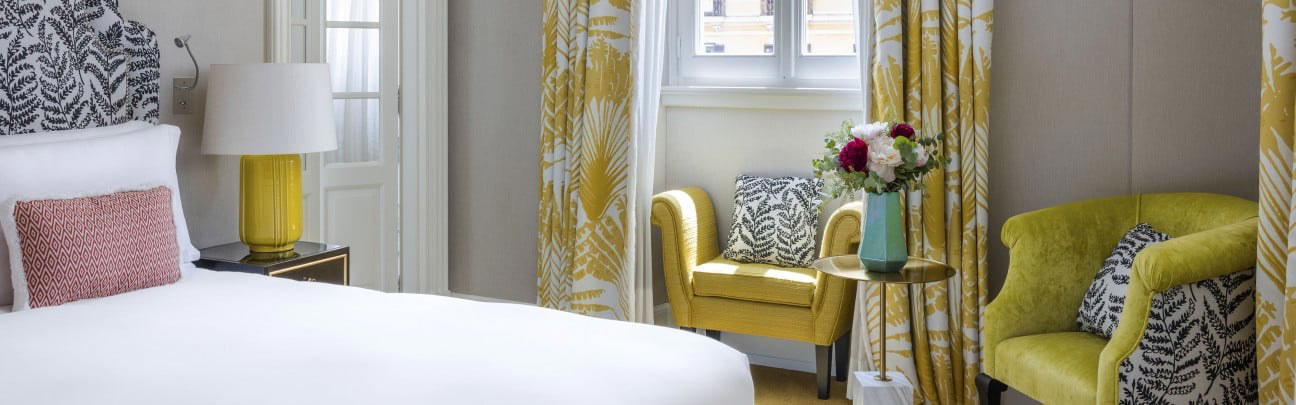
Soft lighting with a modern, warm atmosphere featuring meat displays and non-tacky furniture.