Tempura Hasegawa occupies a quiet corner of Sumida, one of Tokyo's older residential wards, where the tempura tradition runs deep and the clientele tends to return rather than rotate. The restaurant draws a loyal crowd that values the unhurried pace and cooking precision that define serious tempura at this level in the city. For those willing to venture east of the tourist circuit, it rewards the detour.
Pearl is the En Primeur Club membership app — saves, bookings, and concierge access live there. Same editors, same standards.
- Address
- 2 Chome-7-10 Kotobashi, Sumida City, Tokyo 130-0022, Japan
- Phone
- +81 3-3631-3927
- Website
- tempura-hasegawa.jp
- Directions
- Get directions
 Saves & bookings on Pearl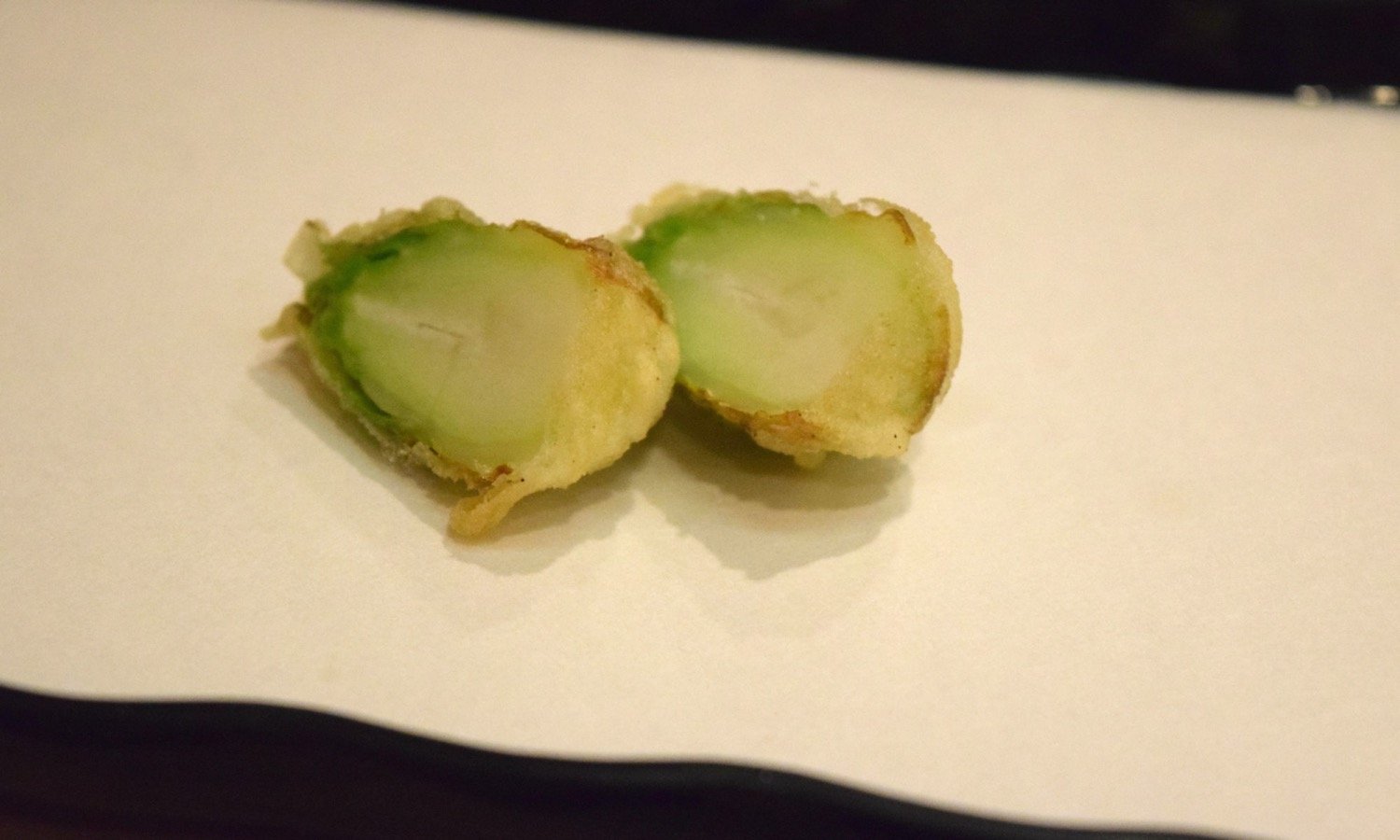
The Case for Going to Sumida
If you do one deliberate dining thing in Tokyo outside the obvious Michelin corridors of Minato and Shinjuku, consider crossing the Sumida River. The ward that shares its name with that river has long been overshadowed in fine-dining conversations by shinier postcodes, but tempura has always kept its own geography in this city, and Sumida is part of that quieter map. Tempura Hasegawa, on a residential stretch of Kotobashi, is the kind of address that regulars do not advertise heavily, which is precisely why it remains worth discussing.
Tokyo's tempura scene has stratified considerably over the past two decades. At the leading, a handful of counters in Ginza and Roppongi command prices that rival omakase sushi, with tasting sequences built around seasonal ingredients sourced from named farms and fishing ports. Below that tier sits a mid-range of neighbourhood specialists, some running for generations, where the cooking is technically serious but the atmosphere is closer to a working kitchen than a performance space. Tempura Hasegawa belongs to this second cohort, and for a particular type of regular, that positioning is the point.
What the Tempura Tradition Actually Requires
Understanding why regulars return to a tempura specialist requires understanding what separates the format from casual frying. Tempura at a serious counter is governed by oil temperature management, batter hydration, the sequencing of delicate and strong ingredients, and the timing between fry and plate. A counter chef working alone or with minimal support is making dozens of micro-decisions per service, and those decisions compound. The gap between a tempura counter operating at full discipline and one that has drifted is visible immediately in the batter: it should be thin, barely cohesive, and translucent enough to show the ingredient beneath. Fat absorption should be minimal. The result is light in a structural sense, not as a stylistic preference.
This is the standard against which serious Tokyo regulars assess a tempura counter, and it is the standard that keeps them returning to the places that hold it consistently. Across the city, tempura counters in the mid-to-upper tier, from Ginza's more theatrical rooms to quieter neighbourhood addresses like this one, are judged on consistency above novelty. A regular does not return because the menu changes; they return because it does not disappoint.
The Regulars' Calculus
The clientele at neighbourhood tempura specialists in Tokyo skews heavily local. Salarymen who live or work nearby, older residents who have been coming for a decade, the occasional out-of-ward visitor who learned the address from someone who knew. This demographic has a different tolerance than the tourist or special-occasion diner: they notice if the oil smells even slightly tired, they remember what the shrimp was like three visits ago, and they calibrate their expectations accordingly. A restaurant that sustains a loyal local crowd in Tokyo, where alternative options are genuinely abundant, is making a strong implicit argument for its own consistency.
The Sumida address is not a convenience for most visitors. It requires a deliberate trip, which means the non-local clientele who do find Tempura Hasegawa have almost certainly been pointed there by someone with a direct opinion. That word-of-mouth filter tends to concentrate the room toward people who already know what they are looking for in tempura, which shapes the atmosphere accordingly: focused, relatively quiet, without the performative excitement that accompanies a first-timer's reaction at a more famous counter. For those who prefer that register, it is the right room.
Tokyo's wider dining scene offers parallel examples of this dynamic across formats. At Harutaka (Sushi), the sushi counter model relies on repeat clientele who understand the sequencing. RyuGin (Kaiseki, Japanese) cultivates regulars who track seasonal menus across multiple visits. L'Effervescence (French) has built a loyal base among the city's French-leaning fine-dining crowd. The common thread is that sustained repeat custom in Tokyo functions as a credibility signal in itself.
Placing Tempura Hasegawa in the City's Wider Map
Tokyo's serious tempura counters occupy a narrower competitive set than the city's sushi or kaiseki rooms. Formats like Sézanne (French) or Crony (Innovative, French) draw from a different tradition entirely, and the city's kaiseki continuum, which you can trace through destinations like Gion Sasaki in Kyoto or akordu in Nara, operates on a different set of values. Tempura at this level is a more compressed proposition: fewer courses, a faster rhythm, and less ceremony around the eating itself. That compression is part of the appeal.
Outside Japan, the closest analogies in terms of format discipline applied to a single ingredient category are counters like Le Bernardin in New York City, where a singular focus on technique across a narrow ingredient range defines the house identity, or Atomix in New York City, which applies comparable sequencing logic to a Korean framework. The point is not that these places resemble one another stylistically, but that the discipline of format, sustained over years for a returning clientele, is what elevates a specialist counter above its category.
For those building a broader Japan itinerary, comparable specialist precision at the neighbourhood level can be found in cities like Fukuoka at Goh in Fukuoka or further afield at HAJIME in Osaka, though each operates in a different format and price bracket.
Planning Your Visit
| Venue | Format | Price Tier | Booking Lead Time | Neighbourhood |
|---|---|---|---|---|
| The restaurant | Tempura counter | Not confirmed | Not confirmed | Sumida (Kotobashi) |
| Harutaka | Sushi omakase | ¥¥¥¥ | Months in advance | Ginza |
| RyuGin | Kaiseki | ¥¥¥¥ | Weeks in advance | Roppongi |
| 1000 in Yokohama | Restaurant | Not confirmed | Not confirmed | Yokohama |
The restaurant's address is 2 Chome-7-10 Kotobashi, Sumida City, Tokyo 130-0022. The restaurant is recommended for reservations and serves dinner Monday through Saturday from 5:30 to 9:30 PM; it is closed on Sundays. Expect smart casual dress and about $125 per person.
Accolades, Compared
Comparable venues nearby, for context on price, style, and recognition.
| Venue | Cuisine | Price | Notes |
|---|---|---|---|
| Tempura HasegawaThis venue — the venue you are viewing | Michelin-Starred Tempura Omakase | $$$$ | Not listed |
| Kabuto (天然鰻 かぶと) | Traditional Unagi Nose-to-Tail | $$$$ | Ikebukuro |
| Mon cher ton ton (六本木 モンシェルトントン) | Teppanyaki with Kobe Beef | $$$$ | Roppongi |
| 寿司 健 | High-End Edo-Mae Sushi Omakase | $$$$ | Ginza |
| 鉄板焼 赤坂 | Luxury Japanese Teppanyaki with Wagyu & Skyline Views | $$$$ | Akasaka |
| Ningyocho Imahan Ueno hirokoji ten | Traditional Wagyu Sukiyaki & Shabu-shabu | $$$$ | Taitō |







At a Glance
- Intimate
- Elegant
- Classic
- Special Occasion
- Date Night
- Chefs Counter
- Open Kitchen
- Sake Program
Current opening hours
- Monday
- 5:30–9:30 PM
- Tuesday
- 5:30–9:30 PM
- Wednesday
- 5:30–9:30 PM
- Thursday
- 5:30–9:30 PM
- Friday
- 5:30–9:30 PM
- Saturday
- 5:30–9:30 PM
- Sunday
- Closed
Hours can change for holidays and private events. Last verified .
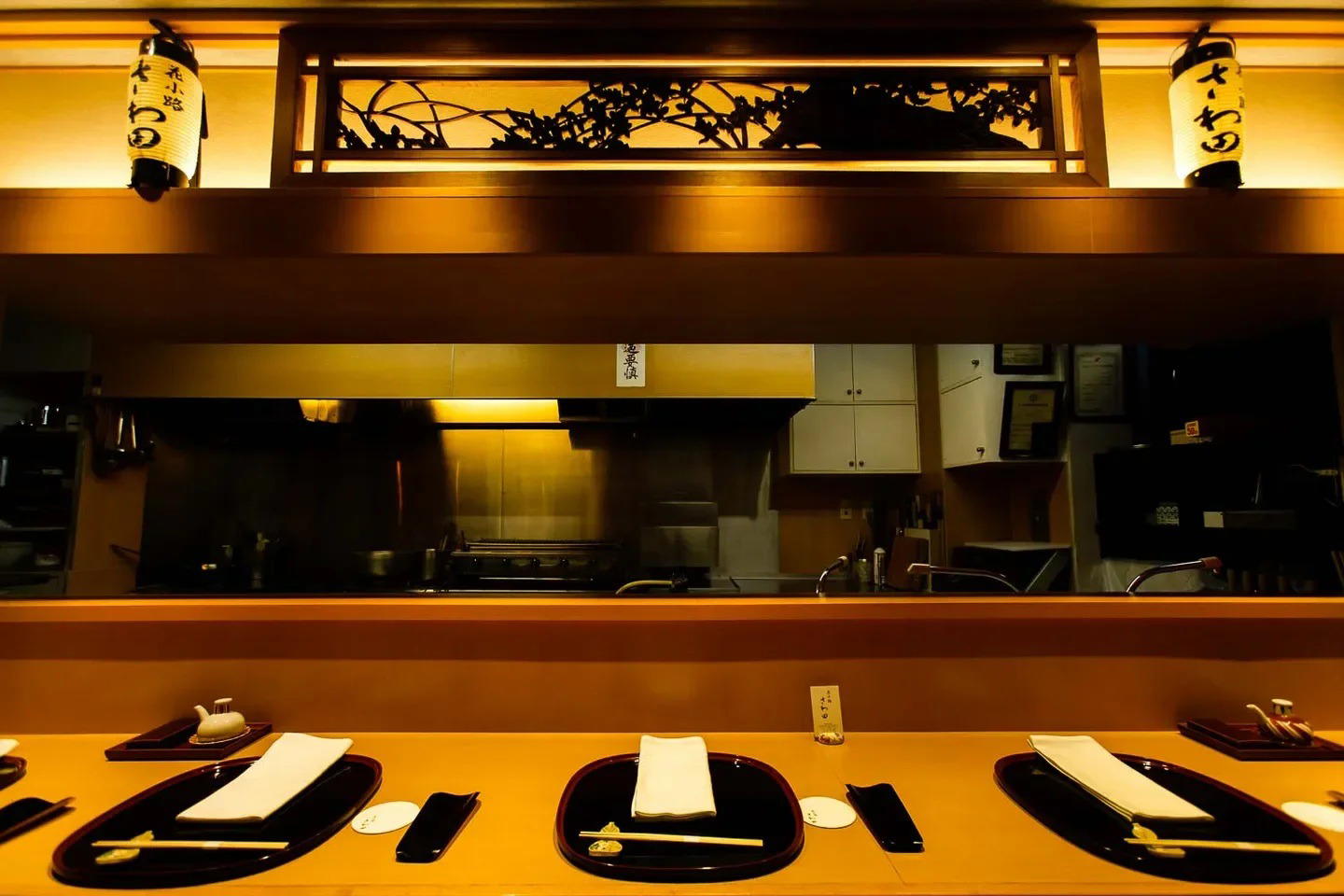
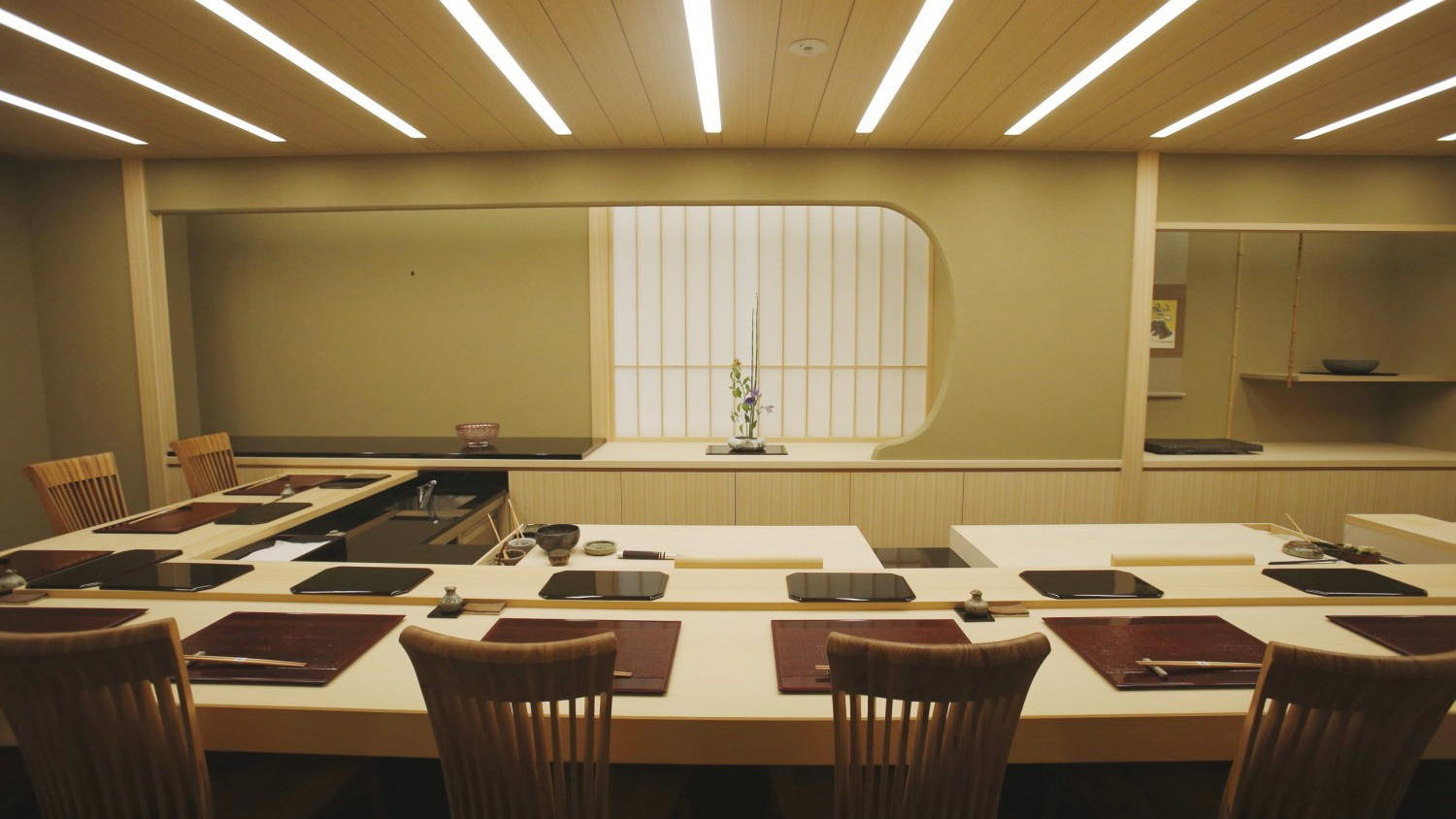
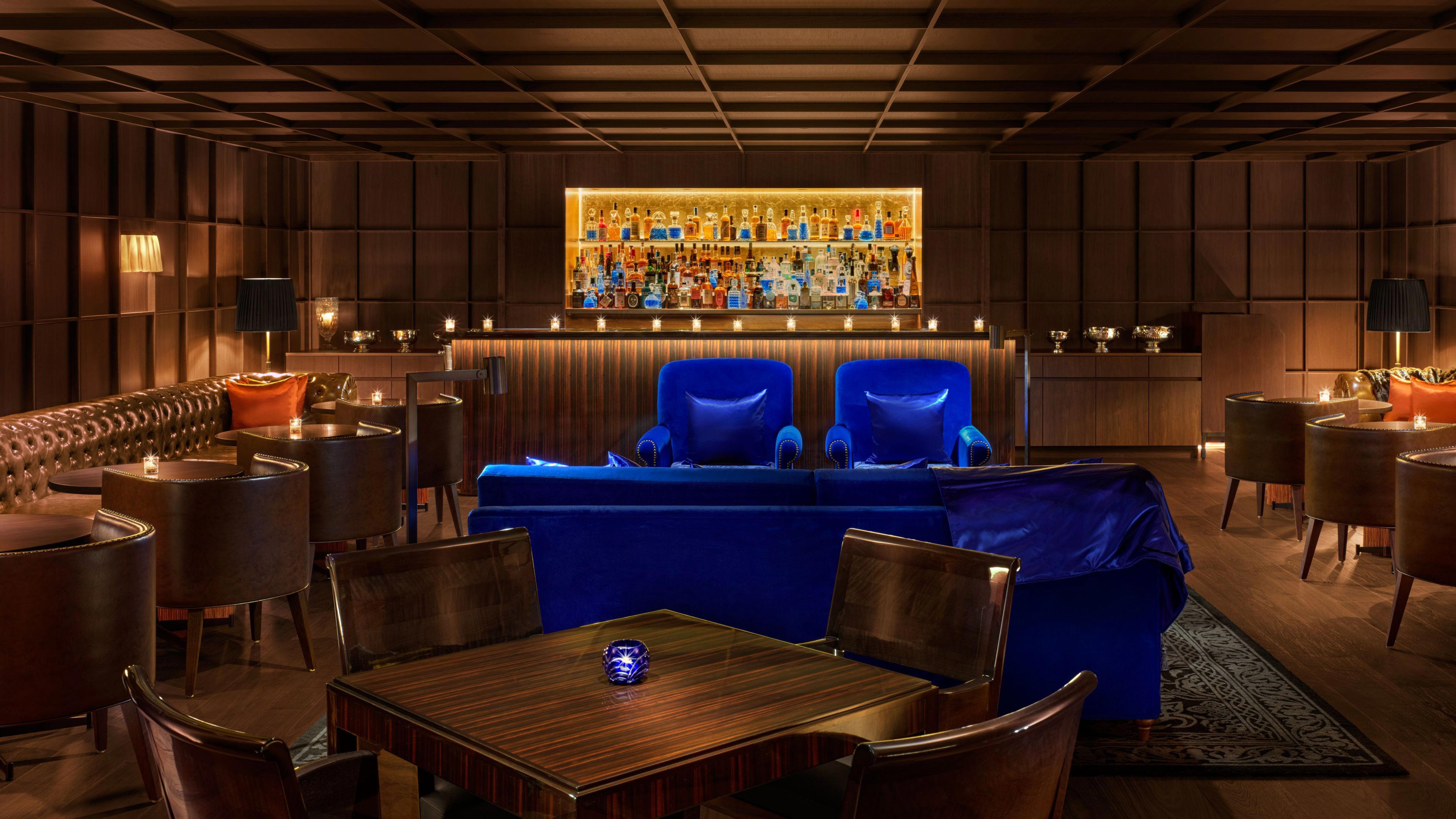
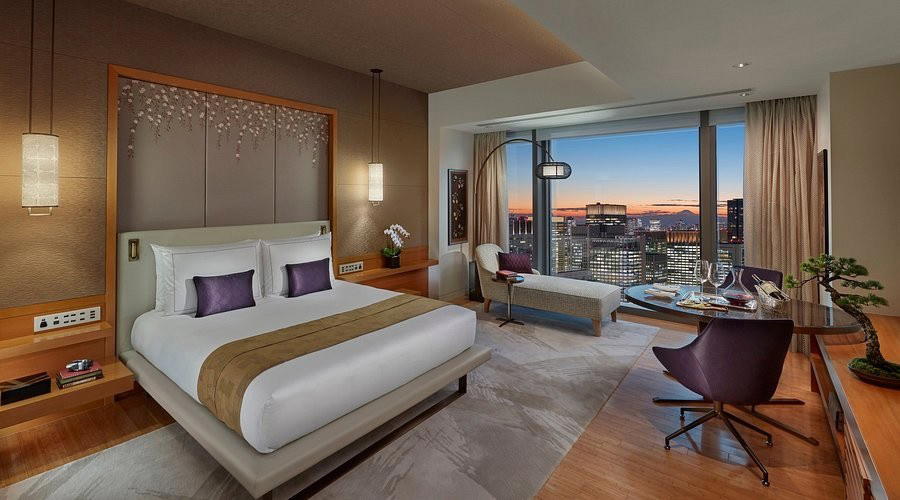
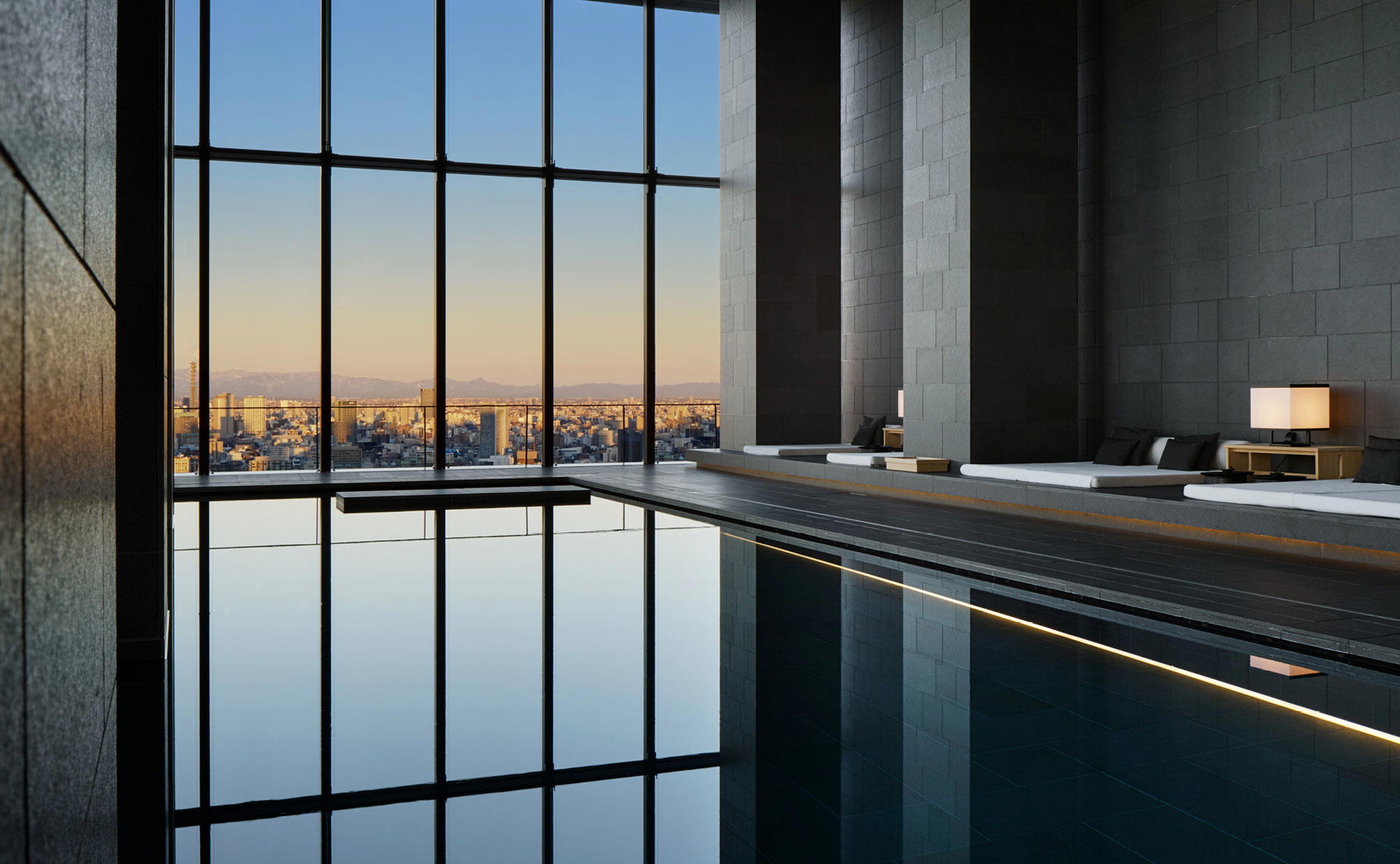
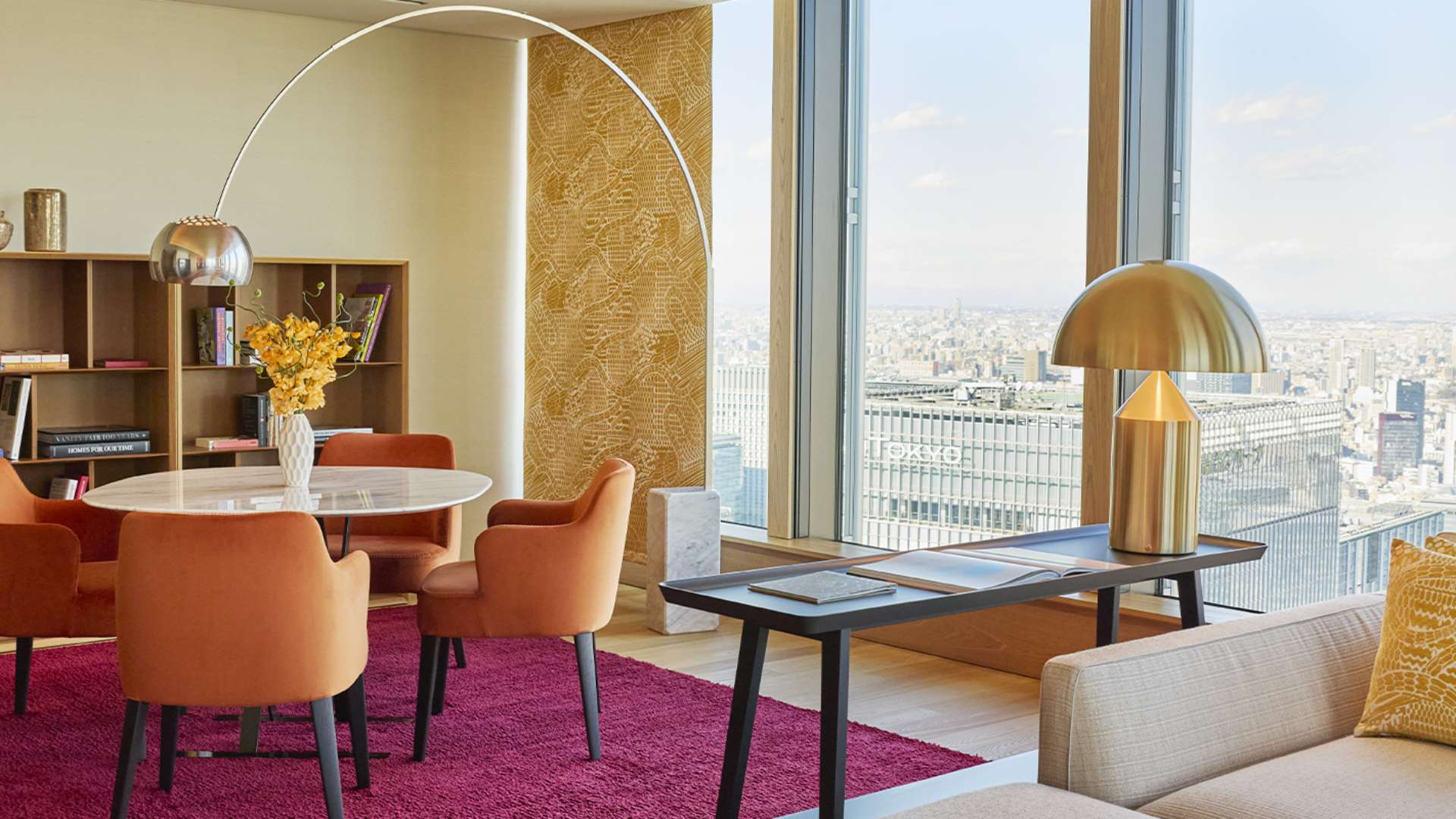
Relaxed counter seating with the chef frying in front, friendly hospitality, and a cozy intimate atmosphere.