Our verdict
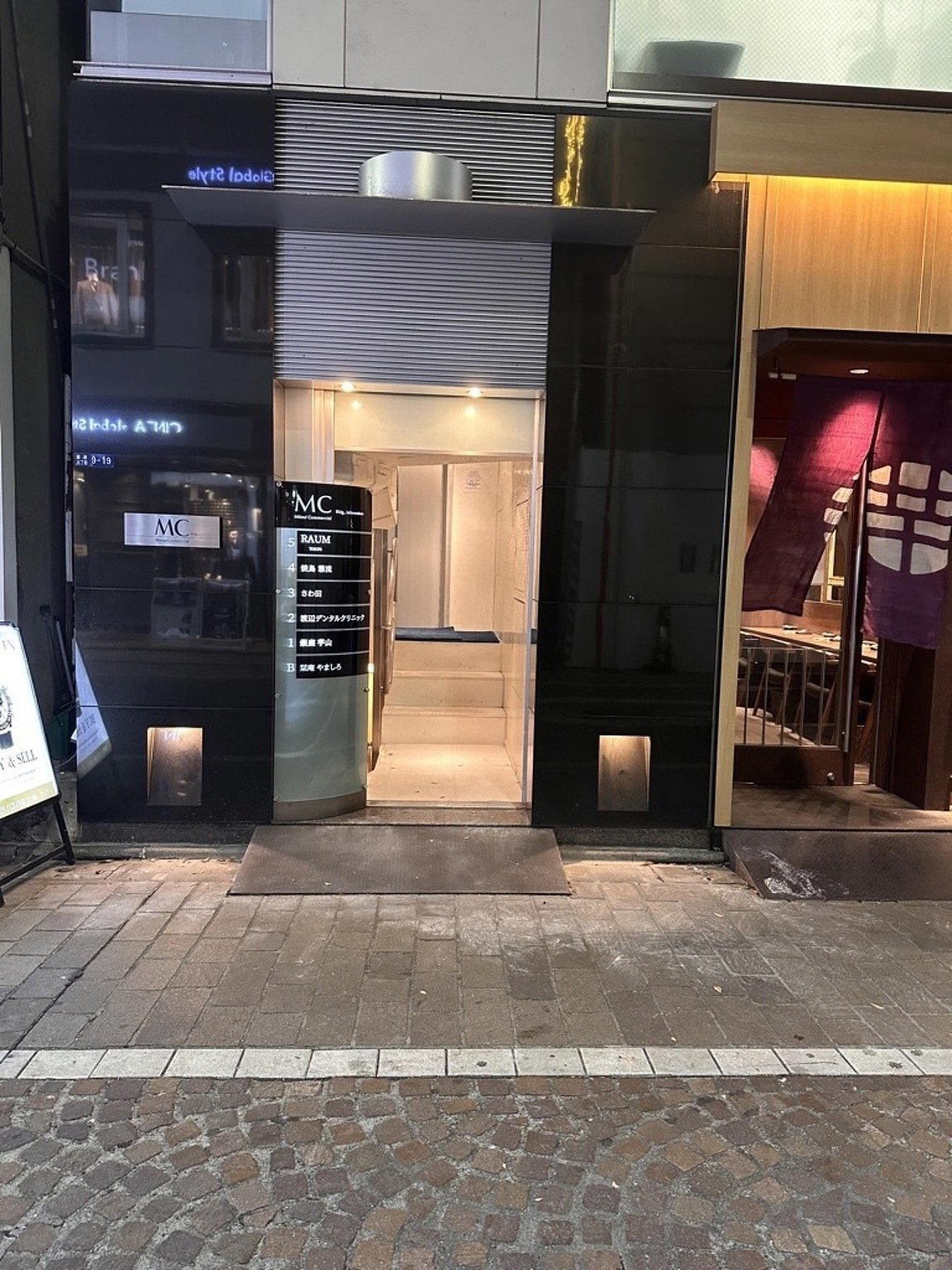
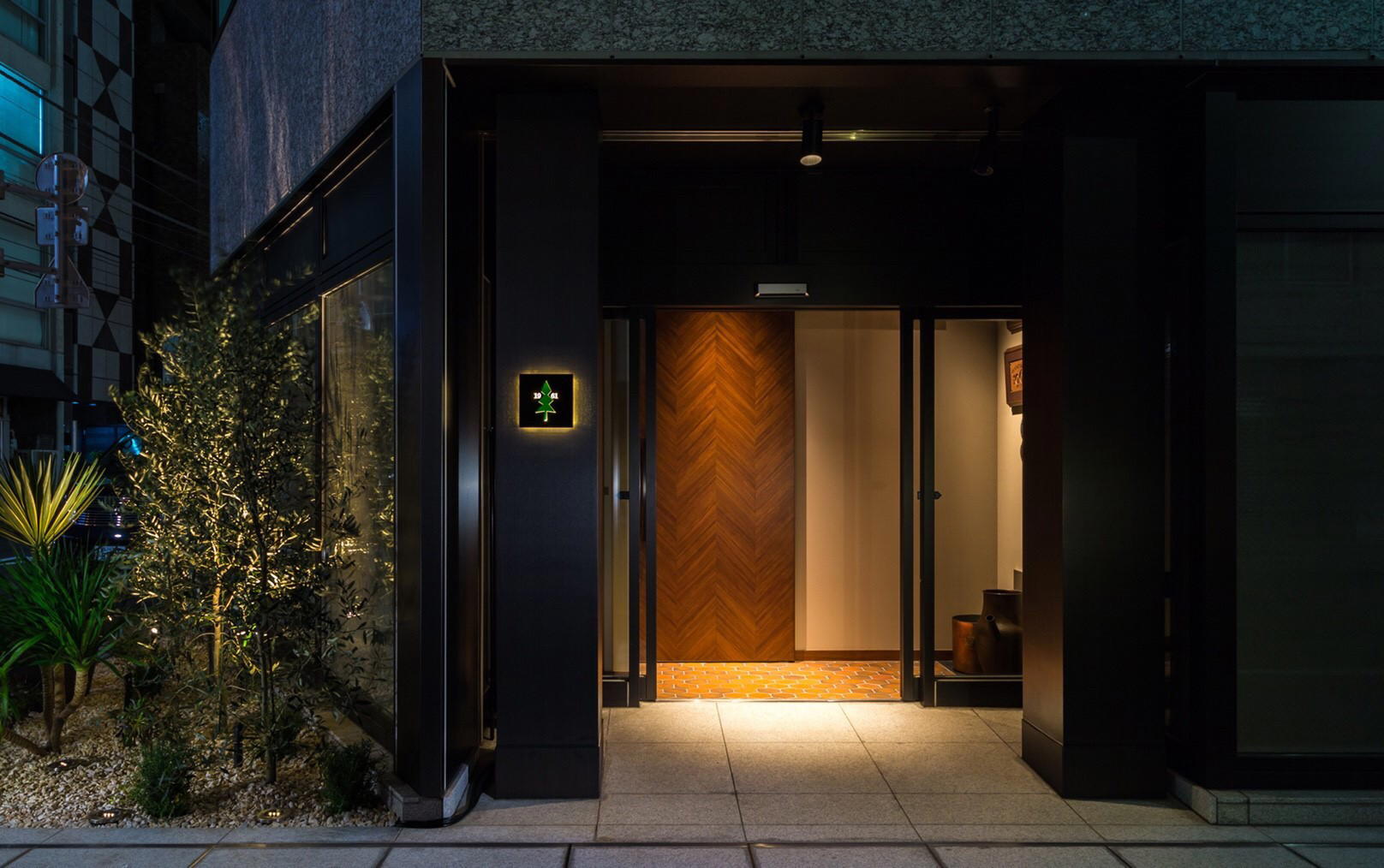
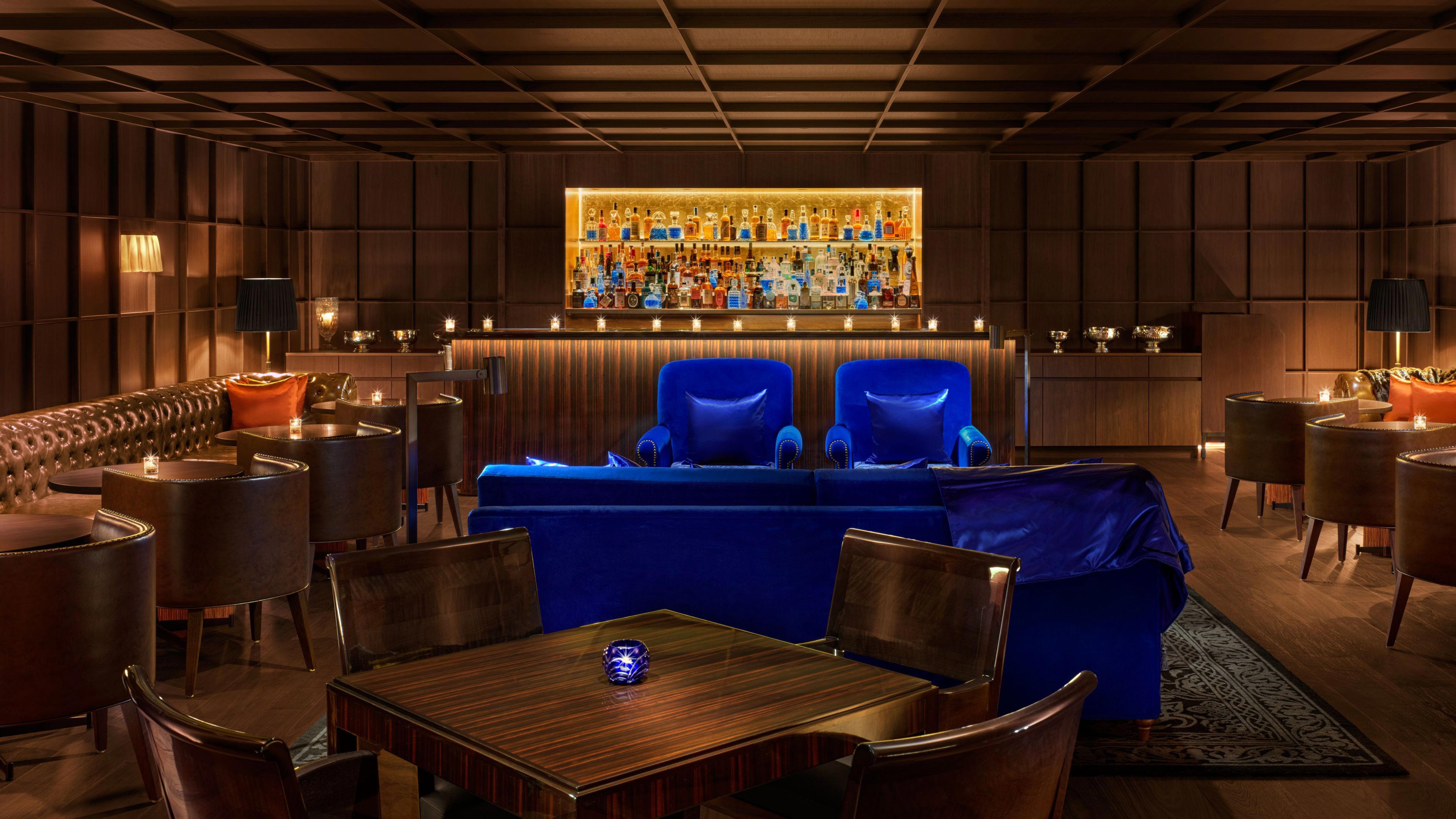
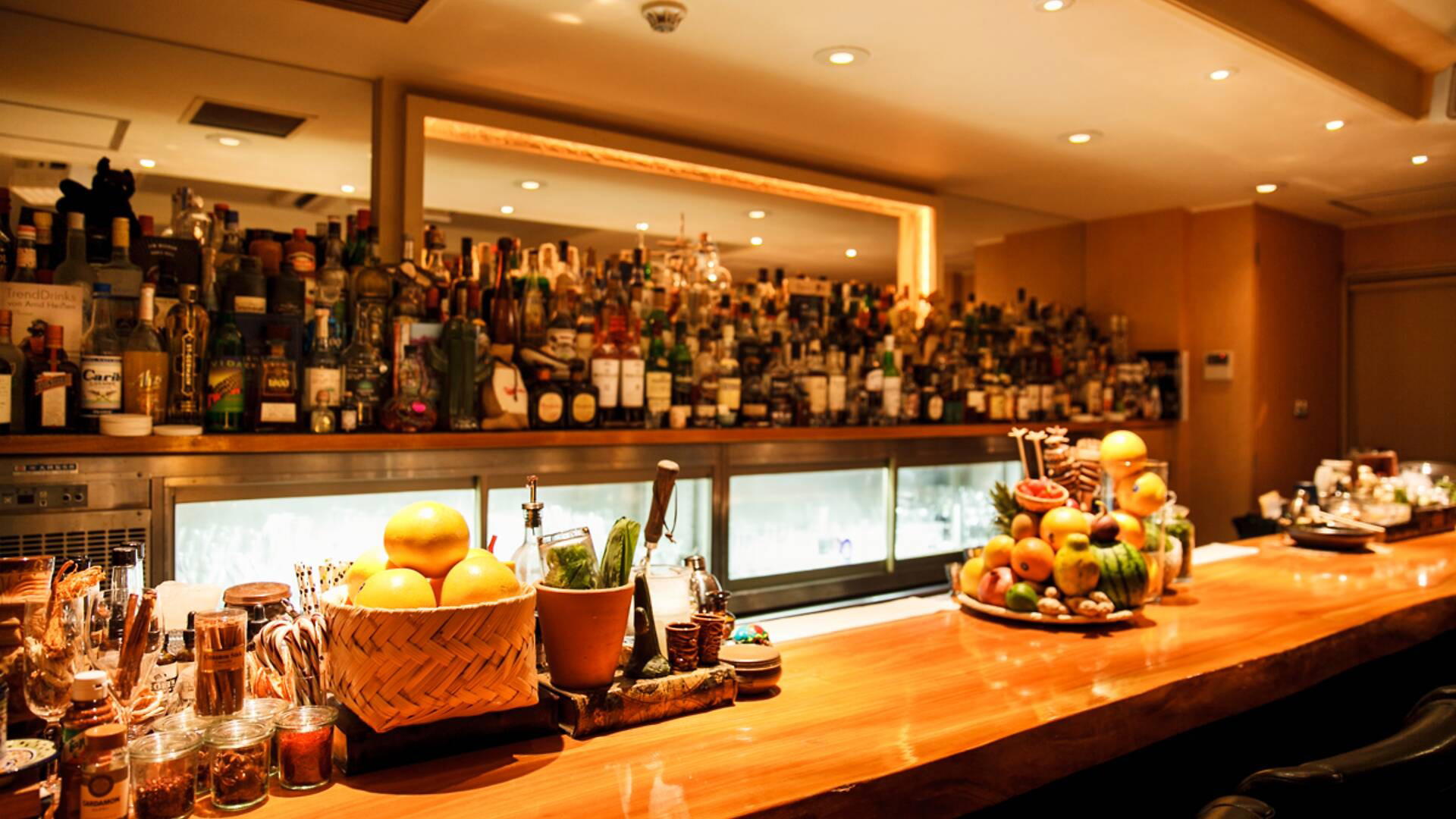
Located in a basement space in Tsukiji, 清壽 sits within one of Tokyo's most food-literate neighbourhoods, where the relationship between restaurant and raw ingredient has always been direct. The venue occupies a tier of Tokyo dining where seasonal sourcing and considered preparation define the offer, and where the Tsukiji proximity carries genuine provenance weight rather than marketing shorthand.

Pearl is the En Primeur Club membership app — saves, bookings, and concierge access live there. Same editors, same standards.
- Address
- Japan, 〒104-0045 Tokyo, Chuo City, Tsukiji, 3 Chome−16−9 アーバンメイツビル B1F
- Phone
- +81 3-3546-2622
- Website
- seijyu.jp
- Directions
- Get directions
Tsukiji's Basement Logic
There is a particular kind of Tokyo restaurant that makes sense only when you understand the neighbourhood it occupies. Tsukiji, even after the wholesale fish market's 2018 relocation to Toyosu, retains the working infrastructure of a serious food district: the outer market still operates, the specialist ingredient suppliers remain, and the streets carry decades of accumulated trade knowledge. A basement restaurant here — in a building on the quiet residential fringe of 3-chome — is not hiding from attention. It is positioned close to supply.
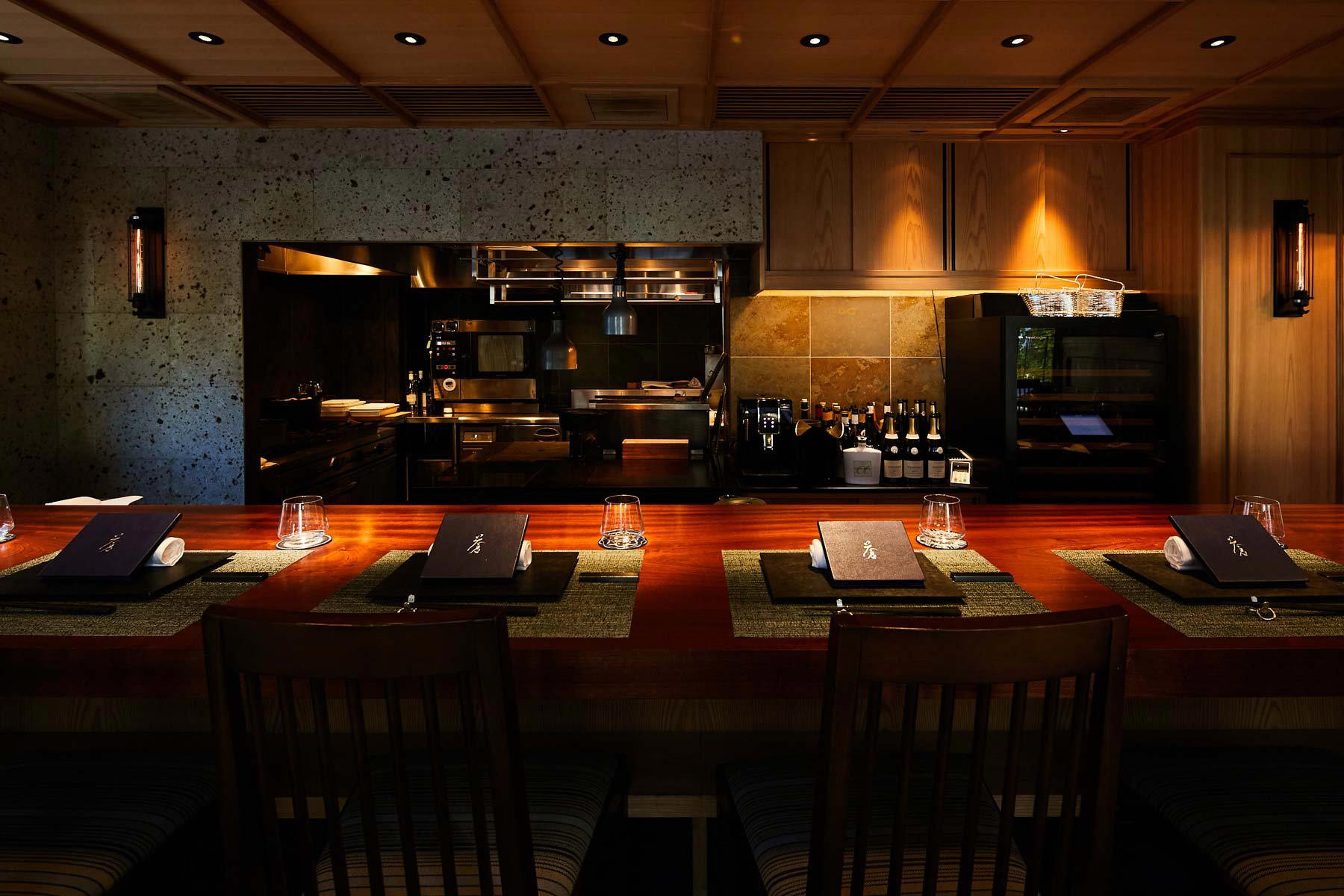
清壽 occupies that B1F address with the logic common to Tokyo's most considered small restaurants: ground-floor rents are higher, foot traffic is not the goal, and the space below street level can be shaped more precisely for the experience at hand. Across the city's premium dining tiers, from the omakase counters of Ginza to the kaiseki rooms of Minami-Aoyama, this spatial pragmatism is a recurring pattern. The subterranean setting signals intent, not constraint.
Sustainability as Operating Principle in Tokyo's Premium Tier
Japan's restaurant culture has always maintained a structural relationship with seasonal produce and whole-ingredient use that predates the language of sustainability by centuries. The Buddhist-influenced tradition of shojin ryori and the kaiseki discipline of matching each dish to the precise moment of a season's peak are not retrofitted ethics, they are the technical foundation of serious Japanese cooking. What has shifted in recent decades, across Tokyo's higher-end dining rooms, is the degree to which these inherited principles are being made explicit and extended: named suppliers, documented sourcing chains, and deliberate waste-reduction formats have moved from backstage practice to front-of-house conversation.
Tsukiji's geography reinforces this. The outer market's remaining vendors, dried goods, pickled produce, specialist seafood, represent a form of local supply chain that restaurants in the immediate vicinity can access with a proximity unavailable to kitchens in Shibuya or Shinjuku. For a small restaurant on Tsukiji 3-chome, the distance between ingredient and plate can be genuinely short, and that compression carries real implications for how a kitchen operates: less cold-chain dependency, fresher product at point of purchase, and a sourcing relationship based on daily conversation rather than centralised wholesale logistics.
This places 清壽 within a broader pattern visible at several of Tokyo's most closely watched restaurants. L'Effervescence has been widely recognised for its commitment to producer relationships and waste-minimising kitchen practice, positioning it as a reference point in the French-in-Tokyo tier for ethical sourcing. Sézanne at Four Seasons Marunouchi operates with a similar consciousness around seasonal discipline, sourcing French technique against Japanese produce calendars. These are not isolated choices, they reflect a shift across the city's premium dining towards transparency of origin as a core part of the offer.
The Tsukiji Address in Context
Chuo City's Tsukiji district sits at an interesting juncture in Tokyo's dining geography. It is neither the high-density prestige block of Ginza, a ten-minute walk east, nor the creative independent scene of Shimokitazawa or Nakameguro. It occupies a middle register: historically credentialled, slightly under the radar of international reservation platforms, and populated by restaurants whose reputation travels primarily by word of mouth within the city's professional food community.
That profile suits a certain kind of serious small restaurant. Harutaka, operating in the Ginza adjacent tier, represents the end-point of that trajectory, a destination counter with international recognition and corresponding booking pressure. Tsukiji's smaller rooms operate slightly upstream of that visibility, which in practical terms means they remain accessible to diners who plan without the three-to-six-month lead times that Ginza's most recognised counters now demand.
For comparison, the kaiseki tradition is represented at the highest tier in Tokyo by venues like RyuGin, which has carried multiple Michelin stars over a sustained period and draws international visitors specifically for its format. A basement address in Tsukiji 3-chome positions 清壽 differently in that hierarchy: local in orientation, proximate to supply, and likely serving a clientele that values discretion alongside quality.
Japan's Broader Geography of Considered Restaurants
Understanding 清壽 within Tokyo also means reading it against Japan's wider restaurant culture, where the Michelin-starred tier distributes across cities in ways that defy the usual capital-city concentration. HAJIME in Osaka has held three Michelin stars and built an international reputation for a kitchen practice rooted in ecological consciousness, arguably the most formally recognised example of sustainability-as-cuisine in Japan. Gion Sasaki in Kyoto operates within the kaiseki tradition at a level that draws diners from outside Japan specifically for its seasonal rigour. Further afield, akordu in Nara and Goh in Fukuoka represent how Japan's restaurant ambition extends well beyond its two largest cities.
Domestically, the regional picture includes venues like 一本杉 川島酒造 in Nanao and 湖国厨房 in Takashima, which operate in rural or semi-rural contexts where the relationship between kitchen and local produce is structural rather than aspirational. 羽黒屋 in Nishikawa Machi and 古往今来 in Sapporo extend that geography north. Against that national distribution, a Tsukiji basement restaurant fits within a coherent tradition: the small, supply-proximate, neighbourhood-rooted room that serves its local food community first.
For those building a broader Japan itinerary, our coverage of Bistro Ange in Toyohashi and Birdland in Sakai maps restaurants that operate in comparable registers outside the major cities. Internationally, the sourcing-first approach visible in Tokyo's more considered rooms finds parallels at venues like Le Bernardin in New York City, where ingredient provenance has long been central to the offer, and at Atomix, which brings Korean fine dining into conversation with similar producer-relationship principles. Crony in Tokyo represents the innovative French strand of the same city's premium tier.
For a full picture of where 清壽 sits among Tokyo's most carefully observed restaurants, see our full Tokyo restaurants guide.
Know Before You Go
- Address: 3-16-9 Tsukiji, Chuo City, Tokyo 104-0045 (B1F, Arban Meibiru building)
- Neighbourhood: Tsukiji, Chuo, walkable from Tsukiji Station (Tokyo Metro Hibiya Line) and a short taxi ride from Ginza
- Booking: Specific booking method not confirmed, direct enquiry or third-party reservation platforms recommended; lead times for small Tokyo rooms typically run two to four weeks minimum
- Price range:, budget in line with Tsukiji's mid-to-upper tier restaurants
- Seasonal timing: Tokyo's premium restaurant scene peaks in spring (March to May, cherry blossom and early-season produce) and autumn (October to November, harvest ingredients); both periods see increased booking competition across the city
- Dress code: Not confirmed, smart casual is standard across Tokyo's serious small restaurants at this neighbourhood tier
Frequently asked questions
Where is æ¸ 壽 located?
æ¸ 壽 is located at Japan, 〒104-0045 Tokyo, Chuo City, Tsukiji, 3 Chome−16−9 アーバンメイツビル B1F, Tokyo.
What's the must-try dish at 清壽?
Expect the kitchen's focus to shift with what the district supplies. Going without a fixed expectation is the appropriate approach here.
How far ahead should I plan for æ¸ 壽?
Reservations are recommended for æ¸ 壽 in Tokyo. Confirm current policy via the venue's official channels.
What's the standout thing about æ¸ 壽?
æ¸ 壽 is best approached by focusing on the core concept and signature offerings.
Is æ¸ 壽 allergy-friendly?
Dietary accommodations can vary. Flag restrictions in advance via the venue's official channels.
Peers You’d Cross-Shop
| Venue | Cuisine | Price | Awards | Notes |
|---|---|---|---|---|
| æ¸ å£½This venue — the venue you are viewing | This venue | Not listed | Not listed | Not listed |
| Harutaka | Edo-Style Omakase Sushi | $200–300 | 3 Michelin Stars · World's 50 Best #76 | Sushi |
| L'Effervescence | Modern French with Japanese Influences | $200–300 | 3 Michelin Stars · World's 50 Best #69 | French |
| RyuGin | Modern Kaiseki | $500+ | 3 Michelin Stars · World's 50 Best #41 | Kaiseki, Japanese |
| Crony | Modern French with Japanese Influences | $150–200 | 2 Michelin Stars · World's 50 Best #34 | Innovative, French |
| Florilège | Modern French-Japanese Plant-Based Fine Dining | $50–100 | 2 Michelin Stars · World's 50 Best #31 | French |