
GRILL Ranman puts Miyazaki’s yoshoku tradition in the affordable, everyday bracket rather than the destination tasting-menu tier. Its 2025 selection for Tabelog 100 Yoshoku WEST gives the room a clear quality signal, while the format remains grounded: Japanese-style Western cooking, counter and tatami seating, no smoking, children welcome, and prices that keep it within reach for lunch or dinner.
Pearl is the En Primeur Club membership app — saves, bookings, and concierge access live there. Same editors, same standards.
- Address
- Japan, 〒880-0002 Miyazaki, Chuodori, 6−3 ウエストビル 1F
- Phone
- +81985284011
- Website
- grill-ranman.net
- Directions
- Get directions
 Saves & bookings on Pearl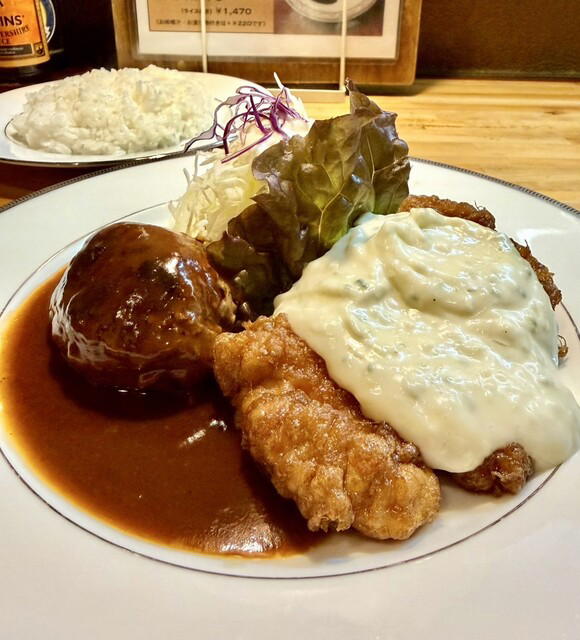
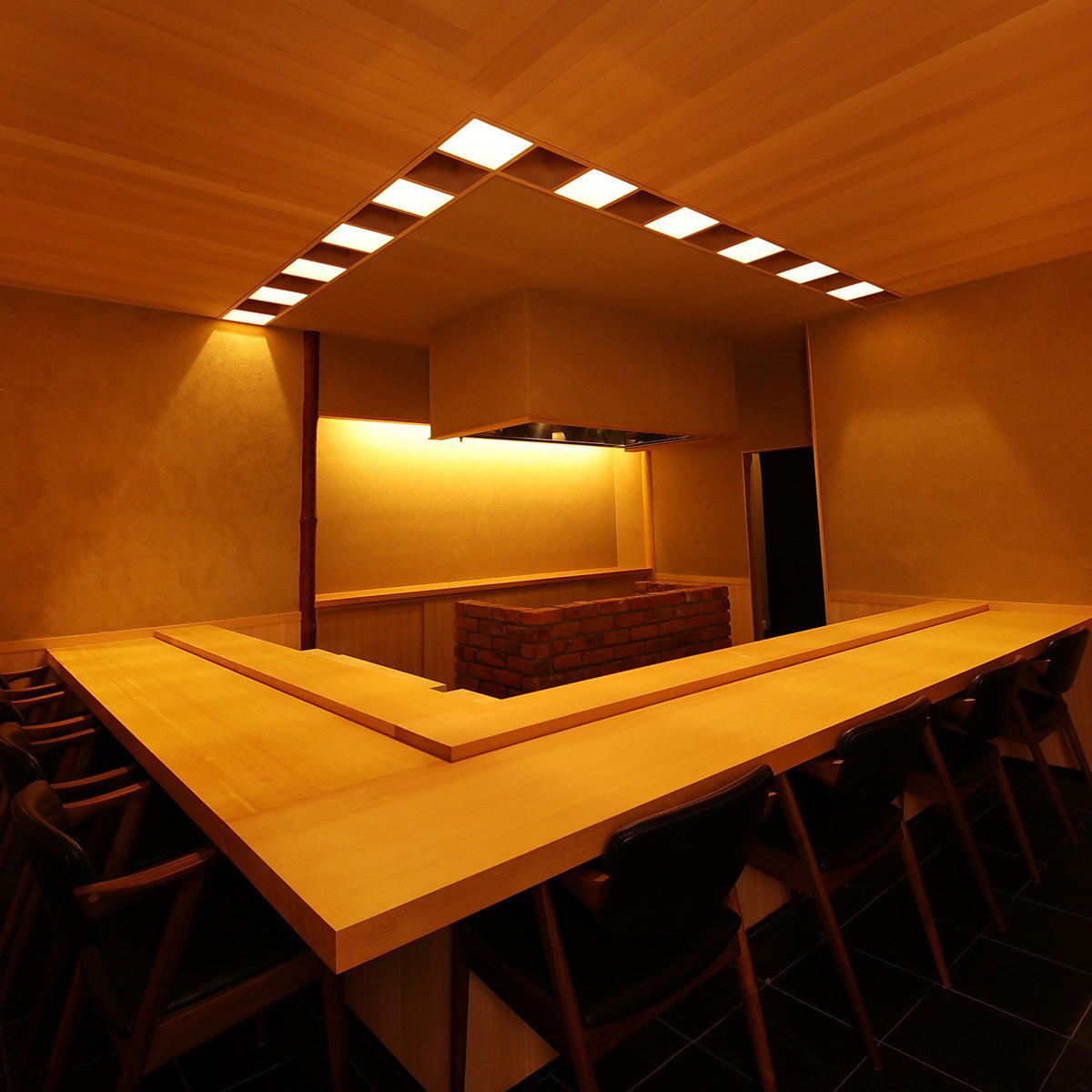
Chuodori’s restaurant blocks work at street level: compact signs, first-floor rooms, and the quick handoff between lunch service and evening meals. GRILL Ranman belongs to that rhythm rather than to the ceremonial side of Japanese dining. The room is listed with counter seating, tatami space, and a small raised-seat private room, which places it closer to the city’s everyday dining culture than to the hushed counter formats that dominate luxury food itineraries elsewhere in Japan.
That matters because yoshoku is not imported Western cooking copied literally. It is a Japanese urban tradition built from cutlets, grills, sauces, rice plates, omelets, and set-meal logic, shaped by local expectations around value and comfort. In Miyazaki, where chicken, beef, pork, seafood, and produce all carry regional weight, the category becomes a useful lens on sourcing without turning dinner into a lecture. The point is not novelty; it is how familiar Western forms are made legible through Japanese technique, portioning, and service pace.
Yoshoku in Miyazaki is about local appetite, not retro costume
Across Japan, yoshoku often gets flattened into nostalgia. The stronger restaurants in the category avoid that trap by treating the repertoire as working food: cooked to order, priced for repeat use, and built around sauces and grills that have to land with precision. GRILL Ranman’s selection for Tabelog 100 Yoshoku WEST 2025 puts it inside a regional group judged within that specific genre rather than against sushi counters, kaiseki rooms, or French tasting menus. Its Tabelog score of 3.75 reinforces the same point: this is recognition from within a category where consistency carries more weight than spectacle.
The sourcing angle is implicit in Miyazaki’s food identity. The prefecture has a stronger agricultural and livestock reputation than many first-time visitors expect, and local restaurants often turn that advantage into accessible plates rather than luxury signaling. Yoshoku is well suited to that pattern. It can absorb regional beef, pork, poultry, eggs, vegetables, and seafood without requiring a formal tasting-menu structure. The format gives cooks room to make local produce feel casual, which is one reason the category remains durable outside Japan’s largest cities.
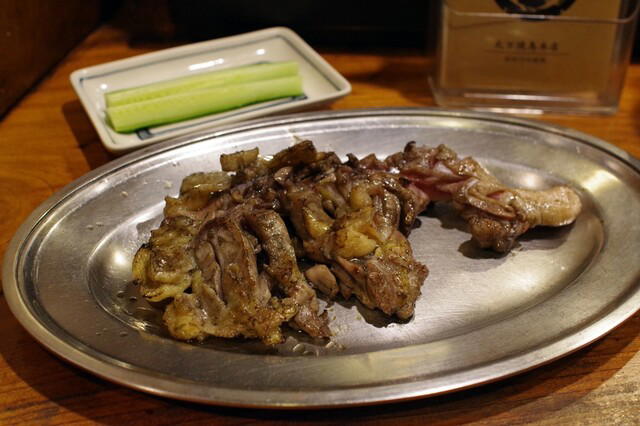
The price tier sharpens the argument. Dinner sits in the JPY 2,000 to JPY 2,999 range, with lunch in the JPY 1,000 to JPY 1,999 range. In Miyazaki terms, that places the restaurant above the quick-serve bracket represented by places such as Kamaage Udon Odamaki Honten, but well below the JPY 5,000 to JPY 5,999 tier occupied by comparison rooms such as Tenichi and Takamime. It is closer in casual accessibility to Maruman Yakitori Honten, though the culinary grammar is entirely different. For a traveler trying to understand the city through one meal, that middle ground is useful: serious enough to show craft, relaxed enough to show local habits.
The room tells you how to use it
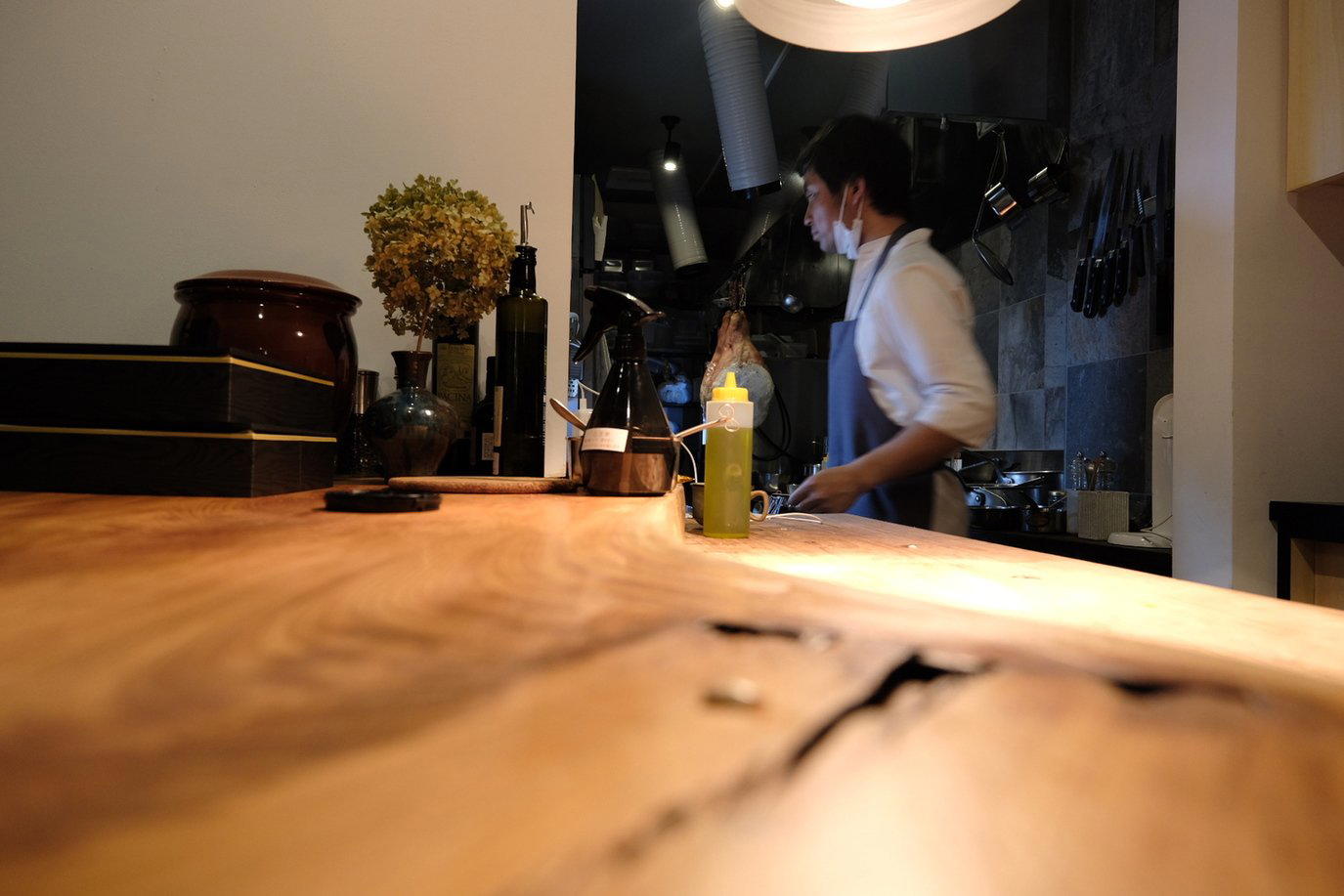
Counter seating changes the experience in a yoshoku restaurant. It makes the meal feel immediate and practical, especially for solo diners, while tatami seating and a four-person raised-seat private room point to family and small-group use. That mix says more about Miyazaki dining than a polished fine-dining room would. Local restaurants often need to serve office workers, parents with children, friends at dinner, and solo regulars without changing personality between audiences.
GRILL Ranman is also non-smoking, a detail that matters for families and travelers who plan meals around comfort as much as food. Children are welcome, and the listed occasions include family dining, solo dining, and friends. Those are not decorative labels; they show the kind of restaurant that can function across lunch and dinner without asking the guest to perform formality. The practical friction is elsewhere: reservations are unavailable, parking is unavailable, and payments are cash-only, with credit cards, electronic money, and QR code payments not accepted. In Japan, cash-only dining is not automatically old-fashioned, but it does affect planning.
The operating pattern is compact, with lunch and dinner services and closure on Tuesday, plus additional second and fourth Sunday closures listed in the business-hours notes. Lunch and dinner can run until sold out. That is the kind of detail that rewards earlier timing rather than a late, speculative arrival. The nearest station is Miyazaki Station, and the restaurant sits in Chuodori, so the meal fits naturally into a central city evening rather than a destination detour.
How it fits into a Miyazaki food itinerary
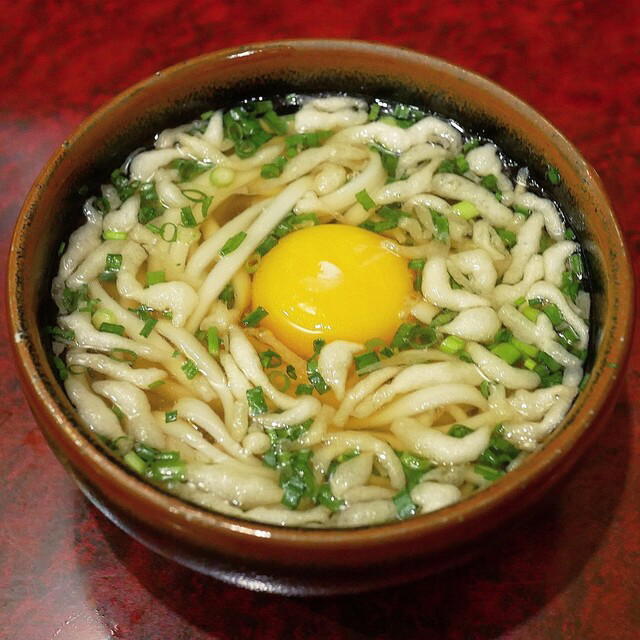
Miyazaki’s restaurant scene is better read by category than by trophy hunting. A meal at Aji no Ogura Honten introduces the city’s chicken-nanban lineage; Aji no Ogura Honten belongs in that conversation. A different local register appears at Aji Kawa, while Chinese Sen (Chinese), GIGLI, and Fujiyama Pudding Miyazaki show how broad the city’s casual and specialist dining map becomes once it is not reduced to a single regional dish.
Within that map, the restaurant is the yoshoku marker: affordable, central, recognized within a national review culture, and useful for reading how Western-derived Japanese food behaves in a regional city. It is not the meal for diners chasing a chef biography or a long beverage pairing. It is the meal for understanding how local ingredients and Japanese comfort-food technique meet in a room that works for solo diners, families, and small groups.
For broader planning, start with Our full Miyazaki restaurants guide, then pair meals with Our full Miyazaki hotels guide, Our full Miyazaki bars guide, Our full Miyazaki wineries guide, and Our full Miyazaki experiences guide. Readers comparing Japanese dining formats beyond the prefecture can also look at -Grilled beef Sukiyaki- KAMAKURA TANUKIAN 鎌倉 たぬき庵 in Kamakura. 鮪と炭火焼き うお炭 秋葉原店 in Tokyo.cafe in Osaka.know in Kumamoto, (Shoku) Vietnam in Kawasaki, [Curry Senmon Ten] Maruyama Kyoju. in Sapporo, Jōdo Saké Bar in Los Angeles, and Onigiri Time in Pasadena.
Comparison Snapshot
Comparable venues by cuisine and price in the same metro.
| Venue | Cuisine | Price | Notes |
|---|---|---|---|
| GRILL Ranman | Japanese‑style Western grill (yoshoku) | $$ | Not listed |
| Maruman Yakitori Honten | Traditional Miyazaki yakitori & chicken izakaya | $$ | Tachibanadori Nishi, Miyazaki City |
| Fujiyama Pudding Miyazaki | Japanese Curry & Cafe | $$ | Aoshima |
| 宮崎牛鉄板焼ステーキ ミヤチク | 宮崎牛 Teppanyaki Steakhouse | $$$ | 新別府町 |
| Aji no Ogura Honten | Japanese-style Western Cuisine (Yoshoku) | $ | Miyazaki Station area |
| 幸魚 | Kaisen Kaiseki (Seafood Kaiseki) | $$$ | central Miyazaki |
Recognition history
Dated appearances from independent guides and award organizations, with the underlying list record or original source where available.
Tabelog 100 #36 · No. 36
Tabelog · Tabelog 100 - Yoshoku - WEST - 2025
Continue exploring
More in Miyazaki
At a Glance
- Cozy
- Classic
- Casual
- Casual Hangout
- Family
- Solo
- Group Dining
- After Work
- Standalone
Current opening hours
- Monday
- 11:30 AM–1:30 PM, 6–8 PM
- Tuesday
- Closed
- Wednesday
- 11:30 AM–1:30 PM, 6–8 PM
- Thursday
- 11:30 AM–1:30 PM, 6–8 PM
- Friday
- 11:30 AM–1:30 PM, 6–8 PM
- Saturday
- 11:30 AM–1:30 PM, 6–8 PM
- Sunday
- 11:30 AM–1:30 PM, 6–8 PM
Hours can change for holidays and private events. Last verified .