Located in Fukuoka's Yakuin district, 五本 sits within a neighbourhood that has become a reference point for ingredient-led dining in the city. The kitchen draws from the particular abundance of Kyushu's agricultural and coastal supply chains, placing it in a tier of Fukuoka restaurants where provenance is the primary editorial argument. Advance reservations are strongly advised.
Pearl is the En Primeur Club membership app — saves, bookings, and concierge access live there. Same editors, same standards.
- Address
- 4 Chome-15-29 Yakuin, Chuo Ward, Fukuoka, 810-0022, Japan
- Phone
- +81927537125
- Website
- pocket-concierge.jp
 Saves & bookings on Pearl
Yakuin and the Sourcing Argument
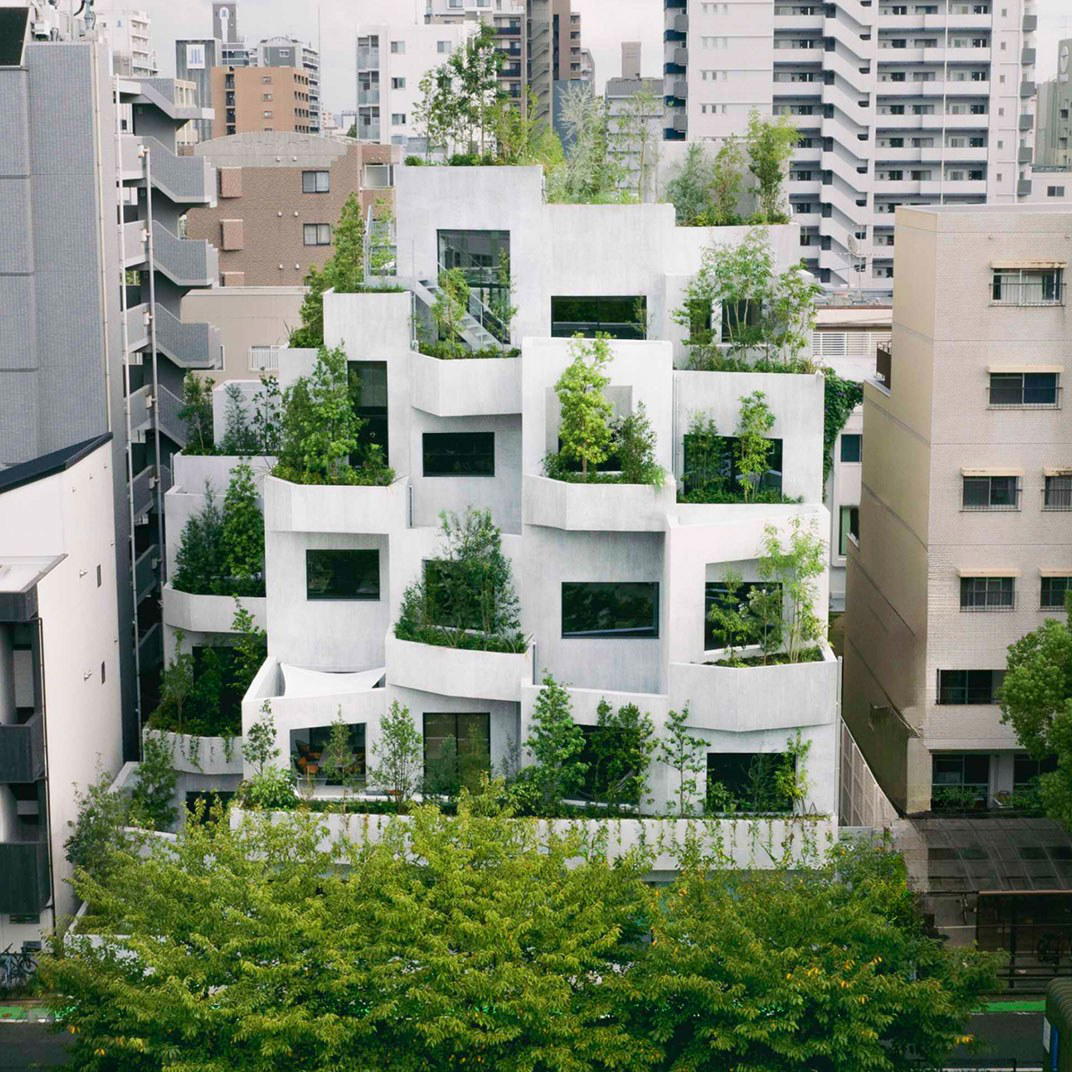
Fukuoka's food reputation tends to lead with ramen and hakata-style offal hot pot, but the city's more considered dining conversation has been shifting toward a smaller cohort of restaurants where the supply chain is the menu. Yakuin, a mid-city residential neighbourhood in Chuo Ward, has emerged as a quieter address for this kind of cooking. The streets here read less like a dining district and more like a dense urban village, with low-rise buildings and side streets that reward slow walking. It is in this context that 井本 operates, at 4 Chome-15-29 Yakuin, in a part of Fukuoka that positions ingredient-led cooking away from the tourist circuits of Nakasu or the corporate dining belt near Hakata Station.
That geography matters. Kyushu as a region sits at a particular intersection of agricultural and marine supply that few other parts of Japan can replicate in the same concentration. Ariake Sea produces some of Japan's most documented seafood, from the nori cultivated in its shallow tidal flats to the amberjack and flatfish that move through its waters seasonally. Inland, Kyushu's prefectures, particularly Kumamoto, Saga, and Miyazaki, supply beef, pork, and vegetables that carry regional identity as clear as any appellation. A restaurant in Yakuin working within this geography has access to source material that kitchens in Tokyo or Osaka often have to import from the south. The sourcing argument, in other words, is structural rather than decorative here.
How Fukuoka Restaurants Use Kyushu Provenance
Across Fukuoka's serious dining tier, the approach to local sourcing varies considerably. Some kitchens treat regional ingredients as a supporting cast for technique-led menus, closer to the model you see at Goh (French), where French culinary structure meets Kyushu produce. Others, like Chikamatsu (Sushi), work within a discipline where the fish speaks almost entirely without transformation. The space between those two positions is where ingredient-led kaiseki and contemporary Japanese cooking operate, and it is a space that Fukuoka's mid-tier and upper-mid dining scene has been building out over the past decade.
The comparison is instructive. At Asago, the emphasis on morning-market sourcing shapes the menu cadence in a way that makes the kitchen's supply relationships visible to the diner. At Beef Taigen (Beef泰元), the sourcing argument runs through a single protein category with the specificity that comes from deep supplier relationships. At Bekk, the framing is more lateral, the provenance question sits inside a wider editorial about what contemporary Fukuoka cooking wants to be. These are the peer conversations that shape how a restaurant in Yakuin positions itself, and they are more relevant to understanding 五本's place in the city than any individual dish description could be.
The Broader Japanese Context
Fukuoka's position within Japanese fine dining is often underwritten. The city operates at a productive remove from Tokyo's media gravity, which means restaurants here build reputations through a different mechanism, repeat local clientele, word of mouth among travelling Japanese diners, and a slower accumulation of critical attention from publications that reach beyond the capital. That pattern is familiar from other regional cities: Gion Sasaki in Kyoto built its standing partly on Kyoto's own ingredient ecosystem, while HAJIME in Osaka operates within a city that has learned to compete with Tokyo on its own terms.
The parallel with regional dining in other parts of Japan is worth holding. affetto akita in Akita and Aji Arai in Oita both illustrate how Japanese regional kitchens can anchor a strong sourcing argument around local agricultural identity, without requiring proximity to a major metropolitan food press. Fukuoka has more infrastructure than those examples, it is Japan's fifth-largest city, with a functioning food media scene and enough business travel to support consistent high-end covers, but the sourcing logic runs on similar rails. What you eat in Yakuin has a plausible short-chain connection to Kyushu's farms and waters that a comparable meal in Ginza simply cannot match by default.
Internationally, the sourcing-as-menu-argument has counterparts at places like Le Bernardin in New York City, where the supply relationship with fishers is as central to the restaurant's identity as any technique, or Lazy Bear in San Francisco, where the provenance of ingredients is part of the narrative presented to diners. The difference in Fukuoka is that the geography does much of that work automatically, the distance from sea to kitchen is simply shorter.
Planning a Visit
五本 sits at 4 Chome-15-29 Yakuin, Chuo Ward, Fukuoka. The Yakuin address is within walking distance of central Fukuoka, and arriving on foot from the area is practical. Advance reservations are recommended.
Comparable Venues
Comparable venues nearby, for context on price, style, and recognition.
| Venue | Cuisine | Price | Awards | Notes |
|---|---|---|---|---|
| 井本This venue — the venue you are viewing | Traditional Japanese | $$$ | , | |
| Sushi to Amakusa Daio Amane | Omakase Sushi & Amakusa Daio Chicken | $$$ | , | Chūō |
| Kamo to Negi Yodomizu Nigyo | Duck shabu-shabu (Japanese hotpot) | $$$ | , | Chūō |
| Seimon Barai | Seafood-focused Japanese Izakaya | $$$ | , | Hakata |
| Hyogo Dori | Yakitori Izakaya | $$$ | , | Chūō |
| Mashiko | High-end Yakitori Counter | $$$ | , | Chūō |
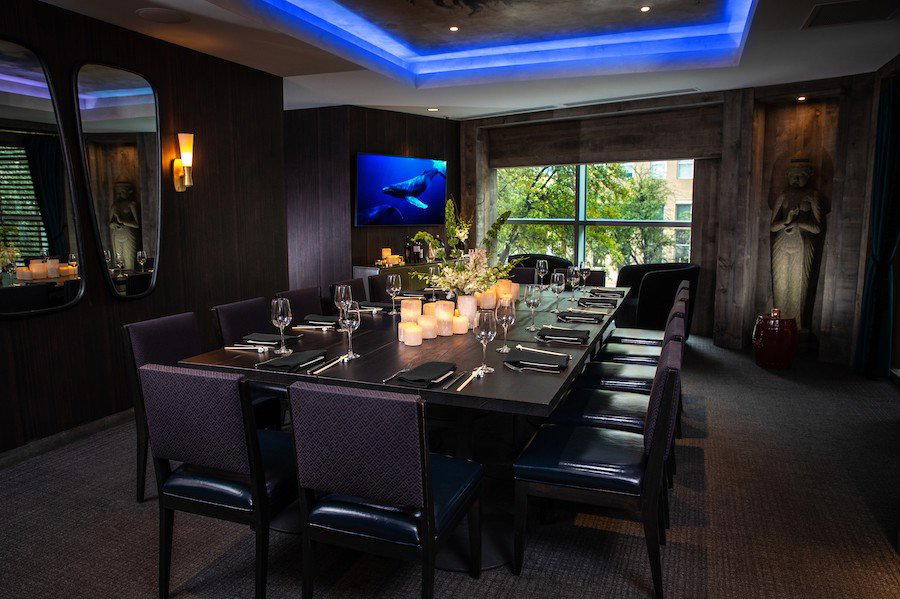
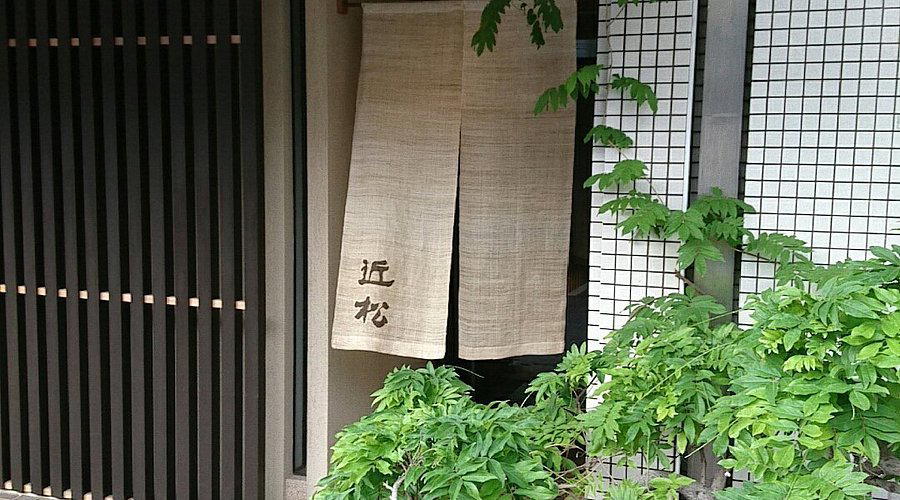
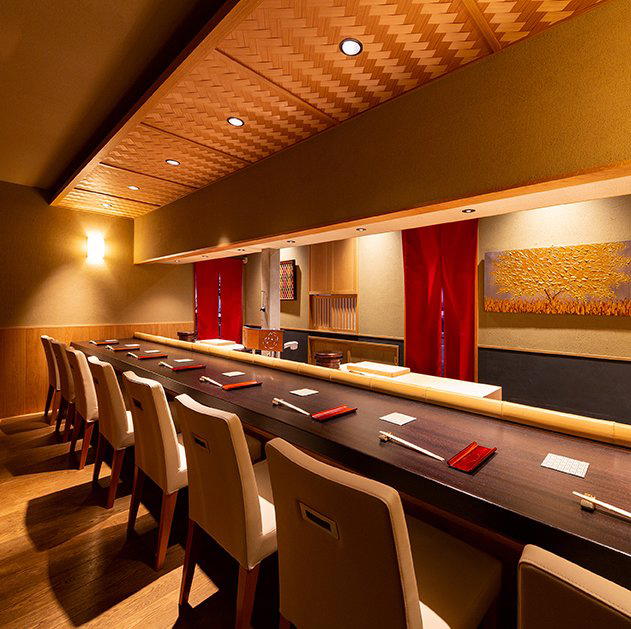
At a Glance
- Classic
- Intimate
- Elegant
- Casual Hangout
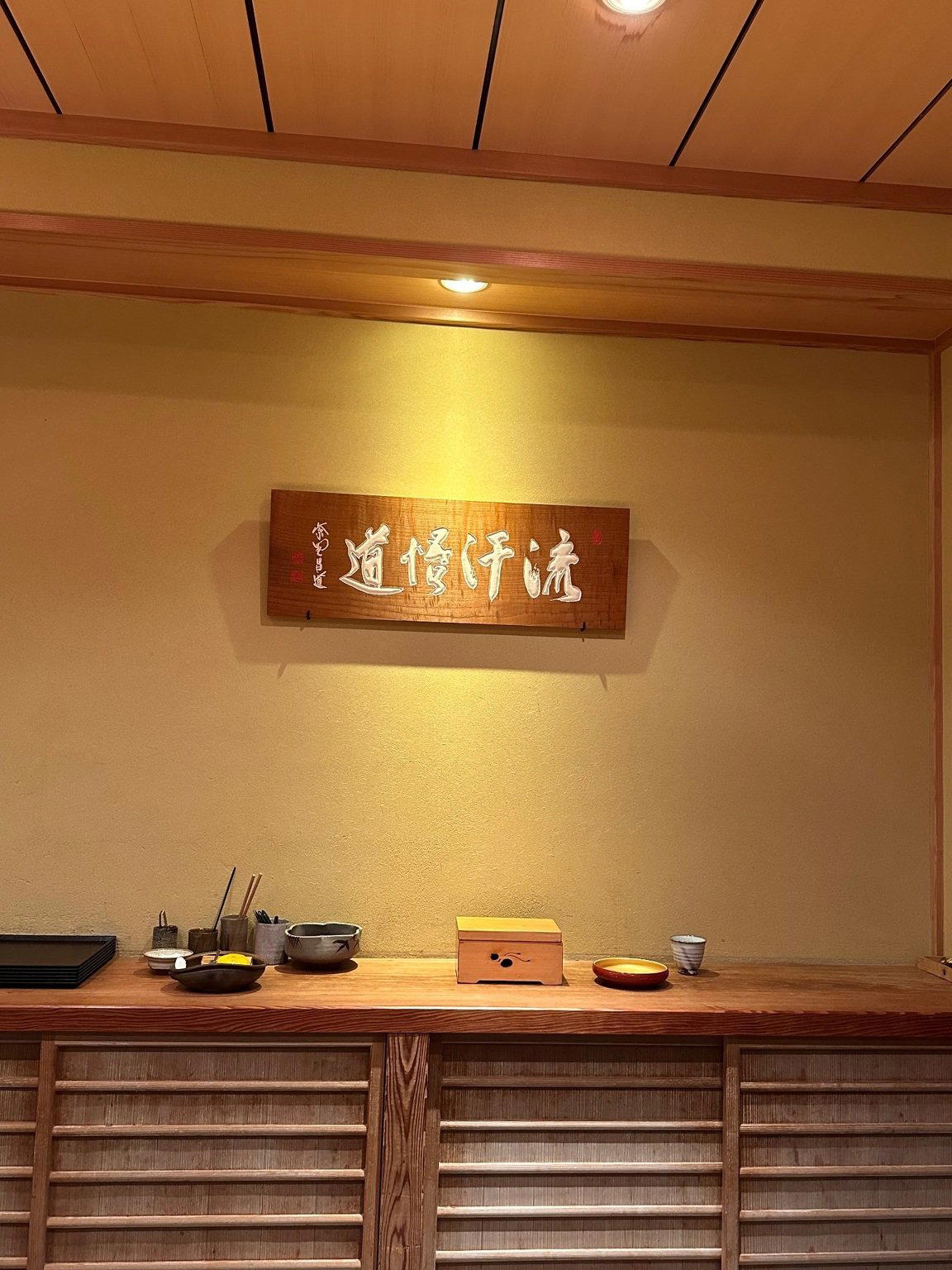
Warm and welcoming with soft lighting and traditional Japanese decor creating a refined yet comfortable dining experience