
Tabelog 100 #91
Our verdict
Akasaka’s yakitori tier is compact, counter-led, and more serious than its casual surface suggests. Hyogo Dori sits in that lane with 19 seats, Tabelog 100 Yakitori WEST selections from 2023 to 2025, and a dinner spend in the JPY 8,000 to JPY 9,999 range, making it a sharper value play than Fukuoka’s higher-priced kappo-style counters.

Pearl is the En Primeur Club membership app, where members save venues, book tables and use the concierge.
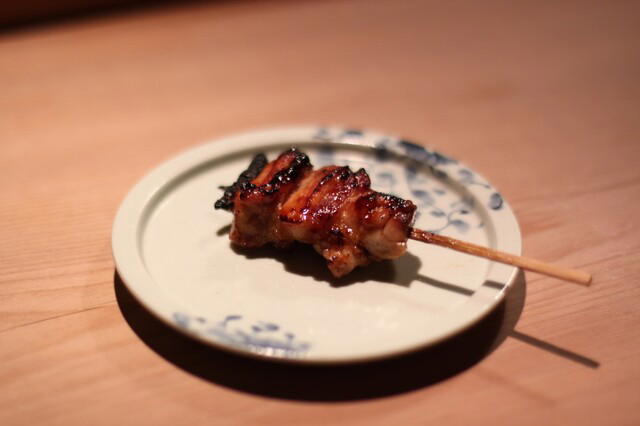
The menu
What to order
- Yakitori omakase skewer set
- Chicken soup
- Draft The Premium Malts beer
Approaching a good yakitori room in Fukuoka, the first cue is scale: a frontage that keeps the focus close, a counter-minded rhythm around the grill, and a dining room built for timing rather than spectacle. Fukuoka is well suited to that format. It has enough evening energy to support serious compact restaurants without requiring every meal to become a production. Hyogo Dori belongs to that category, where chicken skewers, chicken dishes, izakaya-style hospitality, and a short distance between cook and guest carry the evening.
Fukuoka’s dining reputation often runs through quick noodles, hot-pot meals, seafood-led taverns, and the casual evening image sold to first-time visitors. Yakitori is a quieter measure of the city’s appetite. It rewards repetition, careful sourcing, and heat control, but it also needs the social ease of an izakaya. The better rooms avoid the split between casual drinking spot and formal counter; they let skewers, chicken dishes, and the flow of the meal do the work without forcing a luxury script onto a street-level tradition.
A yakitori room priced below many formal Fukuoka counters
The value case is unusually clear. Dinner sits at JPY 8,000 to JPY 9,999. That places Hyogo Dori above everyday skewer-and-beer territory, while still keeping it in a controlled range for travellers choosing one focused Fukuoka dinner. It can be weighed against other local meals such as Oryori Uchiyama, Mashiko, Sabatarou, and Taigen Honkan, but the point is not bargain hunting; it is a contained spend for a format where the grill cadence, counter feel, and category focus matter.
Hyogo Dori’s Tabelog Hyakumeiten recognition in 2025 gives the room a public signal that matters in Japan’s category-specific dining culture. Tabelog’s Hyakumeiten lists are useful for sorting specialist restaurants by genre and region. For yakitori, that distinction is particularly relevant because the cuisine does not always translate well through broad fine-dining shorthand. A counter can be serious without tasting-menu theatre, and a room can be ambitious without looking formal.
The category spread also explains the appeal. The restaurant is listed for yakitori, chicken dishes, and izakaya, which puts it in the modern Japanese middle ground: not only a drinking tavern, not a chef’s-counter kappo, not a casual chain skewer shop. For travellers deciding how to allocate a Fukuoka dinner, this is the zone that often gives the clearest read on local habits. The bill remains contained, but the format asks for attention.
Why Fukuoka suits serious grilled cooking
Fukuoka’s advantage is balance. The city has the appetite for late, social eating, but it also supports focused rooms where the meal is paced around the grill rather than the noise of the room. That matters for yakitori because the format depends on timing. Skewers lose force when the room behaves like a bar crawl stop, and they can become stiff when framed as ceremony. The better Fukuoka version sits between those poles.
Hyogo Dori’s listing as yakitori, chicken dishes, and izakaya points to a room where aroma and heat are central to the experience. That combination is especially logical around grilled chicken. The details that separate a careful grill from a generic one can be subtle: the order in which pieces arrive, the way seasoning is kept in proportion, and how the room lets guests focus without turning the meal into a formal performance.
There is also a practical reason to consider the format early when planning a Fukuoka itinerary. Yakitori can feel casual from the outside, but a recognized specialist room is still a dinner commitment, not simply a snack stop. A JPY 8,000 to JPY 9,999 range asks more attention than a quick local drink, while remaining accessible compared with more formal destination dining. That combination is exactly why rooms like this matter in a city built on repeatable eating pleasure.
How to place it in a Fukuoka eating itinerary
For a first Fukuoka trip, Hyogo Dori makes sense after the city’s obvious dishes have been covered. Casual staples and seafood establish the baseline; yakitori shows another register, one built on poultry, grilling, and izakaya ease rather than speed or abundance. Its Hyakumeiten recognition in 2025 suggests category visibility, which is more useful here than a splashy opening narrative.
The surrounding EP Club map helps define the decision. Travellers comparing Fukuoka meals can start with Our full Fukuoka restaurants guide, then weigh the city’s range through other dining in Fukuoka, from casual counters to more formal rooms. For the wider trip frame, use Our full Fukuoka hotels guide, Our full Fukuoka bars guide, Our full Fukuoka wineries guide, and Our full Fukuoka experiences guide.
Across Japan and beyond, EP Club’s restaurant index also shows how specialist formats travel, from regional counters to compact rooms built around a single craft. Against that broader field, Hyogo Dori’s appeal is specific rather than grand: a Fukuoka yakitori room with recognized 2025 category standing, a clear dinner range, and a format that buys seriousness without crossing into formal splurge territory.
Frequently asked questions
What's the address for Hyogo Dori?
Fukuoka.
What does dinner at Hyogo Dori typically cost?
Pricing at Hyogo Dori is listed as JPY 8,000 - JPY 9,999.
What are Hyogo Dori's hours?
Specific opening hours are not provided here; check directly with Hyogo Dori before visiting.
What's the signature at Hyogo Dori?
The anchor here is yakitori, supported by chicken dishes and an izakaya format. Hyogo Dori was selected for Tabelog Hyakumeiten in 2025.
Is Hyogo Dori allergy-friendly?
For specific allergy questions, the most useful point of contact is the restaurant's listed phone number, +81-92-753-7269, before a visit.
Is Hyogo Dori good for families?
Family suitability is not specified here. For mixed-age groups considering the JPY 8,000–JPY 9,999 dinner range in Fukuoka, contact the restaurant directly before booking.
Where the Accolades Land
Nearby venues at a similar price tier for orientation.
| Venue | Cuisine | Price | Awards | Notes |
|---|---|---|---|---|
| Hyogo DoriThis venue (the venue you are viewing) | Yakitori Izakaya | $50–100 | Tabelog 100 #91 | Not listed |
| Tempura Tenko | Seasonal Tempura Omakase | $100–150 | Tabelog 100 #8 | Chūō |
| Yakitori Choji | Yakitori | $50–100 | Tabelog 100 #13 | Chūō |
| ginmi | Kyushu Izakaya | $50–100 | Tabelog 100 #66 | Chūō |
| Kiyoki | Japanese small plates and steak | $50–100 | Tabelog 100 #84 | Chūō |
| Oryori Yamanokuchi | Japanese Izakaya | $50–100 | Tabelog 100 #86 | Chūō |
Recognition history
Dated appearances from independent guides and award organizations, with the underlying list record or original source where available.
Tabelog 100 #91 · No. 91
Tabelog · Tabelog 100 - Yakitori - WEST - 2025
Continue exploring
More in Fukuoka
Restaurants in Fukuoka
All restaurants in Fukuoka →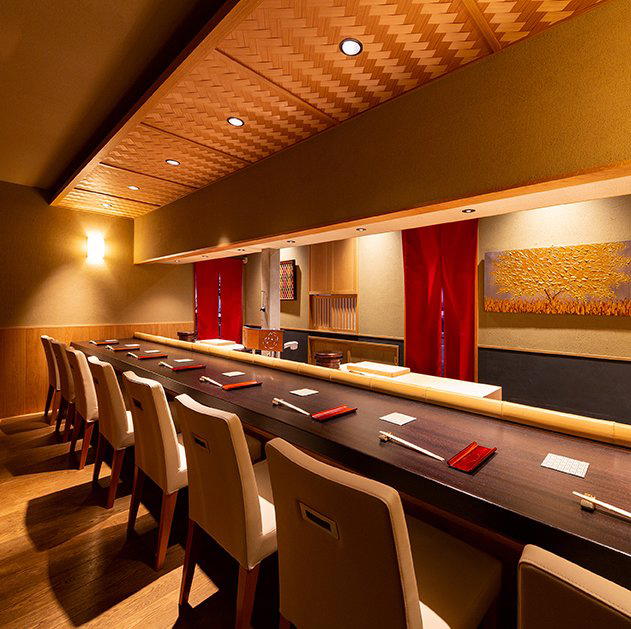
Details
- Cozy
- Lively
- Intimate
- Date Night
- After Work
- Casual Hangout
- Solo
- Special Occasion
- Chefs Counter
- Standalone
- Beer Program
- Sake Program
- A La Carte
- Counter Dining
- Set Menu
- Beer
- Sake
- Shochu
Current opening hours
- Monday
- 4–11 PM
- Tuesday
- 4–11 PM
- Wednesday
- 4–11 PM
- Thursday
- 4–11 PM
- Friday
- 4–11 PM
- Saturday
- 3–11 PM
- Sunday
- 3–11 PM
Hours can change for holidays and private events. Hours as of .
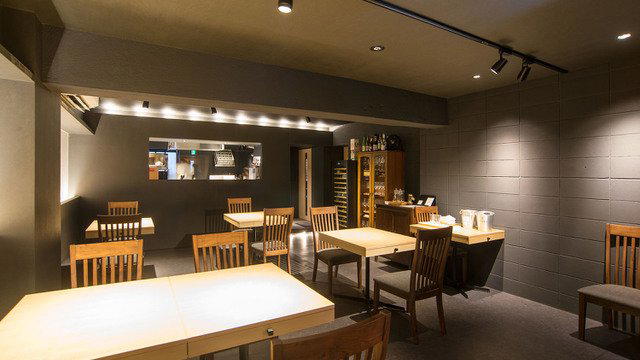
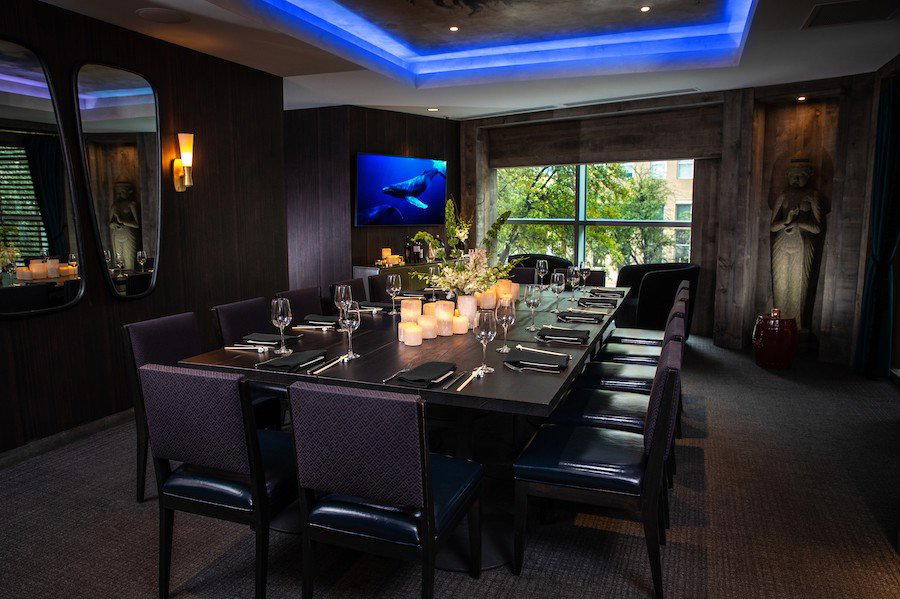
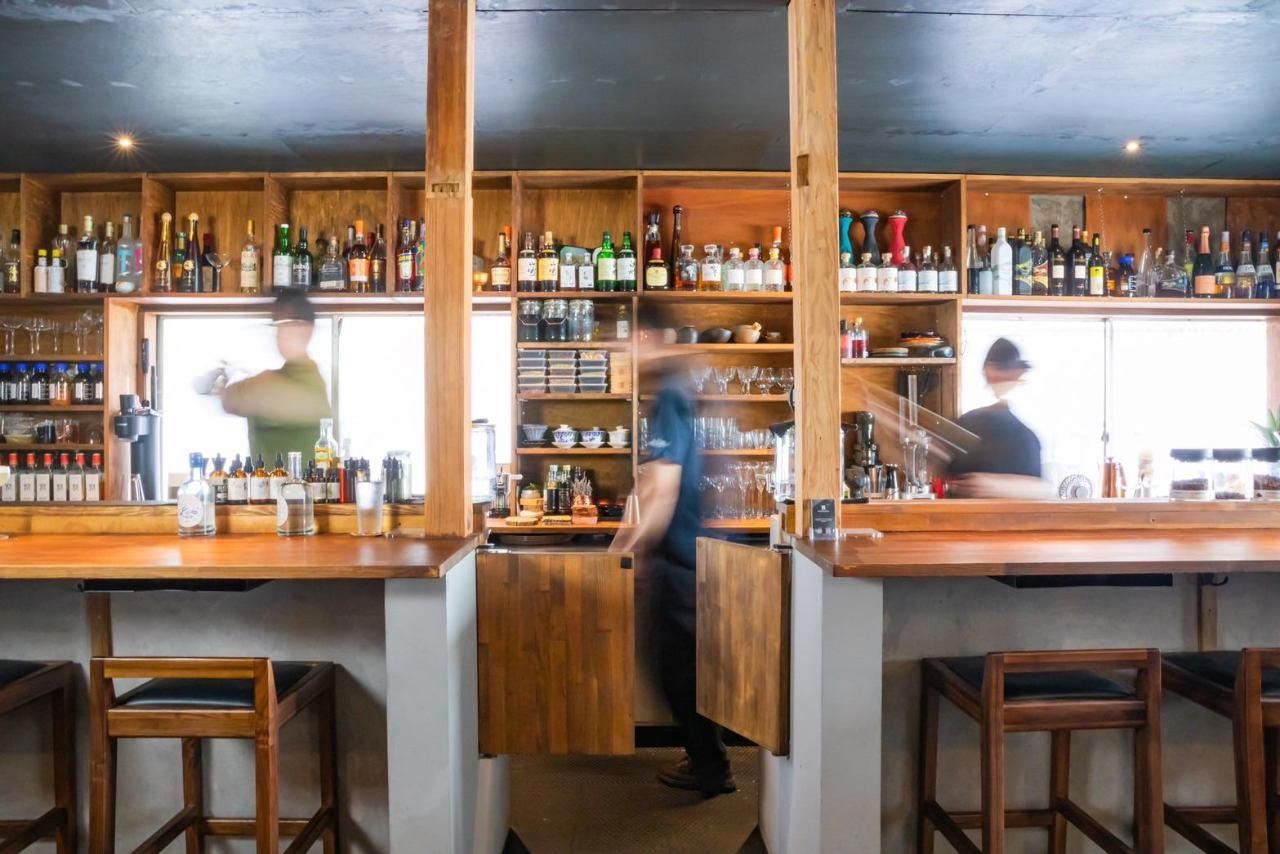
A small, counter-heavy yakitori bar with a warm, cozy feel, lively izakaya energy, and close interaction with the grill; lighting appears gently dim but functional, emphasizing the charcoal grill and drinks rather than formal decor.