
Kamo to Negi Yodomizu Nigyo brings Fukuoka’s hot-pot culture into a tightly paced duck-and-negi ritual, with Tabelog 100 - Hot Pot - 2024 recognition placing it in Japan’s serious shabu-shabu conversation. The room is small, the format is focused, and the appeal lies in controlled repetition: broth, sliced duck, onion, dipping rhythm, sake or shochu alongside.
Pearl is the En Primeur Club membership app — saves, bookings, and concierge access live there. Same editors, same standards.
- Address
- 3 Chome-23-22 Haruyoshi, Chuo Ward, Fukuoka, 810-0003, Japan
- Phone
- +81 92-732-7718
- Website
- japoncompany.business
 Saves & bookings on Pearl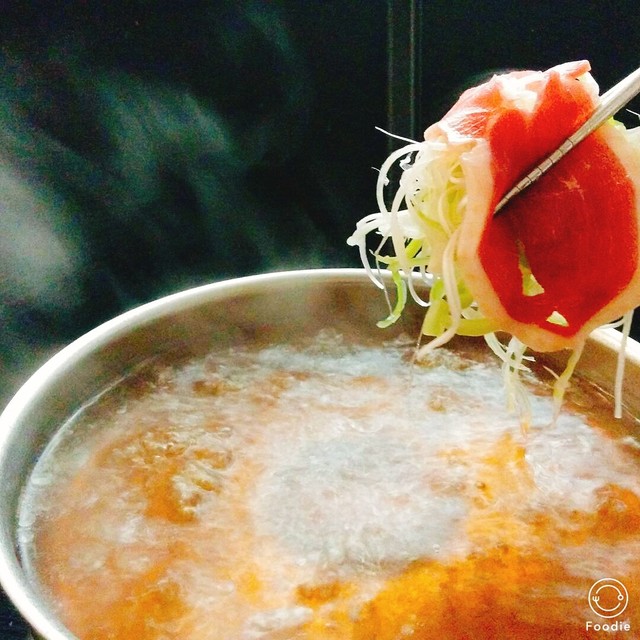
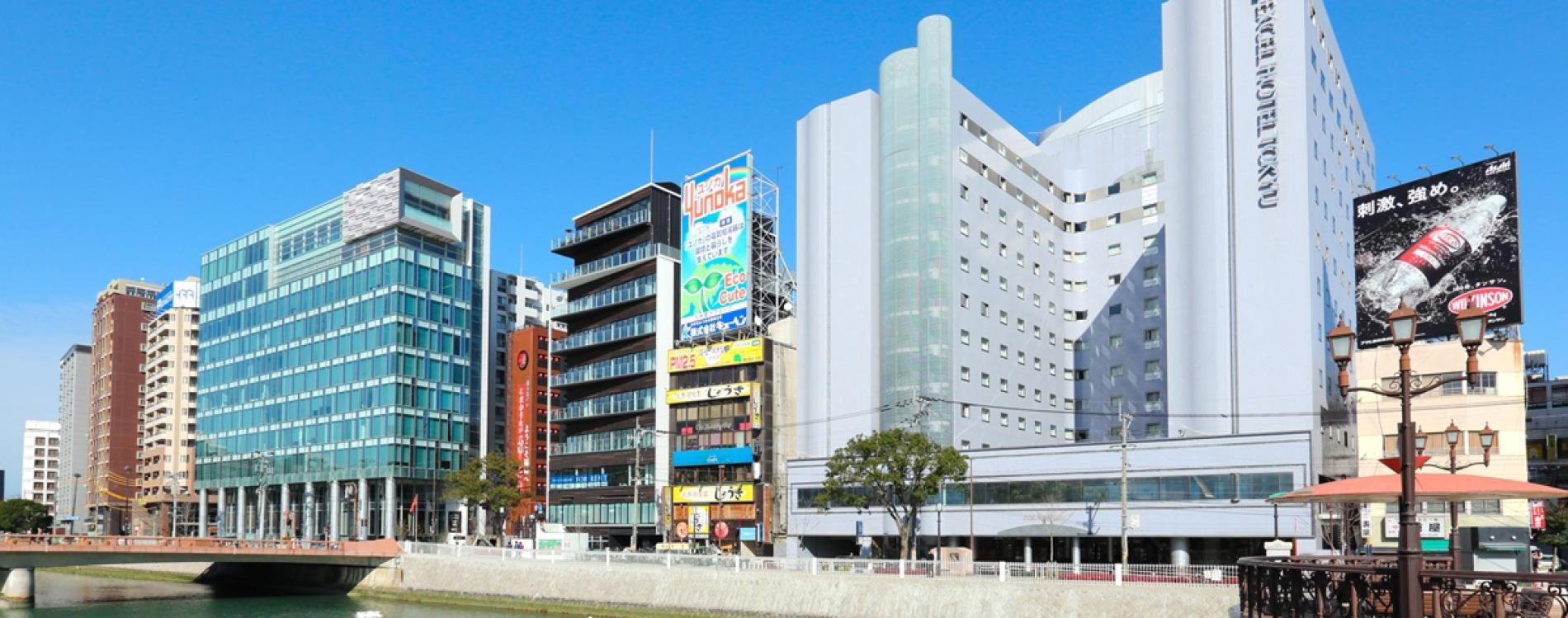
Haruyoshi changes after dark: river-adjacent streets soften, Tenjin’s retail brightness recedes, and dinner becomes less spectacle than timing. Here, hot pot has an advantage over flashier formats. It gives the table a job: chopsticks hover, broth moves, and the meal advances by shared decisions rather than plated procession.
Fukuoka is often read through ramen, motsunabe, gomasaba, and yatai culture, but its serious dining range is broader. Shabu-shabu sits in a quieter register, closer to ritual than performance. Kamo to Negi Yodomizu Nigyo belongs there: duck shabu-shabu, green onion, broth discipline, and a small-room format that rewards concentration over variety for its own sake.
Duck shabu-shabu as a paced table ritual
Japanese hot pot varies by region and intent. Sukiyaki leans richer and sweeter; mizutaki, strongly associated with Fukuoka, is built around chicken and broth depth; shabu-shabu is lighter, with thin slices moved through heat at the table. Duck changes the equation. It brings more structure than many pork or beef versions, and makes supporting ingredients matter. Negi is not garnish: it cuts through fat, scents the broth, and gives the meal its repeated contrast.
The restaurant’s selection for Tabelog 100 - Hot Pot - 2024 is a useful signal because hot pot recognition is not driven by room design or novelty alone. It tends to reward places where a narrow format is handled consistently. The listed category is shabu-shabu, and the restaurant’s public identity centers on duck shabu-shabu with golden dashi. Experienced diners should expect a controlled meal built around broth management rather than an expansive à la carte survey.
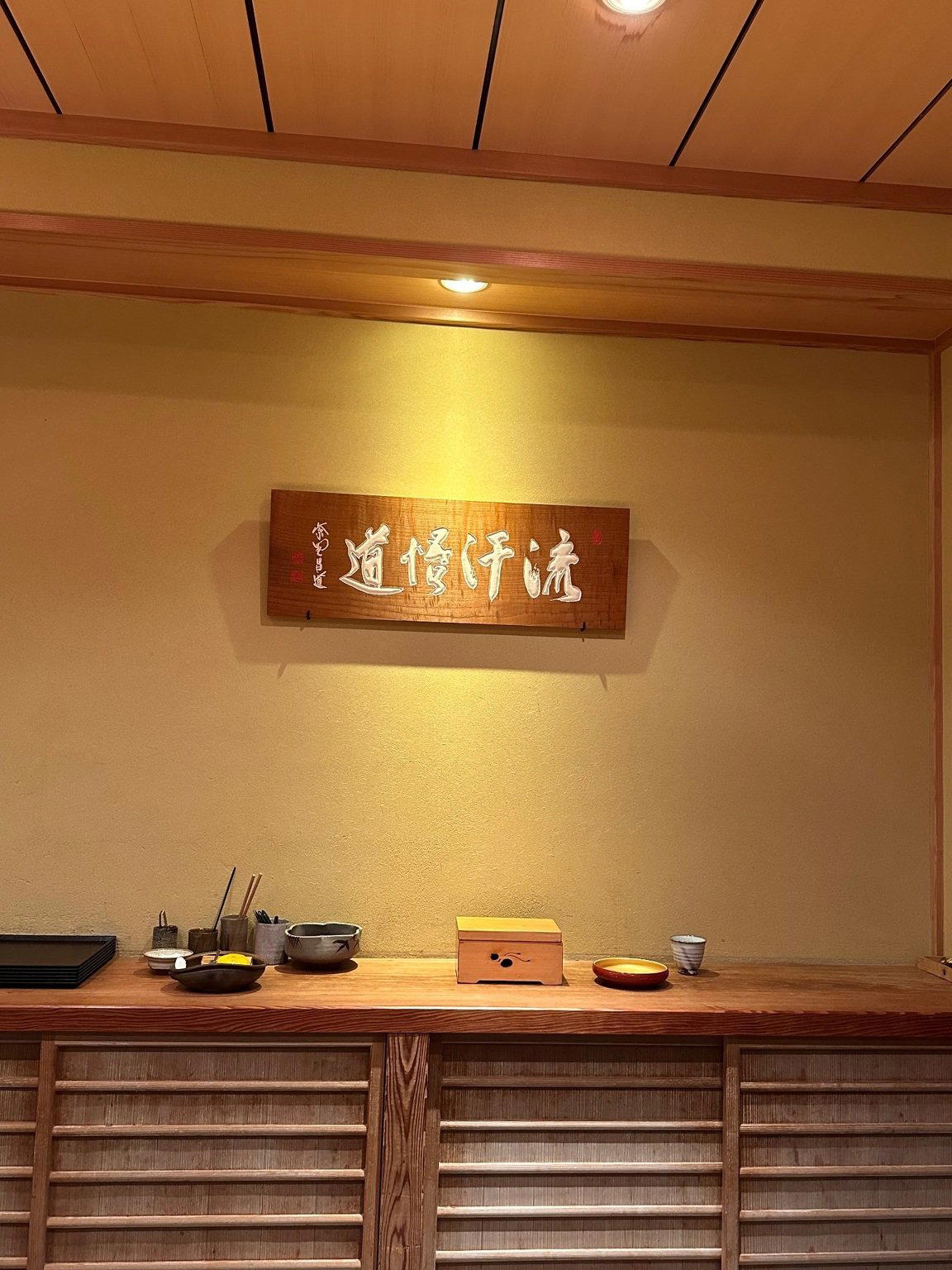
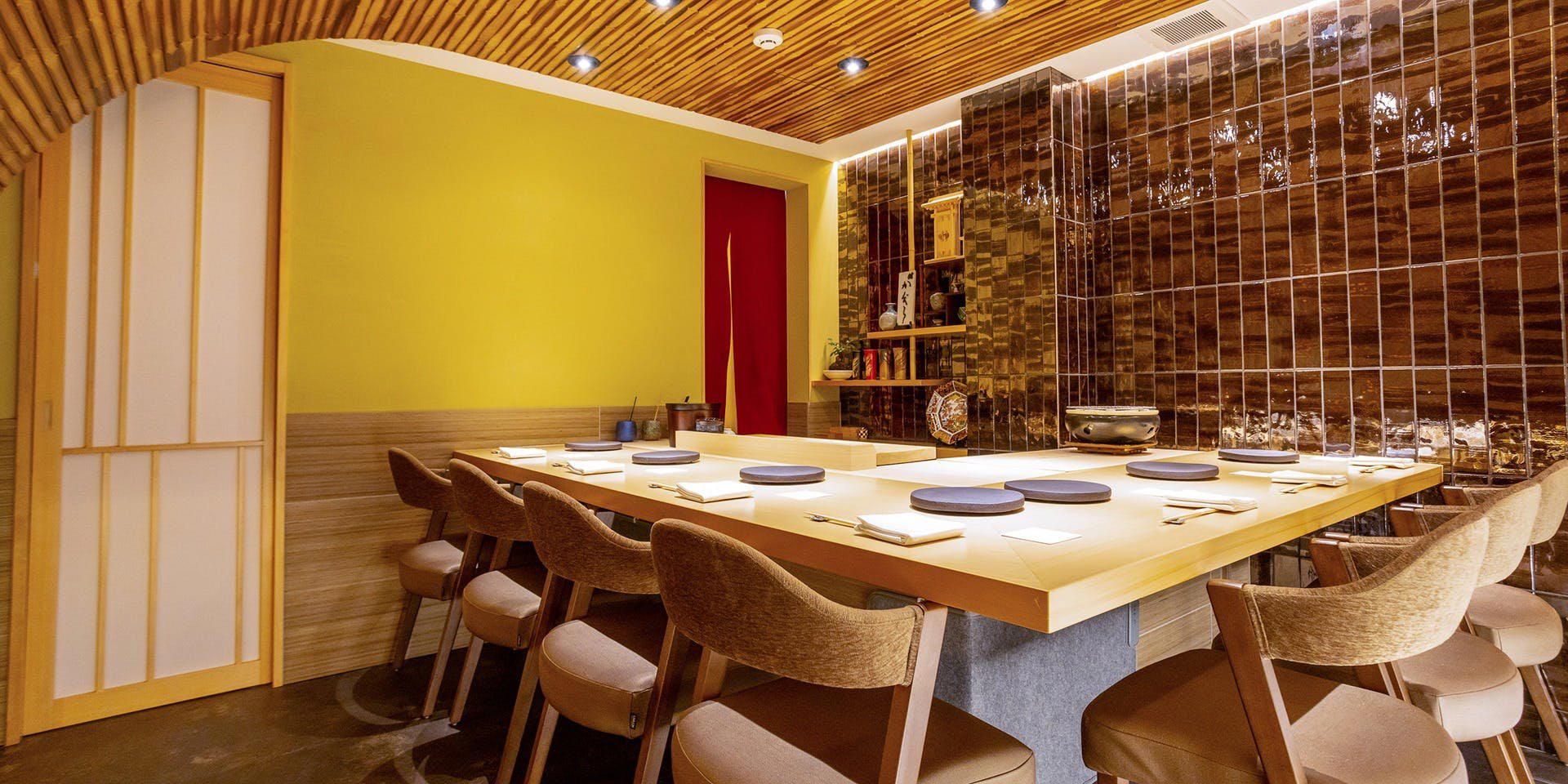
There are 24 seats, split between counter and table seating, which shapes the meal. Hot pot behaves differently in compact rooms than in large dining halls. The pace is easier to read, the table does not drift, and staff can keep the rhythm aligned with the broth. For dinner centered on repeated cooking gestures, that scale is part of the experience, not just logistics.
Where it fits in Fukuoka's serious-dining map
Haruyoshi and Tenjin Minami form one of Fukuoka’s most useful dining zones for visitors, connecting polished restaurants, late drinks, and walkable post-dinner movement without a cross-city plan. The district’s strength is range: counters, izakaya, hot pot rooms, curry specialists, seafood addresses, and international cooking within a compact evening circuit. For broader planning, Our full Fukuoka restaurants guide gives the larger city view, while Our full Fukuoka bars guide is the natural companion for after-dinner pacing.
Within that range, Kamo to Negi Yodomizu Nigyo is not competing with every acclaimed Fukuoka table. Its closer comparison is restaurants where the meal has a defined grammar. Kiharu, in the same city and a similar dinner spend band, shows another expression of Fukuoka dining; Kiharu no Gomasaba ya, at a lower listed spend band, points toward the city’s seafood-driven casual tradition. 白金 にし田, Tamura, and クッカーニャ show how varied Fukuoka’s serious dining conversation becomes beyond one dish or neighbourhood. Hot pot does not replace those experiences. It answers the same traveller question differently: how formal does dinner need to be to feel specific to this city?
That is where duck and negi earn attention. Fukuoka meals can be socially loose, especially around yatai and izakaya culture, but hot pot imposes etiquette without stiffness. Diners share the heat source, watch doneness, and pace the table together. The pleasure is restraint: not adding too much, not rushing the broth, not treating the pot as background decoration.
How to read the meal before committing
This suits travellers who want Japanese structure without the hushed intensity of counter sushi or a long tasting menu. The drinks direction also points to a Japanese dining rhythm, with sake and shochu emphasized alongside wine and cocktails. That mix suits hot pot: the meal can move from clean, broth-led opening notes into deeper, warmer flavours without forcing one pairing logic.
The trade-off is focus. Diners seeking a broad Fukuoka survey in one sitting may prefer an izakaya crawl or seafood-led counter. Those who value repetition, heat, and the social mechanics of cooking at the table will understand the appeal faster. The absence of private rooms keeps the experience closer to shared-room dining than closed-door entertaining, while private use is available for groups that want the format to themselves.
For a fuller itinerary, pair this controlled dinner with a contrasting meal rather than stacking similar formats. South Indian cooking at 106 South Indian Fukuoka tenjin ten, spice-led dining at Afterglow, classic local eating at Aji Dokoro Taro Gen Sougyou ten, fried fish at Aji Furai Shokudo Kaba, and everyday Fukuoka cooking at Aji no Katsueda all show different sides of the city’s table culture.
Travellers extending beyond restaurants can use Our full Fukuoka hotels guide, Our full Fukuoka wineries guide, and Our full Fukuoka experiences guide to shape the rest of the stay. For wider Japan and diaspora context, compare the hot-pot and Japanese dining spectrum with -Grilled beef Sukiyaki- KAMAKURA TANUKIAN 鎌倉 たぬき庵 in Kamakura. 鮪と炭火焼き うお炭 秋葉原店 in Tokyo.cafe in Osaka.know in Kumamoto, (Shoku) Vietnam in Kawasaki, [Curry Senmon Ten] Maruyama Kyoju. in Sapporo, Jōdo Saké Bar in Los Angeles, and Onigiri Time in Pasadena.
The editorial read is simple: this is a specialist hot-pot address for diners who care about meal choreography. Fukuoka has louder, later, and more casual pleasures. Here, value lies in the discipline of the pot, the table’s shared tempo, and the way duck and negi narrow dinner into something precise.
What It’s Closest To
Comparable options at the same price tier.
| Venue | Cuisine | Price | Notes |
|---|---|---|---|
| Kamo to Negi Yodomizu NigyoThis venue — the venue you are viewing | Duck shabu-shabu (Japanese hotpot) | $$$ | Not listed |
| Hinai Matomi | Seasonal Soba & Nabe Kaiseki | $$$ | Chūō |
| 井本 | Traditional Japanese | $$$ | Chūō |
| Teppanyaki Akatsuki | Teppanyaki & Wagyu Steakhouse | $$$ | Chūō |
| Seimon Barai | Seafood-focused Japanese Izakaya | $$$ | Hakata |
| Taigen Honkan | Yakiniku & Teppanyaki with House-Raised Wagyu | $$$ | Chūō |
Recognition history
Dated appearances from independent guides and award organizations, with the underlying list record or original source where available.
Tabelog 100 #83 · No. 83
Tabelog · Tabelog 100 - Hot Pot - 2024
At a Glance
- Cozy
- Lively
- Group Dining
- Casual Hangout
- After Work
- Date Night
- Standalone
Current opening hours
- Monday
- 6–10:30 PM
- Tuesday
- 6–10:30 PM
- Wednesday
- 6–10:30 PM
- Thursday
- 6–10:30 PM
- Friday
- 6–10:30 PM
- Saturday
- 6–10:30 PM
- Sunday
- Closed
Hours can change for holidays and private events. Last verified .
A compact, cozy shabu-shabu restaurant with warm lighting and a lively, bustling atmosphere typical of a popular hotpot spot between the Tenjin and Nakasu nightlife districts.