
Mashiko belongs to Fukuoka’s small-format yakitori tier, where ingredient selection, charcoal control, and pacing matter more than spectacle. Its repeated selection for Tabelog’s Yakitori WEST 100 from 2023 through 2025 places it among western Japan’s more closely watched grilled-chicken counters, with Daimyo providing the right urban setting for a focused evening built around skewers, sake, shochu, and wine.
Pearl is the En Primeur Club membership app — saves, bookings, and concierge access live there. Same editors, same standards.
- Address
- Japan, 〒810-0041 Fukuoka, Chuo Ward, Daimyo, 1 Chome−8−33 大名エイトビル 1F
- Phone
- +81 92-713-1239
- Website
- tabelog.com
 Saves & bookings on Pearl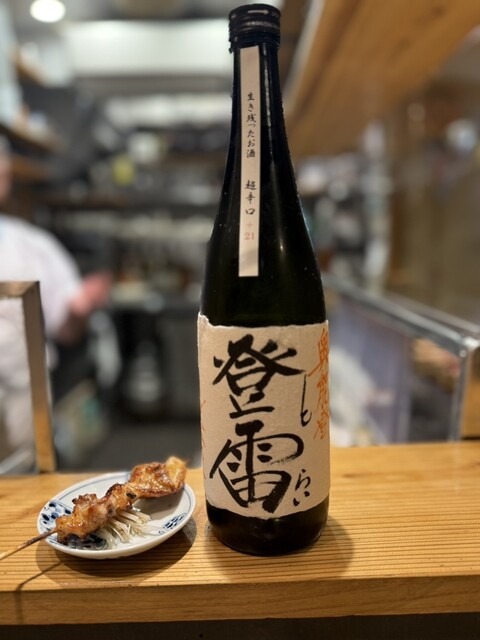
Daimyo’s restaurant streets work by compression: narrow frontage, ground-floor signs, and rooms that reveal their intent only after the door closes. Mashiko fits that Fukuoka pattern, not as a broad izakaya but as a tightly scaled yakitori counter where the meal is shaped by proximity to the grill. In yakitori, that proximity matters. The craft is not only seasoning or smoke; it is procurement, butchery, heat management, and the decision of which parts deserve attention on a given night.
Fukuoka is often read through ramen, seafood, and late-night yatai, but its stronger dining culture is wider than those shorthand categories. The city’s better small restaurants tend to be specific rather than expansive: one room, one grammar, one product category handled with discipline. Mashiko sits inside that tradition. Its inclusion in Tabelog’s Yakitori WEST 100 in 2023, 2024, and 2025 is the relevant signal here, because yakitori recognition in western Japan is less about luxury posture than consistency across a deceptively simple format.
Yakitori in Daimyo, framed by sourcing rather than spectacle
Yakitori has become a serious counter format across Japan because it exposes weak sourcing quickly. Chicken does not offer the same margin for disguise as richer beef or heavily sauced cooking. The order of service, the size of each cut, the fat-to-lean balance, and the choice between salt and tare all depend on raw material quality before technique enters the conversation. A compact room also reduces distance between diner and fire, which makes the category unusually transparent: the grill is not background theatre but the operating system of the meal.
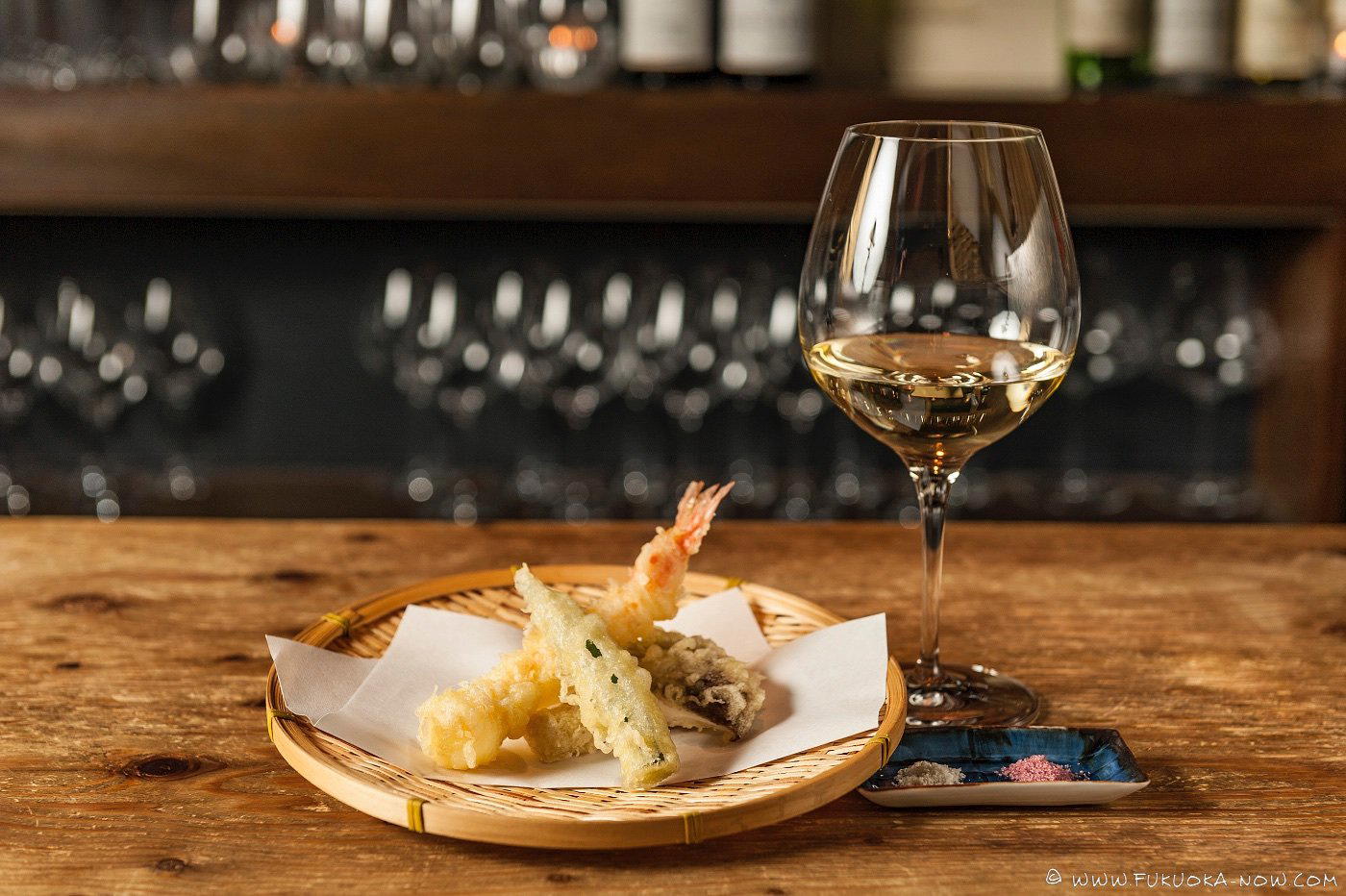
That is why Mashiko’s narrow focus matters. The category is listed as yakitori, with drinks spanning nihonshu, shochu, and wine, a pairing range that reflects how contemporary Fukuoka counters now serve both local drinking habits and a more destination-minded audience. Sake and shochu keep the meal anchored in Kyushu and Japanese drinking culture; wine signals the way higher-end yakitori has moved beyond the old beer-and-skewer stereotype. This is not fusion. It is a change in how serious grilled chicken is being consumed.
Within Fukuoka, the competitive picture is varied. MOMOTA Bar sits in a lower evening spend bracket, while Akasaka Komikan and Elborracho Daimyou ten occupy different casual dining and drinking lanes. Daikoro Youha, also listed at a premium dinner level, competes for a diner willing to plan around a specific food category. Mashiko’s position is clearer when viewed against that spread: this is not a general Daimyo night out, but a narrow, reservation-led yakitori meal for diners who care how chicken is selected and handled before it reaches charcoal.
The counter format rewards attention to sequence
The small-seat-count yakitori counter is one of Japan’s better arguments against menu sprawl. At its strongest, the format lets a kitchen move through texture and fat in a controlled sequence: lighter cuts, richer skewers, organ meats where offered, vegetables or supporting items when the rhythm needs air. Specific dishes are not the point to invent from outside the room; the larger truth is that yakitori depends on progression. A skewer served too early can feel blunt, one served too late can feel heavy. The craft is cumulative.
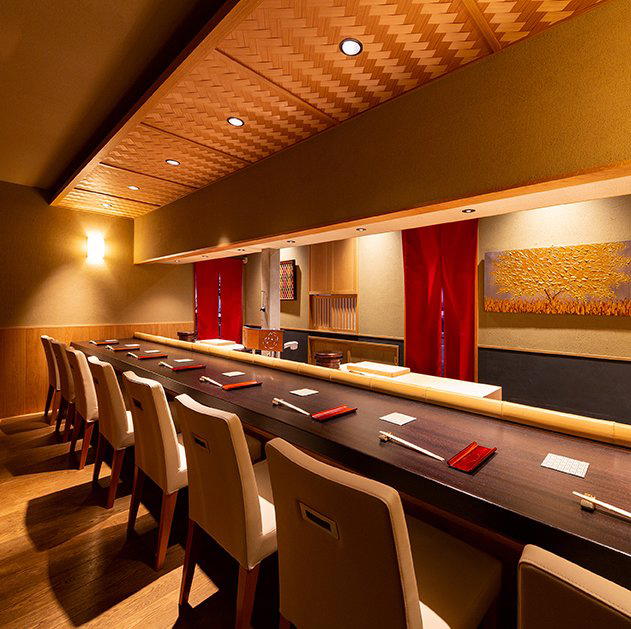
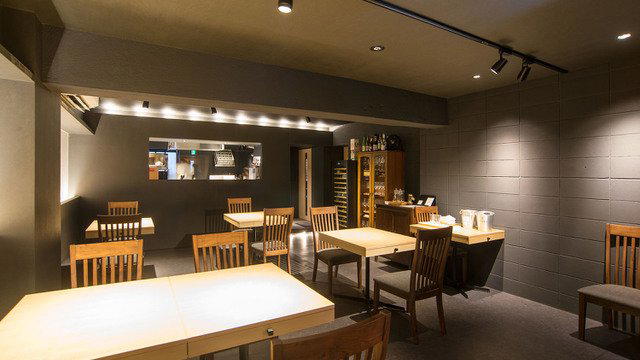
Mashiko’s nine-seat scale reinforces that logic. In a larger restaurant, grilled skewers risk becoming a production line. In a room this small, timing becomes part of the value proposition, because each skewer can be managed in relation to the diner rather than the table plan. That is also why the format suits Daimyo. The neighbourhood has enough density for serious eating without the formality of a hotel dining room, and enough nightlife around it to make a focused counter meal feel like part of the city rather than a sealed-off ceremony.
The Tabelog score of 3.67 should be read with Japanese context. On that platform, scores above the mid-threes can carry weight, particularly in specialist categories where repeat local assessment matters. The stronger signal is the three-year Yakitori WEST 100 run, which puts Mashiko in a regional conversation rather than simply a neighbourhood one. For travellers trying to understand Fukuoka beyond obvious dishes, that distinction is useful: yakitori here is not filler between ramen stops, but a serious expression of ingredient discipline and grill culture.
How to place it in a Fukuoka itinerary
This is a dinner to schedule as the main event, not as a casual add-on. The room’s scale and counter orientation reward diners who arrive ready for a paced meal and a focused category. It also suits a Fukuoka itinerary that balances regional breadth: South Indian cooking at 106 South Indian Fukuoka tenjin ten, curry depth at Afterglow, old-school local dining at Aji Dokoro Taro Gen Sougyou ten, fried fish at Aji Furai Shokudo Kaba, and katsudon culture at Aji no Katsueda. Taken together, those addresses show why Fukuoka works as a dining city: the strongest meals often come from specialists, not from restaurants trying to cover every mood.
For broader planning, use Our full Fukuoka restaurants guide alongside Our full Fukuoka hotels guide, Our full Fukuoka bars guide, Our full Fukuoka wineries guide, and Our full Fukuoka experiences guide. Readers building a Japan-wide food route can also compare how focused formats translate elsewhere, from -Grilled beef Sukiyaki- KAMAKURA TANUKIAN 鎌倉 たぬき庵 in Kamakura and. 鮪と炭火焼き うお炭 秋葉原店 in Tokyo to.cafe in Osaka.know in Kumamoto, (Shoku) Vietnam in Kawasaki, and [Curry Senmon Ten] Maruyama Kyoju. in Sapporo. For Japanese drinking culture abroad, Jōdo Saké Bar in Los Angeles and Onigiri Time in Pasadena make useful counterpoints.
The editorial case for Mashiko is simple: Fukuoka’s dining strength is not only abundance, but specialization. A yakitori counter with repeated regional recognition, a compact room, and drinks built around sake, shochu, and wine belongs in the part of the itinerary reserved for precision rather than breadth. It will make the city’s grill culture easier to read.
At-a-Glance Comparison
Comparable venues by cuisine and price in the same metro.
| Venue | Cuisine | Price | Notes |
|---|---|---|---|
| MashikoThis venue — the venue you are viewing | High-end Yakitori Counter | $$$ | Not listed |
| Sushi to Amakusa Daio Amane | Omakase Sushi & Amakusa Daio Chicken | $$$ | Chūō |
| Unazen | Traditional Japanese Unagi | $$$ | Chūō |
| Kamoryori Marimo Honten | Duck hot pot & kaiseki-style Japanese | $$$ | Hakata |
| 井本 | Traditional Japanese | $$$ | Chūō |
| Kiyoki | Japanese small plates and steak | $$$ | Chūō |
Recognition history
Dated appearances from independent guides and award organizations, with the underlying list record or original source where available.
Tabelog 100 #16 · No. 16
Tabelog · Tabelog 100 - Yakitori - WEST - 2025

At a Glance
- Cozy
- Intimate
- After Work
- Business Dinner
- Casual Hangout
- Date Night
- Solo
- Special Occasion
- Chefs Counter
- Standalone
- Sake Program
Current opening hours
- Monday
- Closed
- Tuesday
- 6–9 p.m.
- Wednesday
- 6–9 p.m.
- Thursday
- Closed
- Friday
- 6–9 p.m.
- Saturday
- 6–9 p.m.
- Sunday
- Closed
Hours can change for holidays and private events. Last verified .
small, non-smoking counter-only yakitori with a relaxed, quietly lively atmosphere; guests sit close to the grill in a simple, cozy space suited more to adults and friends than families.