
Seimon Barai belongs to Fukuoka’s serious izakaya tier, where Hakata’s fish culture, sake drinking, and after-work dining overlap rather than separate into formal courses. Its Tabelog 100 Izakaya WEST selection in 2025 gives it a clear credential, while the Kamikawabatamachi setting keeps the experience tied to the older commercial spine between Kushida Shrine and Nakasu.
Pearl is the En Primeur Club membership app — saves, bookings, and concierge access live there. Same editors, same standards.
- Address
- 5-107 Kamikawabatamachi, Hakata Ward, Fukuoka, 812-0026, Japan
- Phone
- +81 92-281-5700
- Website
- fazg900.gorp.jp
 Saves & bookings on Pearl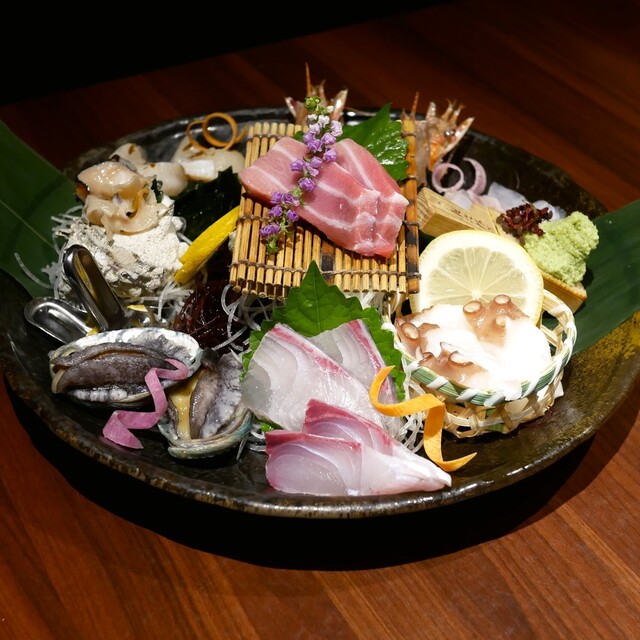
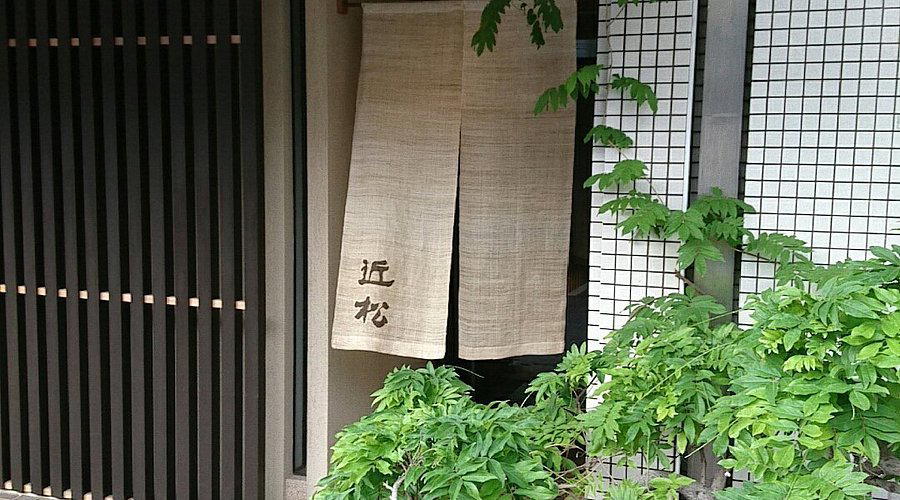
Kamikawabatamachi has the right kind of evening density for an izakaya: shopfronts narrowing into dinner hours, office workers crossing toward Nakasu, and shrine-side streets that make Hakata feel older than the station district suggests. In that setting, Seimon Barai reads less as a destination dining room than as part of a local rhythm, the kind of seafood-led tavern where drinks are not an accessory but part of the structure of the meal.
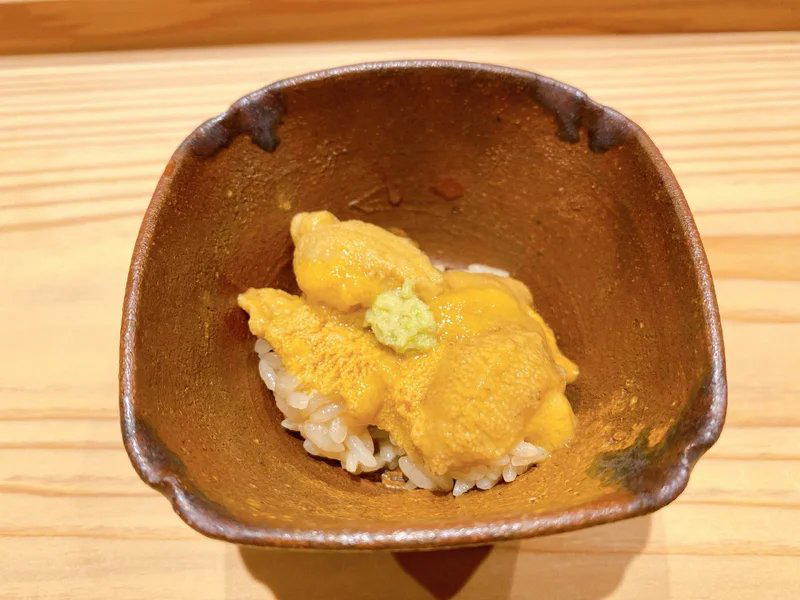
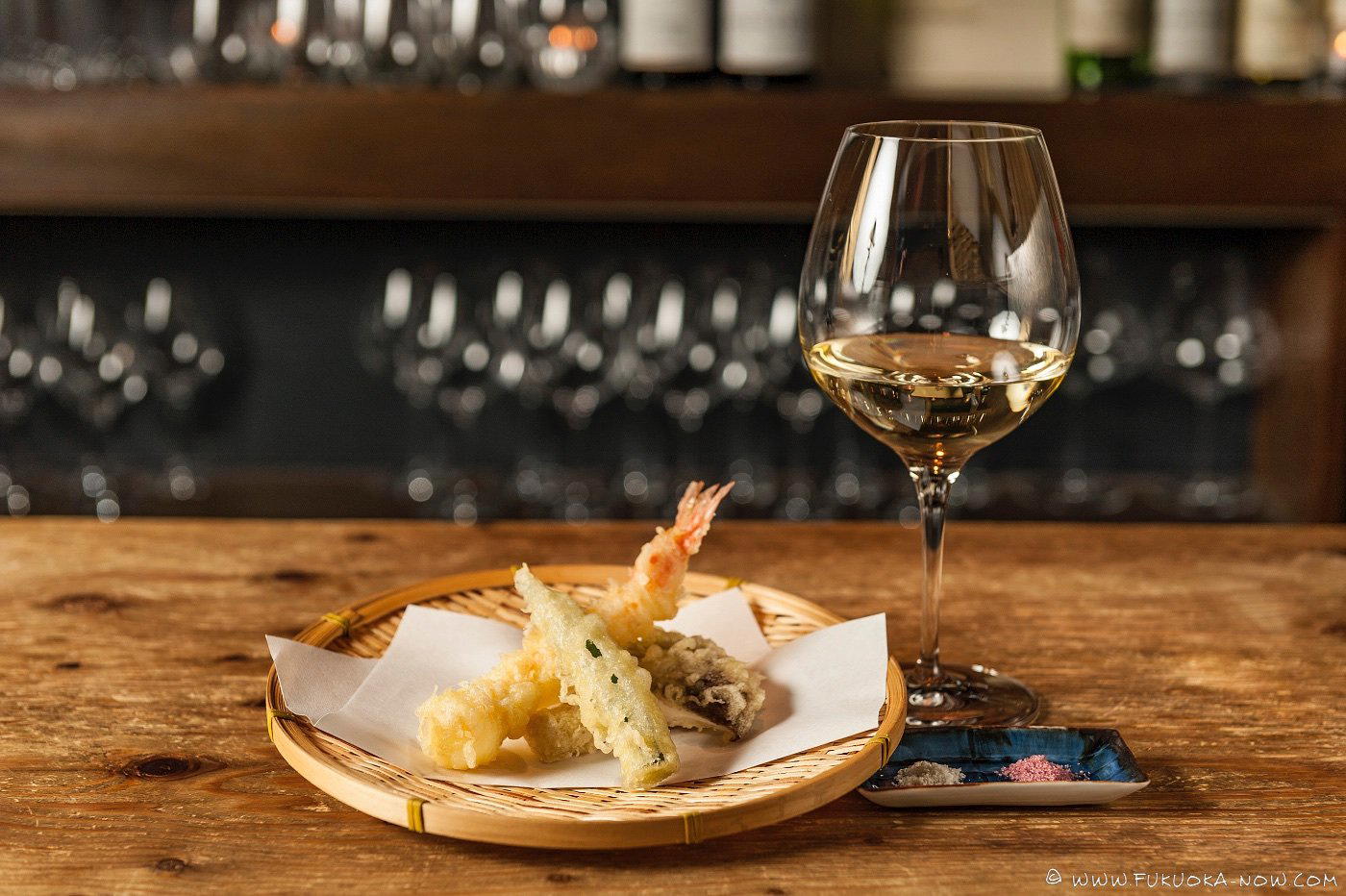
Fukuoka’s dining identity is often flattened into ramen and yatai shorthand, but the city’s more useful map runs through fish, shochu, sake, and group dining. The port-city logic matters. Kyushu restaurants can draw on nearby seas, local drinking habits, and a clientele that treats izakaya cooking as a serious category rather than a casual fallback. Seimon Barai sits in that register: izakaya, seafood, and Japanese cooking under one roof, with a stated emphasis on fish and a drinks program that includes sake, shochu, and wine.
Hakata izakaya dining with fish at the centre
The interesting point here is not novelty. Fukuoka rewards places that understand repetition: grilled, simmered, fried, raw, poured, shared. A seafood izakaya in Hakata has to work across those modes without turning into either a formal kappo counter or a generic drinking room. Seimon Barai’s recognition in Tabelog 100 Izakaya WEST 2025, along with earlier selections in 2024, 2022, and 2021, places it in a category where consistency counts more than theatrics.
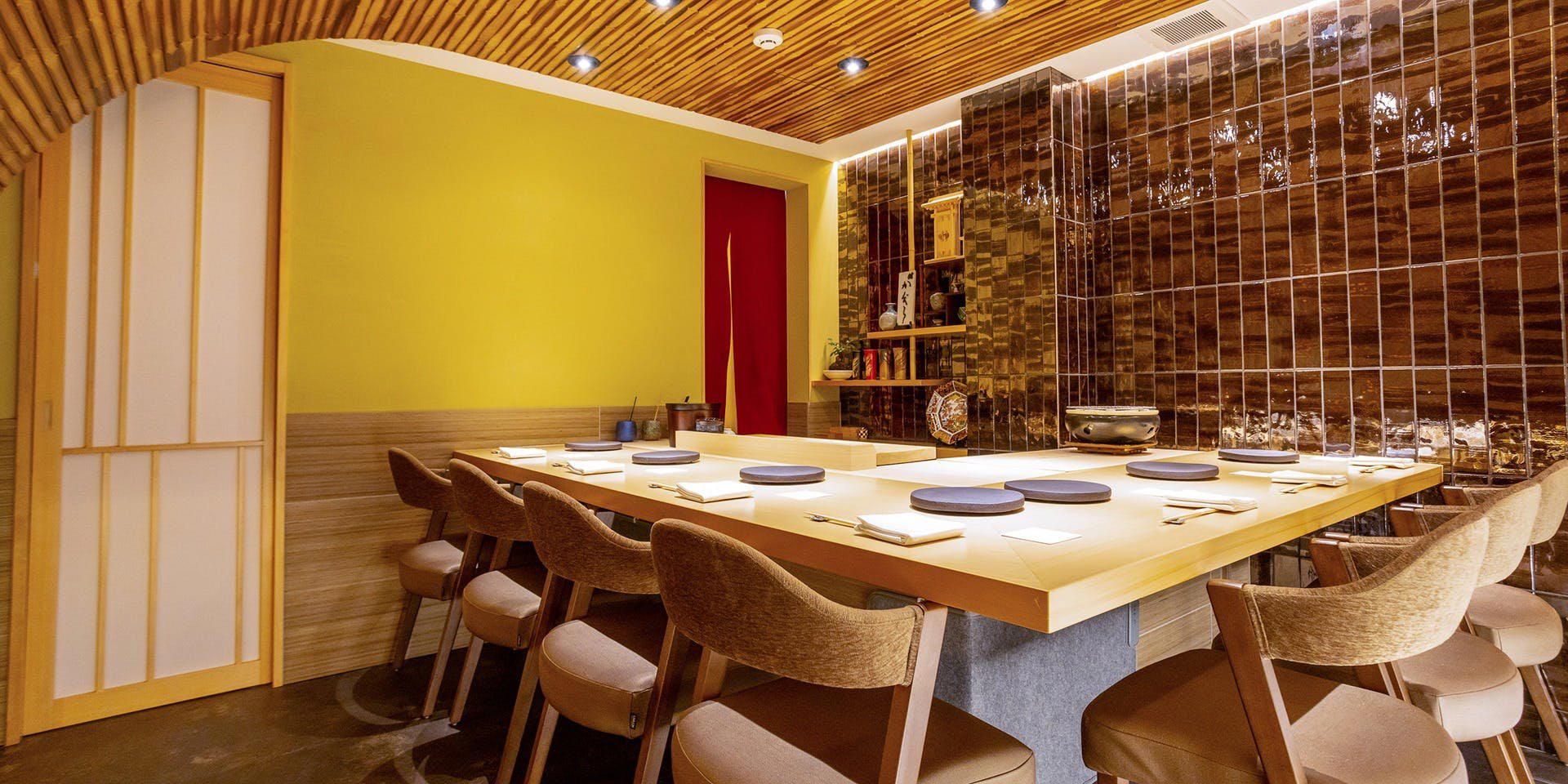
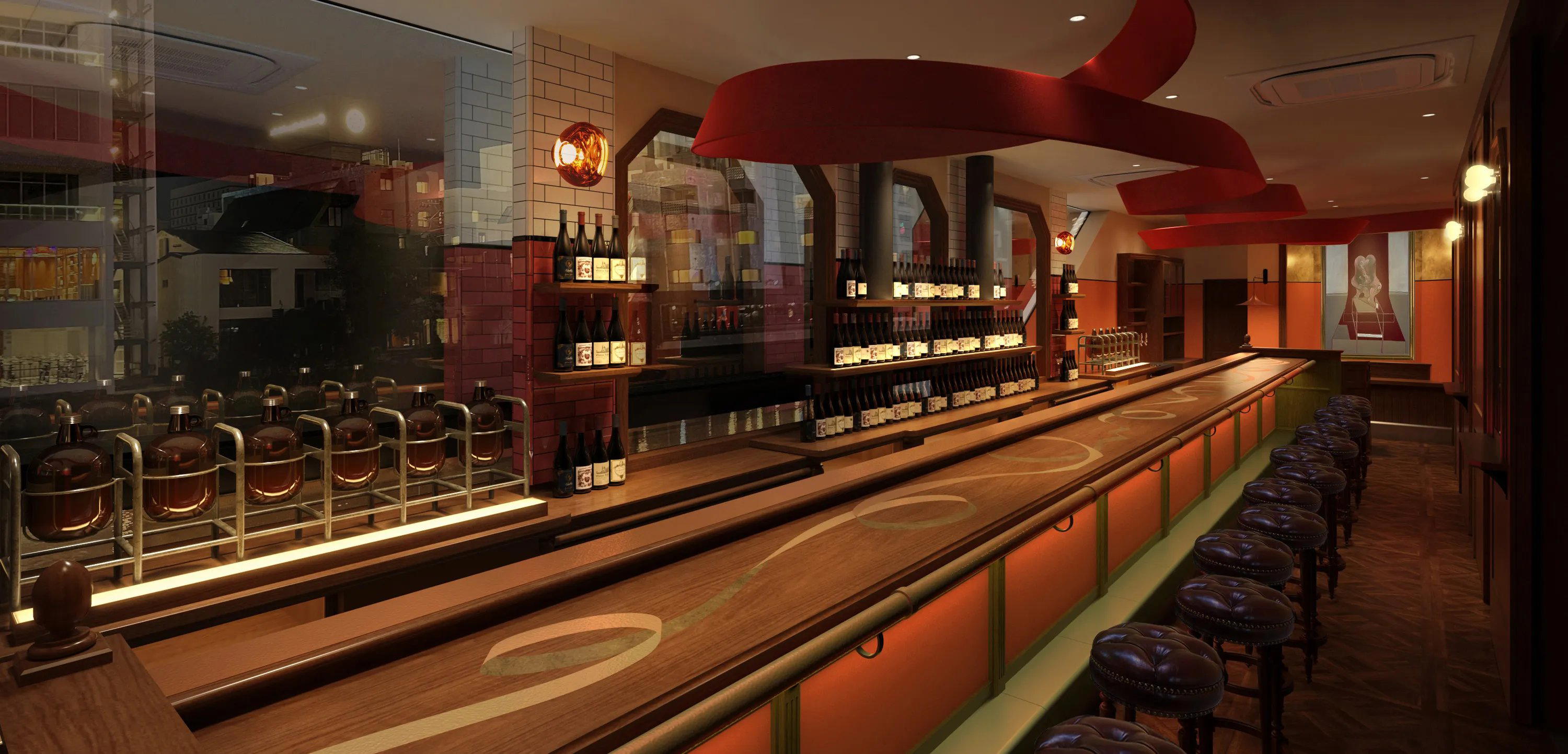
That matters for travellers because izakaya rankings can be hard to read from outside Japan. A high-end sushi counter announces its seriousness through scarcity and ritual; a strong izakaya often does the opposite, absorbing groups, families, counter diners, and after-work drinkers into the same evening. With 125 seats, counter seating, tatami rooms, sunken seating, and private rooms for 10 to 20 people, this is a larger-format Hakata tavern rather than a hushed tasting-menu room. The scale changes the decision: this is better understood as a polished local dining system than as a chef-centred stage.
The price tier also clarifies the comparison set. Against Karo No Uron or Shinshu Soba Murata, the meal sits in a higher evening-drinking bracket; against Daitou en Honten, it occupies a similar night-out zone but with seafood and izakaya pacing rather than yakiniku structure. Hakata Meidai Yoshizuka Unagiya offers a more single-subject local classic, while Jidoriya Amon overlaps more closely on price and after-dark conviviality. Seimon Barai’s edge is the combination of fish focus, broad drink compatibility, and the social flexibility of a large room.
Kamikawabatamachi gives the room its context
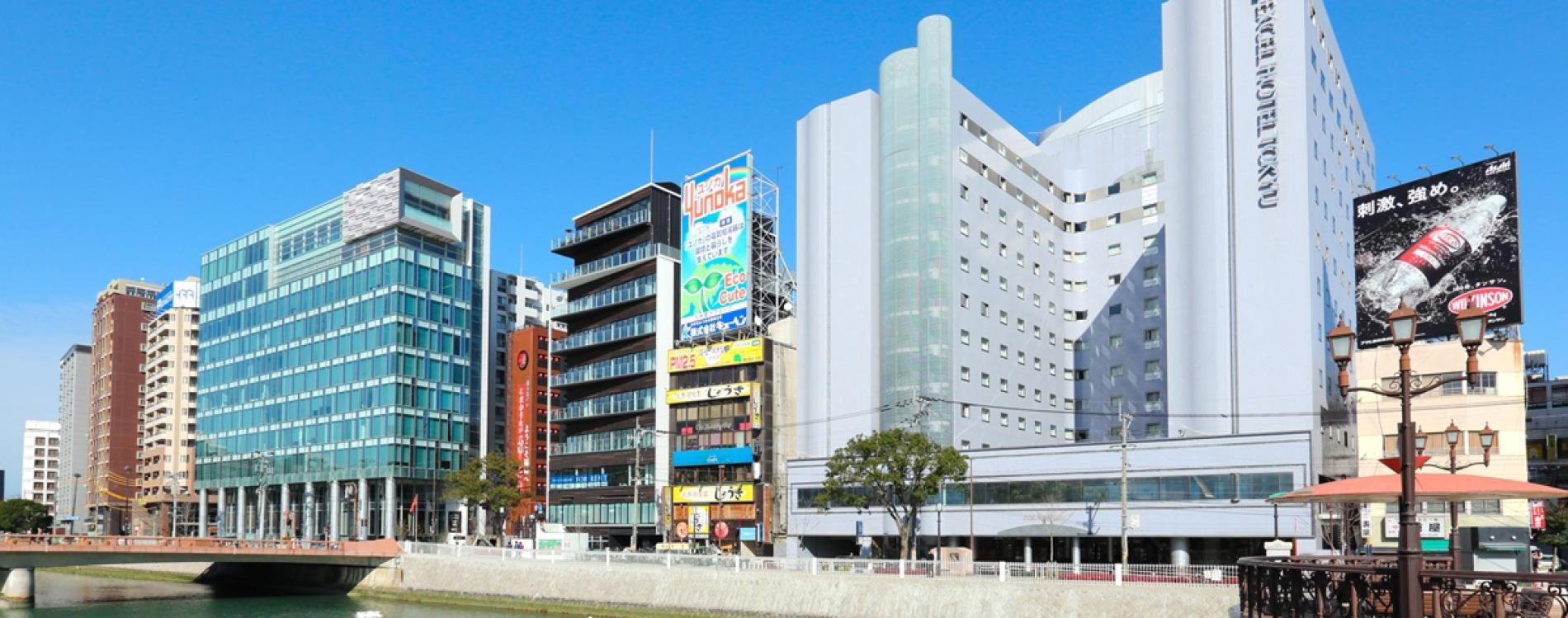
Location is not decorative in Fukuoka. Around Kushida Shrine and Nakasu-Kawabata, dinner sits close to shopping arcades, river nightlife, and older Hakata landmarks. That mix gives the area a different charge from Tenjin’s department-store polish or Hakata Station’s transit efficiency. A meal here can feel woven into the city’s central evening circuit, especially for travellers who want something more local than a station-building restaurant but less improvised than a yatai crawl.
The neighbourhood also explains the venue’s breadth. Izakaya culture in this part of Japan is not limited to late-night drinking. It accommodates colleagues, visiting relatives, friends, and multi-generational meals. Children are accepted, private rooms are available for mid-sized groups, and the room formats range from counter to tatami and horigotatsu-style sunken seating. Those details point to a place built for Fukuoka’s practical dining habits, where comfort, capacity, and drinking breadth matter as much as any single plate.
For a wider read on the city’s restaurant scene, use Our full Fukuoka restaurants guide, then compare adjacent styles through 106 South Indian Fukuoka tenjin ten, Afterglow, Aji Dokoro Taro Gen Sougyou ten, Aji Furai Shokudo Kaba, and Aji no Katsueda. For planning beyond dinner, the city pages for Our full Fukuoka hotels guide, Our full Fukuoka bars guide, Our full Fukuoka wineries guide, and Our full Fukuoka experiences guide help frame the wider trip.
Who should choose this over a tighter counter format
This is the stronger choice for diners who want Hakata’s seafood-and-drinks culture without committing to a small counter, a fixed course, or a single-specialty meal. The appeal is breadth: Japanese tavern cooking, fish emphasis, sake, shochu, wine, and seating that can handle both pairs and groups. Travellers seeking a quiet, chef-led format may prefer a smaller room; travellers trying to understand how Fukuoka actually eats at night will find more evidence in a serious izakaya than in another polished tasting menu.
The recognition also gives useful confidence. Tabelog’s Hyakumeiten selections are not Michelin stars, and they should not be read that way. They are more useful here as a signal of category strength within western Japan’s izakaya field. For a city where casual forms often carry serious cooking, that is the relevant badge.
Seen in a national context, Seimon Barai belongs to Japan’s broad middle space between everyday canteens and formal dining rooms. That space includes everything from regional specialists to bars built around sake and small plates. Travellers comparing Japanese dining formats might look at -Grilled beef Sukiyaki- KAMAKURA TANUKIAN 鎌倉 たぬき庵 in Kamakura,. 鮪と炭火焼き うお炭 秋葉原店 in Tokyo,.cafe in Osaka,.know in Kumamoto, (Shoku) Vietnam in Kawasaki, [Curry Senmon Ten] Maruyama Kyoju. in Sapporo, Jōdo Saké Bar in Los Angeles, and Onigiri Time in Pasadena. The comparison makes the Fukuoka point sharper: Hakata’s izakaya strength lies in fish, drink, and social ease rather than imported fine-dining codes.
A Lean Comparison
Comparable venues by category and price.
| Venue | Cuisine | Price | Notes |
|---|---|---|---|
| Seimon BaraiThis venue — the venue you are viewing | Hakata, Seafood-focused Japanese Izakaya | $$$ | |
| Yakitori Morimoto | Chūō, Yakitori | $$$ | |
| Hyaku Shiki | $$$ | Chūō, Seasonal Japanese Izakaya & Robatayaki | |
| Kiyoki | Chūō, Japanese small plates and steak | $$$ | |
| Mashiko | Chūō, High-end Yakitori Counter | $$$ | |
| Teppanyaki Hiyori | $$$ | Sawara, Kyushu-focused Japanese Teppanyaki |
At a Glance
- Lively
- Energetic
- Classic
- Group Dining
- After Work
- Casual Hangout
- Business Dinner
- Family
- Late Night
- Private Dining
- Standalone
- Sake Program
- Beer Program
- Local Sourcing
- Sustainable Seafood
Bustling traditional izakaya atmosphere with a large, crowded dining room, counter seating, and private hori-gotatsu rooms, focused on fresh seafood displays and casual, energetic dining rather than formal decor.