Kenzou Soba

Tabelog 100 #28
Our verdict
Kenzou Soba gives Yoshida-gun a serious soba address built around Echizen oroshi soba, ju-wari buckwheat noodles, and the agricultural logic of Fukui’s grain and daikon culture. Its Tabelog 100 Soba WEST selections in 2024 and 2025 place it in a selective regional bracket, while the house-restaurant format keeps the experience closer to local lunch ritual than urban tasting-menu theatre.

Pearl is the En Primeur Club membership app, where members save venues, book tables and use the concierge.
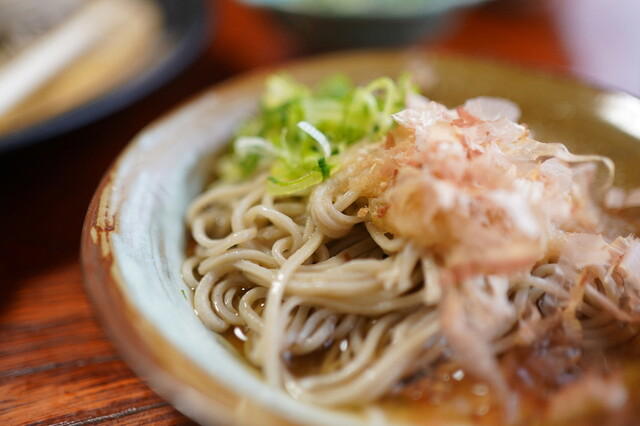
The menu
What to order
- Handmade juwari soba (tenwari soba)
- Echizen oroshi soba
- Soba Sammai (large-portion soba set)
Approaching Kenzou Soba in Yoshida-gun, the soba conversation changes register. This is not Tokyo’s polished counter culture or the train-station noodle economy built for speed; it is a quieter regional stop where buckwheat noodles are the focus and the meal reads through simplicity rather than spectacle. Kenzou Soba sits in that tradition with unusual clarity: a Yoshida-gun soba specialist whose appeal rests on a narrow form, steady repetition, and the kind of local dining rhythm that rewards attention to the bowl rather than the room.
For readers mapping Yoshida-gun beyond one meal, the area rewards a slower itinerary. The regional dining picture is covered in Our full Yoshida-gun restaurants guide, while overnights and adjacent planning sit in Our full Yoshida-gun hotels guide. Drinks-led detours, rural cellar culture, and non-restaurant programming are better handled through Our full Yoshida-gun bars guide, Our full Yoshida-gun wineries guide, and Our full Yoshida-gun experiences guide.
Yoshida-gun buckwheat noodles and the logic of focused soba
Regional soba usefully corrects the idea that Japanese noodle seriousness always means austerity. The pleasure depends on contrast, restraint, and a clear focus on buckwheat noodles rather than excess. In Yoshida-gun, the format feels closer to everyday regional appetite than to ceremony, making Kenzou Soba a place to understand soba as a local staple as much as a restaurant dish.
The point is not an elaborate menu story or a chef-driven performance, but the discipline of a specialist category. Soba has little room for disguise: texture, aroma, temperature, and balance are all exposed. That is why a focused soba room can be more revealing than a broader restaurant trying to cover too many styles at once. At Kenzou Soba, the useful lens is category clarity: buckwheat noodles first, with the surrounding meal kept in proportion.
Recognition gives the local story a measurable external signal. The restaurant was selected for Tabelog Hyakumeiten in 2025, with a Tabelog score listed at 3.70. In Japan’s soba category, that places it in a competitive regional field, not a generic countryside stop. The distinction is category discipline, not luxury: a soba specialist earns attention by repeating a narrow form well, not expanding into a grand menu.
A focused soba format with local rhythm, not urban theatre
The room matters because soba service here is not built around fine-dining choreography. The Yoshida-gun setting pushes the meal toward local routine: a focused stop for buckwheat noodles rather than a venue defined by formality. The cooking is not casual in the technical sense; seriousness is carried by noodle texture and balance instead of table-side performance.
Expectations should stay aligned with the category. Kenzou Soba is best approached as a regional soba stop, not a controlled private salon or a bar-driven destination. That framing helps international readers avoid looking for the wrong signals: the value is not in luxury cues, elaborate staging, or a sprawling list, but in how directly the restaurant expresses a single noodle tradition.
The restaurant’s authority is therefore editorial rather than theatrical. Its Tabelog Hyakumeiten recognition and 3.70 score give outside confirmation, but the more important test remains the plate in front of you. Soba rewards restraint, and a place like this is judged by consistency, texture, and balance rather than personality mythology or a long backstory.
How to place it within a wider Japan eating itinerary
Kenzou Soba belongs to the kind of Japanese travel where one regional dish can shape the day. It is not competing with urban counters, destination hotel dining, or café-led itineraries elsewhere in Japan. Its value is narrower and more place-specific: soba, Yoshida-gun, and a meal rhythm without metropolitan gloss.
That narrowness is the point. Japan’s regional dining map is strongest when it resists flattening every meal into the same reservation-status hierarchy. A soba stop in Yoshida-gun, Korean Chubo Senara, Kyouya, çå µè¡, サンドウィッチ&コーヒー トレモロ, and ソワン all answer different local questions. Other dining in Yoshida-gun can be chosen the same way: ask what a place expresses, then choose accordingly.
For international readers, the comparison can extend beyond one meal without forcing equivalence. Some Japanese dining experiences abroad translate familiar staples into new city formats; in Yoshida-gun, the equation is different. Kenzou Soba is not an exported concept or a softened interpretation. It remains tied to its local setting and to the direct appeal of buckwheat noodles served as a regional specialty.
Planning should respect that rhythm. Treat Kenzou Soba as a focused soba meal rather than a flexible all-purpose restaurant, and check current operating details before building a route around it. The listed budget is Dinner: JPY 2,000 - JPY 2,999; Lunch: JPY 1,000 - JPY 1,999, which keeps the experience in the practical specialist range. Pair it with Yoshida-gun travel, treat the meal as a regional soba study, and avoid expecting urban tasting-menu signals from a restaurant whose strength lies in buckwheat and repetition.
For broader Japan planning, the contrast with other unnamed regional specialists is instructive. Those places point to the range of contemporary Japanese eating; Kenzou Soba shows why regional noodle culture remains one of the country’s clearest forms of culinary identity. In Yoshida-gun, its appeal is simple, specific, and best understood on its own terms.
Frequently asked questions
Is Kenzou Soba okay with children?
Kenzou Soba is a soba restaurant in Yoshida-gun. For children, seating, and the most current practical details, check the venue's official channels before visiting.
What's the vibe at Kenzou Soba?
It is best understood as a focused Yoshida-gun soba specialist rather than a formal dining room. The Tabelog Hyakumeiten 2025 selection and the focus on soba keep the experience centered on the food, not ceremony.
What's the price range at Kenzou Soba?
Pricing at Kenzou Soba is listed as Dinner: JPY 2,000 - JPY 2,999; Lunch: JPY 1,000 - JPY 1,999.
What time does Kenzou Soba open and close?
Current opening hours for Kenzou Soba should be confirmed directly with the venue before visiting.
Snapshot
Comparable venues by cuisine and price in the same metro.
| Venue | Cuisine | Price | Awards | Notes |
|---|---|---|---|---|
| Kenzou SobaThis venue (the venue you are viewing) | Traditional Juwari Soba Noodle Shop | Not listed | Tabelog 100 #28 | Not listed |
| Gyoza Kogetsu | Traditional Japanese Gyoza | $10–20 | Tabelog 100 #48 | Kitahama |
| Ginza Kagari (銀座 篝) | Chicken Paitan Ramen | $10–20 | Not listed | Ginza |
| 麺屋 あごすけ | Japanese Ramen | $10–20 | Tabelog 100 #82 | 上越市 |
| Aotsuka Shokudo (青塚食堂) | Traditional Hokkaido seafood cafeteria | $30–50 | Tabelog 100 #18 | Shukutsu |
| Ogura (おぐ羅) | Traditional Oden and Yakitori Izakaya | $30–50 | Not listed | Nihonbashi |
Recognition history
Dated appearances from independent guides and award organizations, with the underlying list record or original source where available.
Tabelog 100 #28 · No. 28
Tabelog · Tabelog 100 - Soba - WEST - 2025
Continue exploring
More in Yoshida-gun
Restaurants in Yoshida-gun
All restaurants in Yoshida-gun →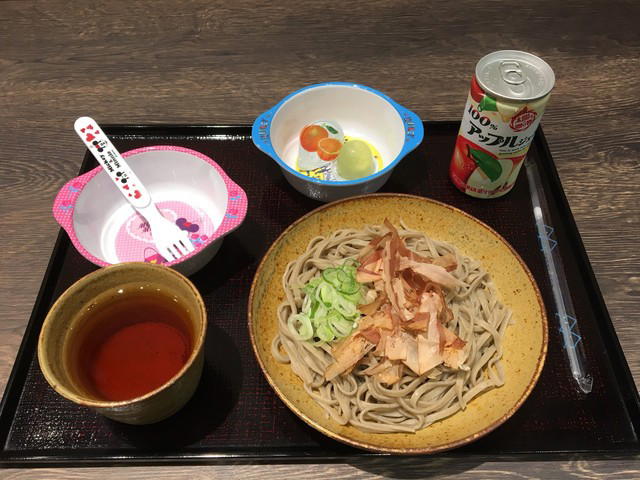
Details
- Classic
- Cozy
- Rustic
- Solo
- Family
- Casual Hangout
- Group Dining
- Standalone
- Local Sourcing
- A La Carte
Current opening hours
- Monday
- Closed
- Tuesday
- 11 AM–2 PM
- Wednesday
- 11 AM–2 PM
- Thursday
- 11 AM–2 PM
- Friday
- 11 AM–2 PM
- Saturday
- 11 AM–3 PM
- Sunday
- 11 AM–3 PM
Hours can change for holidays and private events. Hours as of .
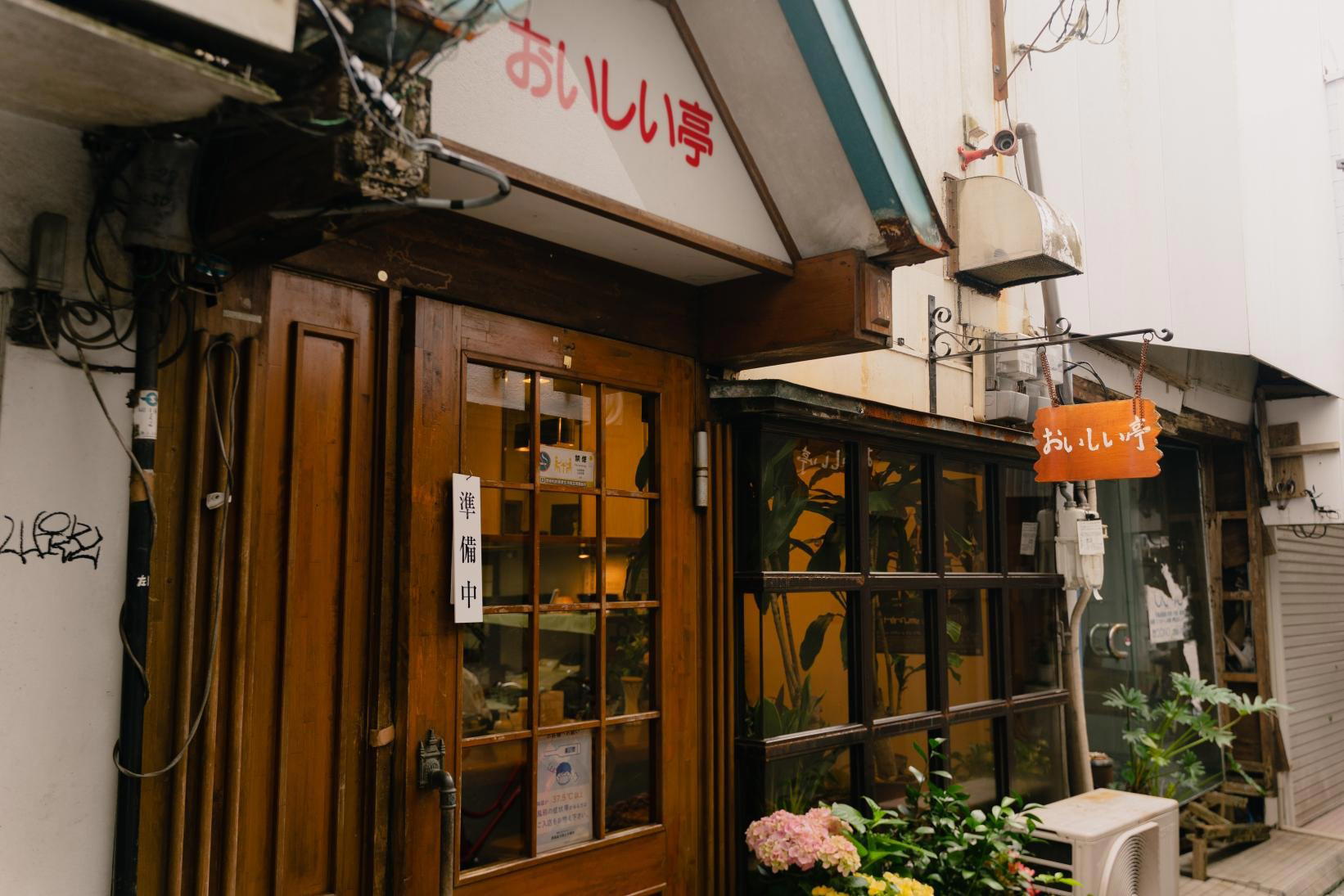
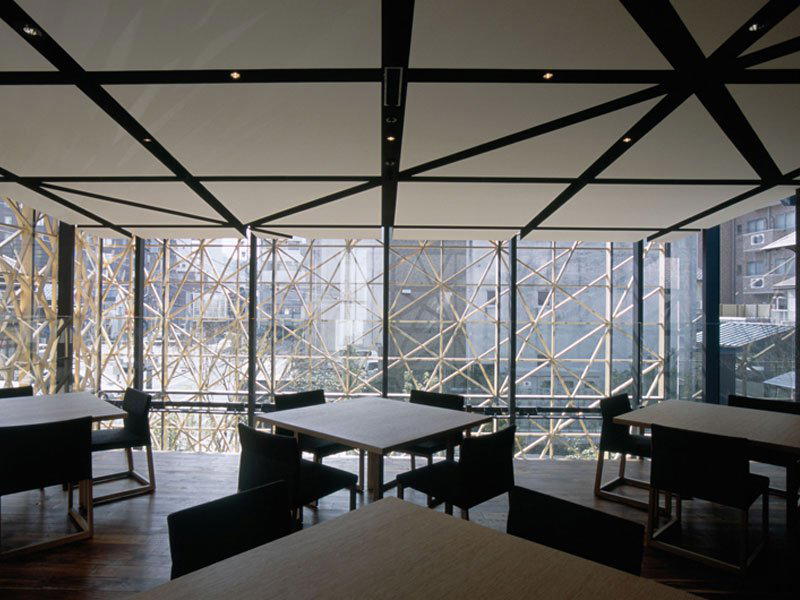
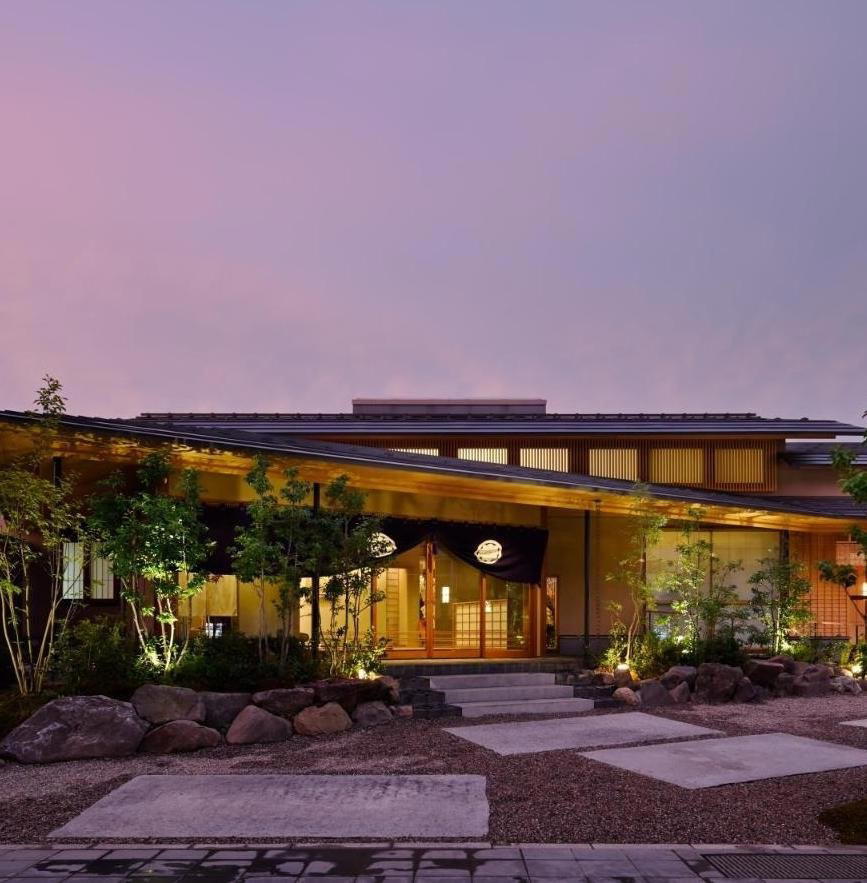
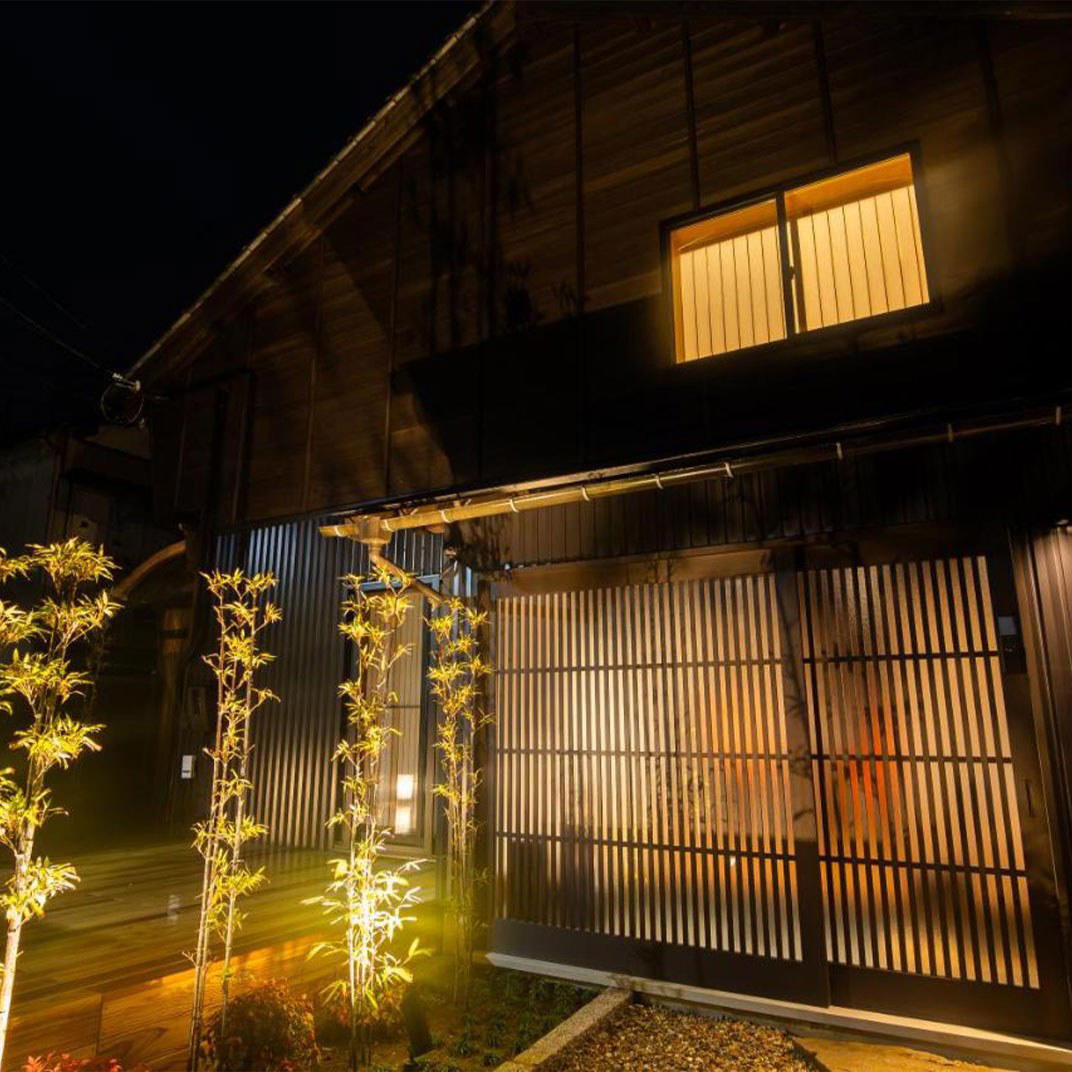
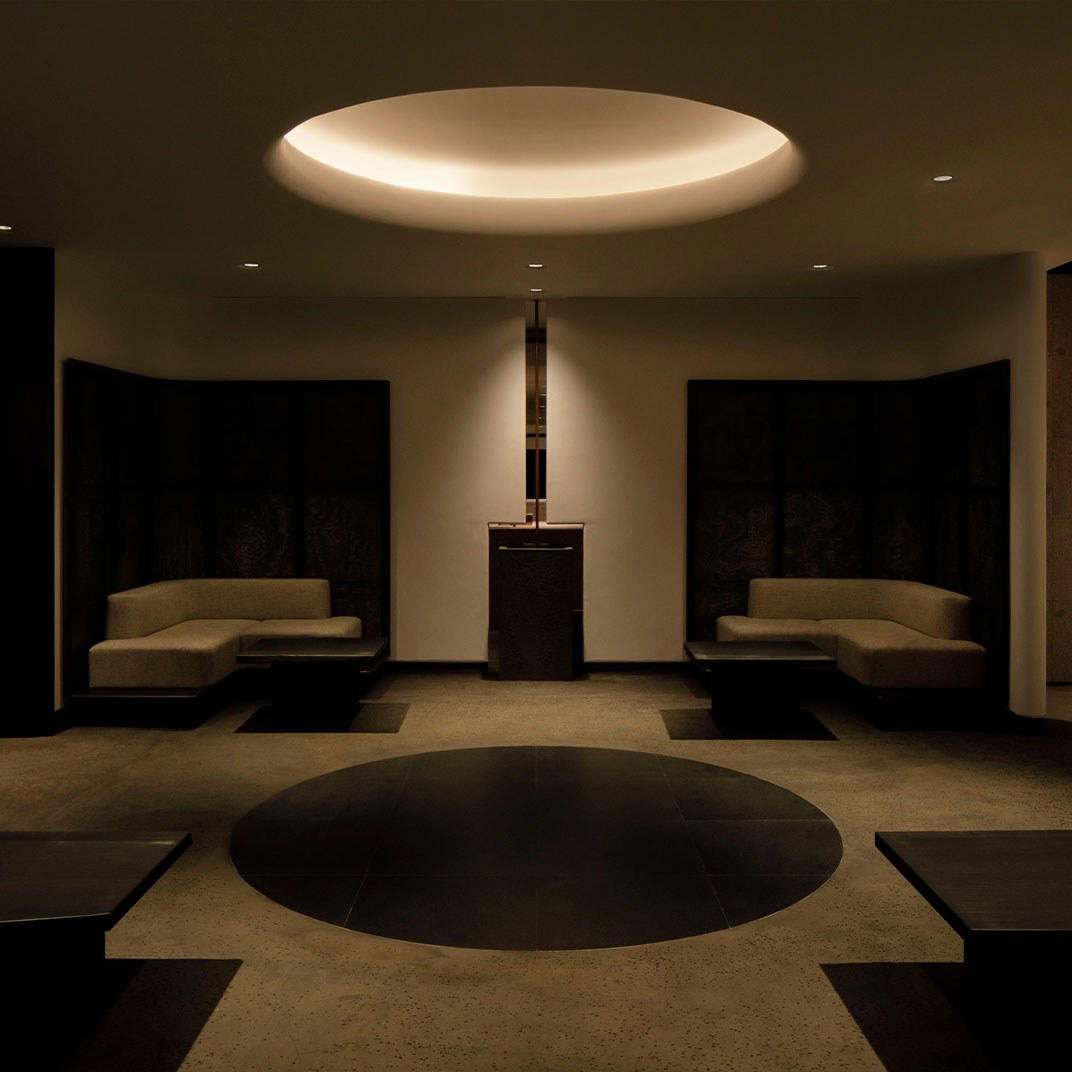
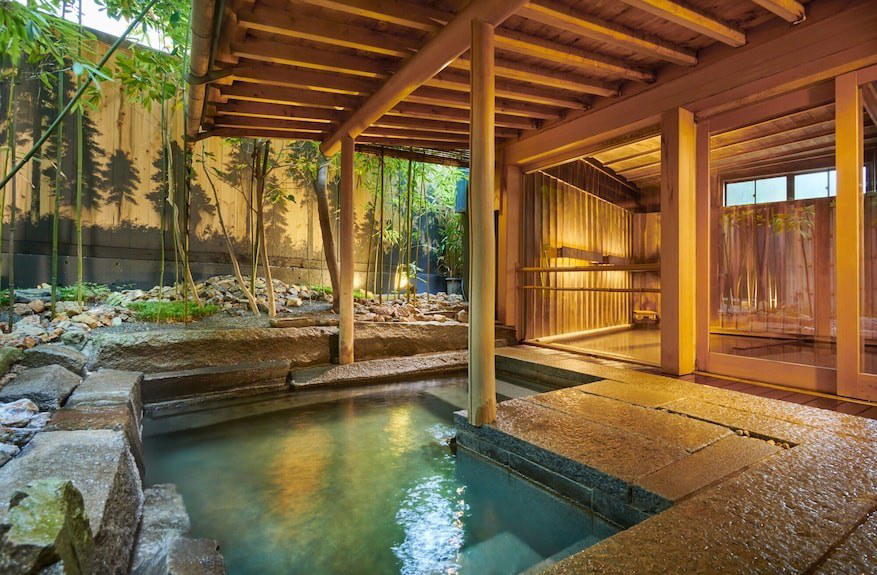
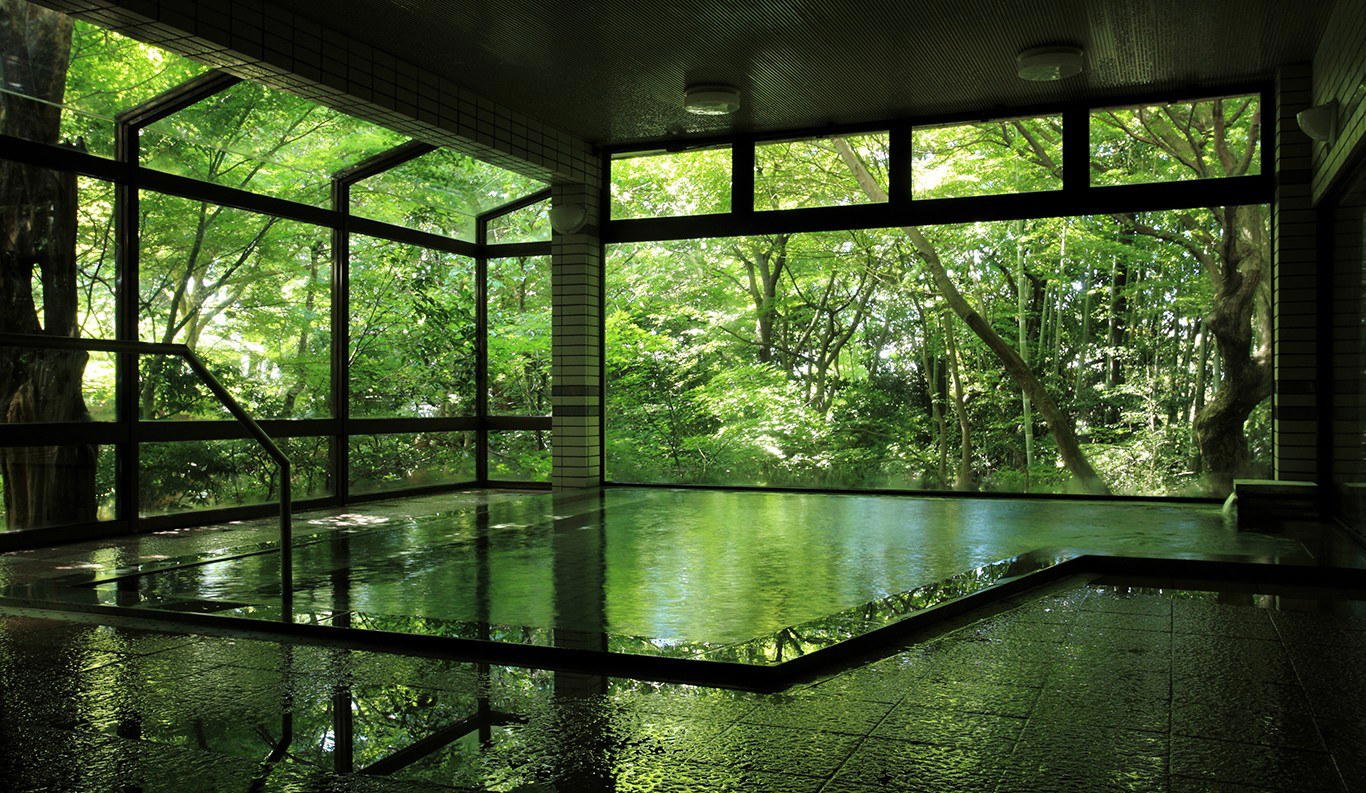
A modest, traditional soba shop atmosphere with a cozy, classic interior that feels like a local low-profile address, focused on the aroma and flavor of freshly made noodles rather than design flourishes.