
Tabelog 100 #78
Our verdict
Matsubaya places Komatsu’s wagashi culture in a precise, low-cost register: traditional Japanese sweets, daytime hours, and recognition on Tabelog’s 2023 Hyakumeiten WEST list for Japanese sweets and sweets cafés. It suits travellers who want a compact taste of Ishikawa’s confectionery tradition without turning the stop into a long restaurant meal.

Pearl is the En Primeur Club membership app, where members save venues, book tables and use the concierge.
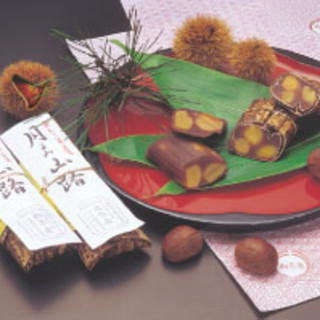
Approaching a Japanese sweets shop in Komatsu changes the rhythm of eating. The cue is not a dining room, a wine list, or a chef’s counter; it is the glass case, the wrapped gift box, the small purchase that says as much about local etiquette as appetite. In Komatsu, that register matters. Ishikawa’s food identity is often discussed through seafood, ryotei formality, and Kaga cooking, yet wagashi sits closer to daily life: tea sweets, seasonal gifts, station-area purchases, and the quiet discipline of bean paste, rice flour, sugar, and shape.
Matsubaya belongs to that tradition rather than to the restaurant economy that now frames much of premium travel. Its category is Japanese traditional sweets, and its selection for Tabelog’s 2023 Hyakumeiten list places it inside a regional canon rather than a tourist checklist. That distinction is useful. Hyakumeiten recognition does not make a shop formal or expensive; here the listed price band sits below JPY 1,000, which keeps the experience in the realm of everyday Japanese confectionery, not occasion dining.
Komatsu's wagashi logic is about locality, gifting, and restraint
Wagashi rewards attention to origin and season without needing theatrical explanation. In Ishikawa, the broader tradition is shaped by tea culture, local manners, and the old habit of giving sweets as social currency. The ingredients are modest on paper, but the craft depends on precision: sweetness calibrated for tea, textures that shift between soft rice cake and smooth bean paste, and forms that carry seasonal meaning. Specific items vary by shop and date, so the more reliable way to read the category is through purpose. These are sweets built for carrying, sharing, and marking a visit.
That makes a Komatsu stop different from a meal at SHÓKUDŌ YArn or Auberge eaufeu, where the experience is structured around a longer table format. It also differs from Tsuzura and オーベルジュ オーフ, which sit in the city’s broader restaurant conversation. Matsubaya is better understood as a confectionery address that can sit before or after those meals: a daytime purchase, a gift, or a concise taste of local sweets culture.
The sourcing angle is not about luxury ingredients for their own sake. Japanese confectionery depends on staples whose quality is judged through balance rather than abundance. Bean paste, rice-based textures, and sugar work are exposed; there is little sauce or garnish to hide behind. In a region where culinary identity often travels through produce, water, rice, and tea, wagashi offers a smaller but revealing lens. A sweet shop can tell a visitor how a city handles restraint: how much sweetness is enough, how presentation carries meaning, and how regional food culture survives outside dinner reservations.
A low-price Hyakumeiten address, not a long-form dining event
The useful critical point is proportion. A Tabelog score of 3.63 and Hyakumeiten selection in 2023 put the shop on the radar for Japanese sweets followers, but the price band keeps expectations grounded. This is not the same decision as choosing a tasting menu, a hotel dining room, or a reservation-led counter. The value lies in compression: a small spend, a regional category with deep craft behind it, and a format that fits around a day in Komatsu rather than taking over the day.
For travellers building a food itinerary, that compression has practical editorial value. Komatsu is not Tokyo or Kyoto, where confectionery research can become an itinerary of its own. The city rewards a tighter read: one serious sweet stop, one longer restaurant meal, and enough time left to understand the town’s scale. The broader planning grid is covered in Our full Komatsu restaurants guide, with adjacent context in broader local planning. Read this address as part of that map: small-format, local, and more revealing than its price suggests.
Comparisons outside Komatsu also clarify the category without needing a list of rival names. A wagashi stop is quieter and more portable than a heat-driven meal, a seafood-led counter, or a conventional café break. It is closer to everyday-special eating than to a long dinner, though the craft tradition is Japanese in a distinct sense. Matsubaya works because it compresses place, gift culture, and appetite into a small-format purchase.
How to place it in a Komatsu itinerary
The strongest use case is a daytime confectionery stop, especially for travellers who want a local food marker without committing to another full meal. The listed category and low price band make it easier to fold into a regional travel day than many larger dining plans. The editorial point is not access theatre; it is that a serious sweets shop can remain approachable.
For families, the format is also forgiving. The low listed price band and sweets-focused category make it less rigid than a formal counter, though parents should treat it as a specialist shop rather than a play-space café. For visitors linking Komatsu with the wider Japan dining map, the contrast is useful: other casual, specialist, and drinks-led venues elsewhere speak to different forms of eating and drinking. Wagashi, by contrast, is strongest when read close to the place that shapes its manners.
The verdict is simple without needing grand claims: in Komatsu, Matsubaya is a concise way to read Ishikawa’s sweet-making culture through an award-recognised, accessibly priced format. It will not replace a destination meal, and it should not be judged like one. Its value is the opposite: a small, disciplined stop that gives a traveller a clearer sense of local taste, gifting culture, and the quieter side of Japanese food craft.
Frequently asked questions
Is Matsubaya suitable for children?
Its Japanese traditional sweets format and Komatsu setting make it workable for families stopping in for sweets rather than a long meal.
What's the overall feel of Matsubaya?
Matsubaya reads as a Japanese traditional sweets shop in Komatsu, not a formal dining room. The Tabelog Hyakumeiten selection for 2023 gives it enough standing to draw attention without changing that compact, local format.
What price level is Matsubaya?
Pricing at Matsubaya is listed as - JPY 999 - JPY 999.
What are the opening hours for Matsubaya?
Check current opening hours directly with Matsubaya before visiting.
What's Matsubaya's location?
Komatsu.
What makes Matsubaya worth seeking out?
The draw is the combination of a Tabelog Hyakumeiten 2023 selection, a low price range, and a Japanese traditional sweets focus in Komatsu. For travellers moving through Ishikawa, it offers a clear wagashi stop rather than a detour built around a full meal.
A Quick Peer Check
Comparable venues by cuisine and price in the same metro.
| Venue | Cuisine | Price | Awards | Notes |
|---|---|---|---|---|
| MatsubayaThis venue (the venue you are viewing) | Traditional Japanese wagashi sweets shop | $1–10 | Tabelog 100 #78 | Not listed |
| Tsuzura | Traditional Kaga Kaiseki | $50–100 | Not listed | Chikinocho |
| SHÓKUDŌ YArn | Modern Japanese Fusion Fine Dining | $100–150 | Tabelog Bronze #407 | Yoshitakemachi |
| オーベルジュ オーフ | Modern French with Japanese influences | $150–200 | Tabelog Bronze #33 | Kanagaso |
| Auberge eaufeu | Modern French with Japanese influences | $150–200 | Tabelog Bronze #33 | Kanagaso |
| Machida Shiruba Shio-Ramen Shinka (町田汁場 しおらーめん進化) | Shio Ramen Specialist | Not listed | Not listed | Machida |
Recognition history
Dated appearances from independent guides and award organizations, with the underlying list record or original source where available.
Tabelog 100 #78 · No. 78
Tabelog · Tabelog 100 - Japanese traditional sweets / Japanese sweets cafe - WEST - 2023
Continue exploring
More in Komatsu
Restaurants in Komatsu
All restaurants in Komatsu →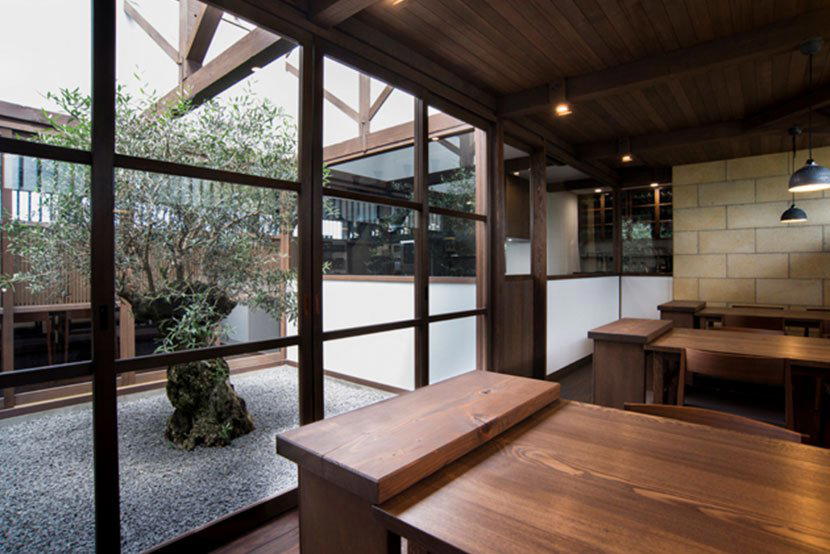

Details
- Classic
- Cozy
- Quiet
- Solo
- Family
- Casual Hangout
- After Work
- Standalone
- Historic Building
- Local Sourcing
- A La Carte
Current opening hours
- Monday
- 9 AM–5:50 PM
- Tuesday
- 9 AM–5:50 PM
- Wednesday
- 9 AM–3:50 PM
- Thursday
- 9 AM–5:50 PM
- Friday
- 9 AM–5:50 PM
- Saturday
- 9 AM–5:50 PM
- Sunday
- 9 AM–3:50 PM
Hours can change for holidays and private events. Last verified .
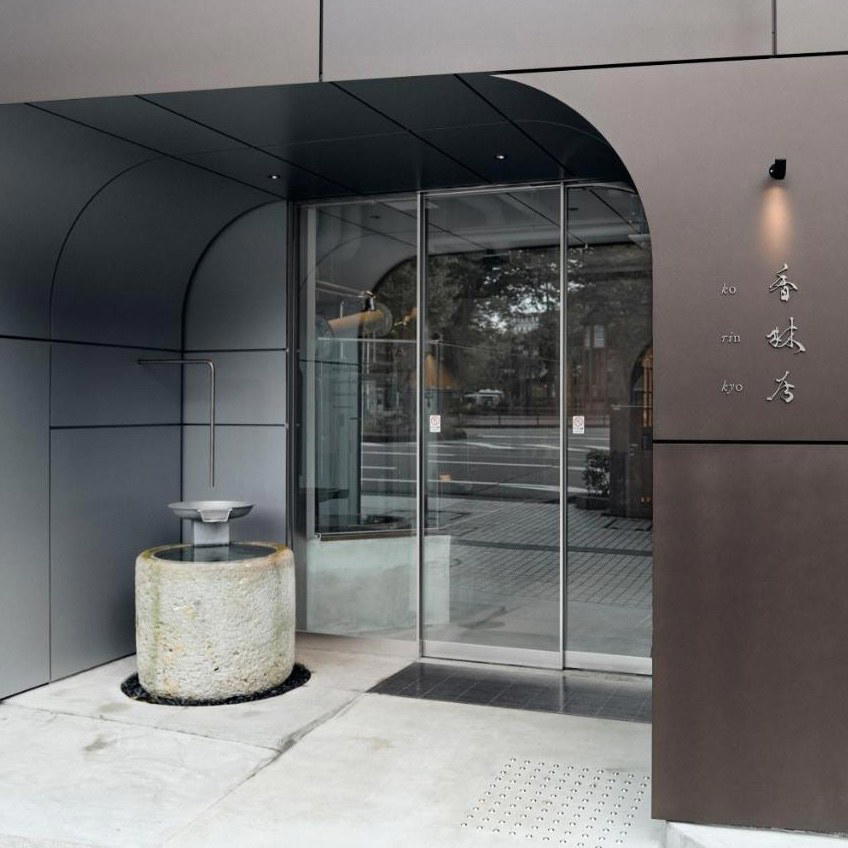
Traditional neighborhood wagashi shop with a simple, old-school storefront and calm, everyday atmosphere focused on takeaway sweets rather than sit-down dining.