Our verdict
ラル sits in Sakai, Fukui, a city where the Sea of Japan fishing calendar shapes kitchen logic more than any chef's personal ambition. The restaurant operates within a regional dining tradition where proximity to Echizen crab grounds and winter yellowtail runs determines what appears on the counter. Details on format, pricing, and booking remain sparse, which in this part of Fukui often signals a local word-of-mouth operation rather than a broadly promoted destination.

Pearl is the En Primeur Club membership app, where members save venues, book tables and use the concierge.
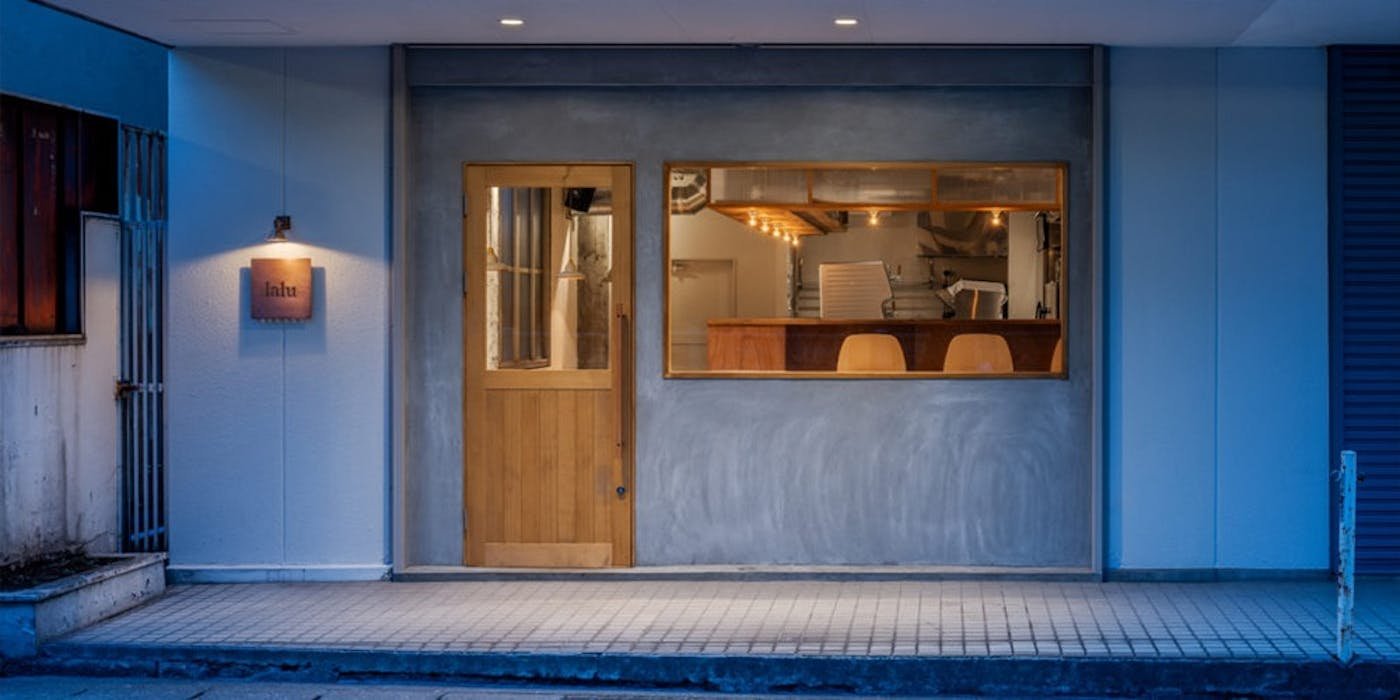
Where Fukui's Fishing Calendar Becomes the Menu
Sakai, Fukui sits at a point along the Sea of Japan coast where the fishing calendar, not any single chef's vision, tends to drive what serious kitchens put on the table. The approach along this stretch of coastline is largely one of constraint: work with what the water delivers in a given week, do as little as possible to interrupt it, and let the temperature of the room and the season do the communicating. ラル operates within that framework, at an address on Mikunichosaki that places it inside a port-adjacent part of Sakai rather than any commercial or tourist corridor. The physical context here matters. Mikunichosaki is the kind of address where a dining room earns its reputation slowly, through returning local guests and the occasional traveler who has done their research, rather than through foot traffic or aggressive visibility.
That geography connects ラル to a broader pattern seen across small-city Fukui dining: the absence of promotional infrastructure often reflects a deliberate orientation toward a local clientele that already knows the seasonal rhythms and expects the kitchen to honor them. For travelers arriving from Osaka or Kyoto, cities where restaurants like HAJIME in Osaka operate at a different altitude of ambition and international visibility, Sakai's dining register can feel like a recalibration. That recalibration is part of the value.
The Sensory Register of a Fukui Coastal Kitchen
The dominant sensory logic of restaurants in this zone of Fukui is dashi-forward and mineral-edged. The Sea of Japan produces a different flavor profile from Pacific-facing kitchens: heavier fat content in winter fish, a colder-water sweetness in crab and shrimp, and a brine character that tends to anchor broths and preparations toward depth rather than brightness. Kitchens working in the Sakai and Mikunichosaki area have access to Echizen crab, among the most price-sensitive and seasonally regulated crustaceans in Japan, when the November opening of the crabbing season releases product into local supply chains. The months between November and March represent the period when this part of Fukui most clearly distinguishes itself from inland Japanese dining traditions.
The sound profile of smaller Fukui dining rooms also differs from what travelers encounter at high-exposure counters in Tokyo or Kyoto. At a counter like Harutaka in Tokyo, the acoustic environment is controlled and ceremonial. At Gion Sasaki in Kyoto, the tradition of kaiseki shapes both the silence and the presentation rhythm. In Sakai's smaller rooms, the atmosphere tends to be quieter in a different way, less performance, more familiarity between kitchen and guest. The absence of theater is itself a defining characteristic of the dining tradition here.
Sakai's Position in the Regional Dining Picture
Fukui Prefecture as a whole occupies an interesting position in Japan's restaurant geography. It lacks the international profile of Kyoto or Tokyo, but its product quality, particularly in seafood and rice, is recognized domestically. Sakai's dining options include venues with different orientations: Kawaki, which focuses on seafood within the same coastal sourcing logic, sits in a comparable tier for local fish-forward dining. Birdland and Domani extend the local options toward different formats, while Oga and Ootoku round out the scene for travelers building a multi-stop itinerary through the city. For a broader map of the city's options, the full Sakai restaurants guide provides the necessary orientation.
The regional comparison set for ラル extends beyond Sakai itself. Across Japan's smaller cities, a pattern of tight-capacity, low-profile restaurants with strong local sourcing credentials has proven durable even as dining media attention concentrates on urban centers. akordu in Nara operates in a different format but occupies a similar position of regional seriousness without national celebrity. Goh in Fukuoka demonstrates how a city outside the Tokyo-Osaka-Kyoto triangle can sustain internationally recognized dining. The same logic applies, at a quieter register, to Fukui Prefecture's better restaurants. Further afield, venues like 一本木 矢川製 in Nanao along the Noto Peninsula and 湖畔荘 in Takashima on Lake Biwa demonstrate how the Sea of Japan coastal corridor and its adjacent regions have developed a distinct hospitality logic shaped by water, season, and distance from the urban media circuit.
How to Approach a Visit
The address, 31-25 Mikunichosaki, Sakai, Fukui 913-0065, places the restaurant in a coastal district of the city that requires directional intention to reach; this is not a venue you encounter by walking a main shopping street. For travelers coming from outside Fukui, Sakai is accessible via the Hokuriku region's rail connections, with Fukui City serving as the main hub before onward travel to the Mikunichosaki area. Arriving without a confirmed reservation is a risk in this type of operation, and the absence of a public booking channel suggests that contact through local accommodation staff or Japanese-language inquiry may be the most reliable path. Timing a visit to the November through March window aligns with the period when Fukui's coastal kitchens are working with their most distinctive seasonal product.
The contrast with high-transparency, internationally marketed restaurants is worth naming directly. At Le Bernardin in New York City or Atomix in New York City, the booking infrastructure is extensive and the information available to guests before arrival is detailed. At a regional Japanese restaurant with limited public presence, the pre-arrival opacity is part of the experience's character rather than a flaw in the operation. Travelers who find that friction acceptable, and who have the Japanese-language capability or local contacts to bridge it, are the right audience for this kind of dining. Those who prefer confirmed logistics before departure would be better served starting with a city where the booking infrastructure is more developed, then building outward toward venues like this once comfortable with the regional format.
For travelers interested in how the rest of Japan's smaller-city dining scene operates, the range of venues accessible through EP Club's regional coverage, from 夕食山乃 in Sapporo to 麻羽屋 in Nishikawa Machi and Bistro Ange in Toyohashi, maps the breadth of what regional Japanese dining looks like outside the credentialed urban tier.
Frequently asked questions
How do I find ラル?
ラル is located at 31-25 Mikunichosaki, Sakai, Fukui 913-0065, Japan, Sakai.
Is ラル worth visiting from Kyoto or Osaka as a regional dining destination in Fukui?
Fukui Prefecture sits roughly two to three hours from Kyoto by limited express train, and Sakai's position along the Sea of Japan coast gives it access to seafood sourcing that differs materially from what Kyoto or Osaka restaurants can obtain. Fukui lacks the international dining profile of either city, which means a restaurant at ラル's address in Mikunichosaki operates in a lower-noise environment where regional cooking traditions, rather than tourist expectations, tend to set the standard.
What dish is ラル famous for?
Publicly available documentation on ラル's specific dishes is limited, which is common among serious Japanese regional restaurants in Fukui that operate without a significant online presence. The kitchen is situated in Sakai, a coastal district where the Sea of Japan fishing calendar shapes what appears on the menu, so the focus tends to track seasonal catch rather than a fixed signature item.
What's the defining dish or idea at ラル?
The defining logic at ラル, based on its Sakai, Fukui location, is seasonal coastal sourcing from the Sea of Japan rather than a single hero dish. Kitchens in this part of Fukui generally build their menus around what the fishing calendar delivers, a different operating principle than the chef-led tasting menu format common in urban Japan.
How does ラル handle allergies?
Given the address in Sakai, Fukui and the absence of a listed website or phone number, communicating dietary requirements in advance through a local intermediary or Japanese-speaking contact is strongly advisable before visiting.
Comparable Spots
Comparable venues nearby, for context on price, style, and recognition.
| Venue | Cuisine | Price | Awards | Notes |
|---|---|---|---|---|
| ラルThis venue (the venue you are viewing) | Seafront French in Historic House | Not listed | Not listed | Not listed |
| 朱雀 | Japanese Restaurant | Not listed | Not listed | Sakai |
| CARNA | Gelato & sweets shop | $1–10 | Tabelog 100 #39 | Mikunicho Minamihommachi |
| 越前 蟹の坊 | Echizen Crab & Japanese Seafood | $30–50 | Not listed | Mikuni |
| ラ クラルテ | 薪火洋風レストラン | $30–50 | Not listed | Maruoka-cho Takeda |
| Kawaki | Echizen Crab Specialist | $500+ | Not listed | Mikunicho Chuo |
Continue exploring
More in Sakai
Restaurants in Sakai
All restaurants in Sakai →
Details
- Cozy
- Elegant
- Scenic
- Date Night
- Special Occasion
- Historic Building
- Waterfront
- A La Carte
Current opening hours
- Monday
- 11:30 AM–3 PM
- Tuesday
- 11:30 AM–4 PM, 5:30–10 PM
- Wednesday
- 11:30 AM–4 PM, 5:30–10 PM
- Thursday
- Closed
- Friday
- 11:30 AM–4 PM, 5:30–10 PM
- Saturday
- 11:30 AM–4 PM, 5:30–10 PM
- Sunday
- 11:30 AM–4 PM, 5:30–10 PM
Hours can change for holidays and private events. Last verified .
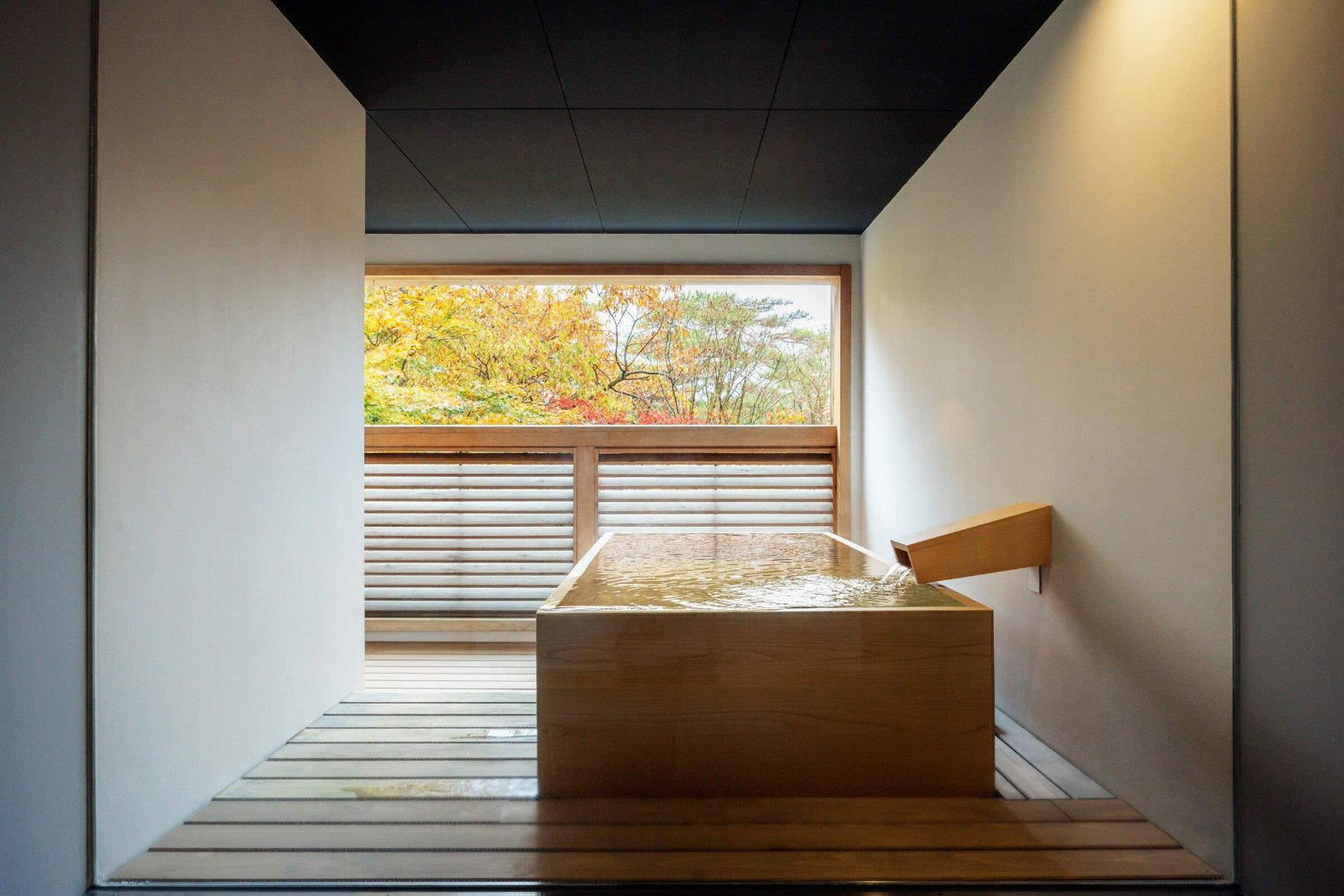
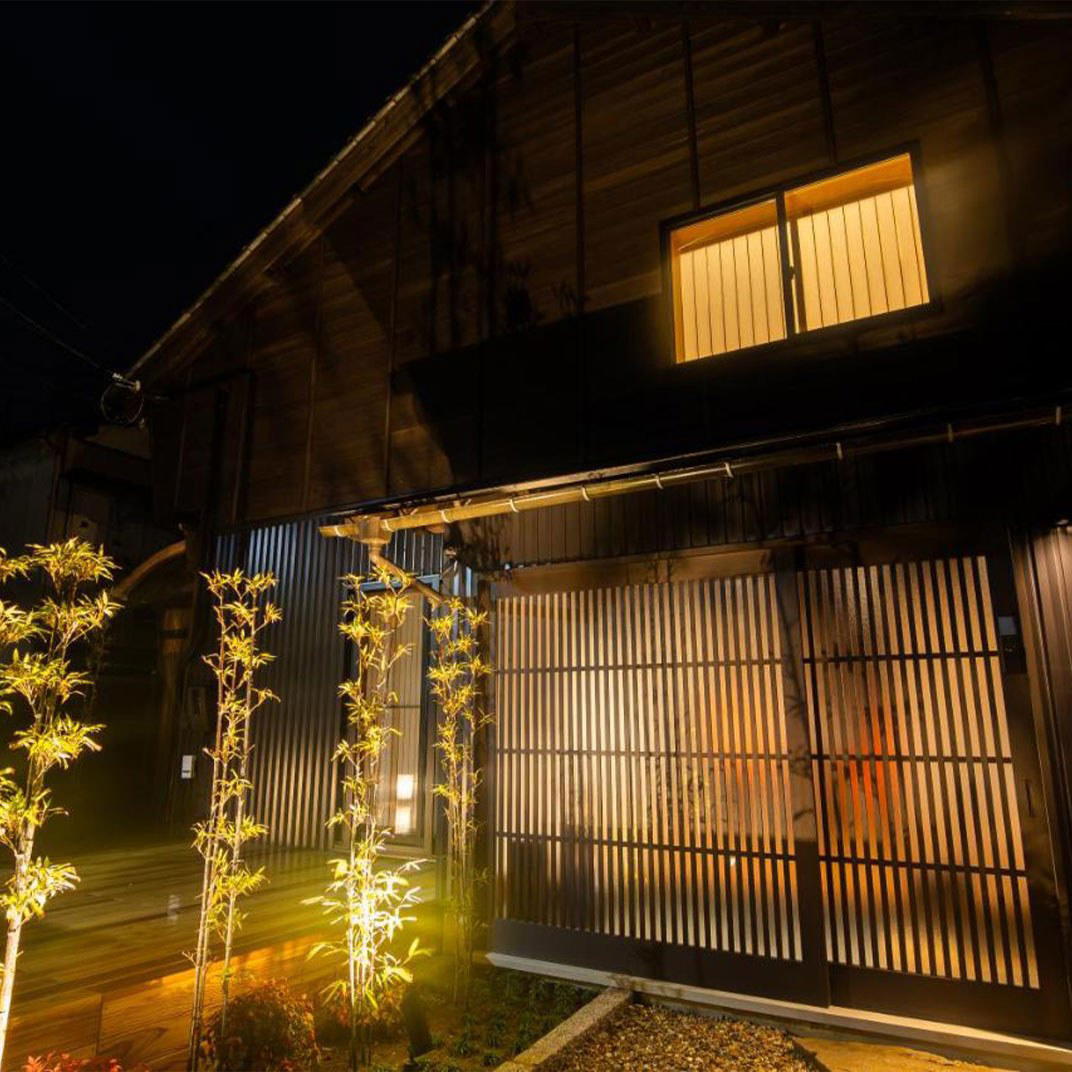
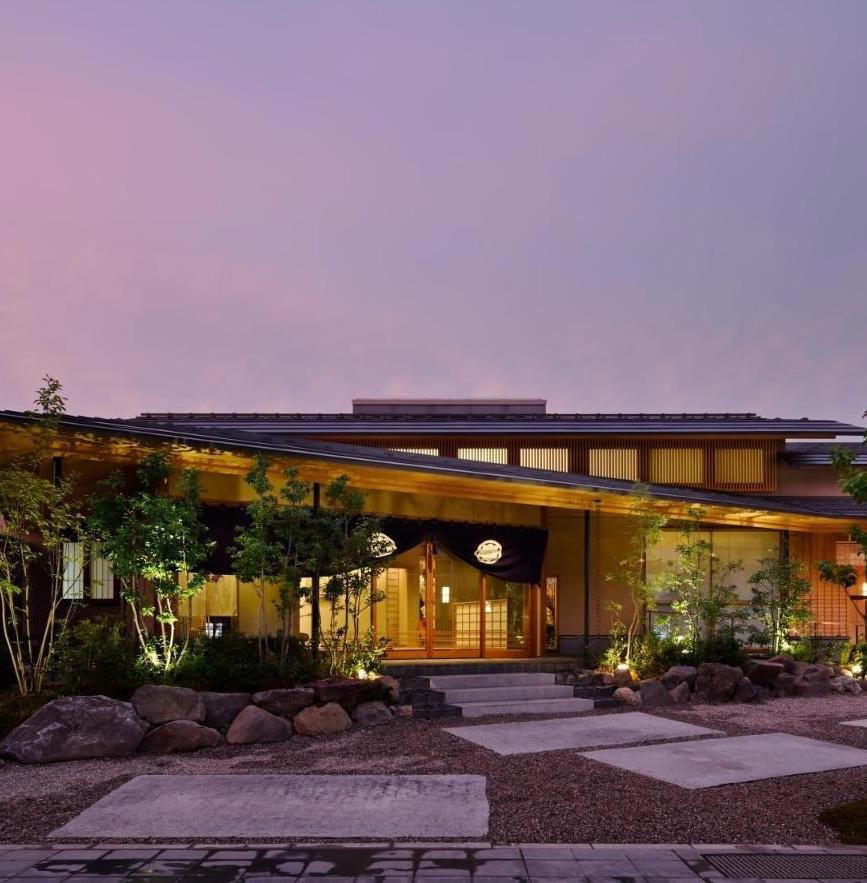
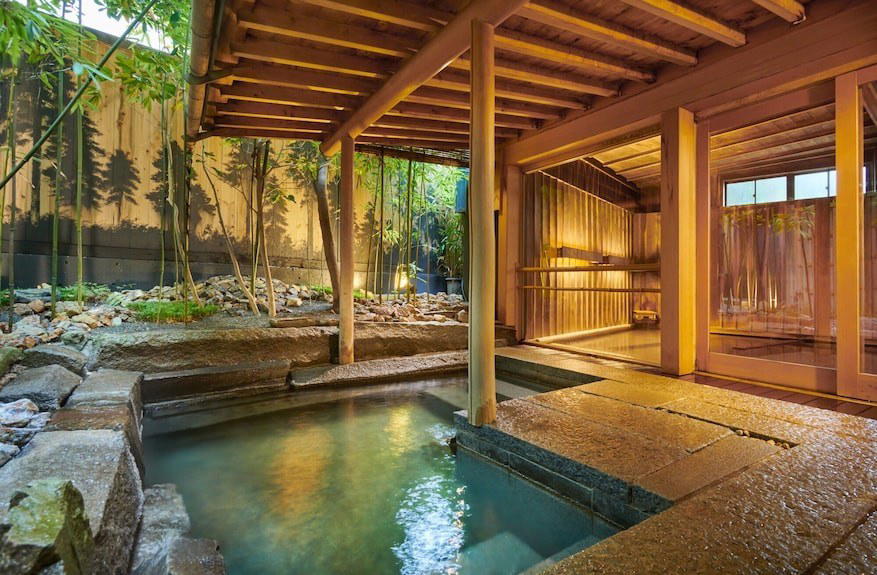
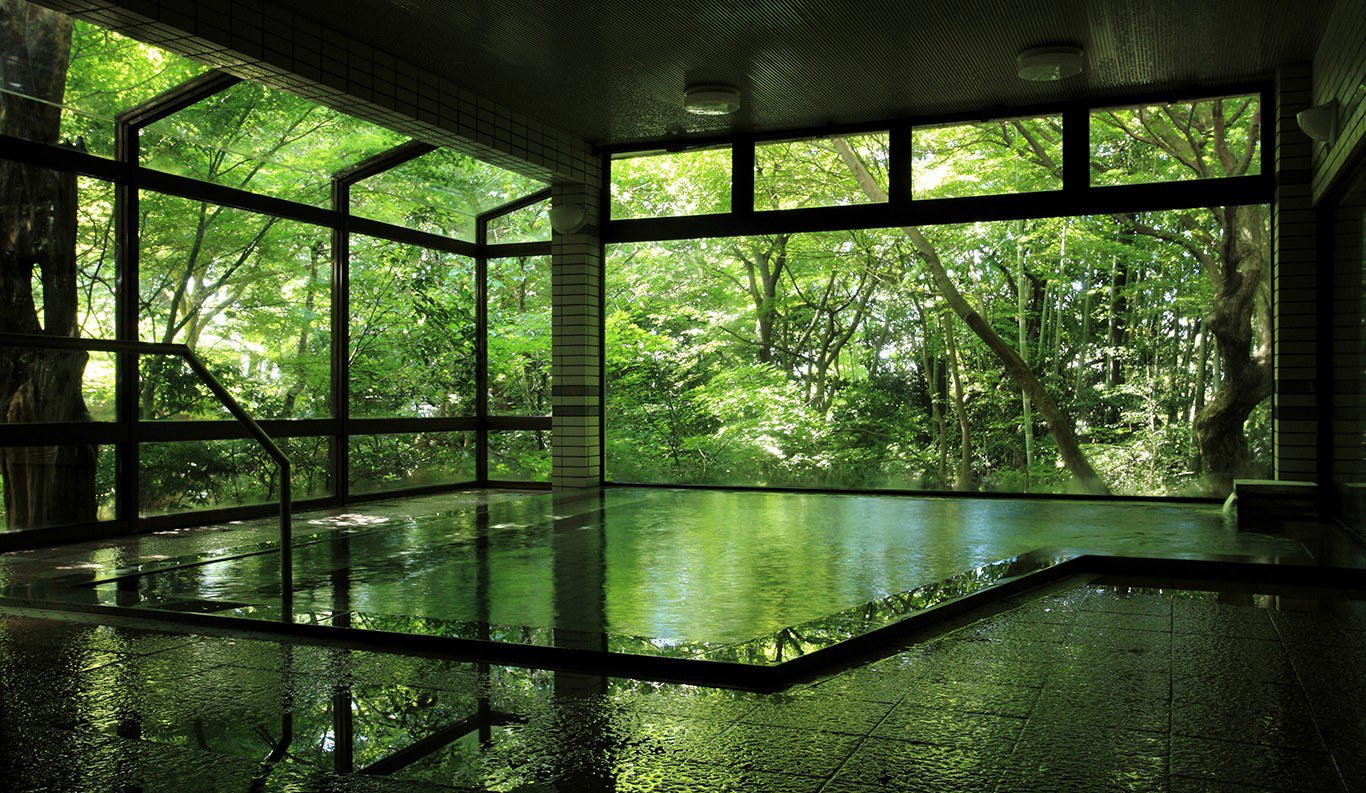
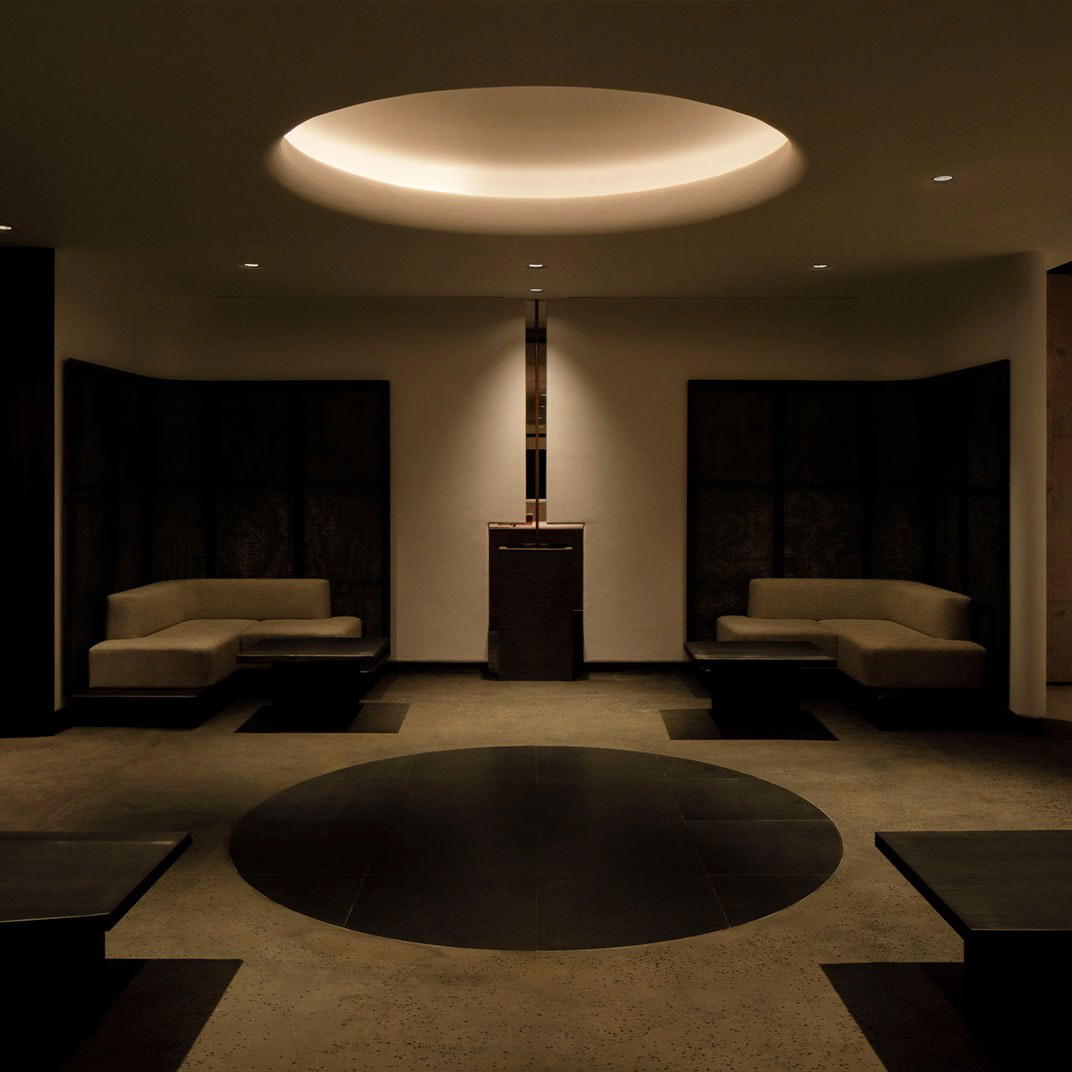
Nostalgic yet modern interior with expansive sea vistas creating a serene and sophisticated atmosphere.