
Tabelog 100 #45
Our verdict
Karasawa gives Onomichi’s waterfront snacking culture a serious anchor: a long-running kissa-born ice cream shop with Tabelog 100 Ice cream / Gelato recognition in 2023. Its appeal sits in the city’s old habit of short, low-ceremony stops between station, shopping street, temple paths, and harbor, with house ice cream rather than elaborate dessert-room theater.

Pearl is the En Primeur Club membership app — saves, bookings, and concierge access live there. Same editors, same standards.
- Address
- 1 Chome-15-19 Tsuchido, Onomichi, Hiroshima 722-0035, Japan
- Phone
- +81 848-23-6804
- Hours
- Mon 10 AM–5 PMTue ClosedWed–Fri 10 AM–5 PMSat–Sun 10 AM–5:30 PM
- Website
- ice.jcom.to
- Directions
- Get directions
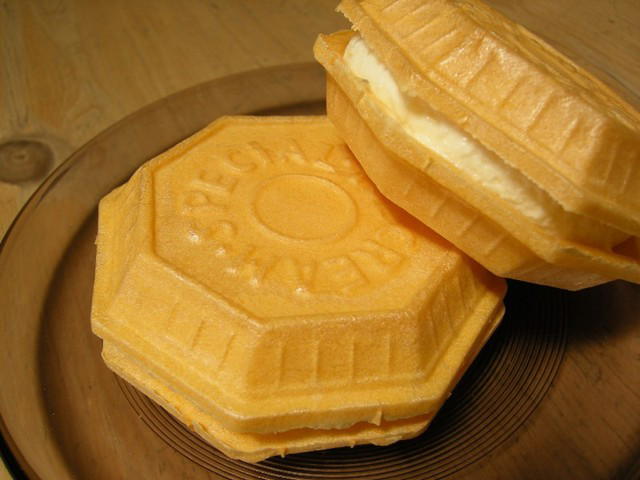
The menu
What to order
- Ice Monaka
- Tamago Ice Cream
- Matcha Ice Cream
- Sesame Ice Cream
Onomichi’s food rhythm is shaped by gradients: the station side, the covered shopping streets, the harbor edge, and the steep temple routes rising behind town. Dessert here works differently from the plated-course language of big-city patisserie. It is a pause between walks, a cold counterpoint to ramen, okonomiyaki, coffee, or a ferry crossing. Karasawa belongs to that compact civic pattern, where an ice cream shop can function less as an afterthought and more as a local marker.
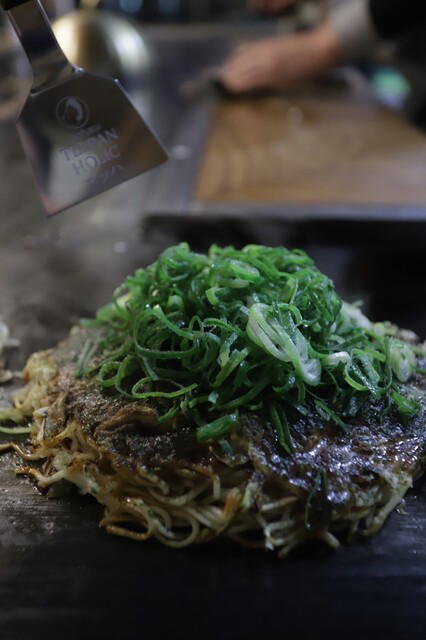
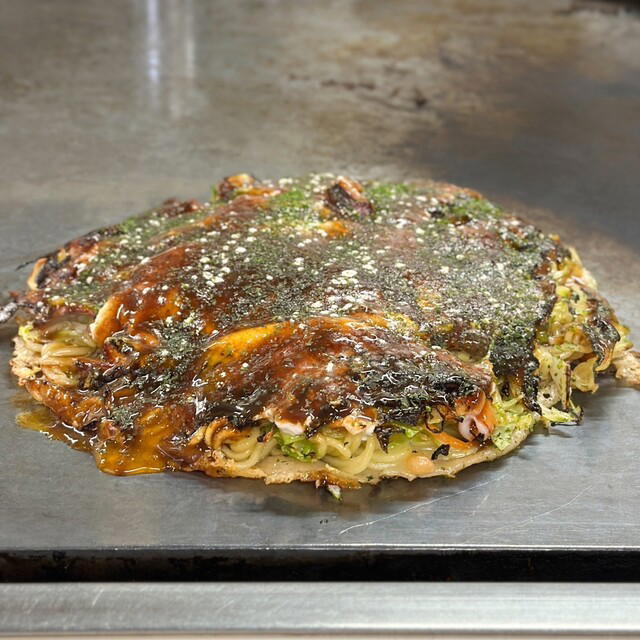
The useful way to read the place is through Onomichi’s scale. This is not a city built around grand dining rooms or long tasting menus; it rewards short-form eating, tightly edited menus, and shops that have survived because regular use matters. In that setting, ice cream is not only a sweet finish. It is part of the town’s strolling economy, the same casual circuit that sends visitors from harbor views to noodles, griddles, cafés, and small counters without turning the day into a formal restaurant itinerary.
Ice cream, gelato, kissa context, and why focus matters here
Japan’s regional dessert shops often split into two camps: modern gelato counters using a language of dairy origin and seasonal fruit, and older kissaten-adjacent shops where the appeal lies in continuity, restraint, and a small number of familiar fixtures. Karasawa sits naturally in that conversation, with a public category profile that includes gelato, ice cream, kissa, and café service. The appeal is less about fine-dining theatre than about a compact dessert stop that fits Onomichi’s everyday eating rhythm.
That background changes the reader’s expectations. The point is not maximal novelty or a rotating wall of flavors. It is the older craft logic of a shop presented through ice cream, gelato, kissa, and café categories, with a format that reads as direct and easy to fold into a walk through town. For travelers trying to understand Onomichi through food, that kind of small, category-clear stop can be more revealing than another generic coffee break.
Tabelog selected Karasawa for its 2023 Ice cream / Gelato 100 list, which places it within a national dessert category rather than only a local snack circuit. That recognition is useful because Onomichi’s casual food scene can otherwise be hard to assess from the outside. A small ice cream shop and a serious destination meal do not compete on the same terms, yet awards in narrow categories help identify where an everyday format has enough depth to merit a detour within town.
Ingredient discussion is often treated as a luxury-restaurant subject, but dessert shops make balance visible in a more direct way. Ice cream gives little cover: sweetness, texture, and the handling of any added elements carry the whole experience. In Onomichi, where regional food memory, café culture, and a walking-city tempo shape visitor expectations, a focused ice cream stop reads as part of place rather than decoration. The value is not in calling the format rare; it is in noticing how a small menu can preserve a city’s taste memory.
How it fits the Onomichi eating day
Onomichi dining works well when treated as a sequence rather than a single reservation. Okonomiyaki, ramen, coffee, fish-led meals, and dessert can be arranged around walking, cycling, and short train or ferry movements. Within that sequence, Karasawa is strongest as a daytime punctuation mark: quick, low-commitment, and more rooted than a convenience-store sweet. The shop’s approachable category profile also fits Onomichi’s public-facing food culture, where small venues often need to serve regulars and travelers without ceremony.
For a fuller city read, pair the dessert stop with Onomichi’s savory vernacular. Okonomiyaki Murakami represents the griddle side of the city’s casual register, while Restaurant YOSORO and 割烹 東山 point toward more composed meals. Dolce Honten offers another dessert comparison in the area, useful for readers building a sweet-focused afternoon rather than a single-stop checklist.
The comparison also clarifies Onomichi’s range. A shop like this should not be judged against Tokyo dessert salons, Kyoto wagashi houses, or hotel pastry counters. Its peer group is narrower: regional dessert counters with a recognizable local role, modest spend, and enough specialist identity to justify inclusion in a tight itinerary. That is why the Tabelog 100 Ice cream / Gelato selection carries weight here. It connects an everyday format to a broader Japanese dessert conversation without forcing it into fine-dining language.
Planning the wider Onomichi circuit
Visitors who treat Onomichi as only a ramen stop miss the way the city is built for edible intervals. The stronger plan is to use dessert, coffee, and casual meals as anchors between slopes, shopping arcades, temples, and waterfront time. The full city context is covered in Our full Onomichi restaurants guide, with lodging, drinking, wine, and cultural planning in Our full Onomichi hotels guide, Our full Onomichi bars guide, Our full Onomichi wineries guide, and Our full Onomichi experiences guide.
For travelers mapping Japan through specific food formats, the same logic applies beyond Onomichi: a narrow specialty often reveals more than a broad menu. Compare Onomichi’s dessert-and-café thread with other dining rooms in Japan and abroad, from focused counter restaurants to small cafés, curry specialists, sake bars, and rice-ball shops. The common thread is format discipline: small menus, clear category identity, and enough local specificity to reward attention.
Frequently asked questions
Is Karasawa good for families?
Karasawa is an approachable Onomichi dessert stop, with a public category profile that includes gelato, ice cream, kissa, and café. Check the venue's official channels for the latest practical details before visiting.
What's the vibe at Karasawa?
It reads as a kissa-adjacent dessert stop rather than a formal restaurant. Karasawa is selected for Tabelog 100 Ice cream / Gelato 2023.
How much does it cost to eat at Karasawa?
Pricing at Karasawa is listed as - JPY 999 - JPY 999.
What are the operating hours at Karasawa?
Check Karasawa's official channels for current operating hours before visiting.
Where do I go for Karasawa?
Onomichi.
Side-by-Side Snapshot
Comparable venues by cuisine and price in the same metro.
| Venue | Cuisine | Price | Awards | Notes |
|---|---|---|---|---|
| KarasawaThis venue — the venue you are viewing | Handmade Japanese ice cream & monaka shop | $1–10 | Tabelog 100 #45 | Not listed |
| 割烹 東山 | Traditional Japanese Robatayaki | Not listed | Not listed | Onomichi |
| Okonomiyaki Murakami | Hiroshima-Style Okonomiyaki | $10–20 | Tabelog 100 #99 | Onomichi |
| Dolce Honten | Gelato Cafe | $1–10 | Tabelog 100 #90 | Setoda-cho Hayashi |
| Chuka Soba Dokoro Konpiraso | Yamagata Chuka Soba | $10–20 | Not listed | Sanze |
| Mingei Chadokoro Fukatsuya | Traditional Japanese Tea House | $1–10 | Not listed | Fukuyama City |
Recognition history
Dated appearances from independent guides and award organizations, with the underlying list record or original source where available.
Tabelog 100 #45 · No. 45
Tabelog · Tabelog 100 - Ice cream / Gelato - 2023
Details
- Classic
- Cozy
- Well Known
- Solo
- Family
- Casual Hangout
- After Work
- Waterfront
- Standalone
- Local Sourcing
- Street Scene
- A La Carte
- Counter Dining
- Other
Current opening hours
- Monday
- 10 AM–5 PM
- Tuesday
- Closed
- Wednesday
- 10 AM–5 PM
- Thursday
- 10 AM–5 PM
- Friday
- 10 AM–5 PM
- Saturday
- 10 AM–5:30 PM
- Sunday
- 10 AM–5:30 PM
Hours can change for holidays and private events. Last verified .
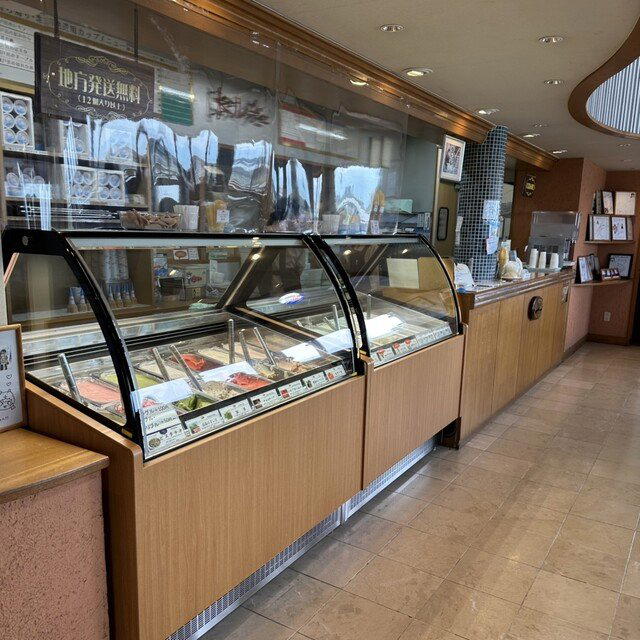
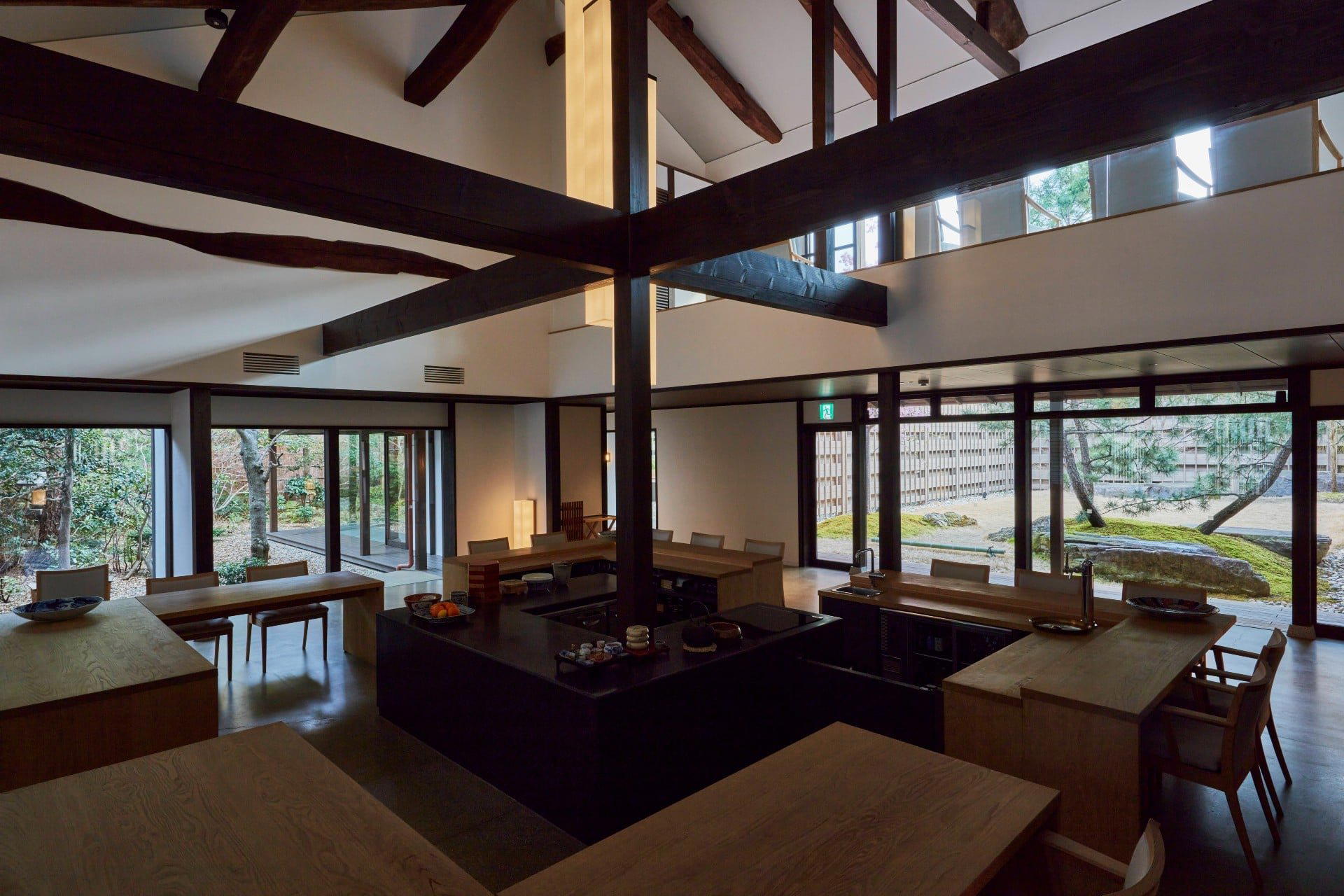
A nostalgic, old-school Japanese kissaten-style ice cream parlor with a simple counter and modest eat-in space, evoking a Showa-era atmosphere that feels warm, local, and unpretentious rather than modern or design-driven.