Rooted in the Tsukiji district's long history as Tokyo's culinary heartland, 日本料理 つきぢ田村 represents the kind of traditional Japanese dining that predates the city's current omakase boom. The restaurant sits on ground with deep cultural memory, serving a style of washoku that moves through the seasons with deliberate structure. For visitors tracing Tokyo's native dining traditions rather than its international fine-dining circuit, it belongs on any serious itinerary.
Pearl is the En Primeur Club membership app — saves, bookings, and concierge access live there. Same editors, same standards.
- Address
- 2 Chome-12-11 Tsukiji, Chuo City, Tokyo 104-0045, Japan
- Phone
- +81335412591
- Website
- tsukiji-tamura.com
- Directions
- Get directions
 Saves & bookings on Pearl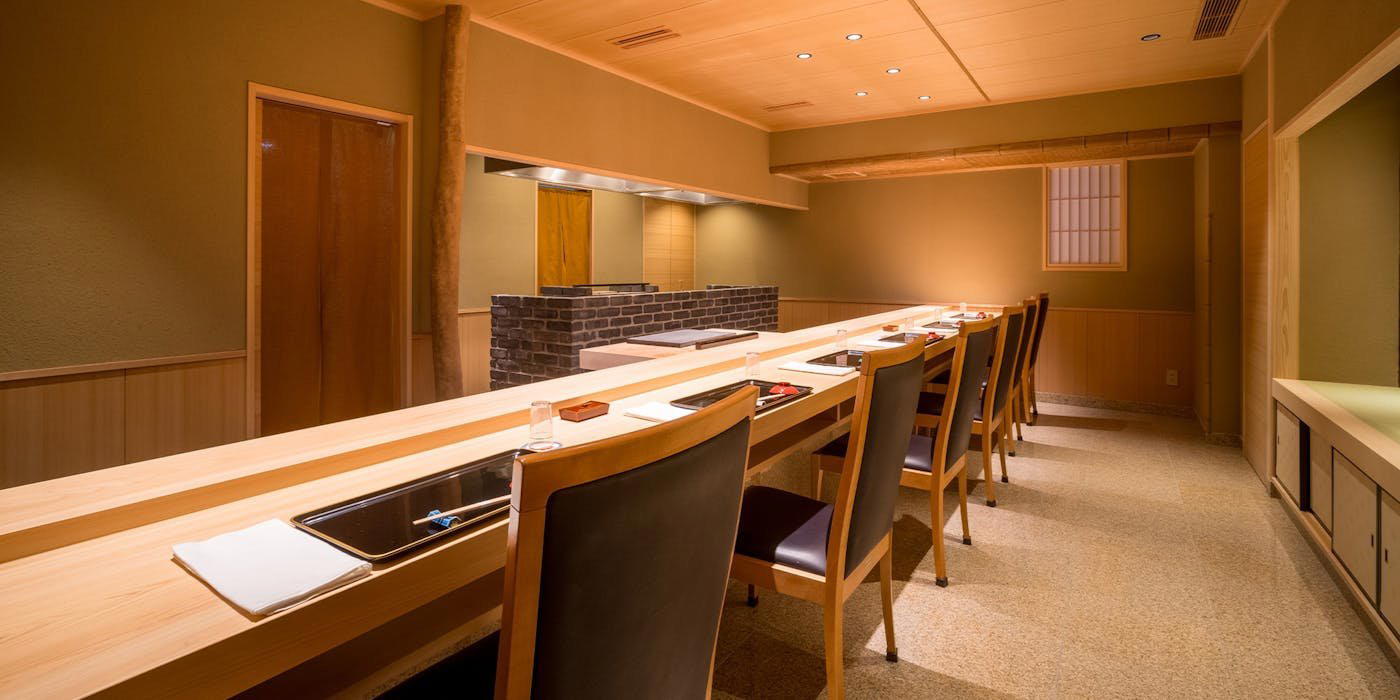
Tsukiji Before the Market Left
Long before Toyosu took the tuna auctions and the tourist crowds followed, Tsukiji was Tokyo's professional food district in the fullest sense: wholesale buyers, restaurateurs, and the kitchens that fed them all occupied the same few city blocks in Chuo. The neighbourhood's culinary identity runs older and more specific than most visitors realise. 日本料理 つきぢ田村 is a restaurant in Tsukiji, Tokyo, serving Traditional Japanese Kaiseki at a price tier of ¥¥¥¥.
Tokyo's premium Japanese dining scene has fragmented sharply over the past decade. Omakase sushi counters at the ¥¥¥¥ tier (see Harutaka for a reference point in that format) now compete with French-influenced kaiseki houses like RyuGin and destination tasting menus from kitchens such as L'Effervescence and Sézanne. Against that backdrop, a restaurant anchored to Tsukiji's older geography and the classical washoku structure it implies occupies a different lane entirely.
The Arc of a Washoku Meal
Classical Japanese dining at this tier is not structured around surprise or chef-as-auteur theatrics. It follows a logic that has been codified for generations: the sequence moves from light to substantial, from raw to cooked, from restrained to nourishing, with each course calibrated against what the season allows rather than what the kitchen wants to demonstrate. This is the dining tradition 日本料理 つきぢ田村 works within.
A meal in this format typically opens with sakizuke, a small composed bite that sets the register for what follows, precise, clean, never aggressive. From there, the progression moves through hassun, which in the Edo-influenced Tokyo tradition differs subtly from Kyoto's kaiseki model: where Kyoto hassun tends toward aesthetic arrangement as its primary logic, Tokyo's version often reflects the market proximity that defined the city's restaurant culture. Tsukiji's physical location, even post-relocation of the wholesale fish operations, shaped what was available to the kitchens that grew up around it.
The middle courses in washoku, yakimono (grilled), nimono (simmered), mushimono (steamed), are where technique accumulates quietly. These are not the courses that photograph well or generate social media traction, which is precisely why they separate serious practitioners from fashionable ones. A kitchen that handles nimono with genuine discipline understands the timing, the dashi calibration, and the restraint required. For comparable commitment to classical form in other Japanese cities, Gion Sasaki in Kyoto and HAJIME in Osaka each approach traditional structure through their own regional lens, making the comparison instructive for travellers moving between cities.
The meal closes through shokuji, the rice course, which in classical washoku carries more weight than most Western diners initially expect. It is not a filler transition to dessert; it is the structural resolution of the meal, the point at which all the preceding flavours are grounded. Mizumono, the sweet finish, follows as a closing note, typically seasonal fruit or a composed confection that reads light against the register of what came before.
Tsukiji as a Dining Address
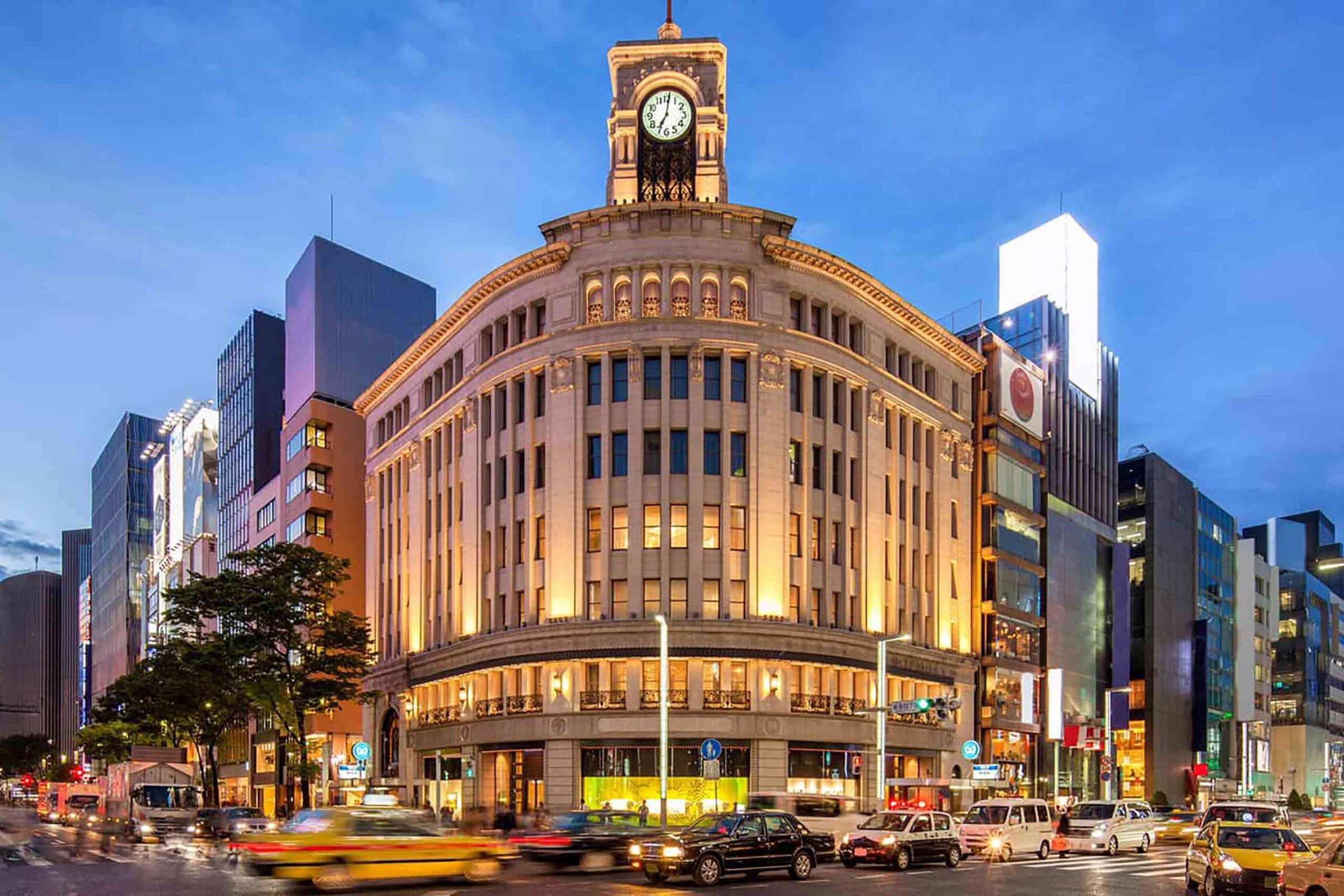
Tsukiji area retains a culinary seriousness that the surrounding Chuo district supports well. The outer market, still operating in its original location, brings food-focused foot traffic to the blocks around 日本料理 つきぢ田村 in a way that feels purposeful rather than touristy. This is a neighbourhood where people come to eat seriously, not to photograph a fish and move on.
The Tokyo end of that spectrum, centred on the Edo-style approach to seasoning, dashi, and market-driven selection, is what the restaurant represents.
Beyond pure washoku, Tokyo's dining scene accommodates a wide range of serious cooking. The French-influenced counter format at Crony and the precision-focused programs at Sézanne attract diners drawn to European technique applied with Japanese discipline.
Further afield in the comparison set, addresses like 鶴羽屋 in Nishikawa Machi, Birdland in Sakai, and Bistro Ange in Toyohashi reflect how Japan's serious dining culture extends well beyond the three major cities, a pattern that washoku's regional ingredient logic reinforces at every level. For international reference, the tasting-menu discipline at Le Bernardin in New York City and the Korean-influenced kaiseki approach at Atomix show how multi-course progression has evolved in parallel traditions outside Japan.
Planning Your Visit
Tsukiji remains accessible from central Tokyo by subway, with Tsukiji Station on the Hibiya Line and Tsukijishijo Station on the Oedo Line both within short walking distance of the address at 2 Chome-12-11 Tsukiji, Chuo City. The neighbourhood is compact and navigable on foot.
Reservations are essential.
Quick reference: the restaurant, 2 Chome-12-11 Tsukiji, Chuo City, Tokyo 104-0045.
Comparable Spots, Quickly
Comparable venues nearby, for context on price, style, and recognition.
| Venue | Cuisine | Price | Notes |
|---|---|---|---|
| 日本料理 つきぢ田村This venue — the venue you are viewing | Traditional Japanese Kaiseki | $$$$ | Not listed |
| 重箱 | Traditional Japanese Unagi Fine Dining | $$$$ | Akasaka |
| Hicho Kurata | High-End Yakitori Omakase | $$$$ | Chiyoda |
| Terakoya Sushi Sho | High-end Edomae Omakase Sushi | $$$$ | Minato |
| Tempura Hasegawa | Michelin-Starred Tempura Omakase | $$$$ | Sumida |
| Sushi Kenshin | Edomae Omakase Sushi | $$$$ | Shibuya |





At a Glance
- Elegant
- Sophisticated
- Classic
- Intimate
- Special Occasion
- Business Dinner
- Sake Program
Current opening hours
- Monday
- Closed
- Tuesday
- 5–10 PM
- Wednesday
- 5–10 PM
- Thursday
- 5–10 PM
- Friday
- 5–10 PM
- Saturday
- 5–10 PM
- Sunday
- Closed
Hours can change for holidays and private events. Last verified .
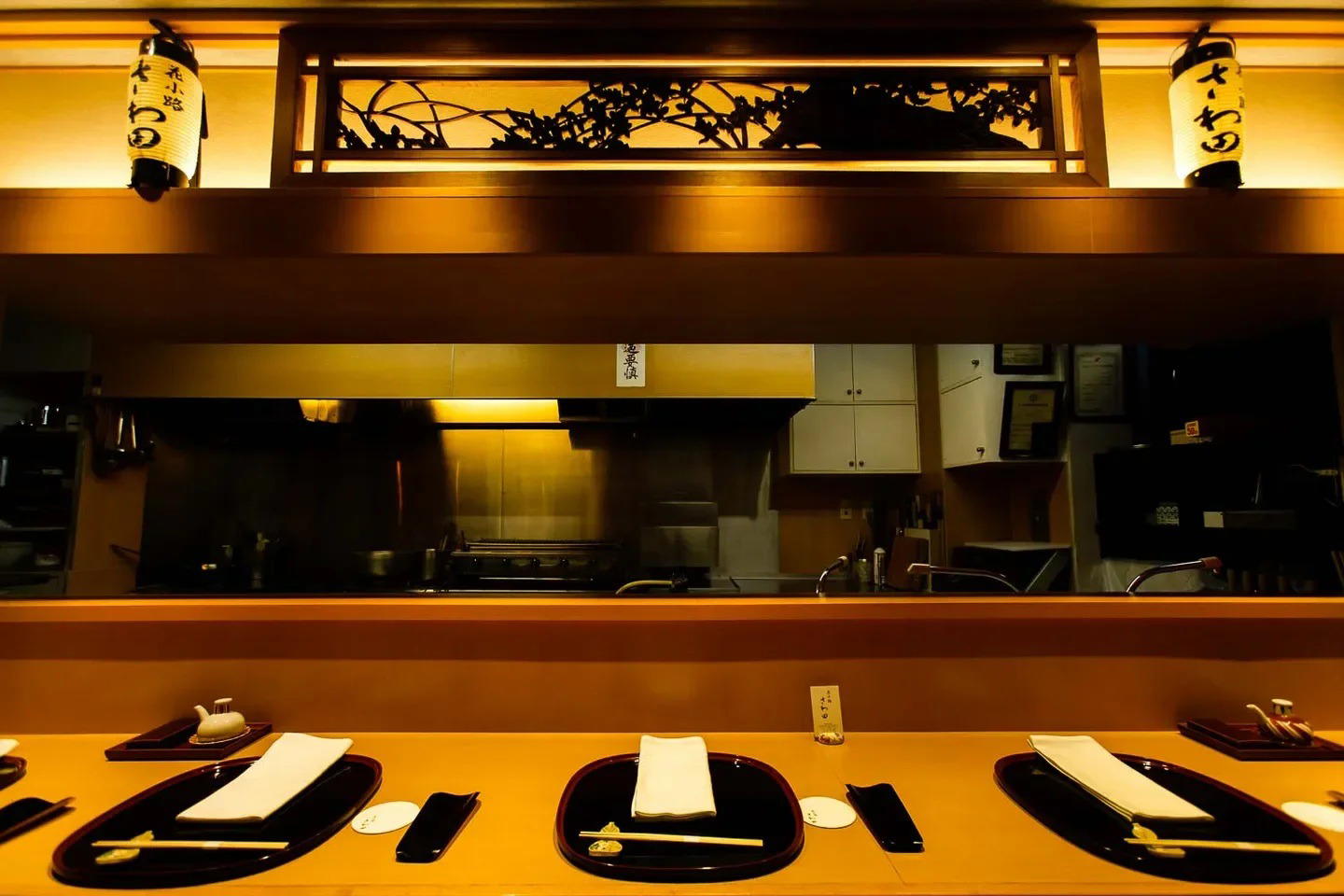
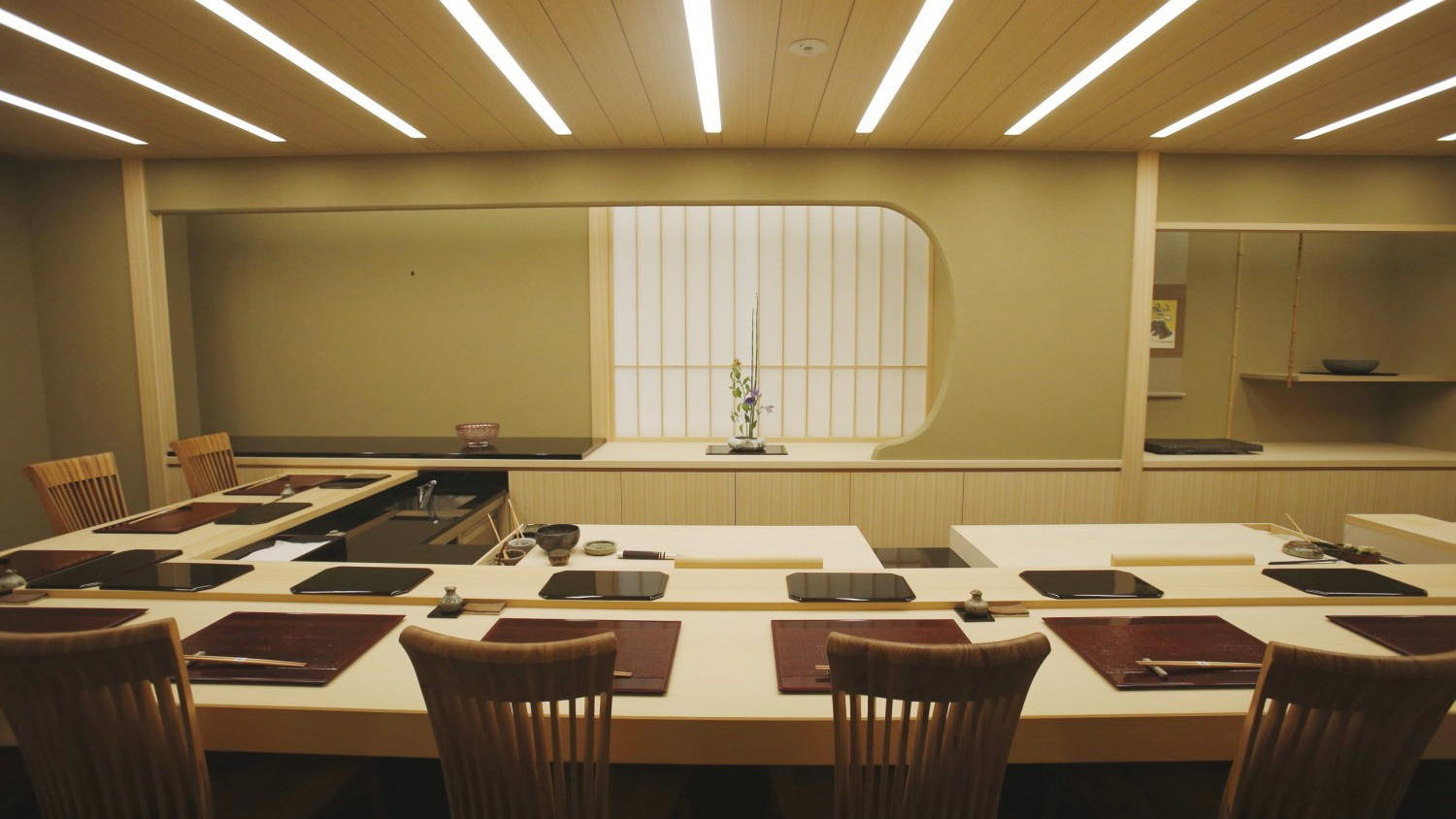
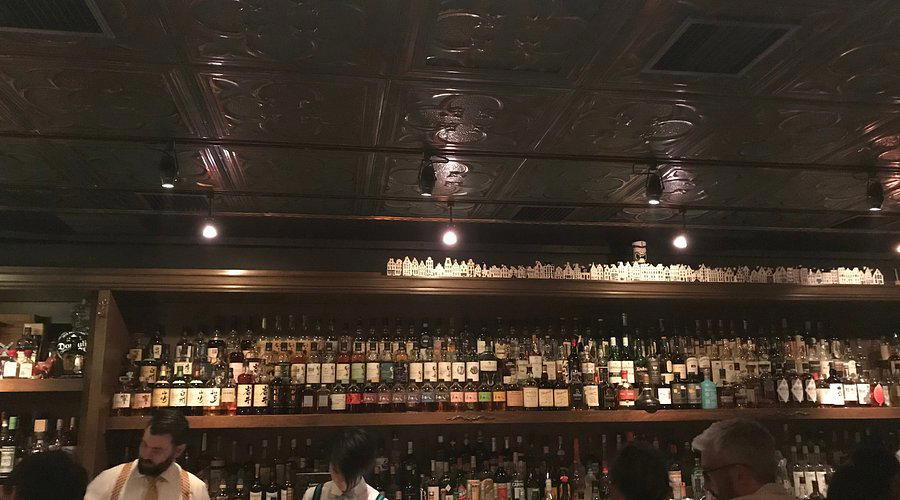
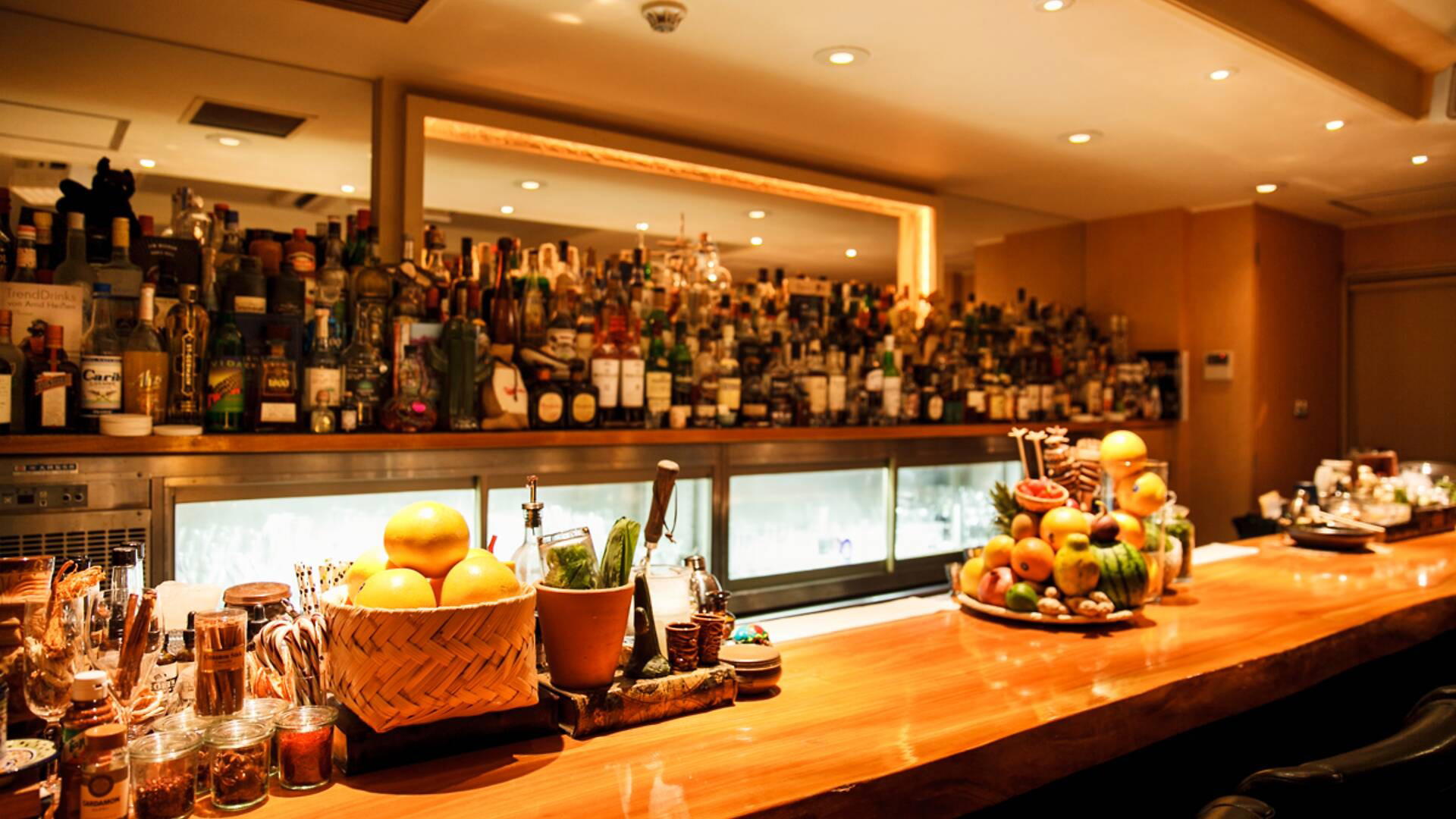
Refined and welcoming atmosphere featuring delicate tableware, seasonal decor, and attentive service that enhances the intimate dining experience.