
Hicho Kurata brings Tokyo’s high-precision chicken dining into a compact Kanda counter format, where yakitori, chicken cuisine, and an innovative course structure sit closer to occasion dining than casual after-work skewers. Its inclusion in the Tabelog 100 for Chicken cuisine in 2025 gives it a clear signal within a competitive category, while the small counter format keeps the experience intimate and deliberate.
Pearl is the En Primeur Club membership app — saves, bookings, and concierge access live there. Same editors, same standards.
- Address
- 東京都千代田区鍛冶町1-7-5 神田美須ビル 2F
- Phone
- +81335185860
- Website
- tabelog.com
 Saves & bookings on Pearl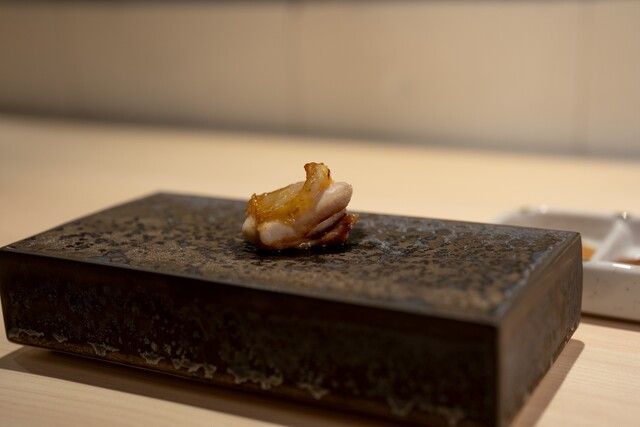
After office hours, Kanda changes fast: station traffic thins, shutters come down, and small upstairs restaurants matter more than street frontage. In that setting, Hicho Kurata fits a newer Tokyo category of chicken-focused dining where the counter replaces the banquet room, smoke and pacing replace spectacle, and the meal suits a date, anniversary, or serious small celebration rather than a casual skewer crawl.
Tokyo has long treated yakitori as everyday food and specialist craft, but the gap is now wide. At one end are standing bars and neighborhood grills built around speed, beer, and regulars. At the other are reservation-only counters where chicken is handled with the seriousness once reserved for sushi, tempura, and kappo. Hicho Kurata sits in the latter camp, with chicken dishes, innovative cooking, and yakitori all part of the category rather than one narrow lane.
A counter built for milestone chicken dining, not a skewer stop
The occasion-dining signal is the format. A small counter changes the meal’s social contract: conversation lowers, pacing becomes pleasure, and cooking is close enough to reveal technique without turning dinner into theater. For travelers who have already done Tokyo’s sushi and tempura counters, this chicken-led course shows how the city expands familiar forms into premium dining.
That matters because chicken cuisine in Japan is not a consolation category. Yakitori depends on butchery, heat control, seasoning restraint, and sequencing. A course can move across textures and cuts without the heavy luxury cues of wagyu or seafood-led tasting menus. The point is concentration: a narrow ingredient field handled with enough variation to justify the evening’s length and price.
Recognition places the restaurant in a serious bracket. Selection for the Tabelog 100 Chicken cuisine list in 2025 is not decorative; in Tokyo, where chicken specialists range from modest grill rooms to high-demand counters, it separates category credibility from atmosphere alone. For readers comparing Kanda options, this address sits far above neighborhood dinner pricing and closer to special-occasion counter culture.
The drinks reinforce that positioning. Sake, shochu, and wine all make sense when the kitchen works across smoke, fat, lean meat, and seasoning rather than repeating one grilled profile. A sommelier presence signals pairing decisions, not just a first beer followed by whatever is cold.
Kanda gives the meal a quieter kind of Tokyo tension
Kanda is not Ginza, which is part of the appeal. Its dining identity is less polished arrival than density: old soba houses, salaryman izakaya, specialist counters, curry rooms, and newer destination restaurants packed into a business neighborhood that empties and refills by the hour. Hicho Kurata benefits from that contrast. The room can feel removed from the pavement without adopting a luxury district’s ceremonial mood.
That context clarifies the decision. In Ginza or Aoyama, a premium counter usually comes with a familiar code: discreet entrance, immaculate service cadence, and a bill that assumes the area. In Kanda, the same concentration feels more pointed. The dining room needs no grand urban symbolism; the argument is made through capacity, category focus, and recognition within chicken cuisine.
Local comparisons sharpen the bracket. Budouya, Muromachi Sunaba Nihonbashi hon ten, Umatama Ya, and Kuzushi Teppan AVAGURA Kanda ten show the area’s range, from low-cost everyday meals to mid-range teppan. Against that spread, this counter belongs to a narrower celebration tier, where the question is not convenience but whether the occasion calls for a focused, high-touch course.
Tokyo travelers planning a dining-led trip can use it as a counterpoint to broader itineraries. For neighborhood breadth, start with Our full Tokyo restaurants guide, then compare more casual or category-specific addresses such as . 鮪と炭火焼き うお炭 秋葉原店, 12/10 Shinjuku ten, 124. KAGURAZAKA (Yakitori), 2D Cafe, and 3 Chome no Curry Ya San. The contrast is useful: Tokyo dining is not a ladder from cheap to expensive, but formats with different rules.
Who should choose this over another Tokyo celebration meal
The strongest case is for diners who want a Japanese counter experience without defaulting to sushi. Chicken-led dining rewards attention, but carries less of the status anxiety that can surround high-end omakase. It also suits small parties better than large groups, favoring couples, close friends, and business dinners where the meal can carry the evening.
There are boundaries. This is not for anyone seeking a broad à la carte night, a child-oriented menu, or a loose drinking session. It is also a poor fit for guests who treat strong fragrance as part of dressing up; in close counter rooms, scent competes with smoke, stock, and grilled fat. The better match wants precision, quiet, and intentional scale.
For a wider Tokyo trip, the restaurant pairs naturally with research beyond dinner: Our full Tokyo hotels guide, Our full Tokyo bars guide, Our full Tokyo wineries guide, and Our full Tokyo experiences guide help set the rest of the itinerary around the same intent. Readers extending across Japan can compare how format changes outside the capital through -Grilled beef Sukiyaki- KAMAKURA TANUKIAN 鎌倉 たぬき庵 in Kamakura.cafe in Osaka.know in Kumamoto, (Shoku) Vietnam in Kawasaki, [Curry Senmon Ten] Maruyama Kyoju. in Sapporo, and [ki:] in Kyoto. For a transpacific sake-and-Japanese-food comparison, Jōdo Saké Bar in Los Angeles and Onigiri Time in Pasadena show how Japanese formats shift when removed from Tokyo’s density.
The verdict is clear: the restaurant is for a controlled, intimate Tokyo meal where chicken is treated as a premium subject. Its value lies in focus, not variety; counter discipline, not display. For a milestone evening needing precision rather than grandeur, it makes a persuasive case.
A Lean Comparison
Comparable venues for orientation by cuisine and category.
| Venue | Cuisine | Price | Notes |
|---|---|---|---|
| Hicho KurataThis venue — the venue you are viewing | Chiyoda, High-End Yakitori Omakase | $$$$ | Not listed |
| Sushi Sugita (日本橋 蛎殻町 すぎた) | Nihonbashi, Traditional Edomae Omakase | $$$$ | Not listed |
| Ten Ichi Ginza | Chūō, Traditional Edomae Tempura | $$$$ | Not listed |
| Yakitori Hirako | Not listed | $$$$ | Minato, Modern farm-to-table yakitori omakase |
| Kaoru HIROO | Minato, Modern Japanese Omakase | $$$$ | Not listed |
| TOKYO Whisky Library – Premium Whisky Bar & Restaurant | Not listed | $$$$ | Minato, Modern Japanese Grill & Whisky Bar |
Recognition history
Dated appearances from independent guides and award organizations, with the underlying list record or original source where available.
Tabelog 100 #92 · No. 92
Tabelog · Tabelog 100 - Chicken cuisine - 2025




At a Glance
- Elegant
- Intimate
- Cozy
- Sophisticated
- Modern
- Date Night
- Business Dinner
- Special Occasion
- After Work
- Solo
- Chefs Counter
- Open Kitchen
- Design Destination
- Standalone
- Sake Program
- Sommelier Led
- Extensive Wine List
- Farm To Table
- Local Sourcing
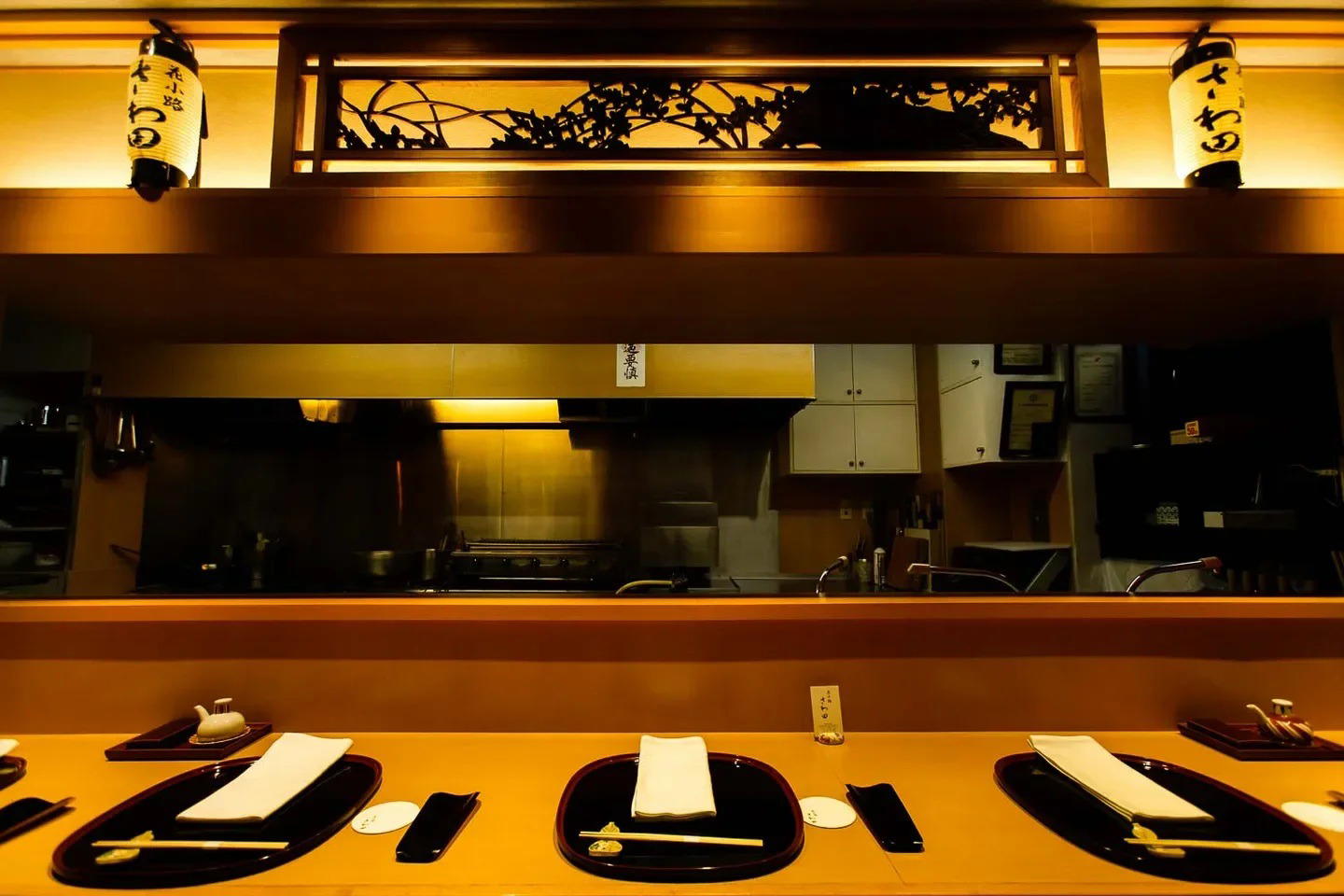
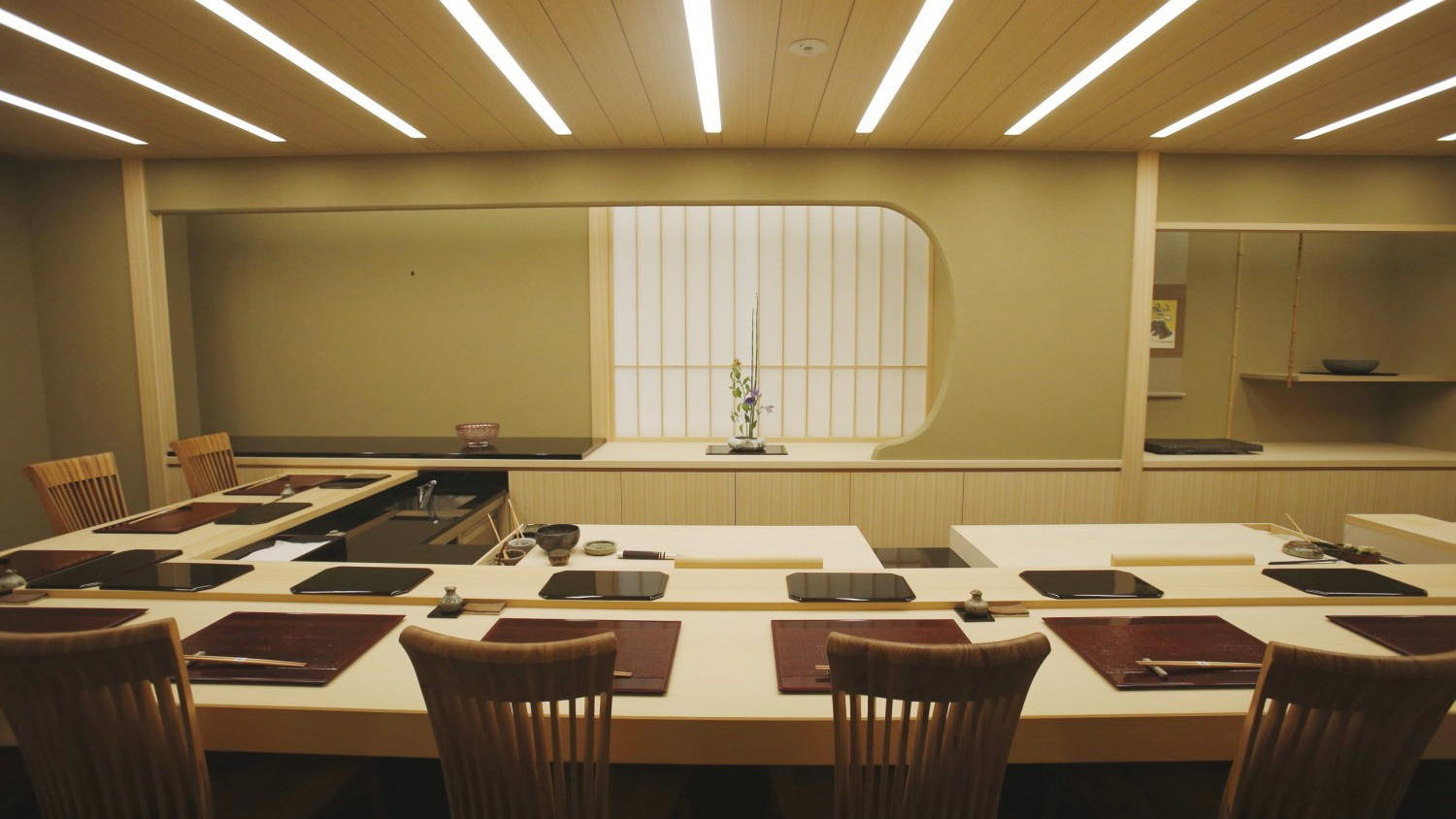
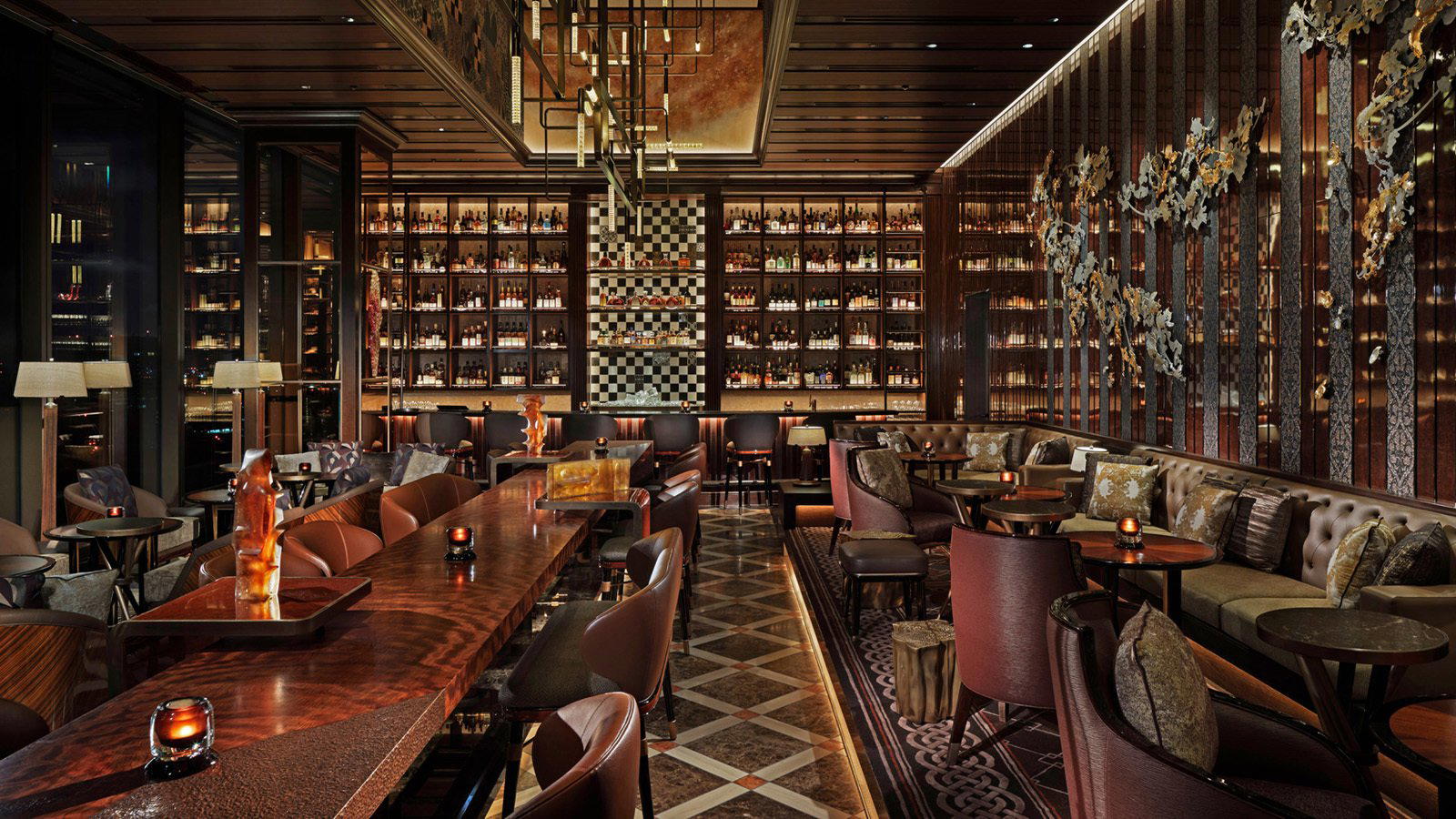
A small, refined Japanese counter space with relaxed, adult-focused atmosphere, calm lighting, and a quiet, hideaway feel suitable for dates and business dinners.