In Osaka's Nishi Ward, where Utsubohonmachi's quieter blocks sit just west of the Hommachi business corridor, 靱本町がく occupies a position that rewards those already familiar with the neighbourhood's dining habits. The venue draws a loyal local following in a district where repeat custom defines reputation more reliably than passing foot traffic.
Pearl is the En Primeur Club membership app — saves, bookings, and concierge access live there. Same editors, same standards.
- Address
- Japan, 〒550-0004 Osaka, Nishi Ward, Utsubohonmachi, 1 Chome−14−15 本町クイーバービル
- Phone
- +81664793459
- Website
- utsubo-gaku.com
- Directions
- Get directions
 Saves & bookings on Pearl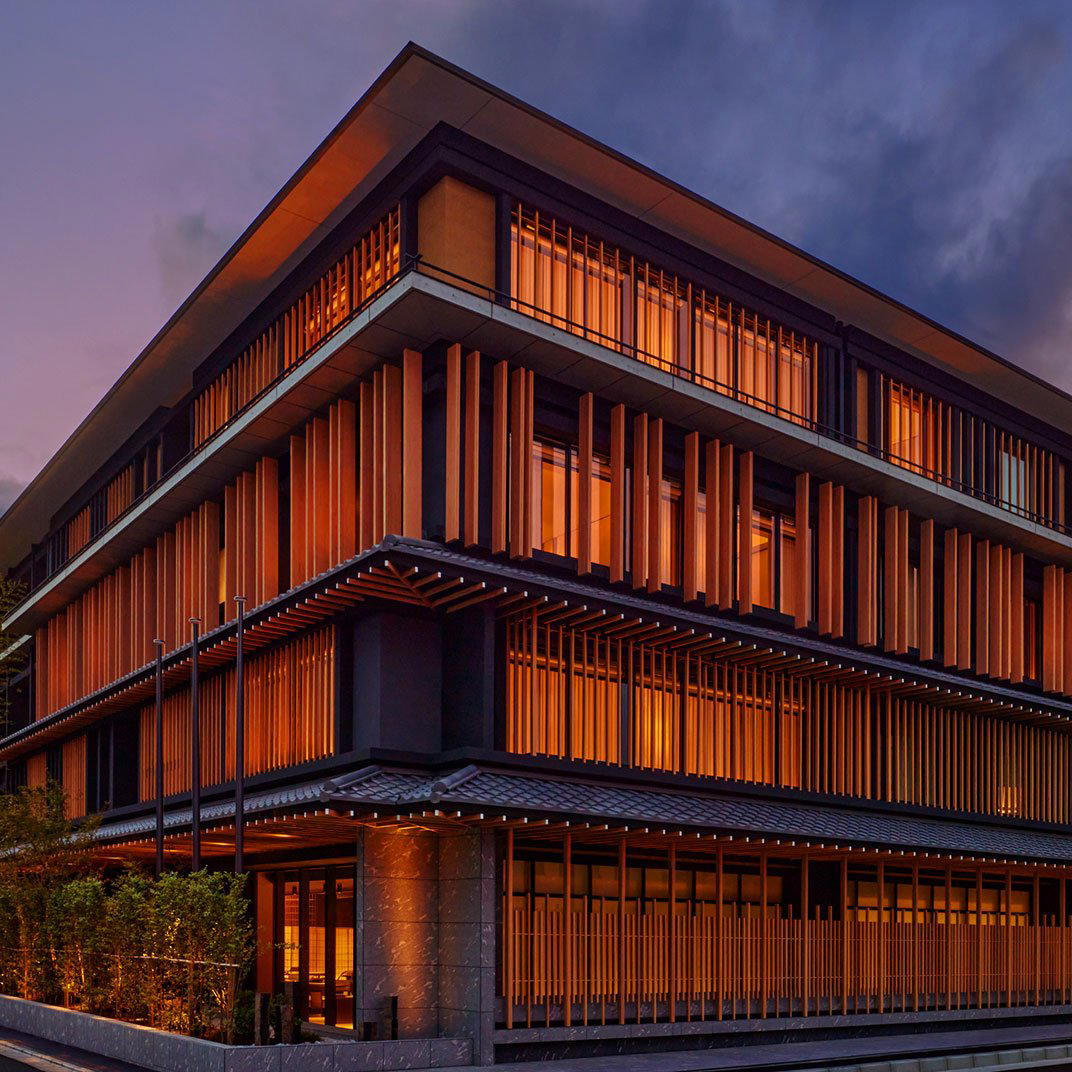
A District That Earns Its Regulars
Utsubohonmachi operates differently from Osaka's more theatrical dining corridors. The streets west of Hommachi station lack the neon density of Namba or the tourist-facing polish of Shinsaibashi, and that absence is precisely the point. What the neighbourhood offers instead is a concentration of places that survive on return visits: the salaryman lunch crowd, the couples who have been coming for years, the small office groups that treat a particular counter as an extension of their own dining room. 靱本町がく sits in that pattern, at an address on the ground floor of the Hommachi Quiver Building in Nishi Ward, embedded in the kind of block where newcomers arrive mostly on the recommendation of someone who has already been.
This dynamic shapes how the experience reads from the outside. There is no aggressive street presence, no sandwich board hawking a set menu at passers-by. The draw is quieter and more durable than that. In a city that sustains Ajihei Sonezaki and Ajikitcho Bunbuan on the strength of local loyalty rather than international press cycles, this kind of understated persistence carries its own signal.
The Regulars' Calculus
What keeps a diner returning to a neighbourhood restaurant in Osaka is rarely one thing. Osaka's dining culture places unusual weight on consistency: the same temperature on the soup, the same greeting, the same sense that the kitchen knows what it is doing and has no reason to change. This expectation cuts across price points and formats. It applies at the counter omakase houses that price against Tokyo's Ginza tier, and it applies equally in the kind of mid-register, neighbourhood-facing rooms where 靱本町がく operates.
The regulars' perspective at a place like this is built on accumulated small confirmations. They are not returning for novelty. They are returning because something was right the first time and has remained right. This is the unofficial quality standard in Nishi Ward's more residential pockets, and it is a harder benchmark to maintain than the opening-season excitement that inflates early reviews in higher-profile postcodes. The Aka to Shiro model of visible concept-led dining belongs to a different part of the Osaka market. The Utsubohonmachi audience tends to be less interested in that.
Osaka's Neighbourhood Dining Tradition
To understand where 靱本町がく fits, it helps to understand what Osaka expects from its neighbourhood restaurants more broadly. The city's reputation for kuidaore, the idea that Osakans will spend themselves into the ground on good food, is not just a saying about extravagance. It is also a statement about discrimination: the expectation that what you eat will repay what you spend, and that a place that cannot deliver that will not last. Osaka diners have always been willing to walk away from restaurants that plateau, which means the ones that survive on repeat business have cleared a genuine filter.
This is the environment in which Calendrier and Az have built their respective followings at the higher end of the Osaka market, and it is the same environment, operating at different scale and register, that sustains smaller neighbourhood rooms in Nishi Ward. The bar is not lower because the price point is lower. The expectations are differently calibrated.
For reference points further afield, the same logic of neighbourhood loyalty over destination reputation applies at places like Gion Sasaki in Kyoto and, at a different altitude, Goh in Fukuoka, where a committed local clientele preceded the international recognition. Even at the level of HAJIME in Osaka, the regulars who were there before the Michelin stars arrived remember when the calculus was purely local. 靱本町がく exists at a different tier, but the underlying dynamic is the same.
The Unwritten Menu
In Japanese neighbourhood restaurants, the unwritten menu is as important as the printed one. It is the item a regular orders that does not appear on the standard sheet, the preparation the kitchen will adjust for someone they recognise, the timing of a course that shifts slightly for a table that has been coming for three years. This is not exclusivity in the high-end sense. It is simply the accumulated knowledge that a kitchen builds about its audience over time.
This kind of relationship is not distinctive to Osaka, but Osaka's density of independent, owner-operated restaurants means it is more consistently available here than in cities where chain formats dominate the mid-range. A neighbourhood like Utsubohonmachi, with its mix of office workers and local residents, generates the right conditions for it: a stable repeat clientele, a manageable geographic radius, and enough proximity to the Hommachi business district to sustain weekday lunch and early-evening trade without the volatility of tourist-facing demand. Comparable dynamics operate in cities like Nanao at 一本木 川島製 and in Sapporo at 夕付山乃, where the local-first model defines the room's character as much as the menu does.
Getting There and Planning Your Visit
Utsubohonmachi is accessible from Hommachi station, served by the Osaka Metro Midosuji, Chuo, and Yotsubashi lines, making it direct to reach from most central Osaka points.
Comparison with Harutaka in Tokyo or Atomix in New York City illustrates how differently the loyalty dynamic plays out when a venue is operating at destination scale versus neighbourhood scale. At neighbourhood scale, the calculus is almost always local first.
Know Before You Go
- Address: Japan, 〒550-0004 Osaka, Nishi Ward, Utsubohonmachi, 1 Chome−14−15 本町クイーバービル
- Booking: Reservation essential
- Price range: About USD 250 per person
- Hours: Mon-Sat 11:30 AM-3 PM, 5-11 PM; Sun closed
- Website / phone: Not listed in public records at time of publication
The Quick Read
Comparable venues nearby, for context on price, style, and recognition.
| Venue | Cuisine | Price | Notes |
|---|---|---|---|
| 靱本町がくThis venue — the venue you are viewing | Nishi, Michelin-Starred Seasonal Kaiseki | $$$$ | Not listed |
| 和牛すき焼き 京都力山 難波2号店 | Chūō, Wagyu Sukiyaki | $$$$ | Not listed |
| ç §å± | Chūō, Luxury Japanese À La Carte | $$$$ | Not listed |
| う越貞 | Not listed | $$$$ | Fukushima, Aged Seafood Japanese Fine Dining |
| 旬膳季らく | Chūō, 浪速割烹 Japanese Kaiseki | $$$ | Not listed |
| Kushiage 010 | Not listed | $$$ | Kita, Creative Kushiage with Global Influences |
Continue exploring
More in Osaka
Restaurants in Osaka
Browse all →




Bars in Osaka
Browse all →



Hotels in Osaka
Browse all →




Wineries in Osaka
Browse all →
At a Glance
- Elegant
- Intimate
- Classic
- Sophisticated
- Special Occasion
- Date Night
- Business Dinner
- Chefs Counter
- Open Kitchen
- Extensive Wine List
- Sommelier Led
- Local Sourcing
Current opening hours
- Monday
- 11:30 AM–3 PM, 5–11 PM
- Tuesday
- 11:30 AM–3 PM, 5–11 PM
- Wednesday
- 11:30 AM–3 PM, 5–11 PM
- Thursday
- 11:30 AM–3 PM, 5–11 PM
- Friday
- 11:30 AM–3 PM, 5–11 PM
- Saturday
- 11:30 AM–3 PM, 5–11 PM
- Sunday
- Closed
Hours can change for holidays and private events. Last verified .
Intimate counter and table setting with abundant natural wood, traditional lattice doors, and a refined atmosphere reflecting the owner-chef's meticulous attention to seasonal aesthetics and craftsmanship.