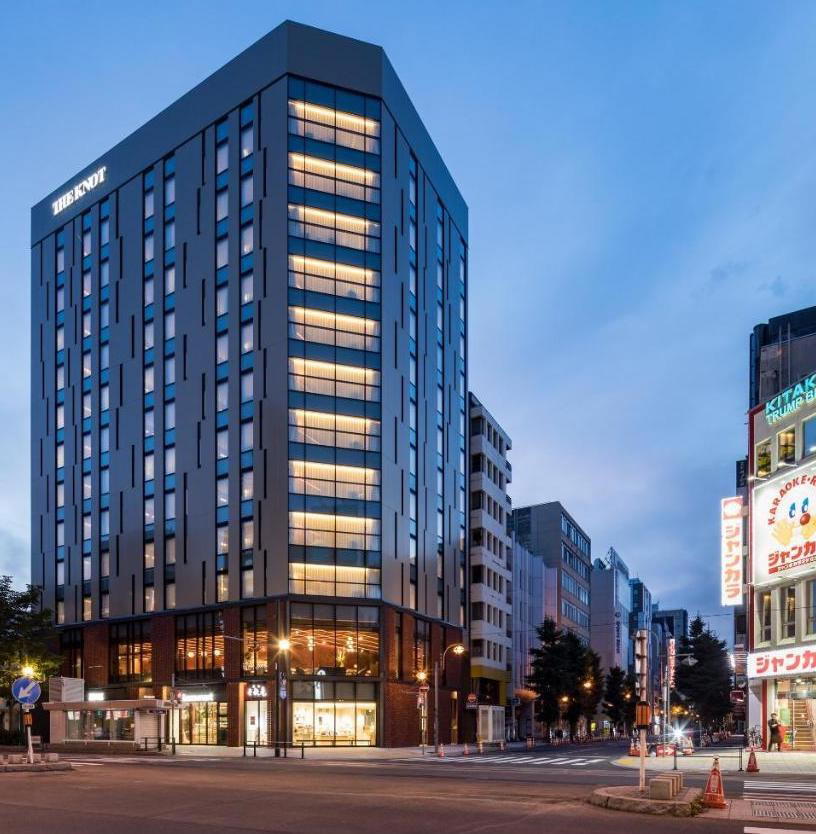
ル・ジャンティオム occupies the ground floor of San Plaza Sapporo in Chuo Ward, placing it within walking distance of the city's dense concentration of serious dining rooms. The venue operates in a French-inflected register that positions it alongside Sapporo's broader wave of kitchens applying classical European technique to Hokkaido's extraordinary agricultural and marine larder. It sits in a tier where local-ingredient sourcing and imported method carry roughly equal weight on the plate.
Pearl is the En Primeur Club membership app — saves, bookings, and concierge access live there. Same editors, same standards.
- Address
- Japan, 〒064-0804 Hokkaido, Sapporo, Chuo Ward, Minami 4 Jonishi, 8 Chome−2−1-3 サンプラーザ札幌 1F
- Phone
- +81115312251
- Website
- le-gentilhomme.com
- Directions
- Get directions
 Saves & bookings on Pearl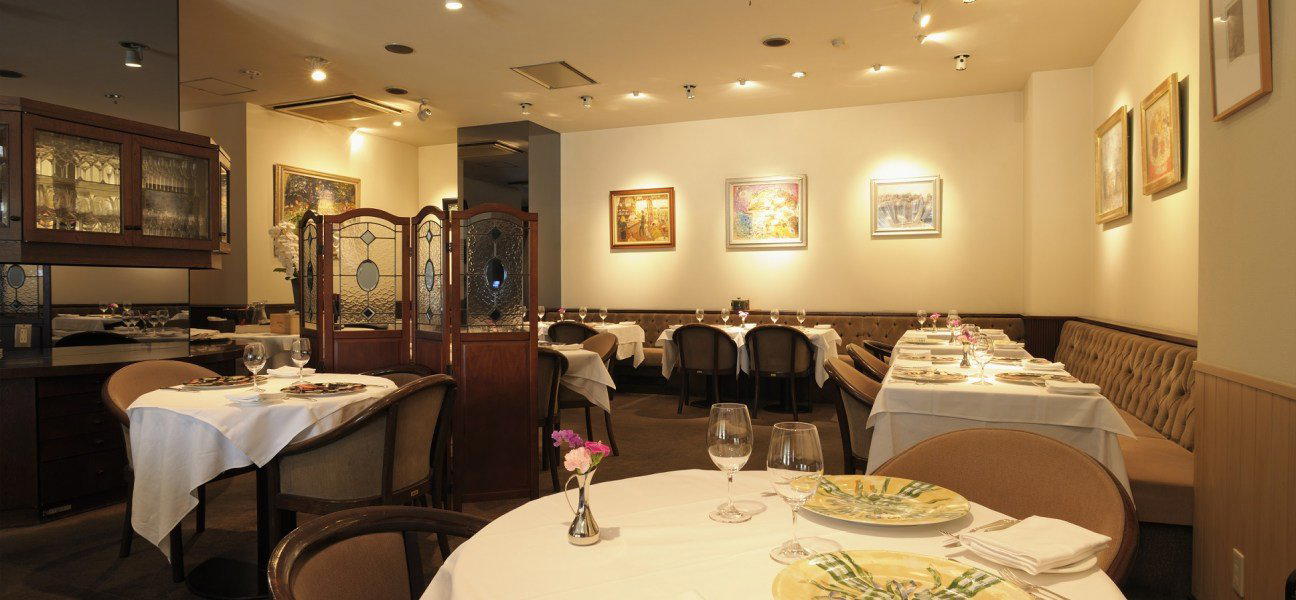
Where Hokkaido's Larder Meets European Discipline
Sapporo's dining scene has spent the better part of two decades building a case that Japan's northernmost major city is not a secondary market for serious cooking. The argument rests almost entirely on geography: Hokkaido produces a disproportionate share of Japan's dairy, grain, root vegetables, and cold-water seafood, and that concentration of raw material has attracted a class of kitchen that knows how to use it. ル・ジャンティオム, located on the ground floor of San Plaza Sapporo in Chuo Ward's Minami 4-jo area, fits squarely inside that argument. The address places it among a cluster of restaurants that have made the intersection of classical French technique and Hokkaido produce their governing logic, a positioning that mirrors what kitchens elsewhere in Japan, from HAJIME in Osaka to akordu in Nara, have pursued with their own regional ingredients.
The building's ground-floor setting is worth noting as context. San Plaza Sapporo sits in a part of Chuo Ward dense with working restaurants rather than tourist infrastructure, which means the room draws from a local dining public with high expectations and frequent reference points. That audience tends to calibrate quickly against peers: a French-register kitchen in this neighbourhood competes not just on its own terms but against the kaiseki tradition represented by Hanakoji Sawada, the sushi counter discipline of Arima, and the broader Japanese culinary culture that the city has developed at every price point from ramen upward.
The Logic of Local Ingredients and Imported Method
French technique applied to Japanese ingredients is no longer a novelty in Japan's cities, but in Sapporo it carries a specific agricultural weight that kitchens in Tokyo or Osaka cannot replicate as directly. Hokkaido's dairy belt produces milk fat and cream that behave differently from their European counterparts, and the prefecture's cold-water fisheries, sea urchin, scallop, king crab, arrive at restaurants with a freshness and fat content that set the baseline for what the kitchen has to work with. A French-trained sensibility, with its emphasis on reduction, emulsification, and precise heat application, maps onto these ingredients in ways that can produce results distinct from either pure kaiseki or standard Continental cooking.
This is the culinary tradition that frames ル・ジャンティオム's positioning. Across Japan, particularly discussed kitchens in this register share a tendency to let the source material set the ceiling rather than the technique. Goh in Fukuoka operates on a comparable philosophy applied to Kyushu produce; Gion Sasaki in Kyoto does it through a kaiseki lens. In Sapporo, the French track represents a parallel solution to the same challenge: how to serve ingredients this good without obscuring what makes them distinctive. The approach sits at a distance from the maximalist French traditions associated with white-tablecloth grandeur; it leans instead toward restraint, which is a value the city's better dining rooms share across categories, including Hidetaka and Higebozu.
Sapporo's French-Register Tier
Within Sapporo's French dining tier, the competitive set is smaller than it might appear. Kitchens applying serious classical French training to Hokkaido ingredients tend to occupy a middle-premium bracket, above the brasserie-casual tier but operating without the Michelin hardware that defines stronger examples from Kyoto or Tokyo's French tables. That positioning creates a particular dynamic: credibility is established through sourcing specificity and technique precision rather than through star count, which shifts the burden of proof onto the plate rather than the press. For comparison, Harutaka in Tokyo occupies an analogous position in sushi terms: strong technique, serious sourcing, operating in a city where the comparable set is formidable.
The Chuo Ward location puts ル・ジャンティオム within the gravitational field of Sapporo's most concentrated dining district, where proximity to other serious rooms raises the baseline for what regulars expect. Other Sapporo kitchens in broadly French or European registers, including aki nagao, compete for overlapping clientele drawn from the city's professional class and the Hokkaido food tourism circuit that has expanded steadily since the prefecture began marketing its agricultural identity more aggressively. That circuit now brings visitors specifically to eat Hokkaido ingredients in serious settings, which gives French-register rooms a market argument they did not have a decade ago.
At the international level, the conceptual territory the restaurant occupies has precedents in what Le Bernardin in New York City represents for seafood-driven French cooking, or what Atomix in New York City has done for Korean-trained technique meeting a globally aware audience. The common thread is that sourcing identity and technical authority substitute for heritage as the primary credential.
Planning a Visit
The restaurant operates from the San Plaza Sapporo building at Minami 4-jo Nishi 8-chome, Chuo Ward, a location accessible from central Sapporo via subway with Susukino Station serving as the closest major interchange. Chuo Ward's Minami 4-jo strip is walkable from most downtown hotels, which makes the restaurant a practical dinner option for visitors staying in the city centre.
Where the Accolades Land
Comparable venues nearby, for context on price, style, and recognition.
| Venue | Cuisine | Price | Notes |
|---|---|---|---|
| ル・ジャンティオムThis venue — the venue you are viewing | Classic French Fine Dining | $$$$ | Not listed |
| Moliere Montagne | French fine dining in the Hokkaido mountains | $$$$ | Not listed |
| オーベルジュ・ド・リル・サッポロ | Alsatian French Fine Dining | $$$$ | Chūō |
| La Sante | Seasonal French using Hokkaido ingredients | $$$ | Chūō |
| Himeshara | Hokkaido-influenced Edomae Sushi | $$$$ | Maruyama |
| Sushizen | Traditional Hokkaido Sushi Omakase | $$$$ | Chūō |
Continue exploring
More in Sapporo
Restaurants in Sapporo
Browse all →

At a Glance
- Classic
- Elegant
- Sophisticated
- Date Night
- Special Occasion
- Business Dinner
- Private Dining
- Sake Program
- Local Sourcing
Current opening hours
- Monday
- 11:30 AM–3 PM, 5:30–10 PM
- Tuesday
- Closed
- Wednesday
- 11:30 AM–3 PM, 5:30–10 PM
- Thursday
- 11:30 AM–3 PM, 5:30–10 PM
- Friday
- 11:30 AM–3 PM, 5:30–10 PM
- Saturday
- 11:30 AM–3 PM, 5:30–10 PM
- Sunday
- 11:30 AM–3 PM, 5:30–10 PM
Hours can change for holidays and private events. Last verified .
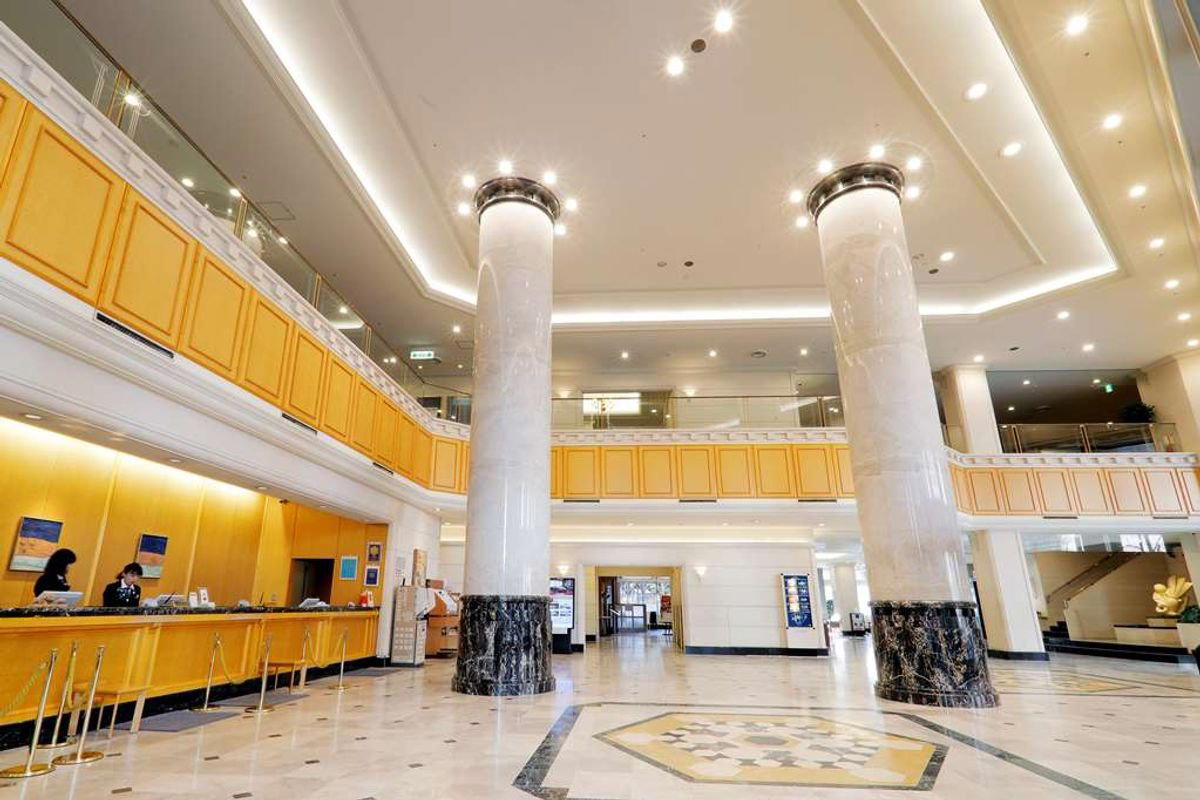
Heavy, historic interior with a sense of tradition, featuring cloche service and leisurely classic French atmosphere.