Doo-uh Mari
Doo-uh Mari sits within Seoul's broader tradition of Korean dining formats that privilege ritual and pacing over spectacle. The restaurant draws attention from those tracking the city's more considered end of the market, where the meal itself, its sequence, temperature, and timing, carries as much weight as individual dishes. For readers mapping Seoul beyond the obvious fine-dining corridor, it warrants a closer look.

Pearl is the En Primeur Club membership app — saves, bookings, and concierge access live there. Same editors, same standards.
Ritual Before Appetite: How Seoul's Deliberate Dining Culture Shapes the Table
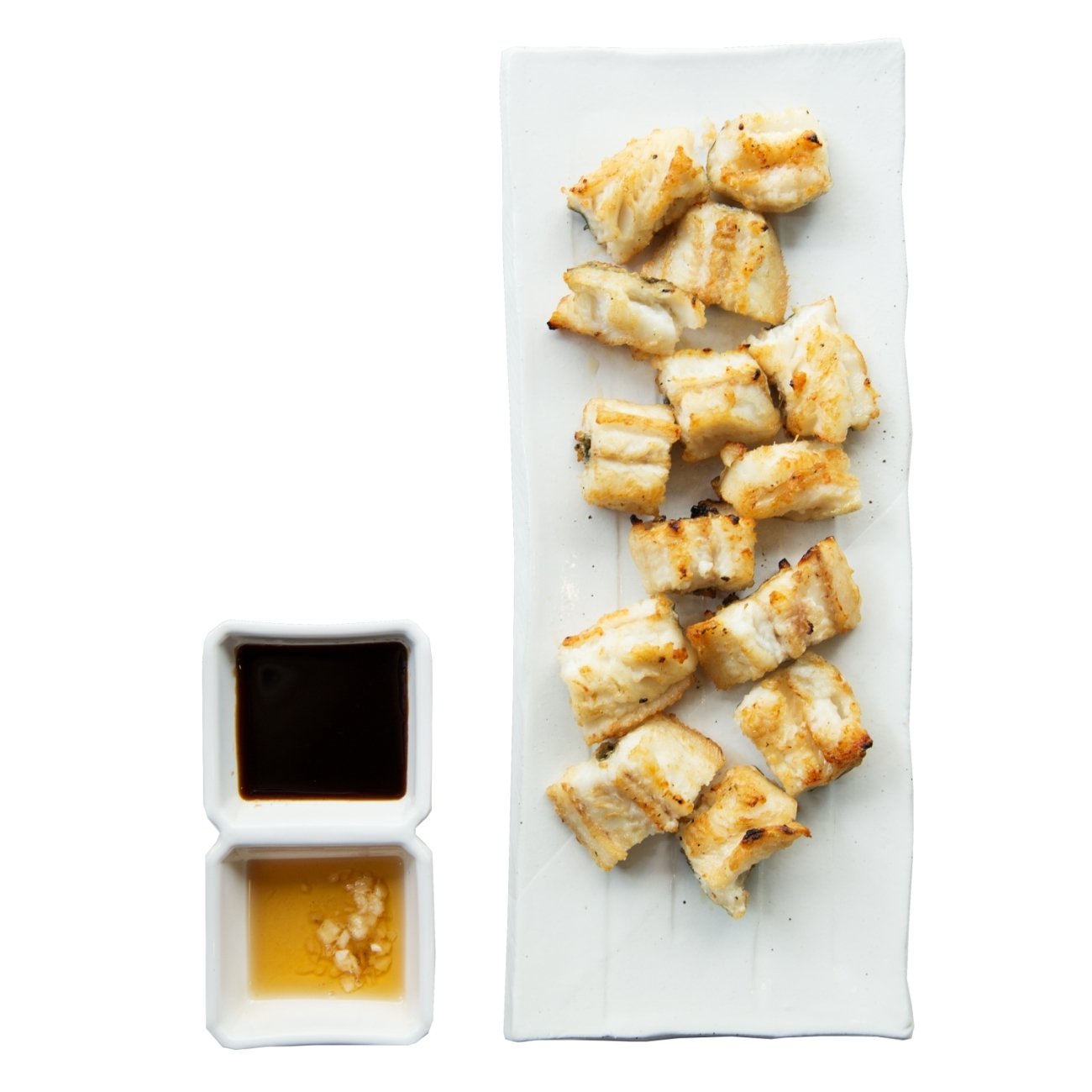
Doo-uh Mari is a restaurant in Seoul serving charcoal-grilled saltwater eel at a price tier of about $22 per person. There is a category of Seoul restaurant that resists easy classification. Not fine dining in the European sense, not a casual sikdang in the neighbourhood tradition, but something that sits between those registers, places where the sequencing of dishes, the temperature of the room, and the unhurried rhythm of service communicate more than any single plate. Doo-uh Mari belongs to that tier. Its name, in Korean, carries connotations of wrapping or enclosing, a culinary gesture that appears across Korean food culture in ssam leaves, gim sheets, and the slow layering of banchan across a shared surface. That linguistic anchor is worth holding onto, because it points toward the kind of meal being offered: one built around containment, proportion, and sequence rather than dramatic revelation.
The Architecture of a Korean Meal
Seoul's dining scene has matured around two competing impulses. One pulls toward the international fine-dining template, tasting menus, wine pairings, European technique applied to Korean ingredients, visible at venues like Mingles, Jungsik, and Soigné. The other pulls back toward Korean meal structure on its own terms: the banchan spread arriving before the main dish, the soup as punctuation rather than starter, the fermented and the fresh occupying the same table simultaneously. Doo-uh Mari sits closer to the second current. In a city where venues such as alla prima and Kwonsooksoo each negotiate their own relationship with that tension, the restaurant's framing leans toward the domestic rhythm rather than the performance arc of a tasting menu.
That distinction matters for how you eat. Korean meal structure does not follow the Western logic of escalation, amuse, starter, main, dessert, where each course builds toward a climax. Instead, a Korean table tends toward simultaneity, a spread of complementary flavours and textures presented in relationship to one another. The diner's role is active: choosing what to pair, what to wrap, what to eat alongside. This is not a passive consumption model, and restaurants that honour that tradition are asking something of their guests. The restaurant, by name and apparent orientation, appears to ask exactly that.
Where Doo-uh Mari Sits in Seoul's Current Market
Seoul's mid-to-upper dining tier has grown considerably more competitive in the past decade. The restaurants that survive and build reputation in that space tend to do so not through novelty alone but through consistency of format and a legible point of view on what Korean hospitality means. Peer venues in that bracket, places like Zero Complex, Onjium, and Eatanic Garden, each occupy a distinct position: Onjium draws on royal court cuisine traditions and formal presentation; Eatanic Garden prioritises seasonal Korean produce within a contemporary frame; Zero Complex fuses Korean and French structure explicitly. The restaurant's name suggests a more fundamental approach, one anchored in the tactile act of wrapping, a gesture so embedded in Korean food culture that it appears at every price point, from a street-side kimbap counter to the composed ssam courses at high-end Korean tables.
In a comparative sense, that positions the restaurant as a venue likely to appeal to diners who have already worked through Seoul's headline fine-dining addresses and are looking for something that feels closer to Korean food on its own terms. For visitors cross-referencing against the kind of Korean cuisine being interpreted abroad, at Atomix in New York, for instance, the restaurant offers a Seoul-side reference point within the same broad conversation about what the cuisine can carry at a serious level.
Pacing, Etiquette, and the Patience the Meal Requires
Eating well at a restaurant oriented around Korean ritual requires a different kind of attention than the passive reception that tasting menu culture sometimes encourages. The conventions matter. Pouring for others before yourself, waiting for the eldest at the table to begin, understanding that the soup's role is digestive and palate-cleansing rather than introductory, these are embedded customs that shape the experience from the inside. Restaurants that hold to these conventions are not being precious about tradition; they are maintaining a meal grammar that took centuries to develop and that carries genuine information about how Korean flavours are designed to interact.
Across South Korea, the same attentiveness to sequencing and ritual shows up in different contexts. A focused regional meal at Mori in Busan or a more casual encounter at Doosoogobang in Suwon or the heritage speciality at Hwangnam Bread in Gyeongju each carry their own version of that deliberateness. Even on Jeju, where restaurants like Black Pork BBQ in Seogwipo and 88돼지 operate around the specific rituals of tabletop grilling, the choreography of the meal, when to turn the meat, how to assemble the wrap, which condiment in which order, is understood to be part of the eating, not a distraction from it.
Planning Your Visit
Readers should approach a visit with the flexibility that Seoul's more considered Korean dining venues often require. Many restaurants in this tier, particularly those that prioritise a specific meal format over walk-in volume, prefer reservations arranged through Korean-language platforms or direct contact; an approach worth taking for any comparable address in the city. Seoul's dining geography rewards those who plan ahead: the gap between a reserved table and a walk-in attempt at a venue of this type can be the difference between the full experience and none at all.
If the restaurant is not on your route that evening, the Seoul addresses most directly in conversation with what it represents include Kwonsooksoo for refined Korean formality and Mingles for a version of Korean cuisine that moves between tradition and contemporary technique with unusual fluency. Both operate with advance booking requirements
Comparison Snapshot
Comparable venues nearby, for context on price, style, and recognition.
| Venue | Cuisine | Price | Notes |
|---|---|---|---|
| Doo-uh MariThis venue — the venue you are viewing | Charcoal-Grilled Saltwater Eel | $$ | Not listed |
| Hongdae Restaurant GIT TTEUL | Korean Pork BBQ | $$ | 연남동 |
| 진전복삼계탕 신사직영점 | Premium Abalone Ginseng Chicken Soup | $$ | Sinsa-dong |
| Baek Nyeon Baekse Ginseng Chicken Soup | Traditional Korean Ginseng Chicken Soup | $$ | 연남동 |
| BBQ Yul | Premium Aged Pork Korean BBQ | $$ | 서초동 |
| 할머니의 레시피 | Refined Korean Home-Style Cuisine | $$ | Seongsu-dong |
Continue exploring
More in Seoul
Restaurants in Seoul
Browse all →
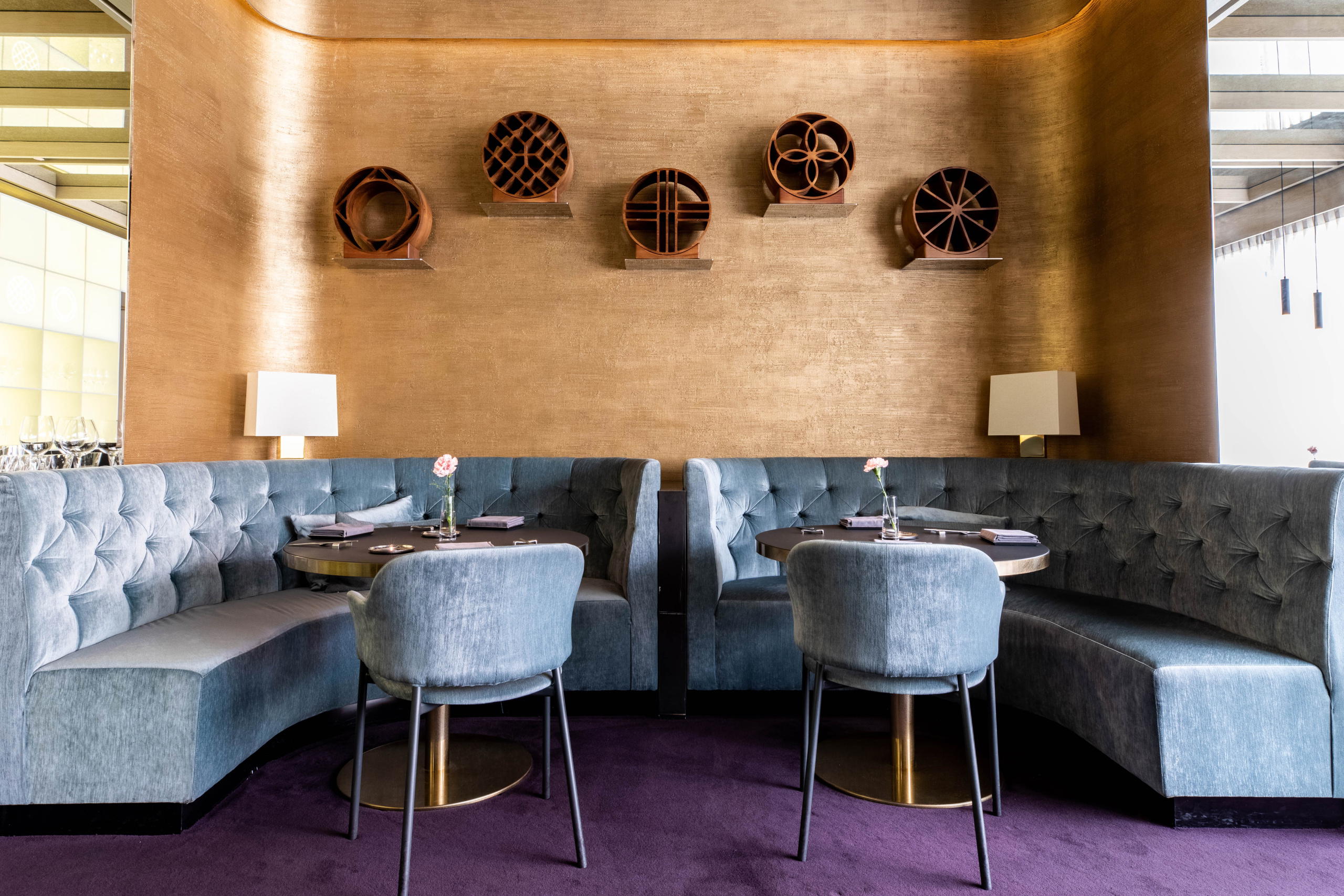
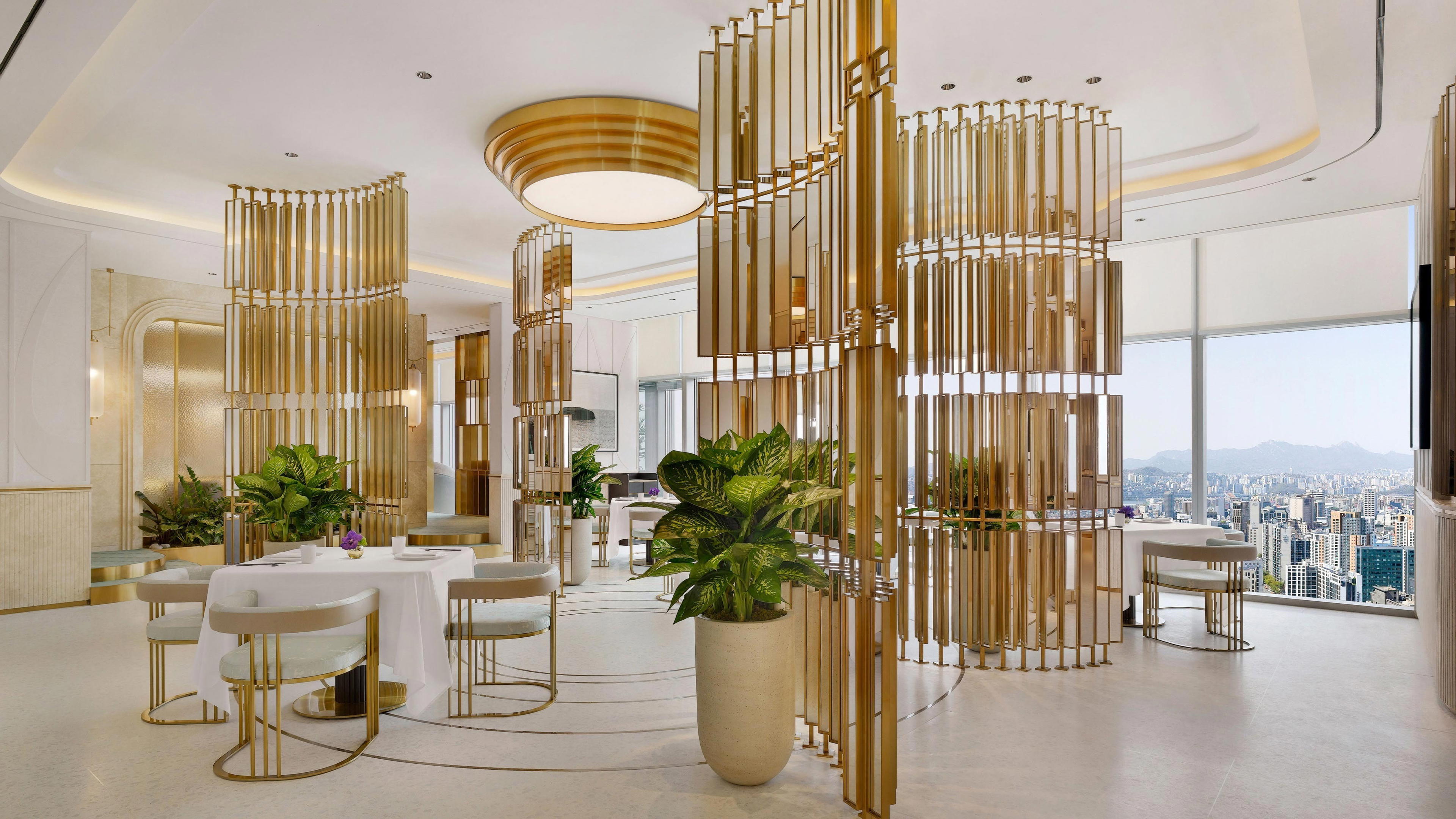
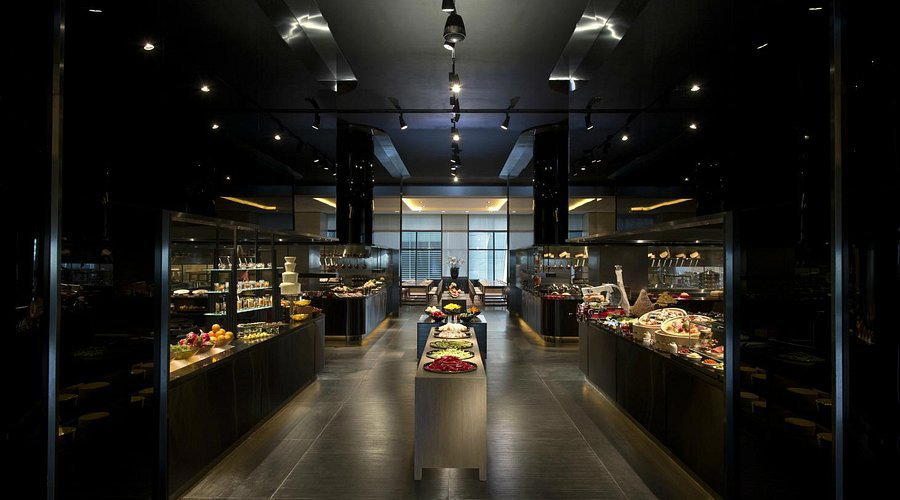
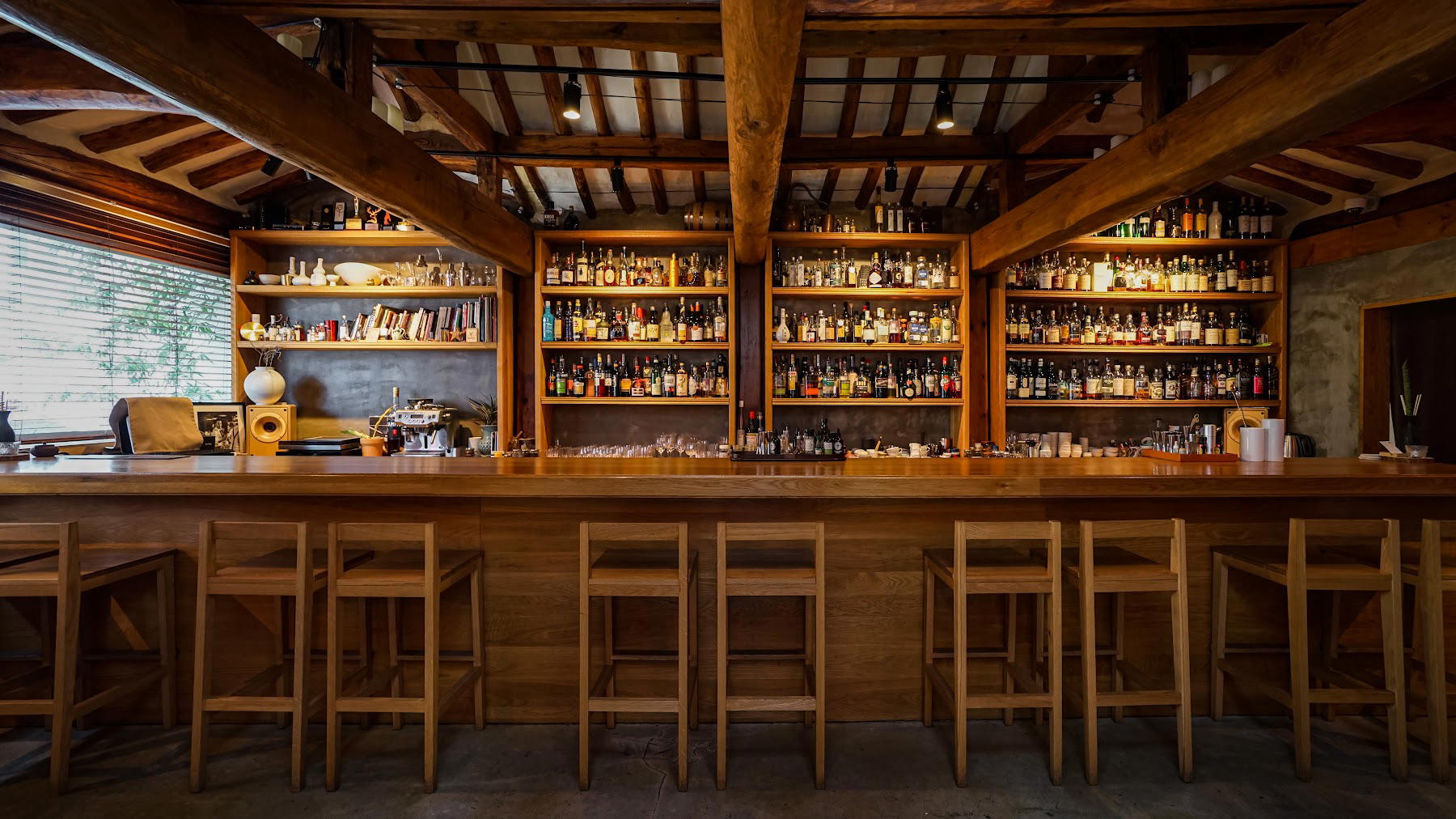

At a Glance
- Cozy
- Casual Hangout
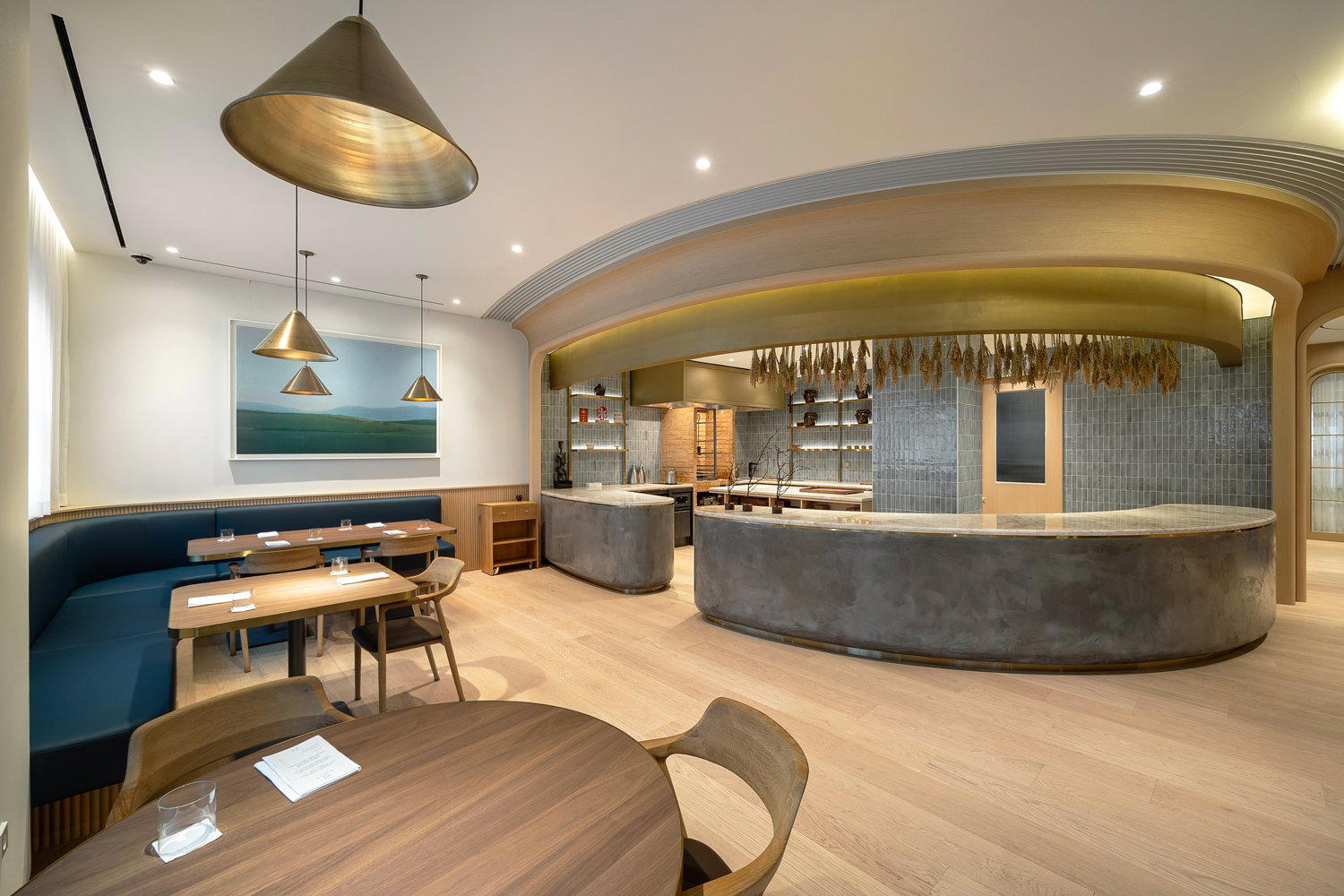
- Open Kitchen
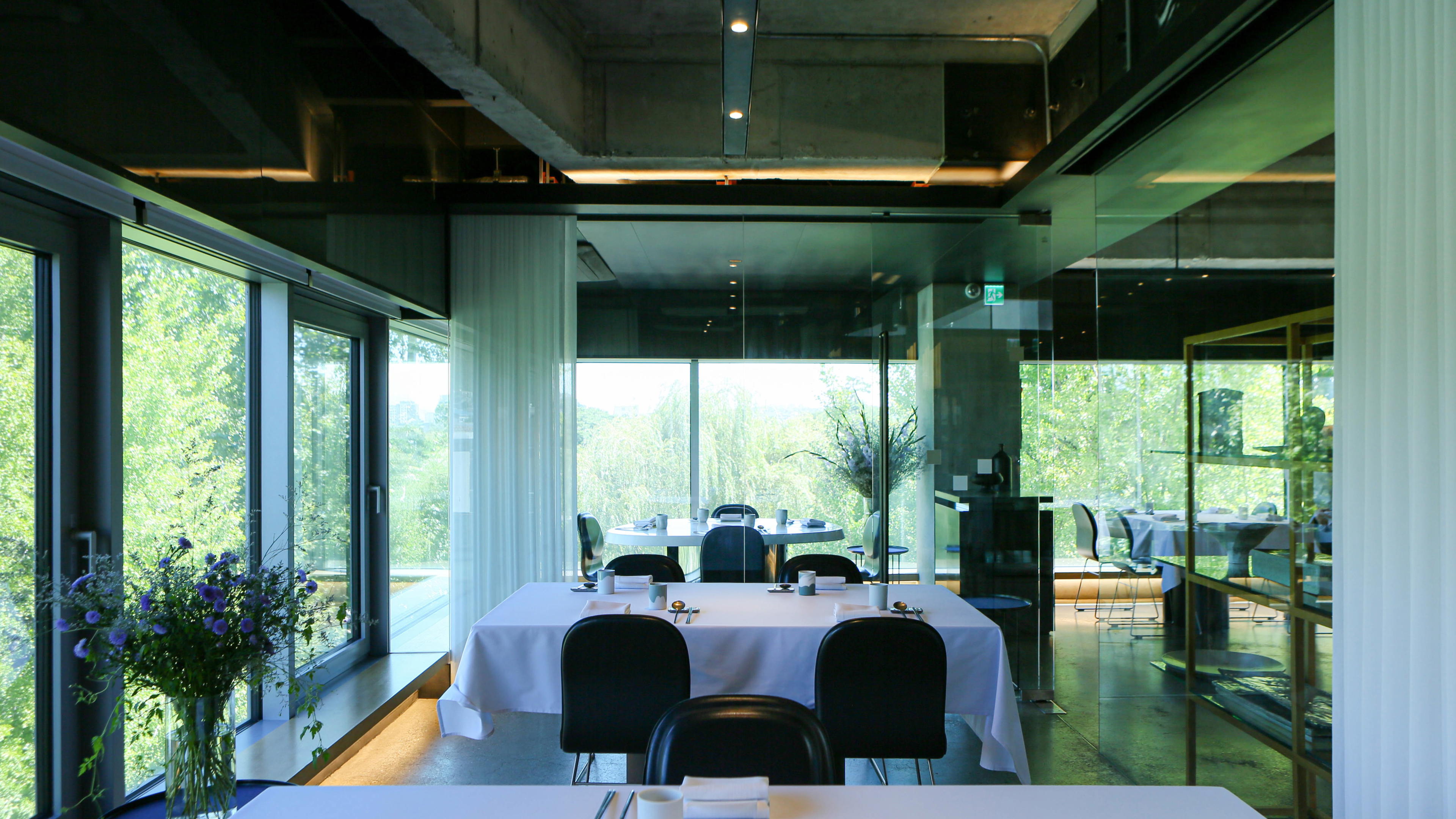
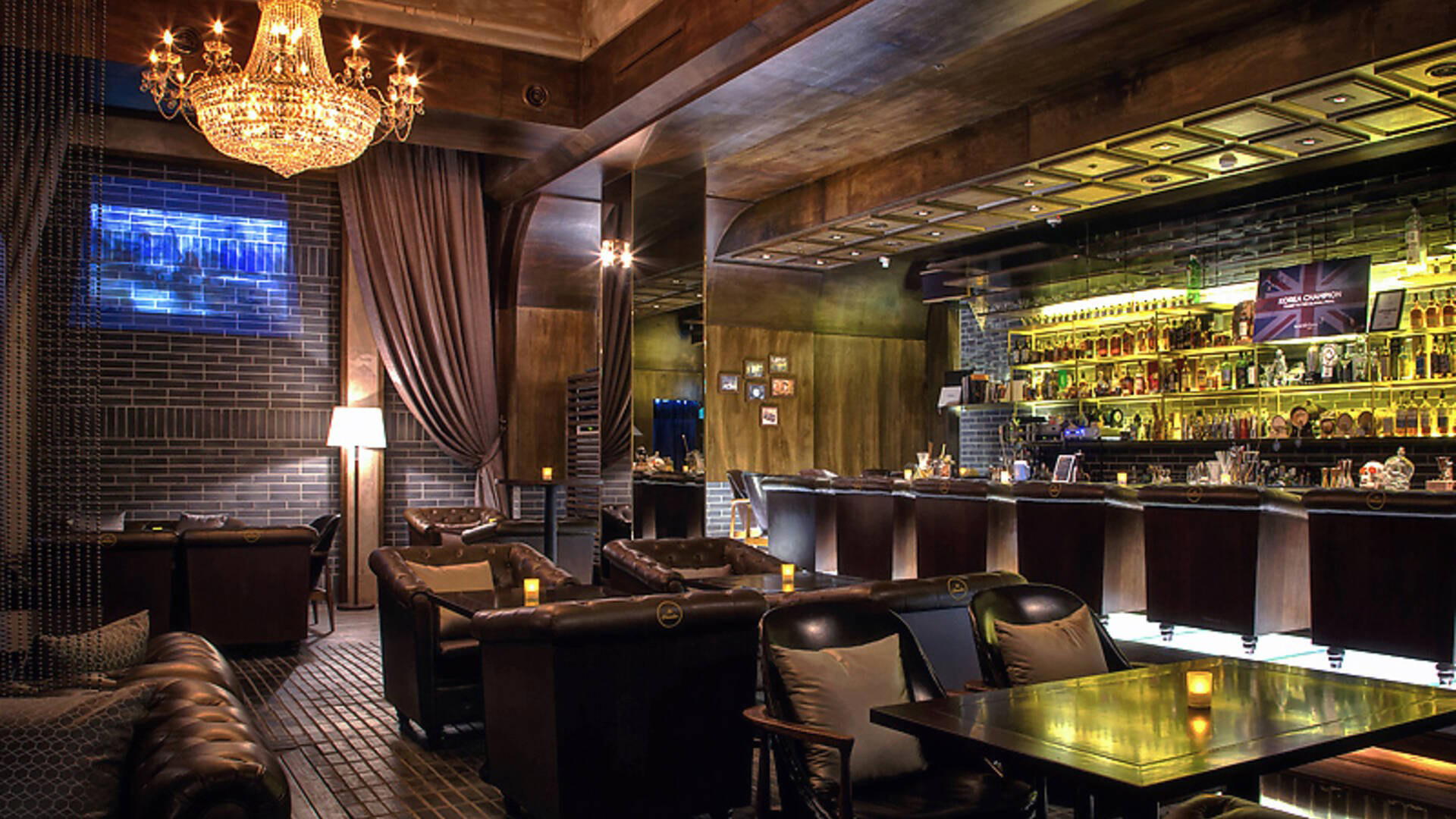
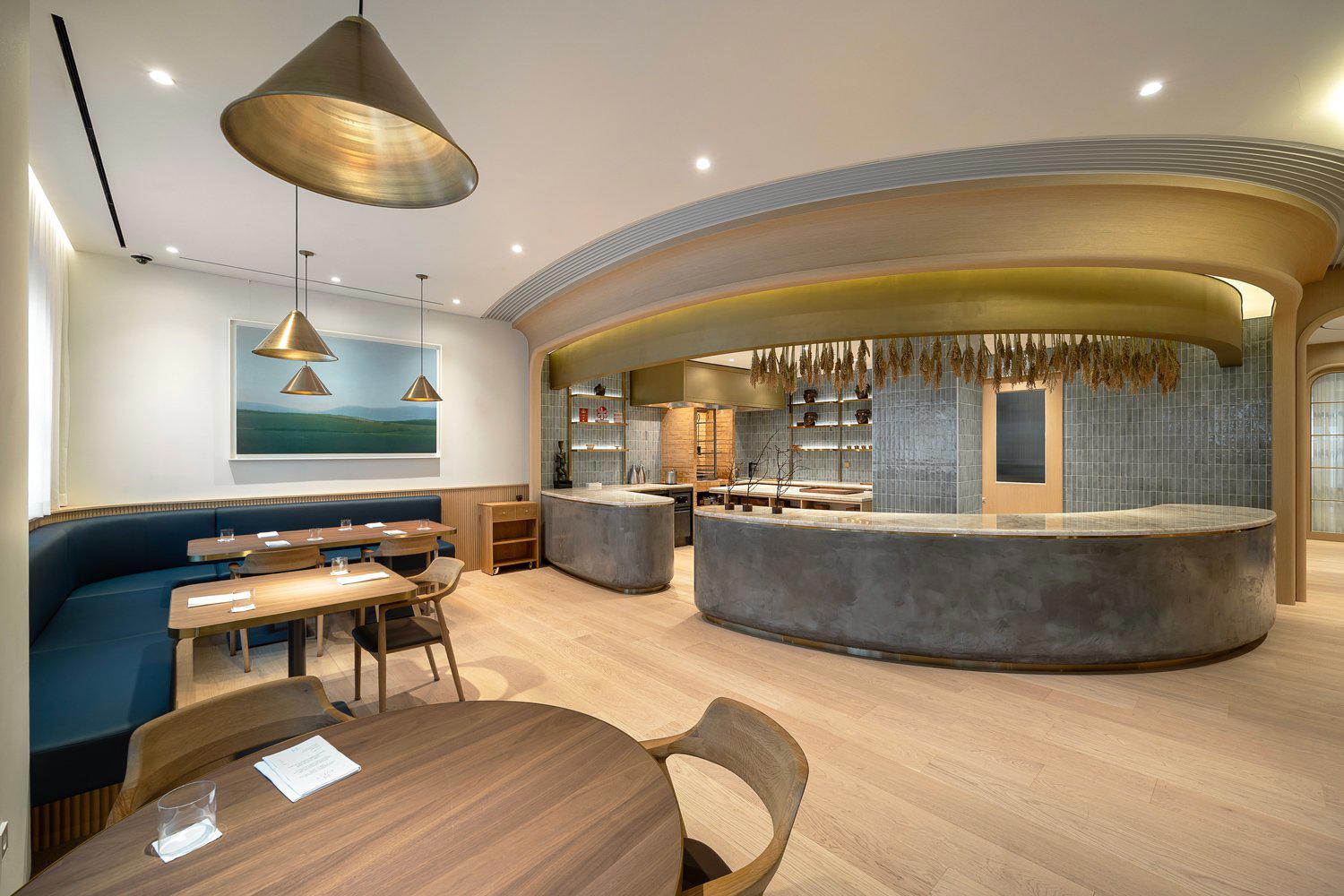
Laid-back cafe atmosphere in a quiet alleyway apartment complex, unlike typical grill houses.