
Michelin Bib Gourmand
Our verdict
A Michelin Bib Gourmand-recognised address near Piazza Navona, 53 Untitled operates at the intersection of Lazio tradition and measured creative ambition. The small dining room and deliberately short menu signal a kitchen focused on craft over spectacle, with tapas-style small plates, handmade pasta, and occasional Asian-influenced touches placing it in Rome's growing cohort of affordable contemporary trattorias.

Pearl is the En Primeur Club membership app — saves, bookings, and concierge access live there. Same editors, same standards.
- Address
- Via del Monte della Farina, 53, 00186 Roma RM, Italy
- Phone
- +39 375 715 0155
- Hours
- Mon ClosedTue–Sat 6–10:30 PMSun Closed
- Website
- untitledrestaurant.com
- Directions
- Get directions
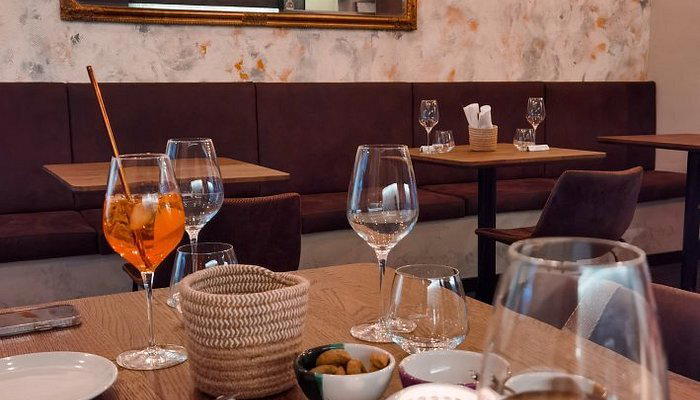
Via del Monte della Farina runs quietly through one of Rome's most compressed historic quarters, a few minutes' walk from the theatrical bustle of Piazza Navona. The street itself offers no preview of what's inside: no illuminated signage, no maître d' positioned at the door, no queue-management velvet rope. This restraint is deliberate. Small restaurants in this part of the centro storico tend to either perform their history loudly or let the cooking make the argument. Adelaide and Retrobottega represent one version of that quiet confidence in Rome's contemporary dining scene. 53 Untitled represents another: fewer covers, lower prices, and a menu that takes creative liberties without abandoning the regional foundations that give those liberties meaning.
Where Lazio Pasta Tradition Meets Creative Licence
Pasta in Rome is one of the most codified culinary categories in Italy. Cacio e pepe, carbonara, amatriciana, gricia: four preparations defined by a short ingredient list, precise technique, and near-zero tolerance for improvisation from the city's dining public. That orthodoxy creates a clear axis along which contemporary Roman kitchens must position themselves. Move too far from tradition and you lose the audience; stay entirely within it and you offer nothing the trattoria down the street can't match. The kitchens at Pulejo and Il Ristorante - Niko Romito both navigate this tension at a higher price point, using technique and sourcing to justify significant departures from convention.
53 Untitled operates at a different price tier — the €€ bracket positions it well below Rome's Michelin-starred fine dining cohort, which clusters around €€€€ venues like La Pergola — but its menu reflects a similar editorial instinct: anchor a few dishes firmly in Lazio tradition, then use the remainder of the menu to test what happens when those foundations are handled with creative curiosity. The Michelin Bib Gourmand recognition for 2025 confirms that this balance is being struck with consistency.
The pasta section of the menu operates within this framework. Lazio's canonical preparations appear alongside more inventive options, and the kitchen's willingness to introduce an occasional Asian-influenced inflection is not the gimmick it might sound like in less disciplined hands. Across Italian contemporary dining more broadly, from Osteria Francescana in Modena to Le Calandre in Rubano, the conversation between Italian technique and non-Italian flavour logic has been productive for decades. At 53 Untitled, the scale is smaller and the register more casual, but the underlying instinct is coherent: use the pasta course as a site of genuine creative expression, not just competent execution.
The Morsi e Morsetti Format
The menu structure itself deserves attention because it shapes how the meal unfolds. The opening section, labelled morsi e morsetti, translates roughly as bites and small bites: a tapas-adjacent format that allows dishes to function either as appetisers or, assembled in combination, as a full meal. This kind of format has become more common in European casual fine dining over the past decade, but it carries specific advantages in a small Roman restaurant. It reduces the rigidity of the traditional three-course sequence, allows the kitchen to work at smaller plate sizes without inflating portion-based prices, and gives the diner more control over the meal's pace and composition.
Following the small plates, the menu moves through pasta, salumi, cheeses, and desserts. The progression is familiar but the logic is flexible. A table might open with several morsi, move into one or two pasta dishes to share, and close with cheese rather than a formal dessert. Or it might anchor around pasta more heavily and treat the small plates as supporting texture. This flexibility, at a moderate price point and in a venue with limited covers, is part of what has made the address worth tracking in Rome's informal dining conversation.
The Room and the Booking Reality
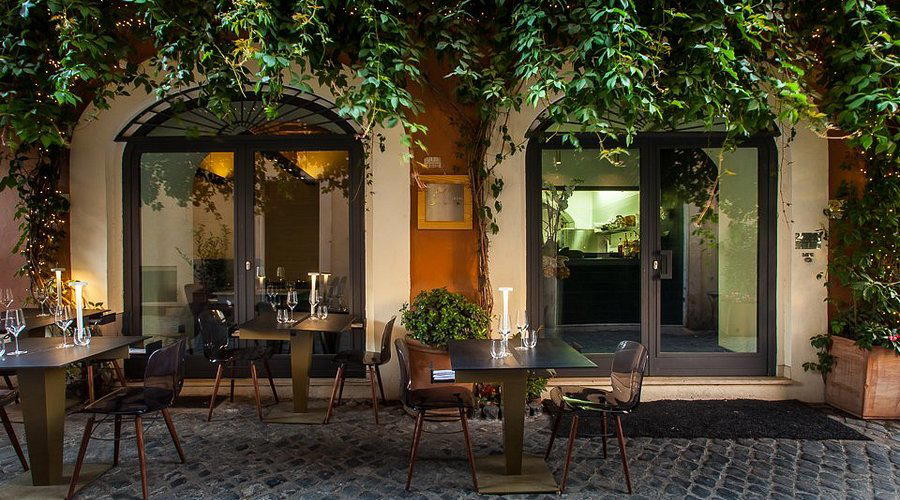
The physical scale of 53 Untitled is worth framing honestly. The restaurant holds a small number of tables, and Michelin's own guidance for the venue specifically flags that booking ahead is recommended. In practical terms, this is not a walk-in proposition on a Friday or Saturday evening in a neighbourhood that draws both local regulars and visitors staying near Piazza Navona or Campo de' Fiori. The room itself is described as simple rather than designed, which in this part of Rome carries its own currency: the centro storico is thick with venues that front-load atmosphere and underdeliver on the plate. A kitchen that earns its audience through cooking rather than setting is a different kind of proposition entirely.
For context on how Rome's creative dining scene sits within the broader Italian contemporary category, it's useful to look beyond the capital. Enoteca Pinchiorri in Florence, Enrico Bartolini in Milan, and Atelier Moessmer Norbert Niederkofler in Brunico represent the highest tier of Italian contemporary ambition, while Dal Pescatore in Runate and Agli Amici Rovinj show how regional Italian traditions anchor serious kitchens even outside Italy's major cities. The Bib Gourmand tier that 53 Untitled occupies in Rome is a distinct register from all of these, but it operates within the same conversation about what Italian contemporary cooking owes its regional roots.
Beyond 53 Untitled, [our full Rome restaurants guide]() maps the full range of the city's dining scene, from neighbourhood trattorias to multi-starred tasting menus. For planning beyond the table, our full Rome hotels guide, bars guide, wineries guide, and experiences guide cover the broader city with the same editorial specificity. And if the Italian contemporary category interests you beyond Rome, L'Olivo in Anacapri is worth examining as a study in how the same cuisine type functions in a completely different geographic and atmospheric register.
Planning Your Visit
53 Untitled sits at Via del Monte della Farina 53, in the historic centre of Rome, within comfortable walking distance of Piazza Navona and the Campo de' Fiori neighbourhood. The €€ price range places it at a moderate spend relative to Rome's broader dining market, making it relevant for both an informal weeknight dinner and a more considered weekend meal. Given the limited number of covers and the Michelin recognition driving awareness, a reservation made several days in advance is advisable, particularly for evening sittings.
What Regulars Order at 53 Untitled
What do regulars order at 53 Untitled?
Based on the menu structure and Michelin's own framing of the restaurant, the morsi e morsetti small plates are the most discussed element of the experience, with regulars often building a meal around several of these rather than defaulting to a single starter-main-dessert sequence. The pasta dishes anchor the middle of the menu and represent the kitchen's most direct engagement with Lazio tradition, making them a reference point for understanding what the restaurant is trying to say about regional cooking. The salumi and cheese selection rounds out a meal that lends itself to a slower, grazing pace rather than a structured formal progression. For a first visit, the most useful approach is to treat the morsi section as the true introduction to the kitchen's creative range, with one or two pasta dishes providing the regional grounding that gives the more experimental plates their context.
Cuisine-First Comparison
| Venue | Cuisine | Price | Awards | Notes |
|---|---|---|---|---|
| 53 UntitledThis venue — the venue you are viewing | Modern Italian Tapas & Tasting Menus | $50–100 | Michelin Bib Gourmand | Not listed |
| La Pergola | Modern Italian Fine Dining | $500+ | 3 Michelin Stars · La Liste Top Restaurants | Italian, Mediterranean Cuisine |
| Enoteca La Torre | Modern Italian Fine Dining | $200–300 | 2 Michelin Stars · La Liste Top Restaurants | Creative |
| Il Pagliaccio | Modern Italian-Japanese Fusion Fine Dining | $150–200 | 2 Michelin Stars · La Liste Top Restaurants | Contemporary Italian, Creative |
| Aroma | Modern Roman Fine Dining | $200–300 | 1 Michelin Star · Falstaff Restaurant - 93 Falstaff Points | Modern Cuisine |
| Idylio by Apreda | Modern Mediterranean-Asian Fusion | $150–200 | 1 Michelin Star · La Liste Top Restaurants | Modern Italian, Italian Contemporary |
Recognition history
Dated appearances from independent guides and award organizations, with the underlying list record or original source where available.
Michelin Bib Gourmand
Michelin
Full recognition history (3 entries)
Michelin Bib Gourmand
Michelin
Michelin Bib Gourmand
Michelin
Continue exploring
More in Rome
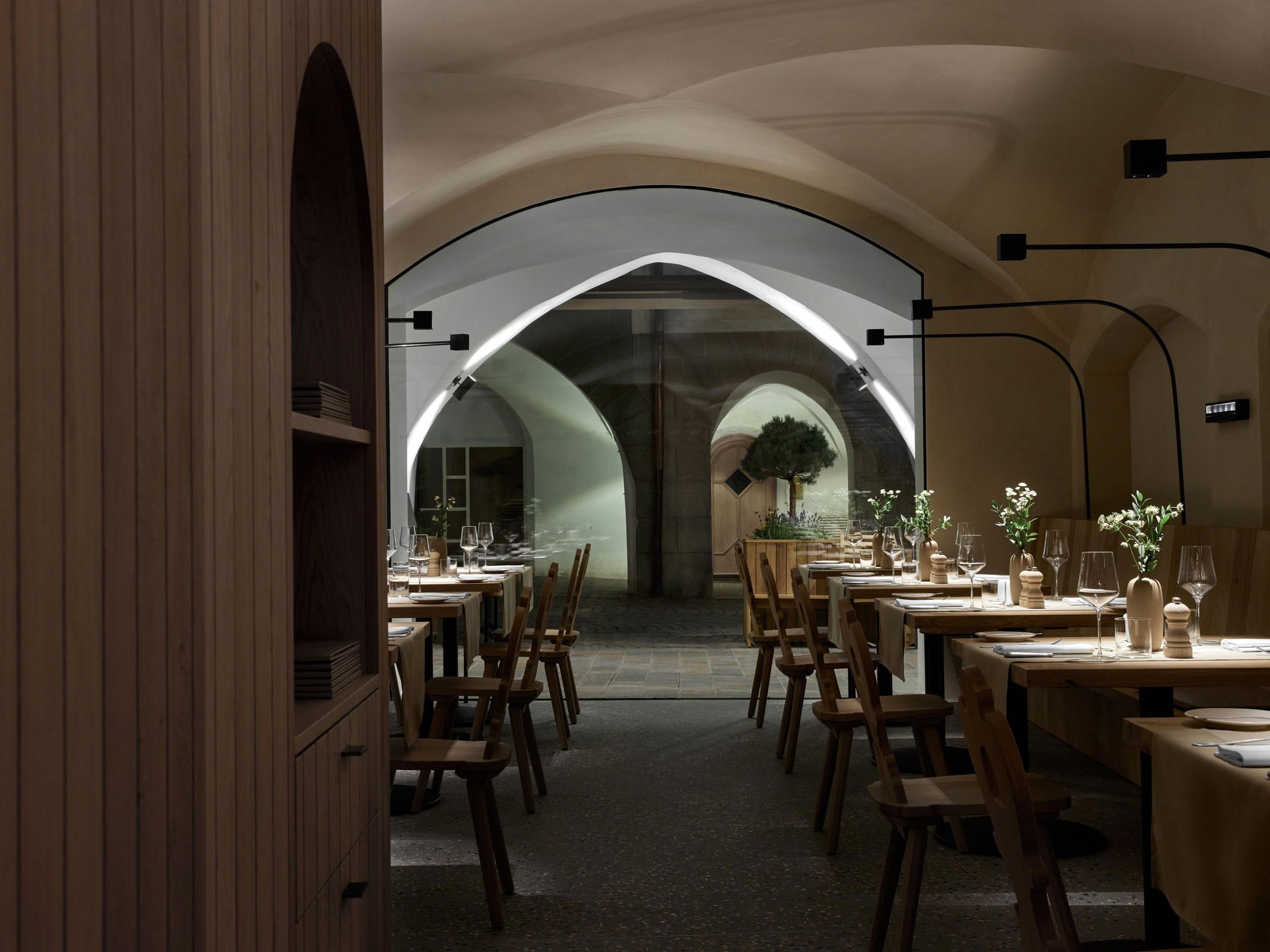
Restaurants in Rome
Browse all →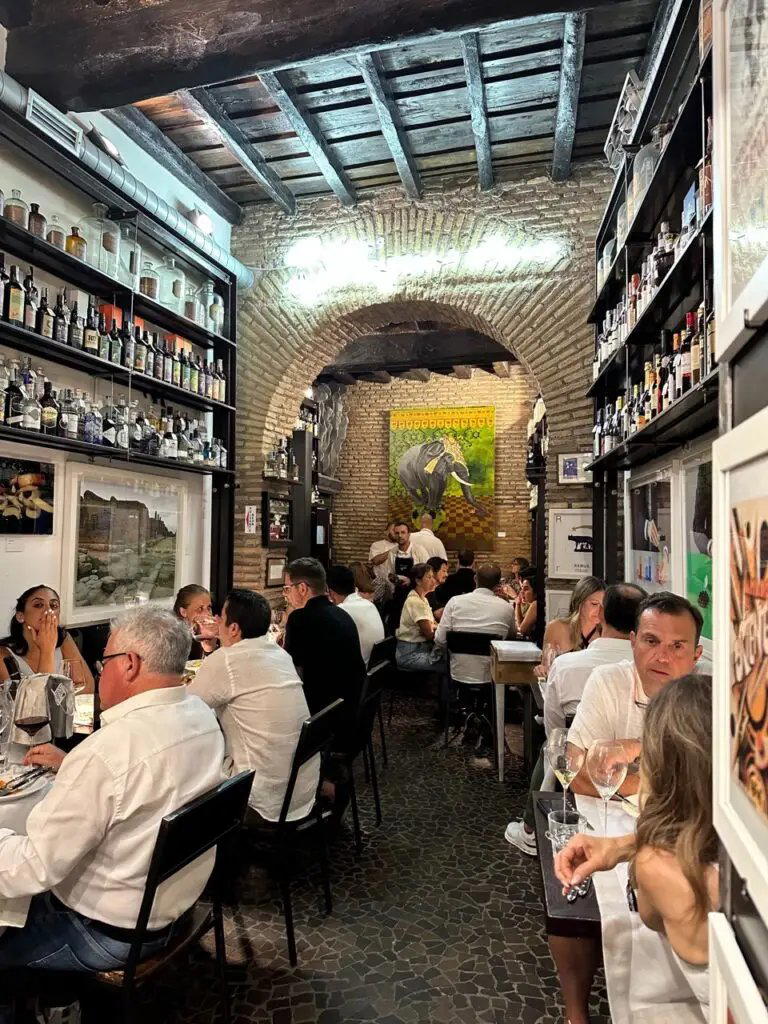
Bars in Rome
Browse all →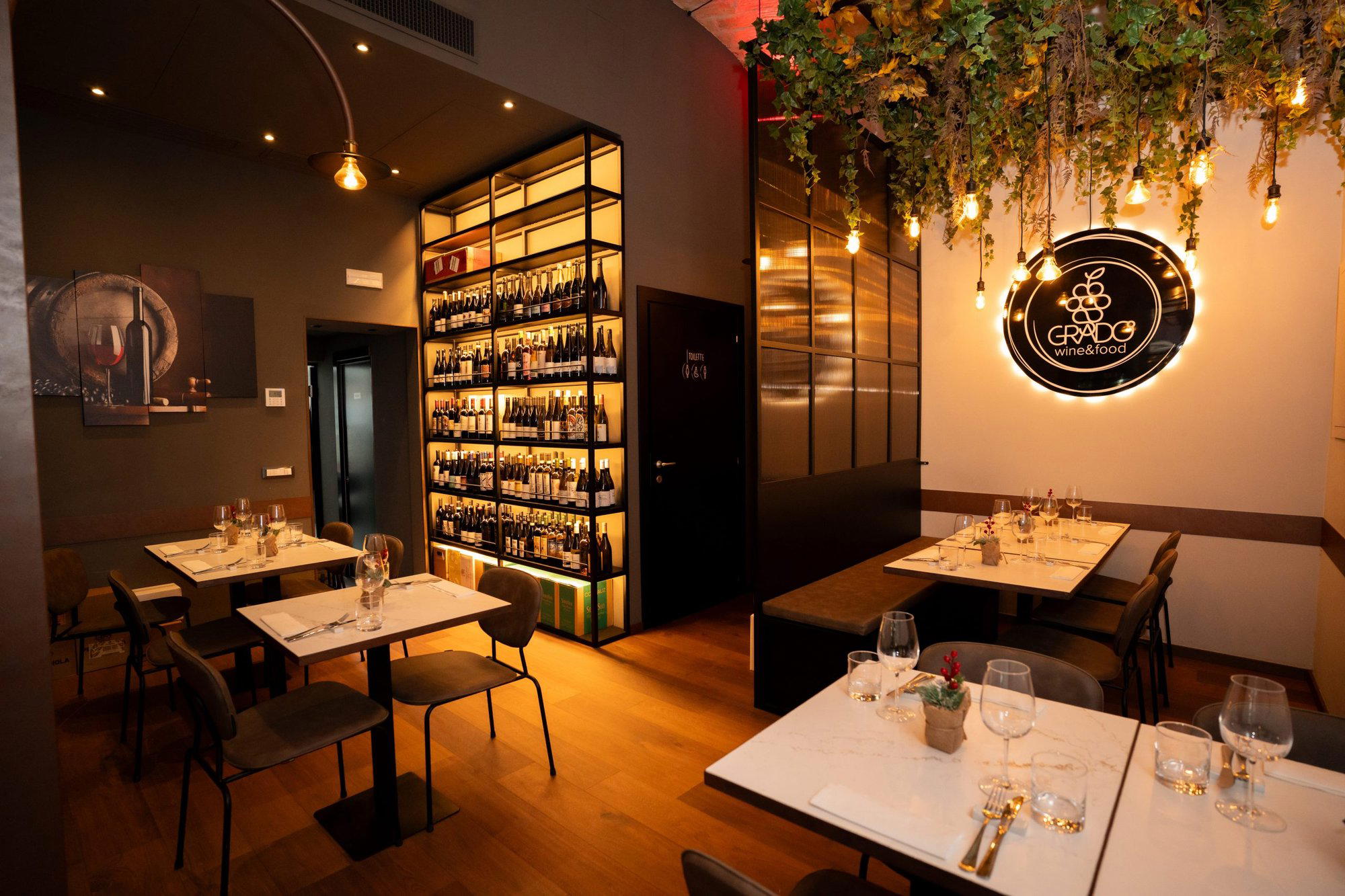
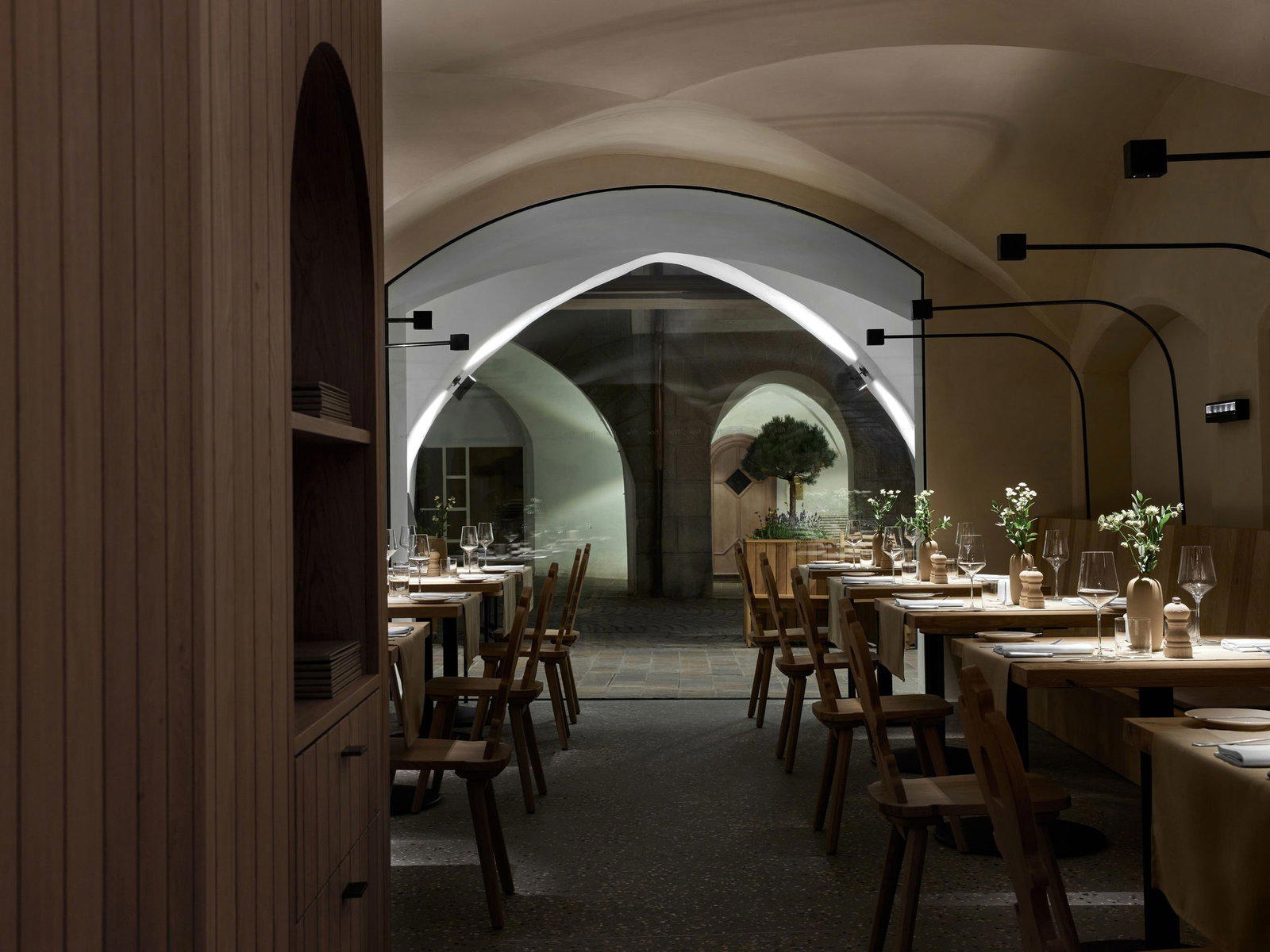
Hotels in Rome
Browse all →

Details
- Modern
- Cozy
- Intimate
- Elegant
- Sophisticated
- Date Night
- Special Occasion
- Natural Wine
- Tasting Menu
- A La Carte
- Small Plates
- Vegetarian Friendly
Current opening hours
- Monday
- Closed
- Tuesday
- 6–10:30 PM
- Wednesday
- 6–10:30 PM
- Thursday
- 6–10:30 PM
- Friday
- 6–10:30 PM
- Saturday
- 6–10:30 PM
- Sunday
- Closed
Hours can change for holidays and private events. Last verified .
Cozy and intimate with a modern, stylish, pleasantly relaxed atmosphere and soft lighting.