
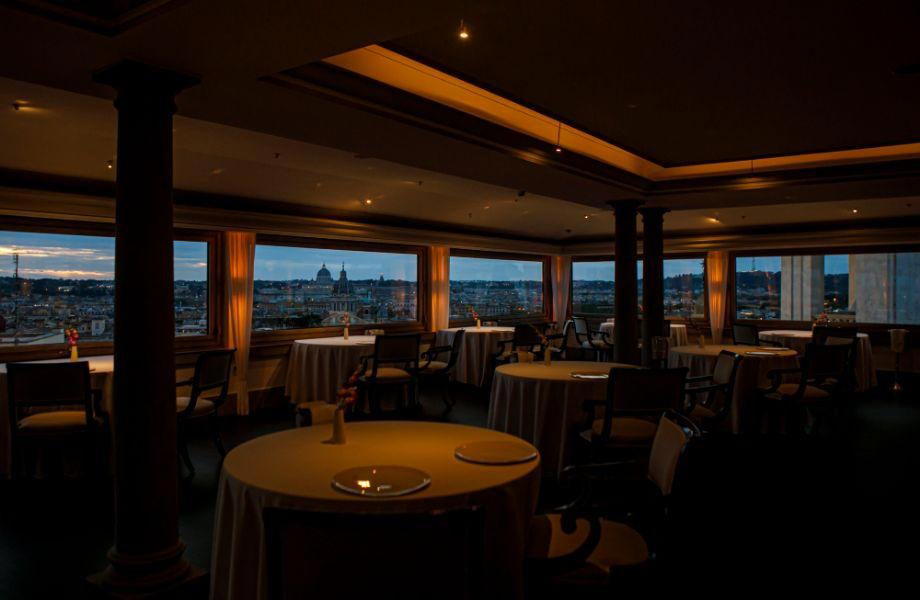
Positioned on the fifth floor of Hotel Bulgari, overlooking the Mausoleum of Augustus, Il Ristorante brings Niko Romito's three-Michelin-star approach to Rome in a format built around restrained, ingredient-led takes on Italian regional classics.
Pearl is the En Primeur Club membership app — saves, bookings, and concierge access live there. Same editors, same standards.
- Address
- Piazza Augusto Imperatore, 10, 00186 Roma RM, Italy
- Phone
- +39 06 3608 0410
- Website
- bulgarihotels.com
- Directions
- Get directions
 Saves & bookings on Pearl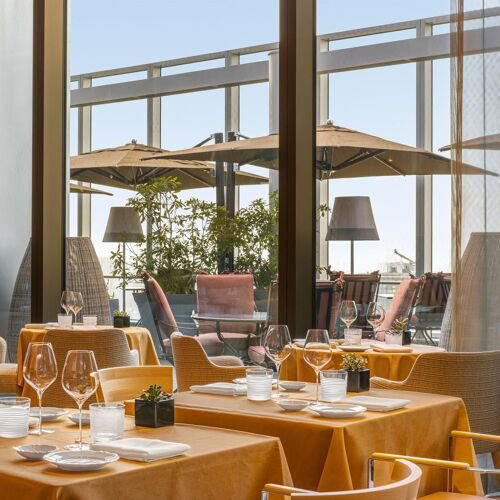
A Fifth-Floor Perch Above Ancient Rome
Arriving at Hotel Bulgari on Piazza Augusto Imperatore, the sequence matters. The Mausoleum of Augustus fills the view beyond the piazza, one of Rome's least-visited imperial monuments, sitting in a neighbourhood that has shed decades of neglect since the area was redesigned. The Bulgari occupies a position where ancient and contemporary Rome converge more literally than anywhere else in the city centre. Reaching the restaurant on the fifth floor means passing through the bar, and at this address, that passage is not incidental.
The Aperitivo as Prologue
Rome's aperitivo tradition sits somewhere between Milan's ritualistic pre-dinner hour and Naples's more casual approach to eating before eating. In hotel restaurants of this calibre, the bar is often an afterthought, a waiting room dressed up with expensive glassware. At Il Ristorante, the lively bar on the route to the dining room functions as a designed first act. The recommendation, backed by the restaurant's own framing, is to begin the evening there with an aperitif before moving to your table. That positioning signals something about how the kitchen understands pacing: the meal is a progression, not a transaction.
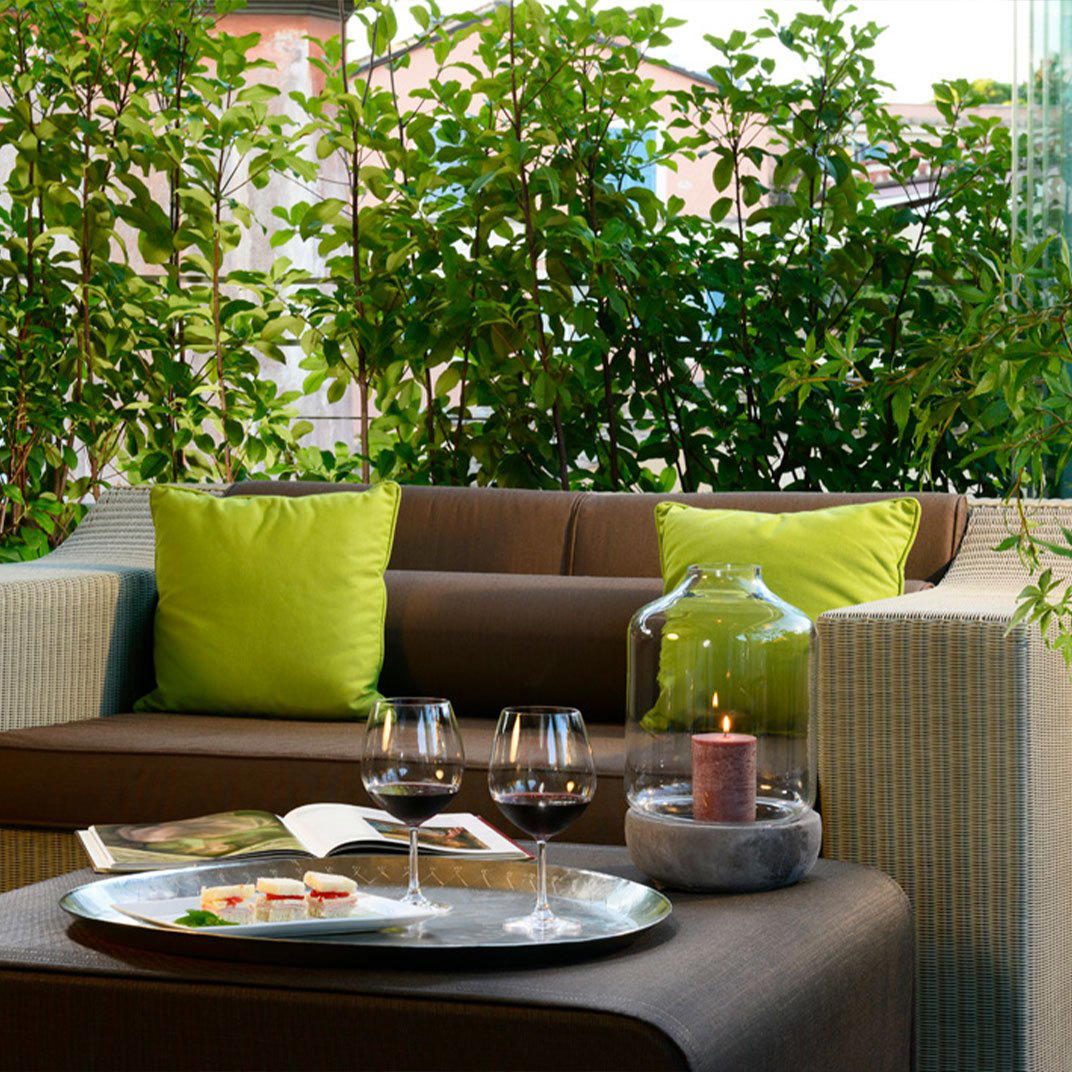
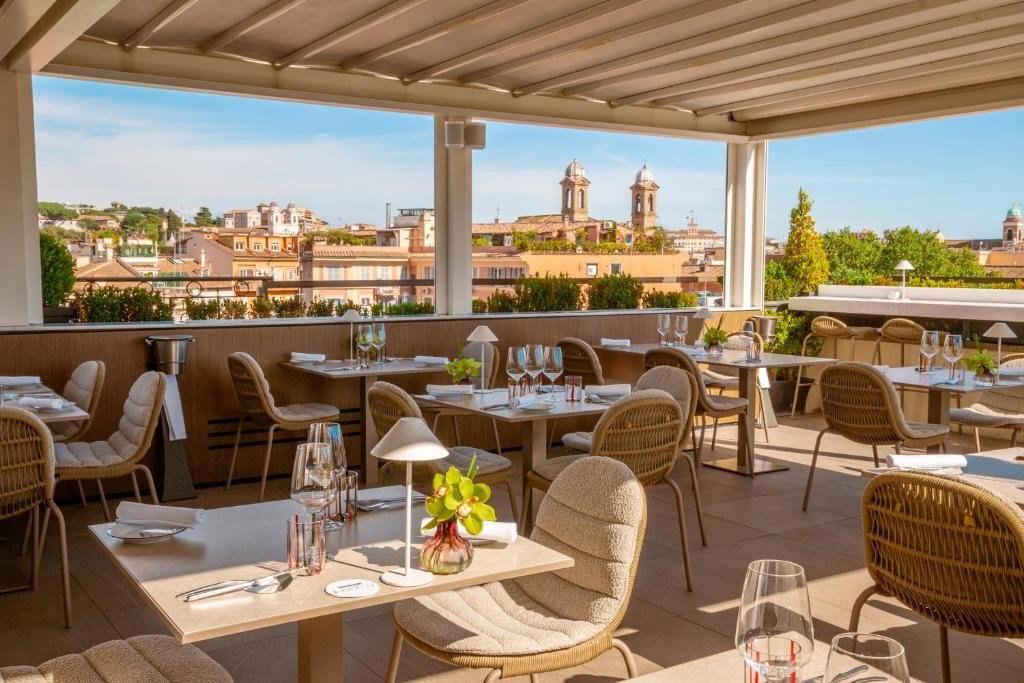
The terrace, accessible from the dining level, extends the aperitivo logic into open air. With views across to the Mausoleum, pre-dinner drinks in warmer months take on a quality that no interior, however well-designed, can replicate. From late spring through early autumn, that terrace is where the evening should properly begin. In colder months, the mahogany-walled dining room, lined with works of art, closes around you in a way that makes the interior version of the ritual feel equally considered.
Niko Romito's Approach, Translated to Rome
Contemporary Italian fine dining has moved through several phases over the past two decades. The first wave of modernism borrowed heavily from Spanish and French technique; the correction that followed pushed back toward ingredient purity and regional identity. Niko Romito, whose flagship Reale in Castel di Sangro holds three Michelin stars, has been among the more consistent voices in that second movement. His approach, lighter iterations of traditional Italian dishes, stripped of unnecessary complexity, focused on the integrity of a single primary ingredient, translates across his Il Ristorante locations without becoming formulaic.
The Rome menu reflects this directly. Saffron risotto, artichoke soup, spaghetti in tomato sauce, and Piedmontese bonet appear as dishes that most Italian diners would recognise by name, but the kitchen's handling of each is shaped by a restraint that distinguishes them from trattoria versions of the same. The logic is cumulative: a sequence of courses that moves through Italian regions, using familiar reference points to build something more precise. This is not reinvention for its own sake. It is a considered argument about what Italian cooking becomes when you remove the decorative layer.
Within Rome's fine dining tier, that position is legible when mapped against the competition. La Pergola operates at three Michelin stars with a Mediterranean register that sits closer to classical European grand dining. Il Pagliaccio and Enoteca La Torre, both at two stars, push further into creative territory. Il Ristorante holds a Michelin Plate recognition for 2025, which places it in a different bracket, a hotel restaurant executing a named chef's vision with consistency rather than a standalone kitchen building its own identity from scratch. The comparison that matters most is not with Rome's starred addresses but with other Il Ristorante locations, and with the broader question of what hotel fine dining can do when the chef relationship is substantive rather than licensed.
For context on the Italian contemporary scene across the country, the peer conversation runs through addresses like Osteria Francescana in Modena, Le Calandre in Rubano, Enoteca Pinchiorri in Florence, Enrico Bartolini in Milan, and Atelier Moessmer Norbert Niederkofler in Brunico, each representing a different regional and philosophical strand of what serious Italian cooking looks like today. Dal Pescatore in Runate offers the longest continuity argument. The Italian contemporary format is not monolithic, and placing Romito's work within that conversation clarifies why the Rome address reads the way it does.
Rome's Contemporary Italian Tier
Within the city itself, a small number of restaurants are working a similar register. Retrobottega operates a counter-format with a more experimental edge. Pulejo and Adelaide sit in the same conversation around modern Italian cooking with regional grounding. 53 Untitled takes a different formal approach. None of these occupy the same price bracket or setting as Il Ristorante, which means direct comparison is less useful than understanding each as a distinct answer to the question of what contemporary Rome wants from its restaurants. The Italian contemporary category has room for multiple formats, and the hotel fine dining version, with its terrace views, aperitivo bar, and regional tasting sequence, is answering a different brief than a standalone neighbourhood address.
The restaurant also sits within a broader Italian contemporary category that extends beyond Italy's borders. Agli Amici Rovinj in Rovinj and L'Olivo in Anacapri represent the same tradition operating in different coastal contexts.
Planning the Evening
The restaurant sits at Piazza Augusto Imperatore, 10, in the Prati-adjacent section of Rome's historic centre, reachable on foot from the Campo Marzio neighbourhood and a short taxi or rideshare from most central hotels. The price range sits at the summit tier for Rome dining (€€€€), consistent with the setting and the Bulgari address.
Booking in advance is advisable, particularly for terrace tables in warmer months and for weekend evenings year-round. The format, aperitif at the bar, followed by a seated regional tasting sequence, means allowing a full evening rather than treating it as a quick dinner. The practical rhythm the restaurant recommends, moving from bar to table, is worth following rather than bypassing.
Similar Picks
Comparable venues nearby, for context on price, style, and recognition.
| Venue | Cuisine | Price | Notes |
|---|---|---|---|
| Il Ristorante - Niko RomitoThis venue — the venue you are viewing | Contemporary Italian Fine Dining | $$$$ | Not listed |
| NUH Osteria Contemporanea | Modern Italian Osteria | $$$ | Tivoli |
| CiPASSO | Modern Roman Contemporary | $$$ | Campo Marzio |
| La Ciambella | Modern Roman Trattoria | $$$ | Pigna |
| Diana's Place | Modern Italian Bistrot | $$$ | Castro Pretorio |
| Osteria Fernanda | Modern Italian Bistro | $$$ | Gianicolese |
Recognition history
Dated appearances from independent guides and award organizations, with the underlying list record or original source where available.
Michelin Plate
Michelin
Michelin Plate
Michelin
Continue exploring
More in Rome
Restaurants in Rome
Browse all →
Bars in Rome
Browse all →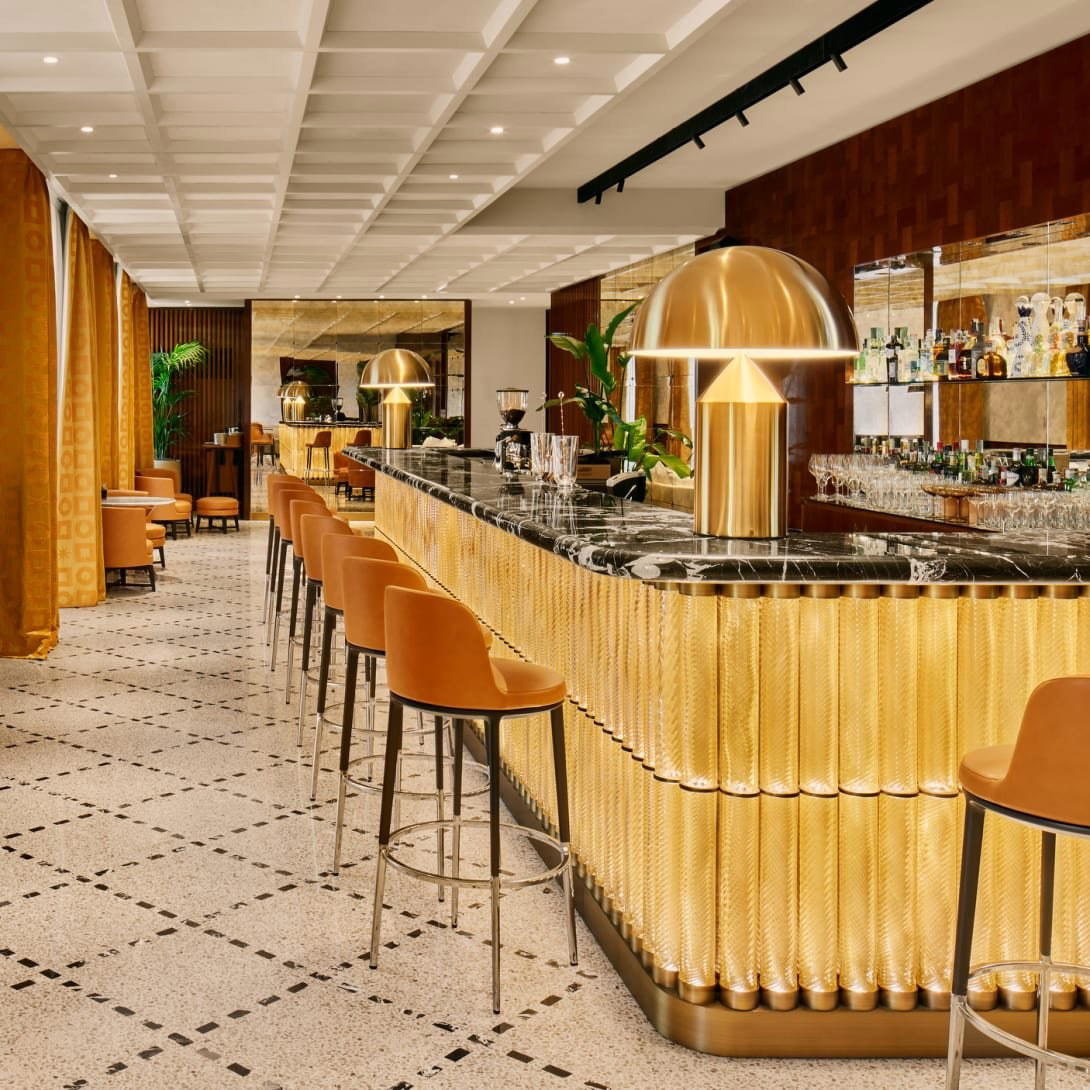
Hotels in Rome
Browse all →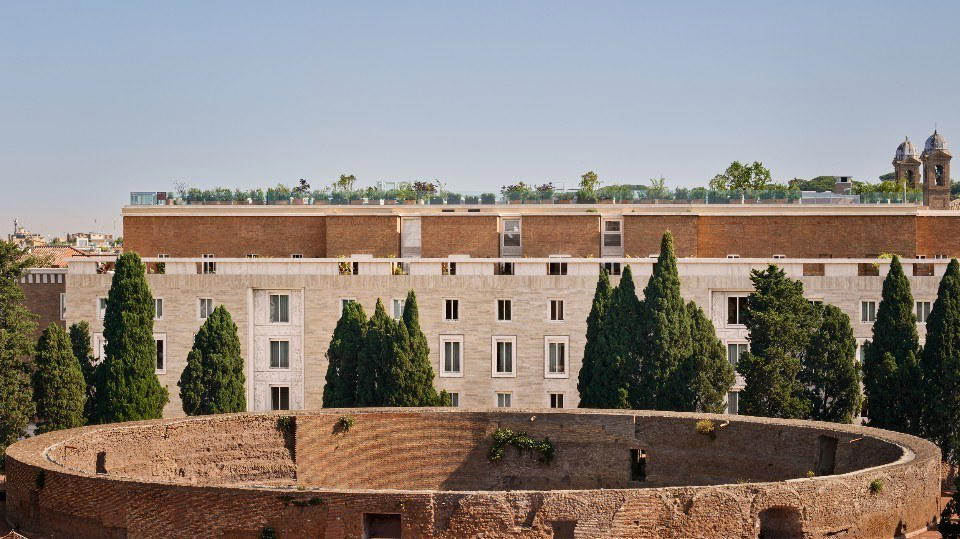

At a Glance
- Elegant
- Sophisticated
- Intimate
- Date Night
- Special Occasion
- Business Dinner
- Hotel Restaurant
- Terrace
- Extensive Wine List
- Sommelier Led
- Street Scene
Current opening hours
- Monday
- 7–11 p.m.
- Tuesday
- 7–11 p.m.
- Wednesday
- 7–11 p.m.
- Thursday
- 7–11 p.m.
- Friday
- 7–11 p.m.
- Saturday
- 7–11 p.m.
- Sunday
- 12–3 p.m., 7–11 p.m.
Hours can change for holidays and private events. Last verified .
Elegant and welcoming with mahogany walls, Bulgari artwork, professional service, and a charming terrace offering city views.