1 Michelin Star
Our verdict
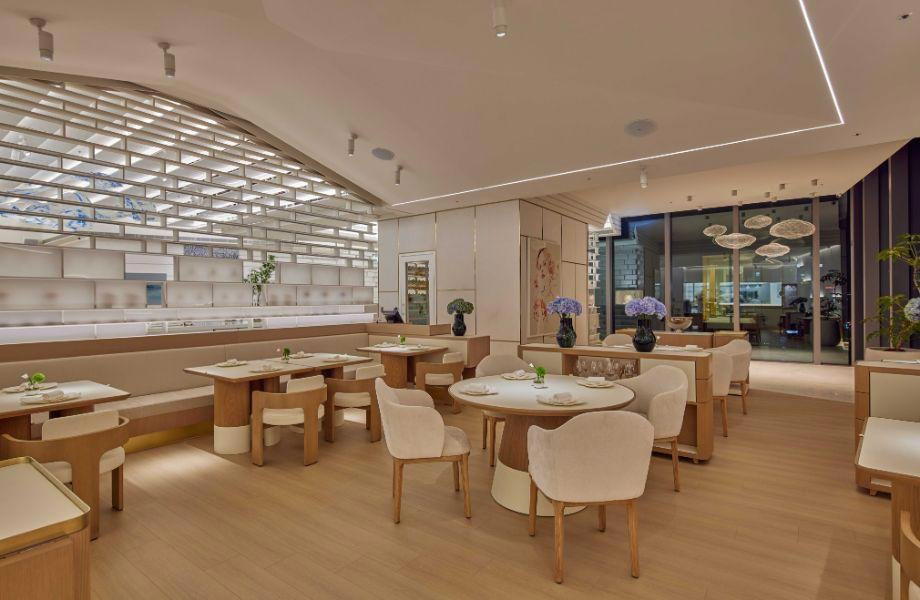
Located on a quiet lane off Shuangcheng Street in Zhongshan District, æå£½å¸ occupies a slice of Taipei's neighbourhood dining scene where occasion meals are taken seriously.

Pearl is the En Primeur Club membership app — saves, bookings, and concierge access live there. Same editors, same standards.
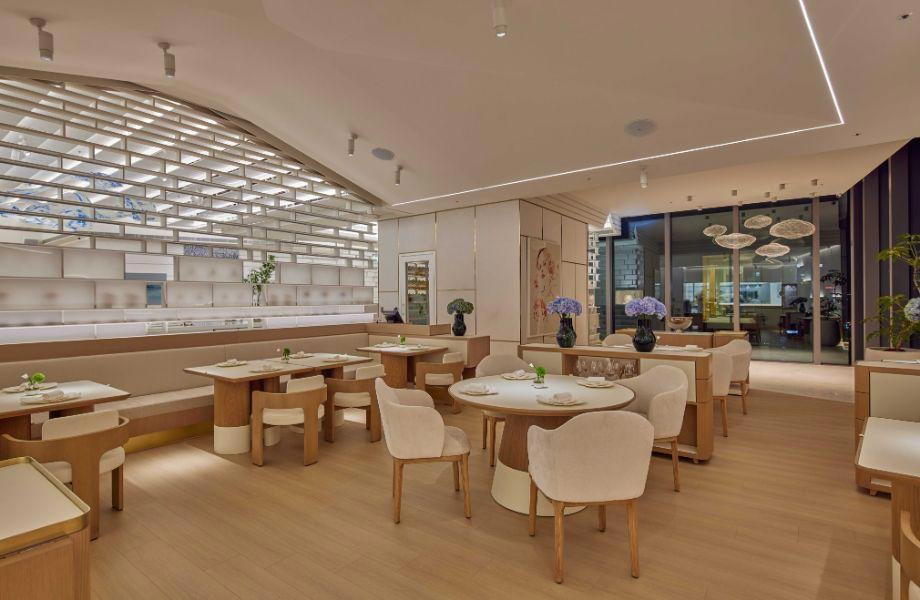
Zhongshan District and the Architecture of the Occasion Meal
Taipei's Zhongshan District has developed, over the past decade, into the city's most layered dining corridor. It runs from the MRT stations near Nanjing East Road down through quieter residential lanes where restaurants announce themselves through detail rather than signage. The streets around Shuangcheng Street belong to this quieter register. Lane 25 in particular sits removed from the pedestrian traffic of the main commercial strip, which makes it the kind of address that rewards the diner who books ahead and arrives with intention rather than impulse. For milestone meals — anniversaries, promotions, family reunions conducted at a register more considered than the neighbourhood hot-pot — these are the streets Taipei residents tend to choose.
æå£½å¸ (pronounced roughly as "Dao Shou Fu") occupies a slot at No. 6-3 on that lane, within a district that also contains several of the city's most formally recognised fine-dining addresses. Taïrroir, which has earned consistent Michelin attention for its Taiwanese-French synthesis, and Le Palais, the Cantonese reference point against which formal Chinese dining in the city is still often measured, both operate at the upper end of Taipei's occasion-dining spectrum. æå£½å¸ positions within this geography, where the ambient expectation is that a meal should carry the weight of the event around which it is booked.
What the Occasion-Dining Format Demands
In cities where formal dining has matured, the occasion-meal category splits into two distinct modes. The first is spectacle-led: theatrical presentation, wine pairings announced with ceremony, and a sense that the restaurant is performing for the diner. The second is quieter and harder to pull off, an environment and a menu that make the diner feel the occasion without advertising it. Taipei's more enduring special-occasion addresses have generally leaned toward the latter. The preference tracks the city's broader hospitality sensibility: warmth without performance, precision without coldness.
This is the tradition into which addresses on lanes like this one in Zhongshan fit. Globally, this format has analogues: Lazy Bear in San Francisco built its reputation on occasion dining with a communal, non-theatrical format, while Le Bernardin in New York City has sustained decades of milestone bookings through rigour and consistency rather than reinvention. In Taipei, the challenge is similar: how to create the conditions for a meal that earns its place in memory without relying on spectacle.
Placing æå£½å¸ in Taipei's Wider Dining Picture
The Taiwanese dining scene has expanded its international reference points considerably in the past five years. Restaurants like logy, which operates a Modern European and Asian Contemporary format at the leading price tier, have introduced a level of technical precision that aligns Taipei more closely with Tokyo and Copenhagen than with older models of regional fine dining. Molino de Urdániz brought Spanish contemporary cooking to the city with a level of seriousness that confirmed Taipei as a destination for cuisine that travels. L'Atelier de Joël Robuchon Taipei continues to represent the French fine-dining tier with the brand discipline its parent group maintains across its global network.
Beyond Taipei, the broader Taiwan restaurant scene has been producing strong regional voices: JL Studio in Taichung reframes Southeast Asian cooking through a fine-dining lens, Amei in Tainan anchors the south's traditional flavour register, and Akame in Wutai Township has become one of the country's most discussed destination meals for its indigenous ingredient focus. Closer to Taipei, Chi Yuan in New Taipei and GEN in Kaohsiung extend the conversation into formats that read as local in character while applying contemporary discipline. For diners extending their Taiwan trip, Shen Yen in Yilan, Bebu in Hsinchu County, and Dongmen Rice Noodle Soup in Hsinchu City offer distinct registers across the island. The Volando Urai Spring Spa and Resort in Wulai District and Abura Yakiniku in Taichung City round out a landscape that rewards methodical planning across multiple stops.
æå£½å¸ operates within Taipei's tier of addresses where the emphasis is on the quality of the experience over the volume of the room. These are not restaurants that market themselves to casual walk-in traffic. They depend on word of mouth, repeat bookings from local professionals, and the kind of sustained quality that earns a table its reputation without requiring a publicist. See our full Taipei restaurants guide for a broader map of how the city's dining categories sit relative to each other.
Planning a Visit: Practical Notes
The Shuangcheng Street address in Zhongshan puts æå£½å¸ within direct reach of the MRT Xingtian Temple or Zhongshan stations, with a short walk through the district's residential back lanes. For occasion dining in Taipei, advance reservation is standard practice at this tier of address, and weekend evenings in particular fill early. Arriving by taxi or ride-hailing app is the most practical option given the lane-level address. The district itself is worth time before or after the meal: the Zhongshan corridor between the MRT lines contains a concentration of coffee bars, independent retail, and the kind of low-lit late-evening drinking options that extend a celebratory dinner into a fuller evening without requiring another district entirely.
Frequently asked questions
What part of town is æå£½å¸ in?
æå£½å¸ is located at No. 6ä¹3è, Lane 25, Shuangcheng St, Zhongshan District, Taipei City, Taiwan 10491, Taipei.
What's the signature dish at 榮壽亭?
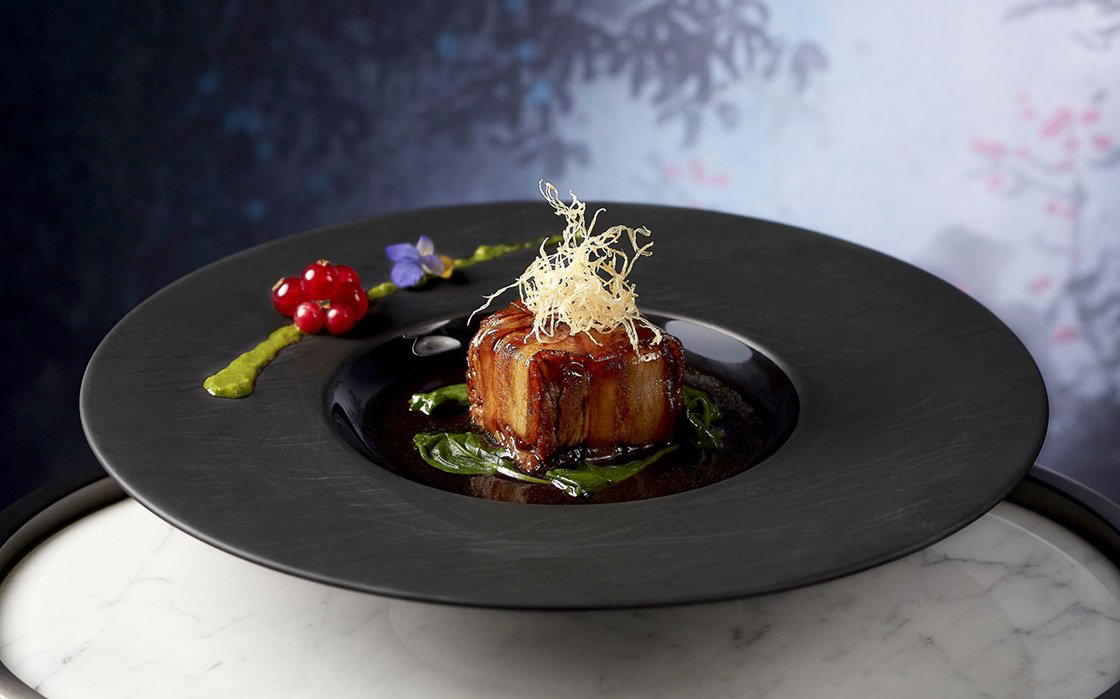
The restaurant sits within Taipei's Zhongshan District, a corridor where occasion-format menus tend to rotate seasonally. Contacting the venue directly via the Shuangcheng Street address is the most reliable way to understand the current menu focus.
Can I walk in to æ壽å¸?
Reservations are recommended for æå£½å¸ in Taipei. Confirm current policy via the venue's official channels.
What's the standout thing about æ壽å¸?
æå£½å¸ is best approached by focusing on the core concept and signature offerings.
Price Lens
| Venue | Cuisine | Price | Awards | Notes |
|---|---|---|---|---|
| æ壽å¸This venue — the venue you are viewing | Not listed | Not listed | 1 Michelin Star | Not listed |
| logy | Modern Japanese-Taiwanese Fusion Omakase | $100–150 | 2 Michelin Stars · World's 50 Best #22 | Modern European, Asian Contemporary |
| Le Palais | Fine Dining Cantonese | $150–200 | 3 Michelin Stars · La Liste Top Restaurants | Cantonese |
| Taïrroir | Taiwanese-French Fusion Fine Dining | $150–200 | 3 Michelin Stars · La Liste Top Restaurants | Taiwanese/French, Taiwanese contemporary |
| Mudan Tempura | Michelin-Starred Tempura | Not listed | 2 Michelin Stars · La Liste Top Restaurants | Tempura |
| de nuit | Contemporary French | $150–200 | 1 Michelin Star · Star Wine List | French Contemporary |
Recognition history
Dated appearances from independent guides and award organizations, with the underlying list record or original source where available.
Michelin 1 Star
Michelin
Full recognition history (3 entries)
Michelin 1 Star
Michelin
Michelin 1 Star
Michelin
Continue exploring