養心殿精緻鍋物 sits on Civic Boulevard in central Taipei, placing premium hot pot within the city's broader tradition of refined shabu-shabu and multi-course broth formats. The address at 市民大道四段110號 positions it among a cluster of Zhongshan-adjacent dining rooms where service coordination and ingredient sourcing tend to define the tier rather than any single dish.
Pearl is the En Primeur Club membership app — saves, bookings, and concierge access live there. Same editors, same standards.
- Address
- 市民大道四段110號, 台北市
- Directions
- Get directions
 Saves & bookings on Pearl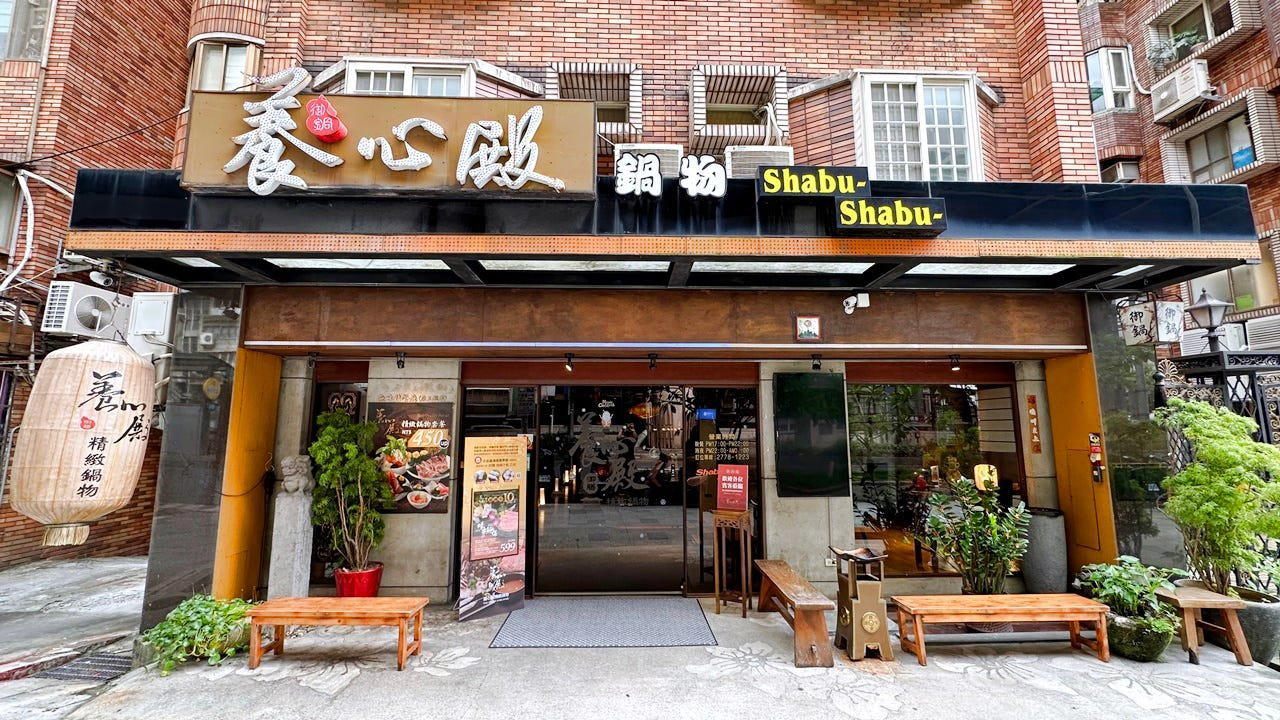
Taipei's Premium Hot Pot Tier and Where 養心殿精緻鍋物 Fits
Taipei has developed one of Asia's most stratified hot pot markets. At the lower end, chain operators offer self-service broths and mass-market ingredient trays. Moving up, a mid-tier of specialist shabu-shabu rooms competes on imported beef grades and tableside service. At the leading, a smaller cohort of premium hot pot operations has repositioned the format almost entirely: private dining rooms, curated seasonal ingredients, coordinated front-of-house teams, and broth programs that take as much care as a Western chef's sauce work. 養心殿精緻鍋物, at 市民大道四段110號 in Taipei, sits in the refined Taiwanese hot pot category, with recommended reservations and an estimated spend of about US$40 per person.
Civic Boulevard, known locally as 市民大道, runs through the dense commercial spine of Taipei and connects several of the city's most active dining districts. The address at Section 4 places 養心殿精緻鍋物 within easy reach of the Zhongshan and Xinyi corridors that anchor Taipei's fine dining concentration.
The Format: How Premium Hot Pot Is Served at This Level
In Taipei's upper hot pot tier, the table experience is orchestrated rather than simply served. The distinction matters. At venues competing in this bracket, front-of-house teams manage broth temperature, ingredient sequencing, and cooking times actively, rather than leaving the table to self-manage. The sommelier-adjacent role in this format often belongs to a tea or herbal broth specialist, whose knowledge of sourcing, steeping times, and flavour pairing with seasonal proteins parallels what a wine director does in a European tasting menu context.
This kind of floor coordination requires training investment and team depth that separates genuine premium hot pot from upscale-branded versions of the mid-tier format. Taipei diners who have moved through the city's tasting menu circuit at places like Taïrroir or logy will recognise the same structural logic: every guest interaction is sequenced, not improvised.
Ingredient Sourcing and the Broth as Central Argument
What separates premium hot pot from mid-market competition in Taipei is rarely a single ingredient. It is the internal coherence of the sourcing program. Chefs at this level typically anchor the menu around two or three proteins with strong provenance, build broths from long-simmered stocks rather than commercial concentrate bases, and structure the meal so that lighter, more delicate items enter the pot before heavier cuts. The vegetable and tofu selections in this tier come from relationships with specific farms or markets, a sourcing approach more common in Michelin-tracked tasting menu restaurants than in the hot pot category.
Taipei's tasting menu circuit, which includes Le Palais for Cantonese fine dining and L'Atelier de Joël Robuchon at the French end, has raised the floor for what premium diners in the city expect from ingredient quality across every category. Premium hot pot venues respond to that pressure by treating sourcing as a public statement, not a back-of-house detail.
Team Dynamic at the Table
The meal depends on front-of-house collaboration rather than kitchen output alone. Unlike a tasting menu, where the kitchen prepares and plates each course before service, hot pot places significant responsibility on the floor team. The server or specialist at tableside manages cooking times, advises on broth strength as the meal progresses, and sequences ingredient additions to prevent the broth from becoming overwhelmed or losing its defining character.
In Taipei's more technically rigorous operations, this role requires genuine knowledge of both the ingredients and the evolving state of the broth. Comparable specialist service coordination appears elsewhere in Taiwan's dining circuit: at JL Studio in Taichung and at GEN in Kaohsiung, front-of-house teams carry similar knowledge loads in their respective formats. In hot pot specifically, the tableside role is more exposed, because the cooking happens in full view of the guest.
This dynamic also creates a different rhythm for the meal. Rather than a passive experience of receiving plated courses, the guest becomes a participant in a process that the team manages. When that coordination is well-executed, the result is a meal that feels genuinely collaborative. When it is not, the format's weaknesses are immediately visible.
Taipei Hot Pot in Regional Context
Taiwan's hot pot tradition draws from multiple source streams: the Sichuan mala influence from mainland China, the Japanese shabu-shabu model imported during the colonial period, and a Taiwanese herbal broth tradition that prioritises health-supporting ingredients alongside flavour. Venues operating at the premium end in Taipei tend to anchor in one of these traditions while borrowing selectively from the others. The herbal broth direction has particular depth in Taiwanese culinary culture, and at the upper tier, it can produce broths of real complexity.
Beyond Taipei, Taiwan's dining circuit offers useful comparison points. A Xia in Tainan and operations in other cities approach Taiwanese ingredient traditions from different regional starting points. Internationally, Korean tasting format coordination visible at Atomix in New York City and French technique-driven floor service at Le Bernardin illustrate how particularly demanding formats use service as a structural element of the meal.
Know Before You Go
Awards and Standing
Comparable venues nearby, for context on price, style, and recognition.
| Venue | Cuisine | Price | Notes |
|---|---|---|---|
| 養心殿精緻鍋物This venue — the venue you are viewing | Refined Taiwanese Hot Pot | $$$ | Not listed |
| Beef Noodle Soup at Regent Hotel Taipei | Taiwanese Beef Noodle Soup | $$$ | Zhongshan District |
| G-Woo Restaurant | Taiwanese Chicken Soup | $$ | Da'an |
| Chan Chi Hot Pots Lab (詹記麻辣鍋) | Sichuan Hot Pot | $$ | Huxiao |
| Beef Father (牛爸爸牛肉麵) | Premium Taiwanese Beef Noodle Soup | $$$ | Neihu District |
| 一甲子餐飲 | chinese | Not listed | Xinqi |
Continue exploring
More in Taipei
Restaurants in Taipei
Browse all →
Bars in Taipei
Browse all →
Hotels in Taipei
Browse all →
Wineries in Taipei
Browse all →
At a Glance
- Elegant
- Sophisticated
- Group Dining
- Special Occasion
- Late Night
- Open Kitchen
- Sake Program
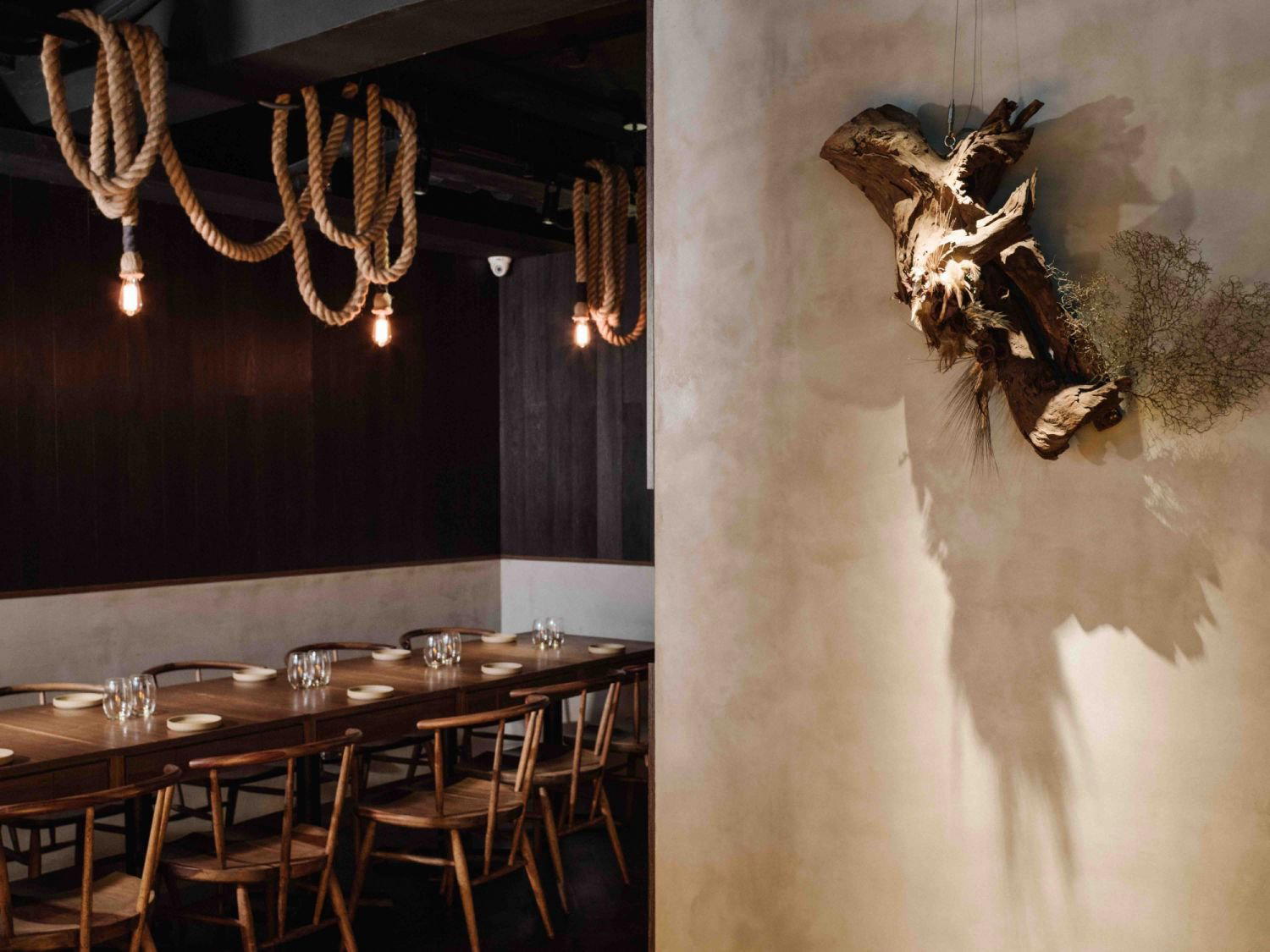
Elegant and palace-like decor with comfortable wide seating and warm, refined atmosphere.