Ji Pin Restaurant occupies a low-key address on Xinyi Road Section 4, where Taipei's appetite for serious Cantonese-style seafood dining finds one of its more established expressions. The room draws a clientele that values precise, ingredient-led cooking over theatrical presentation, placing it within the city's tier of dedicated Chinese seafood houses rather than the flashier hotel dining circuit.
Pearl is the En Primeur Club membership app — saves, bookings, and concierge access live there. Same editors, same standards.
- Address
- 信義路四段236號, 台北市, 106
- Directions
- Get directions
 Saves & bookings on Pearl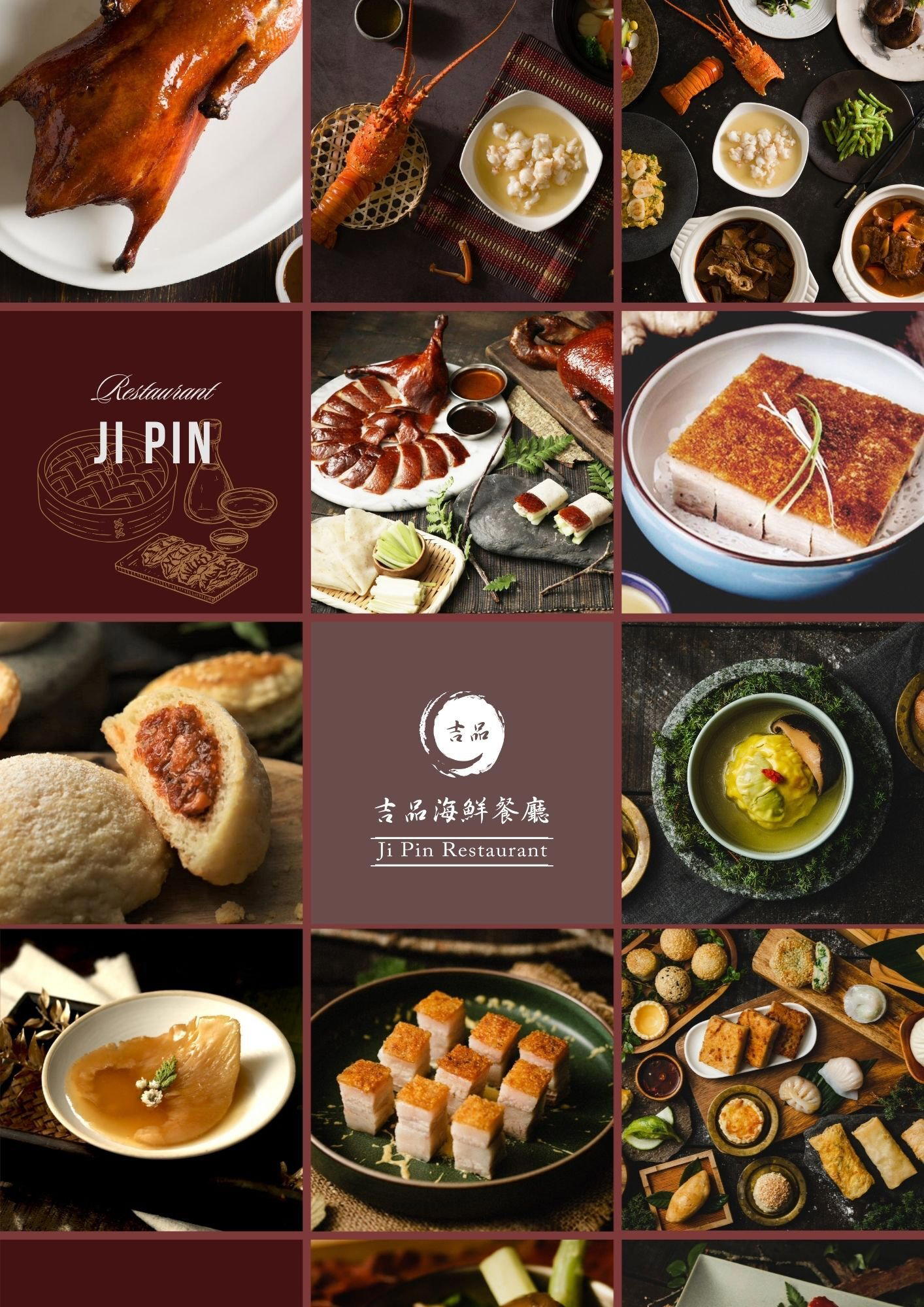
Xinyi Road and the Cantonese Seafood Tier
Taipei's premium Chinese seafood scene divides along fairly clear lines. At one end sit the hotel banquet rooms, large-format and ceremony-heavy, designed for corporate entertainment and wedding tables. At the other end, a smaller cluster of street-level specialist houses operates on tighter menus, longer reputations, and a clientele that returns for the cooking rather than the address. 吉品海鮮餐廳 Ji Pin Restaurant is a Taipei restaurant serving Authentic Cantonese Fine Dining & Dim Sum at 信義路四段236號, 台北市, 106. 吉品海鮮餐廳 Ji Pin Restaurant, located on Xinyi Road Section 4 in the Da'an district, belongs to that second category. The surrounding stretch is not a dedicated dining corridor but a mixed-use artery where a handful of serious independent restaurants have embedded themselves among office blocks and residential towers, drawing regulars rather than tourists.
The city's highest-profile restaurant addresses tend to cluster in Zhongshan, around Xinyi's commercial towers, or in the hotel corridors that house venues like Le Palais. Ji Pin occupies a different register: neighbourhood-anchored, without the institutional infrastructure of a hotel parent, and weighted toward the kind of regular custom that sustains a Chinese seafood specialist over years rather than seasons.
What Cantonese Seafood Means in This Context
The broader Cantonese seafood tradition is one of the more technically demanding categories within Chinese restaurant cooking. Live-tank selection, precise steaming temperatures, and the management of delicate sauces around high-quality whole fish require a kitchen with consistent discipline. In Hong Kong, the form has a century-long lineage; in Taipei, it arrived through migration patterns in the mid-twentieth century and has since developed its own local character, absorbing Taiwanese seafood sourcing (the island's fishing ports supply ingredients unavailable on the mainland) while retaining the technique-first orientation of the Cantonese original.
This is a category where the wine question is less direct than in, say, French fine dining. Cantonese seafood's delicacy of flavour, subtle aromatics in a steamed grouper, light soy and ginger combinations, the clean brine of fresh shellfish, responds well to high-acid whites: Alsatian Riesling, aged white Burgundy, or mineral-driven Chenin Blanc. The city's more ambitious Chinese tables have recognised this. Le Palais maintains one of Taipei's most complete Burgundy cellars specifically to service Cantonese cooking; the pairing logic is sound even if it remains underexplored at many tables in the category. At independent houses operating without sommelier infrastructure, the wine selection tends toward pragmatic rather than curated, which is itself useful information for the reader planning a meal around the cellar as much as the kitchen.
The Wine Consideration at Independent Seafood Houses
For visitors accustomed to Taipei's fine-dining wine programs, the independent Chinese seafood tier requires a different set of expectations. Venues like Ji Pin are not typically built around cellar depth or a dedicated floor sommelier; the drink selection at this level of the market tends to reflect what the clientele has historically requested rather than a curated philosophy. That does not diminish the food, but it does affect how a wine-focused visitor plans the evening. Bringing a bottle from one of Taipei's wine merchants, where corkage etiquette at independent restaurants is relatively permissive compared to hotel dining rooms, is worth factoring into logistics. Taiwan's retail wine market has expanded meaningfully over the past decade, with importers bringing serious Burgundy, Loire, and Alsace selections into the city's specialist shops, making this a practical option rather than a compromise.
The contrast is instructive when mapped against Taipei's Michelin-recognised tier. Logy and Taïrroir both operate with considered wine programs integrated into the tasting menu structure. L'Atelier de Joël Robuchon Taipei and Molino de Urdániz bring European cellar depth to their respective formats. For seafood specifically, Le Palais represents the benchmark for where Cantonese cooking and serious wine curation meet within the city. Ji Pin sits in a different and more workaday position within this map, which is not a criticism but a placement: it is a restaurant for the cooking, where the wine dimension is something the visitor manages rather than one the house provides.
Placing Ji Pin Within Taiwan's Wider Restaurant Scene
Understanding Ji Pin within Taiwan's broader restaurant geography also helps clarify what kind of table it is. The island's fine-dining conversation has extended well beyond Taipei in recent years. JL Studio in Taichung brought a Michelin star to the central city; GEN in Kaohsiung and A Xia in Tainan represent serious regional anchors. Against that diversifying field, Taipei's independent Chinese seafood houses operate with a different logic entirely: they are not competing in the fine-dining recognition circuit, and the regulars who fill their dining rooms are not primarily seeking Michelin credentials. Ji Pin's longevity on Xinyi Road is its own form of endorsement, the kind that accrues through repeat custom rather than critical campaigning.
For visitors building a Taipei itinerary across multiple nights, the practical shape of a Ji Pin meal fits a specific slot: a longer, more relaxed dinner where the cooking takes precedence over ceremony, where the price point likely sits below the city's tasting-menu tier, and where the dining style is family-style sharing rather than sequential individual courses. Our full Taipei restaurants guide maps the city's dining tiers in more detail, including how to sequence different restaurant types across a stay. Beyond Taipei, Taiwan's regional dining circuit rewards extension: GARDENh in Yonghe District and venues across Taichung, Hsinchu, and Tainan offer further texture on how the island's cooking culture differs by geography.
Planning a Visit
Ji Pin's address at 信義路四段236號 in the Da'an district is accessible from the MRT network, with Daan Park station within reasonable walking distance. For groups, calling ahead is sensible at any serious Chinese seafood house in Taipei, where large-table dining and private room availability affect both the experience and the menu scope. Advance booking is recommended, and a smart casual dress code fits the room.
Reputation First
Comparable venues nearby, for context on price, style, and recognition.
| Venue | Cuisine | Price | Notes |
|---|---|---|---|
| 吉品海鮮餐廳 Ji Pin RestaurantThis venue — the venue you are viewing | Authentic Cantonese Fine Dining & Dim Sum | $$$ | Not listed |
| Shing-Peng-Lai | Traditional Taiwanese Cuisine | $$$ | Tianyu |
| 鼎泰豐 Din Tai Fung | Taiwanese Dim Sum | $$ | Xinyi District |
| 合. Shabu | Luxury Shabu-Shabu Hot Pot | $$$$ | Xinyi District |
| ååé åº-é¢å®« | Taiwanese Izakaya | Not listed | Jianming |
| å°é ä¹å®¶ | Taiwanese Home-Style Restaurant | Not listed | Xinzhuang |
Continue exploring
More in Taipei
Restaurants in Taipei
Browse all →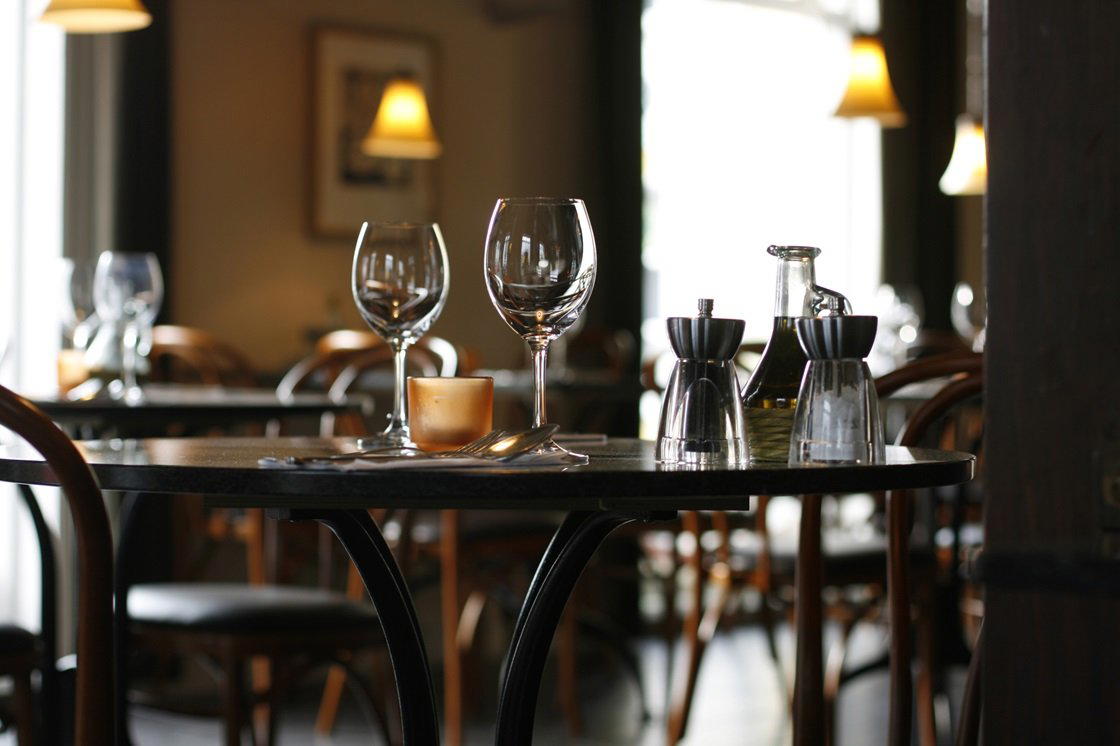
Bars in Taipei
Browse all →
Hotels in Taipei
Browse all →


Wineries in Taipei
Browse all →
At a Glance
- Classic
- Elegant
- Sophisticated
- Business Dinner
- Group Dining
- Celebration
- Family
- Special Occasion
- Standalone
- Local Sourcing
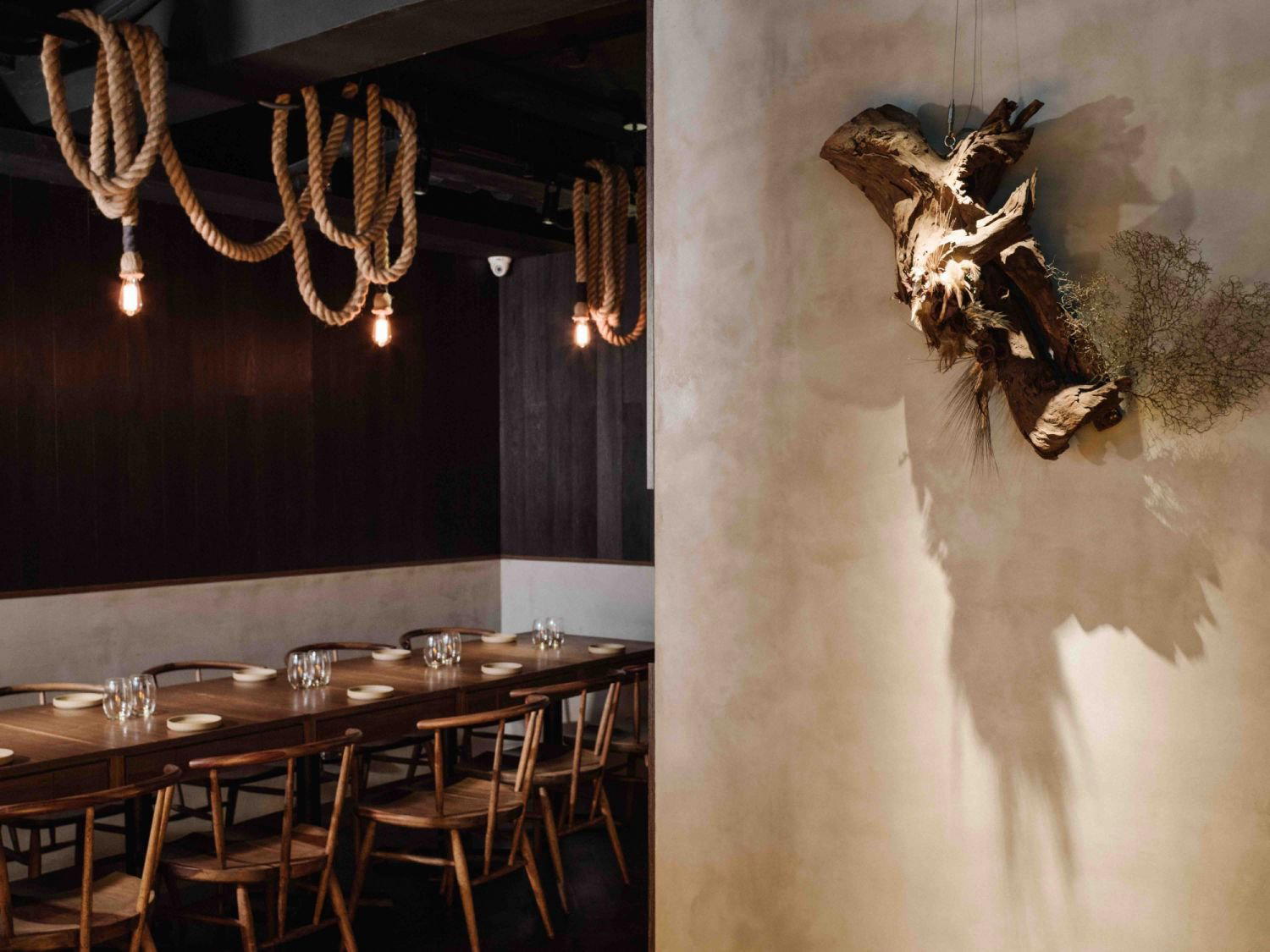
Low-key and refined, with a formal yet conversational dining room that feels more classic Chinese seafood house than flashy hotel restaurant.