Indian cooking in Taipei occupies a narrow band of the city's dining scene, and Jee Aayan Nu sits in Zhongshan District's quieter residential pockets on Lane 331 off Longjiang Road. The name translates roughly to 'you are welcome' in Punjabi, signalling the register the kitchen aims for: hospitality-forward, ingredient-led cooking that earns repeat custom in a city whose Indian restaurant count remains modest by any regional measure.
Pearl is the En Primeur Club membership app — saves, bookings, and concierge access live there. Same editors, same standards.
- Address
- No. 15, Lane 331, Longjiang Rd, Zhongshan District, Taipei City, Taiwan 104
- Phone
- +886983222165
- Website
- reserve.oddle.me
- Directions
- Get directions
 Saves & bookings on Pearl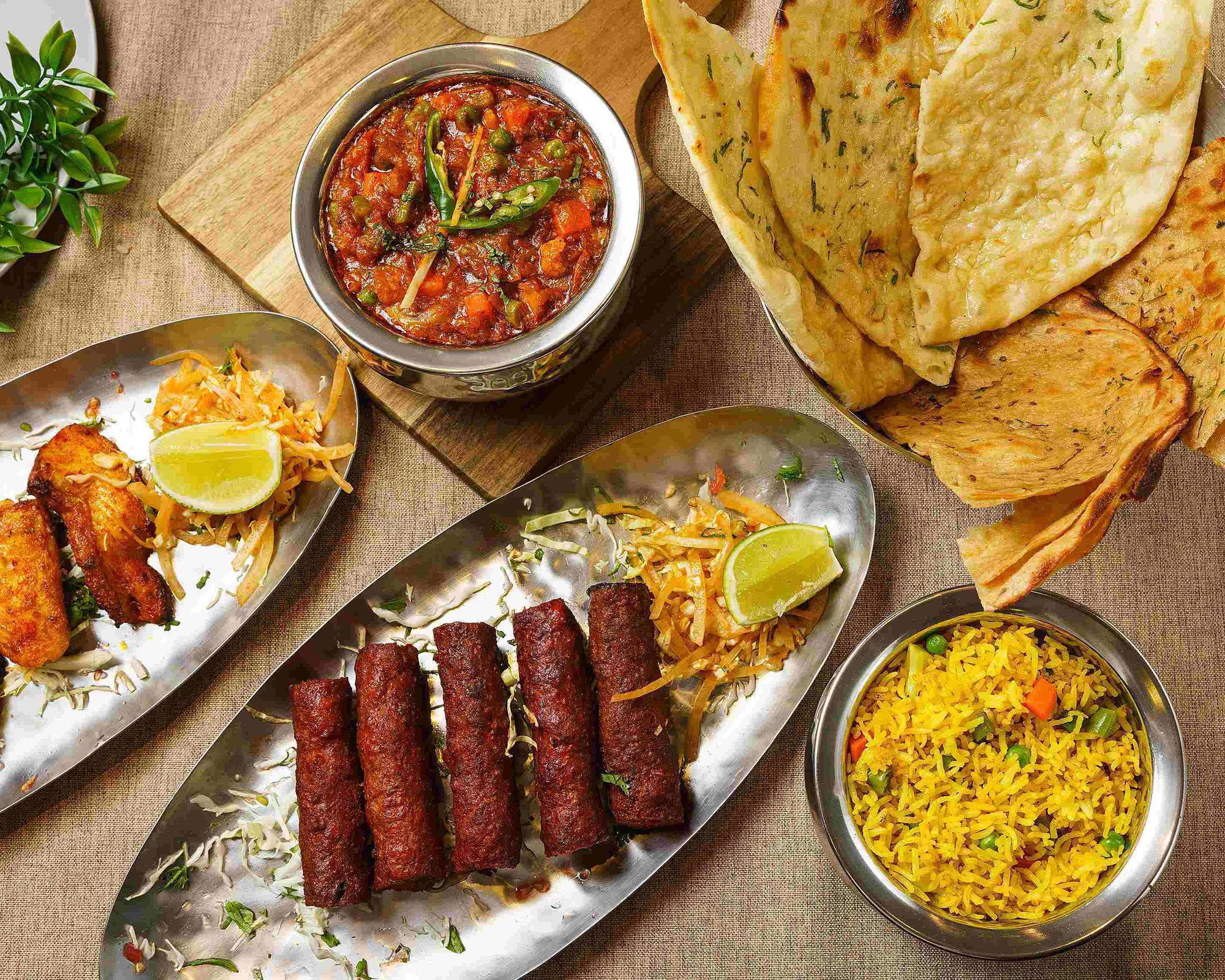
Indian Cooking in a City That Does Not Overdo It
Taipei's Indian restaurant scene is compact by design, not accident. The city's dining identity tilts hard toward Taiwanese, Cantonese, and the wave of Japanese-influenced tasting menus that have earned Taiwan's capital sustained international attention — venues like logy, Taïrroir, and Le Palais occupy the prestige tier, while Indian cuisine holds a smaller, more locally embedded position. That compression is not a weakness. In cities where Indian restaurants are thin on the ground, the ones that survive tend to do so on ingredient discipline and community trust rather than volume or novelty. Jee Aayan Nu, on Lane 331 off Longjiang Road in Zhongshan District, operates in that mode.
Zhongshan sits north of the old city centre, a district that mixes mid-century residential blocks with newer commercial strips. Lane 331 is the kind of address that filters out casual foot traffic — you come because you know it is there, not because you stumbled past it. For Indian restaurants in Taipei, that low-visibility, high-loyalty model is common. It reflects how South Asian communities and their food traditions embed themselves in the city: quietly, on side streets, serving regulars who return because the spice balance is right and the sourcing is consistent.
The Sourcing Question in Indian Cooking Abroad
Indian cuisine presents a specific challenge when transplanted: the ingredient chain matters enormously. Whole spices, cumin, coriander, black cardamom, dried Kashmiri chillies, behave differently depending on freshness and origin. Ghee quality shifts the register of a dal entirely. Flour type determines whether a paratha folds properly or tears. In cities far from the subcontinent, Indian kitchens either accept substitutions and compromise flavour depth, or they invest in supply chains that reach back to Indian wholesale networks, often through established diaspora importers operating across East Asia.
Taipei has a small but functional Indian grocery infrastructure, and restaurants that tap into it produce noticeably different results from those that source locally and substitute. The difference shows most clearly in dishes where whole spice aromatics carry the structure, biryanis, slow-cooked curries, tandoor work, rather than in milder preparations where local produce can substitute without obvious penalty. This sourcing discipline is what separates Indian restaurants in cities like Taipei that have built genuine followings from those that operate as novelty options.
For context on how ingredient sourcing shapes restaurant identity across different cuisines and cities, the approach taken at venues like Le Bernardin in New York City, where sourcing is the foundational editorial argument of the kitchen, or Atomix in New York City, where Korean pantry integrity drives tasting menu construction, illustrates how supply chain decisions function as culinary positioning, not just logistics.
What Jee Aayan Nu Represents in Taipei's Indian Tier
The name itself, Punjabi for 'you are welcome', signals hospitality as the operating premise, which in Indian restaurant culture typically translates to generous portions, attentive service, and a menu structured around the kind of dishes that warrant return visits.
The Zhongshan address places it within reach of the district's sizeable expat and business traveller population, which creates a natural demand base for Indian cooking in a city that does not otherwise produce South Asian flavour references. That demographic context matters: Indian restaurants in cities with significant expat communities tend to calibrate more carefully to ingredient authenticity, because the customer base includes people who have strong reference points and will notice when the spice profile drifts or the bread work is off.
Ordering Direction and Practical Planning
What can be said with confidence is that in Indian restaurants operating in Taipei's neighbourhood tier, the dishes that most reliably reveal kitchen quality are those that depend on spice discipline: slow-cooked lentil preparations, tandoor-cooked proteins, and layered rice dishes where the aromatics have time to work into the base. These are the preparations that expose substitution or under-seasoning most immediately, and where sourcing integrity pays off in the plate.
Planning logistics for Jee Aayan Nu are direct from a location standpoint. Lane 331 off Longjiang Road sits in central Zhongshan, accessible by MRT via Xingtian Temple or Nanjing Fuxing stations, both within comfortable walking distance. For visits during peak dinner hours, weekends in particular, when Taipei's dining lanes fill quickly, arriving with a reservation or early in the service window is the sensible approach, though specific booking methods are best confirmed directly with the venue. Pricing sits in the mid-range bracket relative to Taipei's broader restaurant landscape, well below the high tasting-menu tier.
Dietary accommodation is common practice in Indian kitchens, given the cuisine's deep vegetarian and vegan traditions across regional styles. Confirming specifics about allergen protocols or dietary customisation is worth doing directly before visiting, as individual kitchen policies vary. Contact details for the venue were not available at the time of writing.
Taiwan's Wider Restaurant Scene as Context
Jee Aayan Nu sits at one end of a very wide dining spectrum in Taiwan. The country's restaurant culture extends from neighbourhood specialists like this one through to award-recognised fine dining in Taipei and Taichung, JL Studio in Taichung and GEN in Kaohsiung represent the Michelin-recognised tier in other cities, while A Xia in Tainan holds its own regional authority. Closer to Taipei, the spectrum includes everything from GARDENh in Yonghe District to venues in Sanchong District that serve the city's outer residential communities. For a full picture of where Taipei's restaurant scene stands, our full Taipei restaurants guide maps the options across price tiers and cuisine types.
Further afield in the region, Volcanic Rock in Zhubei City, Chenggong Douhua, and neighbourhood specialists like venues in Hengshan and Hsinchu City round out a regional dining picture where locality and ingredient specificity consistently matter, whether the cuisine is Taiwanese, Japanese-inflected, or South Asian.
How Jee Aayan Nu Indian Restaurant 吉阿亞努印度餐廳 Taipei compares with similar nearby venues.
| Venue | Cuisine | Price |
|---|---|---|
| Soft Power | Small eats | $ |
| Sens | French Contemporary | $$$$ |
Continue exploring
More in Taipei
Restaurants in Taipei
Browse all →
Bars in Taipei
Browse all →
Hotels in Taipei
Browse all →

Wineries in Taipei
Browse all →
At a Glance
- Casual Hangout
- Group Dining
Current opening hours
- Monday
- 11:30 AM–2:30 PM, 5:30–9:30 PM
- Tuesday
- Closed
- Wednesday
- 11:30 AM–2:30 PM, 5:30–9:30 PM
- Thursday
- 11:30 AM–2:30 PM, 5:30–9:30 PM
- Friday
- 11:30 AM–2:30 PM, 5:30–9:30 PM
- Saturday
- 11:30 AM–2:30 PM, 5:30–9:30 PM
- Sunday
- 11:30 AM–2:30 PM, 5:30–9:30 PM
Hours can change for holidays and private events. Last verified .
Know Before You Go
- Getting there
- No. 15, Lane 331, Longjiang Rd, Zhongshan District, Taipei City, Taiwan 104