오근내 닭갈비
오근내 닭갈비 sits in Seoul's Yongsan district, serving the charcoal-grilled spicy chicken that defines one of Korea's most participatory dining traditions. The format is communal, the pacing unhurried, and the ritual of cooking at the table is as central to the meal as the food itself. A grounding option for anyone tracing Korean grill culture beyond the barbecue mainstream.
Pearl is the En Primeur Club membership app — saves, bookings, and concierge access live there. Same editors, same standards.
- Address
- 용산구 이촌로29길 15, 한강로동, 서울특별시, 서울특별시
- Website
- xn--6i0bp5cm93a.com
 Saves & bookings on Pearl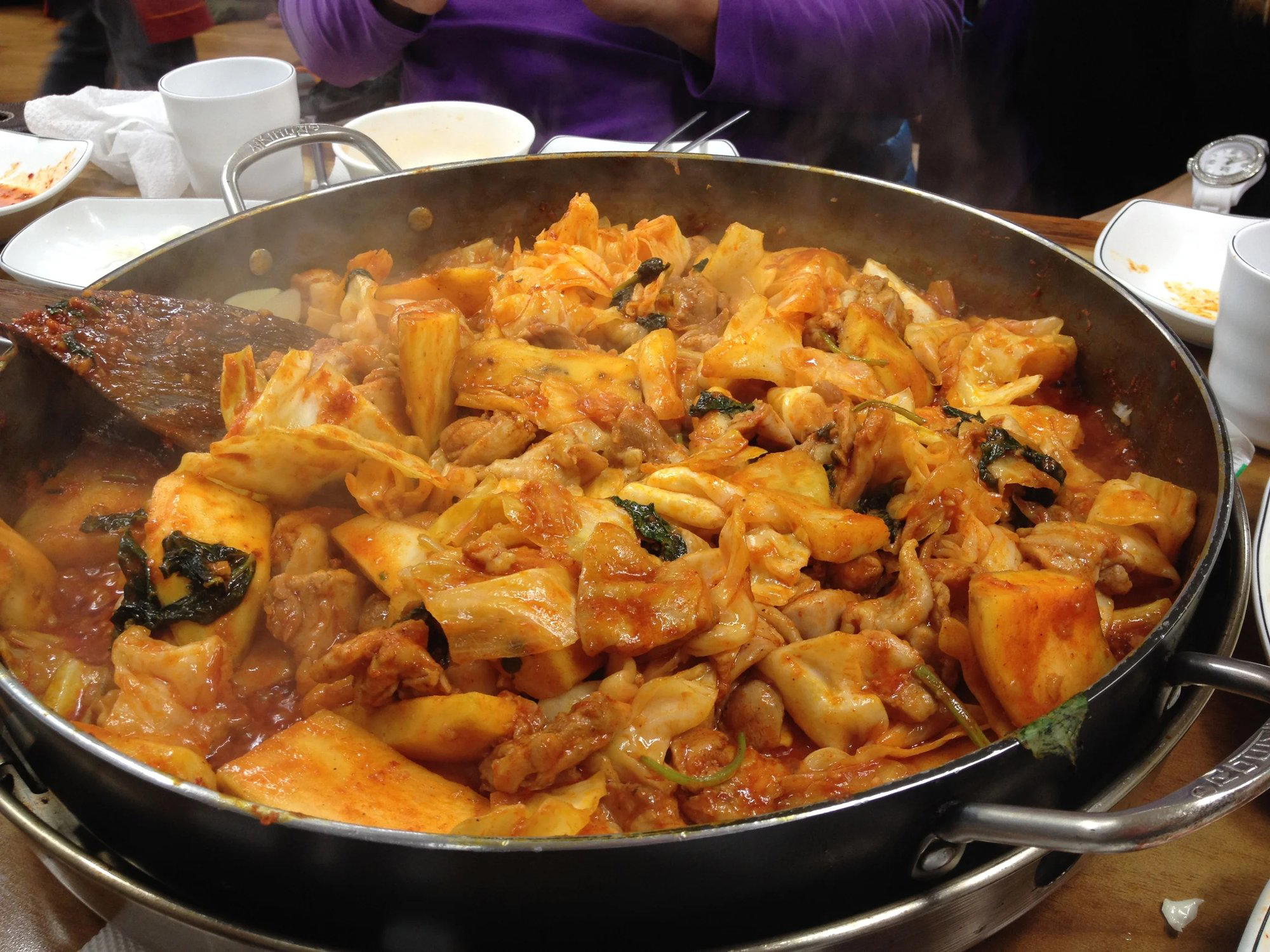
Where the Table Does the Work
In Seoul's grill-restaurant culture, the table is not passive furniture. It is the cooking surface, the social anchor, and the timer for the meal. Dakgalbi, spicy stir-fried or grilled chicken marinated in gochujang-based sauce, belongs to a category of Korean dining where the process of cooking is inseparable from the act of eating. 오근내 닭갈비, located in Seoul, is a restaurant serving Chuncheon-style Iron Plate Dakgalbi at a casual price point of about $12 per person.
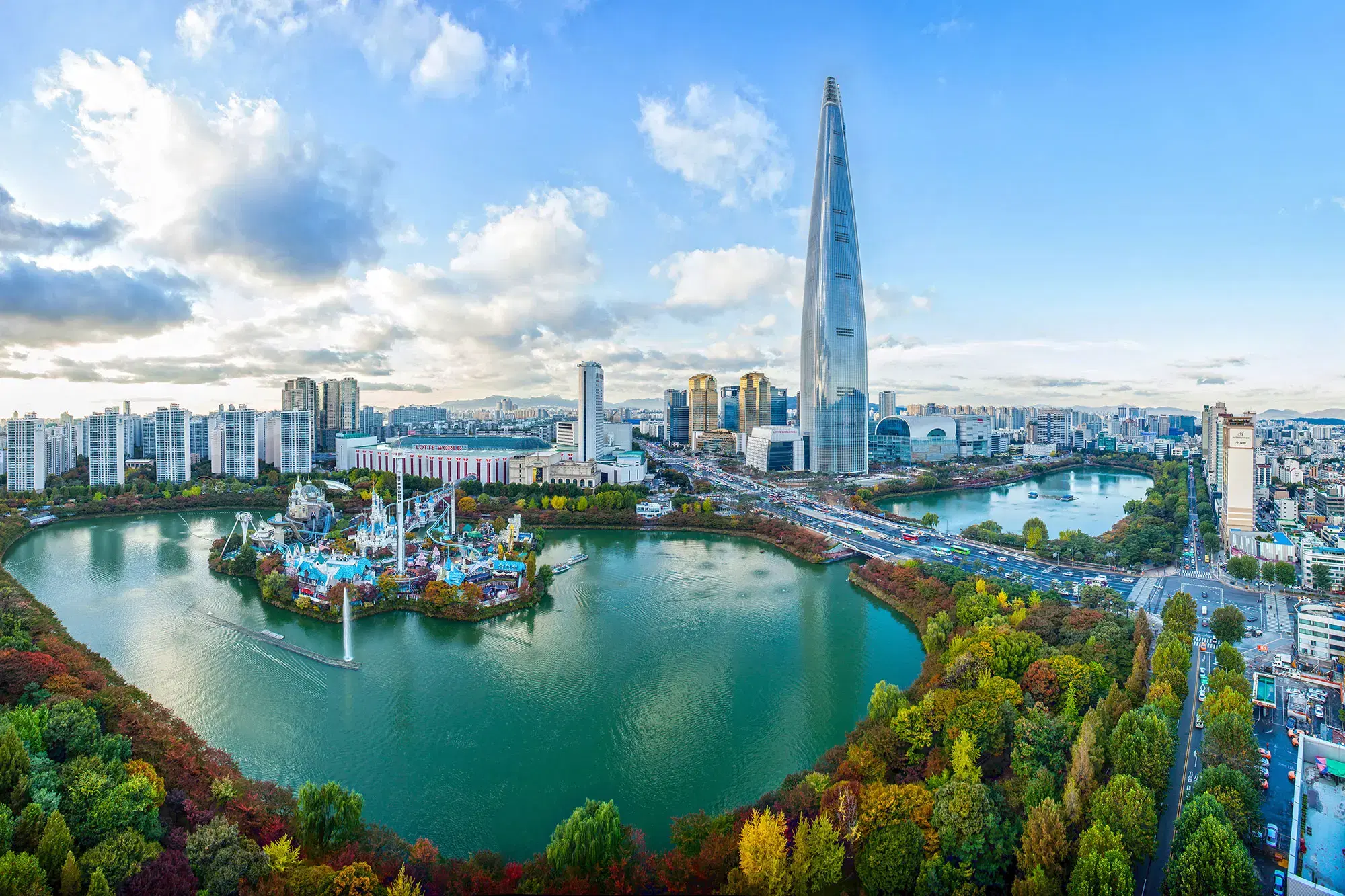
Yongsan sits between the Han River waterfront and the commercial density of central Seoul, and its Ichon sub-district carries a quieter residential character than the dining corridors of Itaewon or Mapo. That context matters: this is not a neighbourhood built around destination dining, which means venues here tend to earn their following through repetition and consistency rather than editorial attention. 오근내 닭갈비 fits that pattern, occupying a category of Seoul restaurant that exists primarily in the daily rhythms of its immediate community.
The Ritual of Dakgalbi
Across South Korea, dakgalbi has its most documented regional home in Chuncheon, the Gangwon Province city where the dish is said to have been commercialised in the 1960s as an affordable alternative to pork and beef. The Chuncheon version, marinated chicken, sweet potato, cabbage, and rice cake cooked together on a cast-iron griddle, became a national format that Seoul's grill restaurants have absorbed and adapted. What distinguishes a serious dakgalbi table from a casual one is the sequencing: the proteins and vegetables cook first in their sauce, and the meal conventionally closes with fried rice worked through the remaining caramelised marinade at the bottom of the pan. That final stage, known as bokkeum-bap, is where the meal earns its reputation among regulars.
The etiquette at a dakgalbi table is collaborative. Diners share a single cooking surface, take turns managing the heat and turning the ingredients, and eat from the pan rather than from individual plated portions. This is a dining format that resists solo visits and rewards groups of two or more. The rhythm of the meal is slower than it appears from the outside: the cooking phase can run fifteen to twenty minutes before the food is ready, and the transition to fried rice extends it further. Visitors who arrive expecting the pace of a Western service model will need to reset their expectations.
Venues like Mingles, Jungsik, and Kwonsooksoo represent the tasting-menu and contemporary Korean end of the spectrum, while 오근내 닭갈비 sits firmly in the everyday, neighbourhood-anchored tier. Both ends of that range are valid Seoul dining, and understanding the difference is part of reading the city's food culture accurately. Innovative formats at Soigné and alla prima represent yet another register entirely.
Grill Culture Beyond Seoul
Dakgalbi is one current within a much broader Korean grill tradition that extends across the peninsula. Jeju Island's black pork barbecue at venues like Black Pork BBQ in Seogwipo and 88돼지 in Jeju City represents a geographically specific strain of the same communal cooking impulse, built around a breed of pig raised exclusively on the island. In Suwon, galbi has its own regional identity at addresses like Gobojeong Galbi and Doosoogobang, where the city's short-rib tradition draws visitors specifically for the format. Mori in Busan and Dining Room in Busan show how Korea's second city handles its own grill and contemporary dining registers. These regional variations are worth mapping if you are building an itinerary around Korean grill culture rather than treating it as a single monolithic category.
Elsewhere in Korea's broader dining picture, Hwangnam Bread and Busan Steamed Bun in Gyeongju, Gyeongju Wonjo Kongguk, Hinode in Seogwipo, and Badang Lounge in Jeju each illustrate how regional specificity operates at different price points and in different formats across the country.
Atomix in New York City has brought a refined tasting-menu interpretation of Korean flavour systems to international audiences, operating at the Le Bernardin in New York City sits in a different cuisine category entirely but represents the kind of sustained, multi-decade critical recognition that Seoul's own fine dining tier, through venues like Mingles and Jungsik, has begun to approach in its own culinary tradition.
Ichon as a Dining Address
Ichon-dong's dining character is shaped by its demographics. The area has historically housed a significant Japanese expatriate community, which has given the neighbourhood a quiet density of Japanese-style restaurants and izakayas sitting alongside Korean everyday dining. For a visitor, the address is in Ichon, Seoul, near Ichon Station on Lines 1 and 4. The residential streets around Ichon station (Lines 1 and 4, with interchange access) make the area direct to reach from most central Seoul points without navigating the congestion of Itaewon or Hongdae.
Know Before You Go
- Address: 용산구 이촌로29길 15, 한강로동, Seoul
- Nearest Station: Ichon Station (Seoul Metro Lines 1 and 4)
- Format: Communal grill table; dakgalbi cooked at the table
- Group Size: Well suited for two or more diners
- Phone / Website: walk-in friendly
- Booking: walk-in friendly
- Price Range: about $12 per person
Recognition Snapshot
Comparable venues nearby, for context on price, style, and recognition.
| Venue | Cuisine | Price | Notes |
|---|---|---|---|
| 오근내 닭갈비This venue — the venue you are viewing | Chuncheon-style Iron Plate Dakgalbi | $$ | Not listed |
| Miro Sikdang | Modern Korean Pub Classics | $$ | 연남동 |
| ë§í 르 | korean | Not listed | 압구정동 |
| Myeongdong Yeongyang Center | Traditional Korean Rotisserie Chicken & Samgyetang | $$ | Myeongdong |
| Jinju Jip | Traditional Korean Kongguksu & Noodle Soup | $$ | 용강동 |
| 할머니의 레시피 | Refined Korean Home-Style Cuisine | $$ | Seongsu-dong |
Continue exploring
More in Seoul
Restaurants in Seoul
Browse all →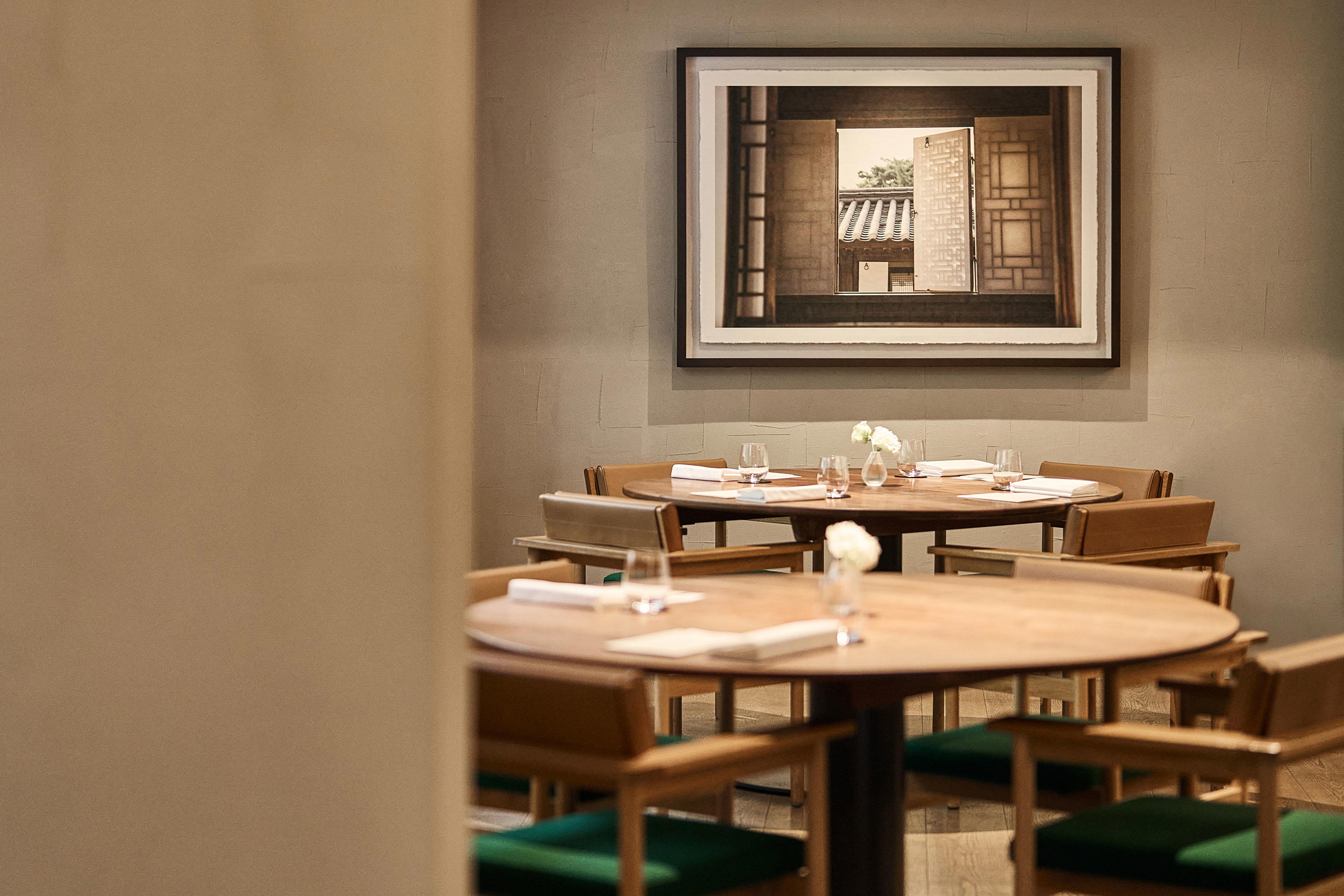
At a Glance
- Lively
- Cozy
- Group Dining
- Casual Hangout
- Open Kitchen
- Beer Program
- Local Sourcing
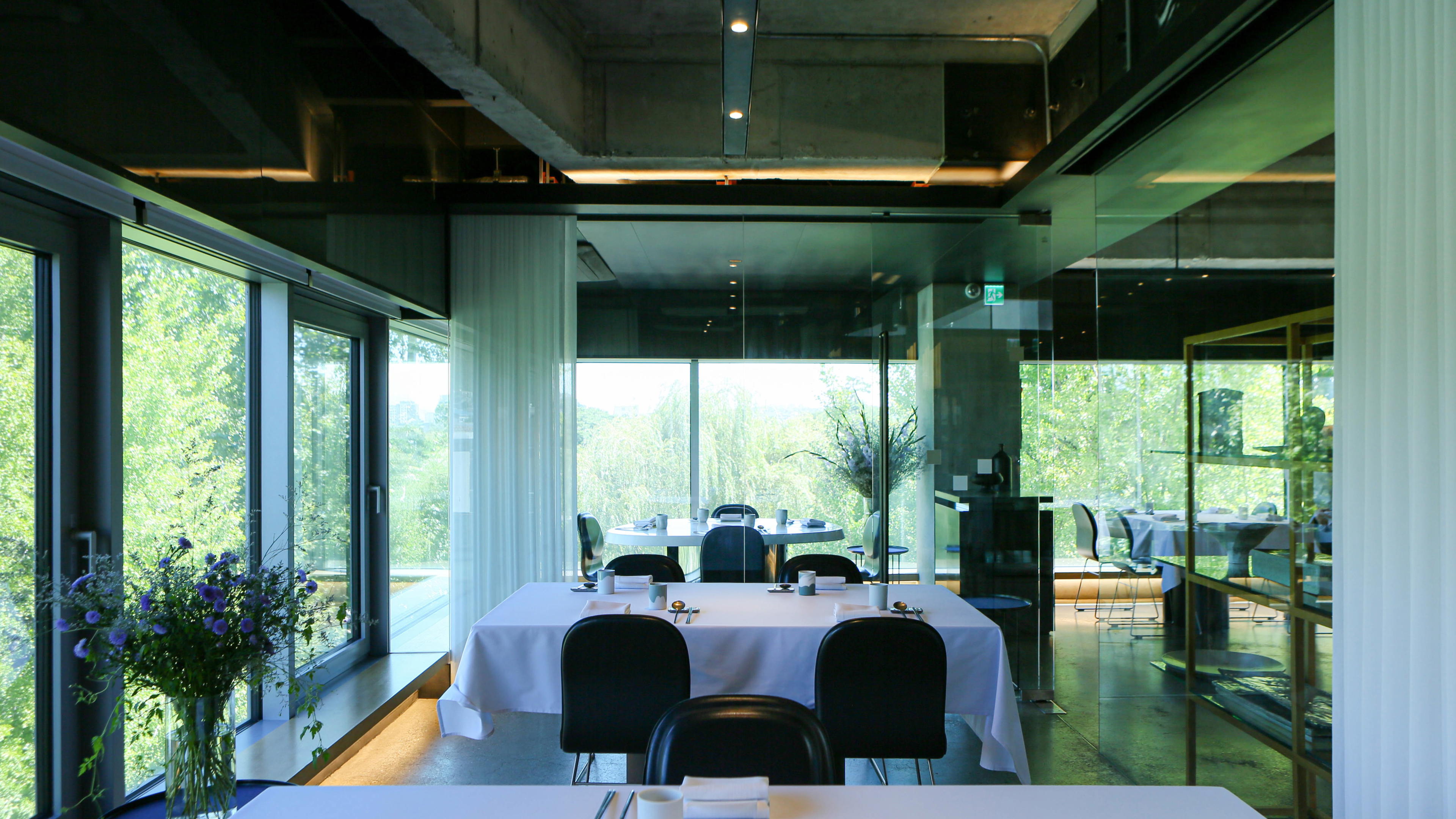
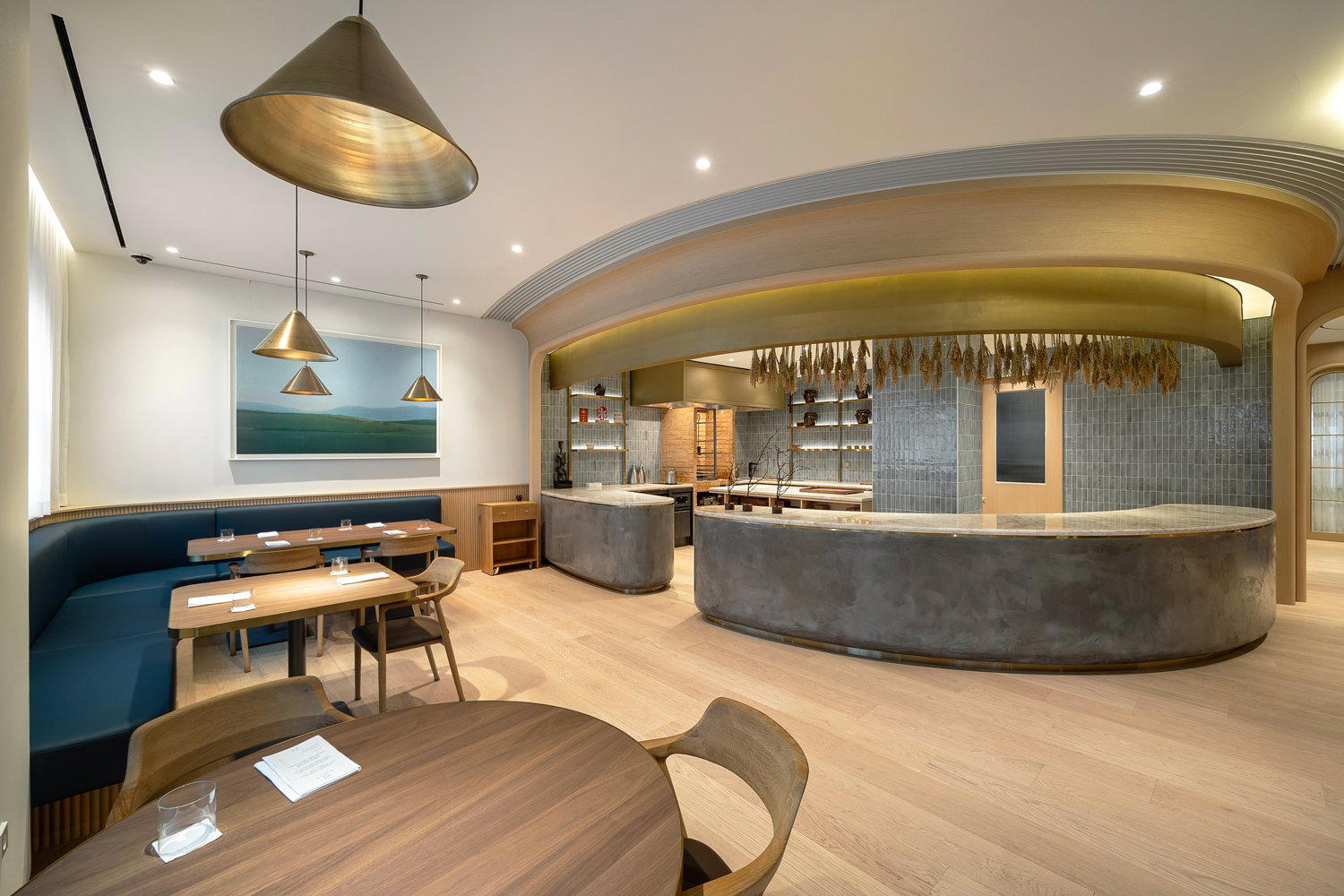
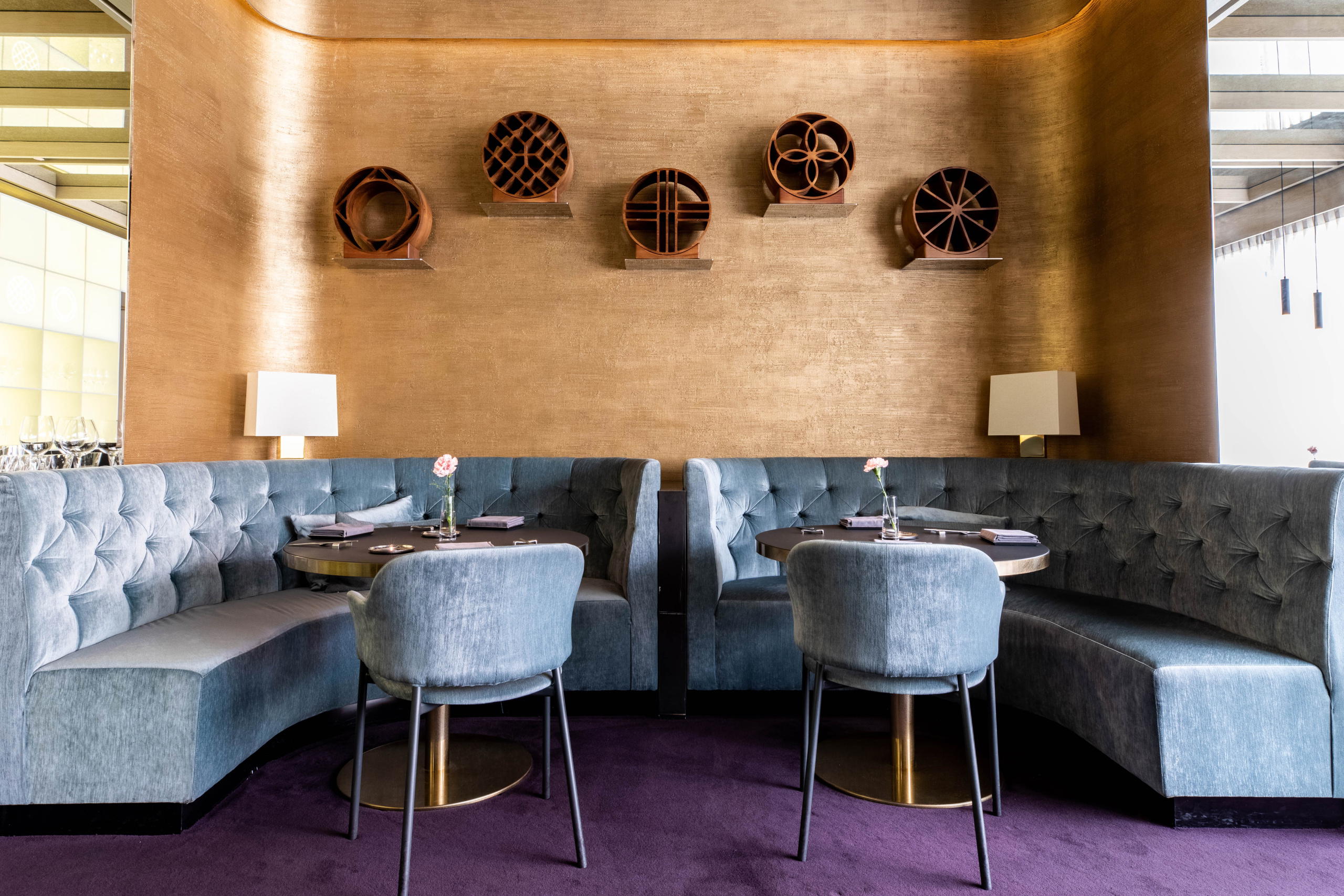
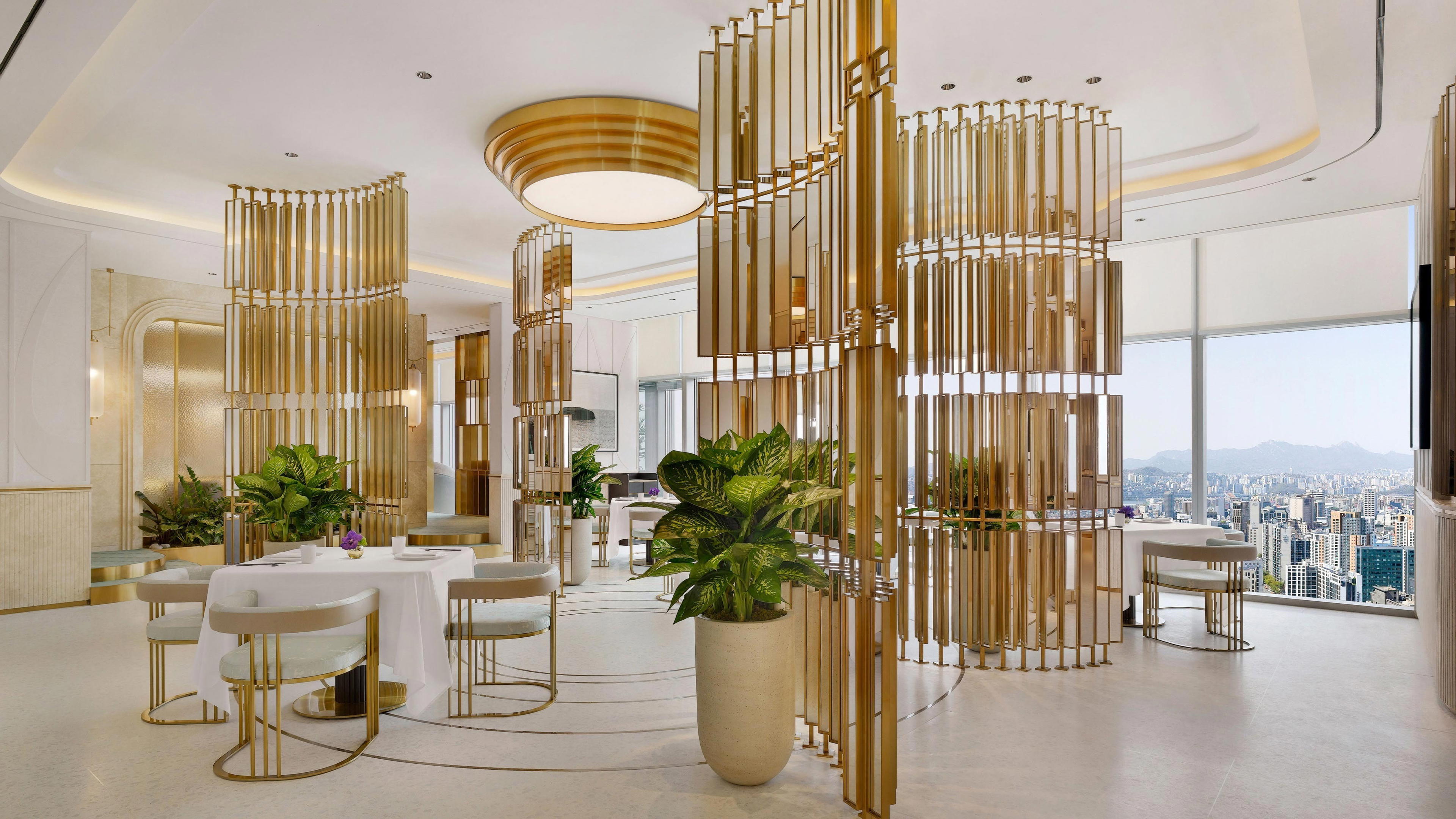
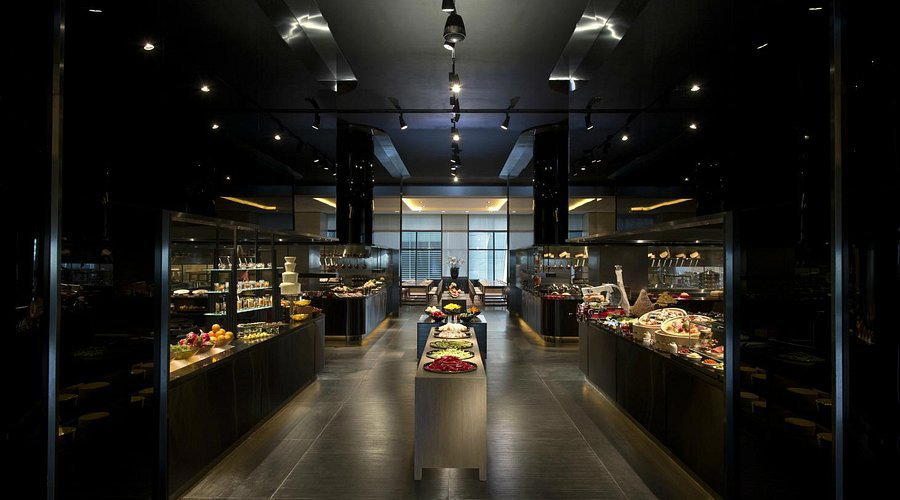
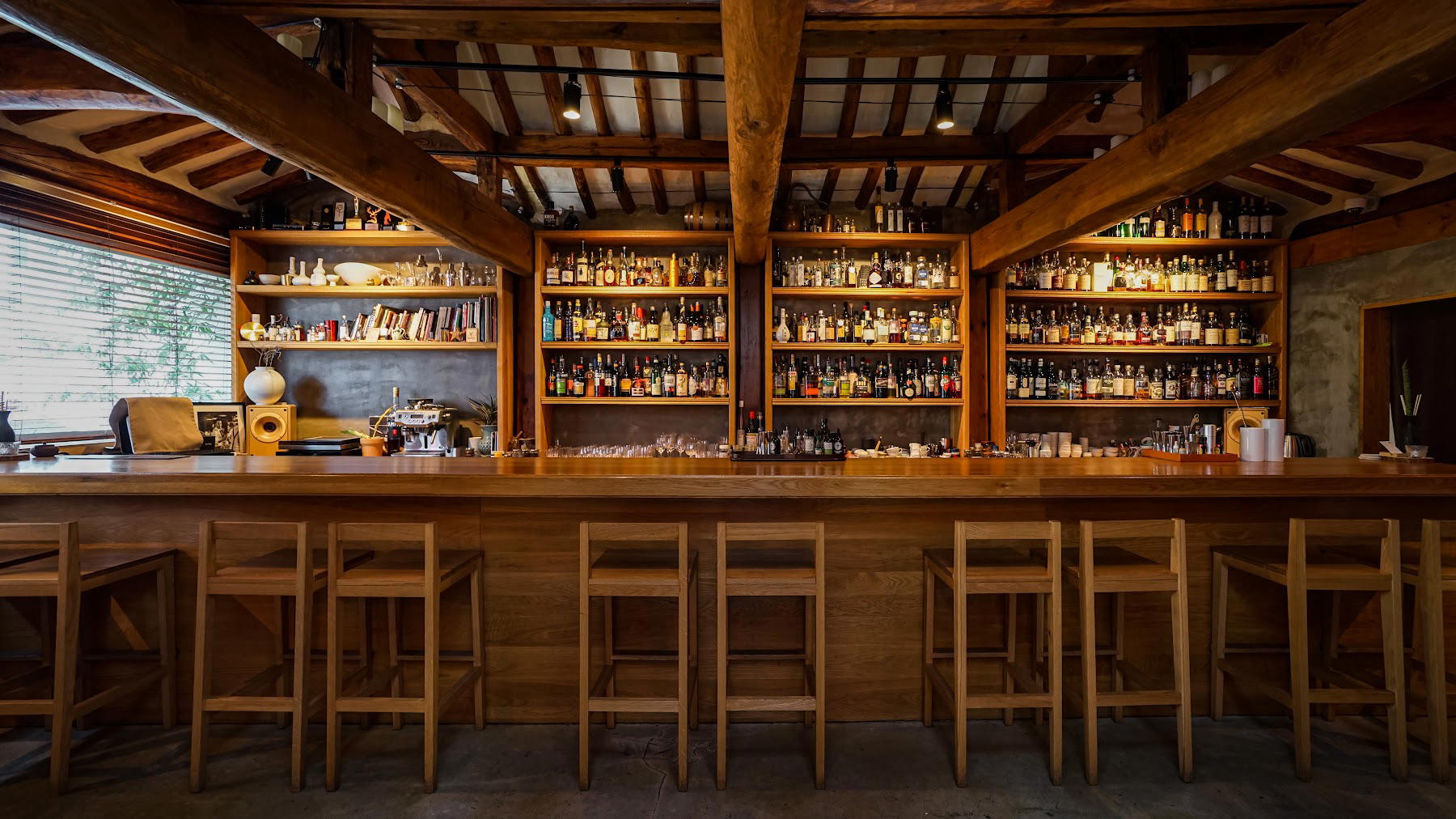
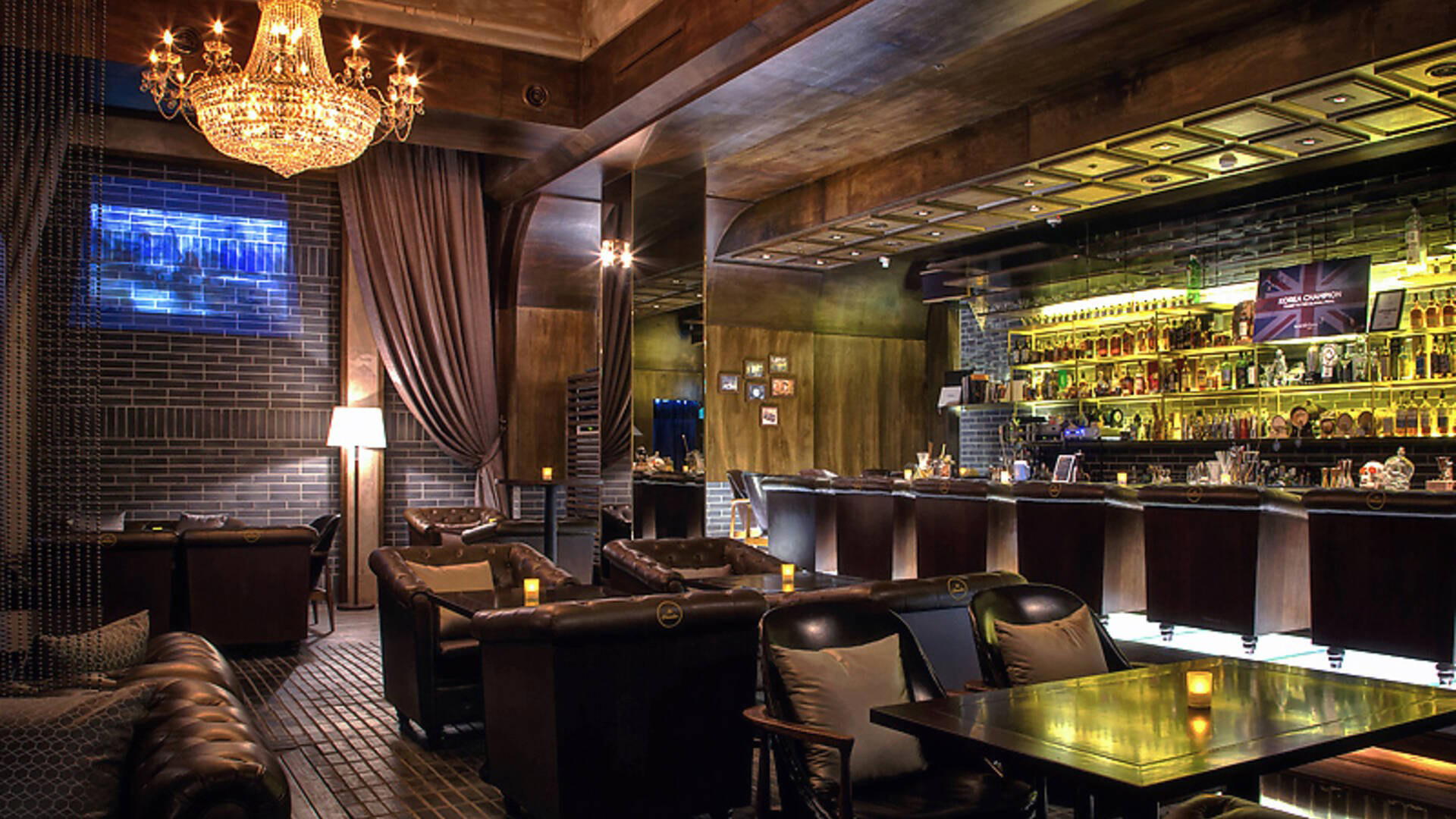
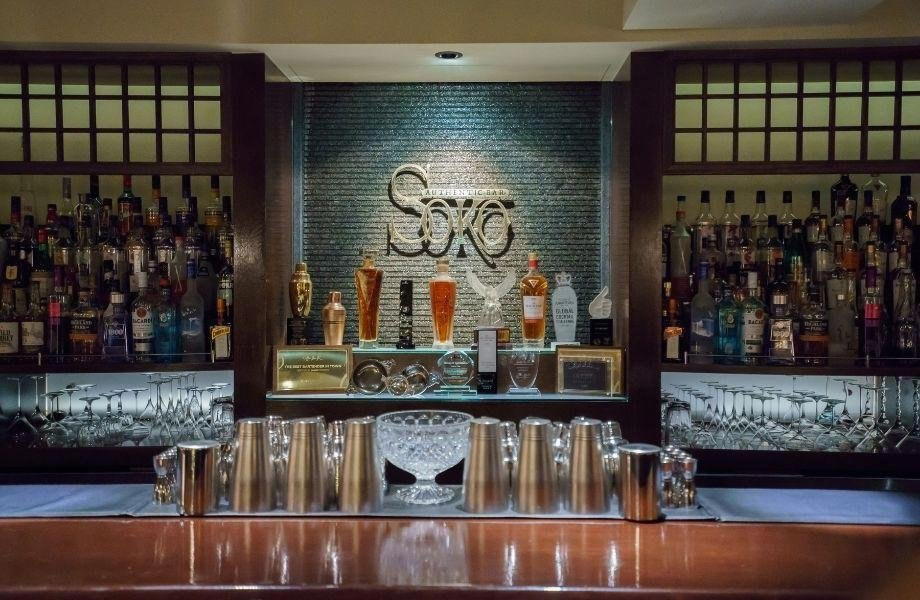
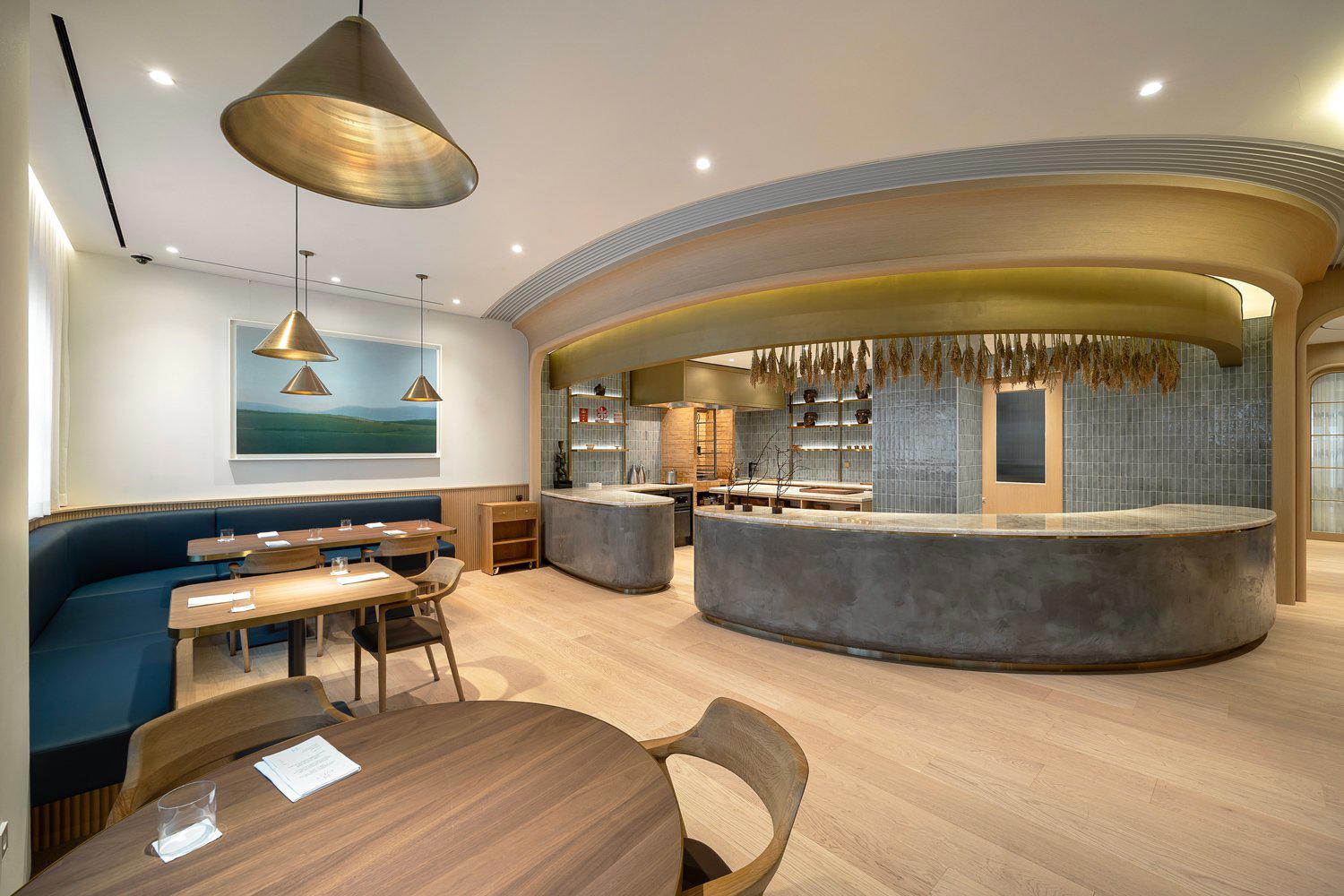
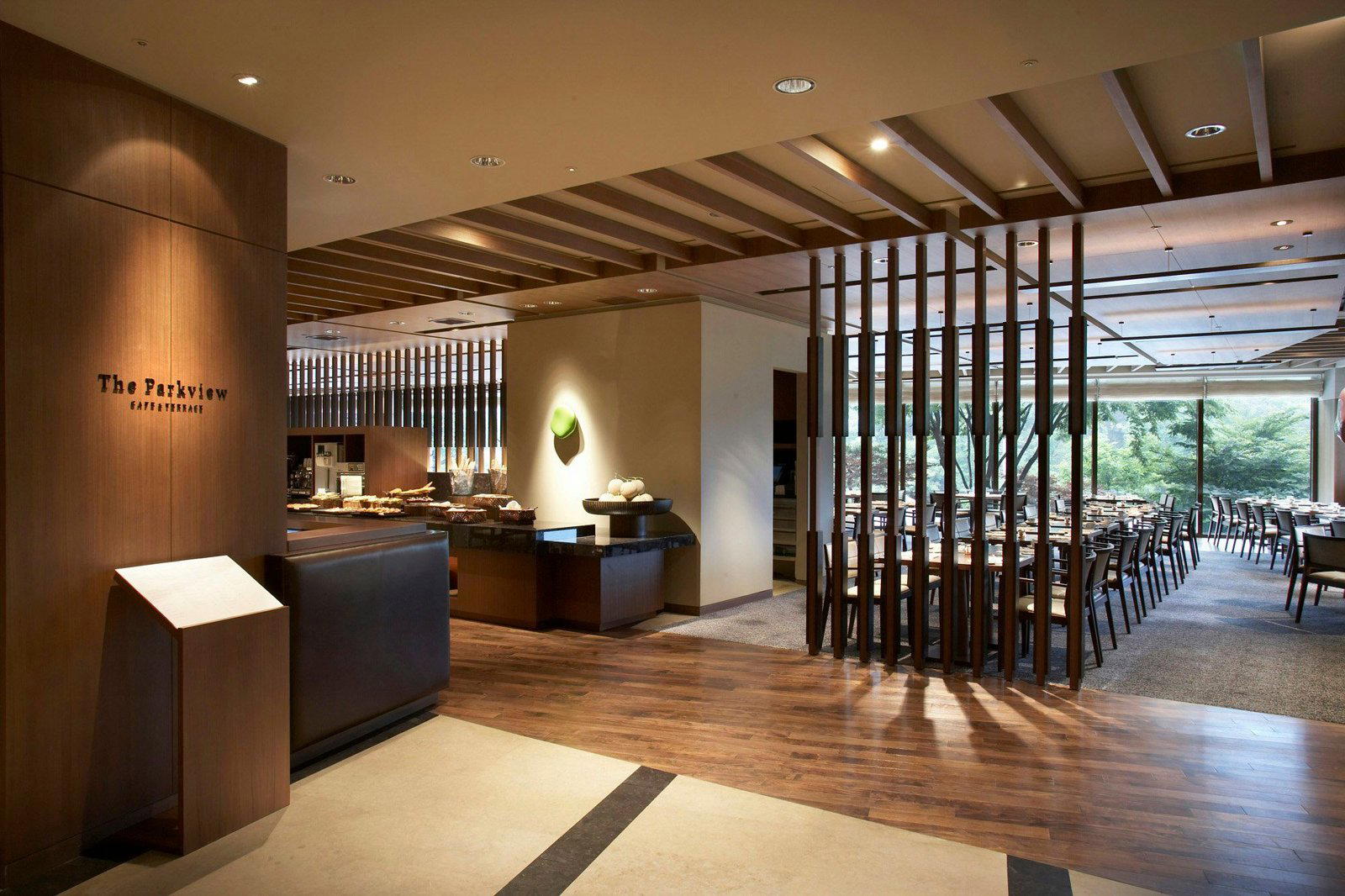
Casual and bustling atmosphere with hot iron griddles creating a warm, energetic dining experience amid the heat from cooking.