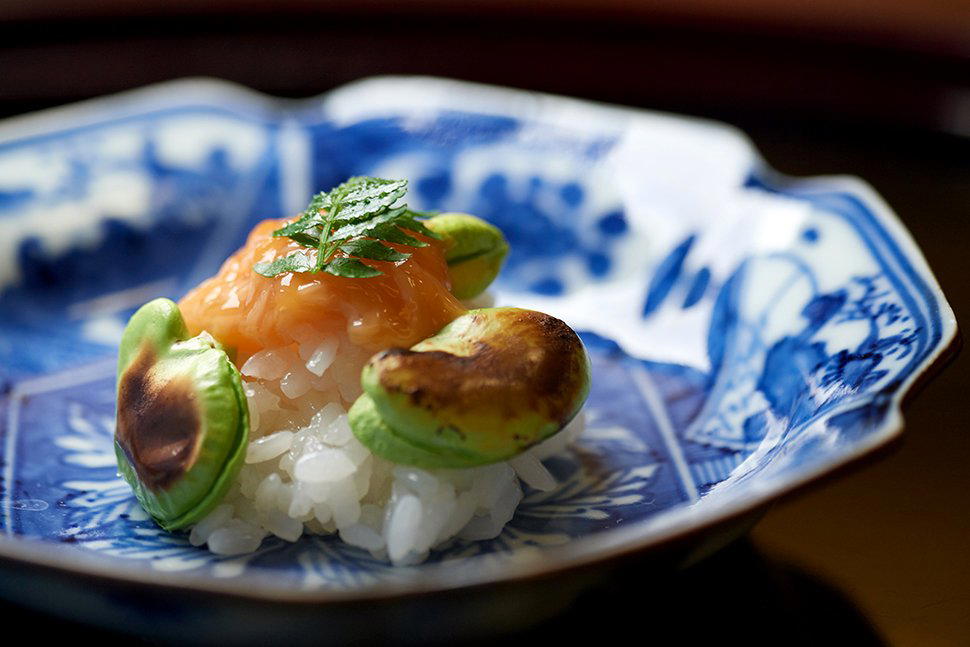
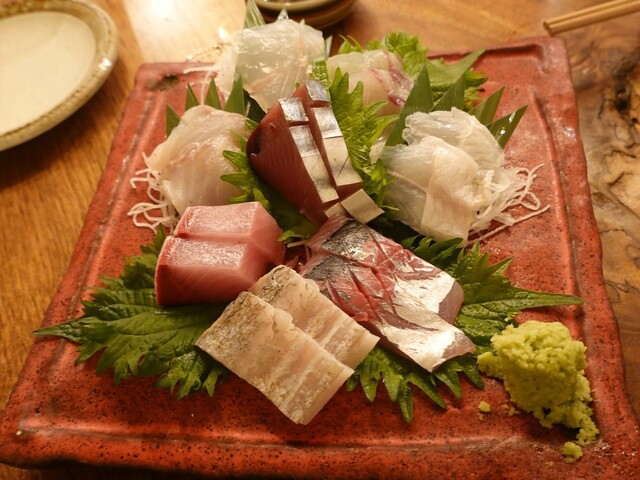
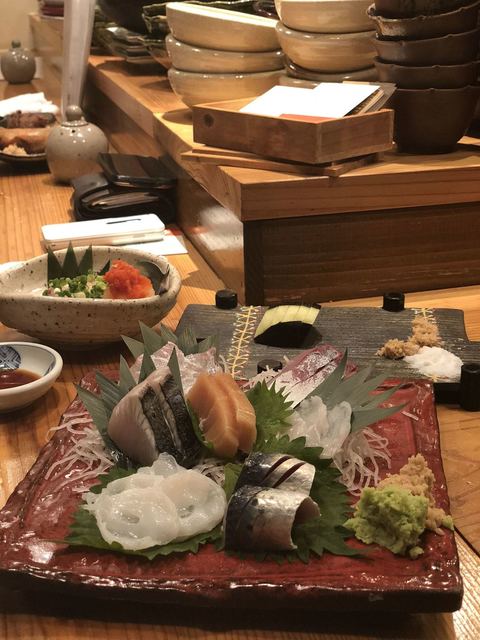
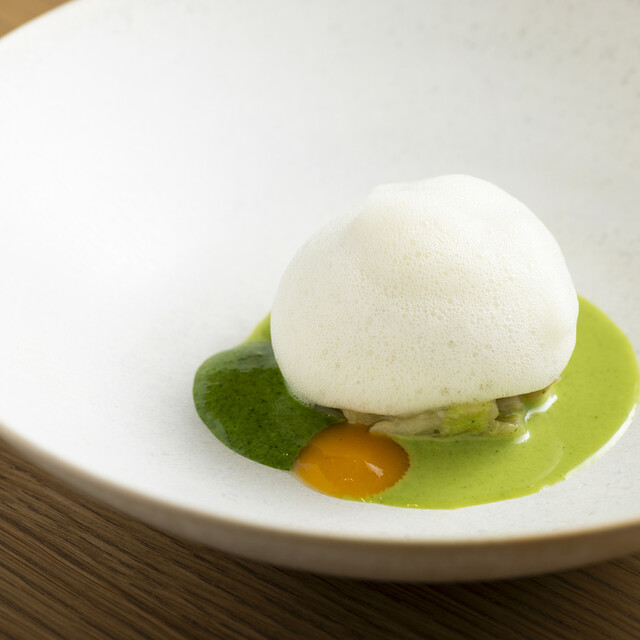
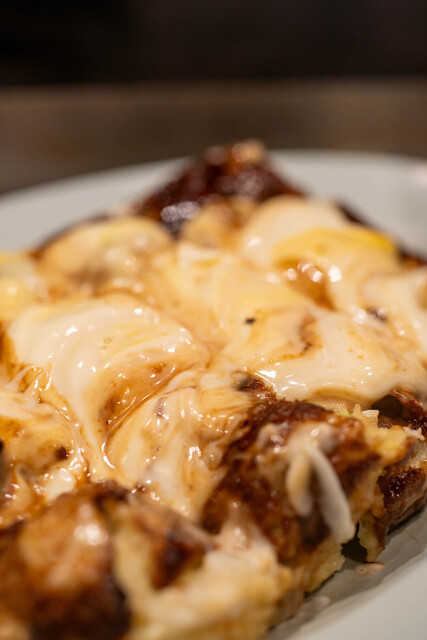
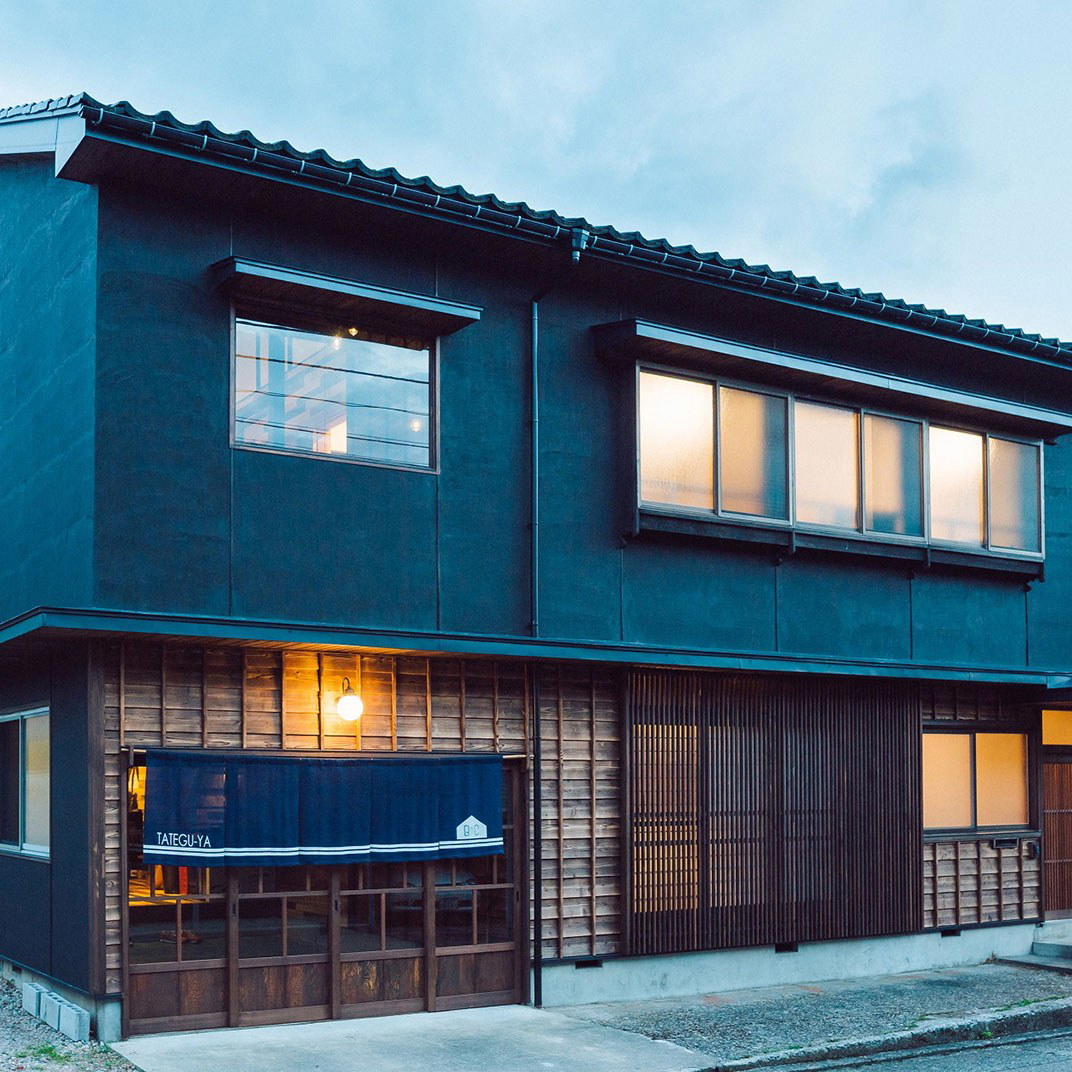
海老亭本館 sits in Toyama's Yasunoyacho district, drawing on the prefecture's celebrated seafood tradition, particularly its access to Toyama Bay's cold-water catches. The restaurant operates within a regional dining culture shaped by proximity to some of Japan's most productive coastal waters, placing it among Toyama addresses that treat local ingredients as the point rather than a backdrop.
Pearl is the En Primeur Club membership app — saves, bookings, and concierge access live there. Same editors, same standards.
- Address
- 2 Chome-4-10 Yasunoyacho, Toyama, 930-0087, Japan
- Phone
- +81 76-432-3181
- Website
- ebitei-bekkan.com
 Saves & bookings on Pearl
Toyama Bay on the Table
Toyama Prefecture has one of the more compelling arguments in Japan for ingredient-led dining. The bay that frames the city's coastal edge drops to depths of over 1,000 metres within a short distance of shore, producing cold-water conditions that yield white shrimp (shiro ebi), firefly squid (hotaru ika), and yellowtail (buri) of a quality that chefs in Tokyo and Osaka actively source from this region. In that context, a restaurant called 海老亭本館 carries an implicit statement of intent. The name aligns the kitchen with a specific product and, by extension, with a seafood culture that Toyama has spent decades building into a regional identity.
Toyama is not a city with the Michelin density of Kyoto or the starred concentration you find in Fukuoka, where Goh operates at the top of the regional fine-dining tier, but it sustains a serious dining scene organised around seasonal seafood protocols that predate most Western farm-to-table movements by centuries. The kaiseki tradition, practised in refined form at Kyoto addresses like Gion Sasaki, has its own coastal interpretation in Toyama, where the bowl and the plate are shaped more by what the bay offers than by any single school of technique.
The Address and Its Context
The restaurant sits at 2 Chome-4-10 Yasunoyacho, a residential-commercial area in central Toyama city. Yasunoyacho is the kind of district where serious local restaurants operate without the foot-traffic pressure of a tourist corridor, the clientele tends to be regulars and visitors who have done their research rather than passersby. This pattern is common across mid-sized Japanese cities: the restaurants worth finding are rarely the ones with visibility from the station or a conspicuous shopfront. Toyama's dining scene shares this structure with cities like Akita, where affetto akita operates in a similarly low-key urban frame, or Imabari, where Akakichi draws on Setouchi seafood traditions with comparable regional specificity.
Ebi-tei Bekkan and Ebitei Bekkan operate in apparent relation to the same naming lineage, suggesting a group structure or historical branching that is worth clarifying at the time of booking. Daimon, Boteyan, and Hagiwara round out a local comparable set that covers different registers of the city's dining offer.
Seafood Cuisine and Its Regional Logic
The cultural weight of prawn-focused dining in Toyama is not incidental. Shiro ebi, the translucent white shrimp found almost exclusively in Toyama Bay, has become one of the prefecture's defining culinary exports, appearing on menus from Osaka to Tokyo as a regional marker. A restaurant that positions itself around ebi (prawn) in this city is drawing on that specificity deliberately. The comparison with, say, a prawn-focused restaurant in a coastal city without Toyama Bay's conditions is not a flattering one for the latter: the product here is genuinely differentiated by geography, cold-water depth, and a short supply chain that most seafood cities cannot replicate.
This ingredient logic connects Toyama's dining culture to a broader Japanese tradition in which place and product are inseparable. The same principle operates at the highest levels of Japanese dining, at counters like Harutaka in Tokyo or in the ingredient obsession that drives kaiseki at addresses like HAJIME in Osaka, but it is expressed in Toyama at a more grounded, less ceremonially formal register. The prefecture's seafood restaurants, at their better end, treat the bay as both menu and argument.
Dining Practically in Toyama
Toyama city is accessible by Shinkansen from Tokyo (approximately 2 hours 10 minutes on the Hokuriku Shinkansen) and from Osaka or Nagoya via transfer, which has materially increased visitor traffic since the line's 2015 extension. That connectivity has not dramatically changed the character of the local dining scene, Toyama remains a city where residents and regional visitors outnumber tourists at most tables, but it has made the city a more realistic stop for food-focused travellers building itineraries through the Hokuriku region. Nara, with its own compelling dining address at akordu, and the Ashiya corridor, anchored by Abon, are natural reference points for travellers exploring this arc of central Honshu.
For 海老亭本館, direct contact with the restaurant or a hotel concierge is the practical approach. Arriving with a plan is advisable. The Yasunoyacho address is manageable by taxi or local bus from Toyama Station.
Seasonality shapes what Toyama seafood restaurants can offer at any given visit. Firefly squid season runs roughly March through May, with shiro ebi available spring through autumn. Buri (yellowtail) is a winter product, with the cold-water fish reaching peak condition between November and February. A visit timed to these windows will produce a materially different menu from an off-season stop, a consideration that applies across the prefecture's seafood-led restaurants and that serious visitors factor into their planning accordingly.
海老亭本館, operating in a city with one of the country's most distinctive seafood geographies, belongs to that pattern.
A Pricing-First Comparison
Comparable venues nearby, for context on price, style, and recognition.
| Venue | Cuisine | Price | Awards | Notes |
|---|---|---|---|---|
| 海老亭別館This venue — the venue you are viewing | , | , | ||
| Boteyan (ぼてやん多奈加) | $$ | , | Toyama Station area, Square Okonomiyaki Specialist | |
| 美乃鮨 | central Toyama, Toyama Omakase Sushi | $$$ | , | |
| Tachigui Sushi Jinjin | Dining | , | , | |
| å¨ä¹ å± | Toyama, japanese | , | , | |
| Yamazaki | Japanese | , | , |
Continue exploring