Our verdict
ラルブル sits in Akiruno, a quiet pocket of western Tokyo Prefecture where the Akigawa valley begins to assert itself against the urban edge. The address alone signals something deliberate: a restaurant that has chosen distance from the metropolitan dining circuit as an operating principle. For visitors tracking ingredient-driven cooking in greater Tokyo, it belongs on the itinerary alongside the capital's more conspicuous names.

Pearl is the En Primeur Club membership app — saves, bookings, and concierge access live there. Same editors, same standards.
- Address
- 490 Sannai, Akiruno, Tokyo 190-0162, Japan
- Phone
- 042-596-0068
- Hours
- Mon 12–3 PMTue–Thu ClosedFri–Sat 12–3:30 PM, 6–10 PMSun 12–3 PM, 6–10 PM
- Website
- larbretokyo.com
- Directions
- Get directions
- Booking
- Book on the venue's website
The menu
What to order
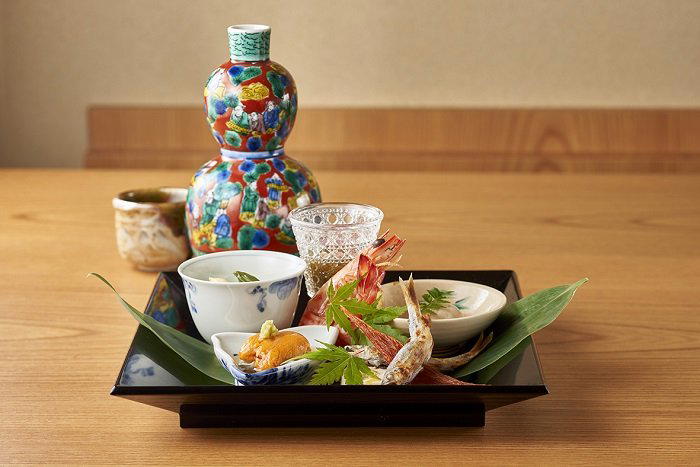
- Hinoki Maitake and Venison Stew with Taro Dumplings
- Edomae Tokyo Vegetables with Aburatsutsuno Shark
Where Tokyo's Western Fringe Meets the Table
Akiruno occupies an ambiguous position in the Tokyo metropolitan imagination. Administratively part of the prefecture, it sits roughly 40 kilometres west of the Yamanote Line, where commuter density gives way to forested river valleys and agricultural plots that still supply serious kitchens. The Akigawa river corridor has long provided mountain vegetables, freshwater fish, and the kind of micro-climatic conditions that make local sourcing genuinely meaningful rather than decorative. Restaurants that have chosen this ground tend to be making a statement about proximity to supply, not proximity to foot traffic. Our full Akiruno restaurants guide maps how this western corridor has developed its own quiet dining identity, distinct from the Michelin-dense blocks of Ginza or Nishi-Azabu.
The Approach to ラルブル
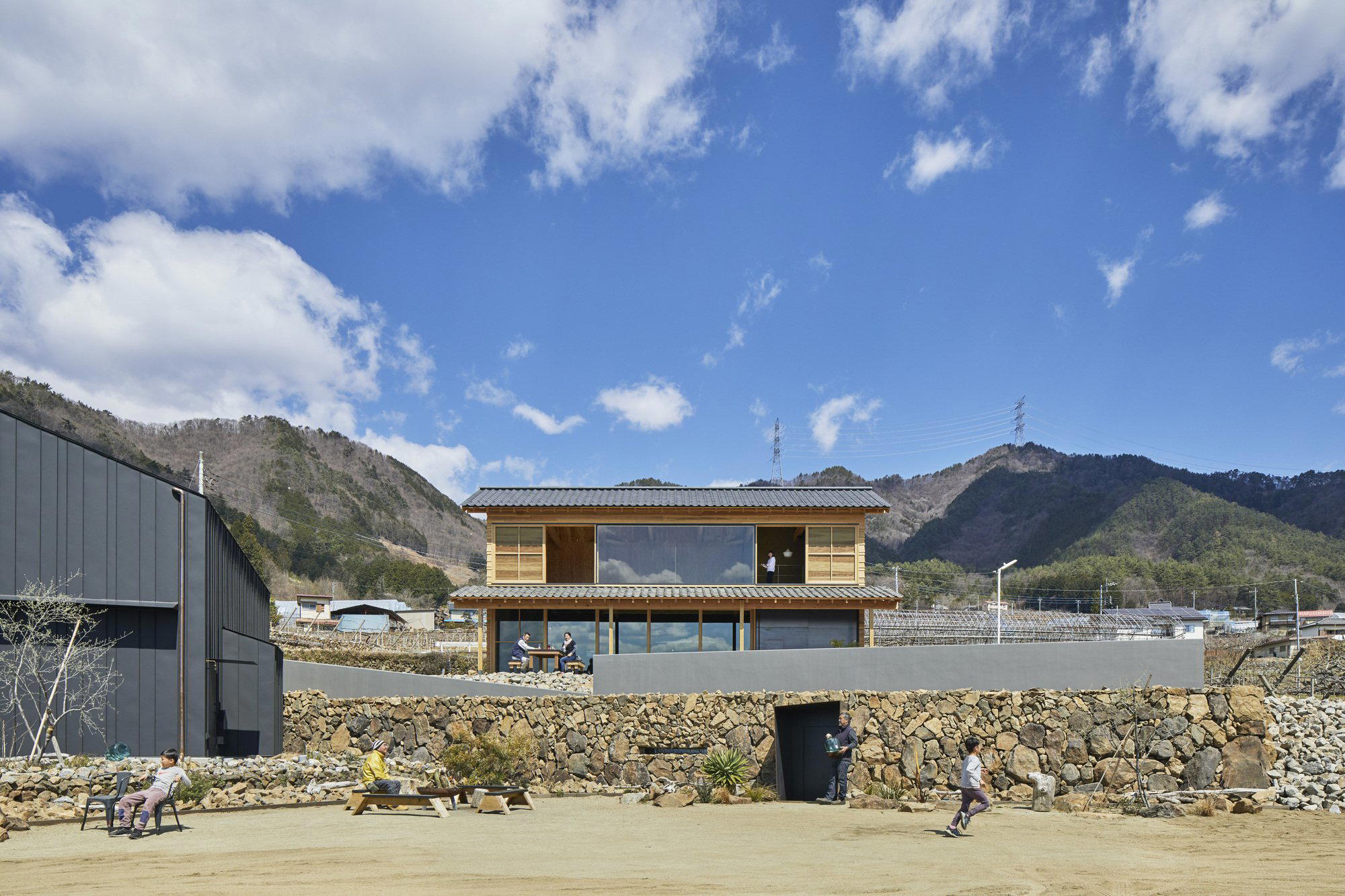
The address, 490 Sannai, places ラルブル in a residential stretch of Akiruno that requires purpose to reach. There is no ambient foot traffic here, no cluster of competing restaurants drawing a crowd and feeding walk-ins. Arriving by local train from Hachioji or Tachikawa and then by taxi or on foot through quiet residential lanes, the journey itself acts as a filter. The physical environment on approach is the opposite of urban spectacle: low rooflines, unmanicured greenery, the occasional sound of water. That setting is not incidental. Restaurants in this tier of rural-adjacent Tokyo deliberately use the approach as part of the experience, calibrating the guest's expectations before a plate arrives. It is a pattern visible at comparable destination addresses elsewhere in Japan, where distance from city infrastructure functions as a form of editorial positioning.
Ingredient Sourcing as the Central Argument
In Japanese destination dining outside major urban centres, the sourcing argument is almost always the structural justification for the location. Why travel 40 minutes beyond the last major interchange? Because what comes out of the kitchen can only be assembled here, or assembled leading here. This is the logic that drives a recognisable tier of rural-adjacent restaurants across the country, from the forested outskirts of Kyoto to the mountain towns of Nagano prefecture. Akiruno's western Tokyo position gives access to produce corridors that metropolitan kitchens cannot replicate with the same freshness windows. Mountain vegetables harvested in the Okutama foothills, river-caught ingredients from the Tama and Akigawa systems, and small-farm supply chains that function at volumes too modest to serve a restaurant in Shibuya or Roppongi — these are the inputs that define what a kitchen in this location can actually do.
That sourcing logic connects ラルブル, by geography and operating principle, to a cohort of Japan's most discussed destination tables. Gion Sasaki in Kyoto has long argued the primacy of seasonal Kyoto produce within a kaiseki framework. akordu in Nara works the Yamato tradition through a European lens, using the agricultural depth of the Yamato basin as its primary ingredient argument. Even in Osaka, HAJIME has built its reputation on treating ingredient provenance as intellectual architecture rather than menu footnote. The common thread across these restaurants — and the standard against which a destination address in Akiruno would naturally be assessed, is that location and sourcing must justify each other.
The Dining Room and Format
The name ラルブル, a transliteration of the French word for tree, suggests European influence filtered through Japanese sensibility, a format that has become a coherent category in greater Tokyo dining. It places the restaurant in a lineage that includes French-Japanese kitchens where the Western culinary structure provides the grammar but the vocabulary is entirely local. That positioning carries specific implications for format and pace. Restaurants in this hybrid tier typically operate on a fixed menu, often counter or small-room, where the kitchen's sourcing decisions dictate the evening rather than a static carte.
For context on how this format operates at peer level in Japan's urban centres, Harutaka in Tokyo and Goh in Fukuoka both demonstrate how small-seat, high-intention formats sustain themselves through repeat clientele and advance booking rather than new-guest volume. The same economics apply in Akiruno, amplified by the location's self-selecting guest pool.
Reading ラルブル Against the Wider Tokyo Dining Circuit
Tokyo's high-end dining scene has evolved into distinct tiers by geography. The innermost tier, Ginza, Azabudai, Nishi-Azabu, concentrates award-holding restaurants within walking distance of luxury hotels and corporate expense accounts. A second ring, covering areas like Nakameguro, Yoyogi-Uehara, and Koenji, houses the city's more conceptually restless mid-tier. Beyond that, the western and northern prefectural edges hold a small number of destination restaurants that operate outside the review cycle that governs inner-city recognition. This outermost category is where ラルブル sits, which means it competes on terms that metropolitan critics measure imperfectly: sourcing depth, relationship to landscape, and the coherence of the overall visit rather than the brilliance of a single dish.
For comparison, international precedents for this format include Le Bernardin in New York City, which built a sourcing argument around seafood provenance that shaped an entire category, and Atomix in New York City, which uses Korean ingredient logic within a tasting format to similar critical effect. The sourcing-as-argument framework is not uniquely Japanese, but Japan's network of rural-adjacent destination restaurants has developed it with particular consistency.
Planning Your Visit
Reaching ラルブル at 490 Sannai, Akiruno, Tokyo 190-0162, requires planning that most Tokyo restaurant visits do not. From central Tokyo, the most practical route combines JR or Keio rail to Hachioji or Musashi-Itsukaichi station, followed by taxi or local bus into the Sannai district. Journey time from Shinjuku runs approximately 60 to 75 minutes depending on connection. Given the location and the format implied by a destination address of this type, advance booking is the baseline assumption rather than an option. The Akiruno dining guide includes additional logistical notes for visitors combining this area with the Okutama region. Those making a broader sweep of destination dining in Japan's quieter prefectural pockets may find useful parallels at 湖畔荘 in Takashima or 庄羽屋 in Nishikawa Machi, both of which operate within a comparable rural-destination logic.
Frequently asked questions
Can I bring kids to ラルブル?
That said, ラルブル sits in a residential stretch of Akiruno requiring deliberate travel from central Tokyo, and its French-inflected format suggests a pace and setting oriented toward adults. Contacting the restaurant directly before booking with young children is advisable.
What is the atmosphere like at ラルブル?
The address at 490 Sannai places ラルブル in a quiet residential area of Akiruno with no surrounding commercial activity, which shapes the tone before you even enter. The French word embedded in the name points toward a composed, European-influenced register filtered through Japanese sensibility — considered and unhurried rather than energetic. The location itself signals that the room does the work the neighbourhood does not.
Is ラルブル worth the journey from central Tokyo for a first-time visitor?
That depends on what you are looking for. ラルブル in Akiruno sits roughly 40 kilometres from central Tokyo, placing it firmly in destination-dining territory rather than a casual addition to an itinerary. Restaurants in this position typically justify the distance through sourcing specificity or a format unavailable closer to the city — a logic that applies strongly to the Akiruno area, where proximity to agricultural supply chains in western Tokyo prefecture shapes what chefs can put on the table. First-time visitors to Tokyo with limited days would be better served confirming the current format directly before committing the travel time.
What do regulars order at ラルブル?
Given its position as a destination restaurant in Akiruno and the French-Japanese framing the name implies, the format is likely built around a set course rather than à la carte selection. Reaching out directly will confirm current offerings.
Where is ラルブル in Akiruno?
ラルブル is located at 490 Sannai, Akiruno, Tokyo 190-0162, Japan, Akiruno.
Should I book ラルブル in advance?
Yes. ラルブル is a destination restaurant in Akiruno, roughly 40 kilometres west of central Tokyo, which means diners are making a committed journey rather than a spontaneous visit. Restaurants operating on this model and at this remove from the city typically run at or near capacity on any given service. Booking well ahead is the practical approach.
What is ラルブル known for?
ラルブル is known for its position as a deliberate out-of-city dining destination in Akiruno, on Tokyo's western fringe, where the remoteness is part of the proposition rather than an obstacle. The name, a transliteration of the French word for tree, signals a European culinary framework interpreted through Japanese standards of sourcing and precision. It sits in a category of Tokyo-area restaurants where geography and ingredient provenance are central to the dining argument.
Quick Comparison
Comparable venues nearby, for context on price, style, and recognition.
| Venue | Cuisine | Price | Awards | Notes |
|---|---|---|---|---|
| ラルブルThis venue — the venue you are viewing | Tokyo Terroir French Cuisine | $50–100 | Not listed | Not listed |
| The French Kitchen (フレンチ キッチン) | Classic French Bistro | $50–100 | Not listed | Roppongi |
| ル・ボークープ | Seasonal French Bistro | $100–150 | Not listed | Shibuya |
| Iizaka | French with Seasonal Japanese Ingredients | Not listed | Not listed | Shinjuku |
| クラージュ | Modern French with Japanese Ingredients | $100–150 | Michelin Plate | Minato |
| A New Trulve V | French Fine Dining | Not listed | Not listed | Shibuya |
Continue exploring
More in Akiruno
Restaurants in Akiruno
Browse all →
Bars in Akiruno
Browse all →
Hotels in Akiruno
Browse all →
Wineries in Akiruno
Browse all →
Details
- Elegant
- Romantic
- Classic
- Scenic
- Date Night
- Special Occasion
- Historic Building
- Open Kitchen
- Garden
- Design Destination
- Farm To Table
- Local Sourcing
- Organic
- Garden
- Tasting Menu
- A La Carte
- Organic Focus
Current opening hours
- Monday
- 12–3 PM
- Tuesday
- Closed
- Wednesday
- Closed
- Thursday
- Closed
- Friday
- 12–3:30 PM, 6–10 PM
- Saturday
- 12–3:30 PM, 6–10 PM
- Sunday
- 12–3 PM, 6–10 PM
Hours can change for holidays and private events. Last verified .
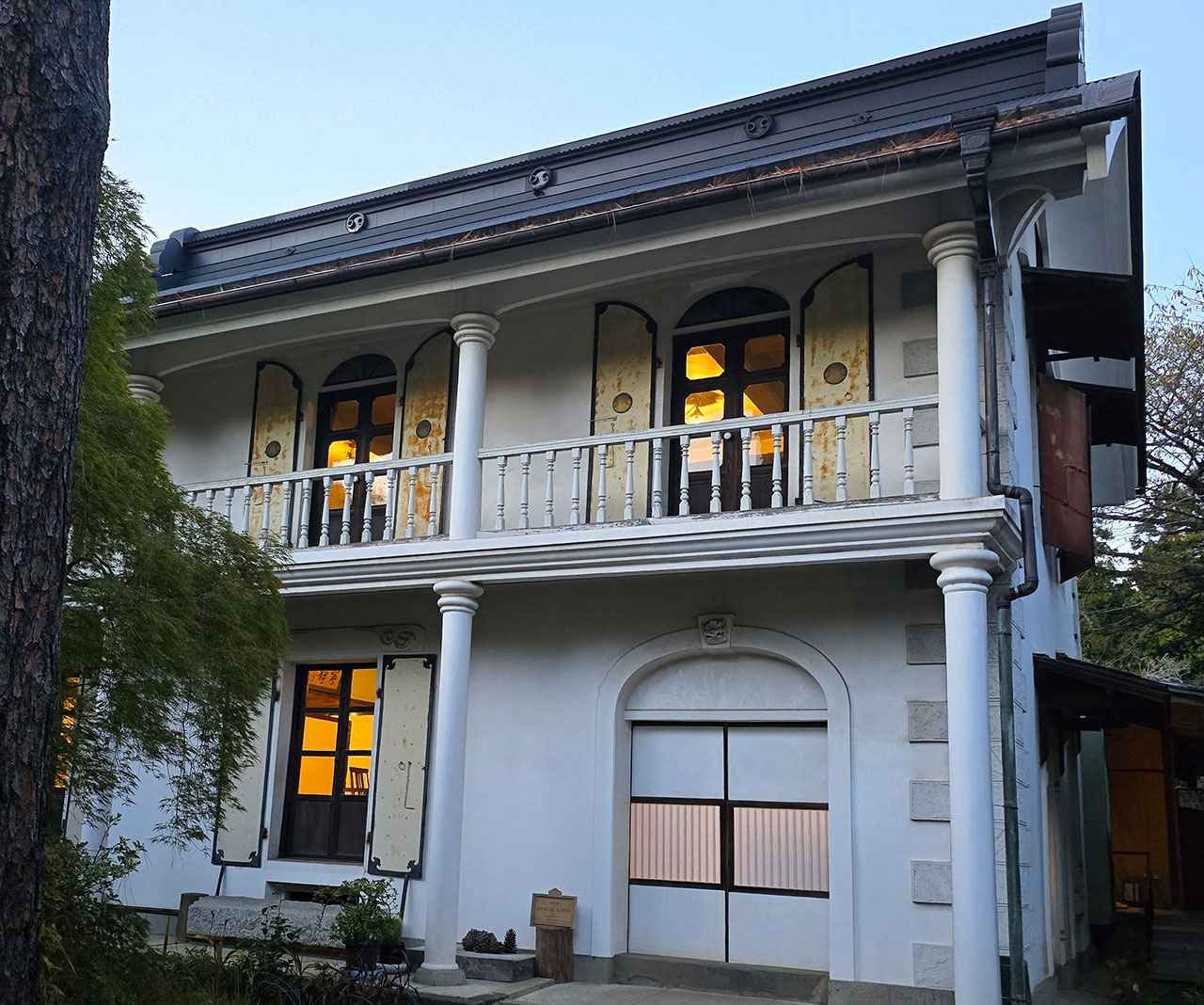
Historic Meiji-period mansion with refined, intimate atmosphere in a nature-rich setting at the entrance to Akikawa Gorge.