
Tabelog 100 #83
Our verdict
Kiichi places Ashiya sushi in a small-counter register: precise, ritual-led, and anchored by fish and sake rather than spectacle. Its Tabelog Sushi WEST 100 selection in 2025, along with earlier selections in 2021 and 2022, gives it a clear trust signal within western Japan’s sushi field.

Pearl is the En Primeur Club membership app, where members save venues, book tables and use the concierge.
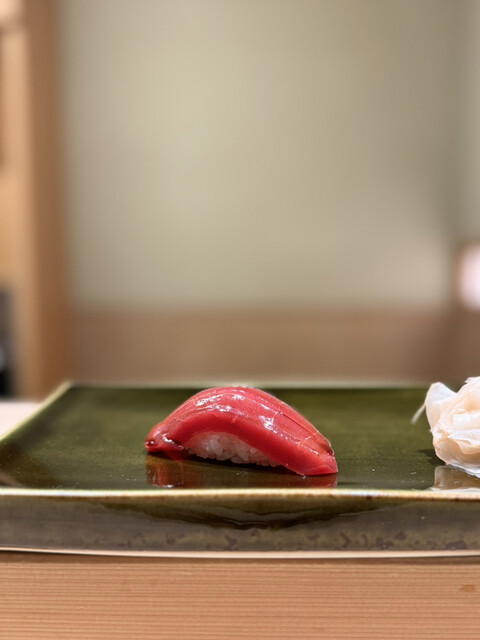
The menu
What to order
- Sushi course menu
- Seasonal nigiri omakase
Approaching a serious sushi counter in Ashiya is different from arriving at one in a larger dining district. The tempo is quieter, the room smaller, and the ritual depends less on theater than on control: when to speak, when to watch, when to let the sequence move. Kiichi belongs to that register. The counter format makes the meal feel close-range, with attention on the rhythm between rice, fish, and the next piece rather than on a parade of luxury ingredients.
Ashiya’s dining culture has long sat between Kobe polish and Osaka appetite, with a residential confidence that suits compact specialist restaurants. In that context, sushi does not need the ceremony of a capital-city address to make its case. It needs consistency, discipline, and enough local confidence to draw diners who know the difference between a general Japanese restaurant and a counter built around fish. Kiichi’s selection for Tabelog Sushi WEST 100 in 2025 places it inside a western-Japan conversation rather than a purely neighbourhood one.
A small-counter sushi ritual, not a long-form spectacle
The defining idea here is the old sushi bargain: the diner gives up choice, the counter gives back pacing. This is not the setting for a broad à la carte survey or a noisy group meal. Counter sushi asks for concentration, and Ashiya’s scale reinforces that. The meal’s success depends on sequence, temperature, knife work, rice handling, and the quiet social choreography of being close to the work without turning the counter into a stage.
The Tabelog listing identifies the restaurant’s category simply as sushi. That matters because western Japan has a deep pool of restaurants that blur boundaries between specialist counters and broader Japanese dining. Kiichi’s signal is narrower. It sits in the lane where sushi is the central argument, rather than a decorative element bolted onto a wider meal.
There is also a price-tier implication. In Ashiya, a sushi counter in this bracket competes less with casual sushi shops than with other reservation-led specialist formats across the Hanshin corridor. Tempura Sakurabito and Unfalo answer different dining moods within the broader local conversation. Kiichi’s case is for diners who want the counter ritual itself: compact, exacting, and paced around the sequence rather than the table’s negotiation.
What the awards signal in western Japan sushi
Tabelog’s Sushi WEST 100 list is useful because it separates regional sushi strength from the Tokyo-dominated discussion that often flattens Japan’s dining map. A 2025 selection does not mean the restaurant should be read as a luxury trophy room. It means the counter has enough recognition among serious diners to sit within a competitive regional set. The listed 2025 score of 3.79 adds a public-review signal to that recognition.
That continuity of attention matters because sushi counters age differently from larger restaurants. Service depends on habit: the way the room settles, how regulars and first-time diners are managed, how the meal moves without written explanation. For a traveller, the value is practical as much as symbolic: this is a specialist address to plan around, not a novelty stop chosen on impulse.
The room’s scale also shapes etiquette. Small counters reward punctuality, short decision-making, and restraint with photography or conversation. Solo dining and meals with friends can both be natural fits, but the counter format changes the definition of sociability. A good sushi meal in this context is communal without being loud; everyone shares the cadence of the counter, even when each diner experiences the sequence individually.
How to place Kiichi within an Ashiya dining day
Ashiya is a useful base for travellers who want Kansai dining without defaulting to Osaka for every meal. The city’s restaurant map is compact, and the stronger addresses tend to reward planning rather than wandering. For a broader view of the city’s tables, start with Our full Ashiya restaurants guide, then sort the day around contrast: something casual earlier, a counter or specialist room at night.
Within that pattern, Kiichi works as the controlled anchor rather than the spontaneous stop. Nearby reading can build a wider Ashiya picture through other local dining rooms, cafes, bakeries, and places to stay, showing how varied the city’s dining register can be. For the non-restaurant side of a stay, keep Our full Ashiya hotels guide, Our full Ashiya bars guide, Our full Ashiya wineries guide, and Our full Ashiya experiences guide in the planning mix.
The better reason to choose this counter is not novelty, but calibration. It gives Ashiya a sushi address with regional recognition, a compact feel, and a format that asks diners to meet the meal on its own terms. Travellers comparing Japan dining options more broadly can also use unnamed national contrasts, from beef-focused rooms and casual seafood spots to cafes, curry shops, and other specialist formats. For sake-minded readers abroad, comparable overseas bars and casual Japanese counters frame a different, diaspora side of Japanese dining culture.
Frequently asked questions
What part of town is Kiichi in?
Ashiya.
When can I go to Kiichi?
Check Kiichi’s official channels or booking source for current opening times before planning a visit.
What price level is Kiichi?
Pricing at Kiichi is listed as JPY 10,000 - JPY 14,999.
What's the defining dish or idea at Kiichi?
Kiichi is built around sushi, with service shaped by the counter rather than a long menu of choices. Its Tabelog Sushi WEST 100 2025 selection gives it clear regional credibility in Ashiya.
Can Kiichi accommodate dietary restrictions?
The category is sushi, so dietary restrictions need careful checking before booking. The listed contact is +81-797-34-9229.
Is Kiichi good for families?
Kiichi is better suited to diners who are comfortable with a focused sushi-counter format than to large or highly flexible family meals. Check the venue's official channels for the latest details.
Cuisine and Recognition
Comparable options at the same price tier.
| Venue | Cuisine | Price | Awards | Notes |
|---|---|---|---|---|
| KiichiThis venue (the venue you are viewing) | Traditional Sushi Omakase Counter | $100–150 | Tabelog 100 #83 | Not listed |
| シェ・モリ | Modern French with Japanese Seasonal Ingredients | $150–200 | Not listed | Uchide |
| 壱(にのまえ) | Traditional Japanese Omakase Kaiseki | $200–300 | Not listed | Ashiya |
| Bigo no Mise Honten | Japanese Bakery | $1–10 | Tabelog 100 #41 | Ashiya |
| Ristorante Bellini | Riverside Italian fine dining | $50–100 | Tabelog 100 #17 | Ashiya |
| イタリア料理 今井 | Japanese-Infused Italian Fine Dining | $200–300 | Not listed | Ashiya |
Recognition history
Dated appearances from independent guides and award organizations, with the underlying list record or original source where available.
Tabelog 100 #83 · No. 83
Tabelog · Tabelog 100 - Sushi - WEST - 2025
Continue exploring
More in Ashiya
Restaurants in Ashiya
All restaurants in Ashiya →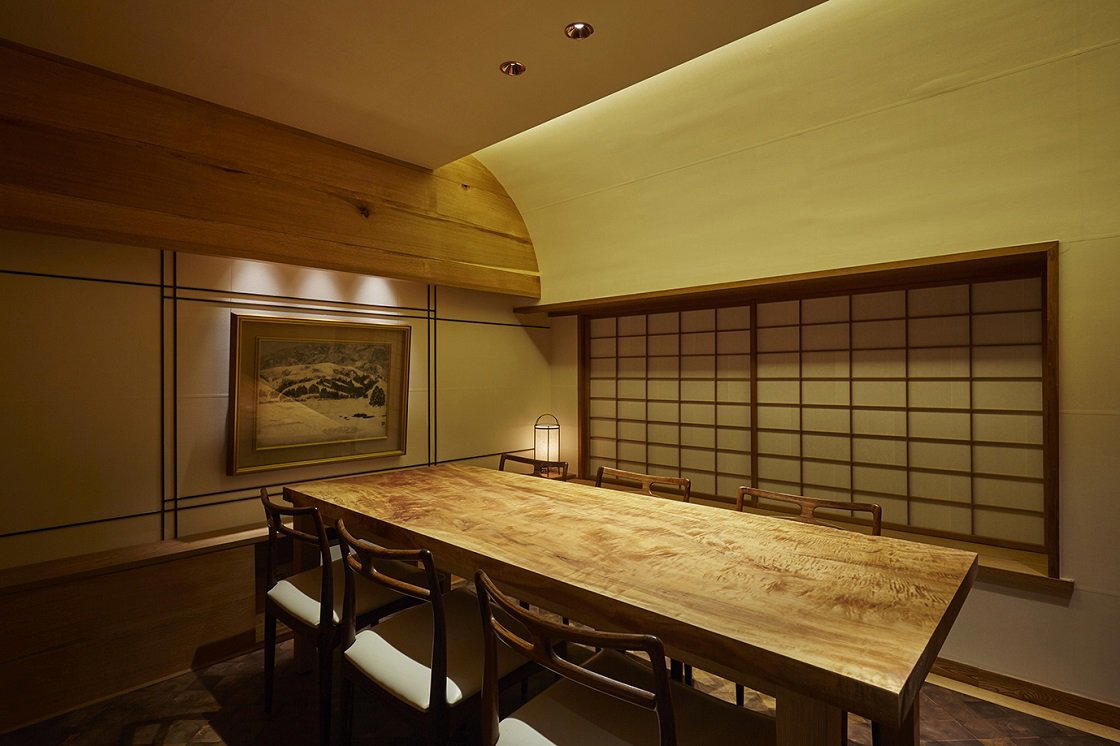


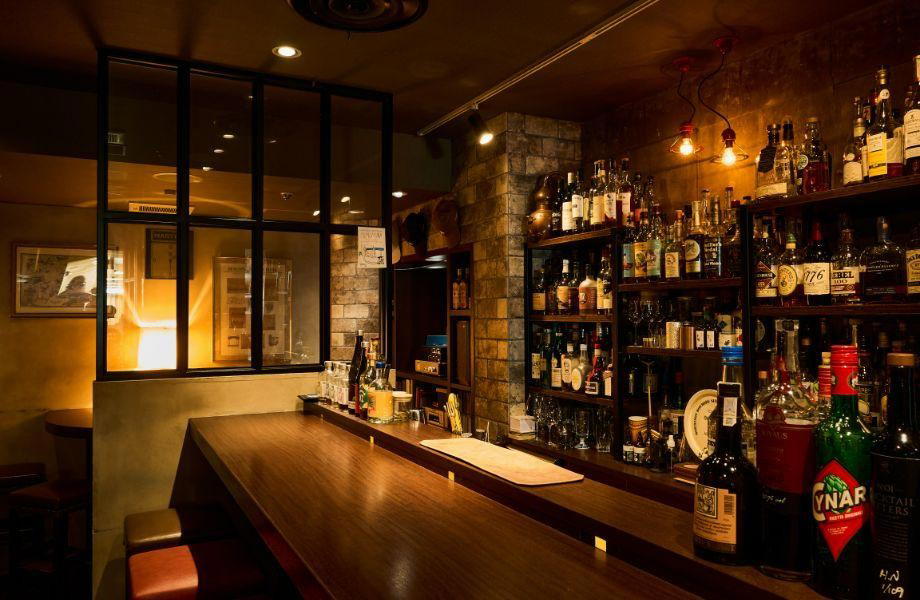
Bars in Ashiya
Browse all →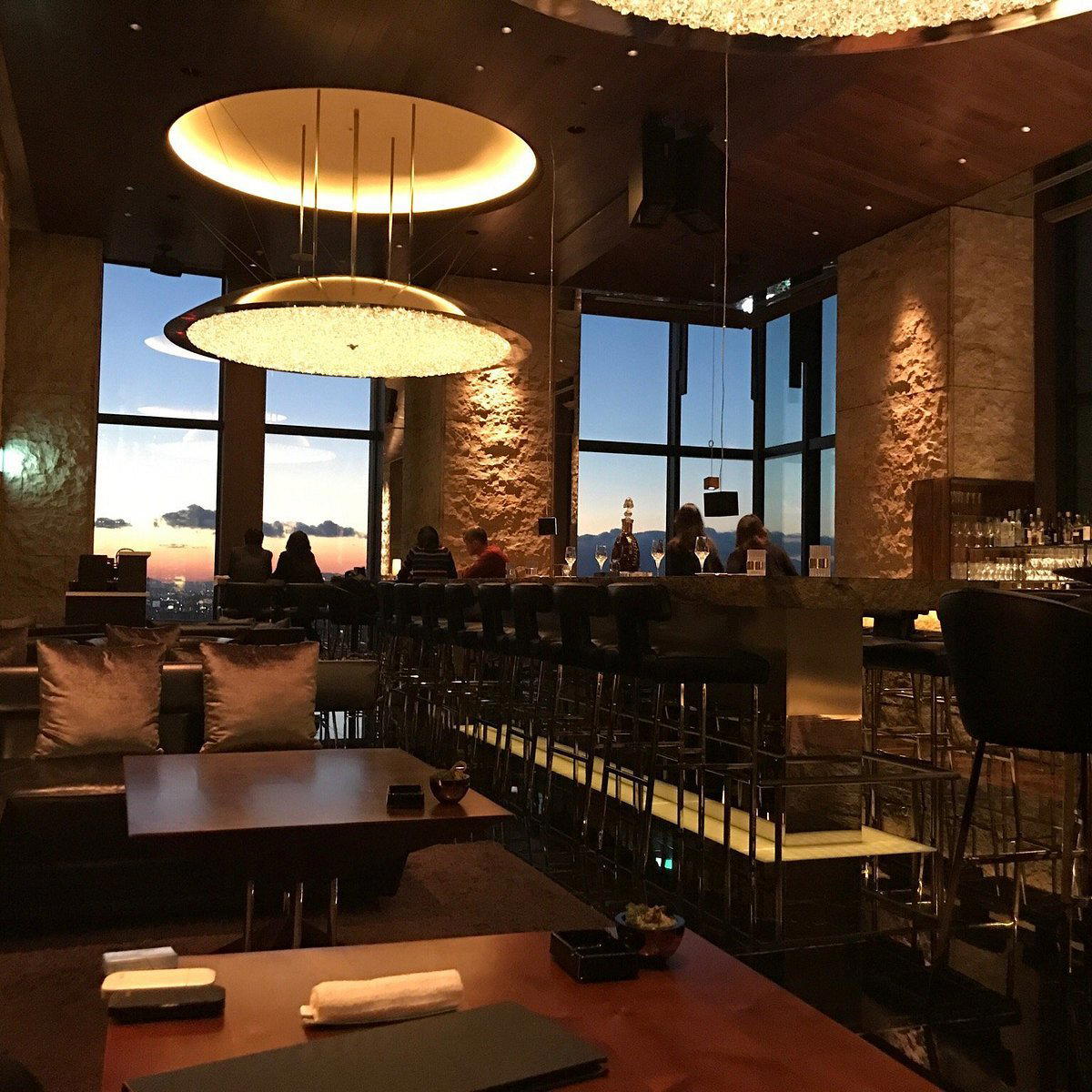

Hotels in Ashiya
Browse all →


Wineries in Ashiya
Browse all →

Details
- Intimate
- Quiet
- Cozy
- Classic
- Date Night
- Special Occasion
- Solo
- Business Dinner
- Chefs Counter
- Standalone
- Sake Program
- Sustainable Seafood
- Omakase
- Counter Dining
- Tasting Menu
- Sake
- Pescatarian Friendly
Current opening hours
- Monday
- Closed
- Tuesday
- 5–10 PM
- Wednesday
- 12–1 PM, 5–10 PM
- Thursday
- 12–1 PM, 5–10 PM
- Friday
- 5–10 PM
- Saturday
- 12–1 PM, 5–10 PM
- Sunday
- 12–1 PM, 5–10 PM
Hours can change for holidays and private events. Hours as of .
The restaurant is a small, quiet counter-only space with simple, no-frills decor designed so guests can focus on the sushi; the atmosphere is calm, classic, and intimate rather than flashy or modern.