スシュ occupies a quiet address in Omachi, one of Akita city's older commercial districts, where it operates within a regional dining scene defined more by local loyalty than outside recognition. Akita prefecture's culinary identity draws heavily on cold-climate produce, preserved ingredients, and the kind of precision that develops when a region is defined by its seasons rather than its tourism.
Pearl is the En Primeur Club membership app — saves, bookings, and concierge access live there. Same editors, same standards.
- Address
- 1 Chome-2-40 Omachi, Akita, 010-0921, Japan
- Phone
- +81188537614
- Website
- sous-sus.jp
 Saves & bookings on Pearl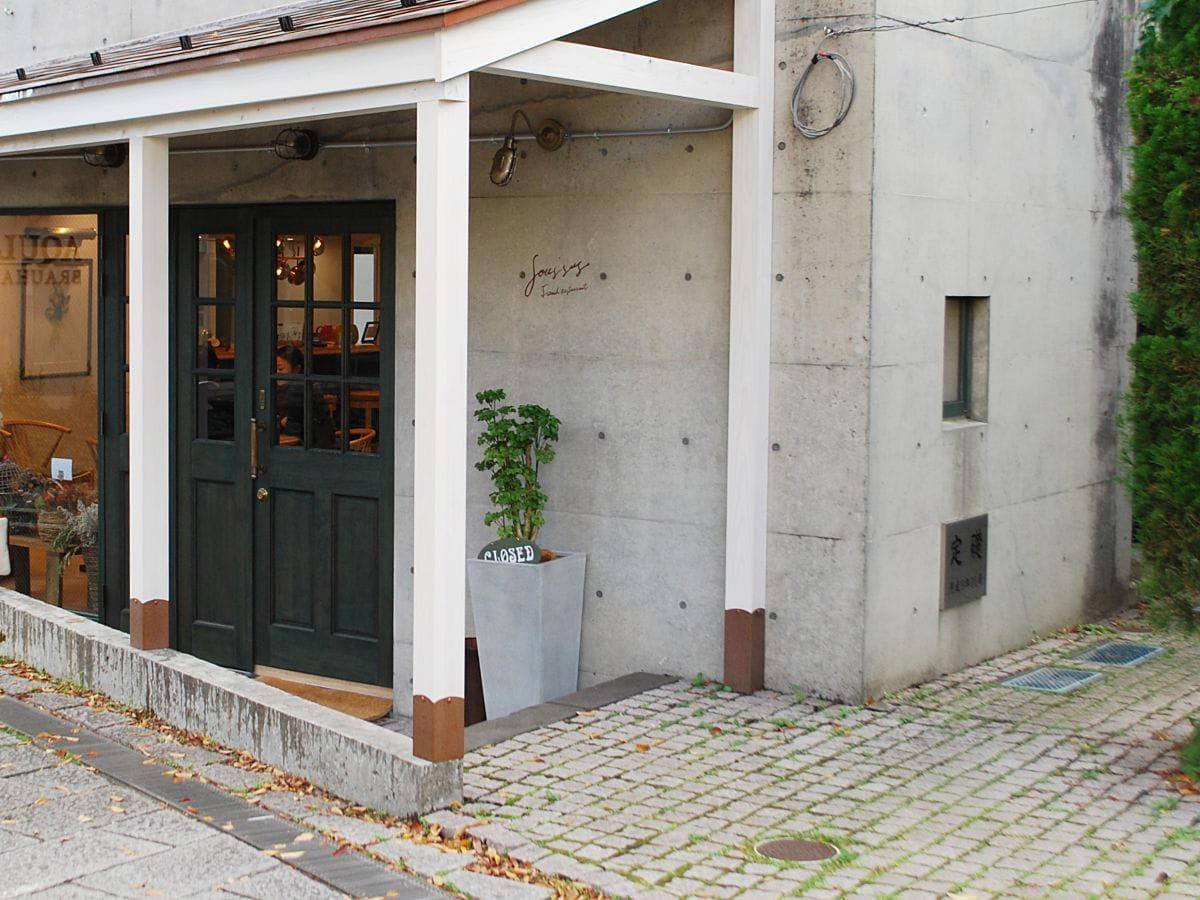
Omachi and the Shape of Akita's Dining Quarter
Akita's Omachi district carries the particular character of a Japanese city centre that has evolved around its residents rather than its visitors. The streets here hold a mix of long-running specialty shops, neighbourhood izakayas, and small counter restaurants whose reputations travel by local word rather than travel media. It is into this environment that スシュ sits at 1 Chome-2-40 Omachi, a part of the city where the dining options reflect Akita's own culinary priorities: seasonal produce from the Ou Mountains, seafood sourced from the Sea of Japan, and the fermented and preserved traditions that cold winters have shaped over generations.
Understanding where スシュ fits means understanding Akita prefecture itself. This is a region of Japan where culinary identity runs deep but travels quietly. Akita's rice is among the most recognised in the country, its sake brewing tradition produces some of Tohoku's most serious bottles, and its kiritanpo nabe and shottsuru (a fermented fish sauce central to regional cooking) give local kitchens a distinctive flavour grammar that has little to do with what is being served in Ginza or on the broader national restaurant circuit. The restaurants that endure here tend to do so because they are embedded in that local grammar, not because they have adapted to outside expectations.
Where スシュ Sits in Akita's Restaurant Tier
Akita city's restaurant scene operates without the dense clustering of recognised establishments that defines Japan's larger prefectural capitals. Local reputation, consistency, and the kind of editorial attention that reaches regional Japan shape how peers are understood here. In that context, スシュ occupies a position in the Omachi dining quarter that sits alongside a small group of serious independent restaurants including affetto akita, giueme, Kyu, f, and N, each of which reflects the city's preference for intimate-format dining over high-volume operations.
This smaller-scale, lower-profile model is not unique to Akita among Japan's regional cities. The pattern appears across Tohoku and the Sea of Japan coastline, where restaurants like 一本木 石川 in Nanao, 夕仙山乃 in Sapporo, 湖面庵 in Takashima, and 広羽屋 in Nishikawa Machi similarly operate without national awards infrastructure but with substantial local credibility built over years of consistent cooking. These kitchens are defined more by local loyalty than by outside rankings.
The Cultural Weight of Regional Japanese Dining
Japan's regional restaurant culture carries a logic that differs from the capital's competitive tier. In Tokyo, the leading kaiseki counters, sushi rooms, and French-Japanese hybrids compete within a framework that has been extensively catalogued and ranked. Restaurants like Harutaka in Tokyo or HAJIME in Osaka operate within award systems that generate their own gravity. In Kyoto, Gion Sasaki carries kaiseki tradition in a city where that tradition is itself a draw. Further south, Goh in Fukuoka and akordu in Nara each anchor their regional scenes in recognisable critical frameworks. Internationally, the standard against which formal counter dining is often measured includes rooms like Le Bernardin in New York City or the Korean-American counter format exemplified by Atomix in New York City, all operating within award-dense environments.
Akita operates differently. The city's restaurants serve a local dining public that eats with the seasons because Akita's seasons are genuinely extreme. The prefecture's rice harvest drives a late-autumn rhythm that shapes not just sake production but what appears on plates. Spring produces the mountain vegetables, sansai, that are central to Japanese cold-region cooking. Winter pushes the kitchen toward richer preparations: hot pots built on local broth bases, preserved fish, pickled vegetables that have spent months in salt. A restaurant embedded in Omachi is, whether consciously or not, participating in a culinary calendar that the region has maintained for centuries.
Approaching スシュ as a Visitor
Akita city is accessible from Tokyo via the Komachi shinkansen, with journey times running at approximately three and a half hours depending on the service. That travel time positions Akita as a serious day-trip or short-break destination rather than a casual extension of a standard Japan itinerary. Visitors who make the journey tend to do so with clear purpose, whether for the Kanto festival held each August, the Nyuto Onsen hot spring area to the north, or the region's brewing and rice culture. The restaurant scene in Omachi benefits from that visitor profile: the people who arrive in Akita's dining quarter are generally there with genuine curiosity about the region.
For practical planning, direct communication through Japanese-language channels or through a hotel concierge service in Akita city will be the most effective approach. This is a common characteristic of smaller regional Japanese restaurants that maintain local clientele as their primary base. Arriving with some flexibility in scheduling, and ideally with the assistance of a Akita-based contact or accommodation staff, will improve the chances of securing a table.
What the Omachi Address Signals
Japanese restaurant addresses carry meaning beyond geography. A restaurant in Omachi occupies a district that Akita residents associate with the city's commercial and social core, a zone that has evolved across decades and retains a density of independent operations that newer districts lack. The 1 Chome-2-40 location places スシュ within easy reach of the city's central activity.
That positioning reflects a deliberate alignment with local rather than tourist geography. The most enduring small restaurants in Japanese regional cities tend to occupy addresses chosen for resident access rather than visitor convenience, and Omachi fits that pattern. The dining room, whatever its format, exists within a neighbourhood context shaped by decades of local commercial life rather than by hospitality infrastructure.
Booking and Cost Snapshot
Comparable venues nearby, for context on price, style, and recognition.
| Venue | Cuisine | Price | Awards |
|---|---|---|---|
| スシュThis venue — the venue you are viewing | Akita, Classical French Cuisine | $$$ | , |
| Torikou | Akita, Yakitori Izakaya | $$$ | , |
| Washoku Sugawara | Akita, Seasonal Japanese Kaiseki | $$$ | , |
| Shinsui Chubo Sie | Akita, Japanese Izakaya | $$$ | , |
| Sushi Cho | Akita, Dining | , | , |
| é ç | Akita, Japanese | , | , |
Continue exploring
More in Akita
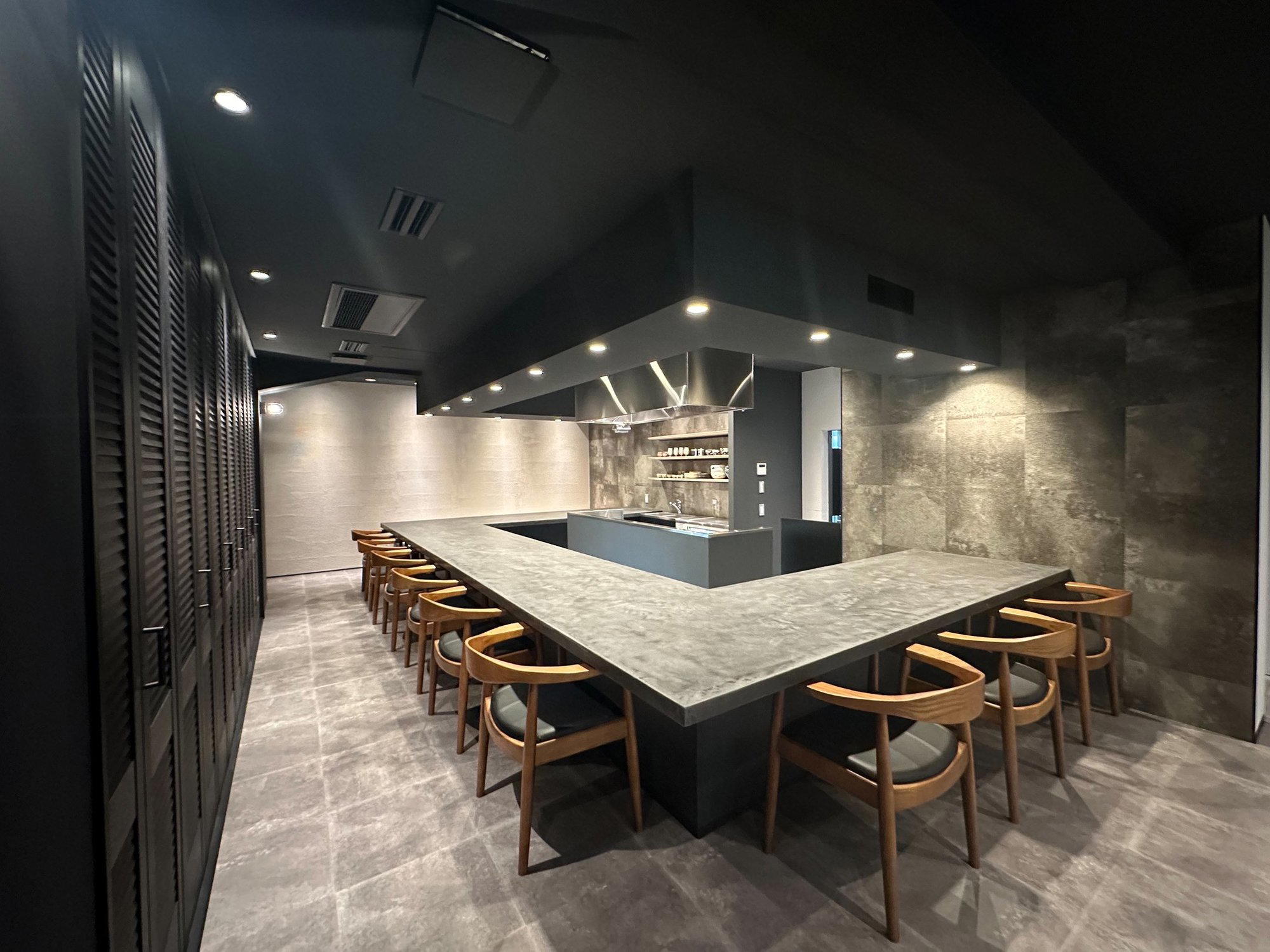
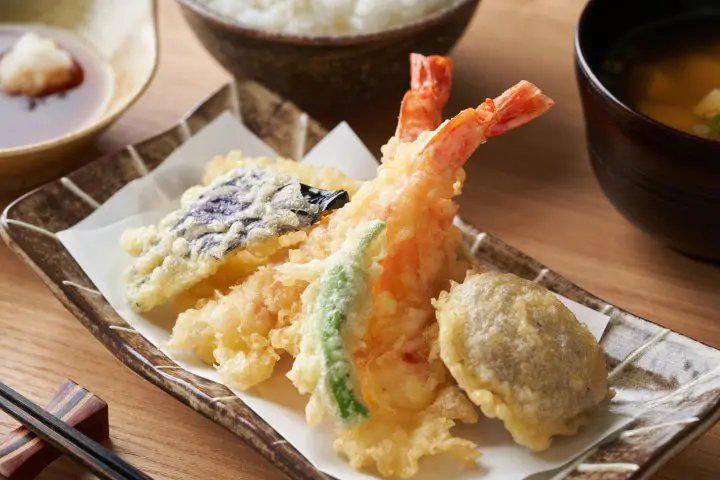
At a Glance
- Elegant
- Intimate
- Hidden Gem
- Sophisticated
- Date Night
- Special Occasion
- Celebration
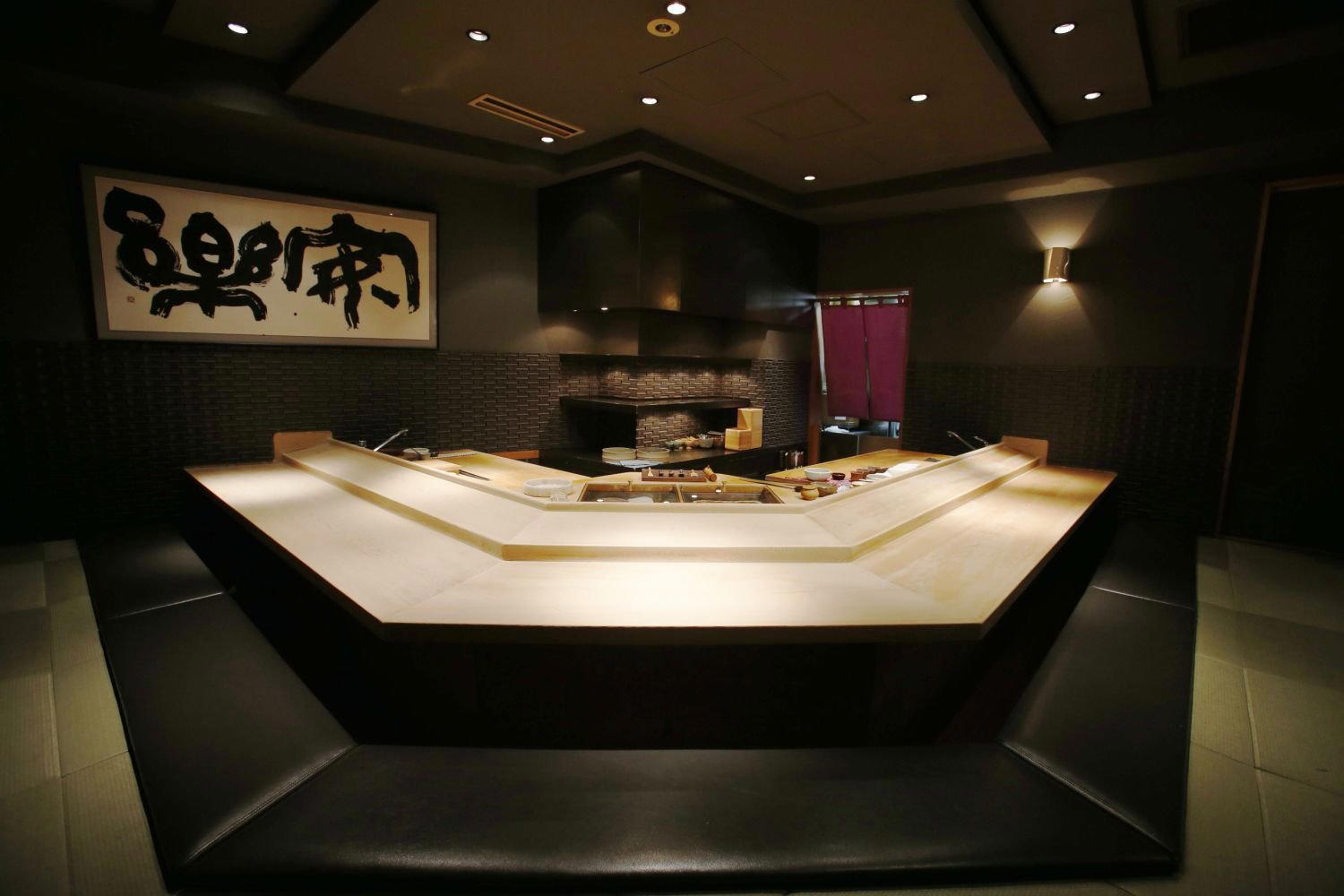
- Open Kitchen
- Extensive Wine List
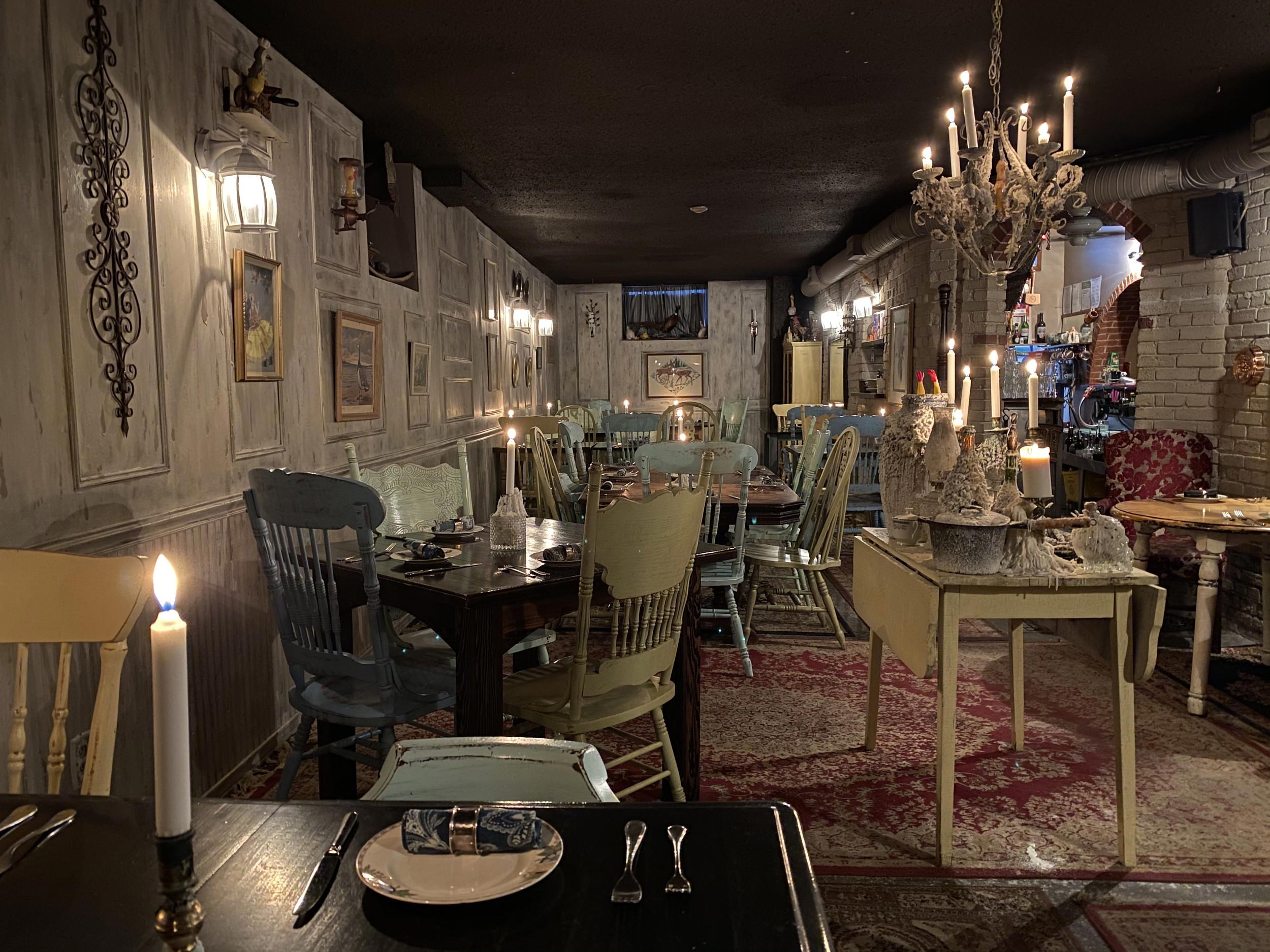
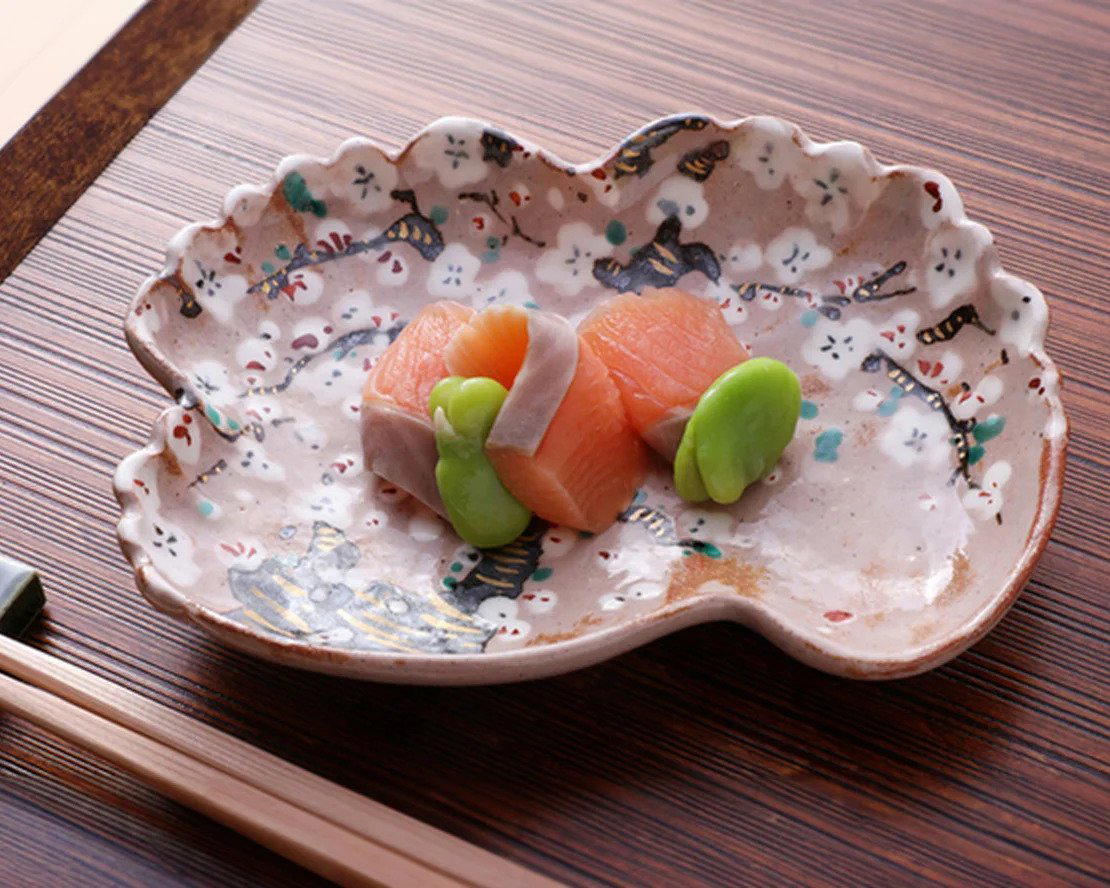
Intimate and refined atmosphere in a small restaurant setting, with carefully composed plating that emphasizes visual harmony alongside flavor.