Our verdict
リストランテ スギヤマ sits on the second floor of a building in Nomachi, one of Kanazawa's quieter residential districts, placing it at a remove from the central tourist circuit. The format is Italian, in a city where Western fine dining operates alongside kaiseki traditions that have shaped local palates for centuries. Booking intelligence and neighbourhood context matter here as much as the menu itself.

Pearl is the En Primeur Club membership app, where members save venues, book tables and use the concierge.
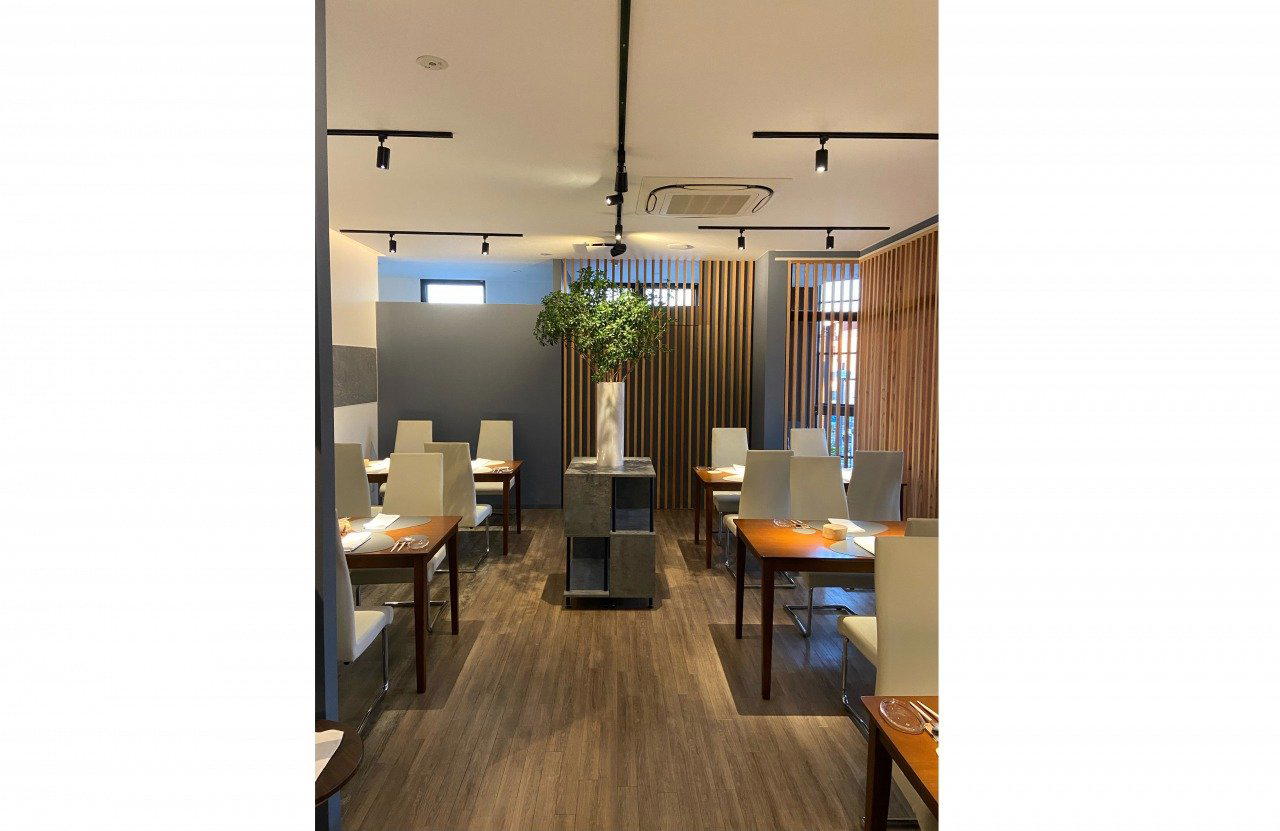
The menu
What to order
- Hairy box crab pasta
- Matsutake pasta
- Noto beef with mozzarella quiche
A Second Floor in Nomachi: What the Address Tells You
Kanazawa has spent years cultivating a reputation as Japan's counterweight to Kyoto, a city where culinary craft runs deep, where the local ingredient tradition (the Noto Peninsula coastline, Kaga vegetables, wild game from the surrounding mountains) has sustained a restaurant culture that punches well above its population size. Within that city, Italian fine dining occupies a specific and instructive position. It is neither a novelty nor an import with no roots; Japanese chefs trained in Italy and then returned to operate serious European kitchens have become a coherent category across the country, from HAJIME in Osaka to smaller regional rooms that operate with equal technical seriousness and far less international visibility.
リストランテ スギヤマ belongs to that regional tier. Its address, Nomachi, a neighbourhood south of central Kanazawa that sits closer to residential streets than tourist circuits, signals something about the intended audience. This is not a restaurant angled toward visitors arriving from Kanazawa Station for a single evening. The second-floor location in a low-key mixed-use building reinforces that. Restaurants that occupy these kinds of spaces in Japanese cities tend to rely on a committed local following, return visits, and word of mouth rather than foot traffic or walk-in trade.
The Booking Question: Plan Further Ahead Than You Think
The editorial angle most relevant to any first-time visitor to リストランテ スギヤマ is logistical. In a city where kaiseki rooms like Zeniya or Kataori operate with long lead times and local patronage networks, the Western fine dining category follows similar rhythms. Seats at this kind of room do not hold for same-day or same-week requests. The Nomachi location, the second-floor format, and the restaurant's positioning away from the main dining strip all suggest a model that depends on reservation-confirmed covers rather than walk-in flexibility.
For visitors, this means planning is non-negotiable. Kanazawa is a one- to two-night destination for many travellers arriving via the Hokuriku Shinkansen from Tokyo (roughly two and a half hours) or from Osaka via limited express. Those compressed itineraries create pressure to secure restaurant bookings well in advance, particularly for any room operating above the casual tier. Given that the venue's phone and website details are not publicly surfaced through standard aggregators, the most practical approach is to contact the restaurant directly, ideally through a hotel concierge with local relationships, or through a third-party Japan dining reservation service. This is common practice across Kanazawa's more serious dining rooms; it is not a barrier unique to this venue.
Travellers comparing options in this city will find that Budoonomori Les Tonnelles operates in a comparable Western fine dining register, while the kaiseki format, available at multiple levels of formality across Kanazawa, represents the city's dominant high-end tradition. For those whose itinerary also takes in the broader Hokuriku or Kansai region, the reservation logic applies equally to Gion Sasaki in Kyoto and akordu in Nara, where lead times and booking channels follow similar patterns.
Italian Format in a Kaiseki City
What does Italian fine dining look like when it operates in sustained proximity to one of Japan's most developed kaiseki traditions? The answer, across multiple examples in cities like Kanazawa, tends toward restraint and precision over abundance. Japanese-trained Italian rooms typically run tasting menus rather than à la carte, portion sizes reflect Japanese sensibility, and the relationship between chef and seasonal ingredient mirrors the kaiseki approach even when the technical vocabulary is Mediterranean. The local ingredient pool, Noto oysters, Kaga lotus root, freshwater fish from mountain streams, translates naturally into an Italian framework, and chefs in this category have generally developed fluency in that translation.
What can be said with confidence is that this is not a casual trattoria format; the address, the second-floor positioning, and the restaurant's alignment with Kanazawa's serious dining tier all point toward a structured meal rather than an informal one. For visitors who want a contrast to the local kaiseki tradition without stepping down in seriousness, this is the relevant category to explore.
Kanazawa's wider dining scene offers plenty of reference points at different price and formality levels. Dokkan and Hakuichi serve as points of contrast, and for something further down the register, Go! Go! Curry anchors the casual end of a city that covers a wide range. The confectionery tradition is represented by Amanatto Kawamura, a reminder that Kanazawa's depth extends well beyond the dinner table.
Positioning Within the Broader Japanese Fine Dining Map
Kanazawa sits in a productive middle position on Japan's fine dining map, significant enough to attract serious independent restaurants, small enough that those restaurants tend not to chase international recognition as their primary signal of legitimacy. The city's culinary identity has developed on local terms, shaped by the Kaga domain's historical prosperity and the abundance of the surrounding coastline and mountains. A Western fine dining room in this environment earns its place by demonstrating that it belongs to the local ingredient conversation, not by importing a foreign format wholesale.
Visitors arriving from Tokyo, where rooms like Harutaka operate at the top of a very competitive and internationally visible market, will find Kanazawa's register quieter and less mediated by global attention. That is not a disadvantage. It means the restaurants here, including the Italian rooms, are calibrated to a local audience with high standards and genuine engagement rather than to a transient international dining circuit. For similar dynamics in other regional cities, Goh in Fukuoka offers a useful comparison: a serious room in a city whose culinary culture runs deep but operates largely outside the noise of the major metropolitan markets. Rooms in Nanao and venues in smaller Hokuriku towns extend the same logic further.
Our full Kanazawa restaurants guide maps the city's dining options across formats and price points, including the kaiseki rooms, the yakitori counters, and the Western kitchens that together define what Kanazawa now offers a serious food traveller.
Planning Your Visit
Reaching Nomachi from central Kanazawa takes roughly fifteen to twenty minutes on foot from the Kenroku-en district, or a short taxi ride from Kanazawa Station. The neighbourhood is residential and quiet in the evenings, which means arrival and departure logistics are direct. Given the absence of publicly listed contact details, booking through a hotel concierge or a specialist Japan reservation service is the advised approach, and doing so at least three to four weeks before travel is a reasonable working assumption for a room at this level in this city.
Frequently asked questions
What should I eat at リストランテ スギヤマ?
What the venue's format and positioning suggest is a structured tasting menu approach, typical of Japanese-operated Italian fine dining rooms in cities with strong seasonal ingredient cultures. Kanazawa's local larder, Noto coast seafood, Kaga vegetables, mountain produce, provides the raw material that kitchens in this category tend to work with closely. For comparison, Budoonomori Les Tonnelles represents the Western fine dining category in Kanazawa at a level where menu structure and seasonal sourcing are both central to the offer.
Can I walk in to リストランテ スギヤマ?
Walk-in access is unlikely to be practical for a room at this level in Kanazawa. The second-floor address in Nomachi, the absence of a publicly listed phone number or booking platform, and the broader pattern of serious dining rooms in this city all point toward a reservation-required format. Kanazawa's higher-end restaurant tier, from kaiseki rooms to Western kitchens, operates on committed covers rather than casual drop-in trade. Visitors to Kanazawa who have not pre-booked would be better served by consulting our full Kanazawa restaurants guide for options with accessible booking channels.
Is リストランテ スギヤマ a good choice for visitors who want to experience Kanazawa's food culture through a non-kaiseki lens?
For travellers who want to engage with Kanazawa's ingredient culture without committing to the kaiseki format, Italian fine dining rooms like リストランテ スギヤマ offer a credible alternative. Japanese-operated Italian kitchens in regional cities typically draw on the same seasonal and local sourcing priorities that define the kaiseki tradition, translating them through a Mediterranean technical framework. The Nomachi location and second-floor setting suggest an intimate, considered room rather than a casual or tourist-facing one, which aligns with the kind of experience that rewards advance planning and local knowledge. For a broader view of how Western fine dining fits within Kanazawa's dining scene, restaurants like Budoonomori Les Tonnelles provide useful context.
Accolades, Compared
Comparable venues nearby, for context on price, style, and recognition.
| Venue | Cuisine | Price | Awards | Notes |
|---|---|---|---|---|
| リストランテ スギヤマThis venue (the venue you are viewing) | Contemporary Italian with Kanazawa Influences | $50–100 | Not listed | Not listed |
| Uva Uva | Natural Wine Italian | $50–100 | Not listed | Kanazawa |
| Restaurant Ennu | Modern French Bistronomy | Not listed | Tabelog 100 #94 | Kanazawa |
| リストランテ ラヴィータ | Refined Local Italian | $50–100 | Not listed | Kanazawa |
| Unagi Yondaime Kikukawa | Traditional Japanese Unagi | $30–50 | Not listed | Kanazawa Station Area |
| ビストロ高柳 | French Bistro | $50–100 | Not listed | Kanazawa |
Continue exploring
More in Kanazawa
Restaurants in Kanazawa
All restaurants in Kanazawa →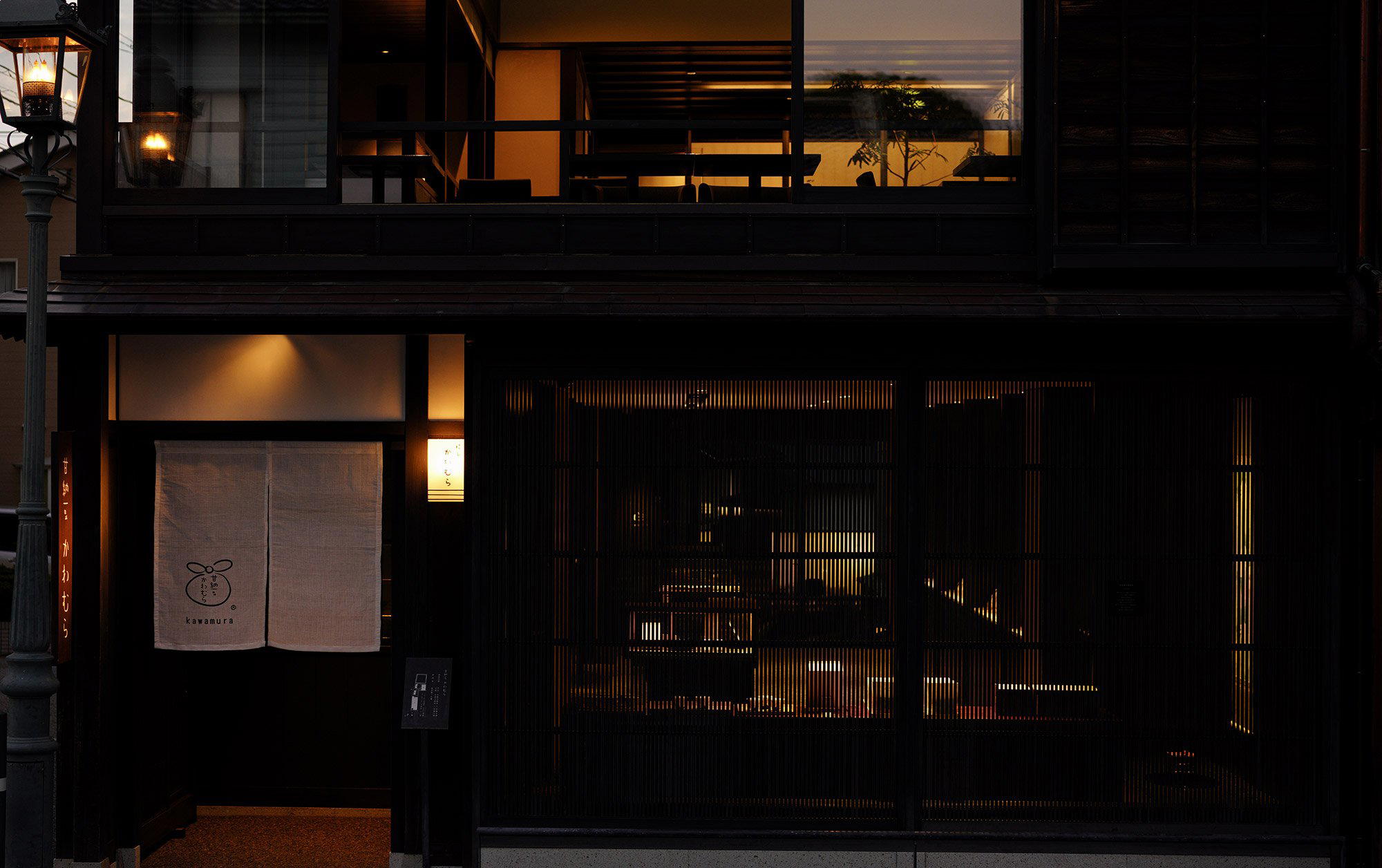
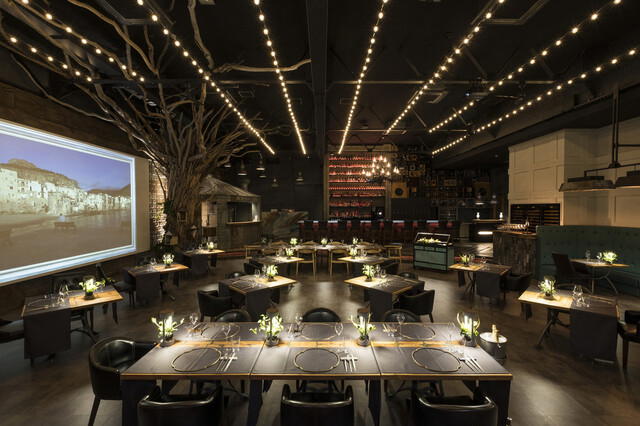
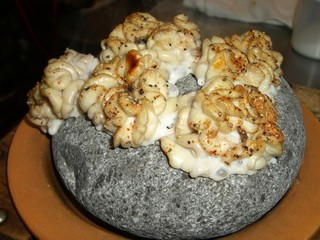
Hotels in Kanazawa
All hotels in Kanazawa →
Wineries in Kanazawa
Browse all →
Details
- Elegant
- Intimate
- Sophisticated
- Date Night
- Special Occasion
- Celebration
- Business Dinner
- Open Kitchen
- Historic Building
- Standalone
- Local Sourcing
- Prix Fixe
- Tasting Menu
- Wine
- Grappa
- Vegetarian Friendly
Current opening hours
- Monday
- Closed
- Tuesday
- 11:30 AM–2 PM, 6–9 PM
- Wednesday
- 11:30 AM–2 PM, 6–9 PM
- Thursday
- 11:30 AM–2 PM, 6–9 PM
- Friday
- 11:30 AM–2 PM, 6–9 PM
- Saturday
- 11:30 AM–2 PM, 6–9 PM
- Sunday
- 11:30 AM–2 PM, 6–9 PM
Hours can change for holidays and private events. Hours as of .
Sophisticated and refined atmosphere in a second-floor hideaway location with seasonal presentations that engage all five senses.