

1 Michelin Star · Tabelog Bronze
Our verdict
A Michelin-starred Spanish restaurant in Minamisenba, Ñ translates the modern prix fixe format through a chef who trained in Madrid and San Sebastián during the post-elBulli decade.

Pearl is the En Primeur Club membership app, where members save venues, book tables and use the concierge.
Spain in Minamisenba: What a Michelin-Starred Spanish Counter Means in Osaka
Minamisenba is not the neighbourhood you'd expect to find one of Osaka's most awarded Spanish kitchens. The district runs south of Shinsaibashi along a grid of low-rise wholesale buildings and textile wholesalers, with restaurant density that leans heavily toward Japanese formats, kaiseki, izakaya, and the kind of mid-range sushi that fills tables through the week.
Spain's culinary influence on Japanese fine dining is longer-established than it might appear. From the early 2000s, a generation of Japanese chefs made working trips through the Basque Country, Catalonia, and Madrid, absorbing techniques from kitchens that were, at that point, reshaping how the world thought about what a restaurant could do. The chef at Ñ belongs to that generation. His formative years were spent in Madrid and San Sebastián during the period when modern Spanish cooking was still accumulating its identity, before those methods had been fully codified and exported. That timing matters. It distinguishes chefs who absorbed the approach as it developed from those who encountered it as received doctrine.
The Format: Prix Fixe Through a Spanish Lens
Modern Spanish cooking, in its most considered Japanese interpretations, doesn't simply transplant Spanish dishes into a Tokyo or Osaka dining room. The more interesting question is what happens when the structural logic of Spanish eating, small dishes, shared formats, the rhythm of tapas into something more composed, meets the Japanese preference for tasting menus and sequenced precision. Ñ resolves this through a modern prix fixe menu that uses Spain's grammar while operating within Japanese fine-dining conventions.
The three core registers of the menu reflect the range that defines the post-elBulli generation's technical priorities. Refined tapas represent the format's intellectual roots: the small dish as a complete argument, not a prelude. Arroz dishes carry the regional weight that Spanish rice preparations have held since long before avant-garde technique arrived, suffused, as the venue's own framing puts it, with regional character, which in Spanish cooking means the difference between a Valencian socarrat and a Basque-style meloso is not incidental but essential. And plancha-grilled items, flamed to develop flavour from the ingredient's own composition, represent the restraint-led counterpart to high-technique elaboration. These aren't three isolated categories; they represent a coherent argument about how Spanish cooking spans from tradition to technique.
In Osaka's broader fine-dining tier, this kind of Spanish positioning is rare enough to constitute its own sub-category. The city's Michelin-starred restaurants cluster heavily around Japanese formats: kaiseki operations like Taian, French-accented innovation at HAJIME and La Cime, and experimental formats like Fujiya 1935. Spanish cuisine holding a star in this company says something about what Osaka's inspectors are responding to, not novelty, but coherence and execution at a level that sits alongside the city's Japanese standards.
Spanish Kitchens Across Japan: Where Ñ Sits
For context on where serious Spanish cooking has taken root in Japan, the geography is instructive. ZURRIOLA in Tokyo represents the Basque-influenced end of the spectrum in the capital, while akordu in Nara demonstrates how Spanish technique has found a foothold even outside Japan's major dining cities. Within Osaka's own Spanish contingent, Ñ operates alongside restaurants including Asador ROCA, Donostia, EL ALMA, and ETXOLA, a cluster that suggests Osaka's appetite for Spanish cooking runs deeper than a single outlier would imply. The Michelin recognition at Ñ places it at the critical apex of that local peer group.
Internationally, Spanish restaurants earning Michelin recognition in non-Spanish markets have become a meaningful category in their own right. Arco by Paco Pérez in Gdańsk represents the same phenomenon in a different geography: a Spanish chef's vision translated through a local fine-dining context, earning recognition from inspectors whose primary frame of reference is the host country's culinary tradition. The fact that it works in both Gdańsk and Osaka is a reasonable indicator of how transferable the technical foundations of modern Spanish cooking have become.
Osaka's Fine-Dining Context
Osaka occupies a distinct position in Japan's restaurant hierarchy. The city's eating culture has always leaned toward accessibility and volume, the kuidaore tradition of eating until you drop runs through Dotonbori and into the way mid-market restaurants here outperform their equivalents in Tokyo for sheer energy. But Osaka also has a fine-dining tier that earns serious Michelin attention, and that tier has shown consistent openness to non-Japanese formats in a way that, say, Kyoto has not. Gion Sasaki in Kyoto represents the Japanese-format dominance typical of that city; Osaka's starred list includes more European-influenced entries as a proportion of its total.
Minamisenba specifically sits within Chuo Ward, Osaka's commercial and retail centre, at an address that puts it inside a working business district rather than an obvious dining destination. That's not unusual for serious Osaka restaurants, which rarely cluster in the way Tokyo's Ginza or Azabu-Juban concentrations do. Tabelog's score of 3.77 for Ñ, in a system where scores above 3.5 represent significant critical standing, confirms the restaurant's position within the upper bracket of Osaka's assessed dining options.
For visitors building a broader Osaka itinerary, our full Osaka restaurants guide covers the city's dining range in depth, while our Osaka hotels guide, bars guide, and experiences guide map the city beyond the table. Comparable Japanese fine-dining experiences in other cities are profiled at Harutaka in Tokyo, Goh in Fukuoka, 1000 in Yokohama, and 6 in Okinawa.
Know Before You Go
| Address | 富士ビル南船場 1階, Minamisenba 3-chōme-5-28, Chuo Ward, Osaka 〒542-0081 |
| Cuisine | Spanish (modern prix fixe) |
| Price Range | ¥¥¥ |
| Awards | |
| Reservations | |
| Neighbourhood | Minamisenba, Chuo Ward, business district south of Shinsaibashi |
Frequently asked questions
What should I order at Ñ?
The prix fixe structure means ordering decisions are largely made for you, which is appropriate given the kitchen's approach. Within that format, the arroz dishes carry the most distinct regional argument, Spanish rice preparations involve techniques and ingredient logic that don't translate through shortcuts, and a kitchen with Basque and Madrid-trained roots is well-positioned to execute them with the right character. The plancha section demonstrates the restraint side of post-elBulli technique: high heat, clean flavour development, no elaboration beyond what the ingredient warrants. If the menu allows a selective emphasis, those are the registers where the chef's specific training background shows most directly.
Should I book Ñ in advance?
Osaka's Michelin-starred Spanish options are few enough that this restaurant absorbs interest from across the city's dining public, not just Minamisenba regulars. Booking ahead is a practical requirement rather than a precaution, particularly for weekend seatings or larger groups. The restaurant's address in a commercial district means it draws both local professionals and destination diners, and the Tabelog 3.77 score keeps it visible in domestic search traffic. Plan accordingly.
What's the signature at Ñ?
The defining characteristic of the kitchen is the coherence of its Spanish reference point. A Michelin-starred restaurant applying Spanish format discipline through a prix fixe structure is unusual in Osaka, the star confirms that the execution meets the city's critical standard, not merely that the concept is novel. The refined tapas format, where each small dish functions as a complete expression rather than a precursor, represents the intellectual signature of the modern Spanish tradition that the chef absorbed directly in Madrid and San Sebastián. That's the frame through which the whole menu operates, and it's what separates Ñ from looser Spanish-influenced operations in the same city. See also our Osaka wineries guide for wine pairing options beyond the restaurant itself.
Recognition Snapshot
A quick snapshot of similar venues for side-by-side context.
| Venue | Cuisine | Price | Awards | Notes |
|---|---|---|---|---|
| ÑThis venue (the venue you are viewing) | Modern Spanish Fine Dining | $150–200 | 1 Michelin Star · Tabelog Bronze | Not listed |
| HAJIME | Avant-Garde Japanese Fine Dining | $300–500 | 3 Michelin Stars · World's 50 Best #83 | French, Innovative |
| La Cime | Modern French with Japanese Ingredients | $150–200 | 2 Michelin Stars · World's 50 Best #13 | French |
| Kashiwaya Osaka Senriyama | Seasonal Kaiseki Omakase | $200–300 | 3 Michelin Stars · La Liste Top Restaurants | Japanese |
| Taian | Traditional Japanese Kaiseki Omakase | $150–200 | 3 Michelin Stars · La Liste Top Restaurants | Kaiseki, Japanese |
| Fujiya 1935 | Modern Japanese with European influences | $100–150 | 2 Michelin Stars · La Liste Top Restaurants | Innovative |
Recognition history
Dated appearances from independent guides and award organizations, with the underlying list record or original source where available.
Michelin 1 Star
Michelin
Tabelog Bronze
Tabelog
Full recognition history (4 entries)
Tabelog 100 #6 · No. 6
Tabelog · Tabelog 100 - Izakaya - EAST - 2025
Michelin 1 Star
Michelin
Continue exploring
More in Osaka
Restaurants in Osaka
All restaurants in Osaka →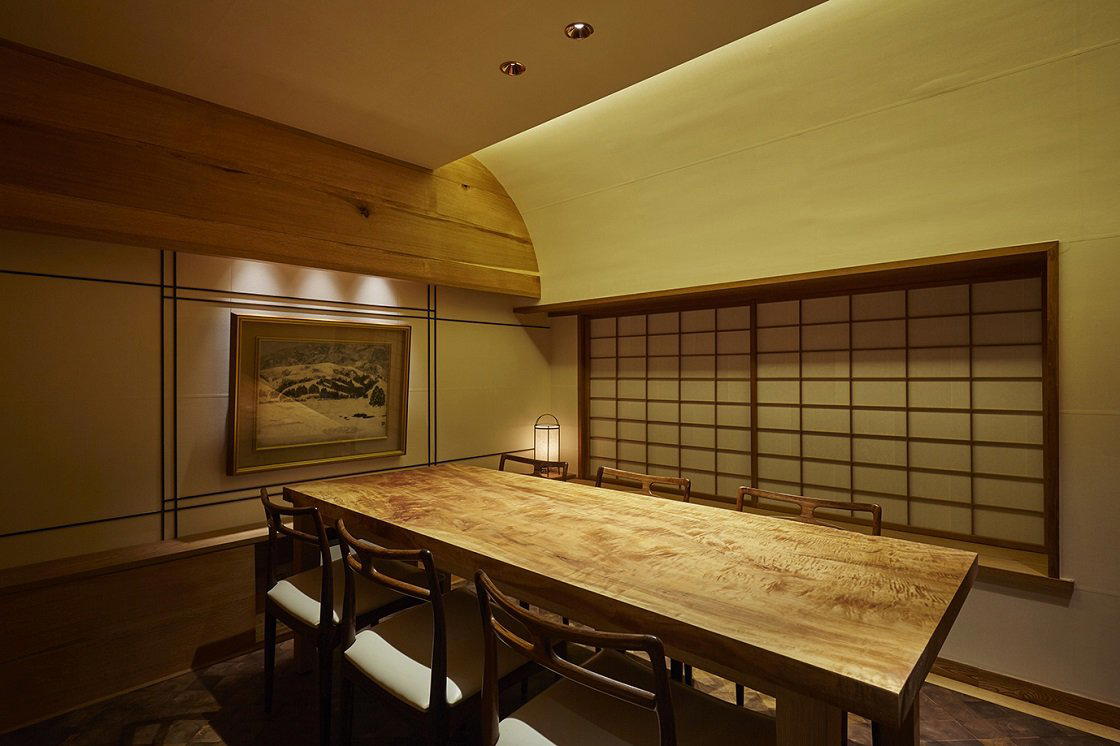


Bars in Osaka
All bars in Osaka →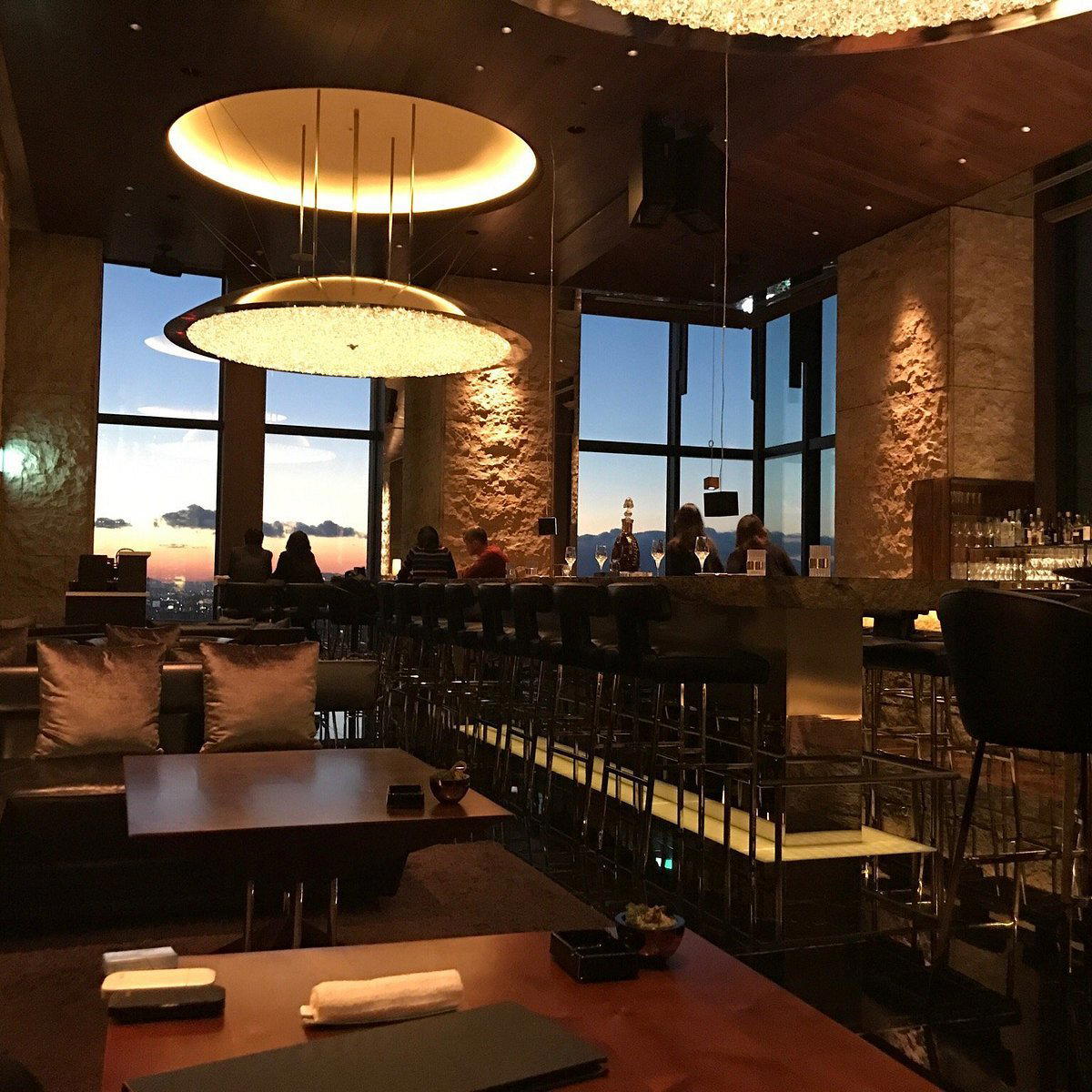



Hotels in Osaka
All hotels in Osaka →




Wineries in Osaka
Browse all →
Details
- Elegant
- Sophisticated
- Cozy
- Modern
- Intimate
- Date Night
- Special Occasion
- Business Dinner
- Chefs Counter
- Open Kitchen
- Sake Program
- Local Sourcing
- Prix Fixe
- Counter Dining
- Tasting Menu
- Wine
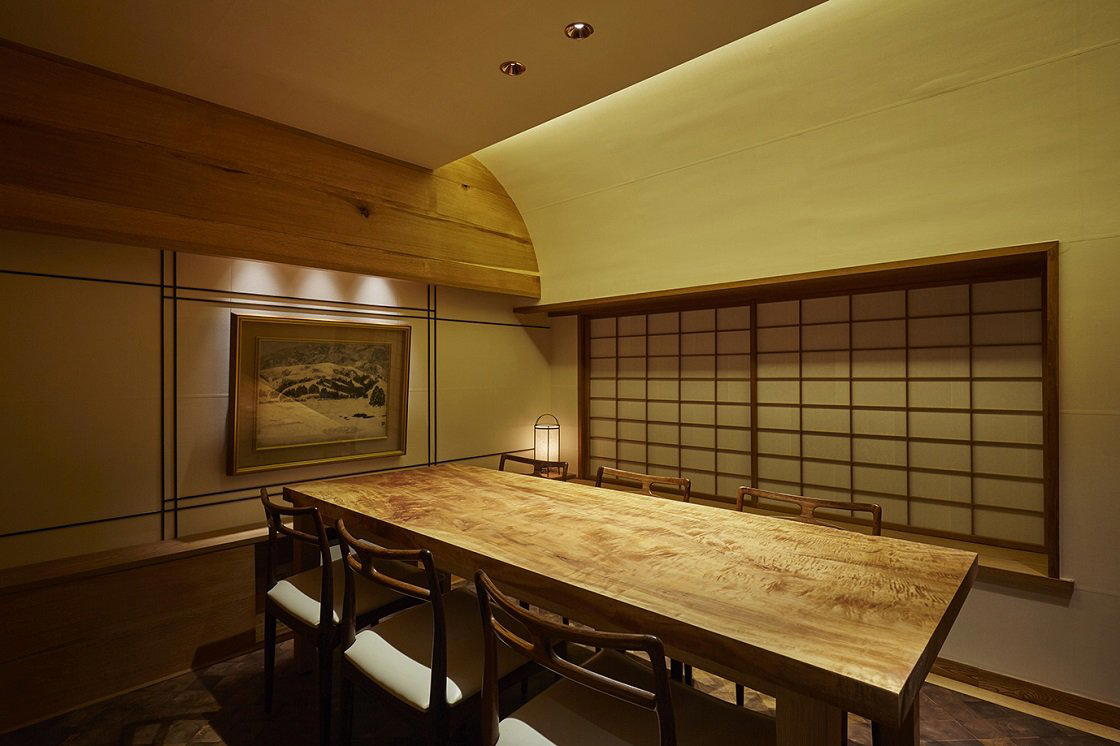
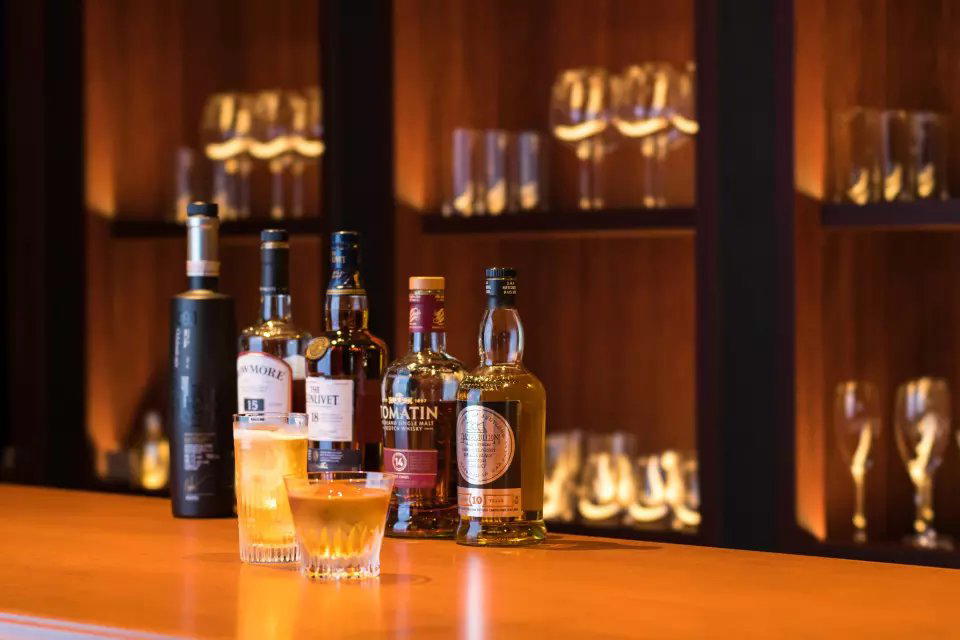
Elegant midcentury-inspired interior with sleek teak counter, olive-colored walls, and warm wooden elements creating a slow, comfortable, and relaxing atmosphere.