
Positioned in the mountains of Mentougou District, roughly 26 km from Beijing West Railway Station, Xitan Beijing brings Chinese cooking into a setting defined by elevation and stillness. The restaurant sits at the intersection of traditional technique and contemplative surroundings, drawing diners who want distance from the city's centre without sacrificing the precision that serious Chinese cuisine demands. Google reviewers rate it 4.5 out of 5.
 Discover on Pearl
Pearl is the En Primeur Club membership app — saves, bookings, and concierge access live there. Same editors, same standards.
- Address
- Mentougou District, China, 102399
- Phone
- +86 10 6569 1166
- Website
- br.bluepillow.com
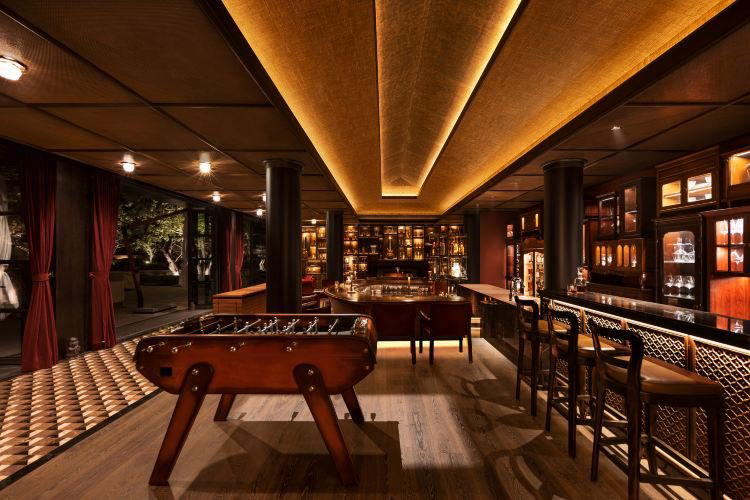
Mountain Altitude, Kitchen Precision
The approach to Mentougou District changes what dining in the broader Beijing region can mean. Where the capital's central districts stack restaurants into commercial towers and hutong lanes, the western mountains offer a different register: elevation, open sky, and the kind of silence that makes a kitchen's hiss and clatter land with more weight. Xitan Beijing occupies this environment, positioning itself as a destination restaurant that asks visitors to travel for the full experience.
Chinese cooking at this level is inseparable from fire discipline. Wok hei, the breath-of-the-wok quality that defines properly executed stir-fry, is not a finishing flourish but a structural requirement. It demands a flame intensity that domestic burners cannot replicate and a cook's rhythm fast enough to prevent ingredients from steaming rather than searing. Restaurants that earn sustained attention in China's broader fine-dining circuit tend to hold this technical standard regardless of their setting, whether they operate in a Shanghai lane house like 102 House in Shanghai or in a courtyard context like Ru Yuan in Hangzhou. The mountain location of Xitan Beijing does not soften the cooking tradition it works within.
Where Zen Aesthetics Meet High-Heat Cooking
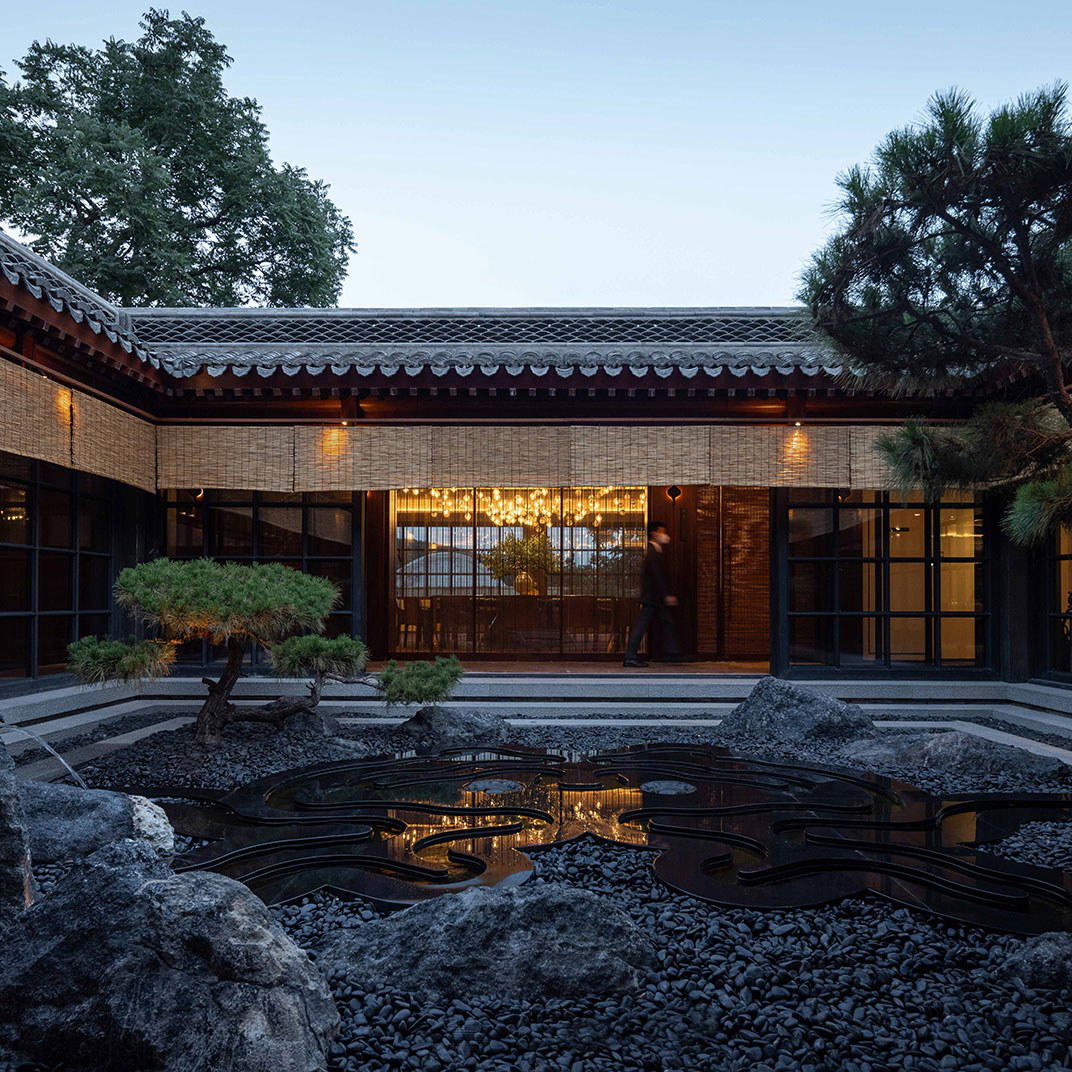
There is an apparent tension in pairing Chinese high-heat technique with a setting described by stillness and Zen-inflected aesthetics. In practice, that tension is precisely what makes certain refined destination restaurants in China compelling. The composure of the space sets expectations, and then the kitchen delivers the controlled violence of a wok station, the speed of a chef moving through mise en place at pace, and the smoke that briefly lifts from a well-seasoned pan. The contrast is not decorative; it draws the eye to what the cooking actually is.
Across Chinese restaurant culture in the premium tier, setting and technique have increasingly converged as signals of seriousness. Fu He Hui in Shanghai built its reputation on the intersection of vegetarian precision and contemplative interiors. Xin Rong Ji on Xinyuan South Road in Beijing and Xin Rong Ji in Chengdu demonstrate how Taizhou-rooted cooking can be delivered inside spaces that prioritise material quality and restraint. Xitan Beijing draws on a similar logic: the surroundings are not decoration placed over the food, they are a context that asks the kitchen to meet a corresponding standard.
The Mentougou District Position
Mentougou is not a dining district in the way that Sanlitun or Dongcheng are. It is a mountainous area to the west of Beijing proper, historically associated with coal mining villages, Ming and Qing dynasty temples, and the forested ridgelines that form part of the capital's western boundary. That geography creates a specific dining proposition: restaurants here draw from a visitor base that has made a deliberate journey, not a casual walk-in crowd. The commitment to the location is itself a filter.
For visitors arriving from the city, Beijing West Railway Station sits 26 km from the restaurant, making it the most practical rail connection point. Beijing Capital International Airport is approximately 79 km away by road. Neither option is a short transfer, which reinforces that Xitan Beijing functions as a destination rather than a neighbourhood option. Planning around a meal here means planning the day around Mentougou, and there is enough in the district's temples, trails, and village architecture to justify that structure.
Chinese Cooking in Its Wider Regional Context
The premium Chinese restaurant circuit across the mainland and its extended culinary cities has diversified considerably. Cantonese technique remains the dominant reference point for formal dining, with venues like Imperial Treasure Fine Chinese Cuisine in Guangzhou and Dai Yuet Heen in Nanjing carrying that tradition into different city contexts. Regional expressions have gained ground: Dingshan·Jiangyan in Suzhou and Jiangnan Wok·Rong in Fuzhou represent the Jiangnan corridor's distinct approach to freshness and delicacy. Further afield, Chef Tam's Seasons in Macau and Shang Palace in Yangzhou show how formal Chinese cooking adapts to hotel-anchored and heritage-city contexts respectively.
The international diaspora has produced its own readings of Chinese technique. Mister Jiu's in San Francisco repositions Cantonese traditions inside a California-produce framework, while Restaurant Tim Raue in Berlin applies a European fine-dining architecture to flavours drawn from Chinese and Southeast Asian cooking. These venues are useful comparisons for understanding how the wok and its demands travel, but they operate in a fundamentally different cultural register from a restaurant embedded in the Chinese landscape itself. Xitan Beijing, whatever the specific dishes it sends from its kitchen, is working from within that tradition rather than interpreting it from outside.
For a broader survey of where Chinese cuisine is being practised across the region, Fleurs Et Festin in Xiamen offers an interesting counterpoint: French technique applied in a Chinese coastal city, demonstrating how the direction of culinary borrowing has become bidirectional.
Planning a Visit
Xitan Beijing holds a Google rating of 4.5 from its current review base, a figure that signals consistent quality relative to expectations, though the review count remains limited. Direct contact with the venue before travelling is advisable, particularly given the journey involved. The Mentougou location rewards building the meal into a longer day itinerary; the district's temple complexes and walking routes work well as pre-dinner context.
How It Stacks Up
Comparable venues nearby, for context on price, style, and recognition.
| Venue | Cuisine | Price | Awards | Notes |
|---|---|---|---|---|
| Xitan BeijingThis venue — the venue you are viewing | Modern Chinese Fine Dining | $$$$ | Michelin 1 Key | |
| Xin Rong Ji (Jianguomenwai Street) | Taizhou Seafood | $$$$ | Michelin 1 Star | Sanlitun |
| Xin Rong Ji (Jinrong Street) | Taizhou Seafood | $$$$ | Michelin 1 Star | Fengsheng |
| Cai Yi Xuan | Michelin-Starred Cantonese | $$$$ | Michelin 1 Star | Hujialou |
| MO Jasmine | Creative Beijing Cuisine | $$$ | Michelin 1 Star | Chaoyang |
| The House of Dynasties | Modern Cantonese Dim Sum & Zhanjiang Cuisine | $$$$ | Michelin 1 Star | Hujialou |

At a Glance
- Elegant
- Quiet
- Modern
- Scenic
- Sophisticated
- Special Occasion
- Date Night
- Historic Building
- Mountain
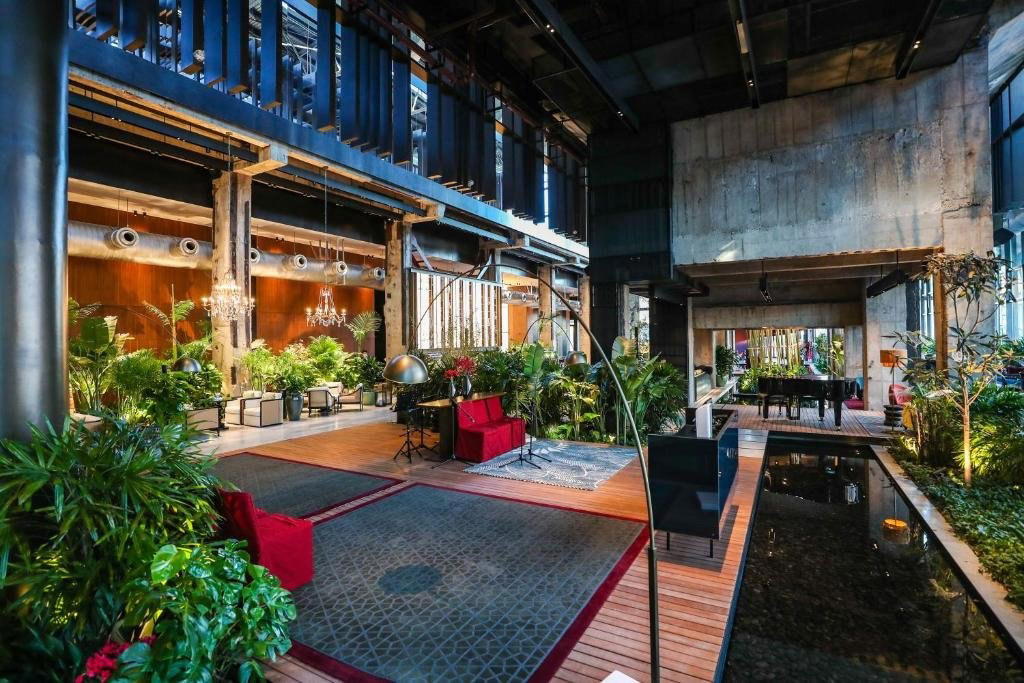
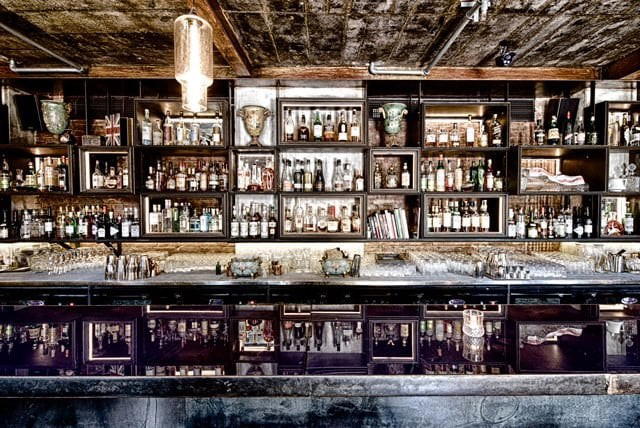
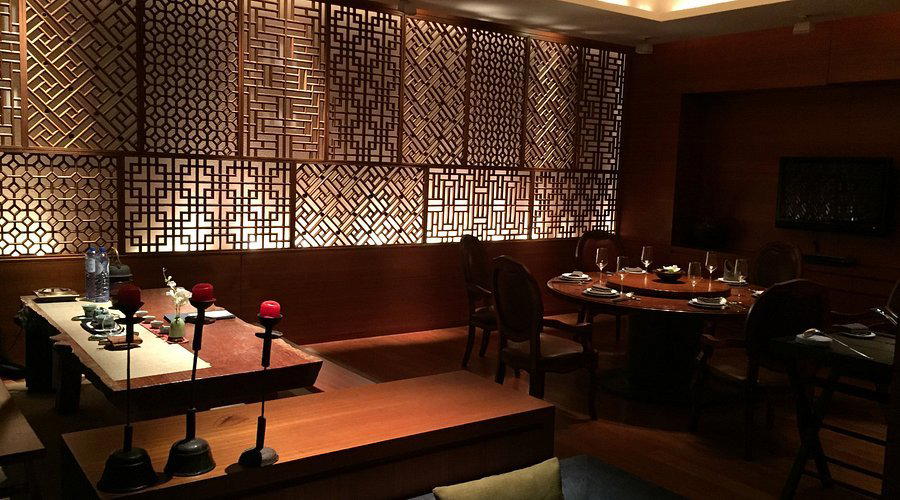
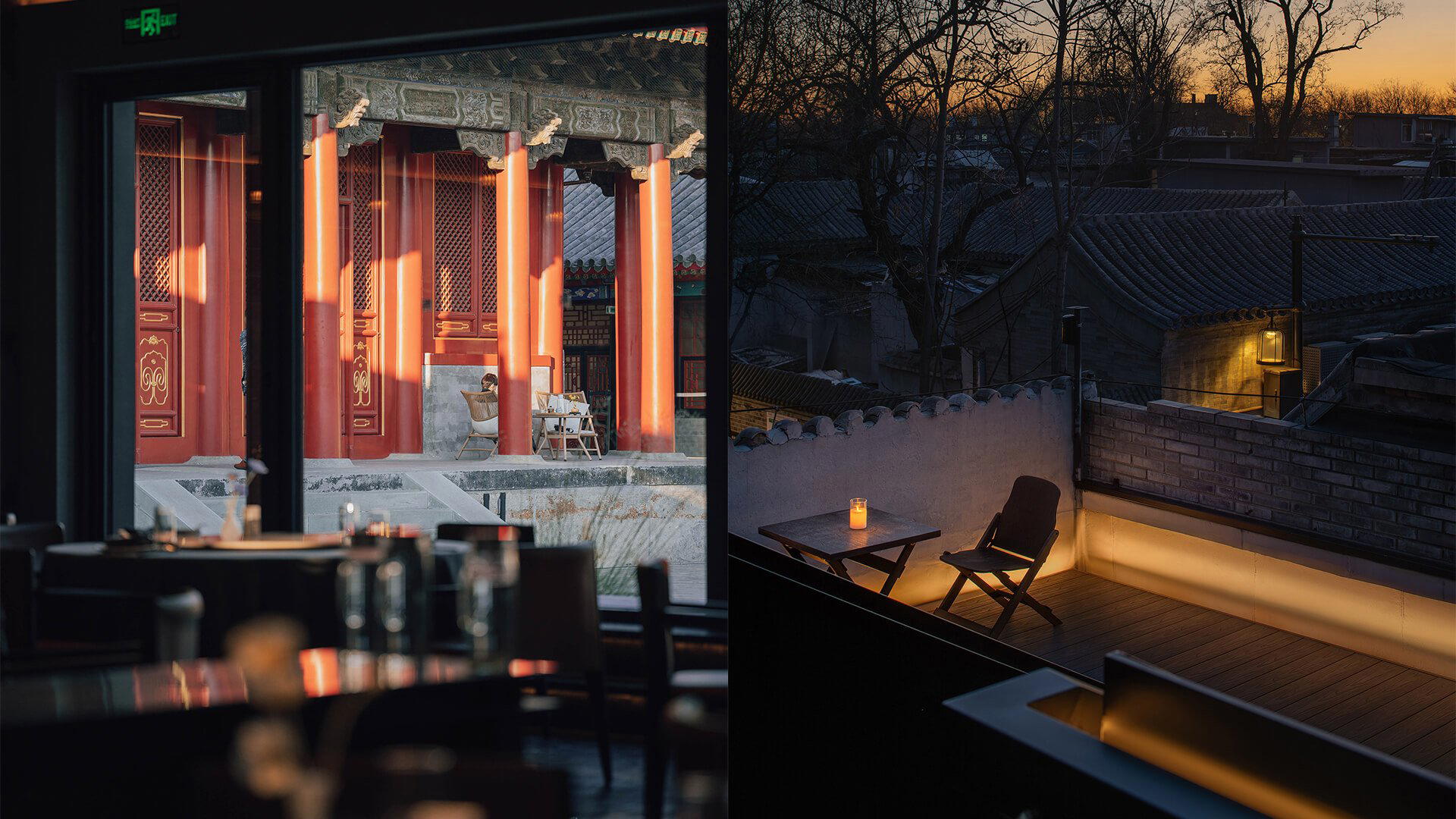
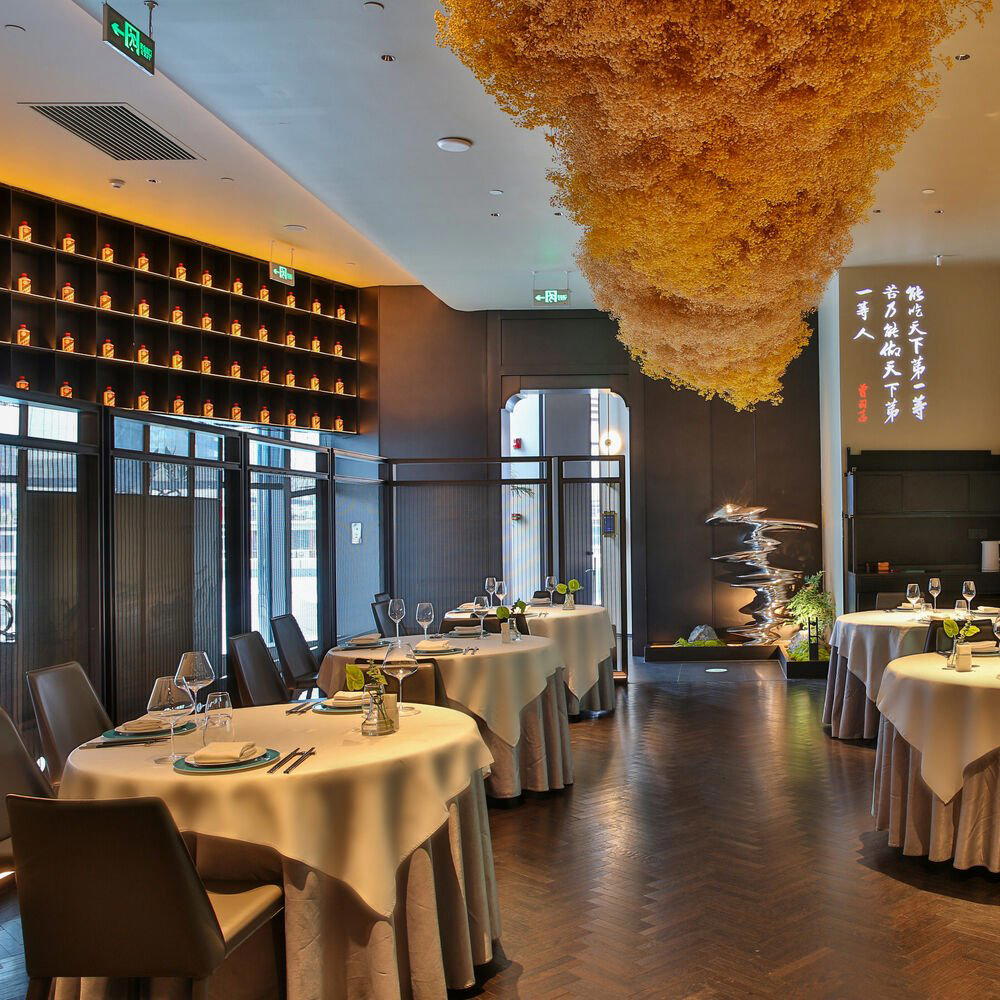
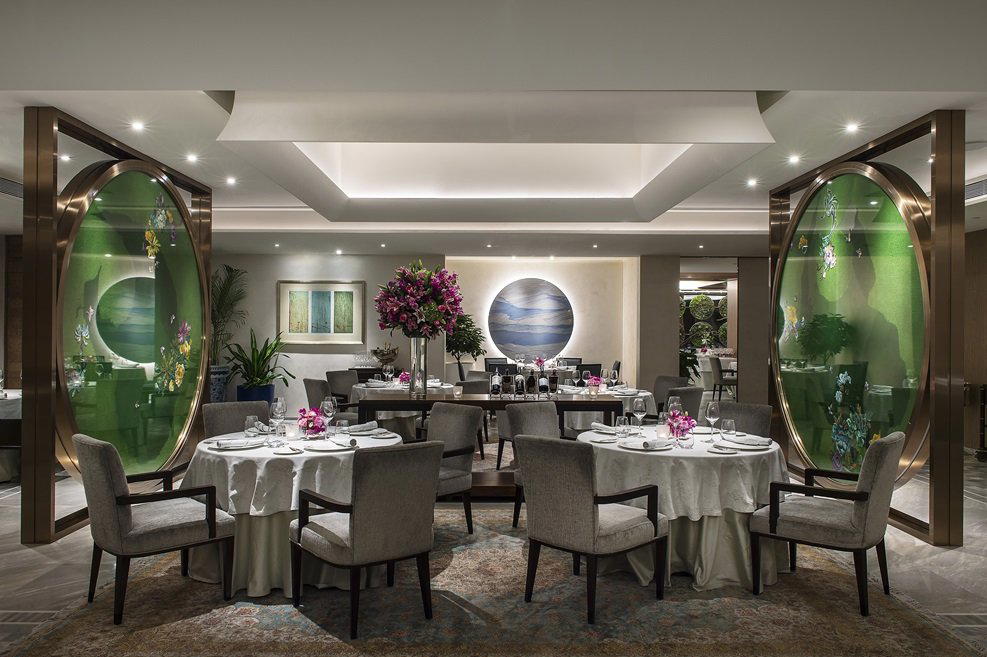
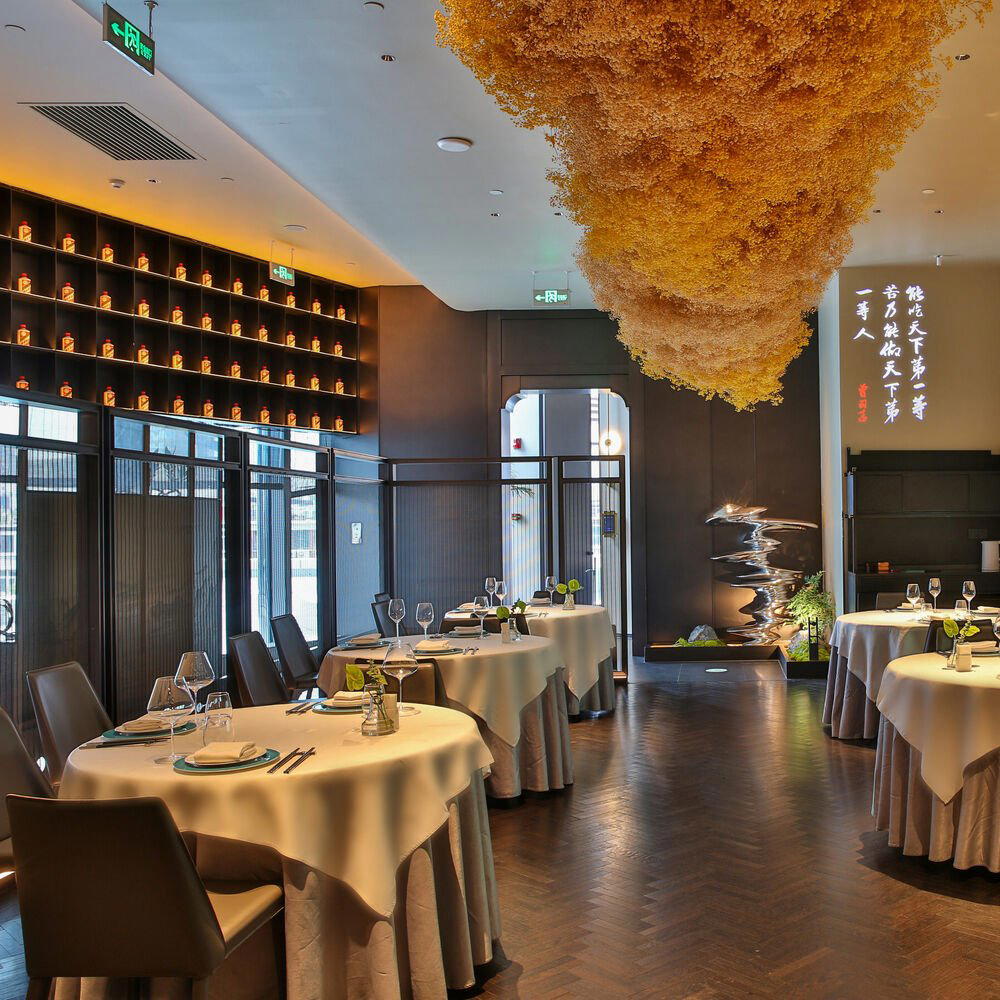
Tranquil atmosphere with plentiful space, historically inspired contemporary interiors, and mountain vistas framed like living paintings.