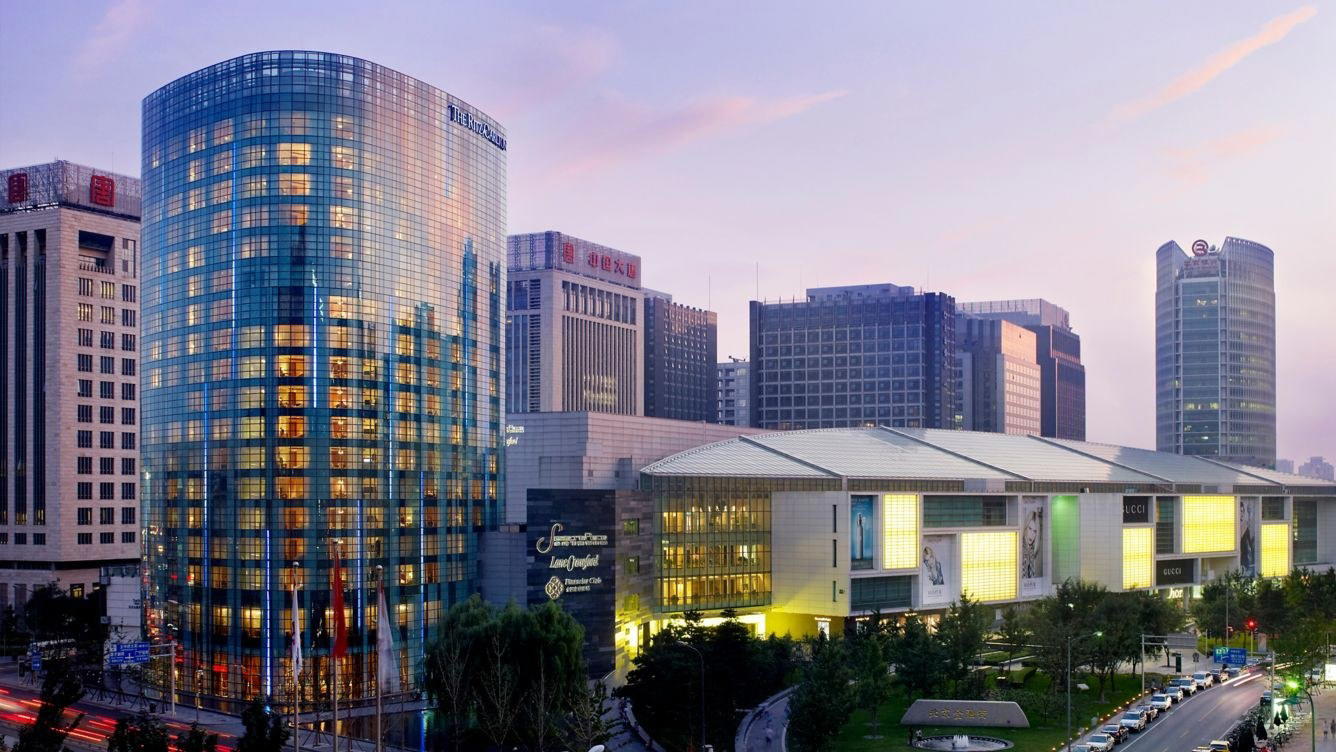
1 Michelin Star
Our verdict
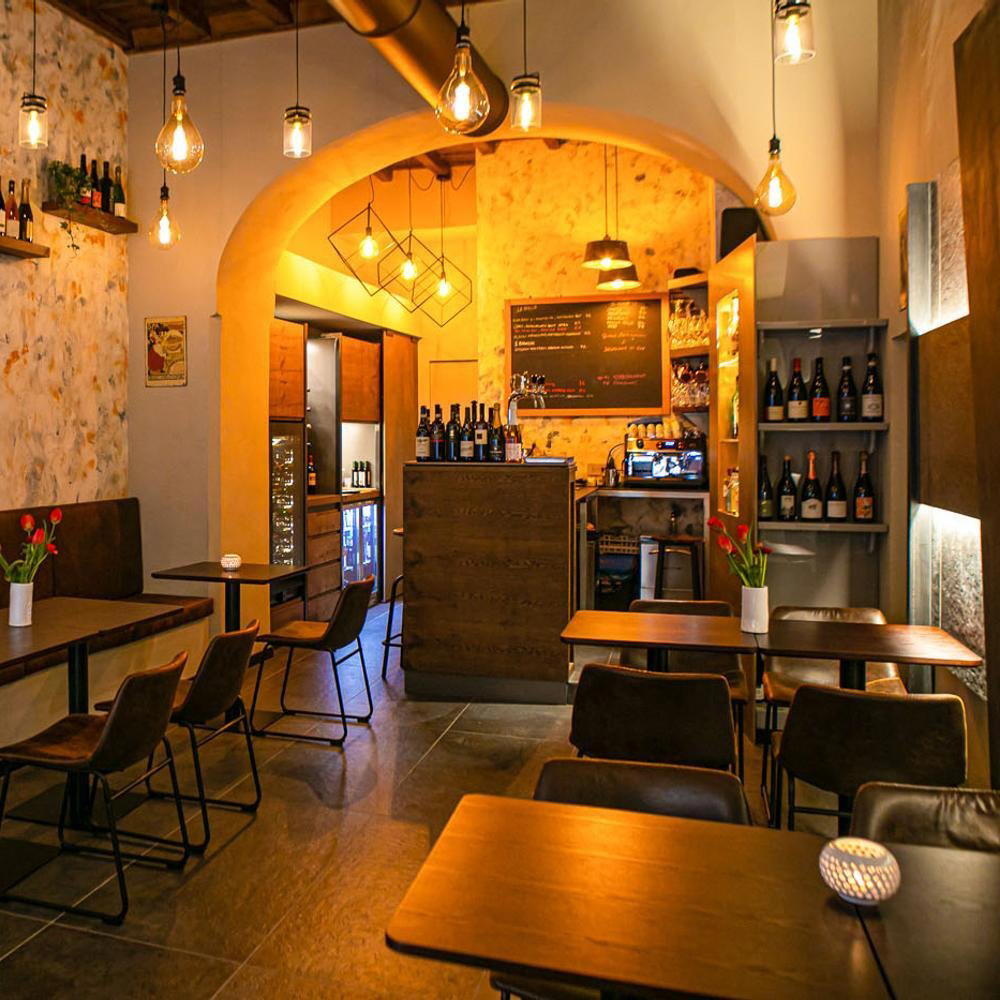
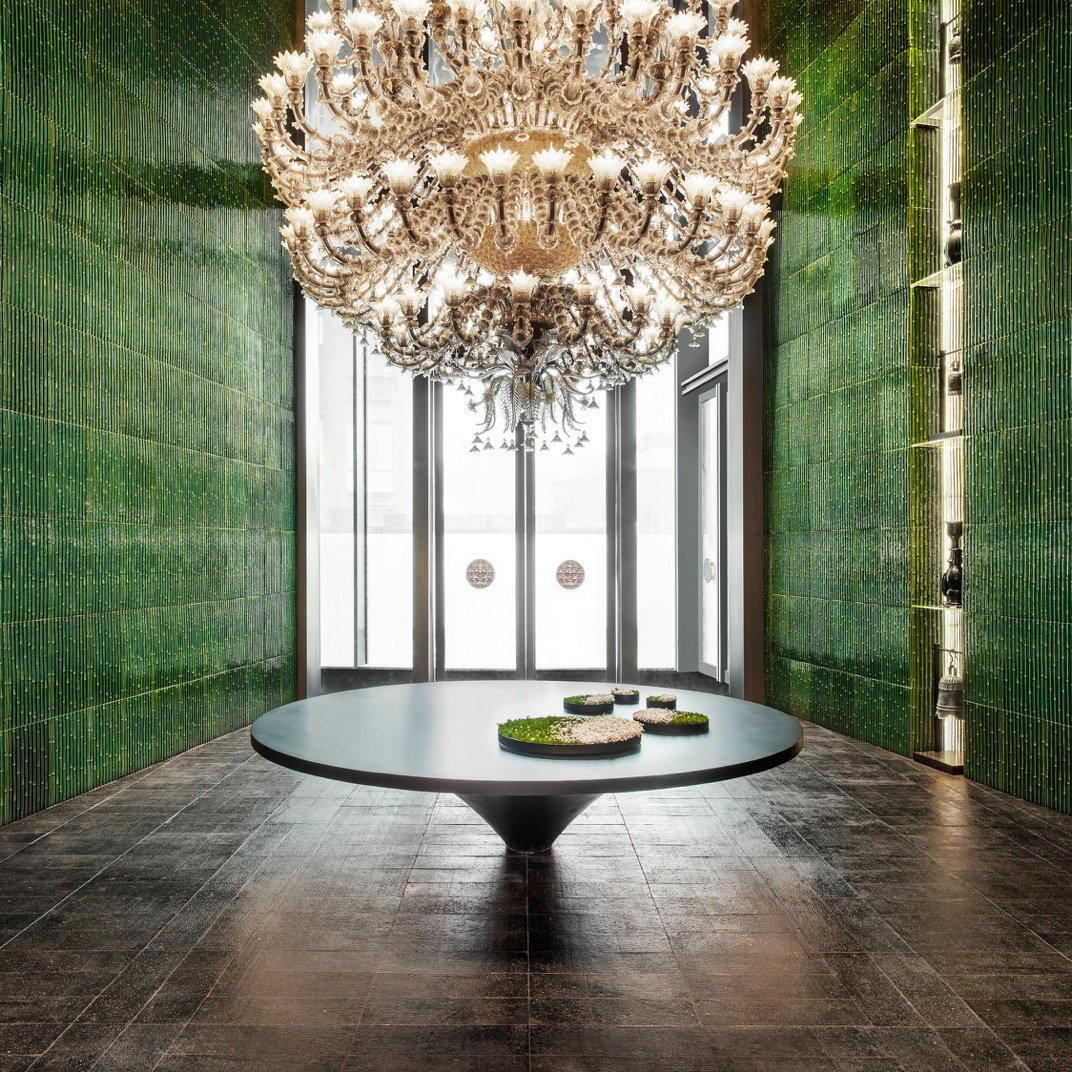
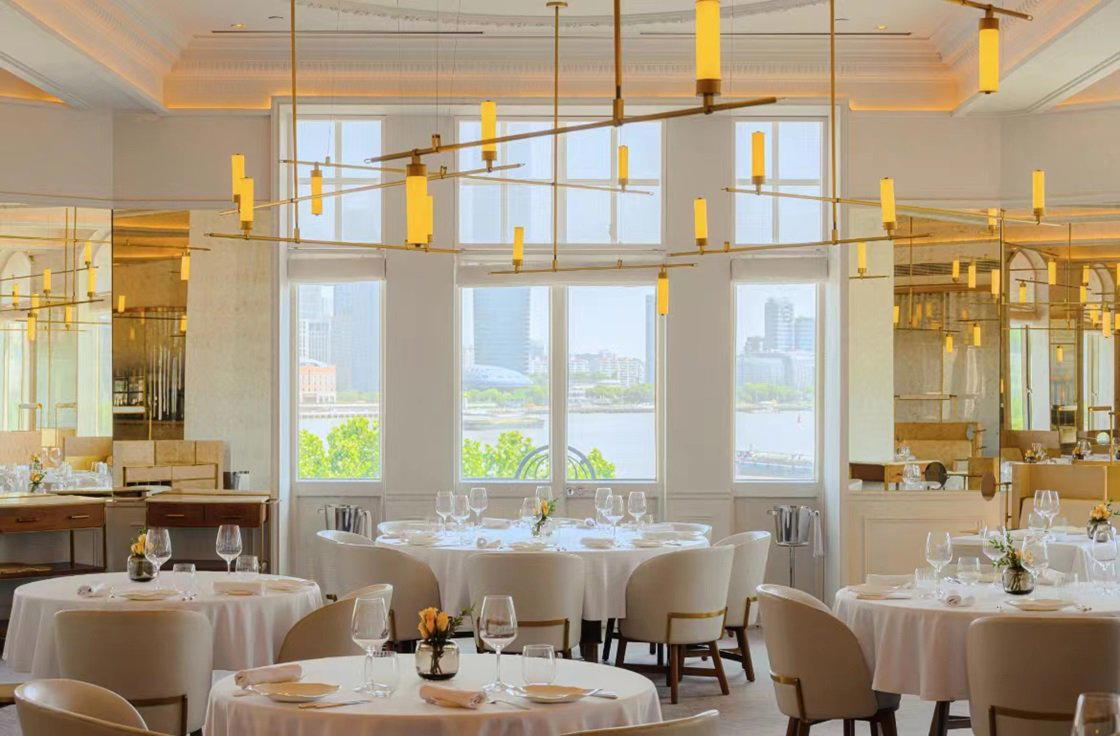
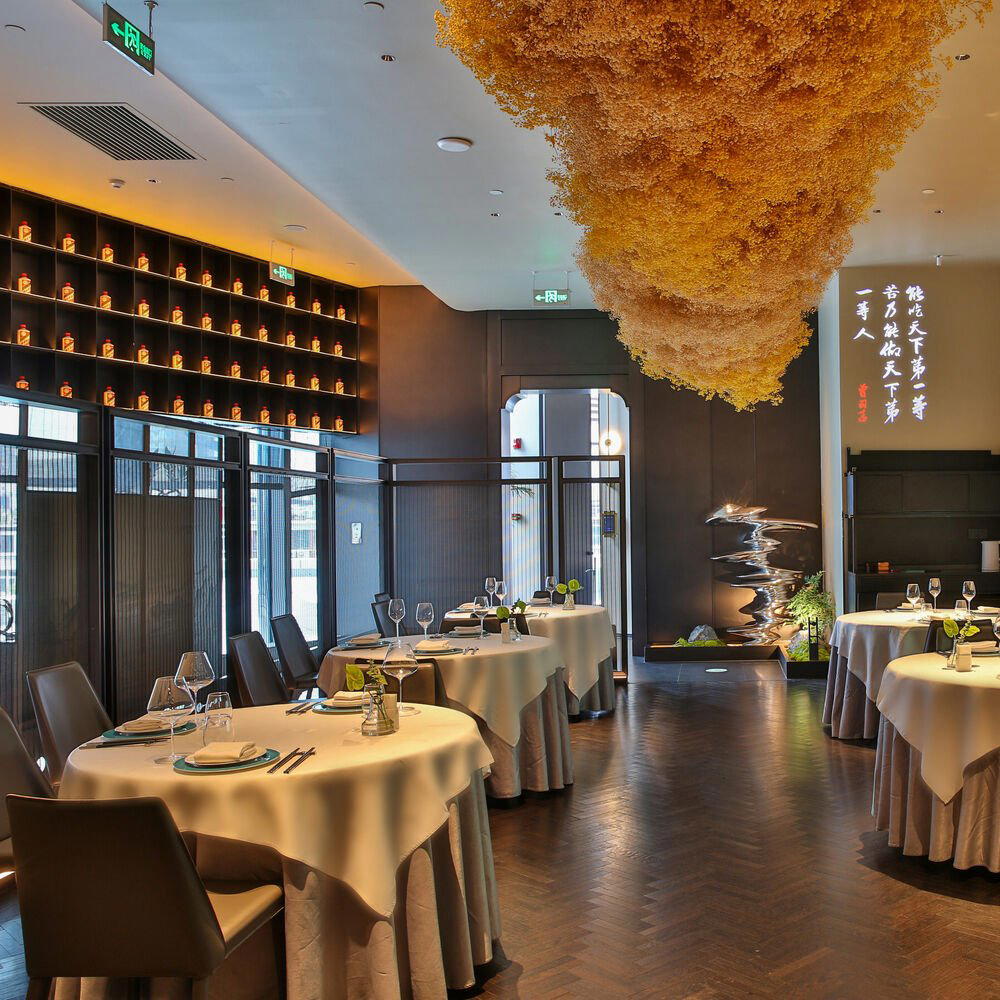
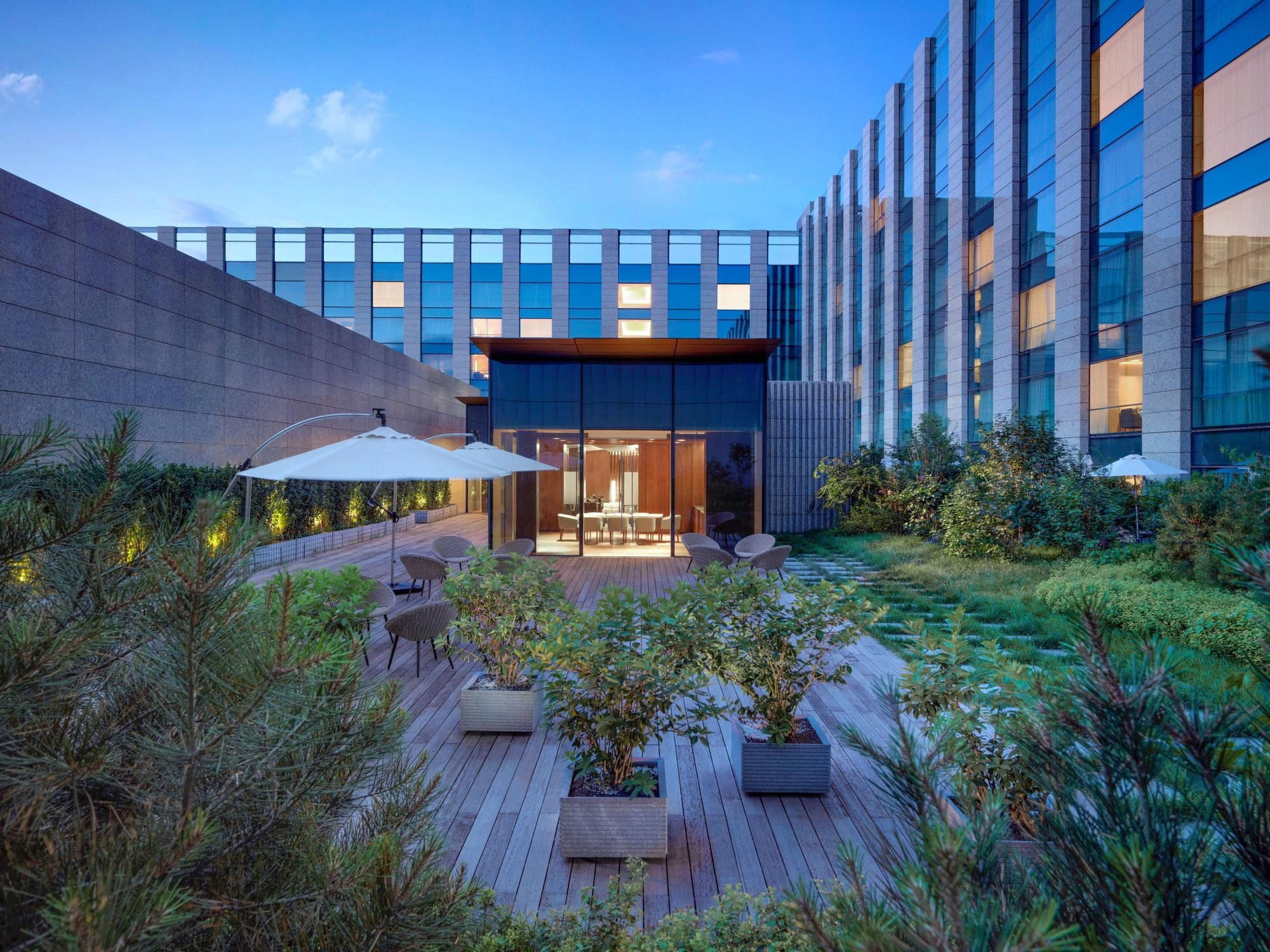
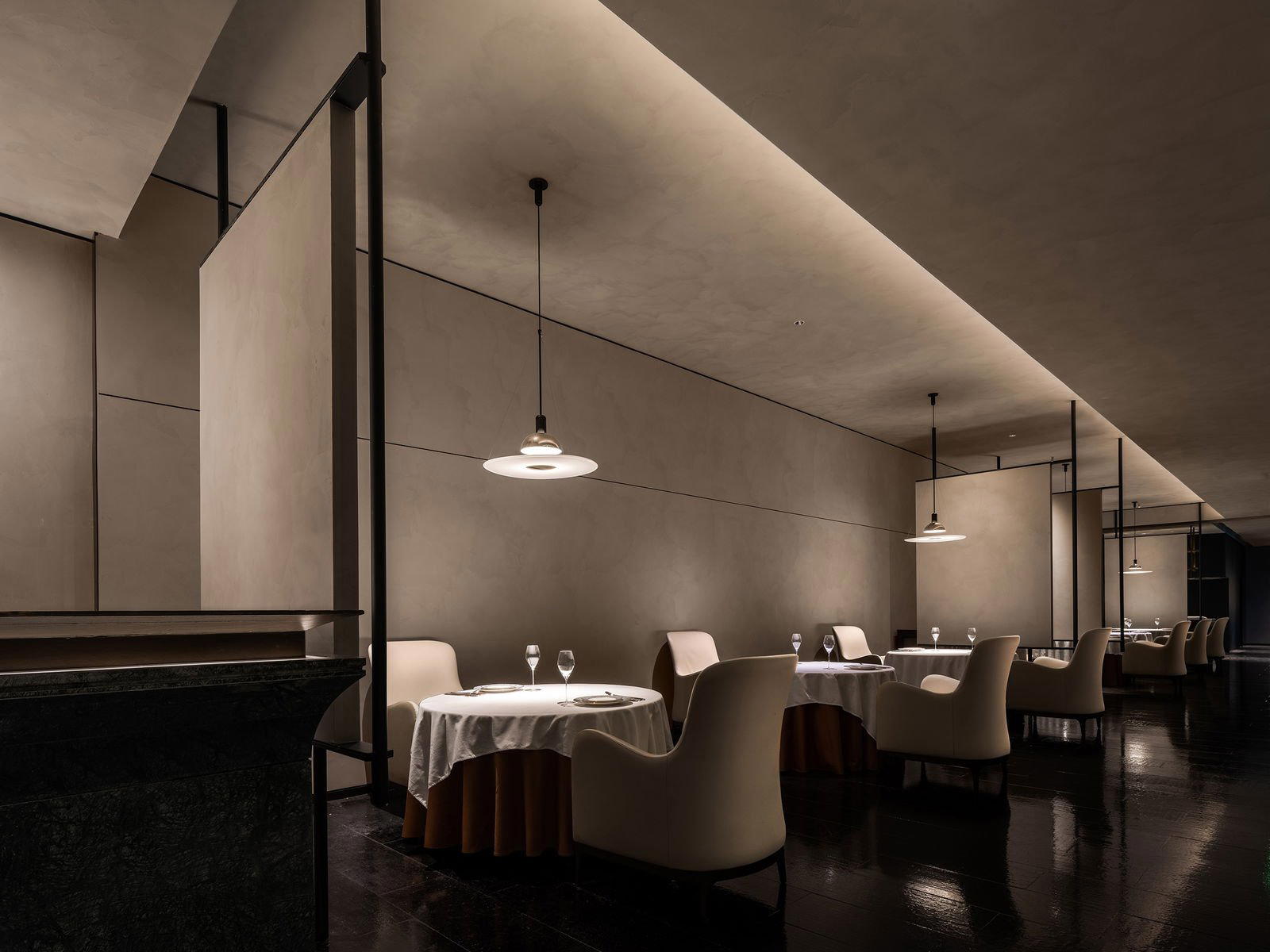
The dark green façade and warm grey interior set a composed tone, while jasmine centrepieces on each table signal the kitchen's attention to atmosphere as well as technique. Peking duck, served in individual portions with optional caviar, anchors a menu where regional refinement takes precedence over novelty.

Pearl is the En Primeur Club membership app, where members save venues, book tables and use the concierge.
The menu
What to order
- MO Jasmine Signature Roasted Duck
- Peking duck with caviar
- Braised Eel and Sea Cucumber
Atmosphere as the Primary Register
The sensory character of MO Jasmine is unusually well-defined for a room at this price tier. The combination of dark exterior, grey interior, and jasmine fragrance produces a deliberate atmosphere that operates as more than décor.
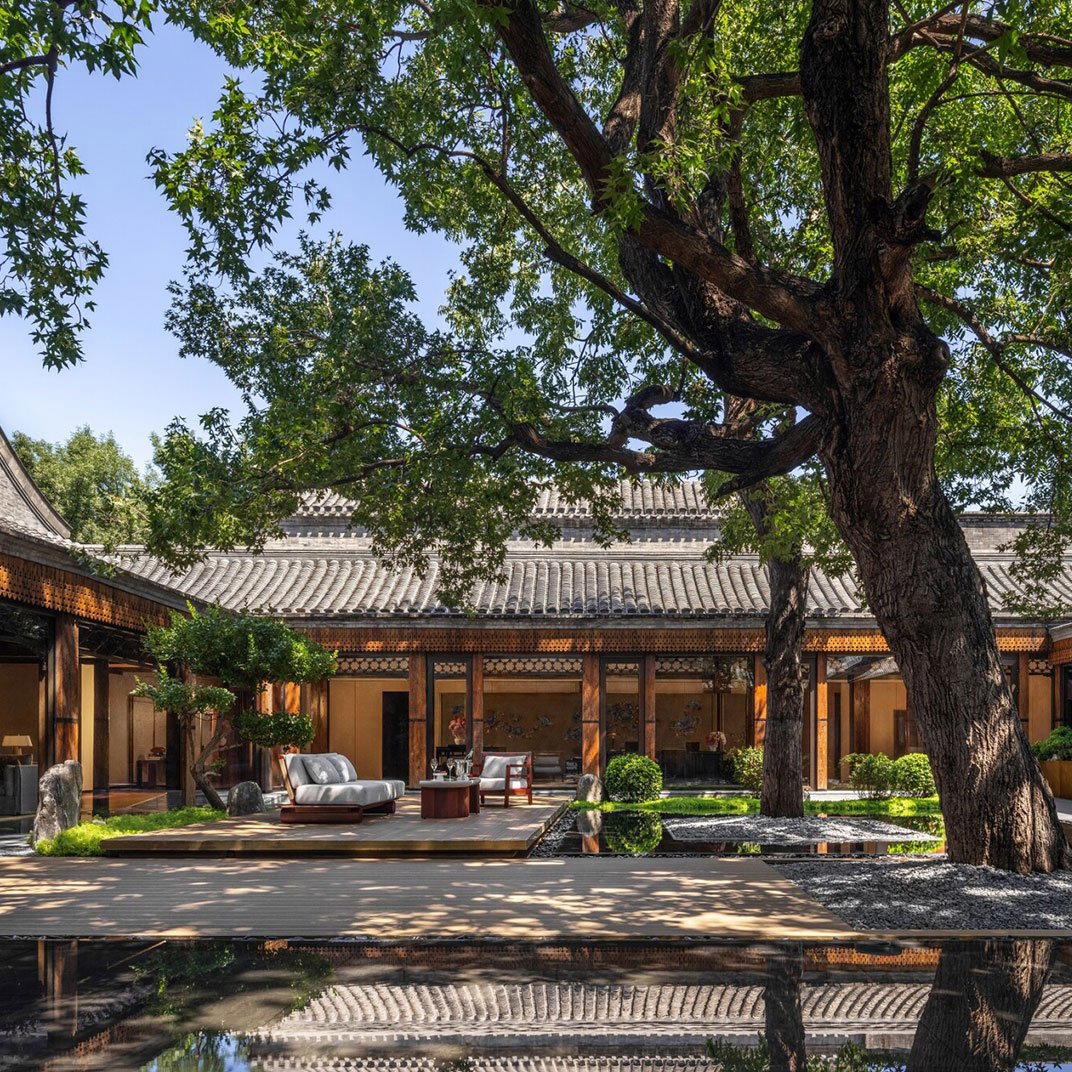
That approach connects to a broader shift in how high-end Chinese dining rooms present themselves. The generation of restaurants that opened across China's major cities in the 2010s increasingly treated interior atmosphere as an extension of the culinary argument, rather than a backdrop to it. MO Jasmine's jasmine motif is the clearest example of this: a single fragrant element that names the restaurant, scents the room, and signals that the kitchen's interest in refinement extends beyond the plate. Comparable attention to atmosphere in the formal Chinese category can be found at Poetry·Wine (Dongsanhuan Middle Road), where the room's character is equally deliberate, and at 102 House in Shanghai, where courtyard architecture does similar atmospheric work.enprimeurclub.enprimeurclub.com/restaurants/ru-yuan-hangzhou-restaurant">Ru Yuan in Hangzhou and Xin Rong Ji in Chengdu represent how regional Chinese traditions maintain discipline at distance. At the higher end of the formal Chinese dining scale in other cities, Chef Tam's Seasons in Macau, Imperial Treasure Fine Chinese Cuisine in Guangzhou, and Dai Yuet Heen in Nanjing are the relevant reference points. Closer to MO Jasmine's own neighbourhood style,
Frequently asked questions
What's the address for MO Jasmine?
MO Jasmine is located at 27X3+Q48, Xibeiwang 4 St, Haidian District, Beijing, China, 100094, Beijing.
What cuisine category does MO Jasmine fall under?
Has MO Jasmine won any awards?
MO Jasmine has received recognition including: The dark green façade and warm grey room impart sophisticated taste. The jasmine centrepiece on each table exudes a pleasant scent and befits the restaurant’s name. On the menu, Beijingese melds with Shandong in refined masterpieces that lo….
What's the best thing to order at MO Jasmine?
The Peking duck is the clearest expression of MO Jasmine's kitchen. Served in individual portions rather than whole-table format, the chargrilled duck breast with crispy skin is finished with caviar alongside the standard pancake, scallion, and cucumber accompaniments. At ¥¥¥ pricing, it sits within the tier where that kind of preparation is expected to hold up, and based on Michelin's editorial description of the dish, it does.
Is MO Jasmine more mid-range or high-end?
Pricing at MO Jasmine is listed as ¥¥¥.
Can I walk in to MO Jasmine?
Advance booking is advisable, particularly for evenings.
Awards and Standing
A quick peer check to anchor this venue’s price and recognition.
| Venue | Cuisine | Price | Awards | Notes |
|---|---|---|---|---|
| MO JasmineThis venue (the venue you are viewing) | Creative Beijing Cuisine | $30–50 | 1 Michelin Star | Not listed |
| Jing | Modern French with Asian Influences | $300–500 | 1 Michelin Star · Black Pearl 1 Diamond | French Contemporary |
| Xin Rong Ji (Xinyuan South Road) | Taizhou Chinese Fine Dining | $300–500 | 3 Michelin Stars · World's 50 Best #84 | Taizhou |
| Chao Shang Chao (Chaoyang) | Modern Chaoshan (Teochew) Fine Dining | $300–500 | Michelin Plate · La Liste Top Restaurants | Chao Zhou |
| Lamdre | Modern Plant-Based Chinese Vegetarian | Not listed | 2 Michelin Stars · World's 50 Best #17 | Vegetarian |
| Jingji | Imperial Beijing Royal Cuisine | $200–300 | 2 Michelin Stars · La Liste Top Restaurants | Beijing Cuisine |
Recognition history
Dated appearances from independent guides and award organizations, with the underlying list record or original source where available.
Michelin 1 Star
Michelin
Full recognition history (2 entries)
Michelin 1 Star
Michelin