
Michelin Selected
Weinhaus Henninger sits along the Weinstraße in Kallstadt, one of the Palatinate wine route's most historically layered villages. Selected by the Michelin Guide 2025, it represents the smaller, wine-country lodging tier that increasingly draws visitors seeking proximity to Riesling and Daumenpinot producers over anonymous hotel chains. Kallstadt's position on the Deutsche Weinstraße makes it a practical base for serious wine exploration.

Pearl is the En Primeur Club membership app — saves, bookings, and concierge access live there. Same editors, same standards.
- Address
- Weinstraße 93, 67169 Kallstadt, Germany
- Phone
- +49 6322 2277
- Website
- weinhaus-henninger.de
- Directions
- Get directions
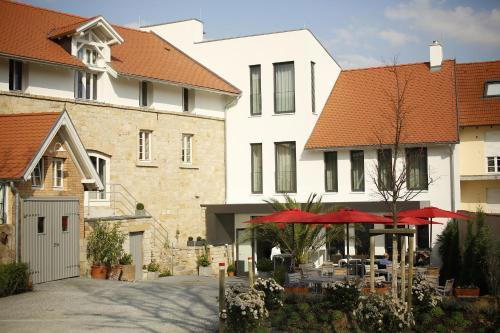
A Wine Village Property on the Palatinate Route
Kallstadt sits roughly midway along the Deutsche Weinstraße, the 85-kilometre corridor of vineyards, half-timbered villages, and family estates that runs from Bockenheim in the north to Schweigen-Rechtenbach at the French border. The village itself is compact, historically dense, and disproportionately significant for its size: the Palatinate wine country around it produces some of Germany's most sought-after Riesling and Dornfelder, and Kallstadt's address on Weinstraße is almost literal — the wine road passes directly through it. Properties that sit on this axis occupy a specific niche in the German lodging market: they are neither spa resorts in the Black Forest nor city-centre grand hotels, but working wine-country stays where the surrounding estates and tasting rooms form the primary draw.
Weinhaus Henninger, at Weinstraße 93, belongs to this category. Its 2025 selection by the Michelin Guide places it in the cohort of smaller, independently operated properties that the guide has increasingly highlighted alongside its star-rated restaurant selections — a signal that Michelin's hotel programme now maps the full spectrum of considered stays, not only large luxury chains. For context, German Michelin hotel selections in this tier sit alongside properties like Luisenhöhe in Horben and Seezeitlodge Hotel & Spa in Gonnesweiler, each representing regional character rather than brand-standardised luxury.
The Physical Fabric of a Wine-Route Address
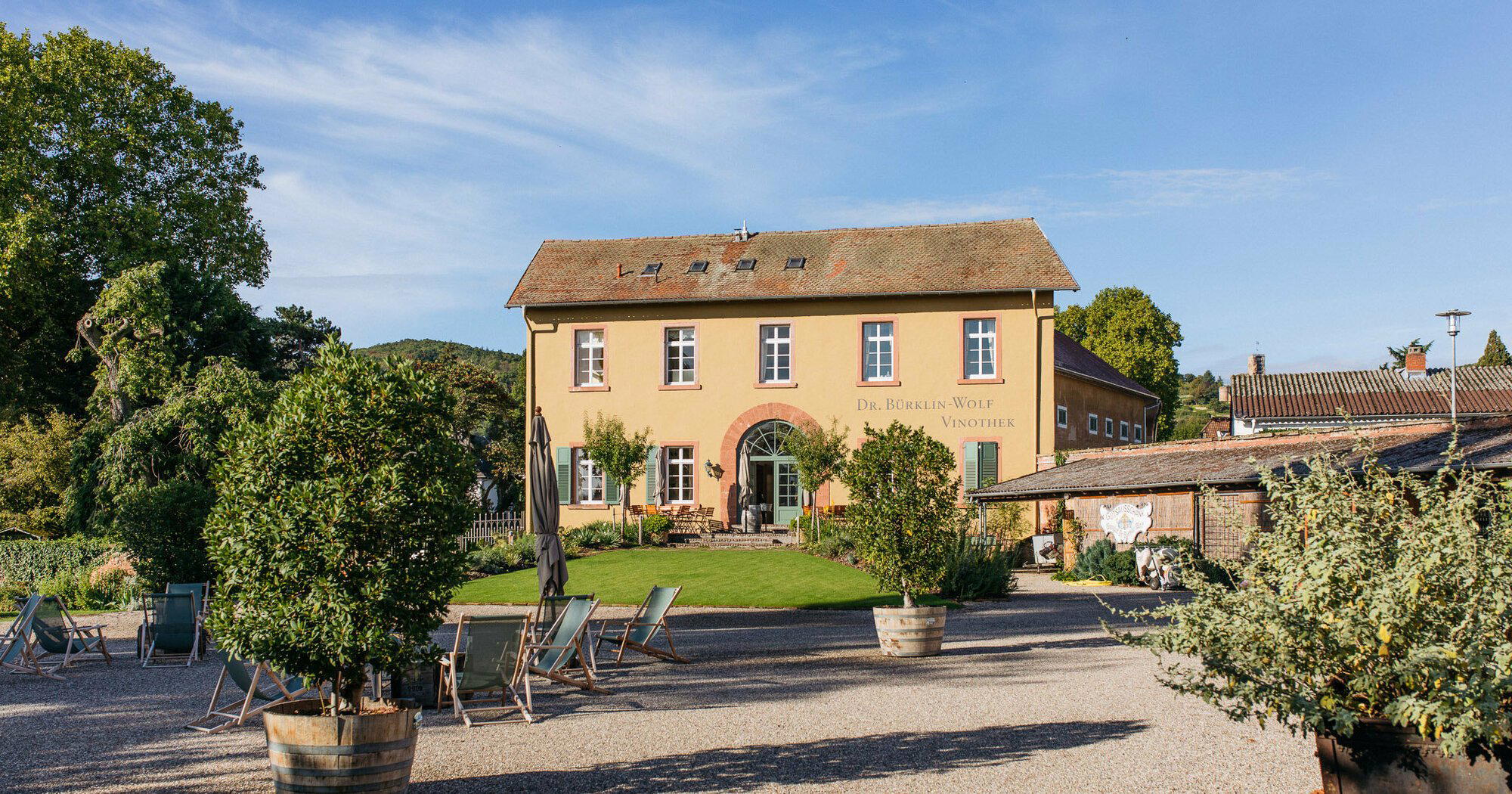
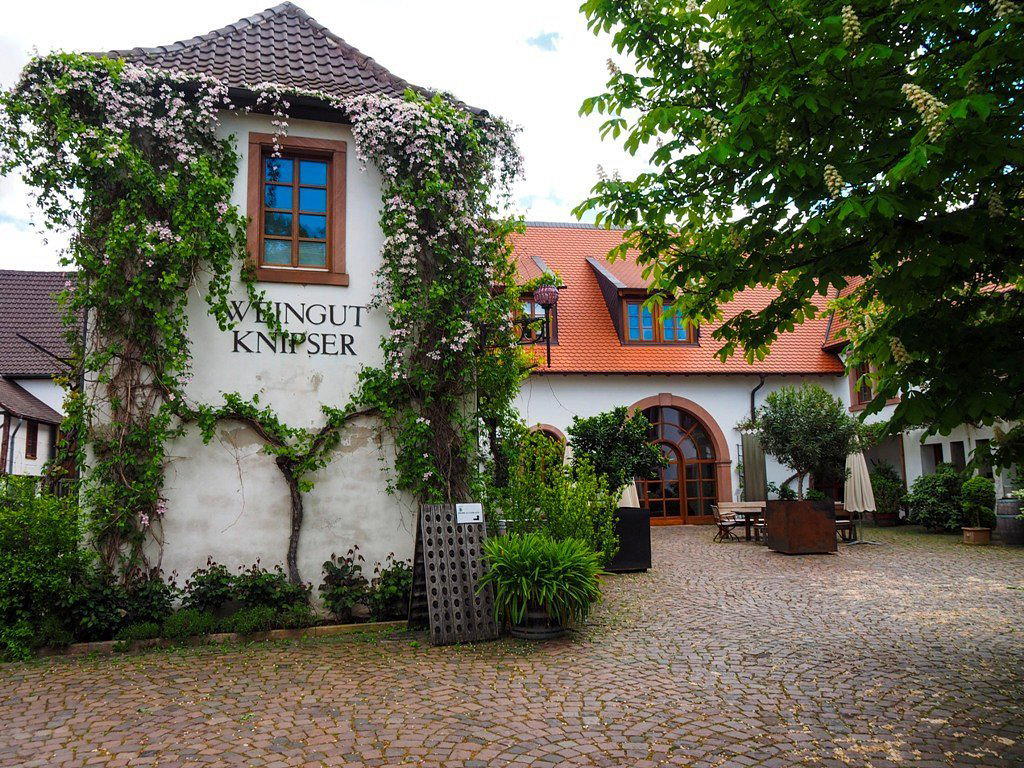
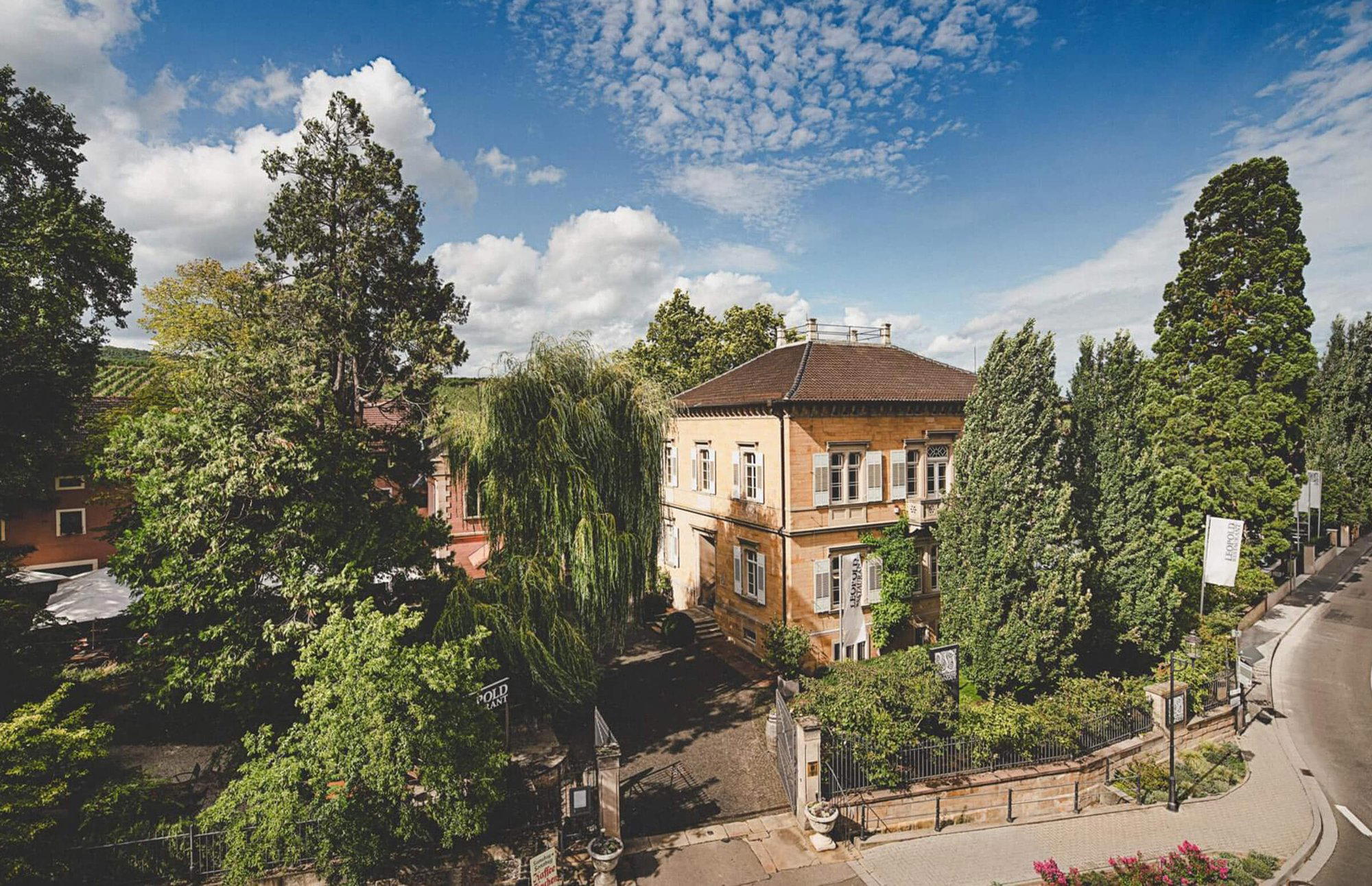
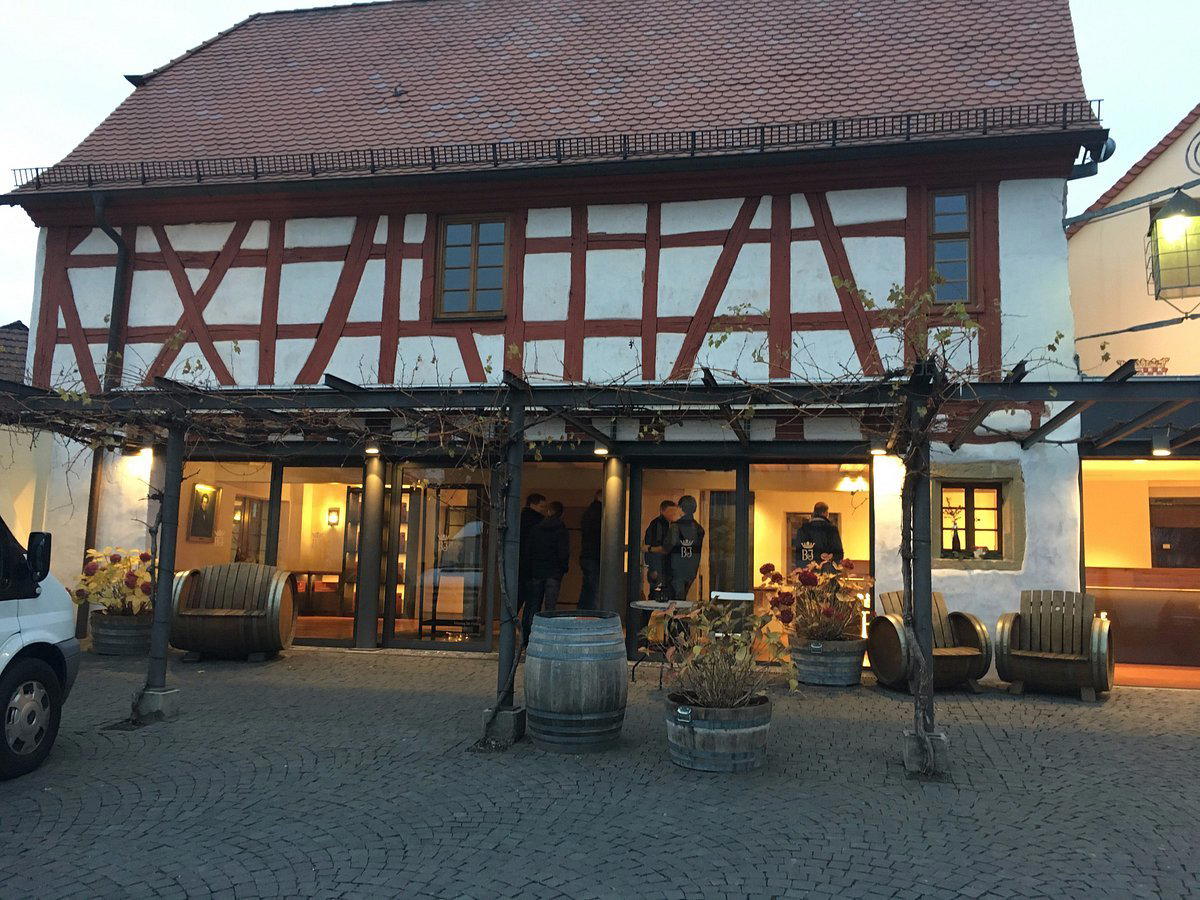
Along the Weinstraße, the architecture reads as an accumulation of eras rather than a single design statement. Stone-built wine estates, sandstone lintels, courtyard gates, and vine-covered facades are the dominant vocabulary of villages like Kallstadt, and properties in this setting tend to draw their aesthetic identity from the existing built fabric rather than from any imposed contemporary intervention. The Weinhaus format, literally a wine house, a property where wine production, storage, or retail has historically been central to the building's purpose, sits within a long regional tradition. These buildings often carry thick walls suited to cellar temperatures, ground-floor spaces originally designed for barrel storage or tasting, and upper floors that served as family accommodation above the working enterprise.
That layered physical history is what distinguishes wine-route stays from purpose-built resort hotels. Where a property like Schloss Elmau in Elmau or Althoff Seehotel Überfahrt in Rottach-Egern operates as a self-contained destination resort with extensive programming and amenities, a Weinhaus on the Palatinate route positions itself around access to the exterior: the vineyards, the estate visits, the village itself. The building is a base rather than a destination in isolation, which is a meaningful distinction for how a traveller should plan their stay.
Kallstadt in the Palatinate Wine Context
The Palatinate (Pfalz) is Germany's second-largest wine region by area and its warmest by climate, a combination that produces wines with more body and ripeness than those of the Mosel or Rheingau. Riesling remains the prestige grape, but the region's character is broader: Weißburgunder (Pinot Blanc), Grauburgunder (Pinot Gris), and Spätburgunder (Pinot Noir) all appear at serious levels from estates within cycling distance of Kallstadt. The village's own producers have historically maintained a strong reputation, and the density of quality estates per square kilometre in this stretch of the Weinstraße is high enough that a two- or three-night stay can reasonably cover significant ground without a car.
This concentration of producers is part of what makes a wine-country property in Kallstadt functionally different from staying in a larger nearby city. Frankfurt, accessible via the A61 and A67, is roughly 90 minutes away; Mannheim sits closer, at under an hour. But the proximity calculus for guests at a Weinhaus is less about urban connectivity and more about which estates are within reach by foot or bicycle. For those focused on Riesling in particular, the Mittelhaardt subregion, which covers Kallstadt and its neighbours, has historically been considered the Palatinate's most concentrated zone of fine-wine production, a peer comparison would put it alongside the Rheingau's Rüdesheim-to-Eltville stretch in terms of estate density per kilometre of route.
Michelin Selection and What It Implies
The Michelin Guide's hotel selection criteria, while less codified publicly than its restaurant star system, emphasise comfort, character, and consistency. A property listed in the 2025 guide at the Selected tier has cleared a baseline review without holding the higher Michelin Key distinctions. That places Weinhaus Henninger in a position comparable to other regionally rooted, character-led properties across Germany, distinct from the grand-hotel tier represented by, say, Fairmont Hotel Vier Jahreszeiten in Hamburg or Excelsior Hotel Ernst in Cologne, but within the same editorial framework that values specificity over size.
For a property of this type and location, Michelin recognition matters primarily as a calibration signal rather than a luxury promise. It tells the prospective guest that the property has been reviewed, found to meet baseline standards of quality, and considered worth noting in the context of the surrounding area. For wine-route travellers who may be comparing small guesthouses and Weinhäuser across several villages, that signal provides a useful anchor point in an otherwise heterogeneous market.
Planning a Stay in Kallstadt
The Deutsche Weinstraße is most visited between late April and late October, with harvest season (late September through October) drawing the highest concentration of visitors to estates and wine festivals throughout the Palatinate. Bookings along the route in this window tend to compress earlier than the rest of the year, and Kallstadt's small village scale means accommodation capacity is genuinely limited. Properties comparable to Weinhaus Henninger in this region, smaller, character-led, independently operated, book out during harvest weekends well in advance.
Prospective guests are advised to search directly for current contact information, as smaller wine-country properties on the Weinstraße often operate seasonal schedules or updated booking channels not reflected in static listings. Pricing for properties in this category along the Palatinate route varies considerably by season and room type; the Michelin selection provides a quality floor but not a price signal.
For travellers building a broader German wine-route itinerary, Kallstadt pairs naturally with stays in the southern Weinstraße or day visits to Neustadt an der Weinstraße, the region's largest town and a practical hub for the wider Pfalz. Those building a wider German hotel circuit might also consider Hotel Traube Tonbach in Baiersbronn for a Black Forest counterpoint, or Esplanade Saarbrücken for a city-based stop along the French-German border corridor. Further afield, Weissenhaus Private Nature Luxury Resort and Söl'ring Hof in Sylt represent the northern German premium tier, while internationally, Badrutt's Palace Hotel in St. Moritz and Hôtel de Paris Monte-Carlo anchor the upper end of the European hotel spectrum for comparison. Additional regional options worth considering include LA MAISON in Saarlouis, Villa Contessa in Bad Saarow, Telegraphenamt in Berlin, Breidenbacher Hof Düsseldorf, Sofitel Frankfurt Opera, Der Öschberghof in Donaueschingen, Gut Steinbach Hotel Chalets Spa in Reit im Winkl, BUDERSAND Hotel in Hörnum, Das Kranzbach Hotel & Wellness Retreat in Kranzbach, Spa & Golf Hotel Weimarer Land in Blankenhain, and Seesteg Norderney and The Fifth Avenue Hotel in New York City for those extending a trip internationally.
In Context: Similar Options
Comparable venues nearby, for context on price, style, and recognition.
| Venue | Cuisine | Price | Awards | Notes |
|---|---|---|---|---|
| Weinhaus HenningerThis venue — the venue you are viewing | Historic half-timbered building with modern 4-star extension | Not listed | Michelin Selected | Not listed |
| Garner Essen Handelshof | Historic city hotel with modern comforts | $1–100 | Not listed | Stadtkern |
| Land & Golf Hotel Stromberg | Country-house style resort with golf and wellness focus | $300–500 | Michelin Selected | Stromberg |
| Tannenhof Sport & SPA | Modern Alpine resort combining contemporary design with traditional Bavarian elements; family-run establishment emphasizing wellness and active recreation. | $300–500 | Michelin Selected | Weiler-Simmerberg |
| Arthotel Heidelberg | Boutique design hotel blending historic facade with modern puristic interiors. | $100–200 | Michelin Selected | Old Town |
| Schloss Reinach | Historic chateau manor with modern luxury renovations | $200–300 | Michelin Selected | Munzingen |
Recognition history
Dated appearances from independent guides and award organizations, with the underlying list record or original source where available.
Michelin Selected
Michelin
Continue exploring
More in Kallstadt
Hotels in Kallstadt
Browse all →
Bars in Kallstadt
Browse all →
Restaurants in Kallstadt
Browse all →
Details
- Classic
- Cozy
- Rustic
- Modern
- Lively
- Romantic Getaway
- Weekend Escape
- Business Trip
- Group Retreat
- Anniversary
- Historic Building
- Garden
- Terrace
- Wi Fi
- Free Parking
- Restaurant
- Bar
- Garden
- Street Scene
- Step Free Entrance
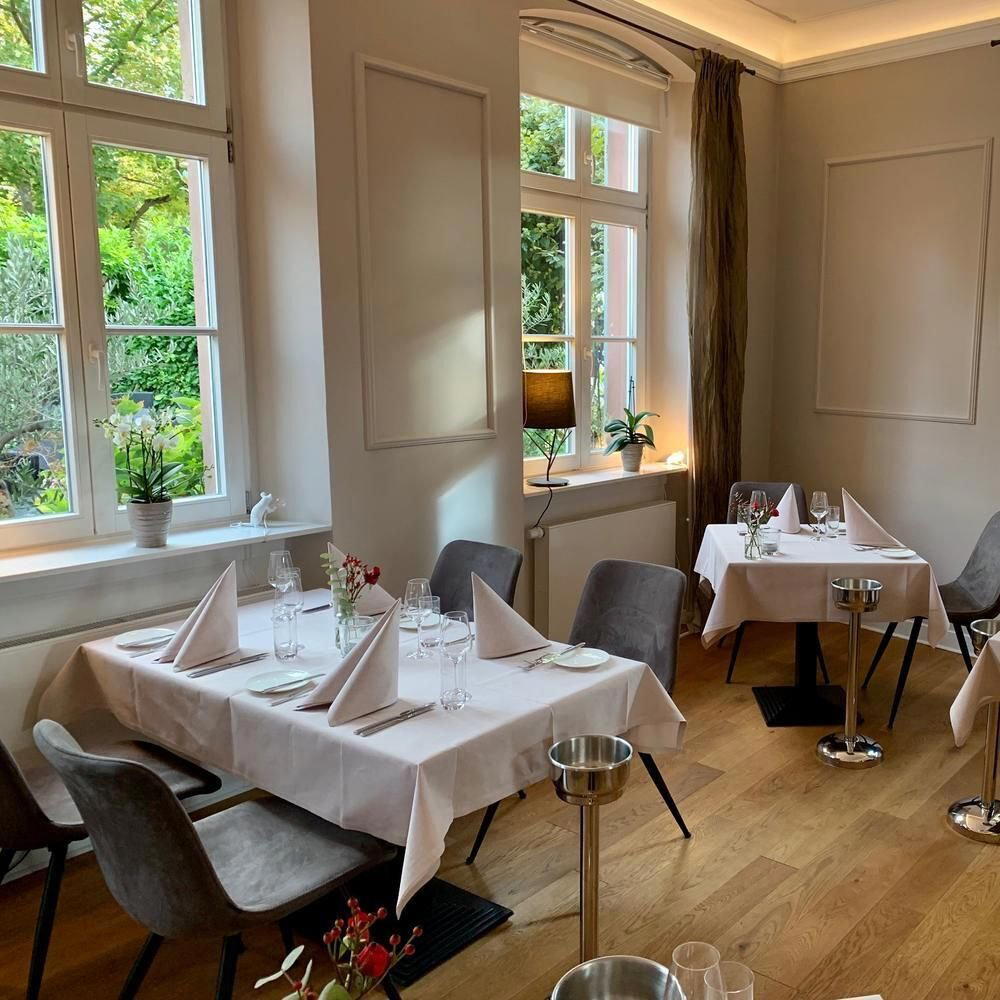
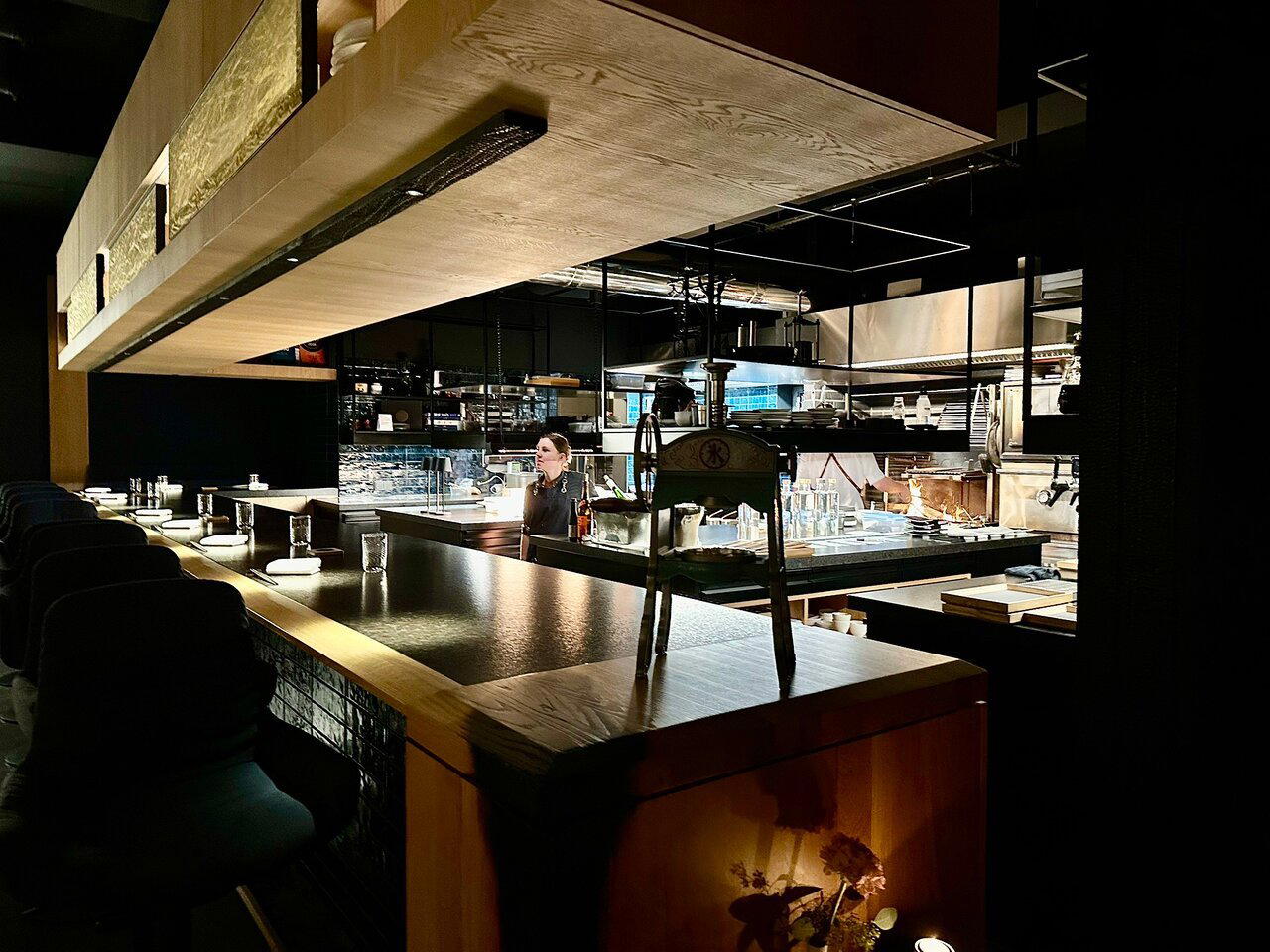
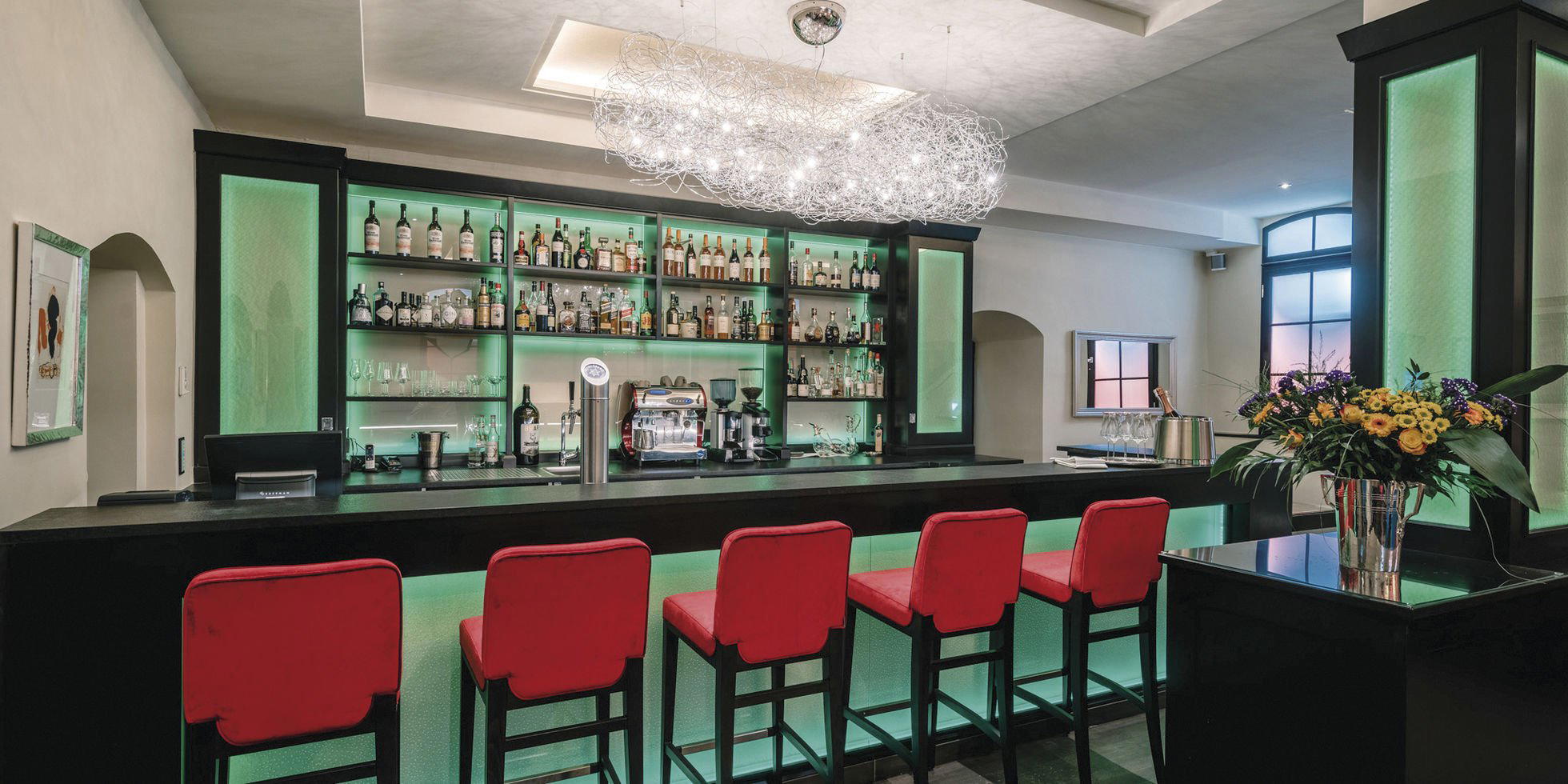
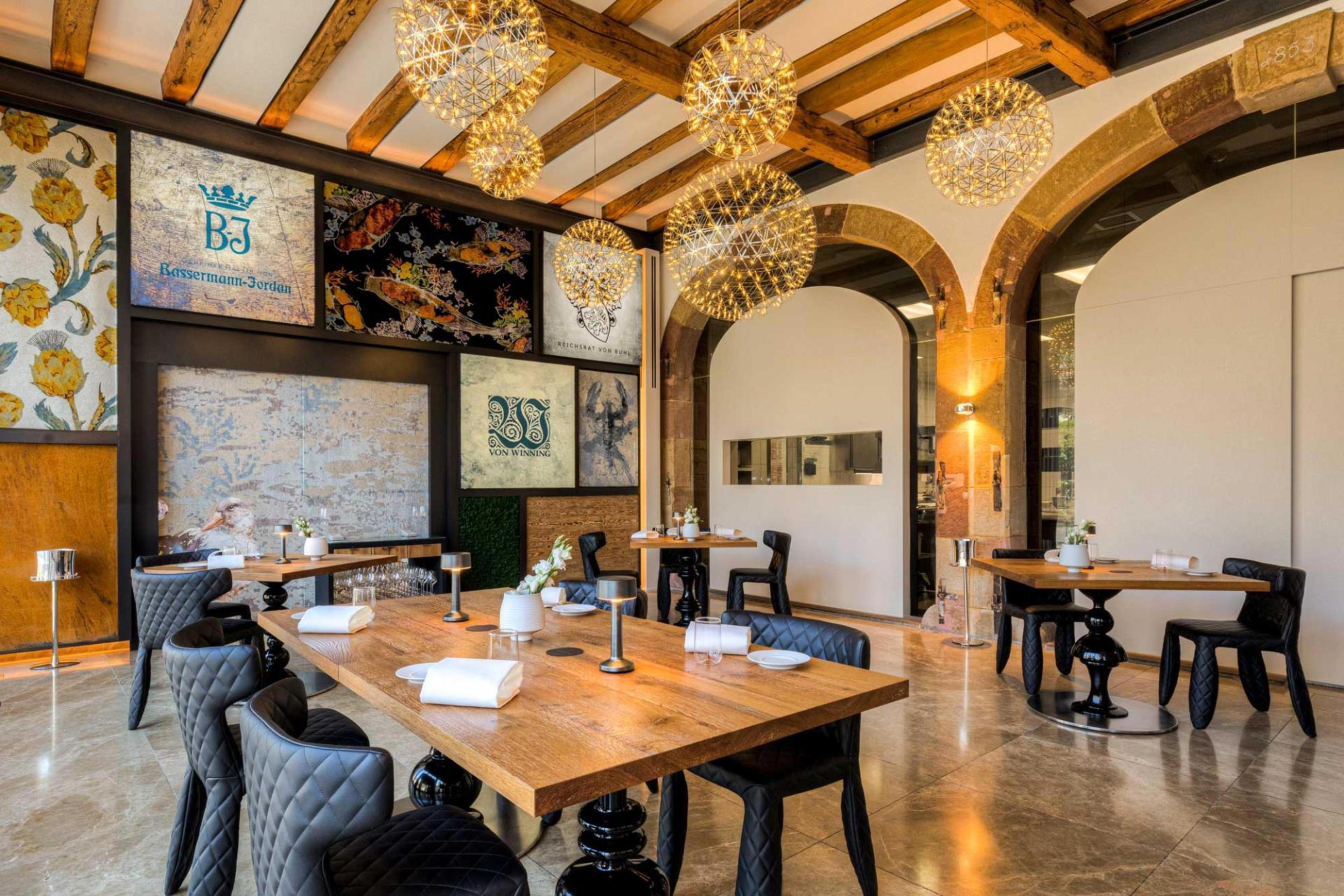
A blend of rustic heritage and modern comfort, with a stylish, lively yet intimate feel; reviews and design coverage describe the interiors as modern, tasteful, and friendly, with natural materials and a strong historic character.