Intense




2 Michelin Stars · La Liste Top Restaurants · Falstaff Restaurant - 95 Falstaff Points
Our verdict
Intense holds two Michelin stars and an Opinionated About Dining Top 254 Europe ranking in 2025, making it the most decorated restaurant on the German Wine Route. Chef Benjamin Pfeifer works a modern European-Asian fusion format from a Thursday-to-Saturday dinner schedule in Wachenheim an der Weinstraße. For serious diners travelling the Palatinate, it represents a clear destination rather than a regional discovery.

Pearl is the En Primeur Club membership app, where members save venues, book tables and use the concierge.
The menu
What to order
- Taube Izakaya Style
- Bienenstich
- Tonkotsu Ramen
A Two-Star Destination on the German Wine Route
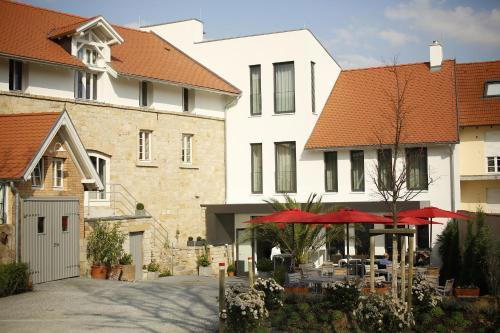
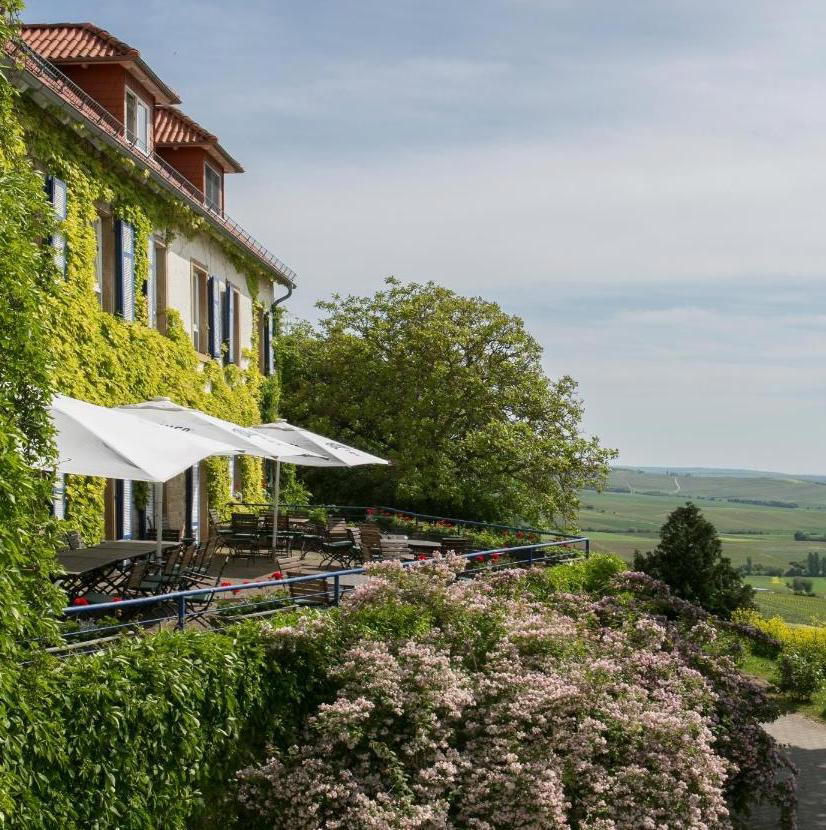
Wachenheim an der Weinstraße sits along the Palatinate's central stretch of the Deutsche Weinstraße, a corridor more associated with Riesling producers and village wine festivals than with fine dining at the level you find in Munich or Hamburg. That contrast is part of what makes the restaurant scene here notable: Intense has assembled a two-Michelin-star credential and a 2025 Opinionated About Dining ranking of 254 in Europe from a village address, competing against peers in major German cities and, by OAD's measure, coming out ahead of many of them. If you arrive by car from Mannheim or Neustadt, the transition from motorway to vineyard lanes takes less than half an hour, and the scale shift feels more pronounced than the distance suggests. For context on what else the town and its surroundings offer, see our full Wachenheim an der Weinstraße restaurants guide, our full Wachenheim an der Weinstraße hotels guide, and our full Wachenheim an der Weinstraße wineries guide.
European-Asian Fusion at the Palatinate Level
The fusion of modern European and Asian culinary traditions is not a new idea at this price point. What matters is the depth of integration: whether the Asian references function as garnish or as structural logic within a dish. The distinction at Intense is that Chef Benjamin Pfeifer is working this synthesis from within Germany's wine country, where the local ingredient palette and the dominant regional wine culture create a different set of anchors than you would find in a metropolitan kitchen.
Pfeifer's trajectory follows a pattern increasingly common among chefs who reach two-star level before the age of forty: training across multiple culinary cultures, then applying that range within a tight, personally defined format. The award progression at Intense itself is instructive. OAD's recommendation of the restaurant as a leading new European entry in 2023 was followed by a first Michelin star in 2024 alongside an OAD ranking of 474 in Europe. By 2025, that OAD position had risen to 254, and Michelin added a second star. La Liste's 2026 edition placed Intense at 86 points. That kind of compressed upward movement across three consecutive award cycles suggests a kitchen operating with considerable consistency and intent, not a single standout season.
Where Intense Sits in the German Fine Dining Hierarchy
Germany's two-star tier is competitive in ways that are not always visible to international visitors. The country has a significant concentration of multi-star restaurants, many of them in secondary cities or rural settings rather than in Berlin. Vendôme in Bergisch Gladbach and ES:SENZ in Grassau operate at the same star level as Intense, each with a distinct regional and culinary identity. Schanz in Piesport operates from the Moselle wine region with a similar rural-destination logic. What distinguishes Intense within this cohort is the speed of its critical ascent and the specificity of its European-Asian synthesis in a region where that approach is less common than classical French or contemporary German formats.
At the three-star level, the comparison set shifts: Schwarzwaldstube in Baiersbronn represents the classical French tradition embedded in a Black Forest hotel, while Victor's Fine Dining by Christian Bau in Perl has long operated a French-Japanese synthesis at the highest German level. Intense is working a related register but at a different stage of its development and from a different regional base. Waldhotel Sonnora in Dreis offers another data point: a three-star kitchen in the Moselle region that demonstrates how rural German wine country can sustain serious fine dining over decades. For broader reference on what two-star creative dining looks like in a German city context, CODA Dessert Dining in Berlin runs a distinctive format that sits at the same Michelin level.
The Palatinate as a Dining Region
The Deutsche Weinstraße has historically attracted visitors for its wine estates and half-timbered village architecture rather than its restaurant scene. That is changing at the upper end of the market. Intense is part of a pattern visible in other wine-producing regions across Europe: as regional wine identities mature and attract international interest, a fine-dining tier develops alongside them, often drawing on the same local producers and seasonal ingredients that make the wine culture distinctive. The Palatinate produces more wine than any other German region, and its warmer southern microclimate allows for a wider range of grape varieties than the Moselle or Rhine valleys to the north. For a restaurant working with European-Asian fusion, that ingredient availability creates opportunities that a kitchen in a cooler or more remote wine region would not have.
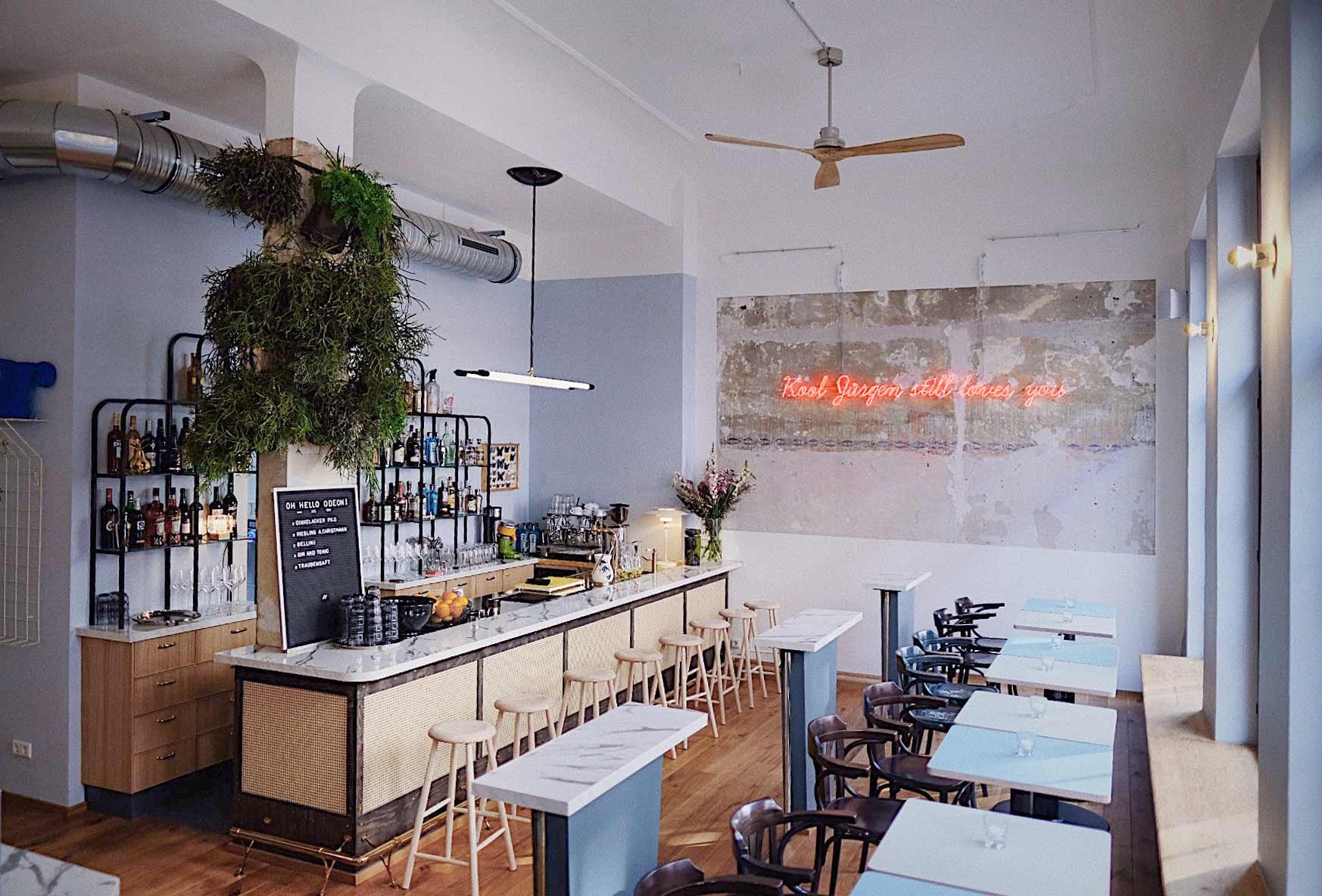
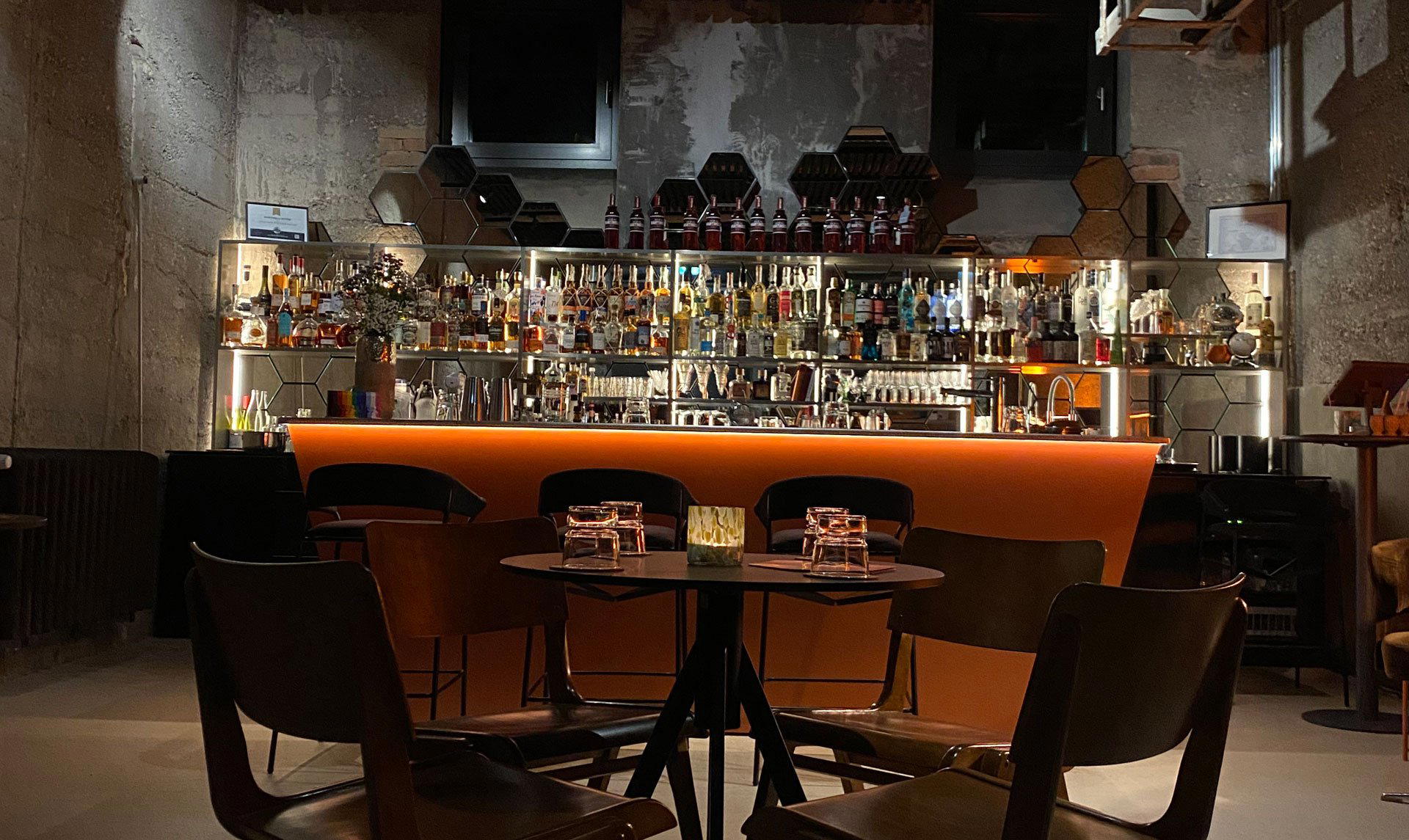
Visitors planning around Intense will find a limited but focused set of options in the area. The bars guide for Wachenheim and the experiences guide cover what the broader area offers beyond the restaurant itself.
Planning a Visit
Intense operates a Thursday through Saturday dinner service, with sittings running from 6:30 to 11:30 pm. Monday, Wednesday, and Sunday are closed, and Tuesday is also off the schedule. This four-night-per-week format is not unusual for kitchens at this level in Germany, where many two-star restaurants restrict their service to maintain quality and manage the physical demands on a small team.
The address at Weinstraße 31 puts the restaurant directly on the wine route, which is both a practical and symbolic positioning. Visitors arriving from elsewhere in Germany or from Alsace across the border will find the drive through the Palatinate vineyards a reasonable approach. For those extending a trip to include other high-level German restaurant experiences, Restaurant Haerlin in Hamburg, JAN in Munich, and Bagatelle in Trier represent different regional anchors for a broader German fine dining itinerary. Those interested in how European-Asian fusion operates at a global reference level might also look at Le Bernardin in New York City for a point of comparison on how a single culinary tradition can be pressed to its outer limits within a fine dining frame.
The Critical Consensus
Three consecutive years of upward movement across Michelin, OAD, and La Liste suggest that Intense is not a restaurant coasting on early recognition. The jump from OAD 474 to OAD 254 in a single year, coinciding with Michelin's addition of a second star, is the kind of double signal that serious diners track when deciding where to allocate a destination meal. The 86-point La Liste score for 2026 places it within a global reference frame rather than a purely German one.
Frequently asked questions
What should I budget for a meal at Intense?
Pricing at Intense is listed as €€€€.
What are Intense's hours?
Hours at Intense: Hours: Monday Closed Tuesday 6:30–11:30 pm Wednesday Closed Thursday 6:30–11:30 pm Friday 6:30–11:30 pm Saturday 6:30–11:30 pm Sunday Closed.
In Context: Similar Options
| Venue | Cuisine | Price | Awards | Notes |
|---|---|---|---|---|
| IntenseThis venue (the venue you are viewing) | Modern Japanese-Pfalz Fusion | $150–200 | 2 Michelin Stars · La Liste Top Restaurants | Not listed |
| Schwarzwaldstube | Modern French Fine Dining | $150–200 | 3 Michelin Stars · World's 50 Best #47 | French, Classic French |
| Aqua | Contemporary German, Italian/Japanese, Creative | Not listed | Michelin 3 Star | Not listed |
| CODA Dessert Dining | Dessert-Inspired Fine Dining | $200–300 | 2 Michelin Stars · World's 50 Best #79 | Creative |
| Tantris | Modern French, French Contemporary | Not listed | Michelin 2 Star | Not listed |
| Vendôme | Modern German Haute Cuisine | $200–300 | 2 Michelin Stars · World's 50 Best #47 | Modern European, Creative |
Recognition history
Dated appearances from independent guides and award organizations, with the underlying list record or original source where available.
Michelin 2 Stars
Michelin
La Liste Top Restaurants
La Liste
Falstaff Restaurant - 95 Falstaff Points
Falstaff
Opinionated About Dining Top Restaurants in Europe Recommended
Opinionated About Dining
Full recognition history (9 entries)
Michelin 2 Stars
Michelin
Opinionated About Dining Top Restaurants in Europe Ranked #254
Opinionated About Dining
Michelin 1 Star
Michelin
Opinionated About Dining Top Restaurants in Europe Ranked #474
Opinionated About Dining
Opinionated About Dining Top New Restaurants in Europe Recommended
Opinionated About Dining
Continue exploring
More in Wachenheim an der Weinstraße
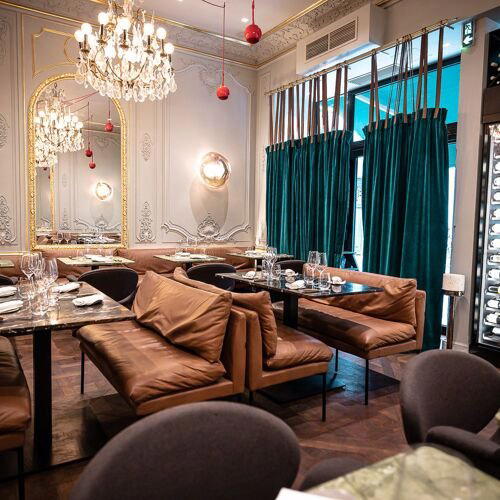
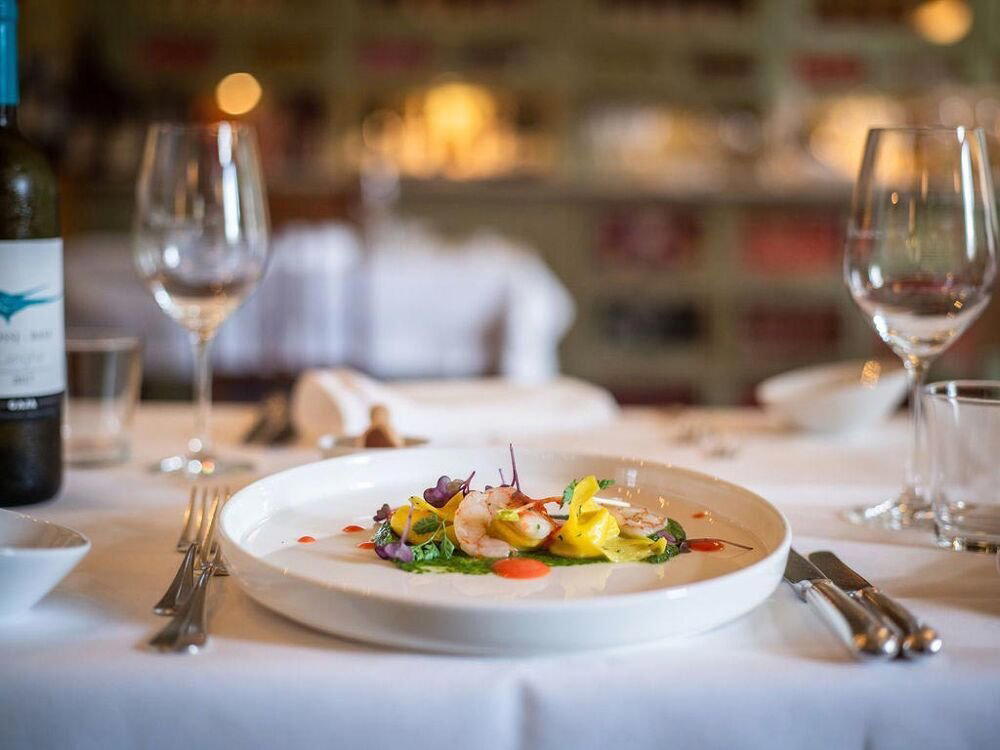
Restaurants in Wachenheim an der Weinstraße
All restaurants in Wachenheim an der Weinstraße →
Bars in Wachenheim an der Weinstraße
Browse all →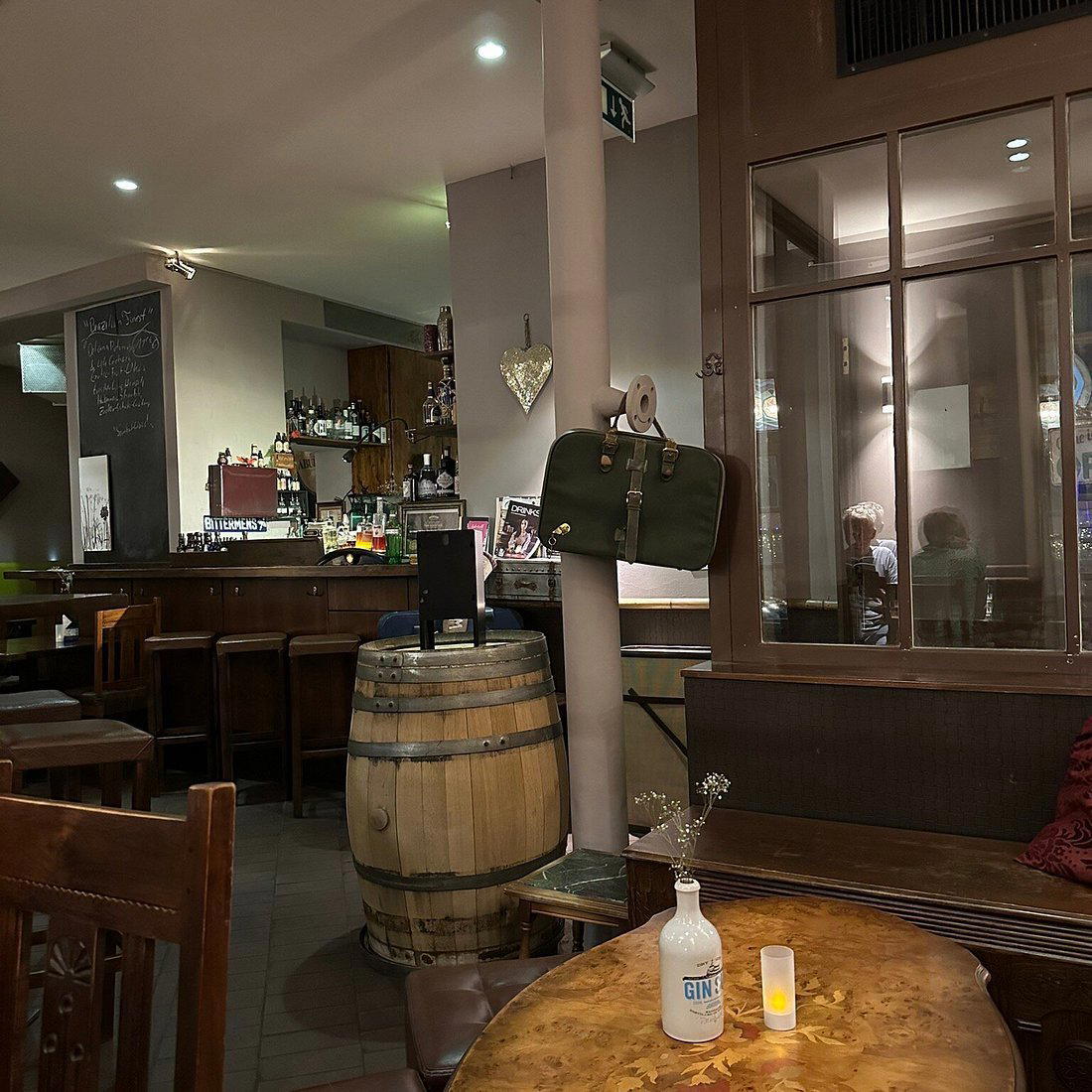
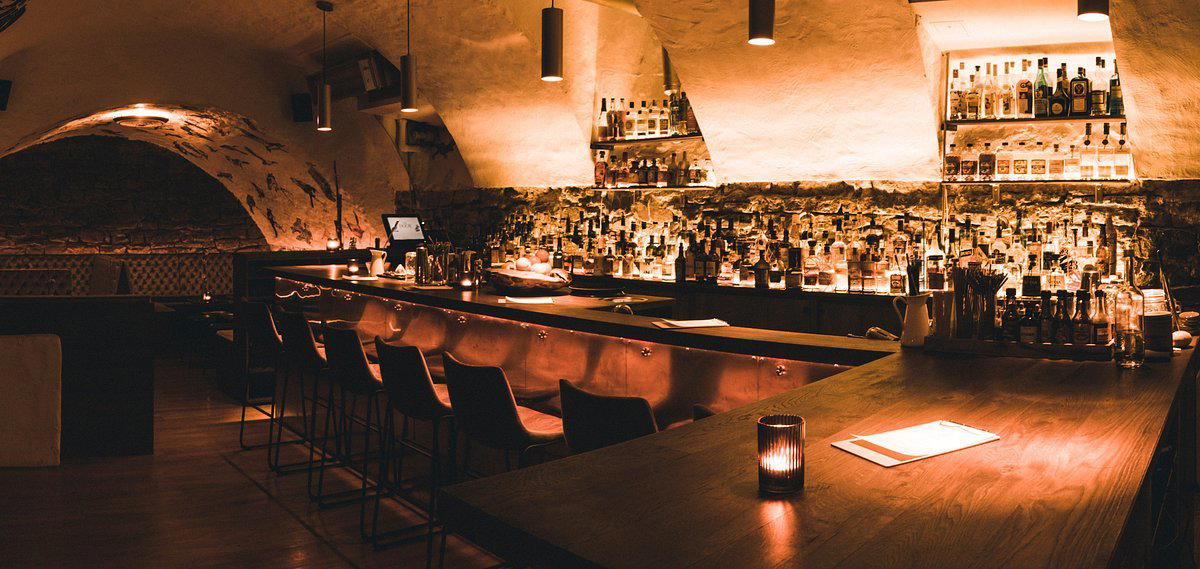
Hotels in Wachenheim an der Weinstraße
Browse all →
Intense
The wine
- Extensive wine list
- Sake program
Details
- Sophisticated
- Elegant
- Modern
- Intimate
- Date Night
- Special Occasion
- Open Kitchen
- Chefs Counter
- Extensive Wine List
- Sake Program
- Local Sourcing
- Tasting Menu
- Sake Program
- Wine Pairing
- Vegetarian Friendly
Current opening hours
- Monday
- Closed
- Tuesday
- 6:30–11:30 p.m.
- Wednesday
- Closed
- Thursday
- 6:30–11:30 p.m.
- Friday
- 6:30–11:30 p.m.
- Saturday
- 6:30–11:30 p.m.
- Sunday
- Closed
Hours can change for holidays and private events. Hours as of .
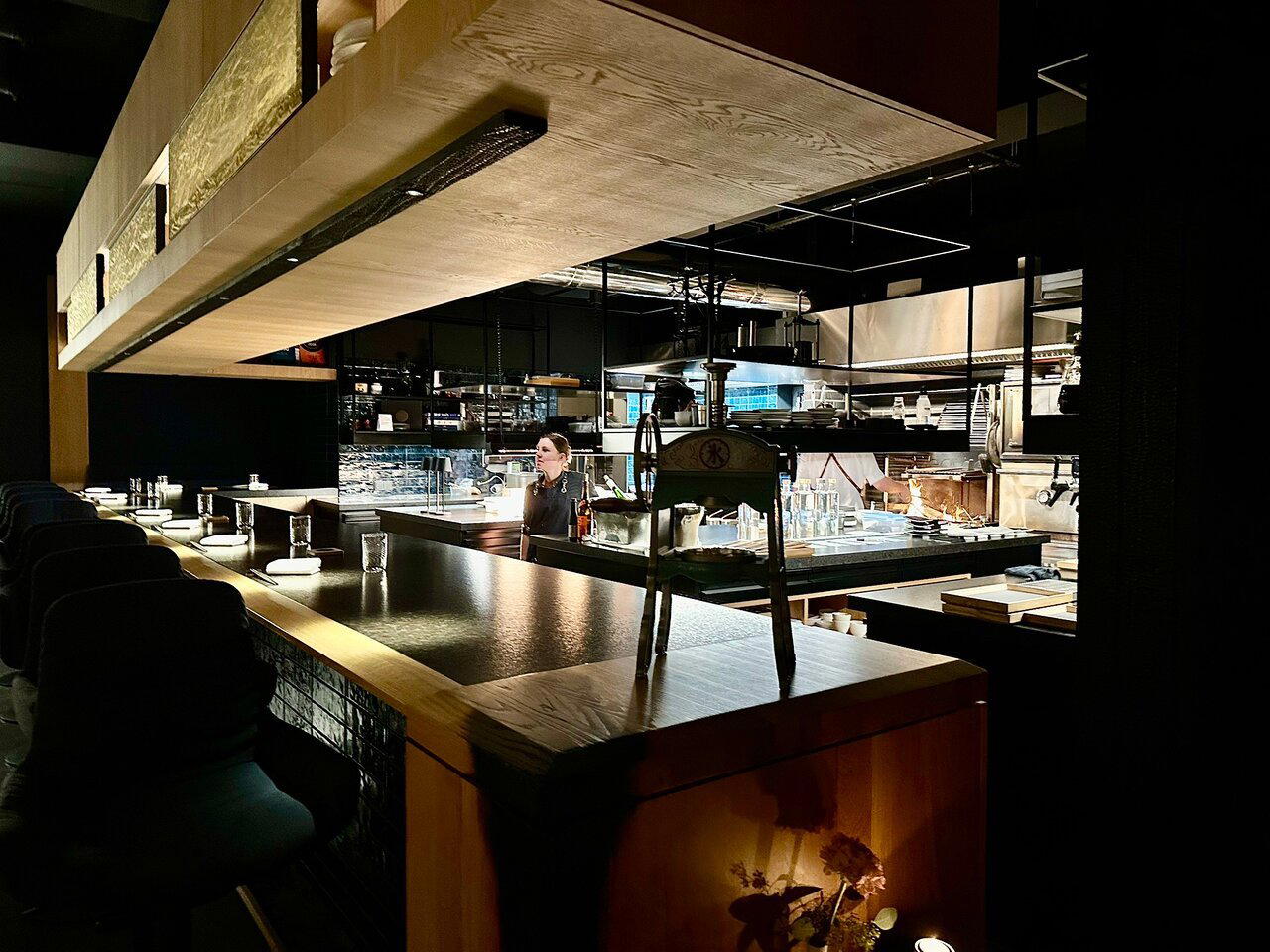
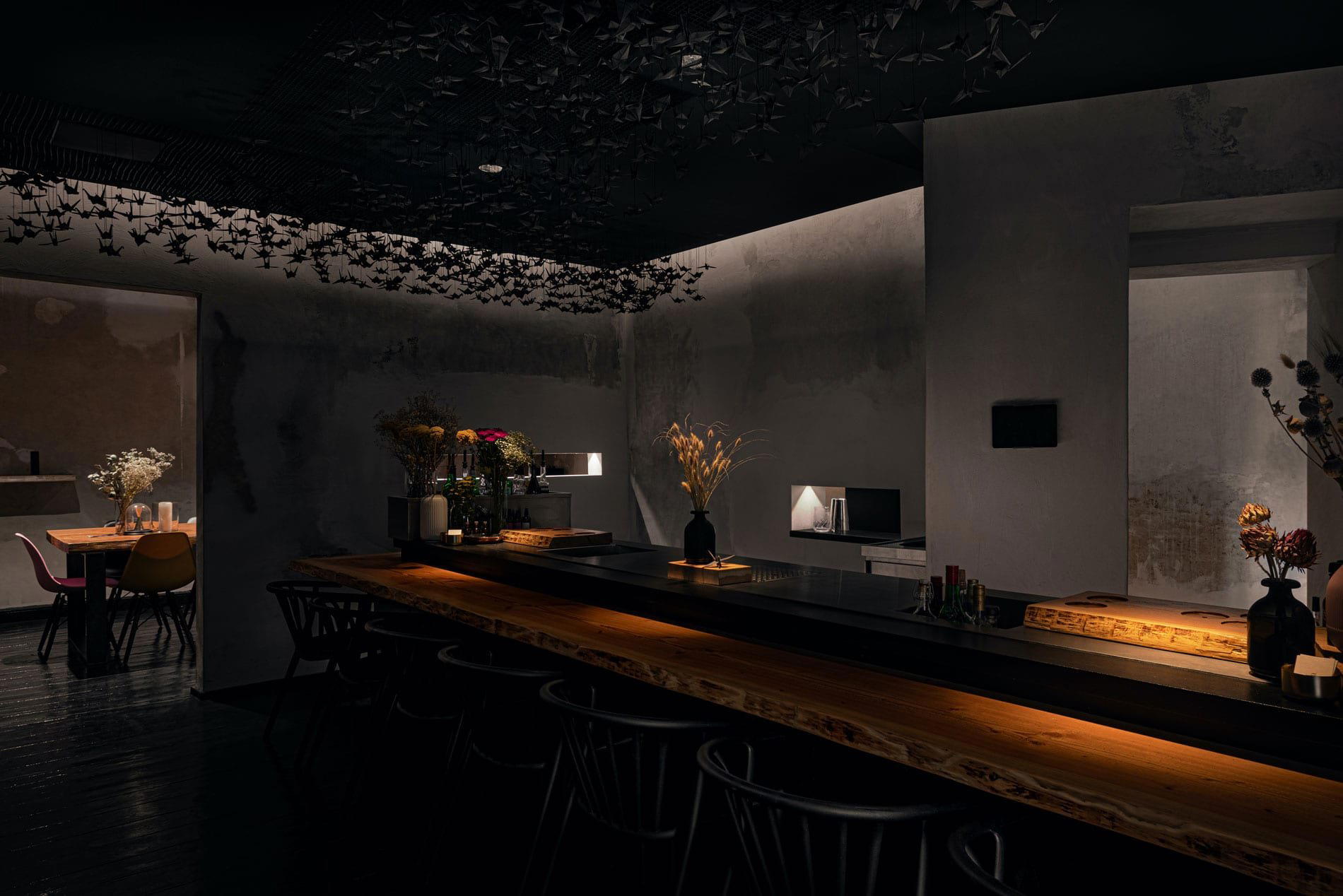
Stylish, puristisch-urban with open kitchen, industrial chic elements, relaxing yet lively atmosphere enhanced by background music and dim lighting.